REVIEW · KATHMANDU
Kathmandu Guided Day Tour: Explore Top 4 UNESCO Heritage Sites
Book on Viator →Operated by Best Treks and Adventure · Bookable on Viator
Four UNESCO sites in one Kathmandu day? That’s the magic. This tour strings together Swayambhunath’s monkey-mischief viewpoint, Patan’s craft-filled square, Pashupatinath’s cremation rituals, and Boudhanath’s giant stupa in one efficient circuit. I especially like how it lets you see Hindu and Buddhist Kathmandu side by side, all without wasting time.
I also like the practical extras: an included Thanka painting school visit plus a healing bowl demonstration, so you’re not just hopping from monument to monument. The one drawback to plan for is pace. Even though each stop is timed (and there’s an air-conditioned ride between them), you’ll still spend a good chunk of the day walking, climbing, and keeping your schedule tight.
In This Review
- Key Things That Make This Tour Work
- Why These Four UNESCO Stops Feel Like One Story
- Picking Up the Day: Vehicle Comfort and Real-World Timing
- Stop 1: Swayambhunath Monkey Temple and Its 360° Kathmandu Views
- Stop 2: Patan Durbar Square, Krishna Temple, and the Craft You Can See
- Stop 3: Pashupatinath and the Bagmati River Cremation Rituals
- Stop 4: Boudhanath Stupa, the Giant Dome, and the Kora Walk
- The Cultural Extras: Thanka Painting and Healing Bowl Demonstration
- Guide and Driver Details That Actually Improve the Day
- Price and Logistics: Is $55 Worth It?
- Who Should Book This Tour, and Who Might Want Another Plan
- Should You Book This Kathmandu UNESCO Day Tour?
- FAQ
- How long is the Kathmandu guided day tour?
- Is hotel pickup included?
- What’s included in the price?
- Are UNESCO entrance fees included?
- Is lunch included?
- Can I cancel and get a full refund?
Key Things That Make This Tour Work
- A clear four-site UNESCO route: Swayambhunath, Patan Durbar Square, Pashupatinath, and Boudhanath in one day
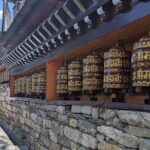
- 360° viewpoint time at Swayambhu: Temple-on-a-hill views over Kathmandu Valley, plus prayer wheels and monkeys
- Patan’s craft focus: Centuries-old metalwork and detailed wood carving around the Krishna Temple area
- Pashupatinath’s Bagmati River ceremonies: A powerful Hindu ritual setting you’ll experience up close
- Boudhanath’s kora walk energy: Watch and (if you choose) join the devotional loop around the stupa dome
- Included culture add-ons: Thanka school visit, healing bowl demonstration, bottled water, and a licensed guide
Why These Four UNESCO Stops Feel Like One Story
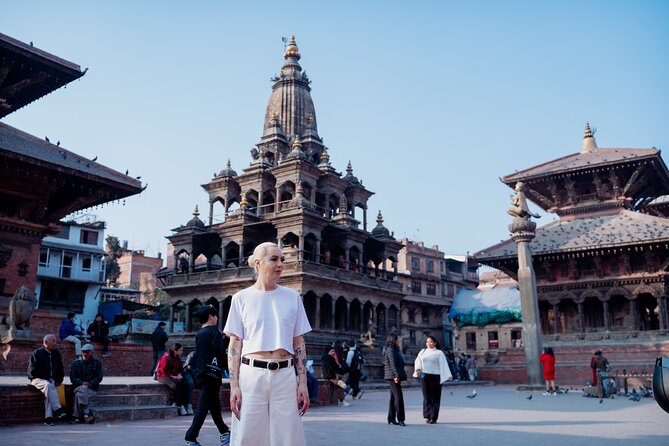
Kathmandu can feel big and confusing. This tour avoids that by moving through the city like a guided timeline of beliefs, art, and ritual.
You start high at Swayambhunath, where the hilltop viewpoint frames the valley and the prayer wheels set a calm rhythm. Then you drop into Patan Durbar Square, a place where old skills show up in metalwork and wood carving, not behind a museum rope. After that, the day turns more solemn at Pashupatinath along the Bagmati River, where Hindu cremation ceremonies are part of the spiritual landscape. Finally, you end at Boudhanath, where Buddhist devotion wraps around a massive stupa through the kora walk ritual.
That flow is exactly why this kind of day tour is valuable. You’re not just seeing famous buildings; you’re seeing how people live their faith—quietly, artistically, and sometimes dramatically—across the same city.
You can also read our reviews of more guided tours in Kathmandu
Picking Up the Day: Vehicle Comfort and Real-World Timing
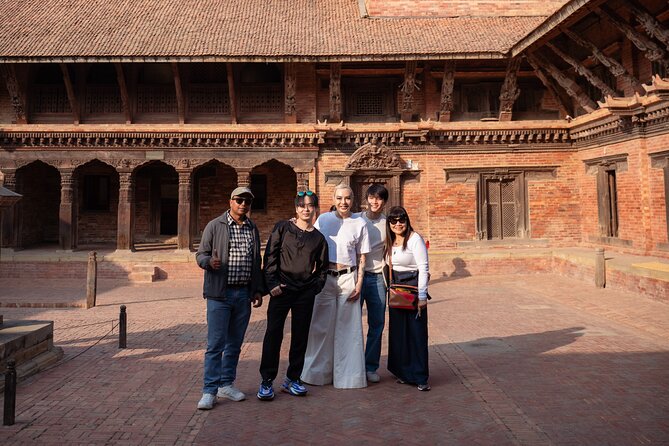
This is a guided day outing in Kathmandu that runs about 5 to 7 hours. You get pickup offered, and you travel in an air-conditioned vehicle, which matters more than you’d think in Nepal’s shifting daily weather and traffic.
A couple of practical notes for your comfort:
- You’ll have bottled water (1000 ml) per person included, which helps when you’re moving between sites.
- The tour uses a mobile ticket, so you should keep your phone charged and handy.
- It’s structured so you can cover four major areas without self-navigating through crowds and tuk-tuk chaos.
Also, budget for the parts not baked into the headline price. Lunch is not included, and UNESCO World Heritage site entrance fees are listed as separate (USD 20 or NPR 2600 per person). Tips for the guide and driver are expected. In other words, your total day cost will be a bit higher once you add those essentials.
Stop 1: Swayambhunath Monkey Temple and Its 360° Kathmandu Views
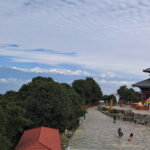
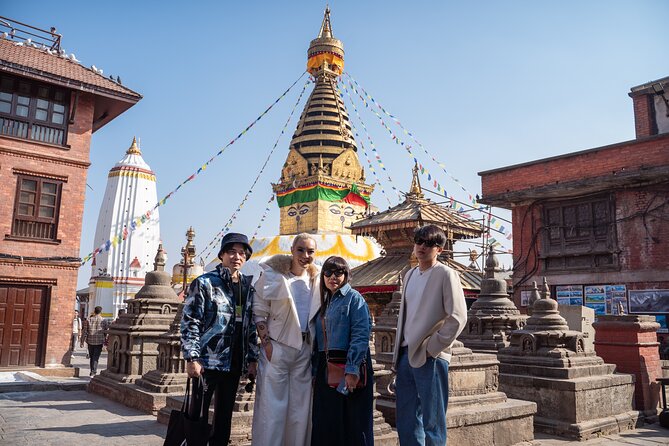
Swayambhunath (often called the Monkey Temple) sits up on a hill, and that elevation turns the first stop into a natural “orientation” moment. You’re not just looking at the temple—you’re getting the valley framed around it.
What makes Swayambhunath memorable:
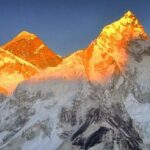
- The 360° viewpoint: you see Kathmandu Valley and, on clear days, parts of the Himalaya region.
- The prayer wheels: the sound and motion of devotees interacting with them gives the place a sense of steady momentum.
- Monkeys: yes, they’re part of the experience, and they add energy the same way street performers do—sudden, funny, and a little unpredictable.
This stop is timed at about 1 hour, with admission covered per the tour schedule. Plan for stairs and uneven temple areas. Even if you’re an experienced walker, this is the kind of place where you start climbing early in the day—so wear something grippy and comfortable.
One more smart move: treat the viewpoint time as your “get your bearings fast” moment. Once you see the valley from above, the rest of the city starts making more sense.
Stop 2: Patan Durbar Square, Krishna Temple, and the Craft You Can See
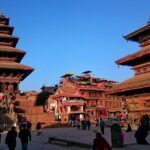
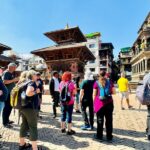
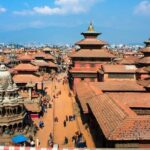
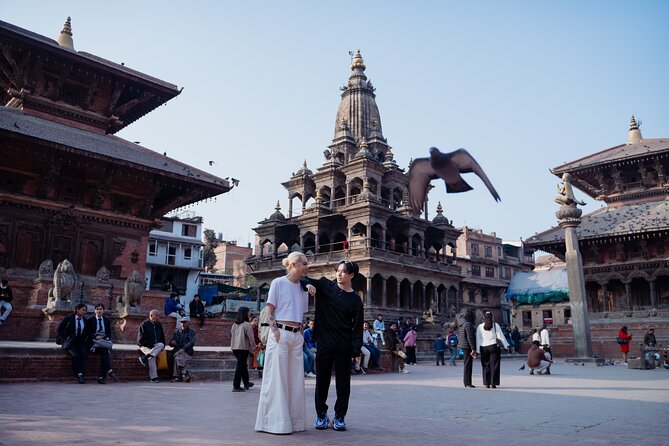
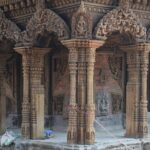
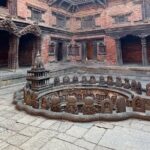
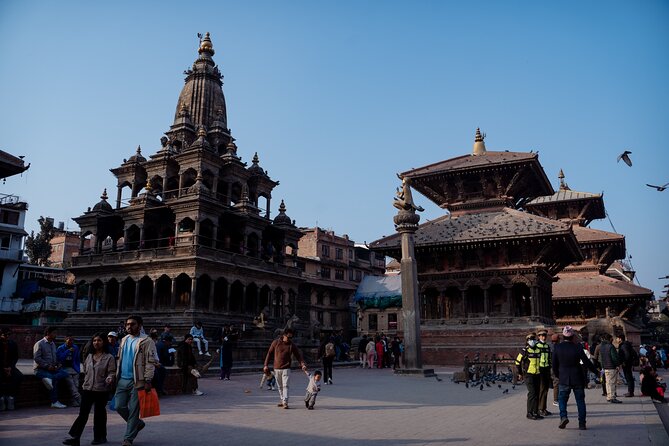
After Swayambhunath, you go from viewpoint energy into craft and architecture. Patan Durbar Square is the heart of Patan’s old royal complex—where you’ll see clusters of temples and monuments packed into a walkable area.
Here’s what makes Patan different from a typical stop:
- You’ll see centuries-old metalwork and intricate wood carvings.
- The square includes the Krishna Temple, which is a standout feature in this stop’s focus.
- The area is tied to what “durbar” means locally: the old palace core, with temples and historic structures living around it.
This is one of those places where taking your time pays off. The carvings aren’t just decoration; they show skill passed down through generations. If you enjoy architecture or design details, you’ll feel the time working for you.
The visit here is timed at around 2 hours, which is a good buffer. You’re not rushed through. You can pause, look up, and actually notice how old craftsmen shaped the space.
Stop 3: Pashupatinath and the Bagmati River Cremation Rituals
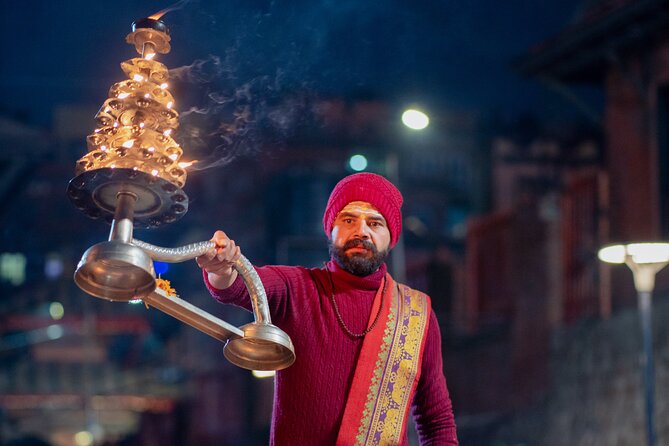
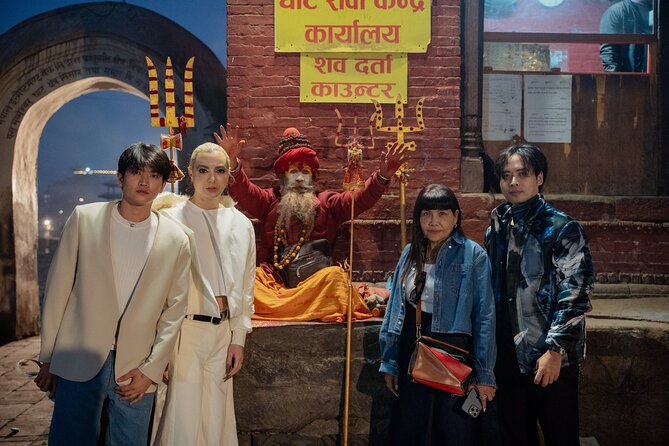
Then comes the stop that many people remember the most: Pashupatinath Temple on the Bagmati River. This is one of the most important Hindu temples worldwide, and it’s known for sacred ceremonies connected to the river.
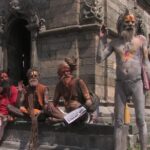
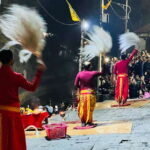
This is the part of the day where the atmosphere turns serious. The tour experience centers on the setting and the Hindu tradition of cremation rituals along the Bagmati River. It’s not “a show,” and it isn’t something you should treat as entertainment. If this topic feels heavy to you, you should mentally prepare for that tone before you arrive.
What I like about how this stop is handled within the tour is that it’s given time to land. It’s scheduled for about 1 hour, and the experience is framed as a meaningful spiritual spectacle rather than a quick photo stop.
Practical advice for your own comfort:
- Go in with a respectful mindset.
- If crowds or the ceremony intensity becomes too much, you can step back and observe from a calmer spot.
- Wear modest, comfortable clothing, and keep your pace gentle. This area is active in a way temple courtyards often are, but the mood is distinct.
You can also read our reviews of more historical tours in Kathmandu
Stop 4: Boudhanath Stupa, the Giant Dome, and the Kora Walk
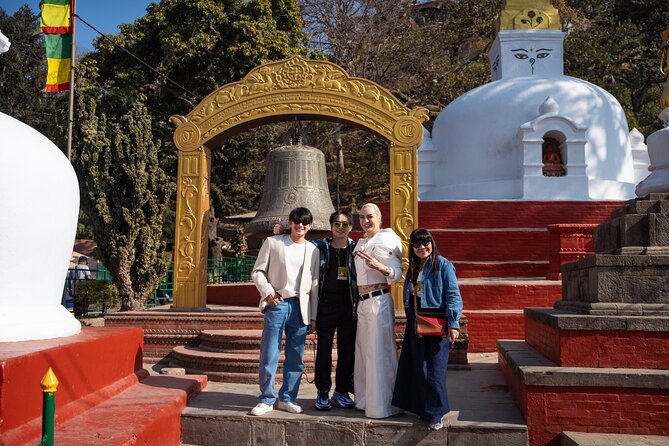
Boudhanath is where the day shifts again—from river ritual to Buddhist devotion centered on a giant stupa. The stupa is described as the biggest Buddhist temple in Nepal and second biggest Buddhist stupa in the world, so you can expect scale.
What makes this stop special:
- The massive dome is the visual anchor.
- Devotees perform kora, a ritual walk around the stupa, which creates a steady devotional rhythm.
- You get that “everyone is doing the same thing for a reason” feeling. It’s calming, and it’s easy to understand even without a deep background.
This stop is also set for about 1 hour. That’s enough time to take in the stupa from different angles and to watch the kora without feeling like you’re being rushed out.
One of my favorite things about ending here: your day has emotional range. Swayambhunath gives views and playful energy. Patan brings craft. Pashupatinath brings solemn spirituality. Boudhanath brings meditative focus. It’s a balanced ending.
The Cultural Extras: Thanka Painting and Healing Bowl Demonstration
This tour stands out because it doesn’t only serve monuments. Included inside the day are two culture-centered stops:
- A Thanka (traditional art) painting school visit
- A healing bowl demonstration center visit
Why these matter, beyond being “nice add-ons”:
- Thanka art is not just aesthetic. It’s part of religious practice and visual storytelling, and seeing how artists approach the craft helps you understand what you’re looking at when you see related imagery around Kathmandu.
- The healing bowl demonstration adds a different kind of cultural lens. Even if you’re skeptical about healing claims, you’ll still walk away with a better sense of how sound and ritual can fit into daily tradition.
These visits also break up the walking time, which helps you keep energy for the main UNESCO sites.
Guide and Driver Details That Actually Improve the Day
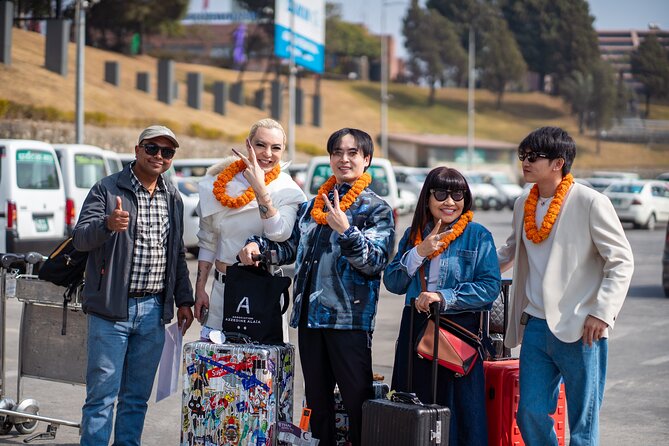
A lot of day tours promise “a good guide.” This one has specifics that matter.
Your guide may be Prakash, and the reviews place him at the center of what works. He’s described as friendly and attentive, and he provides context that turns landmarks into meaningful places—especially around Nepalese history and culture. One review notes he holds a Masters degree, which helps explain the depth of background he shares.
On the logistics side, you’re traveling with a roadworthy vehicle and a driver described as skilled and careful. That may sound minor, but it affects your day. When traffic and road conditions are part of the reality, a confident driver keeps the tour stress lower.
Bottom line: you’re not just paying to be carried. You’re paying for someone who can connect what you’re seeing to what it means.
Price and Logistics: Is $55 Worth It?
At $55 per person, this tour can be a strong value if you want a focused UNESCO sampler with real guidance.
Here’s how the math tends to look:
- Included: air-conditioned transport, a government-licensed guide, bottled water, Thanka school visit, and a healing bowl demonstration
- Also included in the schedule: admission ticket references per site visit
- Not included: lunch, UNESCO entrance fees (listed around USD 20 / NPR 2600 per person), plus tips for guide and driver
So your “all-in” cost depends on those add-ons, but the core value stays the same: you’re bundling four major UNESCO locations into one guided day, with comfort and cultural extras included.
If you’re traveling with friends or family, the tour advertises group discounts and runs as a private tour/activity for your group. That can be another value boost, because you’re not competing with strangers for a guide’s attention.
Who Should Book This Tour, and Who Might Want Another Plan
This itinerary is a good fit if:
- You have limited time in Kathmandu and want a top-sites checklist with guidance.
- You like religion-and-art days, where buildings connect to lived ritual.
- You want cultural add-ons (Thanka art and healing bowl demo) mixed into the UNESCO core.
You might reconsider if:
- You dislike active days that involve stairs, crowds, and frequent “move to the next site” transitions.
- Pashupatinath’s cremation rituals might feel too intense for your comfort level.
- You’d rather spend longer in one neighborhood with a slower rhythm.
For most first-time visitors, though, this is exactly the kind of “get your bearings and understand the city” day that pays dividends later.
Should You Book This Kathmandu UNESCO Day Tour?
I’d book it if you want a compact, guided path through Kathmandu’s most famous UNESCO sites, with a thoughtful mix of Hindu and Buddhist landmarks. The route makes sense in a single day: viewpoint start, craft center, solemn river ceremony, meditative stupa finish.
Also, I like that the day isn’t only monuments. The Thanka and healing bowl stops give you context that helps the big names mean more once you’re standing in front of them.
Just go in with two expectations: bring money for UNESCO entrance fees and accept the day’s active pace. If that fits your style, this tour is a practical, high-value way to see the Kathmandu that most people come to understand.
FAQ
How long is the Kathmandu guided day tour?
The tour runs about 5 to 7 hours.
Is hotel pickup included?
Pickup is offered as part of the experience.
What’s included in the price?
Included features list an air-conditioned vehicle, a government-licensed tour guide, a Thanka painting school visit, a healing bowl demonstration center visit, and bottled water (1000 ml) per person.
Are UNESCO entrance fees included?
No. UNESCO World Heritage site entrance fees are listed as not included, around USD 20 or NPR 2600 per person.
Is lunch included?
No. Lunch is not included.
Can I cancel and get a full refund?
Yes. Free cancellation is available, and you can cancel up to 24 hours in advance for a full refund.