REVIEW · KATHMANDU
Everest Base Camp Trek – 14 Days
Book on Viator →Operated by Ace the Himalaya · Bookable on Viator
If Everest Base Camp is on your list, this trek is worth a close look. The big draw here is how the logistics get handled for you—domestic flights, permits, trail lodging, and porters—so you can focus on moving and taking in the views. Add in a licensed English-speaking guide and emergency planning, and it feels built for real people, not just strong athletes.
I especially like the small-group cap of 14. You get personalized attention without feeling like you’re lost in a crowd. And I like that you’re not shouldering the heavy gear: there’s porter support for 11 days (1 porter for 2 clients), plus most meals and trail accommodation are included.
One consideration: the route includes hard altitude days, including reaching Everest Base Camp (5,365m) and aiming for Kala Patthar (5,555m). Also, the Lukla flight plan can change during busy season, sometimes shifting to Manthali (Ramechhap).
In This Review
- Key reasons this Everest Base Camp trek earns serious praise
- A 14-day Everest Base Camp trek that cuts the noise (and the heavy load)
- Kathmandu start: transfers, a real hotel, and a signboard meeting at Tribhuvan
- Lukla begins the real trek: how flights can shift to Manthali
- Namche and the Sherpa culture stops: where acclimatization becomes part of the trip
- Namche Bazaar acclimatization and the Sherpa Museum (Day 4)
- Tengboche Gompa (Day 5)
- Dingboche rest day and the route toward Lobuche
- Dingboche (Day 6)
- The dedicated acclimatization hike to Nangkartshang (Day 7)
- Toward Lobuche and memorials (Day 8)
- Everest Base Camp (5,365m) and Kala Patthar (5,555m): the two big altitude targets
- Kala Pattar for maximum payoff (Day 10)
- The descent: returning through Tengboche and Namche, plus your Lukla reset
- Price and value: what $1,800 gets you, and what it doesn’t
- Who this Everest Base Camp trek suits best (and who should think twice)
- Should you book Ace the Himalaya for a 14-day Everest Base Camp trek?
- FAQ
- FAQ
- What’s included in the trek price?
- Are meals included on the trek?
- Do I have to carry my own gear?
- What altitude does the itinerary reach?
- How many people are in the group?
- What about flights to Lukla—will they always run from Kathmandu?
- What luggage limit applies for domestic flights?
- Where will I sleep on the trek?
- Is travel insurance included?
- Do I need to tip the guide and porter?
- What if I cancel close to departure?
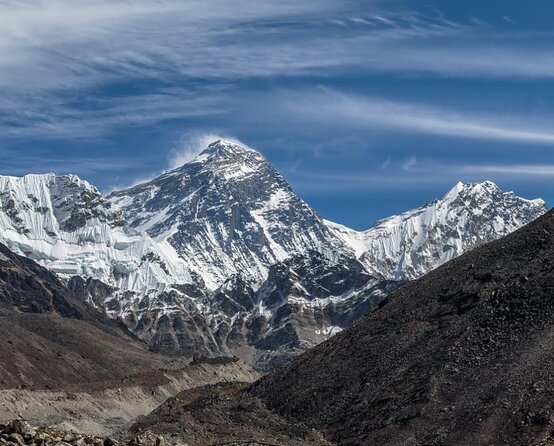
Key reasons this Everest Base Camp trek earns serious praise
- Intimate group size (max 14) for a steadier pace and real guide attention
- Licensed, first-aid trained guide focused on safety and emergency know-how
- Porters for 11 days so your pack stays sane while your legs do the work
- Built-in acclimatization time, including a dedicated day up high near Dingboche
- Major sights included: Namche acclimatization, Tengboche monastery, Base Camp, Kala Patthar
- Water and meals support with a Katadyn Pocket filter and standard trail meals included
A 14-day Everest Base Camp trek that cuts the noise (and the heavy load)
This tour is designed around one simple idea: you hike, you breathe the thin air, you take the photos. Someone else handles the moving parts—where you stay, what permits you need, and how your trek supplies and heavy items get carried.
The “value” isn’t just that it’s a guided Everest trip. It’s the mix of support services: a first-aid trained, government-licensed guide, porter assistance for most of the trek, and organized emergency medical evacuation arrangements. When you’re hiking near 5,000+ meters, that planning matters.
You’ll also like the pacing choices. Everest Base Camp is not just a straight line up and down. This itinerary works in acclimatization stops and gives you a couple of days to adjust before the big altitude push. If you’ve ever tried to wing an EBC plan, you already know how much chaos can creep in. Here, it’s handled.
You can also read our reviews of more hiking tours in Kathmandu
Kathmandu start: transfers, a real hotel, and a signboard meeting at Tribhuvan
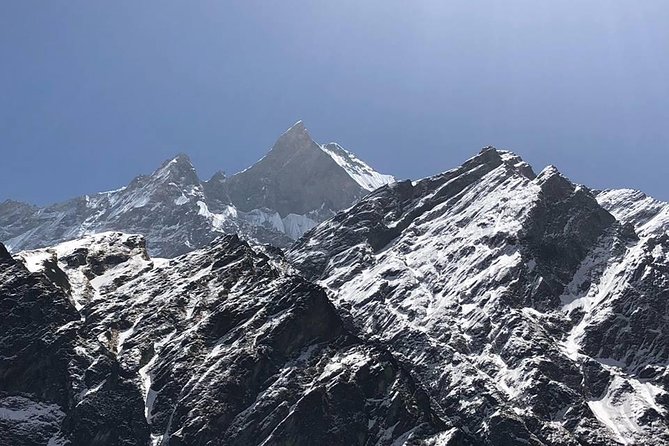
Day 1 is practical: an airport representative meets you at Tribhuvan International Airport with an Ace the Himalaya signboard, then you get transferred to Kathmandu by private vehicle. After a long travel day, that alone is a relief. You don’t need to figure out local transport or find your own way through Kathmandu’s traffic.
You also get two nights in Kathmandu in a 3-star twin-share room, with breakfast included. That matters because EBC logistics usually feel easier when you’re not sleeping in chaos on day one. You also have time to get your bags sorted, charge devices, and handle any last-minute gear issues before the flight north.
A small but helpful detail from the overall setup: you’ll receive a pre-trek briefing, so you know what to expect before you’re staring at the mountain and wondering how hard Day 9 really is.
Lukla begins the real trek: how flights can shift to Manthali
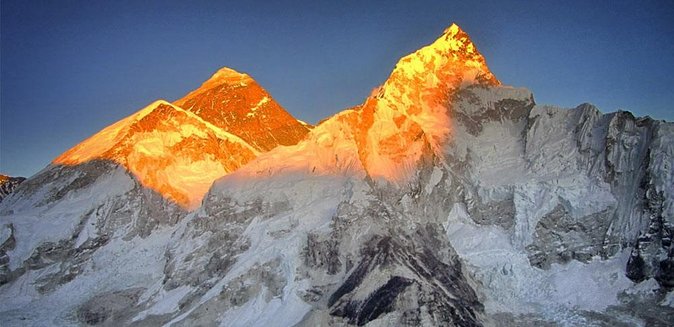
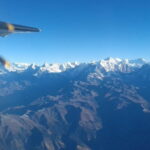
On Day 2, the plan is to fly into the Lukla area so the trekking can start right away. But there’s an important reality check: during peak seasons, flights may shift from Kathmandu to Manthali Airport in Ramechhap due to congestion at Kathmandu airport.
Practically, this means you should be flexible mentally. The trek still starts, but the ground flow in Nepal can change based on weather and air traffic. For many first-time EBC trekkers, that’s the single biggest “wait, what?” moment—so it’s worth remembering it before you go.
Another useful bit: the tour includes airfare Kathmandu–Lukla–Kathmandu plus airport departure tax. And you get a stated domestic luggage allowance of 15 kg. This is where you’ll want to pack smart: keep essentials easy to reach, and don’t show up with a suitcase that feels like it should be shipping to another planet.
Namche and the Sherpa culture stops: where acclimatization becomes part of the trip
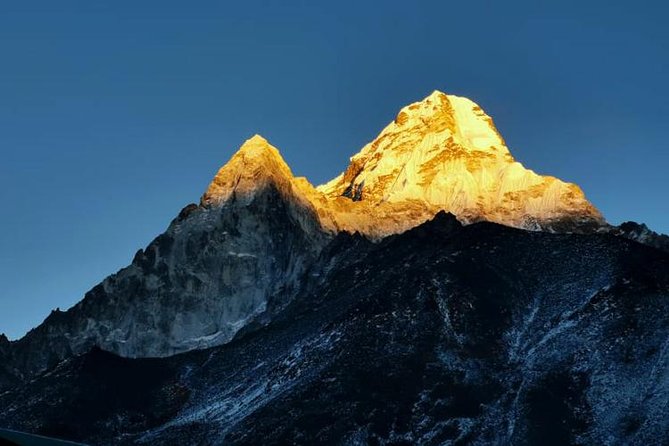
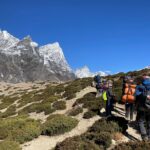
Days 3 to 5 build the foundation. You’ll trek along the banks of the Dudh Koshi, with repeated crossings on suspension bridges lined with prayer flags. The walking feels varied rather than monotonous—crossing bridges, moving through villages, and seeing how quickly the terrain changes as you gain altitude.
When you reach the Sagarmatha National Park area, the mountains stop being a distant idea. They start feeling close enough to touch—at least in your imagination. This is also where the trek’s cultural side shows up in a real, not-museum way.
Namche Bazaar acclimatization and the Sherpa Museum (Day 4)
Day 4 is planned as an acclimatization day in Namche Bazaar. You don’t hike toward Base Camp on this day; you adjust. Then you head to the Sherpa Museum, which focuses on traditional customs and Sherpa life. This is the kind of stop that makes you understand the people who live where the rest of us only visit.
This day is valuable because it teaches your body a rhythm. Altitude isn’t just about lungs—it’s about sleep, appetite, and how your body handles effort. If you push too hard too soon, you pay later. This itinerary is built to reduce that risk.
Tengboche Gompa (Day 5)
On Day 5, you reach Tengboche (around 3,860m) and visit Tengboche Gompa. This is where Buddhist tradition shows up in the mountain day. Inside the monastery are carvings and religious items connected to local faith and community life.
Tengboche also tends to be a major view point in the Everest region. Even if you’re not trying to collect a perfect set of photos, you’ll feel how much the mountain energy changes once you’re up in that higher zone.
The only drawback: it’s a long day. The altitude is real, and you’ll want to keep your pace calm. Don’t treat this like a hike you can win.
Dingboche rest day and the route toward Lobuche
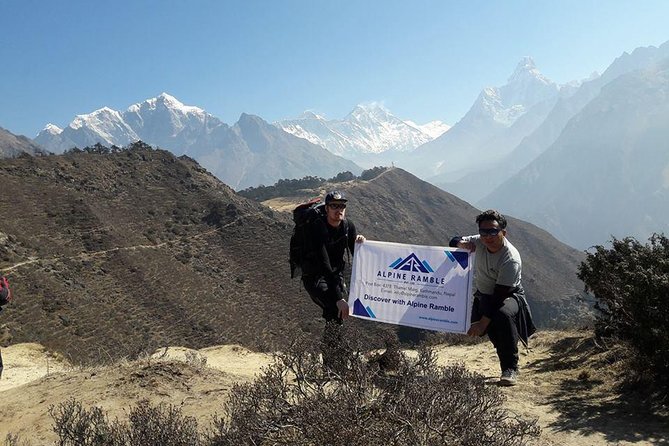
Days 6 to 8 are where the trek turns into a test of stamina, not just willpower.
After Tengboche, the trail drops and then climbs again. You’ll cross suspension bridges over the Imja Khola and pass through areas like Pangboche, with thousands of mani stones along the route. Those small details slow you down in a good way. They remind you you’re walking through a lived-in landscape, not a staged attraction.
Dingboche (Day 6)
By Day 6 you reach Dingboche, a popular altitude town. The itinerary doesn’t force a big “progress day” here; it sets you up for Day 7’s adjustment.
The dedicated acclimatization hike to Nangkartshang (Day 7)
Day 7 is a standout: it’s another acclimatization day, and you don’t go toward Base Camp. Instead you hike up toward Nangkartshang peak just above Dingboche for views.
This is smart planning. Many EBC itineraries waste acclimatization by making it feel like a regular trekking day. Here, the itinerary treats acclimatization as its own job: help your body learn the altitude while still keeping the day meaningful.
Toward Lobuche and memorials (Day 8)
Day 8 pushes forward to Lobuche. The route follows the lateral moraine of the Khumbu Glacier, and you’ll pass stone memorials for climbers who died on nearby summits. It’s sobering, and it also adds context to what Everest really is: serious terrain with serious consequences.
That day can feel emotionally heavy, but it’s also part of why EBC hits so hard. You’re not just chasing views; you’re walking through the reality of mountaineering history.
Everest Base Camp (5,365m) and Kala Patthar (5,555m): the two big altitude targets
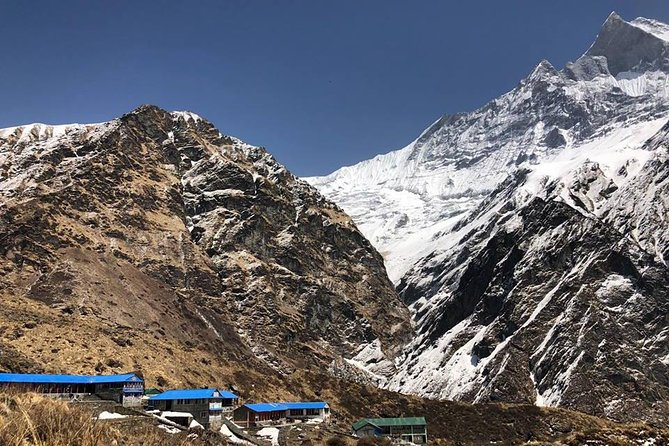
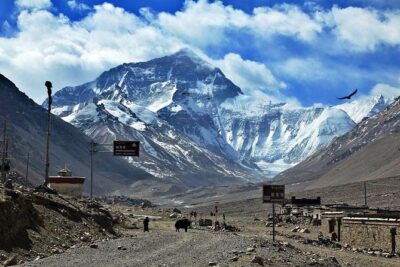
Day 9 is the headline: a difficult walk to Everest Base Camp at 5,365 meters, the closest you can get to Everest without mountaineering gear.
This is not a stroll. Even when the path is steady, the altitude slows your breathing and changes how your legs feel. I like that the itinerary frames this as a “big and difficult day walk,” because it sets the right expectations. If you treat it like an average hike, you’ll feel disappointed or frustrated.
During spring, there’s likely better chance of clear conditions (the itinerary notes seasonal timing). But even with good weather, conditions can shift fast in the high Himalaya. Your guide’s job is to help you keep a safe, steady pace and manage energy.
Kala Pattar for maximum payoff (Day 10)
Day 10 goes even higher with Kala Pattar at 5,555m. The ascent is demanding, but this is usually the day people remember most. The point of Kala Pattar isn’t comfort—it’s the view and the sense that you’re looking at Everest from a place your body only reaches if you respect altitude and pace yourself.
My practical advice: save your “strong push” for what you can maintain. Don’t burn out early. If you’re slow and steady, you get the summit experience without the panic.
One more thing: if you’re sensitive to cold, start layering early. Don’t wait until you feel miserable.
The descent: returning through Tengboche and Namche, plus your Lukla reset
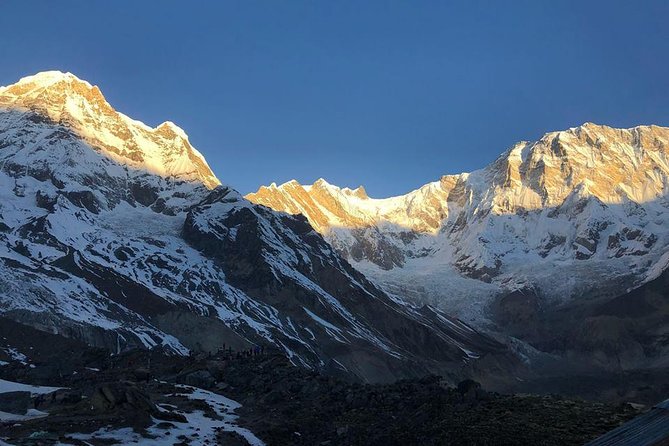
After Base Camp and Kala Pattar, you’ll turn toward the descent back to Namche Bazaar.
Day 11 takes you down from the Everest region through Pangboche and Tengboche, and then back to Namche in the afternoon. Descents can be rough too—your knees and quads take the hit. The good news is that your altitude drops, so breathing usually feels easier.
Day 12 is your final trekking day in the Everest area as you return to Lukla, where the trek began. This is often a strange day emotionally. You’re still hiking, but your brain is already in Kathmandu mode—thinking about hot food, laundry, and sleep.
Day 13 includes the flight back to Kathmandu with a short scenic flight, and then transfers in Kathmandu. On Day 14, the trek ends with an airport drop at Tribhuvan International Airport for your departure.
Price and value: what $1,800 gets you, and what it doesn’t
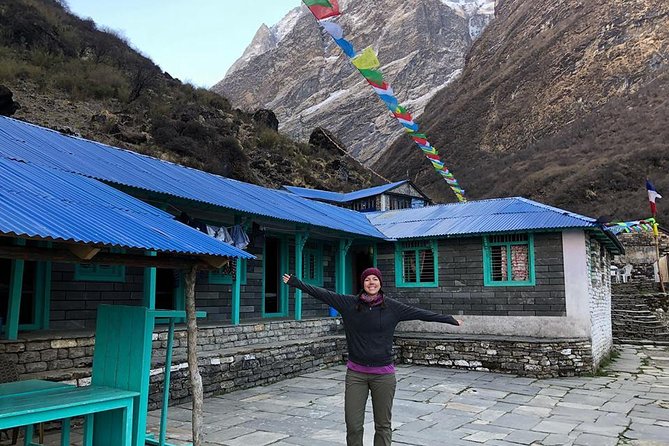
At $1,800 per person, the key question is not just “is it expensive?” It’s “does it remove the big cost-and-stress items that break self-planned treks?”
Here’s what’s covered:
- Domestic flights (Kathmandu–Lukla–Kathmandu) including airport departure tax
- A licensed, first-aid trained English-speaking guide
- Porters for 11 days (1 porter for 2 clients)
- Permits (Everest/Sagarmatha National Park entry and Pasang Lhamu Rural Municipality fee)
- Kathmandu hotel: 2 nights in a 3-star twin-share setup with breakfast
- Trail accommodation: twin-share guesthouses, and attached toilets specifically called out for Lukla, Phakding, and Namche
- Most meals on the trek (breakfast, lunch, dinner)
- Filtered water using a Katadyn Pocket Water Filter
- Trek support items like Ace the Himalaya’s duffel, trekking map, sun hat, and a completion certificate
- An emergency plan including medical evacuation arrangements
What’s not included:
- Travel insurance that covers emergency high-altitude rescue and evacuation
- Nepal visa (available on arrival)
- Meals in Kathmandu (lunch and dinner)
- Tips for guide and porter (tipping is expected)
- Personal gear and alcoholic drinks / personal beverages
For many people, the “hidden” cost of EBC is the travel logistics plus the risk of packing mistakes or unclear permit planning. This tour packages a lot of that into one price, so you can spend money on the parts that matter: your body, your comfort, and a good insurance policy.
One more financial note: if you’re booking solo and there isn’t an existing group for your date or you don’t want to share, there’s a single surcharge of USD 250.
Who this Everest Base Camp trek suits best (and who should think twice)
This trek is described for people with moderate physical fitness. That can be misleading if you assume it’s “easy.” Everest Base Camp is still altitude and still long days. But for many travelers, the structured acclimatization and porter support makes the difference between quitting early and finishing strong.
You’ll likely love this tour if:
- You want a guided route with emergency-focused planning
- You don’t want to carry heavy luggage all the way up
- You like small-group pacing (max 14)
- You value cultural stops (Sherpa Museum, Tengboche Gompa) as part of the trek, not as side quests
You might want another plan if:
- You’re not comfortable with high altitude targets like 5,365m and 5,555m
- You’re sensitive to long trekking days and cold weather
- You dislike unpredictability in flight logistics during peak seasons (the itinerary notes possible shifts to Manthali)
Also, read your own insurance carefully. The tour clearly expects you to have high-altitude rescue coverage, and you don’t want to discover a gap only after you’re already at altitude.
Should you book Ace the Himalaya for a 14-day Everest Base Camp trek?
If your main goal is the classic Everest Base Camp experience—Base Camp day, Kala Pattar day, and Sherpa-region culture—with organized safety and porter help, I’d say this is a strong match.
The reason to book is simple: the tour handles the stuff that turns treks stressful—flights, permits, meals, trail lodging basics, filtered water, and a guide with first-aid training. You pay for that convenience, but in the Himalaya, convenience is safety.
I’d only hesitate if you know you’ll struggle with altitude or if you haven’t lined up proper rescue/evacuation insurance. In places like this, those two issues matter more than any itinerary promise.
FAQ
FAQ
What’s included in the trek price?
The price includes Kathmandu hotel transfers, 2 nights in a 3-star twin-share hotel with breakfast, domestic flights Kathmandu–Lukla–Kathmandu, a licensed first-aid trained English-speaking guide, porter service for 11 days, most trek meals, trekking permits, trail accommodations, filtered water with a Katadyn Pocket filter, and some trek items like a duffel, trekking map, sun hat, and a completion certificate.
Are meals included on the trek?
Yes. The trek includes standard meals: breakfast, lunch, and dinner during the trekking days (the listing specifies meals on the trail).
Do I have to carry my own gear?
You do carry your personal items, but the tour includes porter service for 11 days with a stated ratio of 1 porter for 2 clients to help with luggage and heavy loads.
What altitude does the itinerary reach?
Everest Base Camp is at 5,365 meters, and the trek also includes a climb to Kala Pattar at 5,555 meters.
How many people are in the group?
This tour has a maximum group size of 14 travelers.
What about flights to Lukla—will they always run from Kathmandu?
The itinerary notes that Lukla flights may be shifted to Manthali Airport (Ramechhap district) during peak congestion seasons.
What luggage limit applies for domestic flights?
The domestic flight luggage allowance is listed as 15 kg.
Where will I sleep on the trek?
You’ll use twin-sharing guesthouse accommodation on the trail. The listing specifically notes attached toilets in Lukla, Phakding, and Namche.
Is travel insurance included?
No. Travel insurance covering emergency high-altitude rescue and evacuation is not included.
Do I need to tip the guide and porter?
Tips are not included, and tipping is expected.
What if I cancel close to departure?
You can cancel up to 6 days in advance for a full refund, 2–6 days for a 50% refund, and less than 2 days before start time is not refundable.