REVIEW · KATHMANDU
Everest Base Camp Trekking
Book on Viator →Operated by Green Valley Nepal Treks & Research Hub Pvt Ltd · Bookable on Viator
Everest Base Camp feels real only after you start walking. This trek is built around small-group guidance and a clear rhythm of acclimatization, so you’re not stuck figuring out logistics high in the Himalaya. I like the way the route mixes signature scenery—pine forests, big valley panoramas, and the famous sunrise views—with enough structure to keep the days from turning chaotic.
Two things I especially liked: teahouse accommodation and meals are included, which removes a lot of decision fatigue, and the group stays max 10 travelers, so your guide can actually pay attention. You also get a guided focus on mountain viewpoints and local culture, not just check-the-box trekking.
One consideration: the trip is for travelers with strong physical fitness, and the schedule includes early mornings plus steep, rocky downhills later on. If you’re planning this when you’re already run down, you’ll feel it.
In This Review
- Key takeaways before you go
- Kathmandu first: arrival that actually gets you moving
- Lukla flight, Sagarmatha National Park, and that first big change of scenery
- What you’ll like here
- A practical note
- Namche Bazaar acclimatization: the rest day that keeps you on track
- Phorse to Dingboche: monasteries, high villages, and mountain glimpses
- Why this segment is valuable
- Duglha climbs, Chola area, and the “prayer flags everywhere” feeling
- The honest catch
- Thangma Riju and base camp timing: Everest without the Everest view
- Quick mindset tip
- The return descent on the Jame route: legs slow down, views keep coming
- Lukla back to Kathmandu, then Kathmandu Valley time
- Price and value: what $1,350 buys you in real trekking terms
- Safety, guides, and the human part of the Khumbu
- Who this trek is for (and who should think twice)
- Should you book this Everest Base Camp trek?
- FAQ
- How long is the Everest Base Camp trek?
- What does the package price include?
- How many people are in the group?
- Are there any admission fees mentioned for key stops?
- What should I prepare for in terms of weather?
- Is free cancellation available?
Key takeaways before you go
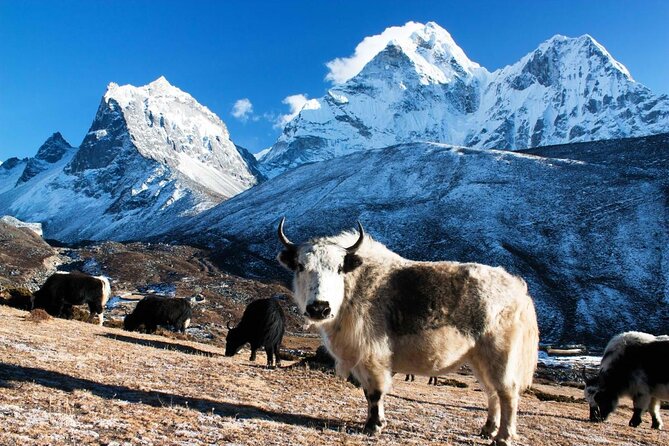
- Max 10 travelers means less crowding and more personal help when altitude and weather get tricky
- Teahouse meals + lodging included so your energy goes into walking, not budgeting and searching
- Kala Patthar sunrise is built into the plan, with an early start for the morning light
- You get acclimatization structure (including a Namche rest day with a short hike) instead of rushing straight upward
- The route threads major waypoints—Lukla, Namche, Dingboche, Chola area, Everest Base Camp, and the return descent
Kathmandu first: arrival that actually gets you moving
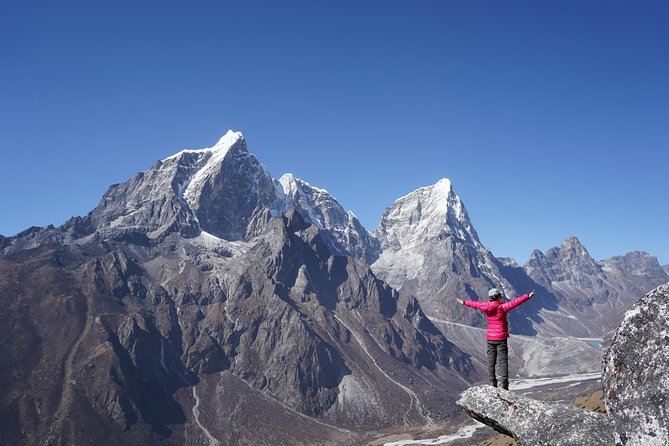
Your trek starts the moment you land. On Day 1, an airport representative meets you at Tribhuvan International Airport and arranges a private tourist vehicle drop to your hotel. That matters more than it sounds: Kathmandu can feel busy and confusing on day one, so having someone guide you straight to the right starting point helps you rest properly.
You’ll also have a chance to meet the team at their office if you’re not ready to sleep right away. Even if you’re tired from flying, this kind of quick orientation can make later mornings easier—especially the early ones.
If you’re the kind of traveler who likes a plan but hates rigid schedules, this approach hits a sweet spot. You get help getting set up in Kathmandu without turning your first day into a packed sightseeing marathon.
You can also read our reviews of more hiking tours in Kathmandu
Lukla flight, Sagarmatha National Park, and that first big change of scenery
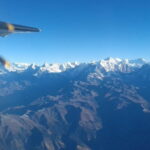
Day 2 is when the Himalaya mood hits. After breakfast, you drive from your hotel to the domestic airport terminal and take a flight to Lukla, timed early enough for sunrise views over snowcapped mountains. Landing at Tenzing-Hillary Airport is a psychological shift: suddenly you’re not just visiting Nepal—you’re trekking Nepal.
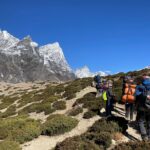
Day 3 starts right away with a route that feels classic Khumbu: pine forests, the Dudh Koshi River, and mountain views like Thamserku along the way. You pass settlements, stop at a check post, and enter Sagarmatha National Park. That gives the trek a clear sense of place—this isn’t just a walking route; you’re moving through a protected Himalayan landscape.
What you’ll like here
The early-flight timing and the river-and-forest walking make your first trekking day feel smoother. It’s a gentle on-ramp before you start stacking bigger climbs.
A practical note
This trek runs in all weather conditions, so you should pack for cold and potential wet conditions even if skies look fine in Kathmandu.
Namche Bazaar acclimatization: the rest day that keeps you on track
Namche Bazaar is the big hub in the Khumbu region, and Day 4 gives you a true acclimatization reset. It’s also one of the easiest places to feel connected—there are ATMs, internet cafes, restaurants, and bakeries. That doesn’t mean you should treat it like a shopping spree, but it does mean you’re not stranded with zero comfort options.
Your day is a rest day for acclimatization, but you still walk. You head out on a short hike to a nearby viewpoint (the itinerary calls it “T…” and the idea is clear: light effort, better views, and time to breathe). This is the kind of rest day that helps your body adjust while keeping your trekking legs from feeling dead.
I like this plan because it respects the reality of altitude. You don’t just stop moving; you control the effort.
Phorse to Dingboche: monasteries, high villages, and mountain glimpses
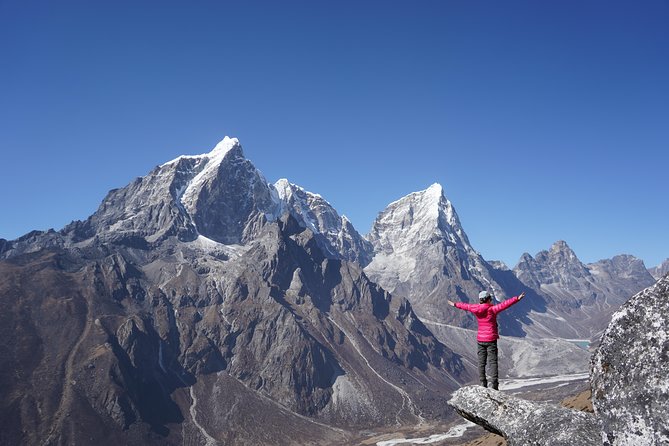
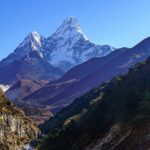
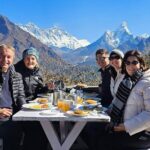
On Day 5, you trek from Namche toward Phorse. The route includes Mugla Pass and is known for glimpses of major peaks like Ama Dablam, Mount Khumbu, and Mount Thamserku. Then you descend toward the Dudh Koshi and cross along the way.
Day 6 takes you from Phorse to Dingboche and layers in culture and scenery. You visit a significant Buddhist monastery in the region, then continue through alpine forests. You pass through upper Pangboche and other villages on the way to Dingboche.
Why this segment is valuable
This stretch is where the trek stops feeling like a single straight line and starts feeling like a chain of different worlds:
- forest walking that cools you down after a climb
- passes that give you a reward without turning the whole day into a grind
- monasteries and village stops that remind you who lives here
Also, because this is a guided small-group trek, you’re not just staring at mountains—you’re learning how people name places, live with the seasons, and move through the Khumbu.
Duglha climbs, Chola area, and the “prayer flags everywhere” feeling
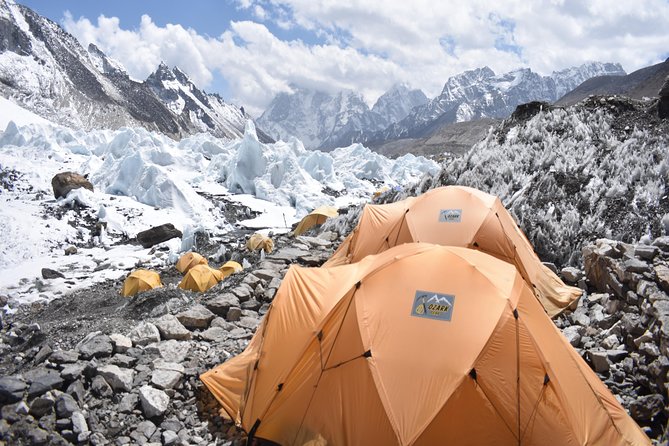
Day 7 begins the climb from Duglha through the Khumbu Khola valley. Along the route you’ll see Dusa, a yak herders place, and Phulong Karp—the camp connected with the first successful Everest expedition in 1953. It’s one of those moments where history feels physical, not just written.
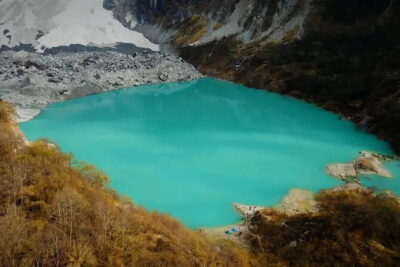
You also reach Chola Lake as part of the day’s highlights. The Chola area is known for being scenic and active, so this is the part where you’ll want to pace yourself and not rush the high points.
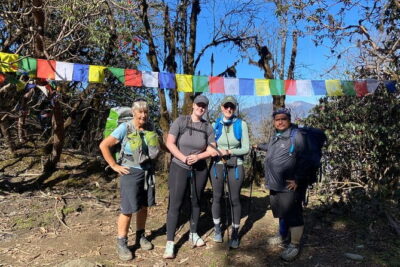
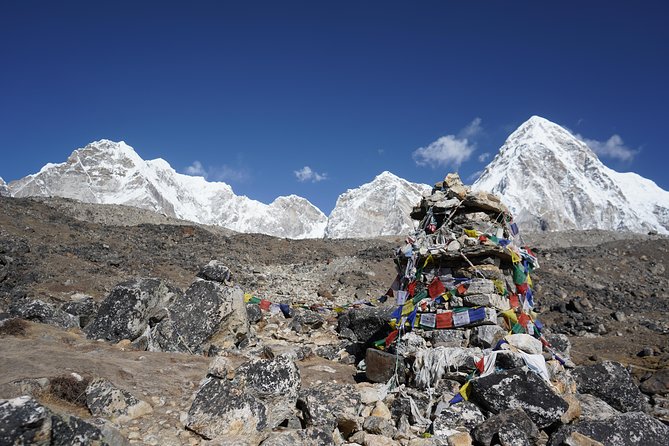
Day 8 pushes into the Chupki Lhara area. The itinerary mentions walking up a steep terminal moraine of the Khumbu glacier, then starting the ascent to Chupki Lhara, with boulders and prayer-flag stone markers along the way. If you’ve only seen prayer flags on postcards, you’ll feel the scale out here. It’s not just decoration—it’s part of how people mark paths and offer meaning to the route.
The honest catch
Days like this can feel demanding even when you’re physically prepared, mainly because the walking style is all about steady effort. A good guide helps you keep your pace controlled so you don’t burn out early.
Thangma Riju and base camp timing: Everest without the Everest view
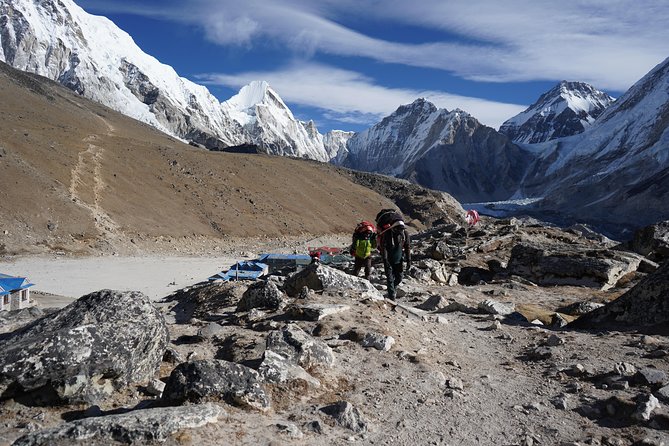
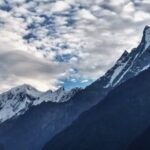
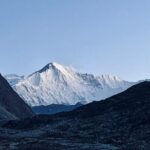
Day 9 is your most important day on the Everest Base Camp route. You reach Thangma Riju, where you get a 360-degree panoramic view of snowy mountains. The itinerary notes an important detail: Mount Everest itself isn’t seen from here, which helps set expectations. You’re there for the broader Himalayan stage and the sense of the whole region—then you continue onward toward the base camp area.
There’s a listed stop that focuses on reaching the world highest mountain area experience, with admission ticket free and a short time window. In practice, that means you’ll likely spend your time absorbing the atmosphere and taking photos (then getting back to your cold gear and breathing patterns fast).
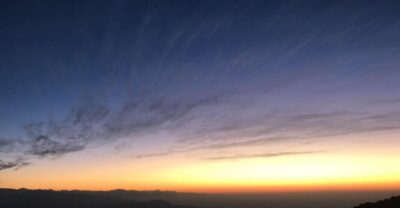
Day 10 is the early-morning day for seeing Everest when light hits. You start very early so trekkers can catch a glimpse of Mount Everest as dusk turns to bright morning light. On the way, you pass Peak s Lingtr (the name in the itinerary is truncated, but the idea is you’re walking through a viewpoint approach).
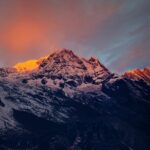
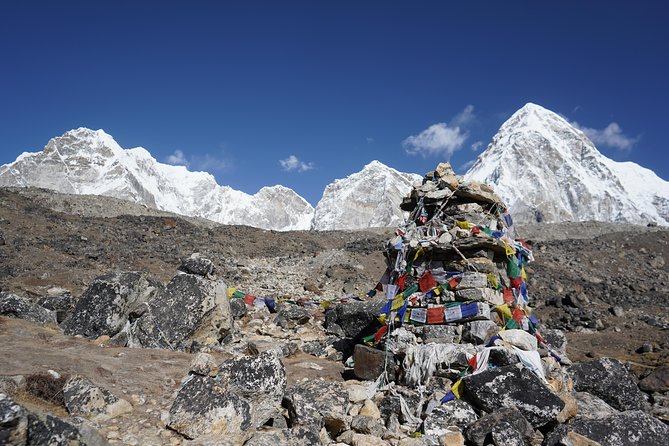
Then you hit Kala Patthar Sunrise View, also listed as admission ticket free. If you’re choosing what to prioritize on this trek, this is often the moment people remember most—not because it’s flashy, but because it changes how you interpret everything you walked through.
Quick mindset tip
Treat the sunrise portion like a weather-dependent gift. Even when visibility isn’t perfect, the activity—early start, cold air, groups moving carefully—still feels like peak trekking.
The return descent on the Jame route: legs slow down, views keep coming
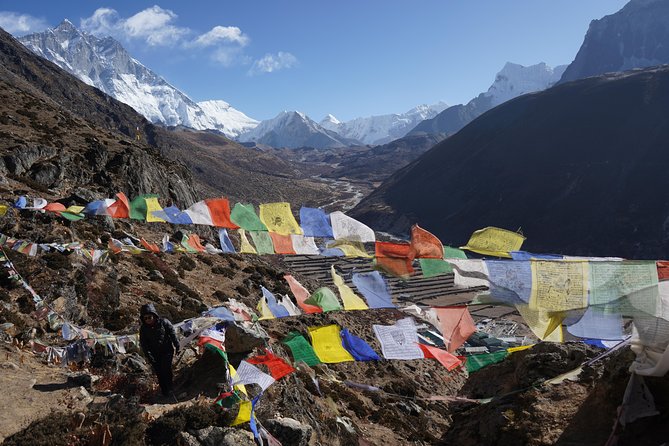
Day 11 continues the descent using the Jame route back toward the terminal moraine at Duglha. You pass through villages like Pheriche and Orsho, plus Shomare along the way, then reach Pangboche village where you can explore older parts of the area.
Day 12 is the last day of trekking and it’s described as steep downward trail. You need to walk slowly and carefully on steep rocky terrain, staying balanced through the descent until you reach a suspension bridge over the Dudh Koshi River.
This is where your body needs respect. Descents can be tougher than climbs because your knees and ankles do all the work. A small-group guide helps here by controlling pace and keeping the line moving safely.
Lukla back to Kathmandu, then Kathmandu Valley time
Day 13 brings the mountain flight from Lukla back to Kathmandu. You get to enjoy the flight experience again, then after landing it’s time for shopping and walking around the city. The itinerary also includes an evening celebration for completing the trek.
Day 14 is your final day in Nepal: one more round of shopping and sightseeing around the Kathmandu Valley before you head to Tribhuvan International Airport for your scheduled departure.
I like ending this way. You don’t just vanish back into travel mode after a big effort—you get a buffer day where it’s normal to eat, rest, and slowly shift your brain back to street life.
Price and value: what $1,350 buys you in real trekking terms
At $1,350 per person for an approximately 14-day trek, the price is best understood by what you’re not doing. You’re not planning day-to-day logistics, negotiating lodging and meals at every stop, or trying to assemble transportation around a remote route.
This package includes:
- Pickup offered
- Group discounts
- Mobile ticket
- Teahouse accommodation and meals
- Local transportation (not just the flight segments)
It’s also a small-group experience with a maximum of 10 travelers, which can reduce the usual “group bottleneck” problems that happen on popular routes. And because safety and navigation are part of the pitch, you’re paying for someone to handle route decisions and timing so you can focus on the walking.
One more value angle: timing. This is often booked about 56 days in advance, which lines up with how quickly good trekking slots can fill for popular seasons. If you’re waiting until the last minute, you may lose your best options.
Safety, guides, and the human part of the Khumbu
The trek is explicitly designed so you avoid getting lost by going with a guide. That’s not just comfort—it changes how you experience the mountains. With guidance, you spend less mental energy tracking turns and more energy paying attention to views, village rhythms, and weather changes.
The names that show up in past experiences are encouraging. Guides like Biru and Amabar are associated with excellent company and help, and porters such as Kanchar get recognized for going above and beyond. There’s also mention of a Sherpa guide named Ramesh in solo trekking contexts. Even if you don’t get the same team, these details point to what the operator seems to care about: competent local leadership and practical support on the trail.
Who this trek is for (and who should think twice)
This Everest Base Camp trek is a strong fit if you’re:
- active and moderately fit, and ready for long days of walking
- comfortable with cold mornings and early starts
- the kind of traveler who values guidance and small-group pace over DIY problem-solving
- interested in both the mountains and the way people live in the Khumbu
You may want to think twice if you’re prone to pushing through fatigue without slowing down. Even with a guide, you still have to do the walking—and the itinerary includes steep rocky terrain on the final trekking day.
Should you book this Everest Base Camp trek?
If you want Everest Base Camp with less guesswork and more guided support, I think this is a solid choice. The mix of acclimatization (Namche rest day with a hike), structured progression through key villages, and dedicated sunrise windows at Kala Patthar creates a plan that feels purposeful, not random.
Book it if your priorities are:
- a small-group trek with personalized attention
- included teahouse meals and lodging
- real mountain moments like early sunrise viewing
Skip it if you’re looking for a fully flexible, solo-style itinerary or if your fitness level isn’t ready for steady trekking plus steep descents.
FAQ
How long is the Everest Base Camp trek?
The trek runs for about 14 days.
What does the package price include?
It includes teahouse accommodation, meals, and local transportation, plus pickup is offered. A mobile ticket and group discounts are also part of the package.
How many people are in the group?
This trek has a maximum group size of 10 travelers.
Are there any admission fees mentioned for key stops?
The base camp route stop and Kala Patthar sunrise view are listed as admission ticket free.
What should I prepare for in terms of weather?
It operates in all weather conditions, so you should dress appropriately and be ready for cold, early starts, and changing conditions.
Is free cancellation available?
Yes. You can cancel up to 24 hours in advance for a full refund. If you cancel less than 24 hours before the start time, the amount paid is not refunded.