REVIEW · KATHMANDU
Everest Base Camp Trek -14 Days
Book on Viator →Operated by Alpine Ramble Treks · Bookable on Viator
Everest Base Camp is a bucket-list walk with serious logistics. This package keeps the planning simple: you get flights to Lukla, daily trekking lodge stays, full meals, and a licensed guide for a smooth start-to-finish flow. I especially like the small group size (max 12), which makes it easier to meet people without feeling like cattle, and I like the way they build in acclimatization so you are not just rushing uphill. One thing to watch: you still pay for water and drinks (plus Wi‑Fi and a porter if you want one).
The best part for many people is that you spend less time negotiating. From airport pickup in Kathmandu to trekking paperwork and the national park steps, the trip feels organized. Still, you should plan for altitude to take its time, and you will be walking in cold, thin-air conditions even on “rest” days.
If you want the classic Khumbu route with Everest Base Camp plus Kala Patthar sunrise, this is a practical way to do it. You get support, but you still earn the views step by step.
In This Review
- Key things I’d circle before you book
- Everest Base Camp in 14 days: what this trip really delivers
- Kathmandu arrival and your first night: start in Thamel, not chaos
- The Lukla flight and meeting your Sherpa crew
- Day 3 to Day 6: first Everest glimpses, pine forests, and Tengboche monastery mornings
- Day 7 to Day 9: Dingboche rest, memorial viewpoints, and pushing toward Lobuche
- Day 10: Kala Patthar sunrise, the 360-degree reward
- Day 11 to Day 12: the descent that tests your knees and your patience
- Day 13: back to Kathmandu and a leisure day that feels deserved
- Food and lodge stays: fueling without fancy expectations
- Altitude support you should understand (and still respect)
- Guides and real support: what makes the experience feel cared for
- Price and value: $1,420 and what you’re paying for
- Practical planning tips before you go
- Should you book this Everest Base Camp trek?
- FAQ
- FAQ
- How long is the trek?
- Where does the trek start in Kathmandu?
- Are flights to Lukla included?
- What is included in the trek price?
- What is not included?
- Do you reach Everest Base Camp?
- Is there a rest or acclimatization stop?
- Can I cancel for a full refund?
Key things I’d circle before you book
- Small-group trek (max 12) for easier conversation and less crowd pressure on the trail
- Flights Kathmandu–Lukla round-trip included so you skip a big chunk of trip-planning stress
- Full-board lodge meals during the trek, so your budget stays predictable on trail days
- Kathmandu hotel night and dinner to celebrate after you finish the trek
- Licensed, government-approved guide + first-aid kit with Diamox listed for altitude support
- Paperwork handled (Everest national park and TIMS card), plus a basic emergency-rescue setup
Everest Base Camp in 14 days: what this trip really delivers
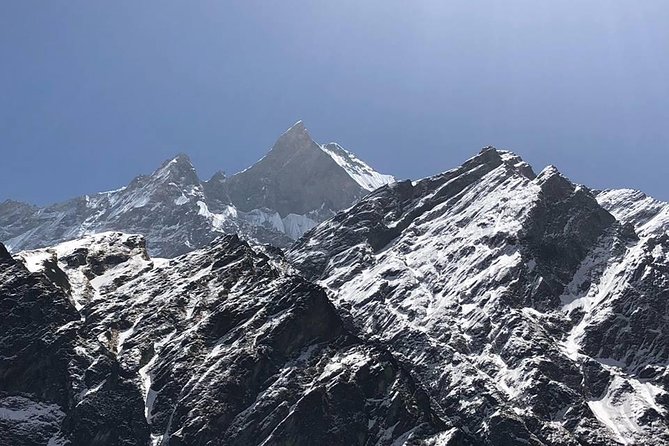
You are buying a structured Everest Base Camp experience, not just a route. The core value is that the important parts are pre-arranged: flights to Lukla, the guide, the trekking paperwork, and the lodge meals and stays. That matters on this trek because the details add up fast once you land in Nepal and start trying to line everything up.
The itinerary is built around the classic Khumbu rhythm: fly into Lukla, climb gradually, take a real rest day, then push toward Base Camp and finish with the big sunrise viewpoint at Kala Patthar. The trip also includes a night in Kathmandu after the trek, with dinner, which is a nice mental reset after days of trekking (and a welcome reason to celebrate instead of rushing straight back to logistics).
Price-wise, $1,420 per person is not cheap, but it is not just for a logo either. In this package, you are getting guided support, trekking lodge meals, and round-trip Lukla flights plus taxes and official fees. The costs you will still handle yourself are mostly the trail extras: water and drinks, hot showers, Wi‑Fi, snacks, and tips.
You can also read our reviews of more hiking tours in Kathmandu
Kathmandu arrival and your first night: start in Thamel, not chaos
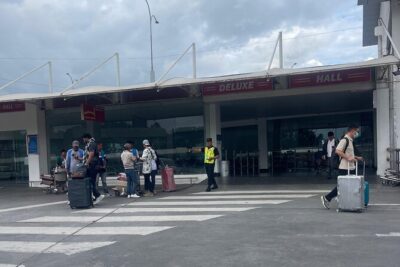
You start in Thamel, Kathmandu, with a meeting point right where most travelers base themselves. On arrival at Tribhuvan International Airport, you should expect a welcome and transfer to your hotel for the night.
This first night is more than a checkbox. Kathmandu at the start can be noisy and confusing, especially if you are jet-lagged and still sorting out Nepal SIM cards, cash, and altitude meds. Having your transfer handled means you can focus on rest, hydration, and getting your trekking gear in shape.
You also get time before trekking begins, which helps because Everest Base Camp is not just about fitness. It is about breathing, pacing, and arriving with your head clear enough to follow the guide’s plan.
The Lukla flight and meeting your Sherpa crew
Day two brings the early scenic flight to Lukla (about 35 minutes). This part feels dramatic because it signals you are officially entering the Everest region. When you land, you meet your trek crew—especially the person(s) carrying your luggage for the hike.
That luggage support is one of the reasons many people prefer a package like this. You are still walking all day, of course, but keeping your personal load reasonable makes a noticeable difference over many days. You can travel lighter and conserve energy for acclimatization and the long summit-feeling push days near Kala Patthar.
Lukla also works as a gentle on-ramp. Your first trek day includes acclimatization time, so you are not thrown straight into a grind.
Day 3 to Day 6: first Everest glimpses, pine forests, and Tengboche monastery mornings
These early days are about rhythm and first contact with the real Khumbu.
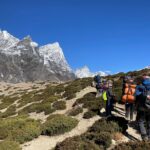
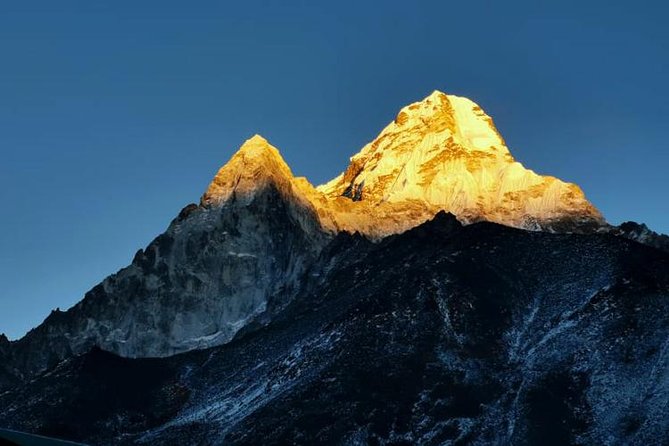
Day 3: You trek through pine forest and cross the Dudkosi River. The day also includes your early views of Everest (and the surrounding peaks). This is where the trek starts to feel real: one minute you are walking through trees and river crossings, and the next minute the mountains start towering over everything.
The practical win here is pacing. You get movement, scenery, and acclimatization, without jumping straight into the steepest altitude gains.
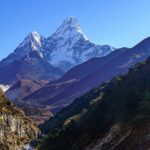
Day 4: This is a rest and acclimatization day, plus a climb to a lookout for panoramic views—Everest and major neighbors like Lhotse and Ama Dablam show up in the broader scene. Days like this are crucial. They teach your body to adjust before you push higher, and they also give you a chance to rest your legs so the next hiking day is easier than it otherwise would be.
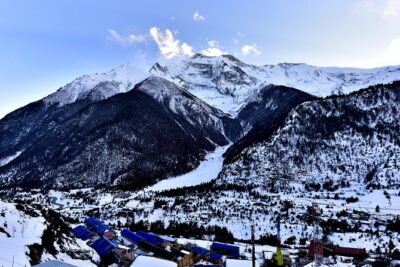
Day 5: You follow the Everest route corridor, including a famous descent to the Dudh-Koshi River and an ascent through rhododendron scenery. This section has the feel of the classic trekking highway: switchbacks, big mountain walls nearby, and trail moments that feel like you are walking toward a postcard.
A consideration here: if it is cold, wet, or windy, rhododendron forests can turn into slippery footing. Trekking shoes with real tread matter.
Day 6: Your morning focuses on Tengboche monastery. The mountains around it can look stunning in early light, and the walk afterward goes through forest described as especially magical in feel, with a name you may hear from guides on the route. This is one of the emotional parts of the trek because Tengboche tends to quiet things down: your pace slows, you look longer, and you realize you are in a living Sherpa landscape, not a theme park.
Tip that stays within what you can control: start early and move carefully on cold mornings. Your camera hands may feel stiff, but the payoff is worth the effort.
Day 7 to Day 9: Dingboche rest, memorial viewpoints, and pushing toward Lobuche
Now the trek shifts from scenic cruising into altitude management and determination.
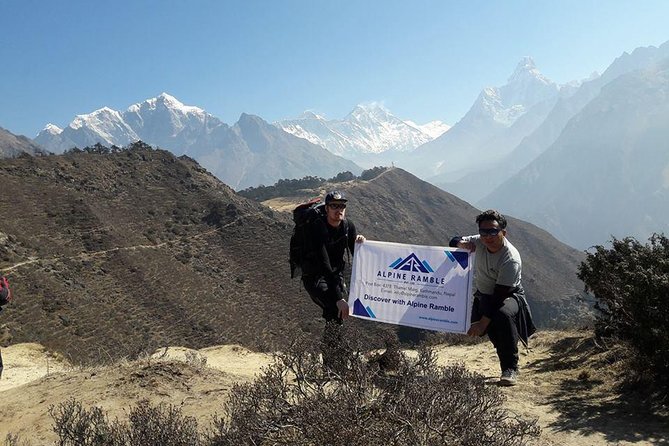
Day 7: Dingboche is a popular stop for trekkers heading higher, and your day is a rest day. Dingboche has fields surrounded by stone walls, and it gives you a contrast to the higher, harsher zones. It is a day for breathing, relaxing, and doing the small walks the route suggests without overdoing it.
Even if you feel fine, treat this day like training for later. Eat well, drink what you can, and listen to your guide when they suggest how hard to push.
Day 8: You move via Duglha, then face a steep climb up to a ridge area called Chukpo Lari, where memorials honor climbers who died on Everest. This is heavy in tone, but it also grounds the whole trek. You are walking in the shadow of real mountains and real risk.
From a trekking perspective, it is also a “legs on” day, meaning you will feel the altitude more than on earlier forest stages.
Day 9: Leaving Lobuche, the route transitions toward the Khumbu Glacier area, following the glacier northwards with sections of flat meadow walking before you climb onto the lateral moraine. This is where the terrain starts looking more like high-mountain infrastructure: rock, ice, and wide, stark views.
This day tends to feel long, even when the distance is not crazy. Keep your steps smooth and controlled. You are saving energy for the next big sunrise push.
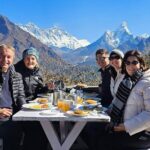
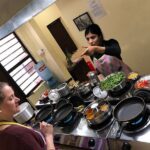
Day 10: Kala Patthar sunrise, the 360-degree reward
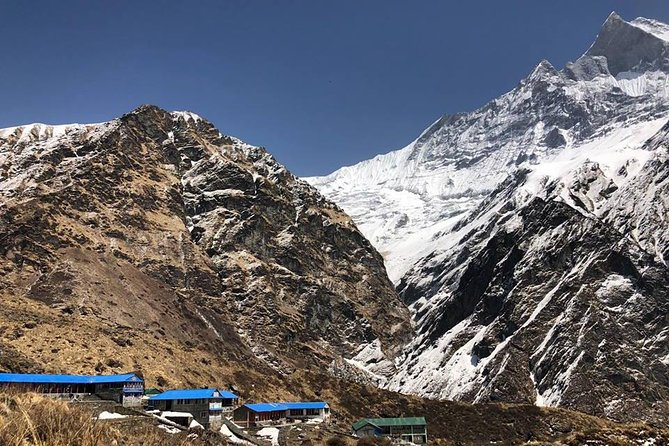
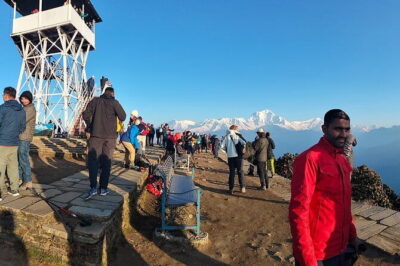
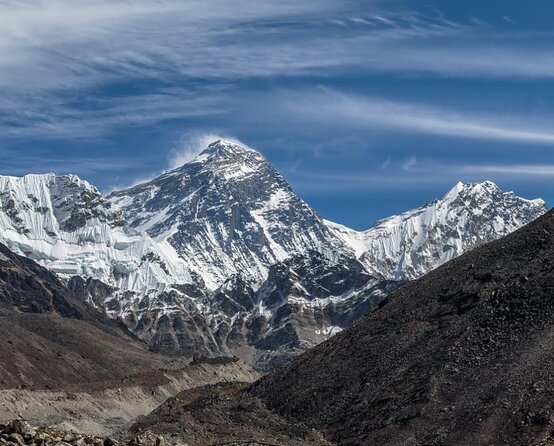
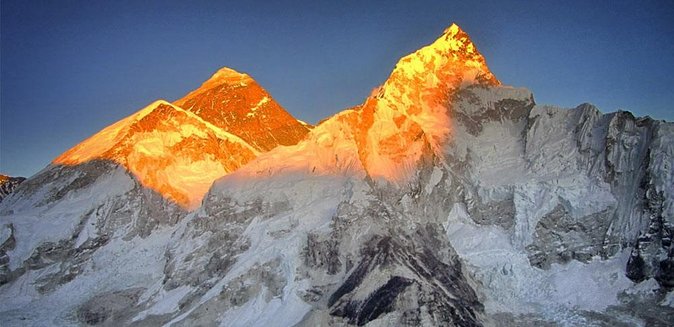
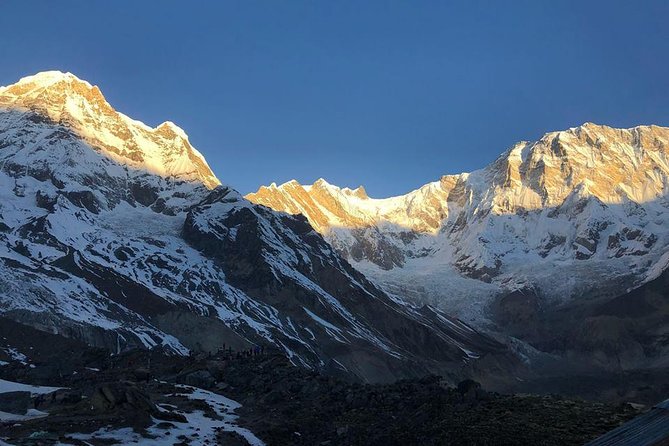
Kala Patthar is the day most people remember. You wake early and climb (about two hours) up to the viewpoint. The reward is sunrise and an expansive view around the Himalaya, including Everest and neighboring major peaks such as Nuptse and the Lhotse area.
Why this matters: Base Camp is the destination, but Kala Patthar is the reality check. You look across a huge region and understand what you just walked through for days. It makes the trek feel bigger than a line on a map.
Practical note: you will likely be cold before dawn. Plan for layers and keep your body moving at a steady pace. Sunrise viewing time is limited by weather and daylight, so you want to be in position, not still deciding your clothes mid-climb.
Day 11 to Day 12: the descent that tests your knees and your patience
After Kala Patthar, the trek becomes about smart recovery.
Day 11: You descend through Sherpa villages and return toward the Dudkosi River area. The route crosses the river, then heads back into forest near Dingboche before climbing again up to Tengboche. Even though it is partly a return route, it is not a simple walk in the park. Your body is adjusting to a new pace and a different type of fatigue.
Day 12: The descent goes back the way you came, passing places like Jorsalle, Manjo, Benkar, and Phakding. You will cross multiple suspension bridges over the Dudh Koshi River.
This is where good planning for your legs matters. Descents can be harder than climbs. Trekking poles are often a lifesaver here, especially if your knees get cranky.
Day 13: back to Kathmandu and a leisure day that feels deserved
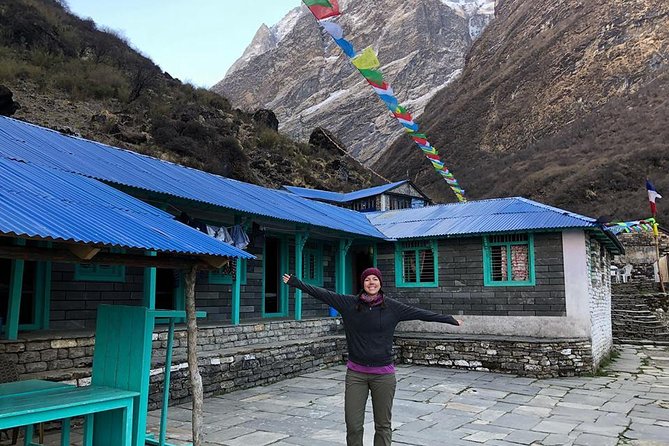
You fly back to Kathmandu and get a leisure day. That’s not just free time; it is also how you let your body settle after the altitude days. If you want to do souvenir shopping, eat a real meal, or just sit somewhere warm and people-watch, this is the day.
And you already have that built-in “finish strong” moment in the itinerary: the package includes the night in Kathmandu plus dinner after the trek. That final touch helps the whole trip feel complete, not like you vanished back into the airport line.
Food and lodge stays: fueling without fancy expectations
This trip includes full-board meals during the trekking days (breakfast, lunch, and dinner). The meals are described as authentic local food served at trekking lodges.
What I like about this setup is that it reduces decision fatigue. On high-altitude treks, you do not want to be hunting for what you can eat while your energy levels are slipping. Here, the structure handles that.
Still, lodges are simple by necessity. Expect basic rooms and practical facilities. You can make lodge life easier by packing sleepwear you are comfortable in and keeping your water-bottle routine consistent.
Altitude support you should understand (and still respect)
You get a basic first aid kit that includes Diamox listed for altitude sickness support. That is a helpful inclusion, but it does not replace common-sense altitude behavior.
This itinerary includes acclimatization in the earlier days and a rest day in Dingboche. That is the real altitude protection built into the schedule. The guide’s job is to keep you moving safely, not to make you conquer every day by brute force.
If you are the type who feels great on Day 2 and then crashes on Day 5, this trek’s pacing will probably work better for you than a faster, more aggressive route.
Guides and real support: what makes the experience feel cared for
A big part of why this trek gets such high praise is the human support. You get a professional, government-licensed guide, and small groups help the guide manage attention and pacing.
In past experiences, guides and leaders you may meet have included people like Dil (owner), Sujal, Amer, Dhower, Nir, Laxman, Ram, Saugat, Subash. Different guides bring different styles, but the consistent theme is responsiveness and day-to-day care: meeting you at the right moments, keeping the schedule moving, and helping you handle questions that pop up when the air gets thin.
If you want a trek where you can ask dumb questions and still get clear answers, the small-group structure plus an experienced guide is a strong match.
Price and value: $1,420 and what you’re paying for
Let’s talk value in real terms.
What you pay for in this package:
- Round-trip Kathmandu–Lukla flights including departure taxes
- Trekking guide (licensed)
- Full-board meals during the trek
- Trekking lodge accommodations during the trek
- Kathmandu airport pickup and a Kathmandu hotel night (with dinner)
- Trekking paperwork support, including Everest national park and TIMS card
- First aid kit and emergency rescue operation supported via travel insurance
What you still pay for:
- Your Nepal entry visa fees (not included)
- International flights
- Water and drinks on trail
- Wi‑Fi and hot showers if you choose them
- Porter services if you want extra help
- Tips for guides and staff (not included)
So, is it worth $1,420? For most people who do not want to play logistics roulette in a busy trekking hub, yes. The price covers the expensive and hard-to-organize parts of the trek. The biggest “surprise” costs tend to be personal spending, not the core trek plan.
Also, the fact that this is typically booked about 52 days in advance suggests the itinerary is moving on a predictable schedule. That predictability is a quiet type of comfort on an adventure like Everest.
Practical planning tips before you go
Here are the few things you should sort out before you step into the Everest region, because the package covers the route but not every personal comfort.
Bring water strategy. You pay for water and drinks, so budget for it. Also, plan for how you will treat or manage water in cold temperatures.
Wi‑Fi is optional. The package notes Wi‑Fi is personal expense. Save your energy and use it only when it truly matters.
Consider porters carefully. A porter is not mandatory in the package, but you may decide it helps you move better day after day. If you carry a heavy pack, the trek can feel harder than it needs to.
Plan for cold mornings. Kala Patthar and Tengboche mornings can be chilly. Layering matters more than having the fanciest gear.
Pack for pace. This trek rewards steady steps. You will likely be tempted to go faster early. Your guide will probably slow you down. Listen.
Should you book this Everest Base Camp trek?
Book it if you want:
- A classic Everest Base Camp route with Kala Patthar sunrise
- A small group and a licensed guide handling paperwork and daily structure
- Less time negotiating and more time trekking
- Included meals and trekking lodge stays to keep budgeting straightforward
Skip it or rethink it if:
- You want maximum freedom to change the plan daily without any structure
- You are extremely sensitive to additional personal costs like water, drinks, Wi‑Fi, and tips
- You are looking for a shorter, higher-intensity itinerary that compresses acclimatization further (this one builds in rest and outlook days)
FAQ
FAQ
How long is the trek?
The itinerary runs about 13 days approximately, with the overall experience commonly described as a 14-day Everest Base Camp trek due to travel days into and out of the region.
Where does the trek start in Kathmandu?
The meeting point is Thamel, Kathmandu (44600), Nepal, and the activity ends back at the meeting point.
Are flights to Lukla included?
Yes. Round-trip flights Kathmandu–Lukla and Lukla–Kathmandu are included, along with departure taxes.
What is included in the trek price?
The price includes full-board meals during the trek (breakfast, lunch, dinner), trekking lodge accommodations, a licensed government guide, first aid medical kit, trekking documents (Everest national park and TIMS card), and an emergency rescue operation supported by travel insurance.
What is not included?
International flights, Nepal entry visa fees, accommodations and food before and after the trek, local porter if you need one, and personal expenses like water, hot and cold drinks, snacks, Wi‑Fi, and hot showers. Tipping for guides and staff is also not included.
Do you reach Everest Base Camp?
Yes. The trek is to Everest Base Camp at 17,598 feet (5,364 meters) above sea level.
Is there a rest or acclimatization stop?
Yes. There is a rest and acclimatization day early in the trek, and another rest day at Dingboche.
Can I cancel for a full refund?
Yes. You can cancel up to 24 hours in advance for a full refund.
If you tell me your fitness level, travel month, and whether you prefer carrying your own pack or using a porter, I can help you sanity-check if this exact pacing fits you.