REVIEW · KATHMANDU
Kathmandu: Pashupatinath Evening Aarati Tour Private/Group
Book on GetYourGuide →Operated by Himalayan 360 · Bookable on GetYourGuide
The first glimpse of oil lamps at Pashupatinath hits fast. This Kathmandu evening tour pairs a guided temple walk with the heart-stopping Bagmati River aarti at dusk, usually around 6 pm. I especially like that you get context from a licensed English-speaking guide before you stand among the prayers.
Two things I’d pick right away are the easy Thamel-area hotel pickup/drop-off and the way the ceremony is explained in real time. The one thing to watch is your viewing position: if you’re hoping for the cleanest view, ask your guide where you’ll stand early so you’re not stuck behind other people.
In This Review
- Key Points Before You Go
- Pashupatinath at Night: Why the Bagmati River Matters
- Getting There From Thamel: Pickup, Drive, and Timing
- The Temple Walk With a Real Guide (Not Just a Drop-Off)
- Using Your Free Time: Where to Wander and What to Focus On
- The 6 pm Evening Aarti: What the Ceremony Looks and Sounds Like
- Viewing Position: The One Detail You Should Not Leave to Chance
- Guide Style Matters: When the Commentary Makes the Ritual Click
- Hotel Pickup and Drop-Off: Small Convenience That Adds Up
- Price and Value: Is $22 Worth It?
- What’s Included (and What You’ll Need to Arrange)
- Who Should Book This Tour (and Who Might Want to Skip It)
- Quick Practical Checklist for a Better Night
- Should You Book This Kathmandu Pashupatinath Evening Aarti?
- FAQ
- How long is the Kathmandu Pashupatinath evening aarti tour?
- Where are pickup and drop-off locations in Kathmandu?
- Is there a guided portion before the ceremony?
- What language is the tour guide available in?
- What is included in the tour price?
- What’s not included?
- What should I bring for the tour?
Key Points Before You Go
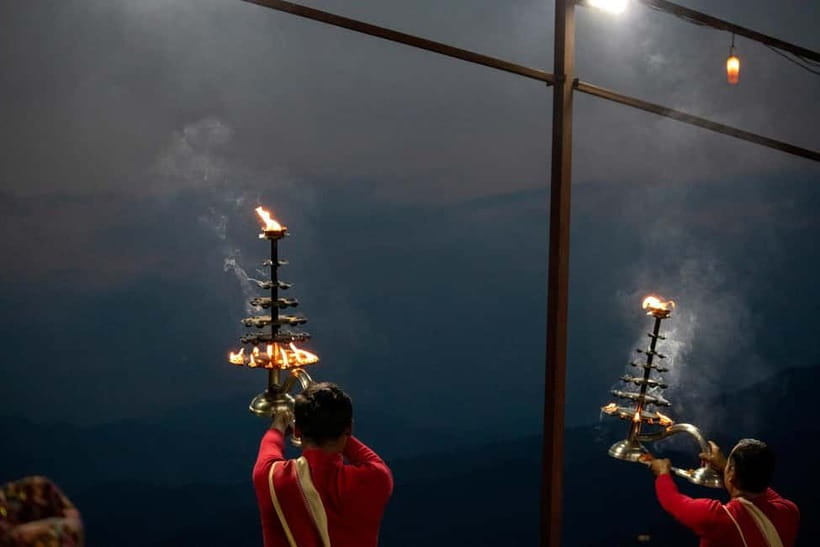
- 6 pm aarti on the Bagmati River: chanting, bells, incense, oil lamps, and live music come together at night.
- Licensed English-speaking guide: you’re not just watching—you’re learning what you’re seeing.
- Temple complex intro first: history, religious meaning, and architecture help the ritual make sense.
- Thamel pickup/drop-off: fewer headaches after a long day in Kathmandu.
- Bring cash and comfy shoes: you’ll be walking in a holy, active setting with uneven areas.
Pashupatinath at Night: Why the Bagmati River Matters
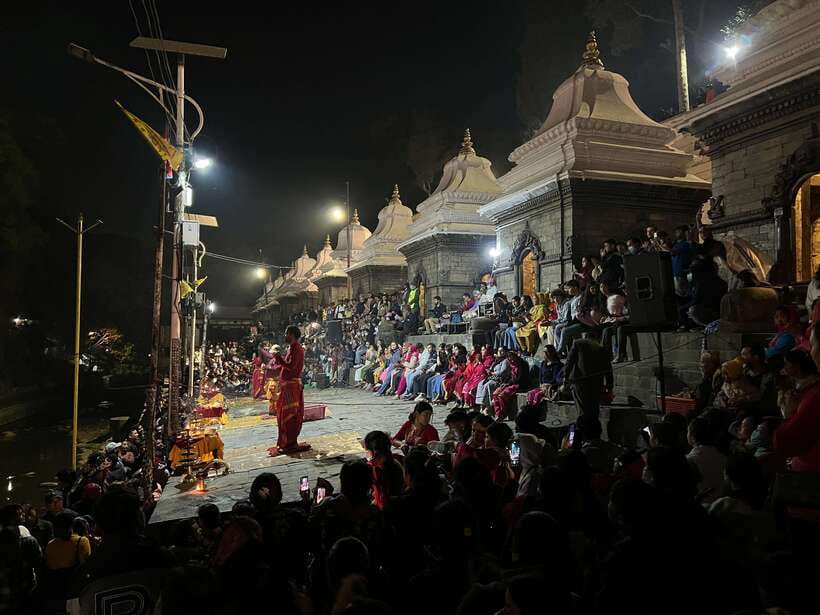
Pashupatinath is one of Nepal’s most famous Hindu shrines, and the evening aarti is when it feels most alive. The ritual happens on the banks of the holy Bagmati River, so you’re not only inside a temple—you’re inside a working spiritual landscape.
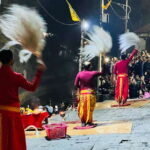
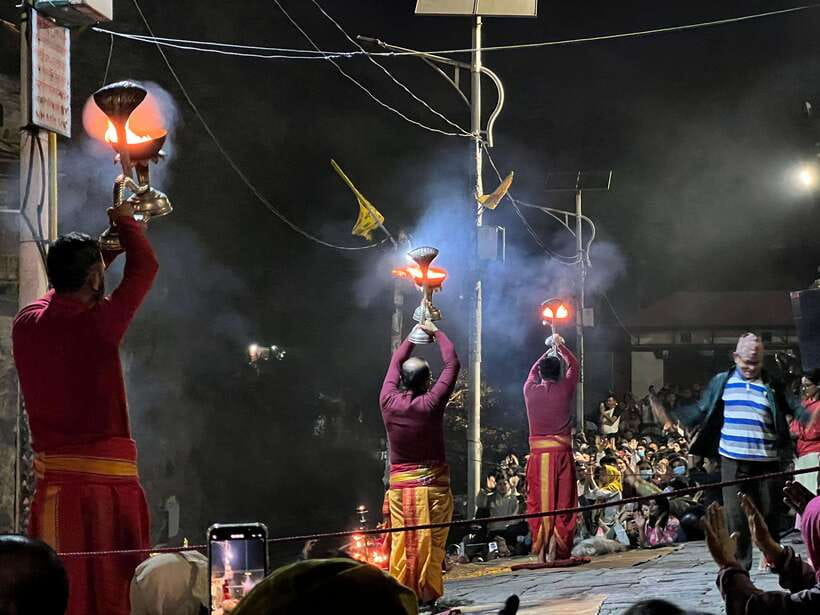
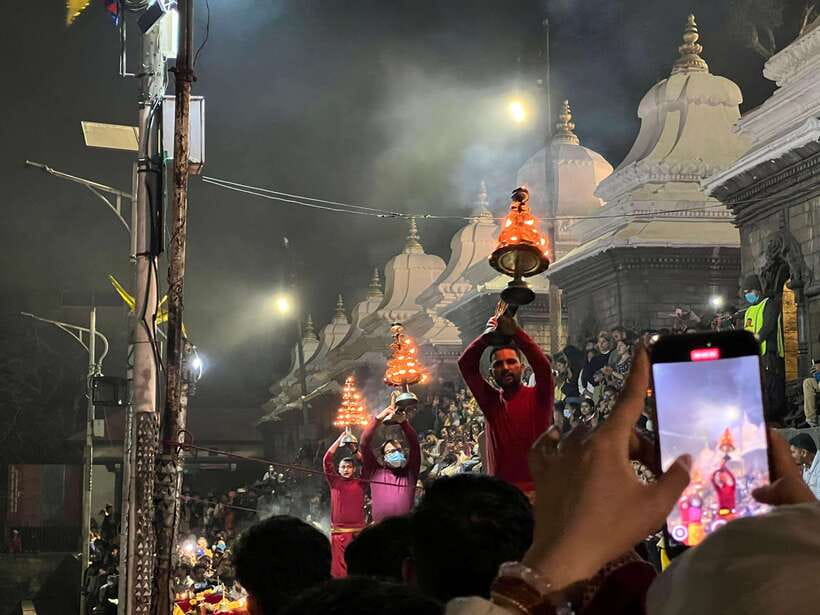
What makes the experience so compelling is how many senses get involved at once. You’ll hear Vedic mantras being chanted, bells ringing, and live classical instruments and devotional hymns. You’ll also smell incense, and you’ll see priests waving oil lamps in carefully patterned motions as the whole riverside turns into flickering light.
This is also why the guide component is such a big deal. When someone explains the significance of what you’re seeing, you don’t just get a pretty show—you understand the rhythm and symbolism behind it.
You can also read our reviews of more private tours in Kathmandu



Getting There From Thamel: Pickup, Drive, and Timing
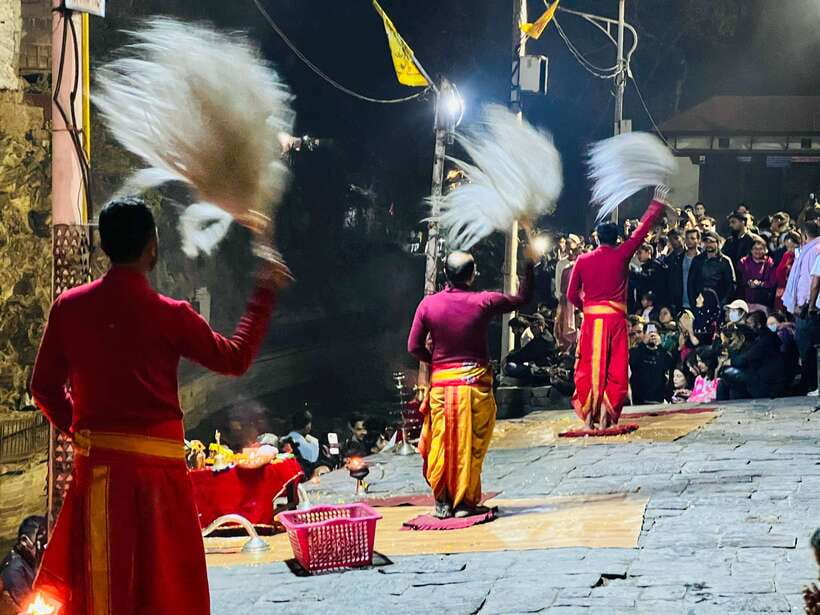
This tour is designed to start late afternoon, with pickup from your hotel in the Thamel area (including Thamel Marg). Then you ride to Pashupatinath, which is when the day shifts into evening. You’ll have time to transition from Kathmandu’s streets into a quieter, temple-centered atmosphere.
You should plan for a total tour time of about 2 to 3 hours. That matters because the “value” here is all about timing: you’re lining up your day so you arrive before the aarti starts, and you’re leaving before it becomes a long, late-night push.
One practical note: bring cash and keep your camera handy, because once the lamps start moving and the chanting ramps up, that’s when you’ll want to capture the moment. Also, wear comfortable shoes. Even if the walk is not long, temple grounds can be uneven and active.
The Temple Walk With a Real Guide (Not Just a Drop-Off)
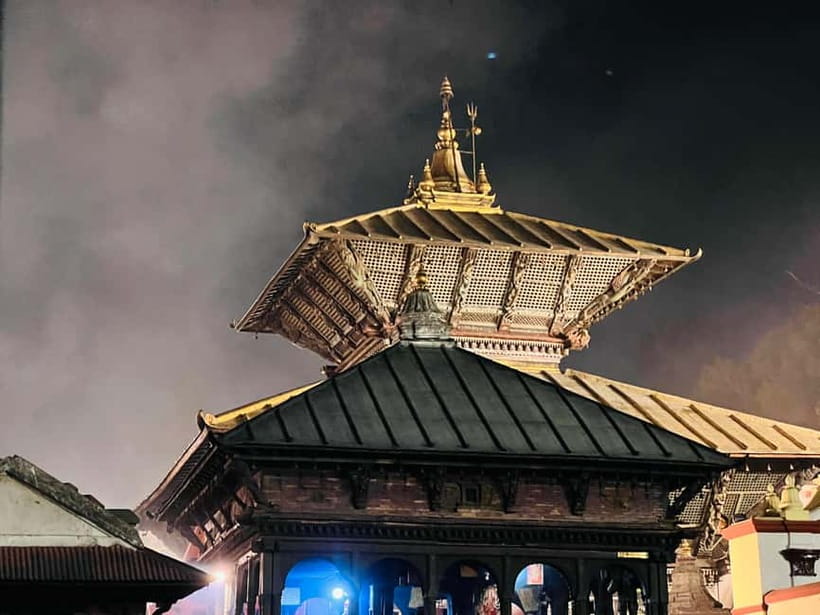
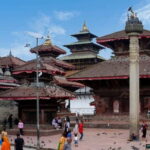
Before the aarti, you’ll visit the Pashupatinath temple complex with a guide. The idea is simple: first you get orientation, then you experience the night ritual with better context.
Expect your guide to cover:
- history and religious significance
- what you’re looking at in terms of architecture
- helpful context so the ceremony later doesn’t feel random
This part is about understanding place. Pashupatinath isn’t only one building—it’s a complex with meaning packed into the layout. When the guide points out what matters, the evening ceremony lands differently.
If you’re the type who likes to know why something is happening before you watch it, this guided segment is one of the best uses of your time. It also helps if you’re visiting for your first time and don’t want to figure everything out on the fly.
Using Your Free Time: Where to Wander and What to Focus On
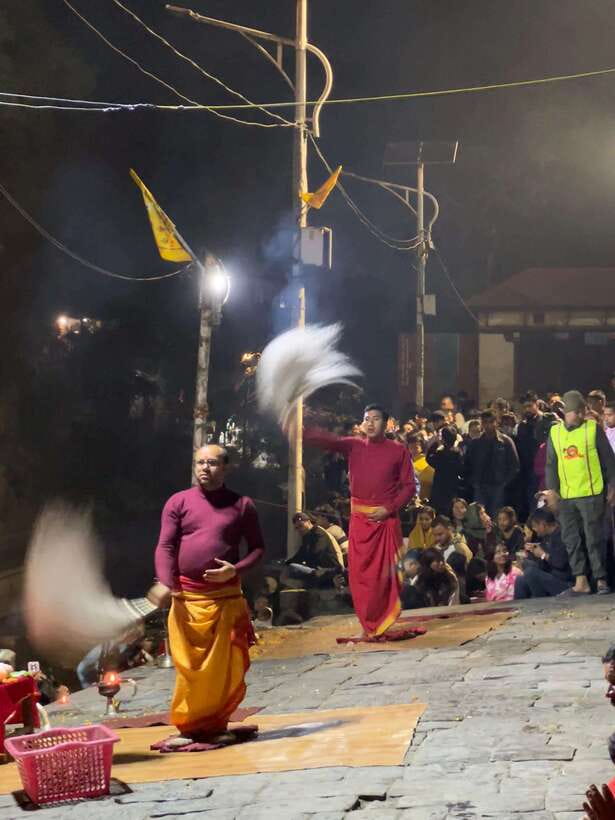
After the guided portion, you’ll have free time to explore and absorb the atmosphere on your own. The total temple exploration time is about 1.5 hours in the overall flow, so this isn’t the kind of “wander forever” free-for-all.
Here’s how I’d use it:
- take a slow walk to get your bearings
- look for viewpoints that might help during the aarti portion
- keep an eye on where the ceremony area is relative to where you’re standing
This is also the time to decide what kind of photos you want. If you’re planning camera shots, consider where the light will fall once the lamps go up. It’s easier to position yourself early than to rush later.
And if you have specific comfort limits—like you’re mainly focused on the lamp ritual and don’t want to see other riverfront activity—say that to your guide clearly. One booking situation made it obvious that your viewing area matters a lot when you’re trying to concentrate on the aarti only.
The 6 pm Evening Aarti: What the Ceremony Looks and Sounds Like
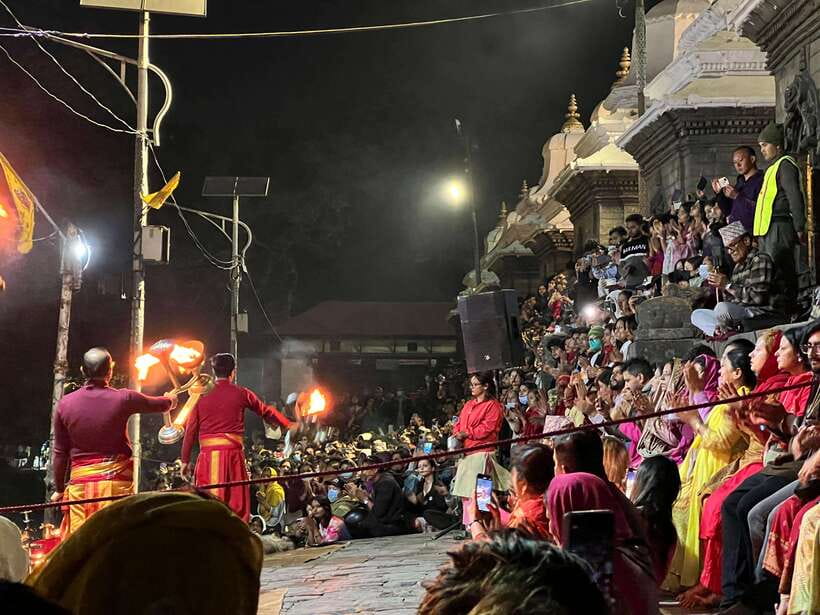
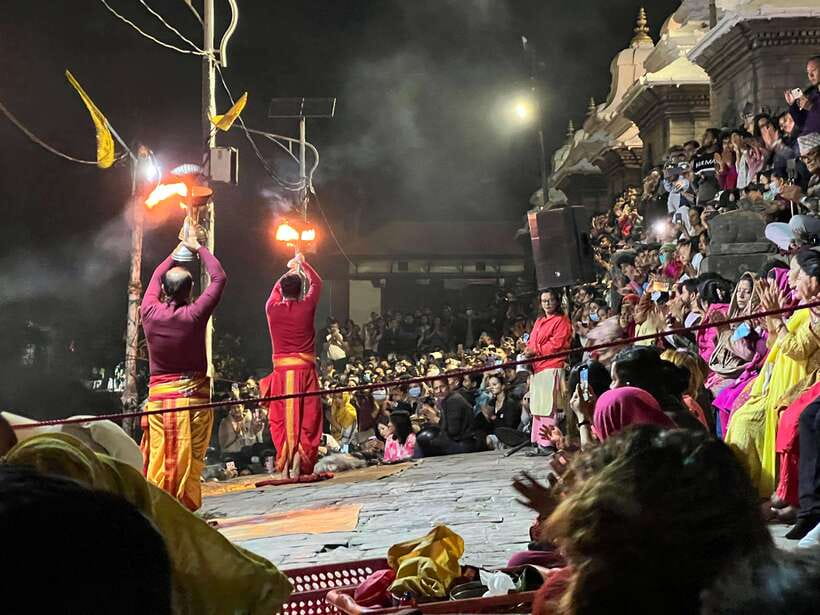
Around 6 pm, the evening aarti begins on the eastern bank of the Bagmati River. This is the moment most people come for, and it’s where the tour earns its name.
You’ll likely experience the full set of ritual elements in sequence:
- chanting Vedic mantras
- rhythmic ringing of bells
- priests waving oil lamps in intricate patterns
- incense burning through the air
- live music with classical instruments plus devotional hymns
What hits you first is the soundscape. The prayers and music create a steady drone that makes it feel like time slows down. Then comes the light: oil lamps flicker and move, and the riverside becomes a glowing corridor.
The best way to describe the emotional feeling is: it’s peaceful, but not quiet. It’s devotion with energy. You’re standing among practiced ritual, not a staged performance.
You can also read our reviews of more evening experiences in Kathmandu






Viewing Position: The One Detail You Should Not Leave to Chance
This is the part I’d plan most carefully.
A good ceremony view is about where you stand relative to the lamps and the ceremony space on the riverbank. If you arrive early but still end up too far back or blocked, it can reduce your “front-row” feel.
One example from a real booking: the guide was friendly, but the group was seated in a spot that didn’t give the view they expected. The only fix was to ask repeatedly to move, which turned into an awkward interruption.
So here’s my practical advice for your group:
- arrive ready to communicate: ask where you’ll watch
- tell your guide what you care about—clean view of the lamps, space for photos, or staying focused on the aarti
- if you’re uncomfortable with your spot, ask early rather than waiting until the ritual is already underway
Guides do a lot of coordinating on these riverfront events. You still have a right to advocate for your experience—especially if your goal is photography and a clear line of sight.
Guide Style Matters: When the Commentary Makes the Ritual Click
The guide doesn’t just translate—they help you connect the dots. In at least one case, a guide named Amrit was praised for being fantastic and for answering questions clearly. That matters because aarti can look similar at different temples, but the meaning is what makes it unforgettable.
You can also benefit from multilingual support. The tour offers English-speaking guiding, and it’s listed as available in English, Hindi, and Chinese. If you’re more comfortable asking questions in a specific language, that flexibility can turn the tour from passive viewing into a real conversation.
If your guide asks you what you’re hoping to see, that’s a good sign. Ask back: what’s the significance of the lamps, why this timing, and what should you notice during the music?
Even if you don’t ask many questions, the calm guidance keeps you from getting lost in the crowd and lets you focus on the ritual.
Hotel Pickup and Drop-Off: Small Convenience That Adds Up
A surprising amount of the “value” here is the logistics being handled for you. Pickup and drop-off are included, but specifically from Thamel or nearby. That means you’re not negotiating with drivers at dusk or trying to time a ride during peak evening activity.
You also get transportation to and from Pashupatinath Temple. For a 2 to 3 hour experience, that matters because you don’t want your day eaten by getting there and back. You want to spend your limited time at the thing you came for: the aarti itself.
At the end, you’ll be returned to your hotel in Kathmandu. That’s a big deal if you plan dinner, sleep, or a second activity the same day.
Price and Value: Is $22 Worth It?
At about $22 per person, this tour sits in the category of “worth it if you care about timing and context.” You’re paying for:
- transportation round-trip
- a licensed English-speaking guide
- time with a guided temple orientation
- the opportunity to experience the aarti at a very specific evening window
You’re not paying for a long multi-day itinerary. This is a short, targeted experience. That’s exactly why it can be good value: you’re not paying to wait around all evening.
What’s not included: entry fees, plus food and drinks. So if you’re hungry before or after, plan to eat on your own before the pickup window or after you’re dropped back.
If your main goal is “see the aarti with minimal fuss,” this can be a smart spend. If your goal is a deep temple exploration, you might find it better paired with a longer daytime visit too.
What’s Included (and What You’ll Need to Arrange)
Included:
- hotel pickup and drop-off (only from Thamel or nearby)
- transportation to and from Pashupatinath Temple
- licensed English-speaking guide
- all taxes and service charges
Not included:
- entry fees
- food and drinks
The practical takeaway: budget for a bit of spending besides the tour price. Bring cash in case you need it for entry fees and any snacks you want before or after.
Also, because it’s a night ritual with standing time, pack the basics. Comfortable shoes beat flip-flops here.
Who Should Book This Tour (and Who Might Want to Skip It)
This tour fits best if you:
- want the evening aarti experience without spending time figuring out logistics
- like having a guide explain meaning, not just showing you a location
- are staying in Kathmandu around Thamel and want easy pickup
It may be less suitable if you:
- need wheelchair access (wheelchair users are listed as not suitable)
- are traveling with very young children. The tour lists children under 2 and under 5 as not suitable, and it also notes babies under 1 year as not suitable.
If you’re traveling with teens or older kids who can handle standing and walking in a temple environment, it’s more likely to work—but the key filter is your comfort and flexibility during an evening ritual.
Quick Practical Checklist for a Better Night
A small checklist can make your experience smoother:
- Wear comfortable shoes (even short walks can be slow on temple ground)
- Bring your camera (oil lamps and live music are photo-worthy, and the light is dramatic)
- Bring cash (entry fees are not included)
- Plan to walk a bit during the temple visit and to stand near the riverbank for the aarti
If you’re sensitive to strong smells, note that incense is part of the ceremony. That’s normal for aarti, but it’s helpful to know in advance.
And if you care about your viewing angle, speak up early. The difference between a good view and a frustrating one can be decided before the ritual starts.
Should You Book This Kathmandu Pashupatinath Evening Aarti?
I’d say yes if you want a short, well-timed introduction to Pashupatinath’s spiritual life, and you appreciate having a guide explain what you’re seeing. The 6 pm Bagmati River aarti is the headline, and the guided temple walk beforehand gives you context so the ceremony means more than the visuals.
Skip—or at least think twice—if you’re very particular about where you stand for the ritual and don’t want to communicate with staff about moving to a better viewing spot. The ceremony is meaningful, but your experience can change based on your position.
If you’re in Thamel and want an efficient, guide-led evening activity, this tour is one of the more straightforward ways to see one of Nepal’s most iconic night rituals.
FAQ
How long is the Kathmandu Pashupatinath evening aarti tour?
It runs about 2 to 3 hours, starting in the late afternoon and centering on the evening aarti around 6 pm.
Where are pickup and drop-off locations in Kathmandu?
Pickup and drop-off are available from Thamel or nearby, with options listed as Thamel and Thamel Marg.
Is there a guided portion before the ceremony?
Yes. You’ll have a guided visit of the Pashupatinath temple complex, followed by free time to explore.
What language is the tour guide available in?
The guide is listed as available in English, Hindi, and Chinese.
What is included in the tour price?
You get hotel pickup and drop-off (from Thamel or nearby), transportation to and from Pashupatinath, a licensed English-speaking guide, and all taxes and service charges.
What’s not included?
Entry fees, plus food and drinks, are not included.
What should I bring for the tour?
Bring comfortable shoes, a camera, and cash.