REVIEW · KATHMANDU
Kathmandu: Pashupatinath Temple Evening Aarati Tour
Book on GetYourGuide →Operated by Aspiration Adventure Pvt Ltd · Bookable on GetYourGuide
Night ritual by the Bagmati River. This 3-hour guided visit to Pashupatinath Temple puts you in the middle of one of Nepal’s most important Hindu ceremonies, with an English-speaking guide such as Ramesh to explain what you’re seeing. I like that the tour is structured, so you don’t just watch—you understand.
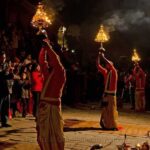
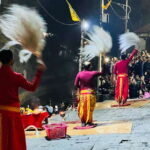
The second thing I love is the Aarati on the Bagmati River itself. Around 6 p.m., priests chant Vedic prayers, bells ring, oil lamps flare, incense fills the air, and classical instruments and hymns add atmosphere.
One consideration: it’s a sacred space, and crowds form. If you’re hoping for nonstop photos, your best shots will be from permitted areas, and you’ll want to move carefully and quietly.
In This Review
- Key Things to Know Before You Go
- Why the Evening Aarati at Pashupatinath Feels Different
- Hotel Pickup and the Easy Kathmandu Logistics
- Pashupatinath Temple Time: Guided Walk, Photo Stop, and Orientation
- How to Use Your Free Time Inside the Complex
- The Bagmati River Aarati: What You’ll See Around 6 p.m.
- Photography at Night: Timing, Respect, and Permitted Areas
- Price and Value: Why $45 Makes Sense for This 3-hour Plan
- Who This Tour Suits Best (and Who Might Prefer Something Else)
- The Takeaway: Book It if You Want a Real Understanding Moment
- FAQ
- FAQ
- How long is the Pashupatinath Temple evening Aarati tour?
- What time does the ceremony happen?
- Where is the Aarati ceremony held?
- Is hotel pickup and drop-off included?
- Is there a guide, and is it in English?
- Is the entry ticket to Pashupatinath included?
- Can I skip the ticket line?
- Is this a private group tour?
- What’s not included in the tour price?
- Are there any rules for photography?
- What if my plans change?
Key Things to Know Before You Go
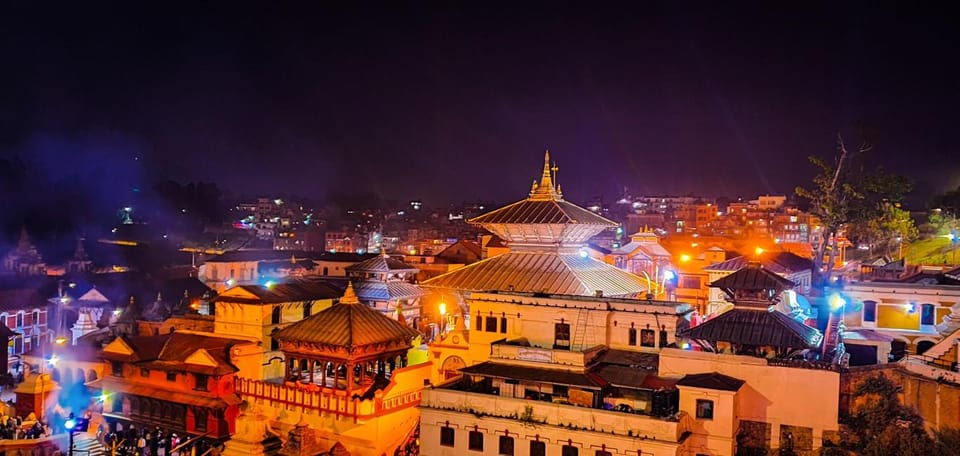
- Pashupatinath’s eastern riverside setting makes the evening Aarati feel different from a typical temple visit.
- A licensed English-speaking guide helps you connect rituals to meaning, not just locations.
- Aarti details you’ll actually notice: Vedic mantras, bells, oil lamps, incense, plus classical music and hymns.
- Time with the guide first, then time on your own inside the complex before the ceremony.
- Photo-friendly, but rules apply—there are permitted areas for photography.
- Private group + hotel transfer keeps logistics simple for a 3-hour plan.
Why the Evening Aarati at Pashupatinath Feels Different
Pashupatinath isn’t just a historic stop. In the evening, it becomes a living religious stage—lights, sound, and repeated words moving through the temple grounds and out toward the Bagmati River. This tour is built around that moment, so the experience isn’t rushed sightseeing. You arrive in late afternoon, get your bearings, and then you’re present when the ceremony kicks in around 6 p.m.
That timing matters. Daytime at Pashupatinath can be about architecture, people, and getting your bearings. Evening shifts the focus to ritual and atmosphere: priests’ chants, ringing bells, oil lamps being waved, incense burning, and the band joining in with classical instruments and hymns. You’re watching tradition happen in real time, not reading about it afterward.
The best part is the explanation layer. A strong guide makes a huge difference here. Groups have been led by guides like Ramesh, Rajat, and Anjan (depending on scheduling), and the common thread is clear: they help you understand why each piece is part of the worship, not just what it looks like.
You can also read our reviews of more evening experiences in Kathmandu



Hotel Pickup and the Easy Kathmandu Logistics
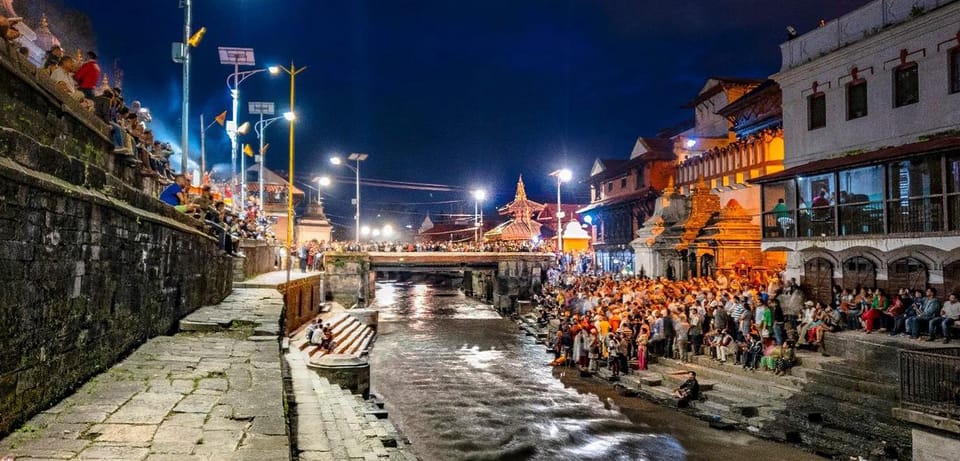
This tour is scheduled for the evening, so the day stays flexible until the late afternoon pickup. You’ll get hotel pickup and drop-off in Kathmandu, then drive to Pashupatinath along the Bagmati River.
For me, the value is in how simple it makes a religious-night plan. Kathmandu traffic can be unpredictable, and evening ceremonies have a fixed rhythm. Having transportation included means you’re not trying to solve timing with taxis while a ceremony is starting.
In past groups, the driver has been described as polite and welcoming, and safety comes up in the feedback—so you can focus on the experience instead of white-knuckling the ride.
Pashupatinath Temple Time: Guided Walk, Photo Stop, and Orientation
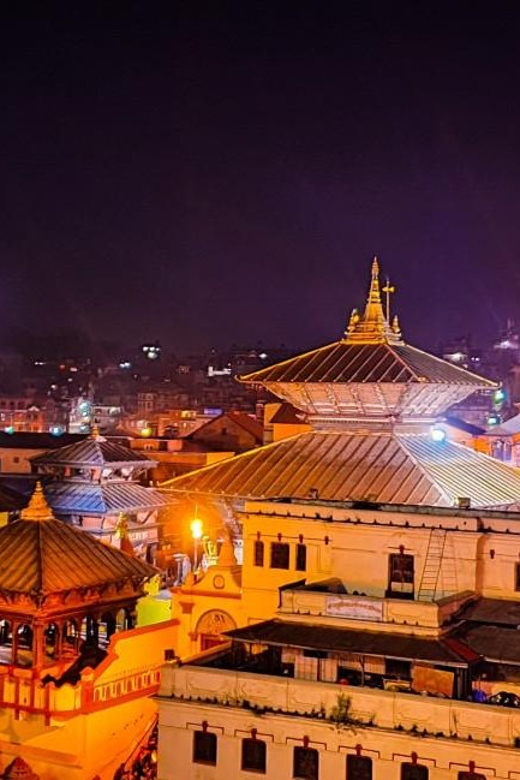
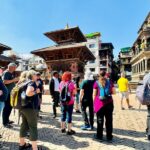
Before the Aarati begins, you start with a guided tour of the Pashupatinath temple complex. This isn’t just a quick drive-by. You’ll get context and interpretation for what you’re looking at, plus a photo stop.
The entry ticket to Pashupatinath is included, and the tour includes a way to skip the ticket line, which is helpful when you’re working on a tight evening schedule.
What the guided portion is best at is orientation:
- You learn what parts of the complex are central to the worship.
- You get the story behind the site’s religious importance.
- You understand what you’re likely to see later during the Aarati.
Then you get time for independent exploration before the main ceremony. This is a good rhythm: arrive, learn the basics, then walk around with less guesswork.
If you care about photography, the tour’s pacing helps. A guide can point you toward spots that make sense for the ceremony later, and you’re not trying to map it all out while priests are already chanting.
How to Use Your Free Time Inside the Complex
That independent window inside the complex is where you can make the evening truly yours. The key is to use it for two things: orientation and preparation.
First, do a slow loop to figure out:
- Where you are relative to the riverbank area used for the Aarati.
- How the flow of people moves as the ceremony time approaches.
- Which areas feel calm enough for a thoughtful look.
Second, do a quick “what I want to remember later” check. If you want photographs, decide what you’re aiming for. You’ll have an Aarati ceremony with lights and chanting, but you’ll only get good shots from permitted photography zones—so don’t wait until the last minute to realize you’re standing somewhere you shouldn’t be.
Also, remember the tone of the place. Pashupatinath is sacred and active. Moving with care and quiet attention helps you blend in and increases your chances of seeing the ritual without constant interruptions.
The Bagmati River Aarati: What You’ll See Around 6 p.m.
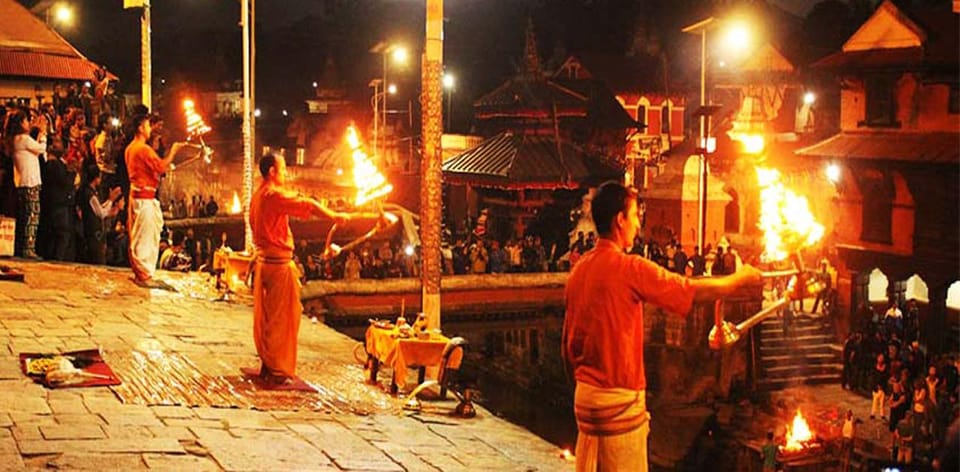
Around 6 p.m., the ceremony happens on the banks of the Bagmati River on the temple’s eastern side. This is the heart of the tour, and it’s the moment when you’ll feel why people talk about it as a powerful night ritual.
Here’s what you can expect to notice as the Aarati unfolds:
- Priests chanting Vedic mantras as part of the worship.
- Ringing bells that signal key moments in the ritual.
- Oil lamps being lit and waved in front of the idol of Lord Shiva.
- Incense burning, with the smoke becoming part of the atmosphere.
- A band with classical instruments, plus singing hymns to the gods.
Visually, the lights do the work. You’re not just watching a few candles—you’re watching a sequence of lamps and worship actions that repeats with structure and meaning. Sound carries too: chanting, bells, hymns, and the rhythm of the ceremony all together.
And because the ceremony is by the river, it tends to look and feel bigger than it would in a closed courtyard. The Bagmati River setting gives the Aarati a nighttime stage quality—people gathered along the riverbank, temple energy behind it, and the ritual continuing as dusk turns to deeper night.
The guide’s role here is also worth calling out. When priests move through parts of the ritual, a good guide can explain what’s happening and what the actions symbolize. That turns a “spectacle you watched” into something you can actually interpret.





Photography at Night: Timing, Respect, and Permitted Areas
If your goal is travel photos, this is one of the better ways to plan. The tour includes a photo stop earlier at the temple, and the ceremony itself is naturally photogenic because of the lights, incense, and ritual movement.
But keep your expectations grounded:
- Photography is only allowed in permitted areas.
- This is a working religious ceremony, not a staged show.
- The best frames often come from being patient and respectful, not chasing angles.
A recurring theme from the experience is that guides have been willing to accommodate photo-focused visitors. For example, groups led by Ramesh have been described as patient, and able to give people time they needed for photography requests and concerns. That matters because nighttime light can be tricky—you may want a moment to compose before the ceremony action reaches a key part.
My practical advice:
- Bring a charged phone or camera and any basic grip you like for low-light shooting.
- Keep your movements quiet during chanting.
- If you’re unsure where you’re allowed to stand, ask your guide before stepping into a more restricted spot.
Price and Value: Why $45 Makes Sense for This 3-hour Plan
At $45 per person for a 3-hour evening experience, the cost isn’t just for “watching a ceremony.” You’re paying for several value drivers:
- Hotel pickup and drop-off (transport time and coordination).
- Transportation to and from Pashupatinath for a fixed-time event.
- A licensed English-speaking guide to interpret what you’re seeing.
- Entry ticket to Pashupatinath, plus a way to skip the ticket line.
- Taxes and service charges included.
The biggest value shift is the guide. Without explanation, the Aarati can still be moving—but you’d likely understand less of the symbolism behind what’s happening. With an English guide, you’re building meaning as you watch, which is what turns this from a quick cultural detour into a memorable cultural lesson.
What’s not included is straightforward: food and drinks. For a 3-hour tour, that’s manageable. Still, plan a snack earlier or keep water on hand based on your own needs, so you’re not thinking about meals while the ceremony is happening.
Who This Tour Suits Best (and Who Might Prefer Something Else)
This tour fits best if you want one clear thing: a high-context evening at one of Nepal’s most important Hindu sites. It’s especially good for:
- People who like spiritual or cultural experiences with explanation, not just photos.
- Visitors who want an ending activity in Kathmandu that’s different from typical daytime sightseeing.
- Anyone who appreciates when a guide can answer questions—some groups have praised guides like Rajat and Ramesh for being patient and responsive.
It may be less ideal if you:
- Want a totally flexible schedule with no structure (this tour works because the ceremony has a timing).
- Expect a lot of room to move around freely for photography (you’re in permitted areas, and you’ll share the space with others).
- Are uncomfortable with nighttime crowds at a major temple ritual.
The Takeaway: Book It if You Want a Real Understanding Moment
If you’re choosing just one evening cultural experience in Kathmandu, this is a strong contender. The combination of a temple orientation beforehand, then the Bagmati River Aarati at around 6 p.m., gives you a clean storyline for the evening.
I’d recommend booking if you want:
- a guided explanation in English
- a simple logistics plan with hotel transport
- a ceremony you can actually interpret while it’s happening
And if you’re on the fence, the decision is simple: if you enjoy rituals that include sound, light, chanting, and meaning, you’ll likely find this tour worth the time.
FAQ
FAQ
How long is the Pashupatinath Temple evening Aarati tour?
It lasts about 3 hours.
What time does the ceremony happen?
The Aarati begins around 6 p.m. (the tour starts in the late afternoon and you arrive before the ceremony).
Where is the Aarati ceremony held?
It takes place on the banks of the Bagmati River on the eastern side of the Pashupatinath Temple.
Is hotel pickup and drop-off included?
Yes, hotel pickup and drop-off in Kathmandu are included.
Is there a guide, and is it in English?
Yes. You’ll have a licensed English-speaking guide.
Is the entry ticket to Pashupatinath included?
Yes. Entry to Pashupatinath is included in the price.
Can I skip the ticket line?
Yes, the tour includes a skip-the-ticket-line arrangement.
Is this a private group tour?
Yes, it’s listed as a private group.
What’s not included in the tour price?
Food and drinks are not included.
Are there any rules for photography?
Photography is mentioned as possible in permitted areas, so you’ll want to follow the guidance of your guide on where you can stand and shoot.
What if my plans change?
You can cancel up to 24 hours in advance for a full refund, and there’s also a reserve now & pay later option listed.