REVIEW · KATHMANDU
Ghorepani(Poonhill Trek)
Book on Viator →Operated by Himalayan Abode travels and Tours, Treks and Expedition · Bookable on Viator
Short trek, serious Himalayan payoff. The Ghorepani (Poonhill) route is a smart way to get classic Annapurna views without getting buried in days of training and acclimatization. I like that this is a private trek (just your party), and I also like that nightly accommodations and meals are handled for you, so you can focus on walking and watching the mountains change color.
One thing to weigh: this trek keeps altitude fairly modest, with the maximum elevation noted as about 2,540m at Ghorepani, so it’s less of an extreme high-altitude challenge than longer Annapurna options.
Still, if you want a calm, well-supported trek with breathing room and the Poon Hill sunrise moment, this one is built for you.
In This Review
- Key highlights at a glance
- Ghorepani and Poon Hill: why this trek works when time is short
- What your $600 private package covers (and why it’s good value)
- Day 1 in Kathmandu: pickup, a private start, and getting organized
- Day 2: arrival in Ghorepani and mountain views at a steady pace
- Day 3: Poon Hill sunrise and the “walk for the light” plan
- Day 4: Ghandruk village, Gurung settlement life, and Mt Fishtail views
- Day 5: Pokhara de-stress day after the trek
- Guide and porter team: safer, calmer trekking (and less mental load)
- Logistics that actually affect your comfort: timing, tickets, and food
- Who this Ghorepani (Poonhill) trek suits best—and who should consider alternatives
- Should you book this Ghorepani (Poonhill) private trek?
- FAQ
- How long is the Ghorepani (Poonhill) Trek?
- What’s included in the price?
- Is this trek private?
- Where does the tour start in Kathmandu?
- Do you get pickup and drop-off from your hotel?
- Is there a mobile ticket?
- What is the maximum elevation on this trek?
- Can I choose what I eat?
- What should I bring for the trek?
- Do I need a passport?
- What is the cancellation policy?
Key highlights at a glance
- Private, guided hiking at your pace so you’re not stuck matching a group’s energy level
- All meals and nightly stays included, plus guide/porter meals, which keeps logistics simple
- Poon Hill sunrise views over the Annapurna range and surrounding peaks
- Ghandruk village time with Gurung settlement atmosphere and famous scenery
- Low-stress altitude profile (max around 2,540m) for most hikers
- Cape-to-peak support, including trekking guide and porter insurance and pickup/drop-off in Kathmandu
Ghorepani and Poon Hill: why this trek works when time is short
The biggest reason I’m a fan of the Ghorepani (Poonhill) trek is that it hits the highlights of the Annapurna region in about five days. You get the famous viewpoints, the village walking, and that pre-dawn payoff at Poon Hill, all without needing a month-long commitment or a serious acclimatization plan.
And the altitude is part of the appeal. The trek overview notes that the highest point during the trek is only around 2,540m at Ghorepani. That doesn’t mean the trek is effortless, but it does mean you can often approach it with steady pacing instead of fear. If you’re the type who loves mountains but also likes sleeping well at night, this profile tends to fit.
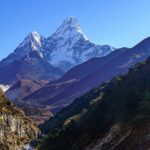
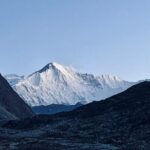
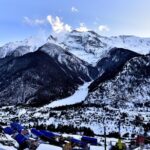
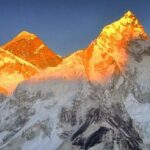
What you’re really buying here is a “great views per day” deal—views that include the Annapurna Range, Mt. Dhaulagiri, and Mt. Fishtail. You’re not hiking for days just to see one distant ridge; you’re hiking for moments that feel like postcards come to life, plus village scenes that keep it human.
You can also read our reviews of more hiking tours in Kathmandu
What your $600 private package covers (and why it’s good value)
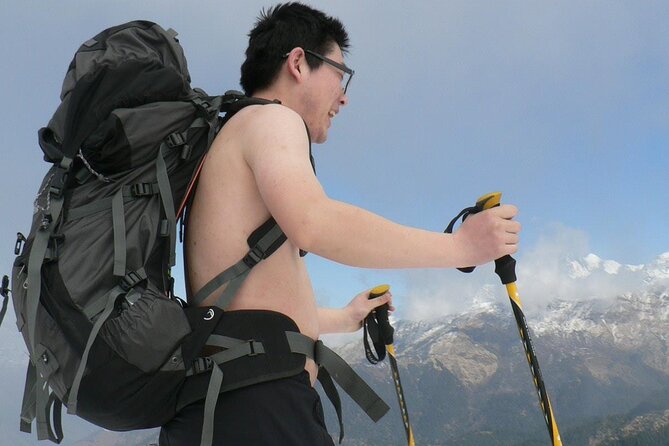
On paper, $600 can sound either “cheap” or “why so much?” depending on what you’re comparing it to. In this case, the value is in the included structure.
You’re getting:
- A private trek with a guide and porter
- Accommodation and meals included for the nights along the trek
- Breakfast, lunch, and dinner for you (and meals for the guide/porter too)
- National park fees and an Environmental Management Charge
- Fuel surcharge and local taxes
- Hotel pickup and drop-off plus transport links around the trek timing
- A mobile ticket (less paper chaos)
Why that matters: when you DIY this trek, you usually spend time coordinating guesthouses, meals, permits, and guide/porter arrangements. That’s not hard for experienced travelers, but it’s time you might rather spend on Pokhara lakeside coffee or Kathmandu street snacks.
A private setup also pays off emotionally. Instead of worrying about who’s falling behind, you can ask for small changes—slower pace, extra photo stops, or swapping how you move during the day.
One more small but real detail: you’re also told you can choose veg or non-veg. That sounds basic, but it helps on trek days when food choices can be limited. It’s the difference between eating well versus eating whatever’s in front of you.
Day 1 in Kathmandu: pickup, a private start, and getting organized
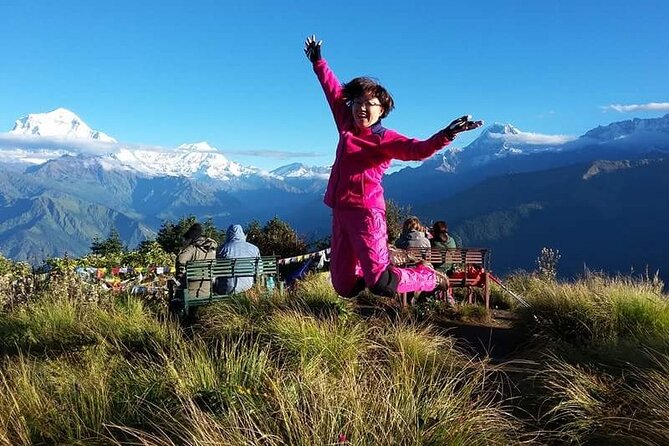
Your day begins with a scheduled start at Tribhuvan Airport (Kathmandu) at 8:00am, with pickup included. You also get a private Kathmandu day tour as your first stop, run through the trekking company.
This matters because Ghorepani days can be “go-go” later. Having day one focused on setup and orientation helps you:
- get your bearings in Kathmandu without rushing,
- confirm your preferences (including food choice),
- and start the trek with fewer moving parts.
You’ll also need to be ready with documentation. A current valid passport is required on the travel day, and the company asks for passport name, number, expiry, country, plus a passport photo copy and passport-size photo at booking. It’s not the fun part, but it’s one of those requirements that can ruin the first day if you forget it.
If you’re carrying camera gear or medication, day one is a good time to sort what you’ll actually use on the trail. Nepal treks reward light packs, not hero bags.
Day 2: arrival in Ghorepani and mountain views at a steady pace
On day two you arrive in Ghorepani, and the focus shifts from logistics to scenery. The day’s promise is simple: magnificent mountain-range views.
Ghorepani is often the place where the trek starts to feel real. You’re in the right area to start seeing the Annapurna system more clearly, and you’re also at a comfortable altitude for most hikers thanks to that ~2,540m maximum elevation note from the trek overview.
The advantage of staying overnight here is that it sets up your sunrise plan without making you scramble for timing later. You don’t just hear about Poon Hill. You’re positioned to do it properly.
This is also where a porter adds value beyond carrying. With a guide and porter in place, you can keep your energy for the uphill sections rather than spending mental bandwidth on pacing, bags, and logistics.
Day 3: Poon Hill sunrise and the “walk for the light” plan
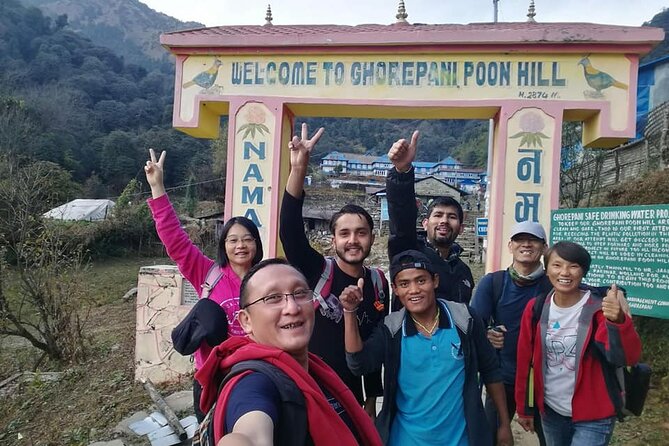
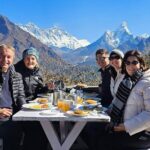
Day three takes you to Poon Hill Marga for sunrise and mountain views. This is the day most people dream about: pre-dawn or early-morning walking, then a viewpoint moment when the sky decides to cooperate.
Here’s the practical part. A sunrise day is only as good as your timing and comfort. With a private guide and porter setup, you’re not negotiating a crowd pace. You’re moving as a group designed for your hiking style.
You’ll be looking toward the mountain theater that includes the Annapurna Range, and—on clear days—peaks like Mt. Dhaulagiri often steal the spotlight. The trek overview calls out multiple famous peaks, and Poon Hill is where those connections become visible.
One small note: the trek is described as requiring good weather in order to operate as planned. If weather turns, sunrise viewing can change dramatically. That’s true of Poon Hill generally, not just this company. So if you have only one morning in Nepal and you’re banking on perfect light, build flexibility mentally.
Day 4: Ghandruk village, Gurung settlement life, and Mt Fishtail views
On day four you reach Ghandruk, and the day’s highlight is “face of Mt Fishtail” along with a Gurung settlement experience.
This is the day that often makes people remember the trek as more than a scenic hike. The Annapurna region is famous for its communities, and Ghandruk is known for that village character. Even when the weather is good or bad, village sections keep the trek grounded.
The Fishtail reference is a big deal: Mt. Fishtail has a distinctive look, and if you get the right visibility, it becomes a highlight you’ll talk about long after you’re back home. This is also where your guide’s pacing can matter. If clouds roll in, you don’t want to be stuck rushing through the one village area where you’d actually enjoy the slower moments.
With a porter handling your pack, you can spend more time watching how people live—tea rooms, stone lanes, and the little routines that make the Himalaya feel close rather than remote.
Day 5: Pokhara de-stress day after the trek
Day five ends in Pokhara, described as a tourist destination and the lake city. In real terms, this is your recovery buffer. After hiking days, Pokhara’s flat-out good at letting you:
- eat a normal meal without worrying about trek schedules,
- wash laundry,
- and trade mountain dust for lake air.
Pokhara is also a smart place to finish because it gives you a calmer ending after days in the Annapurna foothills. Instead of going straight back to Kathmandu chaos, you get a breather.
If you’ve been thinking of adding extra sightseeing, Pokhara is where you tend to have the easiest time doing it. Just don’t plan anything too aggressive on day five if you still feel trek legs.
Guide and porter team: safer, calmer trekking (and less mental load)
A private guide/porter setup is often what turns a trek from stressful into enjoyable. In this experience, the structure is explicit: a trekking guide and porter are included, along with guide/porter insurance and meals.
That means two things for you:
- Safety and navigation are handled. You’re hiking at your own pace, but not alone.
- Daily comfort improves, because you’re not worrying about where meals come from or whether your gear is dragging you down.
The value of having a porter isn’t only weight. It’s also the ability to move consistently. Your energy goes to walking and enjoying the scenery—not to shifting your bag every ten minutes like it’s conspiring against you.
The names Prabin (guide) and Sabin (porter) show up in feedback tied to being friendly and flexible—especially helpful when plans need small adjustments during the trek. That flexibility matters on trekking routes where weather, trail conditions, or daylight can force minor shifts.
And yes, tips aren’t included. It’s also explicitly called out that alcoholic drinks and other personal items aren’t included, so you’ll want to plan for that if it’s part of your routine.
Logistics that actually affect your comfort: timing, tickets, and food
A few details here can make the difference between “smooth trip” and “why is this harder than it should be?”
Start time and pickup: you’re scheduled with pickup from Tribhuvan Airport at 8:00am. Earlier starts can feel abrupt, but having a fixed meeting point cuts down uncertainty.
Mobile ticket: you’ll receive a mobile ticket, which helps reduce paper confusion. In a country where plans can shift, having the ticket format in hand is a small win.
Food options: you can select veg or non-veg. Trek food choices can be limited, and getting what you want matters—especially on day-by-day meal schedules.
Clothing and packing: the provided packing guidance focuses on warm layers: a warm jacket, trousers, and a t-shirt, plus comfortable dress. That’s practical because even when the trek isn’t “high-altitude extreme,” mornings near sunrise can still feel cold enough to make you wish you packed better.
Also, bring the basics you’d expect for hiking: good shoes, water planning, and a willingness to layer. If you run hot, you can always unzip and adjust.
Who this Ghorepani (Poonhill) trek suits best—and who should consider alternatives
This trek fits people who want:
- a short Annapurna region trek,
- the Poon Hill sunrise experience,
- and a private guide/porter setup for comfort and pace control.
It’s a strong choice if you’re traveling as a family or on a schedule that doesn’t allow a long trek. The altitude profile helps too, with that max around 2,540m.
It might not be the best fit if you’re chasing a major altitude challenge or want a multi-week hike through deeper wilderness areas. The appeal here is views, village culture, and efficient timing—not suffering for bragging rights.
Should you book this Ghorepani (Poonhill) private trek?
If you want a straightforward way to get Annapurna views, village scenery, and the sunrise moment—without turning your vacation into a logistics project—this is a solid booking.
I’d especially recommend it if you:
- prefer private pacing over group trekking,
- like having meals and accommodations handled,
- and want a guided, porter-supported experience that feels calm even when you’re walking early for sunrise.
Before you book, make one careful check: your schedule and flexibility with weather. This trek is described as needing good weather, and sunrise viewing depends heavily on visibility. If you’re okay with that reality, you’ll likely love the payoff.
FAQ
How long is the Ghorepani (Poonhill) Trek?
The duration is listed as approximately 5 days.
What’s included in the price?
The package includes accommodation per the itinerary, meals (breakfast, lunch, dinner as listed), a trekking guide and porter, hotel pickup and drop-off, national park fees, and other charges such as environmental management and local taxes. Fuel surcharge and guide/porter insurance are included too.
Is this trek private?
Yes. It’s a private tour/activity, so only your group participates.
Where does the tour start in Kathmandu?
The meeting point is Tribhuvan Airport in Kathmandu, with a start time of 8:00am.
Do you get pickup and drop-off from your hotel?
Hotel pickup and drop-off are included.
Is there a mobile ticket?
Yes, a mobile ticket is included.
What is the maximum elevation on this trek?
The trek overview notes a maximum elevation of about 2,540m at Ghorepani.
Can I choose what I eat?
Yes. You can choose veg or non-veg.
What should I bring for the trek?
The guidance includes a warm jacket, trousers, a t-shirt, and comfortable dress.
Do I need a passport?
Yes. A current valid passport is required on the day of travel, and passport details plus photo copies/photos are required at booking.
What is the cancellation policy?
You can cancel up to 6 days in advance for a full refund. Cancel 2–6 days in advance for a 50% refund. Less than 2 days before the experience is not refundable. If it’s canceled due to poor weather, you’ll be offered a different date or a full refund.