REVIEW · RISHIKESH
Nagtibba Trek (Dehradun to Dehradun)
Book on Viator →Operated by Kaushik's Cafe & Trek · Bookable on Viator
Two days in the Himalayas, and you’ll feel it. This Nagtibba Trek blends a calm overnight in a tent camp with a very early push to the Nag Tibba summit for sunrise views. The trip is built for convenience: round-trip transfers from Dehradun to the trail area at Pantwari and back are included, so you’re not trying to coordinate your own transport.
I also like that the basics are covered in a practical way: you sleep in a shared tent (triple sharing) with sleeping mats and sleeping bags provided, and all meals are included for both days. The main consideration is energy and timing—waking up at 3:30 a.m. for the summit, plus a long taxi ride along winding mountain roads—so it’s best when you can handle an early morning and a bumpy commute.
In This Review
- Key points before you go
- Dehradun to Pantwari: the ride and what it changes
- Day 1: tent camp life, sunset views, and comfort that’s actually useful
- Day 2: 3:30 a.m. start for Nag Tibba sunrise payoff
- What the tent camp setup gets right (and where you should lower expectations)
- Why the guides matter: Sanjay bhaiya, Amit Singh, and Sardarji
- Price and value: is $113.48 a good deal?
- Weather, sunrise timing, and how to plan without stress
- Who should book this Nag Tibba trek (and who may not love it)
- Should you book this Nagtibba Trek?
- FAQ
- What’s included in the Nag Tibba trek price?
- How long is the trek?
- Where do I meet in Dehradun?
- What time does the activity start?
- What happens on Day 1?
- What happens on Day 2?
- How big are the groups?
Key points before you go
- Door-to-trail convenience: Round-trip shared transfers from Dehradun to Pantwari are included.
- Real overnight outdoors: You spend the night in a tent camp on a triple-sharing setup, with mats and sleeping bags.
- Meals are handled: Dinner plus breakfast and lunch are included, so you’re trekking without meal planning.
- Sunrise is the whole point: Day 2 starts at 3:30 a.m., with snacks on the way to the top.
- Guide energy matters: The operator’s guides like Sanjay bhaiya, Amit Singh, and Sardarji are repeatedly described as friendly and supportive.
- Small group size: Maximum of 16 travelers, which keeps the trek from feeling chaotic.
Dehradun to Pantwari: the ride and what it changes
Most of the time you’ll spend on this trek isn’t on a trail. It’s on the road first. You meet at Kwality Hardware Agencies on Gandhi Rd near the Clock Tower (Harrawala), Dehradun, and the activity starts in the 6:00 a.m. to 7:00 a.m. window. From there, you take a shared transport ride toward Pantwari, the jump-off point for the trek.
And yes, the roads are part of the experience. The route is known for windy stretches, and the taxi ride can take roughly 3 to 4 hours each way. If you get motion sickness, this is worth thinking about before you book. I’d rather you plan for it than suffer through it.
The tradeoff is that you save time on logistics. With transfers handled, you can focus on the actual goal: hiking up, camping for a night, and then heading for the summit the next morning.
You can also read our reviews of more hiking tours in Rishikesh
Day 1: tent camp life, sunset views, and comfort that’s actually useful
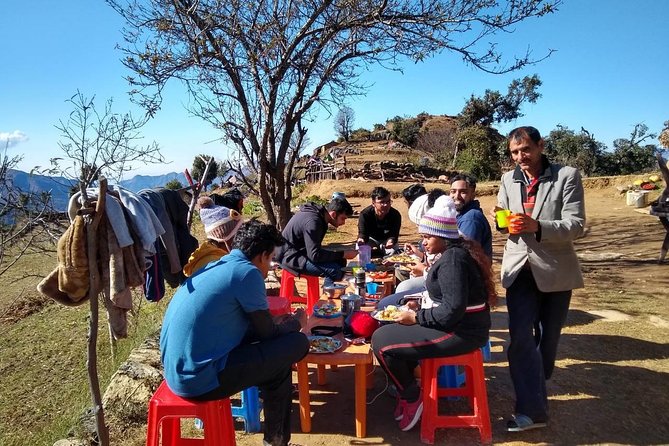
Day 1 is your adjustment day. You trek up to a tent camp area and settle in for the night on a triple-sharing basis. Sleeping mats and sleeping bags are provided, which means you can travel lighter than you would if you had to rent or buy gear locally.
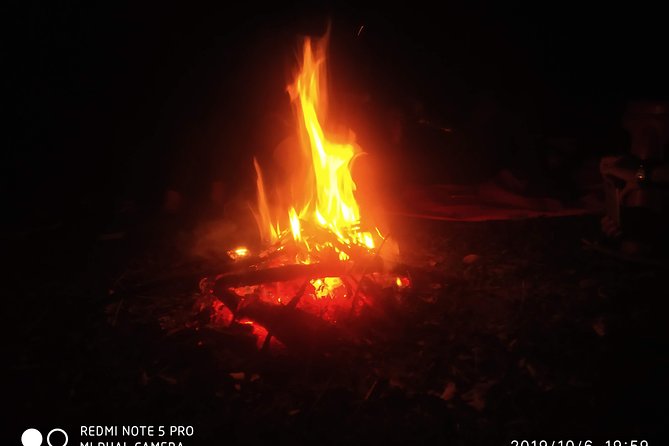
Once you arrive, the camp vibe is simple but welcoming. You’ll get hot tea and snacks when you start settling in—tea and pakoda are part of the welcome pattern. There’s even a low-key option for something familiar like Maggi, which some groups mention as available during the evening (price noted in the trip details).
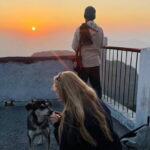
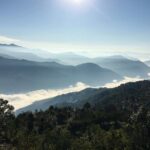
The best part of Day 1 is the timing. You’re hiking in daylight, then you get the classic hill-station moment: the sunset view from the camp area. Even if you’ve visited Himalayan viewpoints before, this sunset-after-trekking combo hits differently because you’re not just looking—you’re decompressing after moving your body.
One practical downside: since this is outdoors camping, don’t expect hotel-style quiet or privacy. If you’re someone who needs space to sleep, you may find shared tent life a stretch. Still, the provided sleeping gear makes it more comfortable than “roughing it” without support.
Day 2: 3:30 a.m. start for Nag Tibba sunrise payoff
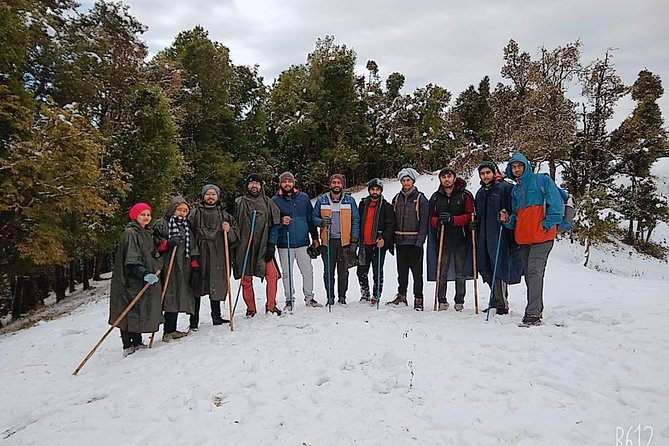
Day 2 is the real summit day, and it starts early. You wake up at 3:30 a.m., then get moving toward the peak. On the way, you’ll have simple trail snacks—fruit and biscuits—so you’re not trekking on an empty stomach at the coldest hour.
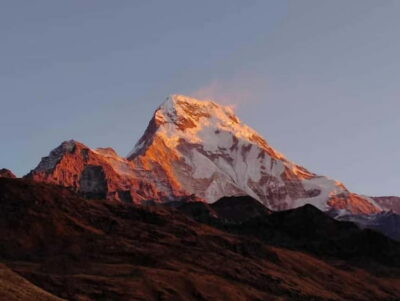
The schedule is built around reaching the top for sunrise, assuming you’re on time. That’s the cultural reason this trek has repeat demand: Nag Tibba is about views you can’t get from a lazy morning. You’ll reach the summit, witness sunrise if timing works, then you get a chance to relax and take in the scene before heading back down.
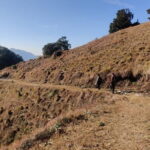
What to expect on the hike itself? Based on how people describe it, the trek is not usually framed as extreme. It’s more about steady effort than technical climbing. The part that can feel more difficult is the descent—going down can be a bit hard on legs, especially if your pace is quick or if the ground is uneven.
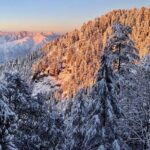
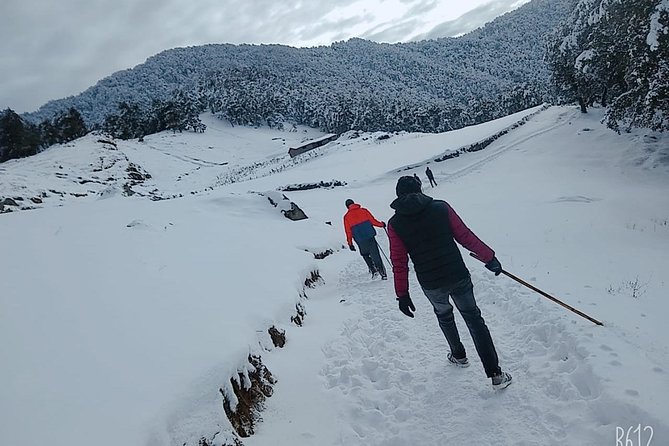
Also, weather can add surprises. One trek detail that keeps popping up is snow readiness. If conditions are colder than expected, your footwear and gait matter more than you think. If you show up with gear that handles slick or snowy patches, you’ll thank yourself later.
What the tent camp setup gets right (and where you should lower expectations)
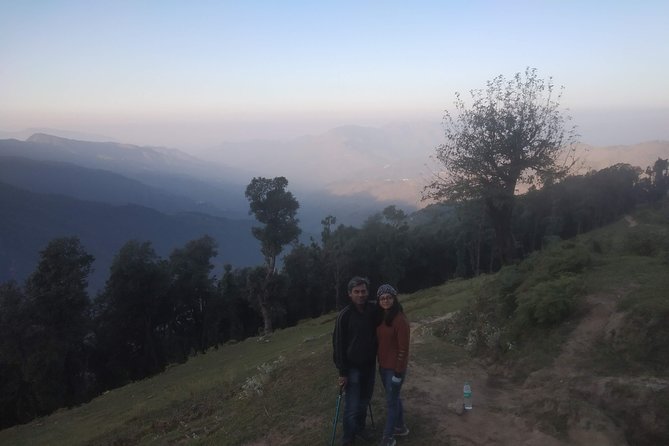
This is one of those treks where the “value” comes from what’s included, not from what’s fancy. You get a tent setup with sleeping mats and sleeping bags, and you get all meals planned for the two days. That makes budgeting easier because you’re not constantly hunting for food after you arrive.
The structure also supports a smooth flow for first-time trekkers. With a maximum group size of 16 travelers, it’s easier for the guide to keep an eye on pacing and to help if anyone falls behind.
The camp itself is triple sharing, so comfort is functional. You’ll be warm enough because the sleeping bags are provided, but it won’t feel like a private room with your own bathroom routine. Think outdoors practicality, not boutique lodging.
If you like your travel experiences guided and organized, the operator’s style seems to match. Communication and planning are described as strong, and even when rain disrupts things the day before, the team tends to adjust and keep moving rather than canceling everything at the first hiccup.
Why the guides matter: Sanjay bhaiya, Amit Singh, and Sardarji
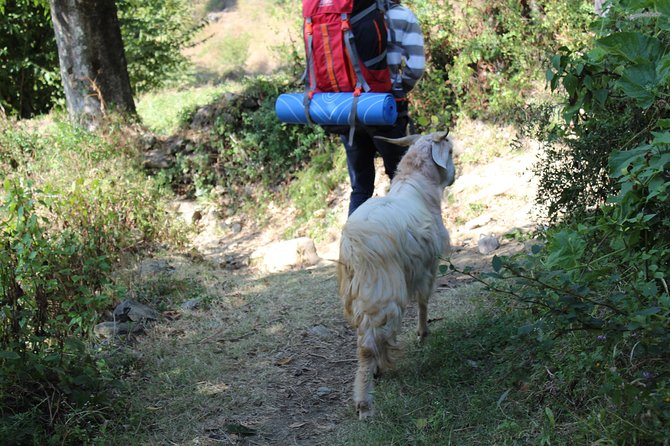
In mountain travel, the guide isn’t a small detail. A good guide changes the emotional tone of the trek: less stress, more confidence, and better pacing.
Here, names you’ll hear connected with the experience include Sanjay bhaiya, Amit Singh, and Sardarji. People describe them as friendly and supportive, and they also bring stories and humor into the hike. That matters on summit day because fatigue is real, and a guide who can keep the group steady makes the climb feel lighter.
There’s also evidence of hands-on help. One trek detail highlights a situation where a team member had trouble with shoes in snow conditions, and the guide supported them to keep the trek enjoyable. That’s the kind of “small” moment that can make the difference between finishing with confidence and finishing angry.
So if you’re choosing between similar short treks, I’d pick the one where the guides are part of the selling point—not just the logistics. This experience treats the guide role as central.
Price and value: is $113.48 a good deal?
At $113.48 per person, you’re paying for more than a hike. You’re also paying for round-trip shared transport from Dehradun, a tent camp overnight with sleeping mats and bags, and all meals for Day 1 and Day 2.
For many people, the biggest hidden cost in short treks is logistics: taxis to trailheads, food on the way up, and basic camping setup. This package folds those needs into the price. Even the fact that it uses a mobile ticket matters—small friction removed is still value when you’re traveling.
Is it “luxury”? No. But it’s built around what you actually need for a two-day Himalayan foothills adventure: movement, camping basics, food, and a guide-led summit push.
You’ll also see it as good value because the group is small and the transport is included. That’s a cleaner equation than trekking independently and trying to cobble together a tent and meals at the last minute.
Weather, sunrise timing, and how to plan without stress
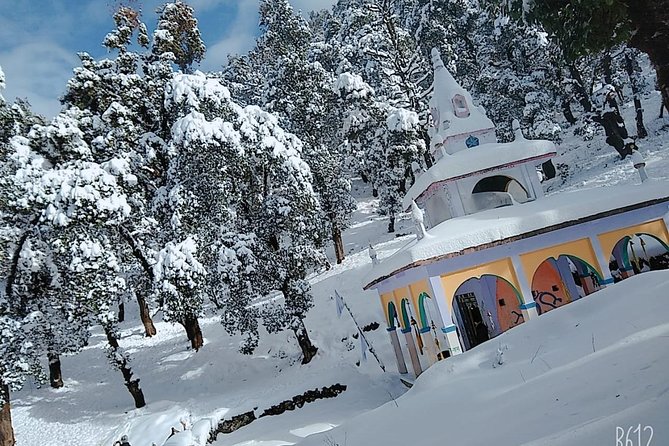
This trek requires good weather. If conditions aren’t right, the experience can be canceled and you’ll be offered a different date or a full refund. That’s not a minor note; it’s part of the deal. Summit treks live and die by sky conditions, cloud cover, and trail safety.
Timing also matters for the core payoff—sunrise. Because the trek starts so early on Day 2, you’re not going to “sleep in and see how it goes.” You’re choosing sunrise with intention, and that means you need to be ready to move when they wake you.
If you like a buffer, this is also the kind of trip you can book with a little planning headroom. It’s often reserved around five days in advance, which suggests most people prefer not to wait until the last moment when weather windows tighten.
One small caution from the general pattern of the experience: heavy rain on a previous day can create minor organizing challenges. The key word here is minor—these situations are handled, but they remind you that mountains don’t run on human schedules.
Who should book this Nag Tibba trek (and who may not love it)
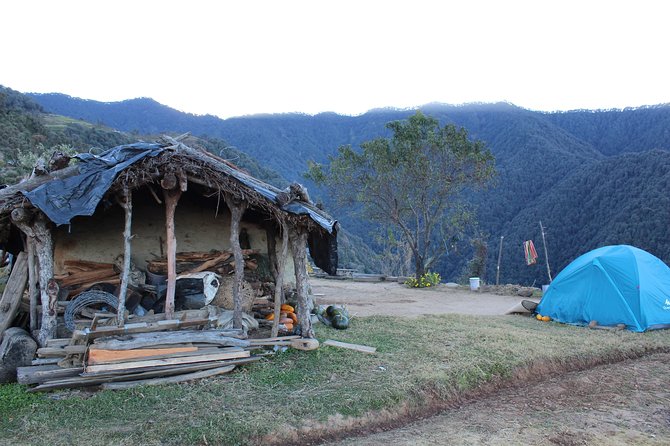
This trek is a strong fit if you want your Himalayan experience to be short, social, and guided. It’s also a good option if you want something approachable: people describe the trek as not too difficult, even though the descent can be tough on legs.
It’s especially good for:
- First-time trekkers who want clear structure and provided gear.
- Travelers who like sunrise moments more than “stroll and snack” sightseeing.
- Anyone who prefers included meals and transport over trip-building.
It might be a weaker fit if:
- You hate very early starts (wakeup at 3:30 a.m. is non-negotiable here).
- You’re very sensitive to road travel and motion on windy mountain routes.
- You need private sleeping space and high-end camping comfort.
If you match the vibe—outdoors simplicity, early mornings, and a guide-led plan—this can feel like a refreshing reset rather than a grind.
Should you book this Nagtibba Trek?
I think you should book it if you want a two-day Himalayan foothills trek with real structure: transfers from Dehradun, an overnight tent camp with sleeping gear, meals included, and a sunrise summit goal. It’s the kind of trip that works well when you want the benefits of trekking without the stress of organizing every piece yourself.
Skip it if your priority is comfort-only travel, you can’t handle the early summit schedule, or you dislike long windy drives. In that case, the same early-morning energy that powers sunrise will just feel like a burden.
FAQ
What’s included in the Nag Tibba trek price?
Round-trip shared transport from Dehradun to Pantwari and back is included, along with all meals (dinner, breakfast, and lunch). You also get tent accommodation on a triple-sharing basis, plus sleeping mats and sleeping bags.
How long is the trek?
The experience runs for 2 days (approx.).
Where do I meet in Dehradun?
You meet at Kwality Hardware Agencies on Gandhi Rd near the Clock Tower, Harrawala, Dehradun.
What time does the activity start?
The start window is 6:00 AM to 7:00 AM, depending on the schedule for that date.
What happens on Day 1?
You trek to the tent camp area, settle into your tent, and enjoy the evening welcome setup like hot tea and snacks, with dinner included.
What happens on Day 2?
You wake up at 3:30 a.m. and head toward the summit with fruit and biscuits on the way. After reaching the top for sunrise (if timing allows), you return back toward Dehradun.
How big are the groups?
The experience has a maximum of 16 travelers.