REVIEW · RISHIKESH
Chopta Trek
Book on Viator →Operated by Mapping The Himalayas · Bookable on Viator
Sunrise at Chandrashilla is a jaw-drop moment. This Chopta trek from Rishikesh strings together Deoria Tal Lake and the Tungnath Temple area with just enough time in the woods to feel far from the road, without committing to a super-long expedition. You get guided hiking, included meals, and that satisfying sense of earning the views.
I especially like the human touches: a private tour means you’re not stuck in a big crowd, and your guide can set the pace with you. One review highlighted guide Ankush as both fun and knowledgeable, and that kind of local attention matters when you’re moving through forests and early-morning trails.
One thing to think about first: you’ll be up early, around 4am, for the climb toward Chandrashilla Peak and sunrise. Also, since sunrise views depend on weather and visibility, you should go with flexible expectations about seeing the distant peaks.
In This Review
- Key things you’ll notice right away
- A practical reason this Chopta trek is such a smart fit
- Day 1: Devprayag and Chamoli District before the trekking starts
- Day 2: Deoria Tal Lake, then Chopta Valley vibes through Rohini Bugyal
- Day 3: Tungnath Temple and Chandrashilla Peak sunrise at around 4am
- Day 4: The 6–7 hour drive back to Rishikesh
- What makes it good value at $201 (and what you’re paying for)
- Homestays and campground nights: comfort, culture, and cold realities
- Who should book this Chopta trek (and who might not love it)
- Tips that make the whole trip smoother
- Should you book the Chopta trek?
- FAQ
- How long is the Chopta trek?
- Where does the trek start and end?
- Is pickup from Rishikesh included?
- Is this a private tour?
- What are the overnight accommodations like?
- Are meals included?
- Are sleeping bags provided?
- Are forest entry fees and permissions included?
- What time do you start for the sunrise trek?
- What is the cancellation policy?
Key things you’ll notice right away
- Deoria Tal Lake at 2,438m after a forest walk through the Chopta area
- Chandrashilla Peak sunrise with a sunrise-time hike to the Tungnath Temple region
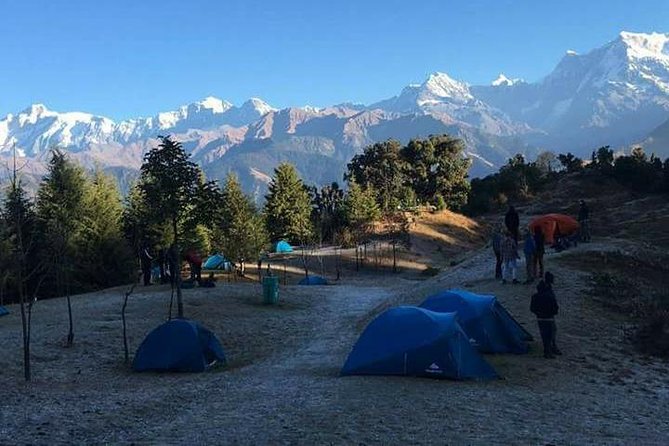
- Two nights in a family homestay plus one night at a campground for real mountain rhythm
- All meals included (4 breakfasts, 4 lunches, 3 dinners) so you’re not budgeting mid-trek
- Professional guide and permissions handled, including forest entry fees and permissions
- Pickup and round-trip transport from Rishikesh, so you’re not plotting rides on your own
A practical reason this Chopta trek is such a smart fit
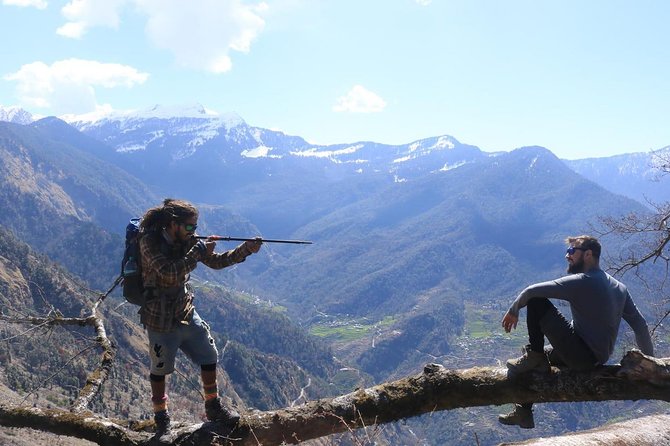
Chopta is one of those Uttarakhand places where the hikes don’t feel endless, but the scenery still hits. You spend your time in the Himalayan foothills zone, with a classic combination: a lake day, a meadow/valley feel day, and an early-morning temple-and-peak day. That mix is great if you want the mountains without the logistics headache of a multi-week plan.
What makes this particular trek feel efficient is that it’s built around fewer, more meaningful moments. You’re not just marching for distance. You’re walking to Deoria Tal Lake, passing Rohini Bugyal on the way through the Chopta valley area, then pushing early for the Chandrashilla viewpoint/sunrise period and the Tungnath Temple area.
And because it’s a private tour, the rhythm tends to feel less hectic. If someone needs a slower break, your guide can usually manage it better than a fixed group schedule.
You can also read our reviews of more hiking tours in Rishikesh
Day 1: Devprayag and Chamoli District before the trekking starts
Your day begins with a drive that’s not only “getting there.” You stop at Devprayag, where two glacier-fed rivers—Alaknanda and Bhagirati—come together to form the Ganges. It’s a short pause (about 30 minutes) but it gives you context. Even if you’re not a religion-history person, it helps you understand why this part of Uttarakhand matters to so many people.
Next you head toward the Chamoli District area and reach Sari village, which sits around 2,011m. The key detail here is that it’s described as untouched by civilisation, with daily life centered around agriculture. You’re looking at a place shaped by orchards—peaches and apples—and rhododendron trees. This isn’t an “Instagram stop.” It’s more like a reminder that you’re moving through lived-in mountain culture, not just scenery.
Practical note: Day 1 is your settling-in day. You’ll likely feel the altitude shift in the air and your pace, so it helps to treat this day as a gentle warm-up.
Day 2: Deoria Tal Lake, then Chopta Valley vibes through Rohini Bugyal
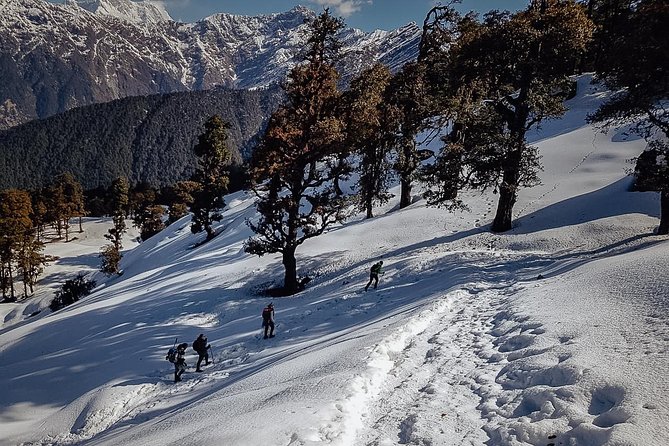
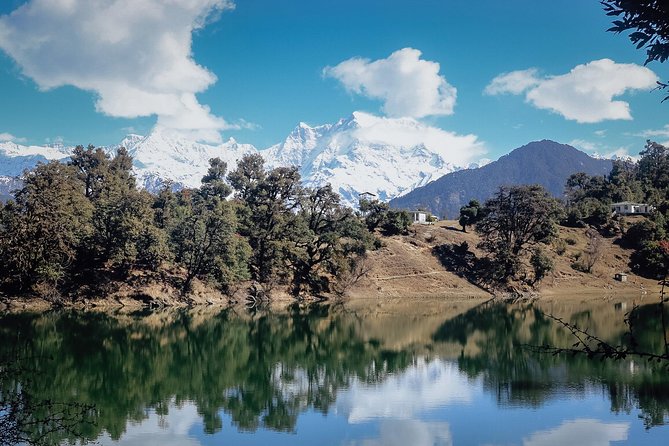
Day two is the one many people remember because it blends walking and payoff cleanly. After breakfast, you begin a forest walk. The pace is steady enough to enjoy the feel of moving through trees, and the distance-to-lake setup is specific: after roughly 2.5km, you reach Deoria Tal Lake at 2,438m.
Once you’re there, the lake setting is the point: lush greenery all around, with snow-covered Himalayan peaks in the background when visibility cooperates. The time at the lake is about an hour, which is long enough to take photos, catch your breath, and just sit for a bit without feeling rushed.
Then you continue through the Chopta area, passing Rohini Bugyal—a quiet meadow tucked inside dense forest. The stop time is listed around an hour. Even if the meadow looks simple from a distance, the value is that it changes the texture of the trek: you go from forest to open air, which helps your brain understand that this region isn’t one single “type” of scenery.
A small drawback to keep in mind: this day can feel more “walk-walk-walk” than temple day. If you prefer a single big moment over two lighter ones, you might find Day 2 a little more spaced out. The flip side is you get two different environments.
Day 3: Tungnath Temple and Chandrashilla Peak sunrise at around 4am
This is the headline day. You wake up around 4am, have chai, and then you start walking toward Chandrashilla Peak for sunrise. The hike period is listed around 5 hours, so plan to keep moving, but also plan for your breathing to be a bit heavier at that hour and elevation.
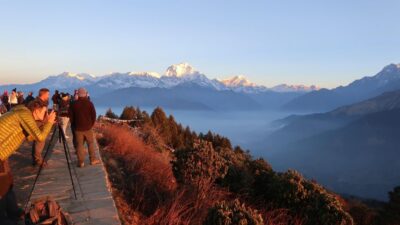
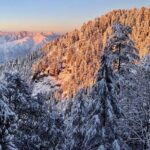
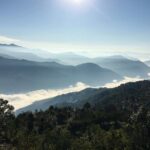
Once you reach the viewpoint, sunrise is the big payoff. The plan also mentions that if visibility is good, you can see Nanda Devi, described as India’s second highest peak. If the clouds roll in, you’ll still have the temple-and-peak experience, but you won’t get the far-peak bonus.
After sunrise, you’re connected to the Tungnath Temple area as part of the day’s structure. Even if you’re not a temple devotee, Tungnath is a recognizable pilgrimage point in this region, and being there on a morning hike gives it extra meaning.
What I like about this day’s structure: it starts early, but it’s not a random slog. You get the reason for the timing immediately—sunrise isn’t an afterthought.
What to consider: sunrise hikes can be cold. A review specifically advised packing warm clothing, and that’s solid advice here. Also, bring mental stamina for a 4am start. If you hate early mornings, you’ll want to prep your attitude the night before.
Day 4: The 6–7 hour drive back to Rishikesh
After breakfast, you drive back to Rishikesh. The drive time is listed around 6–7 hours, which is long enough that you’ll feel the trip in your body, especially after a sunrise day.
This final day is useful because it closes the loop. You don’t end in some remote place where you’re stuck figuring out transport. You return to the starting area, which keeps your vacation plan simple.
Tip for comfort: treat Day 4 like a recovery day. Hydrate, eat normally, and don’t schedule a heavy sightseeing sprint as soon as you arrive. You’ll be glad you saved your legs for one more day.

What makes it good value at $201 (and what you’re paying for)
$201 for a 4-day trekking package from Rishikesh can look either “cheap” or “fair” depending on what’s included, so here’s the honest value breakdown based on what you’re actually getting.
You’re not just paying for a guide and a few meals. The price includes:
- round-trip transportation from Rishikesh
- a professional guide
- forest entry fees and permissions
- camping and sleeping bags
- all meals: 4 breakfasts, 4 lunches, 3 dinners
- overnight stays: two nights at a family homestay and one night at a campground
- a private tour, meaning only your group participates
When you add up transport + permits + guided trekking + meals + gear like sleeping bags, it starts to make more sense. Trekking in the Himalayas costs money even before you account for the human effort of planning permissions, meals, and safe logistics.
Is $201 the cheapest thing out there? Maybe. But value isn’t only lowest price. For many people, the biggest win is that you can show up in Rishikesh and let the hard parts be handled: timing, permissions, and daily planning.
Homestays and campground nights: comfort, culture, and cold realities
This trek uses two different sleeping setups, which is part of why the experience feels more complete than a single camping-only plan.
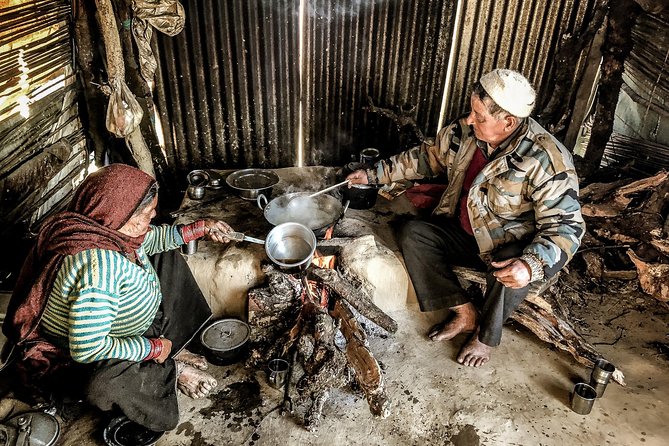
You spend two nights at a family homestay. That usually means you get a glimpse of everyday mountain life rather than only dealing with a camp bubble. A review mentioned warm, friendly homestay people, which matches the idea that this is more cultural contact than just a bed for the night.
Then you spend one night at a campground. The fact that sleeping bags are included matters. Nights in the mountains can turn chilly, and you don’t want to be improvising bedding. The review that recommended warm clothing suggests the cold can be noticeable, especially early in the morning.
A small consideration: because it’s a homestay plus campground mix, your comfort level will depend on what you’re used to. If you expect hotel-style mattresses and constant hot water, you might feel less at home. If you’re okay with simple mountain lodging, you’ll probably enjoy the authenticity.
Who should book this Chopta trek (and who might not love it)
This trek is a good match if you want:
- Himalayan foothills hiking without a long multi-night trek
- a structured route that includes Deoria Tal and a major sunrise day
- a private guide so the pace can fit your group
- included meals and transport so you can travel light
It also suits people with moderate physical fitness. The walk portions are not described as technical, and one review said the sunrise portion is technically possible even for beginners. That doesn’t mean it’s effortless, but it suggests the route is manageable with the right attitude and warm layers.
You might choose a different trek if:
- you hate very early starts (around 4am is built in)
- you want multiple days of deep trekking with long daily mileage
- you’re hoping for a guarantee of seeing distant peaks like Nanda Devi (visibility is conditional)
Tips that make the whole trip smoother
You don’t need a huge checklist, but a few details matter here.
First, warm clothing. It’s specifically advised for this kind of sunrise hike, and it’s sensible for mountainous early mornings.
Second, keep your energy for Day 3. That’s the long, early push. If you go into sunrise day already wiped out, you’ll feel it.
Third, enjoy the in-between stops. Devprayag and Chamoli Sari village are short, but they add texture. If you treat them like “just transportation,” you’ll miss half the point.
Finally, lean on your guide. Reviews called out guide Ankush as fun and knowledgeable, and that’s the kind of support that helps when you’re moving between forests, meadows, and viewpoints.
Should you book the Chopta trek?
If your goal is a well-paced Himalayan experience with real moments—Deoria Tal Lake, a meadow pass via Rohini Bugyal, and a big sunrise day toward Chandrashilla Peak/Tungnath Temple—this is a strong pick.
I’d especially recommend it if you want the mountains but also want your logistics handled: transport from Rishikesh, permissions, meals, and sleeping gear are all part of the package. And if you value a private tour feel over crowd travel, this setup is built for that.
Just go in knowing you’ll start early and that weather controls peak visibility. If you can accept that, you’ll likely come away feeling like you got a lot of mountain experience for your time.
FAQ
How long is the Chopta trek?
The trek runs for 4 days approximately, with a return to Rishikesh at the end.
Where does the trek start and end?
It starts in Rishikesh, Uttarakhand, India, and ends back at the same meeting point.
Is pickup from Rishikesh included?
Yes. Pickup is offered, and round-trip transportation from Rishikesh is included.
Is this a private tour?
Yes. It is a private tour/activity, and only your group participates.
What are the overnight accommodations like?
You spend two nights at a family homestay and one night at a campground.
Are meals included?
Yes. All meals are included, including 4 breakfasts, 4 lunches, and 3 dinners.
Are sleeping bags provided?
Yes. Camping and sleeping bags are included.
Are forest entry fees and permissions included?
Yes. Forest entry fees and permissions are included.
What time do you start for the sunrise trek?
You wake up at around 4am for the walk toward Chandrashilla Peak to watch the sunrise.
What is the cancellation policy?
You can cancel for a full refund up to 24 hours in advance of the experience’s start time. If you cancel less than 24 hours before, the amount paid is not refunded.