REVIEW · KATHMANDU
Kathmandu: 8-Day Annapurna Circuit Trek via Thorong La Pass
Book on GetYourGuide →Operated by MTA Trekking Pvt. Ltd. · Bookable on GetYourGuide
Thorong La makes this trek feel earned. I love the big moment of crossing Thorong La at 5,416 meters and the chance to explore Muktinath, a pilgrimage site where Hindu and Buddhist rituals live side by side. The one thing to consider is that this route can feel quite time-efficient, so acclimatization matters a lot even with a rest day in Manang.
What also makes this trek click is the way logistics and safety support you. Guides like Chakra, San Bhai, Shishir, and Ghanshyam come through as calm, helpful leaders, and you start the pass day very early around 4 a.m. to reduce wind pressure on the high col. That early start can be rough if you hate waking before dawn, but it’s a smart trade for comfort at altitude.
By the end, you’re not just done with hiking—you’re rewarded with culture and recovery. After descending into the Kali Gandaki Gorge, you’ll spend time at the temples in Muktinath, then take a scenic bus back to Pokhara, check into a tourist-standard hotel (Hotel Orchid), and get a farewell Nepalese dinner on the lakeside.
In This Review
- Key things that make this Annapurna Circuit trek work
- Why the Annapurna Circuit via Thorong La feels like more than a hike
- Day 1: Kathmandu to the trek start (roads, rivers, and an early win)
- Day 2: Chame to Pisang through forests, orchards, and suspension bridges
- Day 3: Pisang to Manang with monastery time and steady elevation
- Day 4: Manang acclimatization day you actually need
- Day 5: Manang to Yak Kharka via Tengi, Gunsang, and juniper
- Day 6: Yak Kharka to Thorong Phedi and the feeling of “tomorrow”
- Day 7: Thorong La at 5,416 meters and the Kali Gandaki Gorge descent
- Day 8: Muktinath to Pokhara and the well-earned lakeside reset
- Price and what you’re really paying for at $348
- Teahouses, warmth, and what to pack so you don’t suffer
- Guides, communication, and why people keep praising the same things
- Who this trek suits best (and who should reconsider)
- Should you book this Annapurna Circuit trek?
- FAQ
- How high is Thorong La Pass on this trek?
- Is the Manang day meant for acclimatization?
- Do you provide sleeping bags?
- Are meals included in the price?
- Do I need trekking permits?
- What time do you start on the Thorong La crossing day?
- Is a porter included?
- How do you get back to Pokhara after Muktinath?
Key things that make this Annapurna Circuit trek work
- Upper Pisang views: strong mountain scenery right from the village areas, not just from the trail
- A 4 a.m. Thorong La start: planned timing for wind, plus prayer flags and big sunrise energy
- Muktinath temples: a real spiritual stop after a serious climb, with sights and shrines you’ll remember
- Manang acclimatization day: a needed pause with viewpoints, monasteries, and optional short hikes
- Safe, organized guidance: multiple guides praised for attentiveness and clear planning, including thoughtful communication before you go
- Teahouse trekking with comfort basics: you’re sleeping in lodges most nights, not camping gear-heavy trekking
Why the Annapurna Circuit via Thorong La feels like more than a hike
This trek works because it links three things that don’t always meet in one trip: altitude challenge, village life, and pilgrimage culture. The Annapurna Circuit is famous for a reason, but the Thorong La version adds a clear finish line: the high pass, then a dramatic descent into the Kali Gandaki Gorge before you reach Muktinath.
I like that you’re not just walking for views. You’re moving through places like Chame, Pisang, Manang, and Muktinath where people actually live, farm, trade, and pray. That gives the whole journey a story arc, so the steep parts feel earned instead of random.
At the same time, you should respect the altitude. Thorong La sits high enough that even good planning can’t erase how your body responds. If you know you struggle with breathing at elevation, this is one of those cases where you should listen to that signal and not “push through.”
You can also read our reviews of more hiking tours in Kathmandu
Day 1: Kathmandu to the trek start (roads, rivers, and an early win)
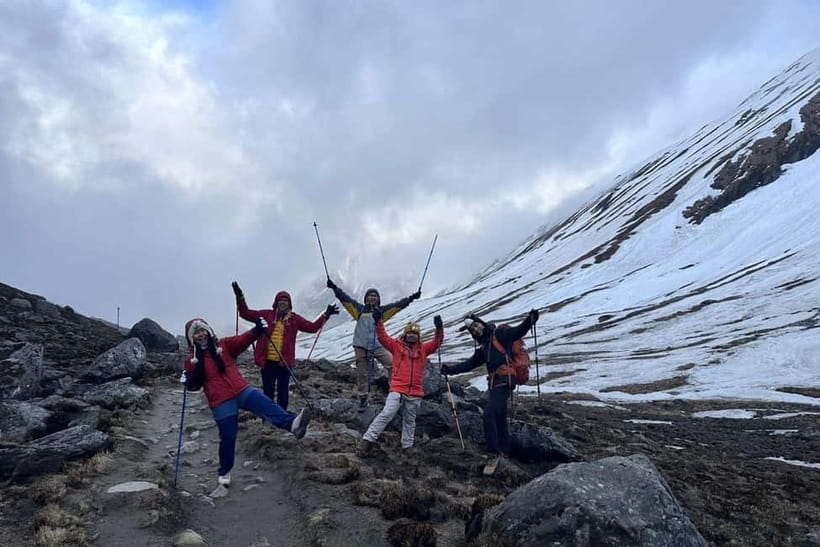
Day 1 is about getting out of the city and onto the trekking rhythm. You’ll travel from Kathmandu to Chame via Besisahar, with a long day on the road (roughly 9–10 hours). Expect winding routes, passing towns, green hills, rivers, forests, and the kind of road views that make you feel like you’re leaving the map behind.
Then you switch gears. The route includes a bus leg and a shared jeep leg, which keeps costs down while still getting you to the right place to start walking. You arrive by evening and rest at a teahouse.
Practical note: this day is long on purpose. It positions you so the next morning begins with real movement, not another travel shuffle. If you’re the kind of person who gets cranky after long seated hours, bring a neck support and plan to sleep early.
Day 2: Chame to Pisang through forests, orchards, and suspension bridges
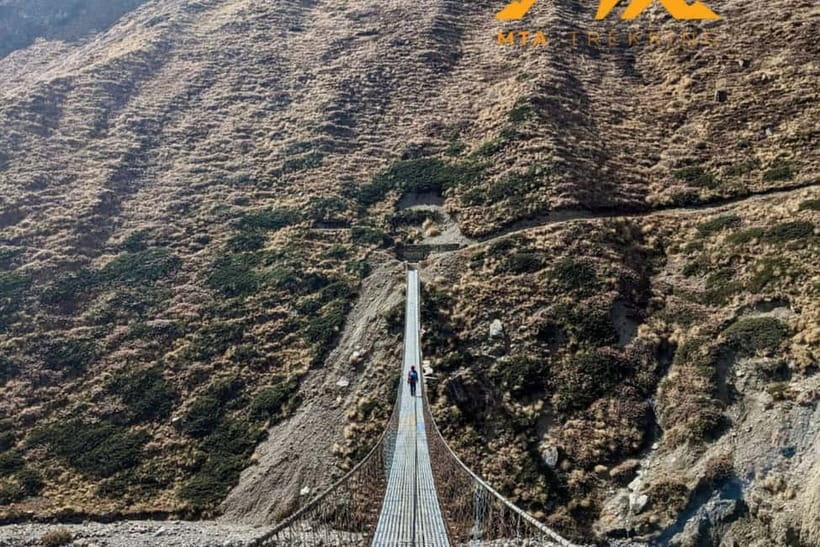
Day 2 is a classic Annapurna feel: walk into the quieter countryside, then watch the mountains get louder. You’ll climb from Chame through pine forests and apple orchards, cross a suspension bridge, and head toward Dhukur Pokhari for lunch. After that, you continue up to Pisang.
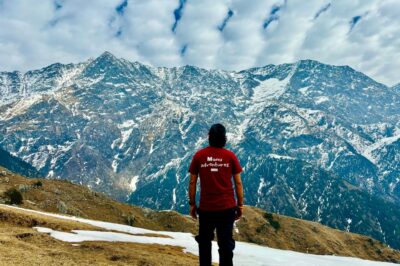
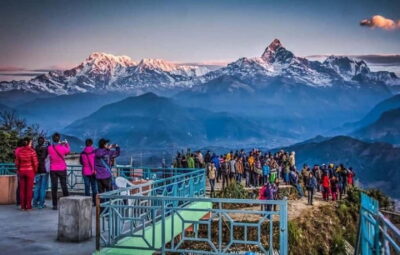
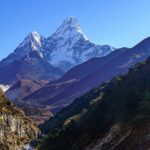
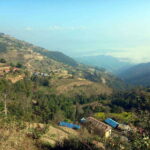
The Pisang area is a strong base for scenery, and it pays off quickly. You’ll have views of Annapurna II, Annapurna IV, and Pisang Peak, plus time to explore both Upper and Lower Pisang before another teahouse night.
What I like here: you’re not waiting until the highest day to feel the Himalayan drama. The views start building early, and the suspension bridge moments keep the trek varied.
A consideration: Pisang can feel like a “busy village pause” compared to the earlier forest walking. If you’re hoping for total solitude, you’ll still find quiet corners, but this is a more active stop.
Day 3: Pisang to Manang with monastery time and steady elevation
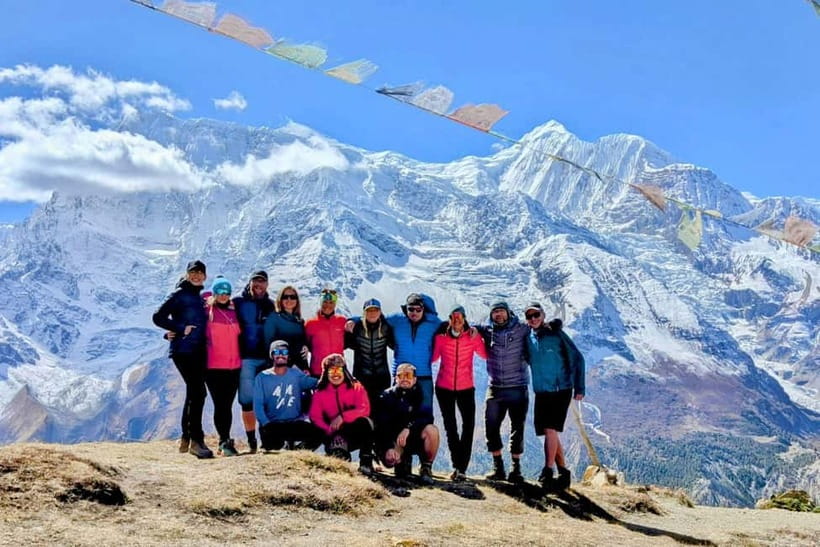
Day 3 moves you into the Manang region, and it does it with a mix of walking and cultural stops. The trek takes you through pine valleys, via places like Braga, with a chance to visit a hillside monastery if it’s open.
You’ll cross more suspension bridges and keep climbing through sloped terrain to reach Manang. Once there, you settle into a teahouse and get views that frame the day: Annapurna and Gangapurna are part of the backdrop.
I appreciate that the day isn’t just physical effort. Manang is where the trek starts to feel more like a destination, because you’re in a bigger hub with monasteries, viewpoints, and more chances to learn about the area’s religious life and mountain culture.
One more reality check: Manang is also where altitude starts becoming a real factor. Even if the trail feels manageable, your body may notice the change.
Day 4: Manang acclimatization day you actually need
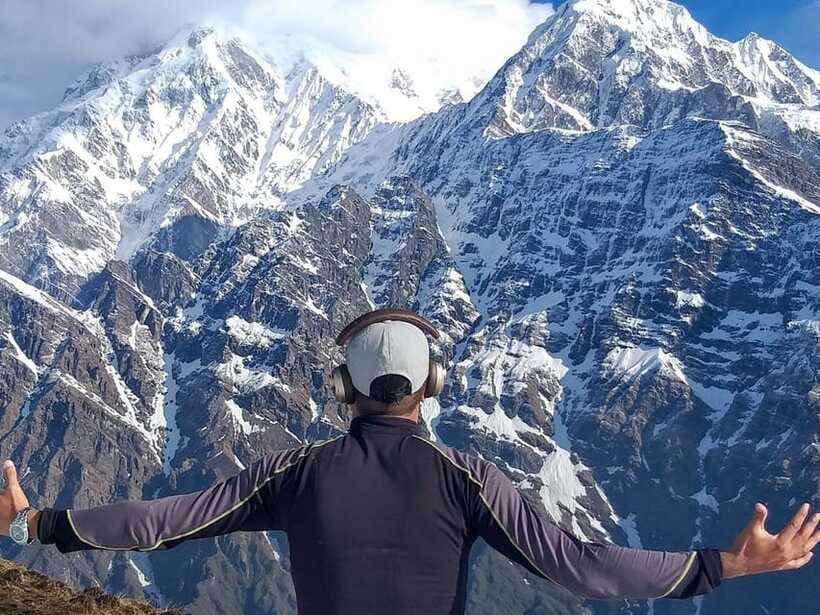
Acclimatization day is the difference between a comfortable trek and a miserable one, and this schedule builds that in. Day 4 is a rest and reset in Manang to reduce altitude sickness risk. You can keep it relaxed: viewpoints, monasteries, and a cultural museum are listed options, so you’re not stuck inside.
There are also optional short hikes that can lead to glacial lake viewpoints with connections to Gangapurna and Tilicho peaks. Whether you take them depends on your energy and how your breathing feels.
This is the day I’d protect most. No matter how excited you are about the pass, you’ll usually get more from saving your legs and letting your body adapt than from trying to cram in extra elevation. If you’re a younger or fitter trekker, you may feel fine; if not, take the quiet route.
Day 5: Manang to Yak Kharka via Tengi, Gunsang, and juniper
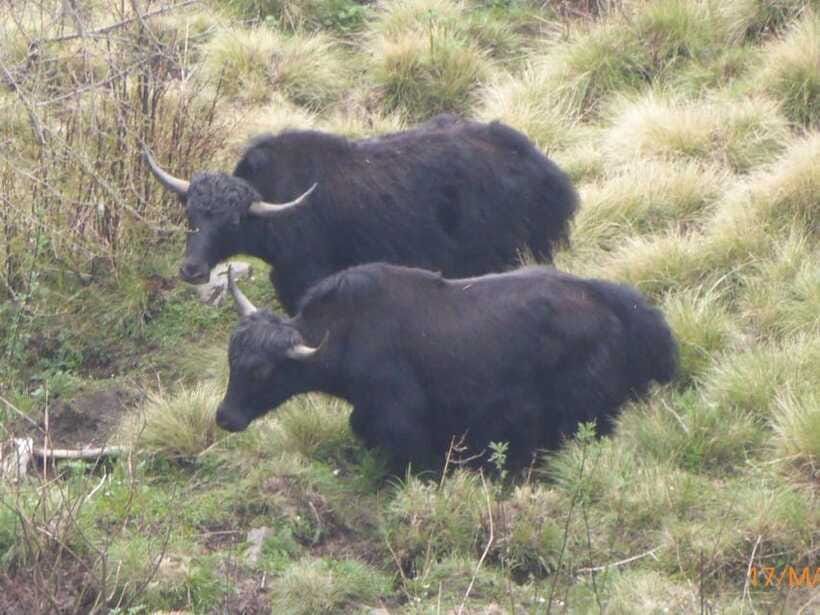
Day 5 is shorter on paper (about 4 hours), but it’s steady in practice. You climb past Tengi, meet local pack animals along the way, and stop for lunch in Gunsang with views of Annapurna II and IV.
From there, you transition into juniper forests, then continue to Yak Kharka, where you rest at a guesthouse. This is a good day for building rhythm without frying yourself.
What makes Yak Kharka useful is its position. It’s a stepping stone toward the high base of Thorong La, and it breaks the trek into manageable chunks so Day 6 and Day 7 can be approached with clarity rather than exhaustion.
Day 6: Yak Kharka to Thorong Phedi and the feeling of “tomorrow”
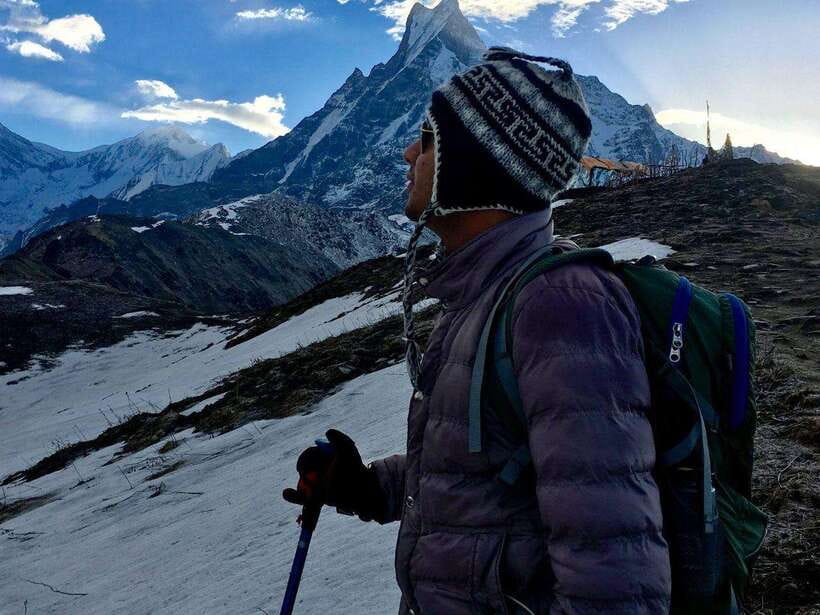
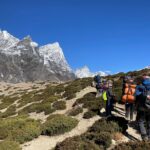
Day 6 brings you closer to the pass base camp: Thorong Phedi. The hike takes about 4–5 hours and is mostly alpine pasture walking, with roaming horses and sightings of Himalayan griffons in the sky if conditions align.
You’ll cross a suspension bridge again and pass rocky slopes to reach Thorong Phedi, where you rest and prepare for the big crossing. This is not a day to “see if you can do more.” It’s the setup day for early morning altitude work.
A tip for this phase: prioritize sleep over optimism. This is where your day-7 success gets decided. Even if you feel great at dinner, treat it as fuel time, not extra sightseeing time.
Day 7: Thorong La at 5,416 meters and the Kali Gandaki Gorge descent
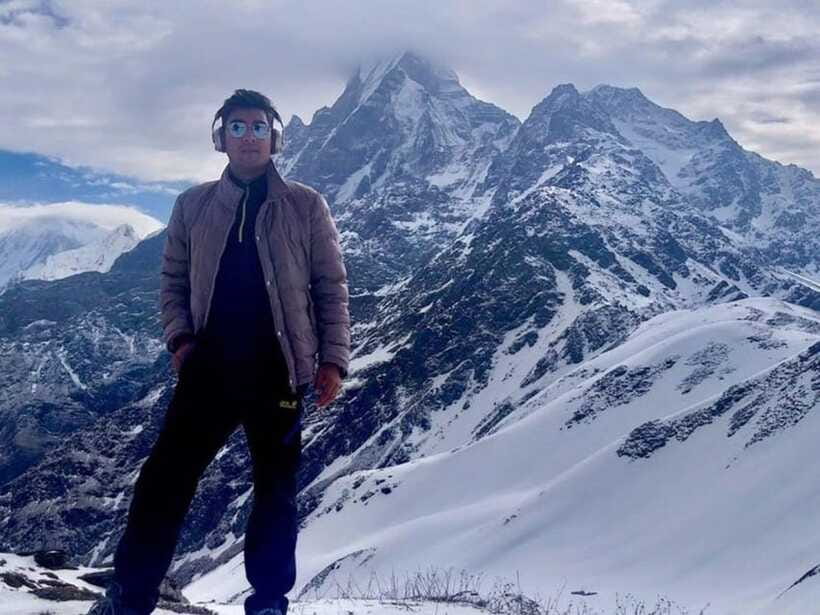
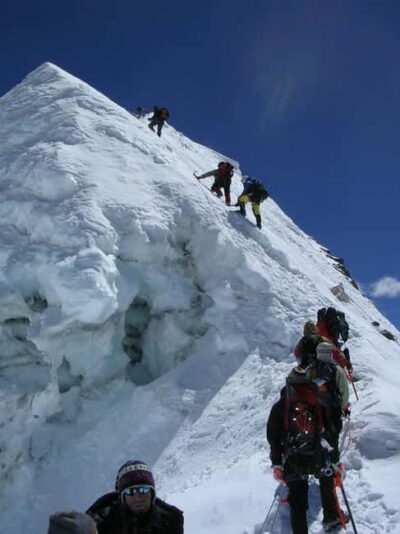
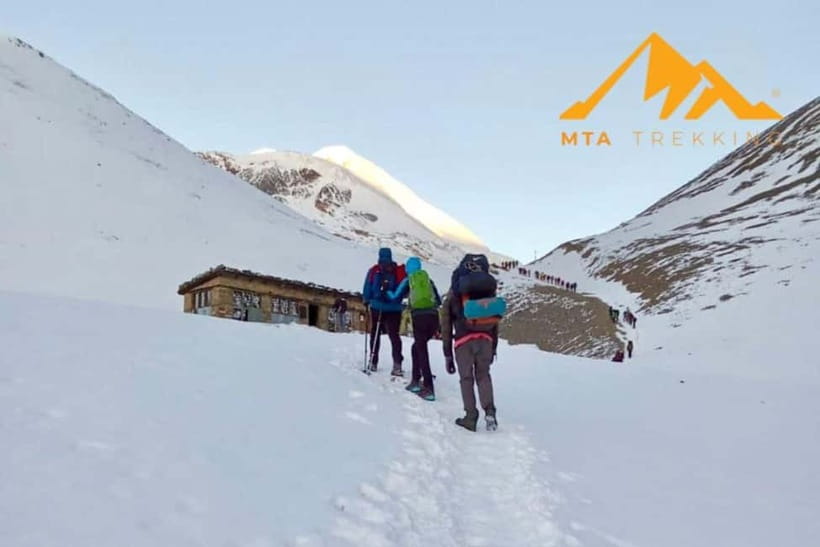
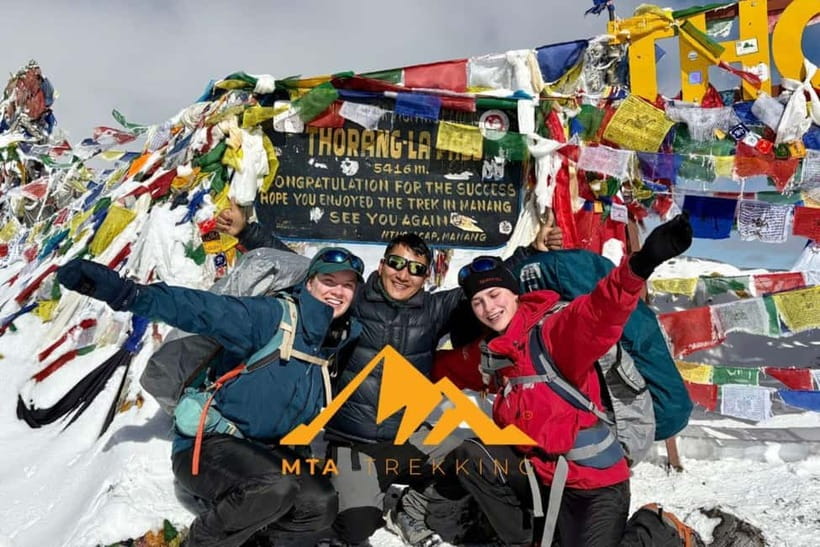
This is the showpiece day. You start around 4 a.m. to avoid strong winds on Thorong La Pass (5,416 meters). The early timing matters because the pass can feel harsher when weather turns, and starting early gives you a better shot at smoother conditions.
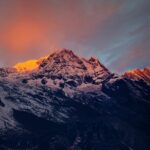
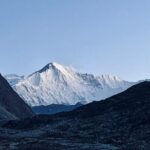
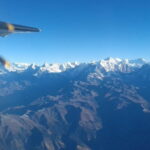
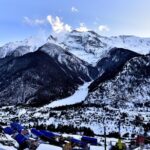
As you climb, you’ll see snow-capped peaks, prayer flags moving in the wind, and a terrain shift that makes the altitude feel real. Your guide is there for safe crossing and timing.
Once you’re over the pass, the reward is immediate: you descend into the dramatic Kali Gandaki Gorge, described as one of the world’s deepest. The change in scenery is strong—mountain walls drop away, and the trekking mood shifts from climbing focus to careful footwork.
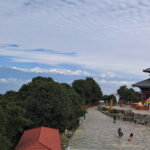
Then you reach Muktinath. You’ll spend time exploring temples and shrines at this sacred pilgrimage site, where Hindu and Buddhist traditions overlap. You sleep in a teahouse, and you’ll feel the kind of tired that comes with finishing something hard.
Day 8: Muktinath to Pokhara and the well-earned lakeside reset
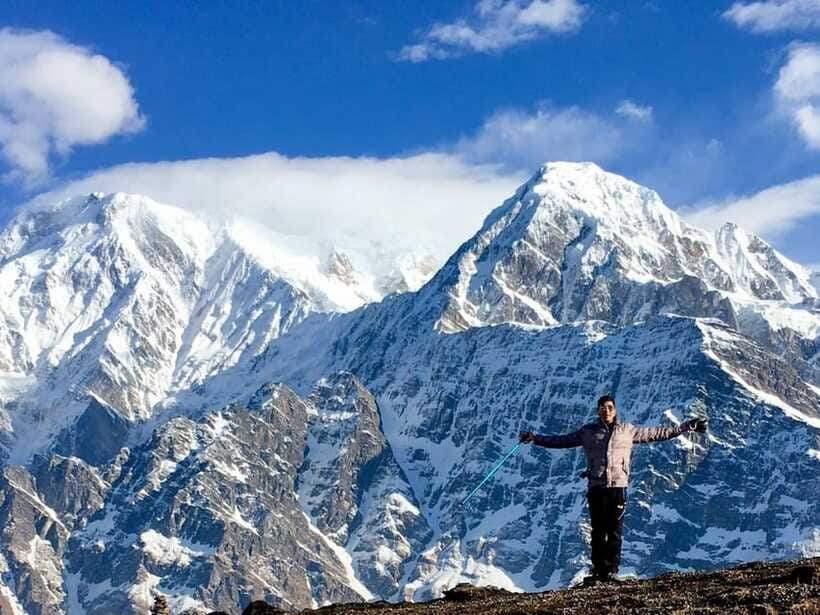
Day 8 is a travel day with scenery instead of elevation gain. You take a local bus back to Pokhara (roughly 9–10 hours), passing through the lower Mustang Valley area on the way. It’s a long ride, but it’s also your decompression period.
When you arrive, you check into a tourist-standard hotel (Hotel Orchid is the name used here). Then you explore the lakeside streets, eat well, and let your body cool down.
One of the best practical points: this trek ends in a place built for recovery. You’re not thrown back into the chaos of Kathmandu right away.
Price and what you’re really paying for at $348
At $348 per person, the value here depends on what package level you pick. What’s included can be solid: hotel pickup/drop-off, an authorized English-speaking guide, trekking permits and paperwork (including the TIMS fee), teahouse/lodge accommodations for 7 nights, and the last night in Pokhara at Hotel Orchid. There’s also a farewell Nepalese typical dinner in Lakeside Pokhara.
Transport is part of the deal too. You’re covered for major ground legs between Kathmandu and the trail start and back to Pokhara, plus a luxury sofa seater tourist AC bus from Pokhara to Kathmandu. That’s not just comfort—it reduces stress and keeps the trek from turning into a logistics project.
Meals are the main variable. The data here says all meals during the trek are included for the Full Package only. For the Standard Package, food and drinks aren’t included, and that includes things you might assume are covered like tea, coffee beside breakfast, and mineral water. Also expect that hot water/hot showers and mineral water are not included.
So my advice is simple: confirm your meal plan before you go. It’s the easiest way to avoid surprise costs on the trail.
What costs extra is also clearly stated. If you want a porter, it’s available at $20 per day.
Teahouses, warmth, and what to pack so you don’t suffer
This trek is built around teahouses and lodges rather than camping, which is a major comfort win. You still need to think about cold, though, especially near the pass.
Bring warm clothing, sunglasses, and sunscreen. At the higher elevations, sun exposure can feel intense even when it’s cold. For winter months (November–December), you’ll be asked to bring your own sleeping bag for winter treks, or you can contact the provider to arrange rental.
Hot showers and hot water aren’t included, so pack like you’ll manage with what’s available. Also bring travel insurance, since that’s listed as required prep.
If you’re the kind of person who gets cold easily at night, plan to wear layers to bed. It’s not glamorous, but it works.
Guides, communication, and why people keep praising the same things
The standout theme in the guide feedback is not just friendliness. It’s responsiveness and care. Guides such as Chakra, San Bhai, Shishir, and Ghanshyam are repeatedly described as attentive, experienced, and quick to handle questions ahead of time.
One review theme also points to organized planning and an overall sense of safety throughout the trek. That makes a difference on a high-pass route where weather and timing can change everything.
Another small detail that matters: guides are praised for adjusting the pace to individual needs. That’s crucial on a trip where people’s fitness levels and altitude tolerance vary a lot.
And yes, there’s a cultural kindness note: one end-of-trek touch included relaxing hot springs afterward. You should take that as a reminder that recovery plans are part of good guiding, not an afterthought.
Who this trek suits best (and who should reconsider)
This Annapurna Circuit via Thorong La Pass fits best if you can commit to altitude and a brisk trekking rhythm. It’s not an easy stroll, and the pass day is serious, with a very early start and high elevation crossing.
It’s also better for people who are comfortable with teahouse basics and cold-season packing. If you want a luxury comfort hike with guaranteed warm showers and lots of downtime, you might find this demanding.
It’s explicitly not suitable for pregnant women, people with altitude sickness, and people over 70. If you have any known medical concerns related to high altitude, this is a point to take seriously rather than negotiating with hope.
On porters: if you’re carrying more than you should, or you want to preserve energy for the pass, a porter can be worth it at $20/day. At minimum, bring a pack setup that doesn’t wreck your shoulders.
Should you book this Annapurna Circuit trek?
Book it if you want a well-organized route that combines a high pass crossing with real village life and a meaningful end in Muktinath. The big value for many people is not only the views, but the structure: permits and paperwork handled, guides present, teahouse nights organized, and ground transport done in the right order.
Don’t book it if you’re altitude-vulnerable, or if you’re counting on slow pacing and lots of extra recovery time beyond the Manang acclimatization day. This trek can feel efficient, and that’s a plus for some and a stressor for others.
If you’re deciding, my practical checklist is: confirm your meal package, plan your cold-weather sleep setup, and treat Day 4 acclimatization as non-negotiable. Do that, and you’ll be set up for the kind of trek where Thorong La feels like a true finish line, not a random test.
FAQ
How high is Thorong La Pass on this trek?
Thorong La Pass is at 5,416 meters.
Is the Manang day meant for acclimatization?
Yes. There’s an acclimatization day in Manang to help reduce the risk of altitude sickness, with options like viewpoints, monasteries, and a cultural museum. Short hikes may also be available depending on conditions.
Do you provide sleeping bags?
You should bring your own sleeping bag for winter treks (November–December). If you need help, you can contact the provider to arrange a rental.
Are meals included in the price?
Meals are included during the trek for the Full Package. For the Standard Package, food and drinks are not included, including items like mineral water and tea or coffee beside breakfast.
Do I need trekking permits?
Yes. Trekking permits, the required paperwork, and the TIMS fee are included.
What time do you start on the Thorong La crossing day?
You start very early, around 4 a.m., to avoid strong winds on the pass.
Is a porter included?
A porter is not included. A porter is available to hire for $20 per day.
How do you get back to Pokhara after Muktinath?
You travel by local bus from Muktinath to Pokhara, which takes about 9–10 hours, and you stay the last night at a tourist-standard hotel (Hotel Orchid).