REVIEW · POKHARA
Pokhara: 3 Hour MoMo cooking class
Book on GetYourGuide →Operated by Adventure in Nepal · Bookable on GetYourGuide
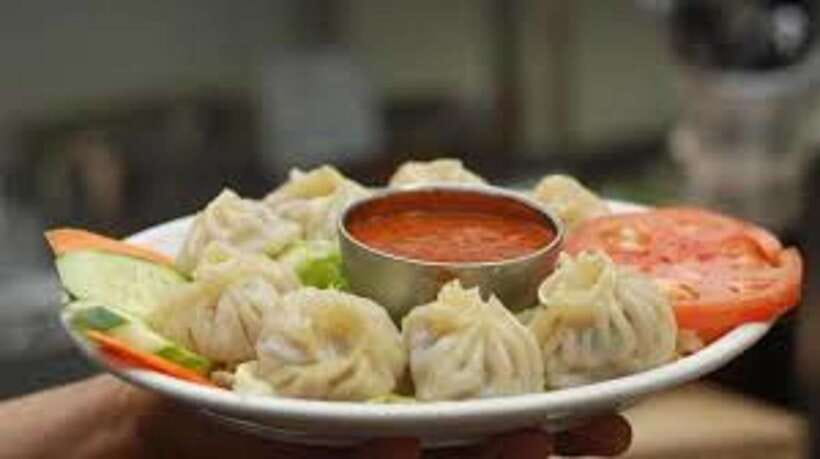
Three hours of momo magic in Pokhara. You’ll start with a quick intro to what momos are in Nepali food culture, then get hands-on with dough, filling, and folding until you’ve made dumplings you can be proud of. I especially loved the practical folding practice and the chance to build your own dipping sauces to match your taste. One small drawback: you may get frequent nudges to leave a rating after the class.
This is a straightforward, no-fuss way to eat well and learn a skill you can repeat at home. You’re in a private group, hotel pickup is included (within Lakeside), and everything for the cooking part is covered—so you can focus on the fun parts: rolling, shaping, and tasting what you made.
In This Review
- Key things to know before you go
- Why 3 hours of momo cooking feels like real Pokhara culture
- Getting picked up in Lakeside and heading to the café classroom
- The 10-minute momo intro that actually sets you up for success
- Making momo dough: kneading, resting, and wrapper feel
- Filling your momos: vegetarian, chicken, or meat choices you control
- Rolling and shaping: pleats, crescents, and sealing confidence
- Steaming (and what if you see fried too)
- Dipping sauce time: spicy, mild, and soy-based pairings you build
- Tasting, feedback, and the quick wrap-up Q&A
- Food value and price: is $29 worth it?
- Practical tips that make the class smoother
- Who should book this momo class in Pokhara
- Should you book? My honest call
- FAQ
- How long is the Pokhara 3 Hour MoMo cooking class?
- Is hotel pickup and drop-off included?
- What is included in the price?
- Are food and drinks included?
- What should I bring, and are large bags allowed?
- Is there free cancellation?
Key things to know before you go
- Private-group attention: you’re not competing for space or attention in a big crowd.
- Hands-on from dough to dumplings: you make wrappers work-worthy, then fold until they seal.
- Your filling choice: you can go vegetarian, or pick chicken/meat options depending on what’s offered that day.
- Sauces are part of the lesson: spicy, mild, soy-based styles, plus you make your own pairings.
- Hotel pickup in Lakeside: reduces the hassle of getting to the café.
- Rain or shine: the class runs even when the weather acts unpredictable.
Why 3 hours of momo cooking feels like real Pokhara culture
Momos are Nepal’s portable comfort food: dumplings you can eat with your hands, dip into sauce, and share without fuss. What makes this class worth your time is that it doesn’t treat momos like a vague food “experience.” Instead, it teaches the mechanics—dough texture, filling balance, and how the fold affects the finished bite.
After a few steps, you stop wondering what makes a good momo and start controlling it. The difference is huge between store-bought dumplings and ones you shaped yourself. You’ll learn why dough rest matters, why wrapper thickness changes the chew, and why a good seal prevents filling surprises.
You can also read our reviews of more cooking classes in Pokhara
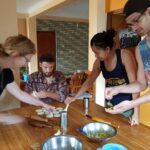
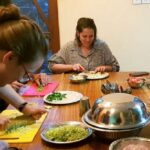
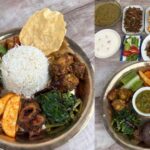
Getting picked up in Lakeside and heading to the café classroom
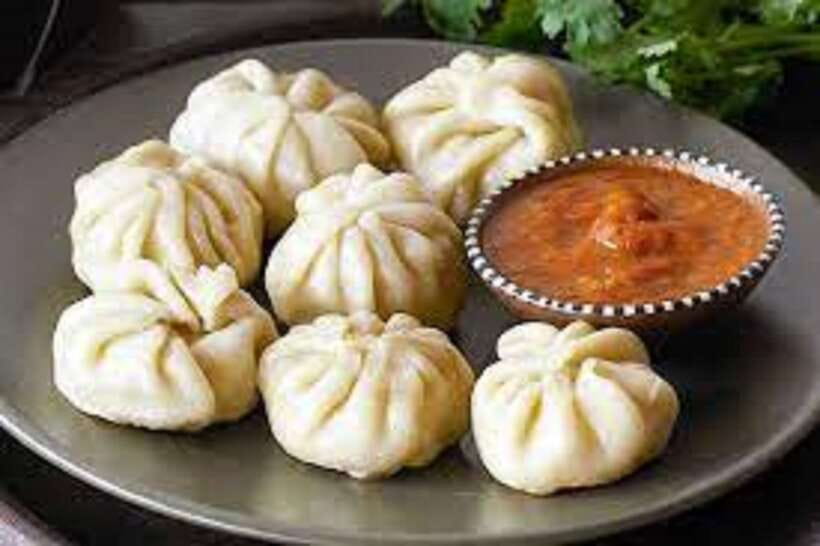
Your day starts with hotel pickup and drop-off, specifically within the Lakeside area. That matters in Pokhara because it keeps you from wasting your limited time on transport logistics. From there, you’ll head to a local café where the class is run.
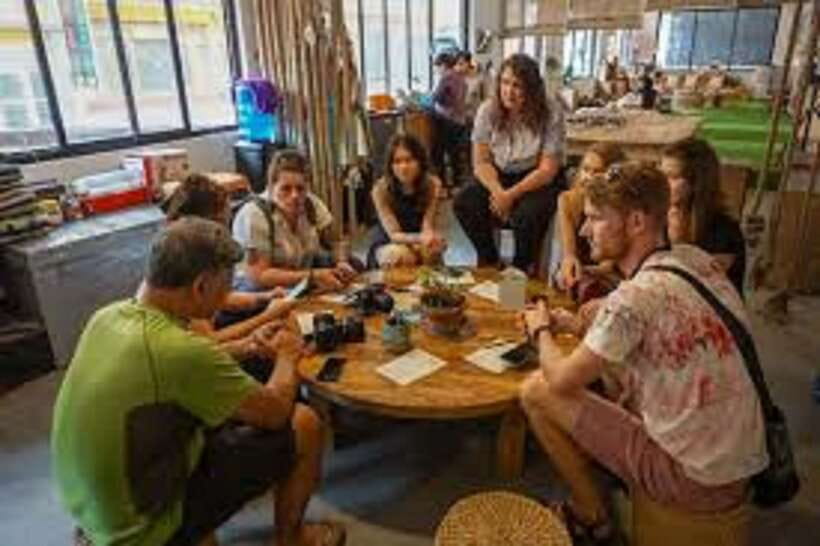
The vibe is simple: you’re not in a formal kitchen studio with strict rules. It feels more like a friendly food workshop where the instructor explains, then you do. The class is taught in English and Hindi, and you’ll get guidance during each stage so you’re not left guessing.
If you’re traveling with a small bag, note that large bags or luggage aren’t allowed. You’ll want to travel light for this one.
The 10-minute momo intro that actually sets you up for success
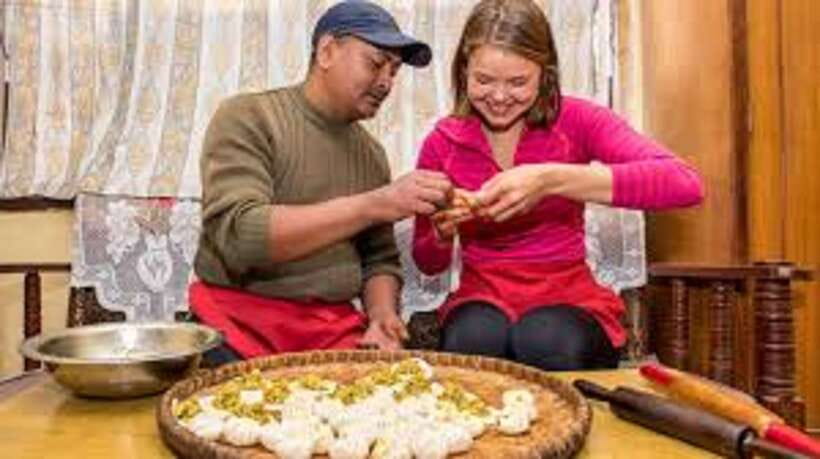
Before you start cooking, you’ll get a brief welcome and an intro to momos and their cultural significance. It’s short, but it helps you understand what you’re making beyond just the recipe.
You’ll also get an overview of the ingredients and equipment you’ll be using. That “what’s what” moment is more useful than it sounds. When you know what the dough should feel like or what the steamer needs, the rest of the class moves faster and feels less confusing.
This portion is also where you learn the style of teaching: the instructor shows techniques, explains what to watch for, then lets you try. You’ll feel that hands-on rhythm right away.
Making momo dough: kneading, resting, and wrapper feel
The dough step takes about 30 minutes, and it’s one of the most practical parts of the whole experience. The instructor explains what goes into the dough and why it matters, then walks you through kneading and preparing it for shaping.
Here’s the key idea you’ll take home: momo dough isn’t just a paste you roll out. It’s a workable system. If you knead enough, it becomes elastic instead of crumbly. If you let it rest briefly, it smooths out so rolling becomes easier and wrappers become more consistent.
Even if you’ve never folded anything like dumplings before, the class helps you learn by repetition. You’ll make your own dough, then let it rest for a few minutes so you can start rolling with better texture.
Filling your momos: vegetarian, chicken, or meat choices you control
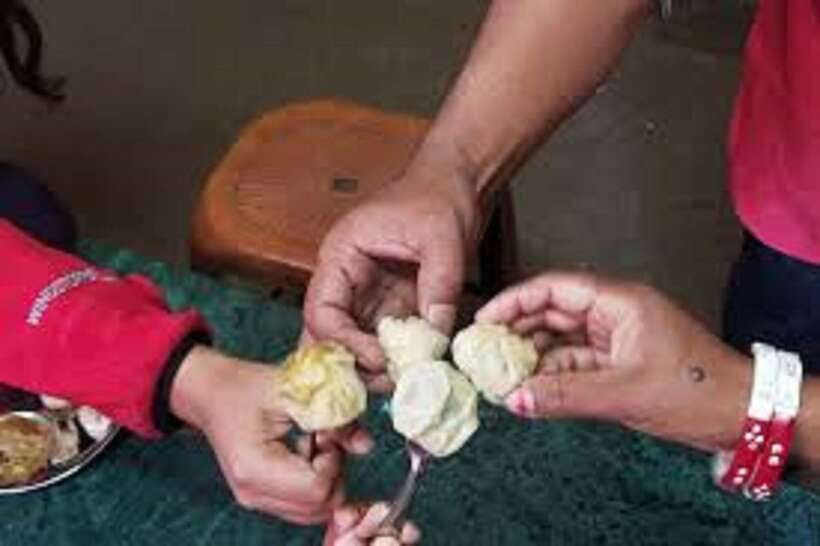
The filling portion runs about 40 minutes. This is where the class becomes personal, because you get to choose your filling type. You can go vegetarian, or pick chicken or meat options if those are available.
You’ll see how the chosen ingredients get prepared and combined, and then you’ll do hands-on work to make your own filling. That’s important: good momos are about balance. Too much filling makes folding messy. Too little can feel dry or uneven. You learn to portion in a way that matches the wrapper size you’re working with.
You’ll also learn how the instructor expects the filling to behave—more like a mixture you can shape and distribute, not something runny or watery.
You can also read our reviews of more tours and experiences in Pokhara
Rolling and shaping: pleats, crescents, and sealing confidence
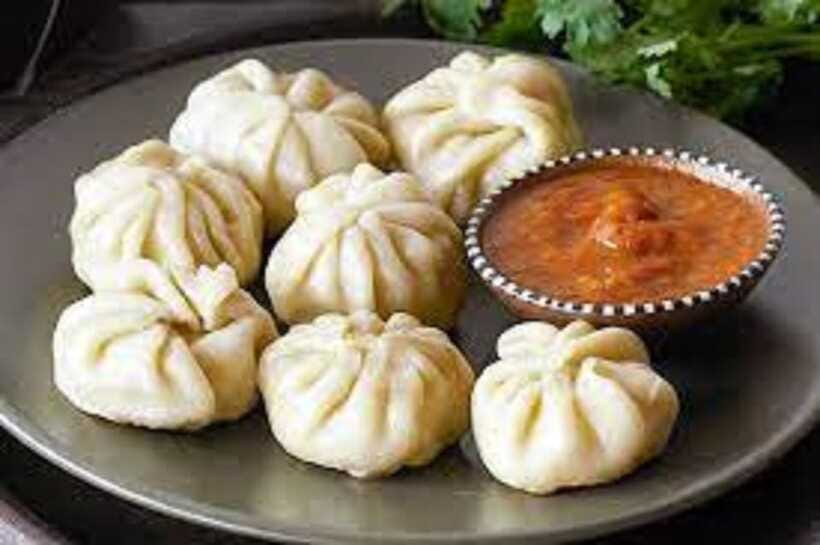
Once your dough is ready, you move into rolling and shaping for about 40 minutes. The instructor demonstrates how to roll wrappers out to a good thickness. Too thick and your momo will feel heavy. Too thin and it can tear or seal poorly.
Then comes the part most people come for: shaping. You’ll practice different momo styles, including traditional pleats and crescent-moon shapes. The class approach is simple: watch the fold, try it, get feedback, adjust, then try again.
Even if your first few folds look a bit awkward, it’s normal. The best learning happens in that middle stretch where you start understanding the fold as a mechanical step, not a magic gesture. By the end, you’ll be more confident about where the dough needs to meet and how to press for a proper seal.
If you care about the end result, the folding lesson is the difference between dumplings that look store-bought and dumplings that taste like you cooked them with intention.
Steaming (and what if you see fried too)
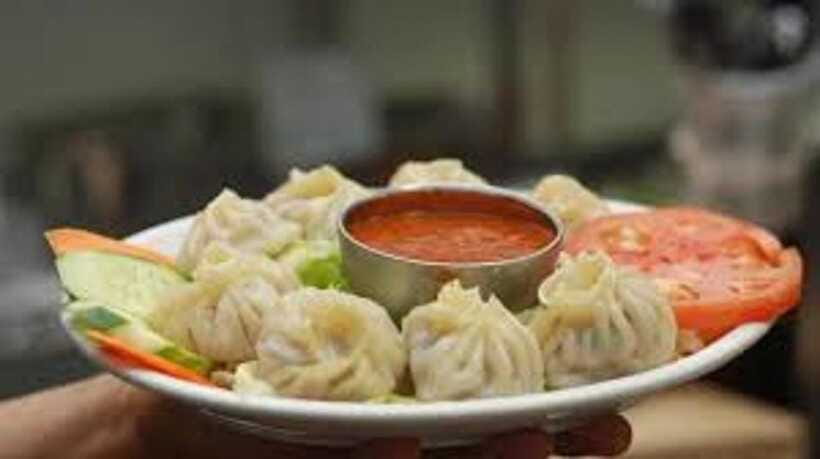
Steaming takes about 20 minutes in the plan, and it’s a crucial technique. The instructor explains why steaming matters, then walks you through setting up the steamer and getting it ready for cooking.
While steaming is the core method, you might also see fried momos in the class flow, depending on how batches are handled. The practical takeaway stays the same either way: cooking time and heat control the texture. Done right, your momo wrapper turns tender without collapsing into mush.
The class makes this step easy to follow because you’re not guessing. You’re watching, learning the process, and then applying it to your own batch.
Dipping sauce time: spicy, mild, and soy-based pairings you build
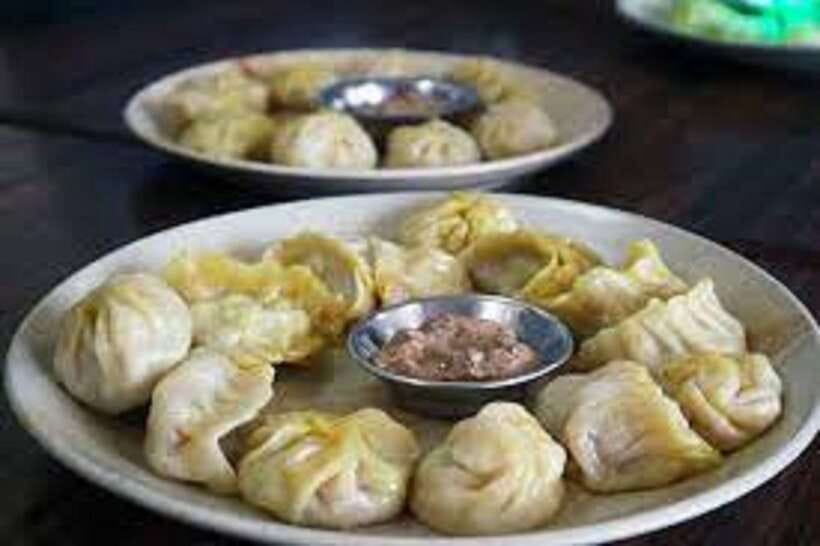
You’ll spend about 15 minutes learning about momo dipping sauces. You’ll get an intro to different styles—spicy, mild, and soy-based options—and then the instructor demonstrates how to prepare them.
The best part is that you create your own sauce pairings to match your dumplings. That matters because “momo sauce” isn’t one flavor. It’s a whole world of taste: heat, tang, saltiness, and a little savory depth that changes every bite.
If you’ve had momos that taste good but don’t know why, the answer is usually the sauce balance. This class helps you learn that balance with your hands and your taste buds, not just a tasting note.
Tasting, feedback, and the quick wrap-up Q&A
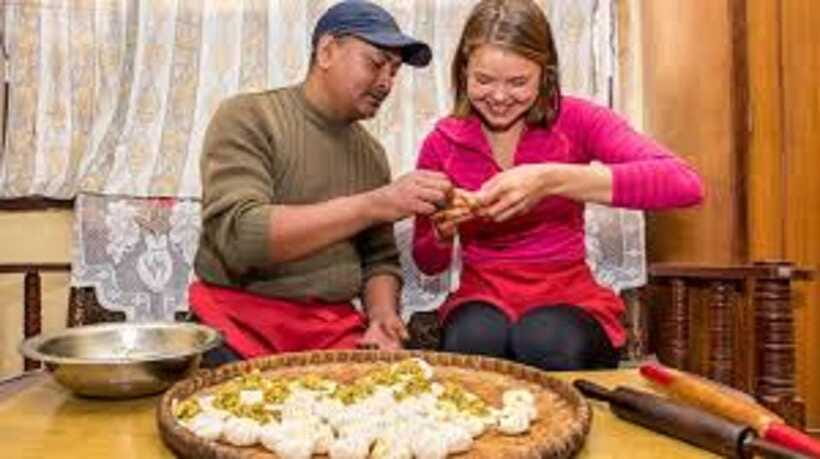
After steaming and/or finishing the batch, everyone gathers to taste what you made. You get feedback from the instructor, and you can ask questions. It’s about 15 minutes of tasting and then about 10 minutes of open Q&A and recap.
This is the moment where your learning clicks. A dumpling that’s sealed well holds together. A wrapper that was rolled evenly cooks consistently. A filling that’s portioned right tastes balanced, not overloaded.
You’ll also notice how much the sauces change the experience. Even if one style of fold was imperfect, the right sauce can still deliver a great bite.
Food value and price: is $29 worth it?
At $29 per person for a 3-hour class, the value comes from the structure, not just the ingredients. You’re paying for:
- Hotel pickup and drop-off (within Lakeside)
- All cooking materials for making momos
- Cold drinks included per person
- Instructor guidance through dough, filling, folding, cooking, and sauce-making
Most importantly, you’re not just eating. You’re learning a full workflow. Even if you never get the exact fold perfect, you’ll leave knowing how to make dough workable, how to portion filling, how to roll for thickness, and how to pair with sauces.
And because it’s a private group, the class feels less rushed. You can ask questions when something doesn’t make sense instead of waiting your turn.
One practical note: food and drinks beyond what’s included aren’t part of the price. There are options available for purchase, so if you get hungry after the class, you’ll need to plan for that.
Practical tips that make the class smoother
Here’s how to set yourself up for an easy experience.
- Bring your passport or ID card. You’ll need it for the activity.
- Travel light. No luggage or large bags are allowed.
- Expect the class to run rain or shine, so bring something you can comfortably wear in wet weather.
- If you have mobility challenges, check suitability carefully: this activity is not suitable for people with mobility impairments.
In terms of what to wear, go for comfortable clothes you won’t mind getting a little flour on. You’ll be kneading and handling dough, and that’s part of the fun.
Who should book this momo class in Pokhara
This is a great fit if you want:
- A hands-on activity that teaches more than one step
- A meal you help make, then eat while it’s still fresh
- A short window of time (3 hours) that doesn’t steal your whole day
It’s also ideal for food travelers who like learning technique. Even if you’re vegetarian or curious about meat fillings, the class structure makes it easy to choose a direction and still learn the core momo skills: dough, filling, folding, steaming, and sauce pairing.
If you’re looking for something quiet and purely observational, you might find the hands-on part more active than you expected. This is a make-it-with-your-hands experience.
Should you book? My honest call
Book it if you want a practical skill, not just a snack. For $29, the lesson covers the full momo path—from dough to folding to cooking to sauce—plus hotel pickup in Pokhara’s Lakeside area. The private-group format also makes it easier to learn without feeling lost.
Skip or reconsider if you need a more accessible setup, can’t handle light mess from dough, or you’re hoping the price includes a full meal and lots of extras. The class is focused. The reward is that you leave with dumplings you made and sauce knowledge you can repeat at home.
If you’re in Pokhara and you like food that rewards attention, this 3-hour momo workshop is one of the smartest bets for your time.
FAQ
How long is the Pokhara 3 Hour MoMo cooking class?
The class lasts 3 hours.
Is hotel pickup and drop-off included?
Yes. Pickup and drop-off are included, and pickup is within the Lakeside area.
What is included in the price?
Hotel pickup and drop-off, a glass of cold drinks per person, and all momo cooking materials are included.
Are food and drinks included?
Food and drinks are not included beyond what the class provides. They are available for purchase.
What should I bring, and are large bags allowed?
Bring your passport or ID card. Luggage or large bags are not allowed.
Is there free cancellation?
Yes. You can cancel up to 24 hours in advance for a full refund.