REVIEW · KATHMANDU
Annapurna Base Camp Trek 12 Days
Book on Viator →Operated by Nepal Nirvana Trails · Bookable on Viator
Annapurna Base Camp begins with an early morning. This trek is interesting because you’re combining classic sunrise viewpoints with a carefully managed route through Nepal’s Annapurna region, with the comfort of a guide team that’s done the route many times. I especially like how the plan builds in rest and staging days so you’re not thrown into the mountains without a buffer.
I also like the practical inclusions that remove a lot of guesswork. Permits (ACAP, TIMS, and local permits), a trekking map, and water purification tablets are included, which makes the trek feel more like a complete package than a barebones hiking arrangement.
One consideration: the price doesn’t include travel insurance or a porter. You’ll want to make sure you have emergency coverage lined up, and you’ll need to decide how you’ll carry your own day-to-day kit.
In This Review
- Key things that make this Annapurna Base Camp trek work
- Kathmandu first: a calmer start than you expect
- The overland travel rhythm: bus, jeep, and getting to the trailhead
- Day 4: first morning on the mountains, and why it sets the tone
- Day 5 and Poon Hill: the sunrise you plan for
- Day 6 and the Sinuwa rhythm: downhill days still matter
- Day 7 toward Deurali: the climb stage begins
- Day 8: Annapurna Base Camp day, with Machhapuchhre Base Camp on the way
- Day 9: dawn at base camp, then the long return to Sinuwa
- Day 10: Siwai and Chhomrong, finishing strong
- Day 11: Pokhara recovery day, then Kathmandu with a goodbye dinner
- Day 12: the final flight out, and one last handoff
- How much this costs, and what you’re actually getting for $800
- The guide factor: safety, pace, and real support on tough days
- Who this trek suits best
- Should you book Annapurna Base Camp with Nepal Nirvana Trails?
- FAQ
- How long is the Annapurna Base Camp trek?
- How much does the trek cost?
- Where do I meet the group, and when does it start?
- Is pickup included?
- What transportation is included between Kathmandu and Pokhara?
- Are permits and fees included?
- Are meals included during the trek?
- Is travel insurance included?
- Do I get a porter?
- Is free cancellation available?
Key things that make this Annapurna Base Camp trek work
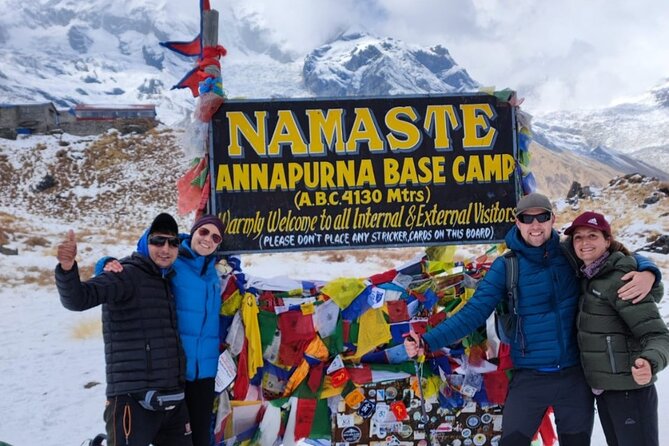
- Early sunrise focus: Poon Hill and a dawn visit at Annapurna Base Camp, when weather cooperates
- Route-proven guiding: professional guides who know the route details and pace groups
- Permits and trail essentials included: ACAP, TIMS, local permits, map, and purification tablets
- Meals handled on trek days: breakfast, lunch, dinner plus tea/coffee during trekking
- Support that shows up in real life: guides highlighted for caring pace and staying on top of group needs
Kathmandu first: a calmer start than you expect
Your trip begins in Kathmandu with an airport meet-up at Tribhuvan International Airport. You’re escorted to your hotel, and the day is designed to give you breathing room—half a day to prepare and rest before you start moving for real.
This matters. Annapurna demands steady effort, not panic. When you’ve got time to sleep, charge your phone, and sort your gear, you’re more likely to handle the early days with less stress. Also, the plan includes arrival and departure airport transfers, so you’re not figuring out logistics while jet-lagged.
You can also read our reviews of more hiking tours in Kathmandu
The overland travel rhythm: bus, jeep, and getting to the trailhead
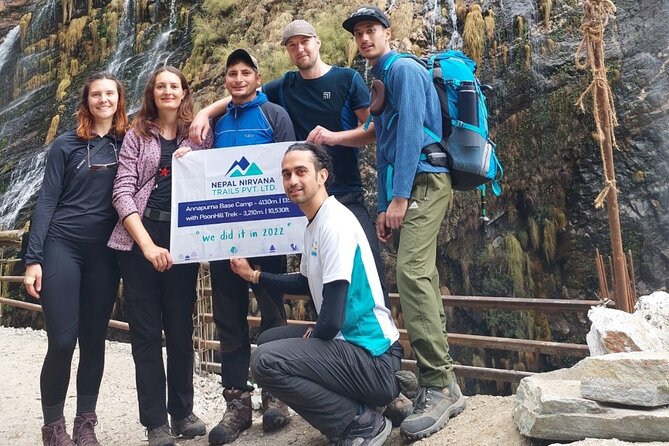
On day 2, you leave Kathmandu early with a guide pickup. You walk to the bus station area around Sorakhutte, catch the tourist bus from Kathmandu at 7:00 am, and head toward the trail-region via Malekhu.
Then day 3 shifts into Pokhara mode. You’ll have breakfast in Pokhara, grab a car/taxi to the bus park, and continue toward the trekking starting point using a sharing local bus/jeep. The drive portion is about 1.5 hours to Nayapul.
Here’s the practical benefit: you get a real Nepal travel feel without being stuck alone in it. Ground transportation is handled, and that reduces the chance of missed connections. The trade-off is you’ll still be riding and sitting for long blocks, so plan on keeping yourself warm and comfortable.
Day 4: first morning on the mountains, and why it sets the tone
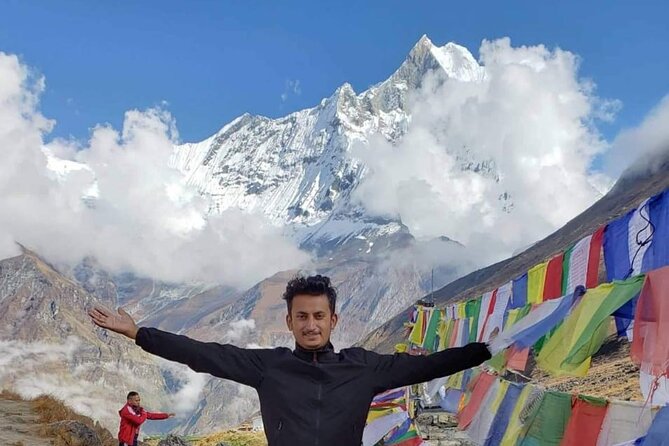
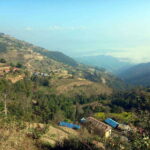
Day 4 is your first fresh morning on the mountain. Expect local noise in the village setting—donkey, goat, hen, and dog—alongside sunrise views. The morning breakfast is timed so you can actually enjoy what’s outside, not just eat and rush.
This is the tone-setter day. Many treks start with steepness. This one starts with atmosphere, which helps you adjust to altitude changes and the slower pace of mountain time. If you’re the type who gets tense at the beginning, this calmer “wake up into the views” start can be a relief.
Day 5 and Poon Hill: the sunrise you plan for
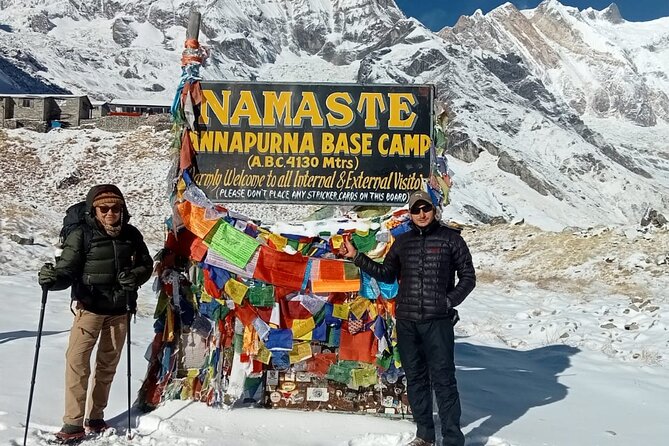
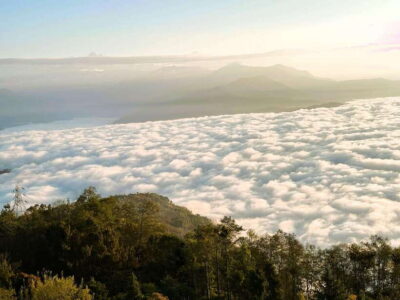
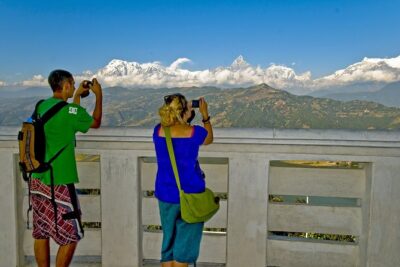
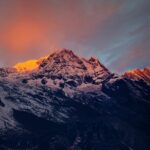
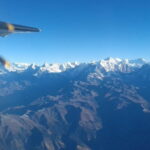
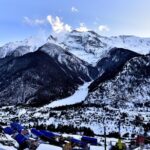
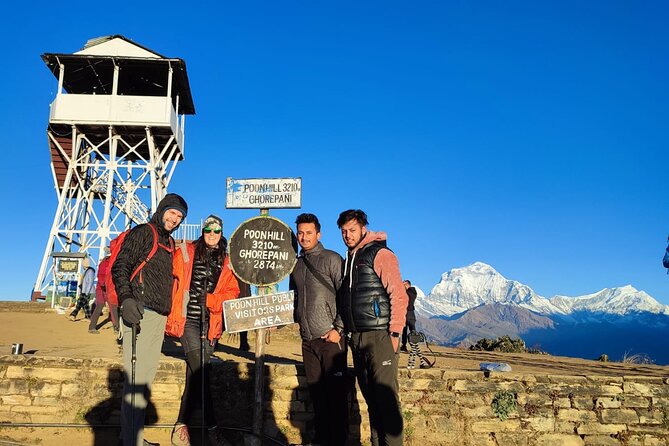
Day 5 is built around a sunrise viewpoint at Poon Hill. You start early and hike for about 45 minutes to 1 hour to reach the viewpoint. The payoff is big: you can see 18 countable Himalayas peaks from the area, assuming clear weather.
This is one of the best value moments on the trek. You’re investing effort early in the day for a high-impact reward—views that don’t require you to be at base camp yet. It’s also a good day to judge how you’re responding to the trail. If your body feels okay at sunrise hiking pace, you’re probably going to do fine as the trek continues.
Day 6 and the Sinuwa rhythm: downhill days still matter
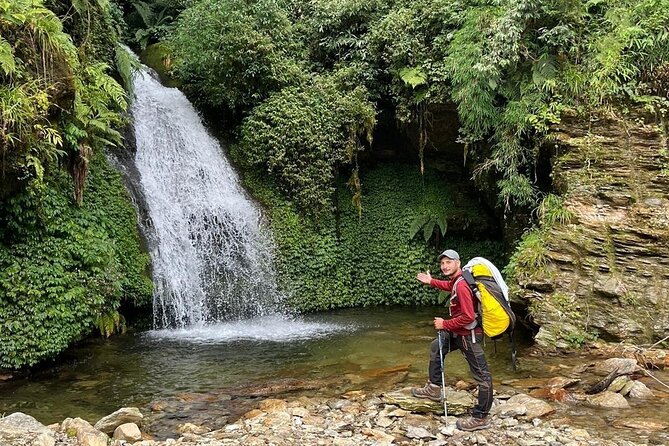
After Poon Hill, day 6 turns into a more relaxed-feeling movement. The hike is described as enjoyable and easy because it’s downhill to Sinuwa. You’ll say goodbye to Tadapani and continue down into Sinuwa, a small village with views toward Modi & Chhomrong Khola.
Even on “easy” days, downhill can be hard on your knees. Still, the structure matters here: you get a downhill flow before the climb days ahead. It’s a good day to practice steady stepping, take breaks when you need them, and save energy rather than forcing speed.
Day 7 toward Deurali: the climb stage begins
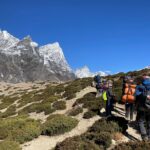
Day 7 focuses on ascent. Sinuwa brings another sunrise view moment, then after breakfast you begin climbing toward Deurali. The day includes a climb that takes about 1.5 hours to reach Bamboo, and you come closer to Deurali as you continue.
This is the point where you’ll feel the trek shift from “moving around” into “working for it.” If you’re prone to going out too fast at the start of climbs, watch yourself on day 7. A steady pace usually feels less dramatic—but it keeps you moving when the altitude and fatigue stack up.
Day 8: Annapurna Base Camp day, with Machhapuchhre Base Camp on the way
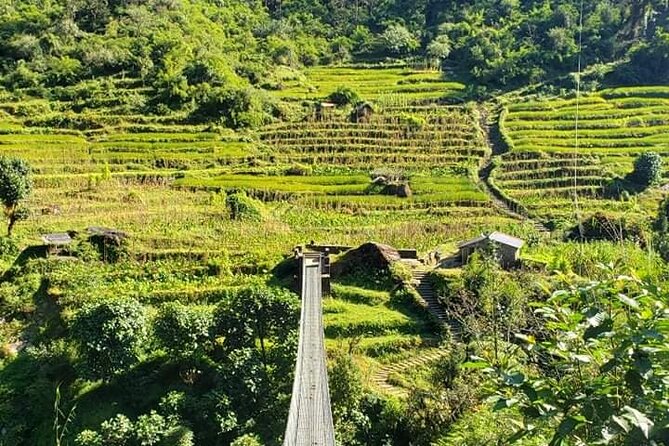
Day 8 is the ultimate destination day: trekking to Annapurna Base Camp, described as encircled by stunning mountains. You pass through the Machhapuchhre Base Camp area as you work your way toward base camp.
This is where the trek becomes a headline moment. You’ve spent days getting conditioned, and now the scenery payoff is the destination itself. The best way to enjoy it is to keep your goal simple: walk, pause, breathe, and soak it in without turning the day into a race.
Day 9: dawn at base camp, then the long return to Sinuwa
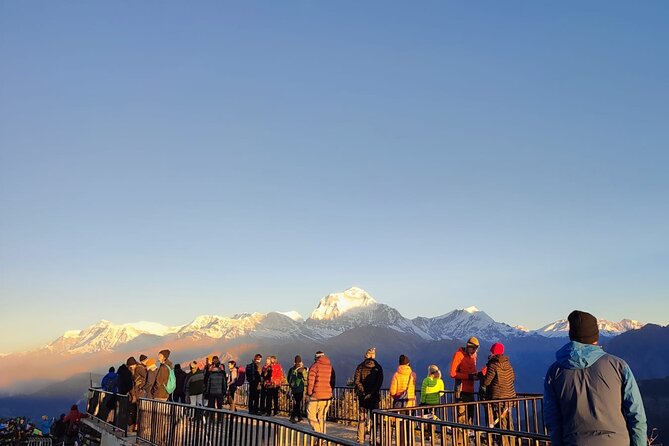
Day 9 includes another early hit—watching dawn from Annapurna Base Camp if the weather is clean and clear. After breakfast, you return to Sinuwa via rugged trails and sparsely forested areas.
The two biggest things here: weather and patience. Dawn is weather-dependent, and the return route takes time even when you’re moving downhill-ish through the day. This is also a good day for snacks and hydration discipline, because the effort doesn’t stop just because it’s your “return” day.
Day 10: Siwai and Chhomrong, finishing strong
Day 10 keeps you moving. It mentions a final trek of about 2 hours to reach Siwai from Sinuwa. Then you ascend toward Chhomrong, with mountain vistas, cascades, and farmlands along the way.
This kind of day is why the early logistics matter. You’re tired by now, so having the route planned (and not guessing your way between stages) helps. Also, day 10 is a reminder: the trek isn’t only about the famous base camp photo. The finishing sections are part of the full experience—scenery changes, communities appear, and the trail feels like it belongs to real life.
Day 11: Pokhara recovery day, then Kathmandu with a goodbye dinner
After breakfast, day 11 shifts from mountains to cities. You head from the trek area to Pokhara and then continue to Kathmandu. Once you arrive in Kathmandu, you get free time to relax or shop.
That free time is useful. It’s not just for buying souvenirs; it’s for resetting your body—washing clothes, resting your feet, eating at your pace. In the evening there’s a goodbye dinner, which is a nice way to close the loop after days of early mornings and shared effort.
Day 12: the final flight out, and one last handoff
Day 12 ends the adventure. Your trek is over, you’re back in Kathmandu, and you’ll fly to your next destination. The team drops you at the airport, so you’re not managing last-minute transport on your own.
This last handoff is underrated. After a trek, your energy is never fully back to normal. Having someone manage the transfer reduces the chance of a rushed departure.
How much this costs, and what you’re actually getting for $800
At $800 per person for an ~12-day Annapurna Base Camp trek, you’re not just paying for walking. You’re paying for route management, guides, permits, and day-to-day support.
Here’s what’s included that usually costs extra on other styles of trekking packages:
- Airport transfers arrival/departure
- Ground transportation Kathmandu–Pokhara–Kathmandu by tourist bus
- Pokhara to trek start point and trek ending point to Pokhara by private vehicle
- 11-night accommodations during the tour
- An experienced guide
- Meals while trekking: breakfast/lunch/dinner plus tea/coffee
- Trekking map and water purification drop/tablets
- Permits and fees: ACAP, TIMS, and local permits
- Official expenses and government tax/VAT
What’s not included (and why it matters):
- International flights and Nepal entry visa
- Travel and health insurance that covers emergency rescues/evacuations
- Meals in Kathmandu and Pokhara
- Drinks and personal extras on trek days (beer, coke, juice, water, Wi‑Fi, snacks, etc.)
- A porter (if you want one)
- Tips for your guide (expected)
In plain terms: you’re buying “less hassle” and more certainty. That can be worth a lot in Nepal, where trekking success often comes down to small logistics decisions made at the right time.
The guide factor: safety, pace, and real support on tough days
The most praised part of this trekking style is how supported people feel. Feedback highlights guides who keep the group safe and moving at the right pace—and who step in if someone is tired. Guides named in past experiences include Bhairas Tamang and Prajil, along with helpful support described around other team members.
You’ll also notice a pattern in what people liked:
- Feeling safe with good company
- A pace that fits the group
- Stops when someone needs a breather
- Extra kindness at tea time, including snacks being arranged for breaks (not guaranteed, but it’s a real theme)
If you’re the kind of traveler who gets anxious when the plan becomes vague, this matters. A good guide isn’t just a person who knows the path. They’re also the person who notices when the day is wearing you down.
Who this trek suits best
This is a good match if:
- You have moderate physical fitness and want a structured trek rather than total DIY
- You value early-morning sightseeing (Poon Hill and base camp dawn)
- You prefer a package where key items like permits, meals, and purification support are handled
It’s less ideal if:
- You want zero walking on “transfer” days—this route includes bus/jeep travel and full trekking days
- You’re relying on the package to cover emergency medical needs—insurance is not included
Should you book Annapurna Base Camp with Nepal Nirvana Trails?
I’d lean “yes” if you want a high-clarity trek: permits covered, meals planned, and a guide who shows up as a real support system. The value holds together because your biggest uncertainties—logistics, paperwork, and daily structure—are handled.
I’d hesitate if you’re not ready to manage the items that are your responsibility, like insurance, personal spending, and whether you need a porter. Also, sunrise days depend on weather. If that’s a must-have for you, understand it’s part of mountain life.
If you’re prepared for early starts, steady hiking, and the realities of cold mornings, this is the kind of organized Annapurna Base Camp trek that can feel both exciting and calm.
FAQ
How long is the Annapurna Base Camp trek?
The duration is listed as 12 days (approx.).
How much does the trek cost?
It costs $800.00 per person.
Where do I meet the group, and when does it start?
The start meeting point is Tribhuvan Airport, Kathmandu, Nepal, with a start time listed as 6:15 am.
Is pickup included?
Airport transfer services are included for arrival and departure, and pickup is offered.
What transportation is included between Kathmandu and Pokhara?
You’ll use ground transportation by tourist bus from Kathmandu to Pokhara and back to Kathmandu. Pokhara to the trek start point and the trek ending point back to Pokhara are handled by private vehicle service.
Are permits and fees included?
Yes. The package includes ACAP, TIMS, and local permits, plus applicable government taxes and official expenses.
Are meals included during the trek?
Yes. Meals while on the treks are included: breakfast (11), lunch (8), dinner (8), and tea/coffee.
Is travel insurance included?
No. Travel and health insurance that covers emergency rescues and evacuations is not included.
Do I get a porter?
A trekking porter is not included. If you need one, it’s listed as not included.
Is free cancellation available?
Yes. You can cancel up to 24 hours in advance of the experience for a full refund.