Annapurna Base Camp is a long, earned payoff. This is an action-packed small-group trek that takes you from Nepal’s everyday rhythm into high mountain country, with the logistics handled end-to-end. I like that you’re not stuck figuring out permits, timing, and routes by yourself, and you’ll also get time to explore Kathmandu and Pokhara between hiking days.
My favorite part is the human side: you trek with a guide, and in one recent group the guide was Indra, known for staying on top of routes, terrain, and weather changes. You’ll feel the difference when the trail gets steep or the air turns thin and you need calm, practical guidance.
A possible drawback: you do need moderate physical fitness. Some days have steep climbs and stairy sections, and while there’s an optional porter, it’s not automatically included.
In This Review
- Quick hits before you go
- What you’re really paying for (and what you get)
- Kathmandu and Pokhara time makes the trek feel less sudden
- The drive toward trekking starts the adventure early
- Day-to-day hiking: from Tikhedunga climbs to Poon Hill sunrise
- Rhododendron trails and the push toward Chhomrong
- Annapurna Base Camp: the reward, then the return
- Bamboo to Nayapul: forests on the way down, then Kathmandu again
- Practical reality: fitness, altitude, and the porter question
- Price and logistics: small group, big structure
- Who this Annapurna Base Camp trek fits best
- Should you book this Annapurna Base Camp trek?
- FAQ
- How long is the Annapurna Base Camp trek?
- What does the tour cost per person?
- Is airport pickup and drop-off included?
- How many people are in the group, and is there a guide?
- What meals are included during the trek?
- Are permits included for the Annapurna region?
- Do I need to pay a Nepal entry visa fee?
- Do I need a porter or travel insurance?
Quick hits before you go
- Small-group trekking up to 10 people, so it’s social without turning chaotic
- All meals and 10 nights of accommodation included, plus guide support throughout
- Poon Hill sunrise views over major Himalayan peaks, early in the trek
- Annapurna Base Camp visit with time to take in the surrounding views before heading back
- Airport pickup and Kathmandu–Pokhara–Kathmandu transport handled for you, starting around 7:15am
What you’re really paying for (and what you get)
This trip is priced at $785.72 per person, and the smart way to think about value is: you’re buying reduced stress. You get a guide, transport between Kathmandu and Pokhara, permits and fees covered, and day-to-day meals and overnights sorted. That usually costs more than it sounds if you try to cobble it together independently in Nepal—especially around getting the right paperwork lined up.
You also get support on the gear side. The package includes a sleeping bag and a down jacket if you need them, plus a trekking map (and these are returned after the trek). That matters if you’re traveling light or if you’re doing a one-time trek and don’t want to carry bulky cold-weather items.
One more thing I like: the pace is structured, but you’re still outdoors most of the day. This is not a comfort-only stroll; it’s a real trek with big elevation effort. The upside is you earn those views. The downside is your legs will notice.
You can also read our reviews of more hiking tours in Kathmandu
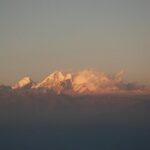
Kathmandu and Pokhara time makes the trek feel less sudden
Most people worry about the “what if I’m tired already?” problem on day one. Here, you get built-in cushioning: after arriving, you’re handled with airport pickup and drop-off, and you’ll have time to explore both Kathmandu and Pokhara.
Pokhara is your launchpad for Annapurna trekking, and Kathmandu is the place to get your bearings before you go rural. Even if you’ve never been to Nepal before, this combo helps you settle in. It’s also handy if you need a little buffer for getting organized, buying last-minute essentials, or simply getting used to the pace and altitude before hiking.
Transportation is practical too. The between-city ride is by tourist bus, and you drive along scenic river areas on the way toward the trekking region. If you like seeing how life looks outside the tourist bubbles, the road journey is part of the experience rather than just a transfer.
The drive toward trekking starts the adventure early
The trek doesn’t begin the instant you step onto a trail. You start with a drive to the region around Malekhu and then work your way toward Pokhara and the trailhead area.
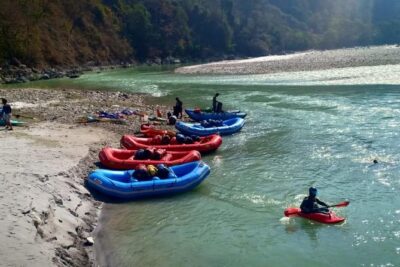
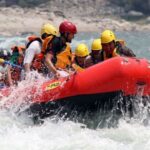
One of the best parts here is how scenic the route is. You’ll pass by the Trisuli and Marsyangdi river corridors, which are also known for rafting. It’s a good reminder that this part of Nepal isn’t only about mountains—it’s about rivers, villages, and changing weather patterns.
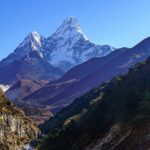
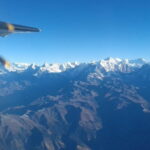
You also get mountain views from the road, including Ganesh Himal and Manaslu peaks. That’s not just scenery for scenery’s sake; it helps you start recognizing the wider Himalayan context before you hit the trekking days where everything feels more immediate.
Day-to-day hiking: from Tikhedunga climbs to Poon Hill sunrise
After breakfast and transport toward Nayapul, you begin trekking in stages. You first walk out toward Tikhedunga (1577m) via Birethanti (1065m). This initial chunk matters because it sets your rhythm and helps you feel how your body handles the start.
Then comes the classic early effort. On the next trekking day you ascend steeply for about the first two hours before easing into gentler walking. You pass through Ulleri (2070m) and Banthanti, and the trail is timed so you get big views without going so fast that you’re cooked before the trip really gets going.
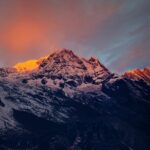
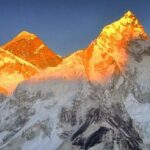
Later, you push up toward Poon Hill (3232m). This is one of the trek’s signature moments because it’s tied to sunrise, giving you a strong early reward over peaks like Dhaulagiri, Tukuche Peak, Nilgiri, Varaha Shikhar, Annapurna I, and Annapurna South (plus more). The specific peak list is a nice clue: this isn’t a vague viewpoint; it’s a real panoramic point with famous names.
Rhododendron trails and the push toward Chhomrong
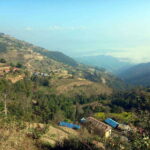
From the Poon Hill area, your walking turns into a descent through dense forests—rhododendron and oak are part of the mix. Even when it’s not “up,” this is still active trekking. The forest stretches give you a break from constant climbing while keeping you moving.
You then reach sections that include stone stairways and a suspension bridge crossing over Chhomrong Khola. That bridge is one of those little “focus on your footing” moments that can feel surprisingly satisfying once you’re actually there.
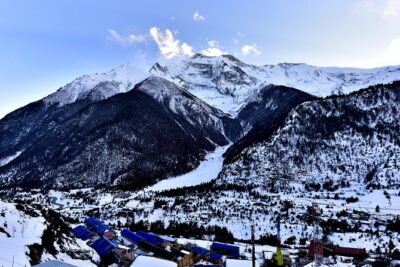
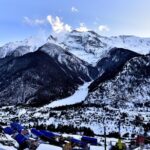
Chhomrong is a key day. As you get into the wider valley and the approach toward the sanctuary area, the walking becomes more about steady progress. You’ll cross parts marked around avalanche risk, which is a practical reminder that mountain travel here is managed by local knowledge, not just vibes.
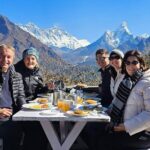
Annapurna Base Camp: the reward, then the return
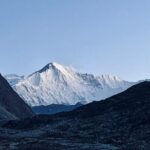
This trek’s headline is the Base Camp visit. You go out, see the Base Camp and surrounding Himalayan views, and then you start the return trek afterward.
The day’s structure is important. You’re not rushing through. Instead, you get time to look, breathe, and take in what you came for before heading back down the trail system toward places like Bamboo and Dovan.
Also, this experience includes a dip in a natural hot spring, which gives you a well-timed way to reset. After days of walking and cold air, a hot soak can feel like someone quietly fixed the pain in your calves.
Bamboo to Nayapul: forests on the way down, then Kathmandu again
After Base Camp, your path shifts back toward easier navigation but still requires stamina. You descend to Bamboo through forests with rhododendron, oak, and bamboo plants. The plant mix is a good clue that the trail isn’t just rocky high-altitude hiking—it has variety, smells, colors, and calmer walking sections mixed in.
From Bamboo, there’s a steep climb for about an hour, and that pattern—down, then up—keeps the trek honest. You’ll keep working your way toward the lower trail zones where the air feels more comfortable.
Finally, you connect to Nayapul and return toward Kathmandu. One day includes a descent and flat walking until Birethati for lunch, then a short walk onward to Nayapul. On the last day, you take a tourist bus at 7:00am back to Kathmandu, passing through satellite towns and rural settlements along the way.
Practical reality: fitness, altitude, and the porter question
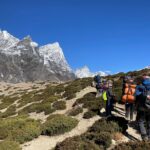
You should treat this trek as moderate fitness with a serious altitude component. The package explicitly says travelers should have moderate physical fitness level, and it makes sense: you’re doing multiple days of hiking with long walking hours and steep moments.
Altitude is part of the challenge, even if you’re not chasing technical climbs. One group example included a first-time high-altitude trekker, and that’s a good reminder: if you’re new to it, don’t try to “power through” just to prove something. Move steadily, keep breaks short but consistent, and listen to your guide’s advice about weather and trail conditions.
Gear is partially handled. You’ll have access to a sleeping bag and down jacket if needed, plus a trekking map returned after the trek. Still, you’ll want to bring your own personal basics (depending on what you already own), since the package details only what it provides as part of the trek logistics.
Porter options are simple: a trekking porter is not included, but you can hire one for $20 per day if you want. That can be worth it if you’re carrying extra layers, camera gear, or if your goal is to enjoy the trek without turning it into a pack-weight competition.
Price and logistics: small group, big structure
Let’s talk money in real terms. $785.72 per person includes a guide, transportation Kathmandu–Pokhara–Kathmandu by tourist bus, accommodation for 10 nights, all fees and taxes, and permits (Annapurna Conservation Permits and TIMS). It also includes meals: 10 breakfasts, 9 lunches, and 8 dinners, plus insurance for the guide and the guide’s food and salary.
It doesn’t include international flights, the Nepal entry visa fee, tips, your own travel insurance, or any alcohol/non-alcohol drinks and dessert. It also doesn’t include a porter unless you add one.
So the question becomes: if you tried to DIY this, what would you spend in time, coordination, and avoidable mistakes? For many people, this package is buying certainty—especially around permits and day-to-day logistics—so you can focus on walking and enjoying the mountains.
One small planning note: this trek is typically booked about 86 days in advance on average. If you’re traveling during a popular window, earlier booking helps.
Who this Annapurna Base Camp trek fits best
I’d point you toward this trek if you:
- Want small-group hiking with a real guide, not a loose self-guided plan
- Like the idea of structure: meals, lodging, and transport already covered
- Are okay with a multi-day trek that includes steep stretches, bridges, forests, and early mornings
- Want time in Kathmandu and Pokhara instead of flying in and immediately vanishing into the mountains
I’d think twice if you:
- Want a totally independent schedule with no group logistics
- Are expecting a short hike with minimal effort
- Need a fully included porter setup (you’d need to add it at $20/day)
Should you book this Annapurna Base Camp trek?
If your priority is a smooth, low-planning way to reach Annapurna Base Camp, this is a strong choice. The inclusions are the key: permits, meals, lodging, guide support, and transport all sit inside one package, which makes the trek feel doable even if you’re new to Nepal trekking.
Book it if you’re physically up for moderate hiking and you want someone else to handle the messy parts. Skip or customize it if you want maximum comfort, fully private pacing, or you’d rather carry everything without adding value elsewhere.
FAQ
How long is the Annapurna Base Camp trek?
The trek runs about 11 days.
What does the tour cost per person?
The price is $785.72 per person.
Is airport pickup and drop-off included?
Yes. Airport pickup and drop-off are included, and the start meeting point is Tribhuvan Airport in Kathmandu around 7:15am.
How many people are in the group, and is there a guide?
The group is limited to a maximum of 10 travelers, and a guide is included.
What meals are included during the trek?
Dinner is included for 8 days, lunch for 9 days, and breakfast for 10 days.
Are permits included for the Annapurna region?
Yes. Annapurna Conservation Permits and TIMS are included.
Do I need to pay a Nepal entry visa fee?
Yes. The Nepal entry visa fee is not included. It can be issued on arrival at Tribhuvan International Airport in Kathmandu, and you’ll require 2 passport size photos.
Do I need a porter or travel insurance?
A trekking porter is not included, but you can arrange one for $20 per day if you need. Your travel insurance is compulsory, and it is not included in the package.