REVIEW · KATHMANDU
Everest Base Camp Trek
Book on Viator →Operated by Adventure Great Himalaya Trek and Expedition · Bookable on Viator
Everest Base Camp is real awe, in motion. I like the way this trek stacks big moments: a flight into Lukla to start, then the payoff climb to Kala Patthar for sunrise views of Everest and neighbors.
Here’s the one consideration to take seriously: this route gets cold fast, especially in winter, and you’re also heading to high altitude. You’ll want to take the pacing and acclimatization days seriously so the cold doesn’t turn your trip into a survival test.
In This Review
- Key things I’d bet on before you go
- Kathmandu handoff: what you do on the first day
- Lukla flights: spectacular views, plus the weather truth
- Day-by-day: what each trekking day feels like
- Phakding to Namche Bazaar: bridges, prayer flags, and altitude lessons
- Tengboche: forests and monastery vibes (with big Everest angles)
- Dingboche: cross rivers, spot Pangboche, then slow down again
- Lobuche to Gorak Shep: the last settled stretch before the big day
- Kala Patthar: the early climb that earns the sunrise
- The return journey: seeing the same peaks from a new angle
- Namche on the way back: forests return, bridges get familiar
- Lukla day: downhill walking and a mental reset
- Lodges, meals, and equipment: what’s included and why it helps
- Porter support and group size: how the trek stays workable
- Fitness and altitude: who this trek fits best
- The $1,800 price: where the value really comes from
- Who this Everest Base Camp trek is best for
- Should you book this Everest Base Camp Trek?
- FAQ
- FAQ
- What is the duration of the Everest Base Camp trek?
- What is the highest altitude reached on this trek?
- Where does the trek start and what time?
- Are flights between Kathmandu and Lukla included?
- What kind of lodging do you use during the trek?
- Are meals included?
- Are permits included?
- Do you provide a porter and trekking equipment?
- How big is the group?
- What is not included in the price?
Key things I’d bet on before you go
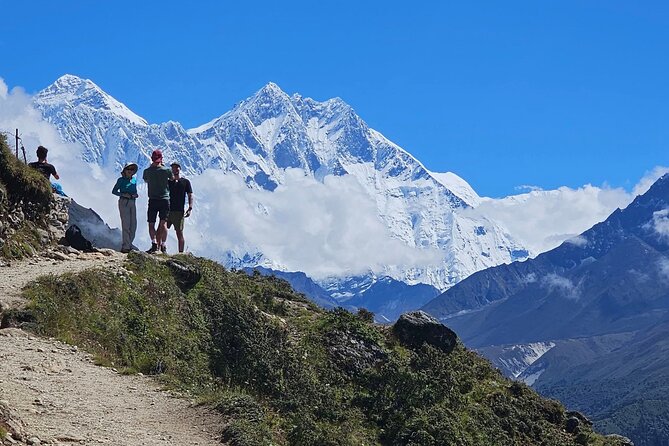
- Lukla flights set the tone from day one, with a big view bonus and weather reality built in.
- Kala Patthar sunrise is the headline and you’ll be set up to reach it early.
- Acclimatization is part of the plan with built-in stops in Namche and Dingboche.
- Meals, permits, and lodge stays are handled so you’re not planning logistics at 3,000–5,000m.
- Small group size (max 12) keeps the trek feeling controlled, not chaotic.
- Guides matter in cold weather; winter-focused support from Krishna and the team led by Babu is highlighted in past trips.
Kathmandu handoff: what you do on the first day
This itinerary begins the moment you land at Tribhuvan International Airport. You’ll get picked up, transferred to a Kathmandu hotel for rest, and then meet your guide for a short briefing.
That first-day rhythm is more than comfort. It helps you shake off travel fatigue before you jump into the Lukla flight, which is usually the most time-sensitive part of any Everest plan.
You can also read our reviews of more hiking tours in Kathmandu
Lukla flights: spectacular views, plus the weather truth
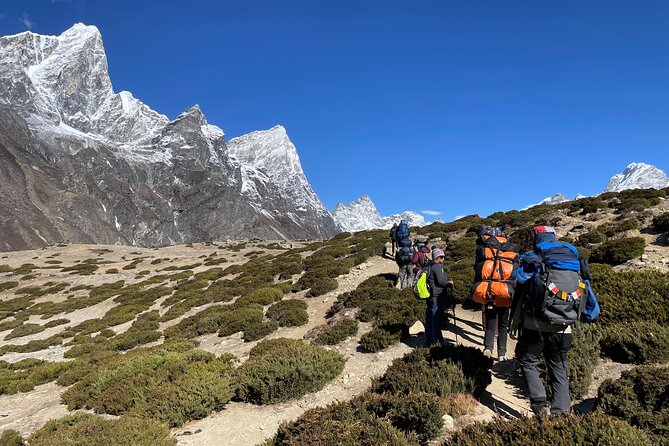
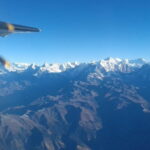
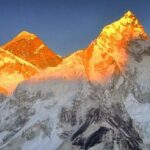
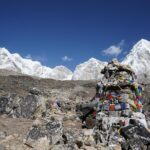
You fly Kathmandu to Lukla early on day 2, and then fly Lukla back to Kathmandu on day 13. Even without fancy extras, those flights are the kind of start and finish that make the whole trek feel real.
The operator also builds in practical backup: day 14 exists as a buffer in case flights between Lukla and Kathmandu don’t run on schedule due to mountain weather. That one extra day can save your mood when timing gets thrown off, which it often does in this region.
Day-by-day: what each trekking day feels like
You’ll spend 15 days total, with a mix of trekking days and acclimatization days. The route follows the standard Everest Base Camp arc, but the stop-by-stop structure is what keeps it manageable.
Phakding to Namche Bazaar: bridges, prayer flags, and altitude lessons
After the Lukla flight, day 2 is an easy descent toward Phakding through Sherpa villages, mani walls, and prayer wheels. It’s the kind of walking where you can actually look around without feeling punished.
Day 3 pushes onward to Namche Bazaar along the Dudh Koshi River. You’ll cross multiple suspension bridges draped with colorful prayer flags and then enter Sagarmatha National Park. Day 4 is your first real acclimatization day, with options like exploring Namche’s market and bakeries, visiting the Sherpa Museum, and doing a short hike toward the Everest View Hotel or Khumjung for panorama views.
Why it’s valuable: you’re learning how breathing feels higher up, while still keeping your schedule flexible enough to adjust.
Tengboche: forests and monastery vibes (with big Everest angles)
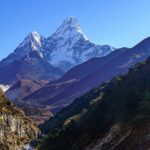
On day 5 you head to Tengboche, climbing gradually with frequent views of Everest, Lhotse, and Ama Dablam. The trail passes through rhododendron and pine forests, then drops back toward the Dudh Koshi River before crossing suspension bridges.
This day tends to feel like a turning point. You go from river valleys and bridge crossings into the more dramatic “you can see the peaks” stage of the trek.
Dingboche: cross rivers, spot Pangboche, then slow down again
Day 6 takes you to Dingboche. You’ll start with a descent through forests to Debuche, cross the Imja Khola River, and then gradually climb past Pangboche, noted as the highest permanent settlement in the region.
Day 7 is the second acclimatization day. You’ll hike to Nagarjun Hill (5,100m) for panoramic views of Makalu, Lhotse, and Island Peak, then return for lunch and recovery time.
Why that matters: acclimatization here isn’t just a box to tick. It’s a chance to reduce altitude stress before the final push toward Gorak Shep and Base Camp.
Lobuche to Gorak Shep: the last settled stretch before the big day
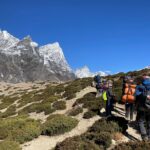
On day 8, the trail climbs steadily through rocky terrain with sparse vegetation. You’ll pass Dughla village and continue along the memorial ridge honoring climbers who lost their lives on Everest.
Day 9 starts with a gradual trek to Gorak Shep, described as the last settlement before Base Camp. After lunch, you’ll hike over rocky terrain and glacier moraines to reach Everest Base Camp.
This is where the trek changes tone. Walking becomes more about steady effort and focus, because the scenery is intense and the terrain gets tougher.
Kala Patthar: the early climb that earns the sunrise
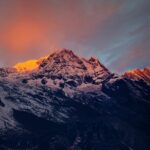
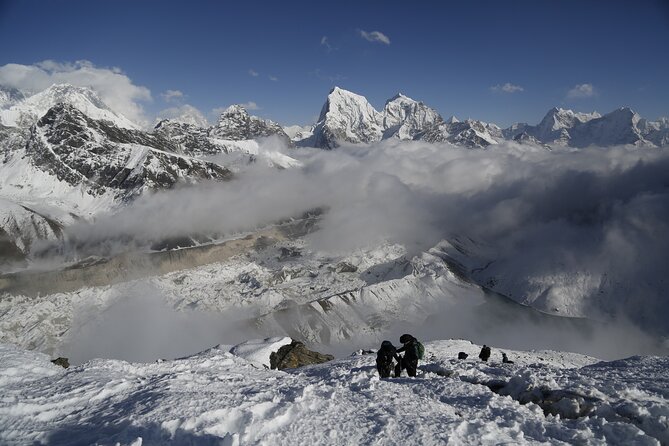
Day 10 is your Kala Patthar day. You start early for a steep climb to the best vantage point for sunrise views of Everest and the surrounding Himalayan giants, then you descend back toward Gorak Shep for breakfast.
This is also the day most people remember first, even years later. The main reason: you’re chasing light, not just altitude. The payoff is the classic Everest silhouette from one of the best viewpoints on the route.
The return journey: seeing the same peaks from a new angle
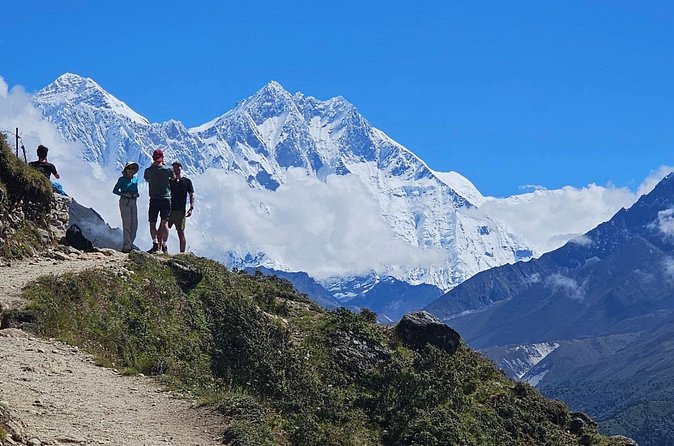
You won’t just retrace steps and call it done. The return from Base Camp is split across several days with descending trails and fresh perspectives.
Namche on the way back: forests return, bridges get familiar
Day 11 brings a trek back toward Namche Bazaar through Pangboche and Tengboche, with different angles on the same mountain set. You’ll descend through forests and cross the Dudh Koshi suspension bridges again, which feels easier the second time around because you know the rhythm.
Lukla day: downhill walking and a mental reset
Day 12 is your final trekking day, downhill through pine forests and across high suspension bridges back to Lukla. It’s a good day for reflection, since it’s the bridge between “trekking life” and “civilization life.”
Day 13 then switches gears: an early flight from Lukla to Kathmandu, hotel transfer, and time to rest.
Lodges, meals, and equipment: what’s included and why it helps
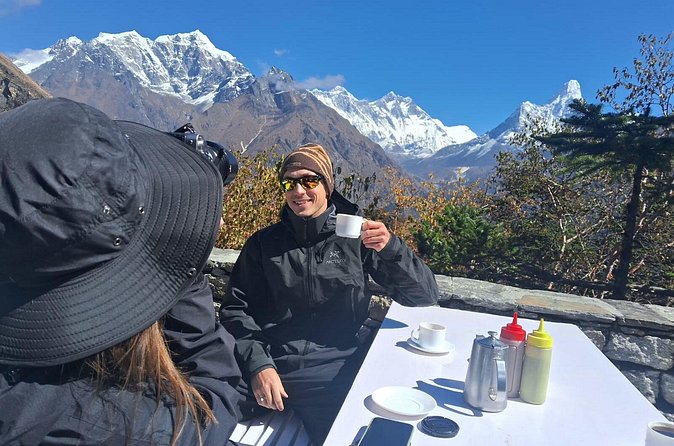
This trip includes three meals a day during the trek (breakfast, lunch, dinner), plus lodge accommodation for 11 trekking nights. In Kathmandu, you also get three hotel nights.
That matters at this altitude. When food, sleeping arrangements, and most logistics are handled, you can spend your energy on pacing and acclimatization rather than decision-making in remote places.
The package also includes trekking permits and Sagarmatha conservation fees, which is one less administrative headache. And you’ll be provided equipment like a sleeping bag, duffel bag, and walking pole.
One note: tipping isn’t included, so you’ll want to plan for that ahead of time.
Porter support and group size: how the trek stays workable
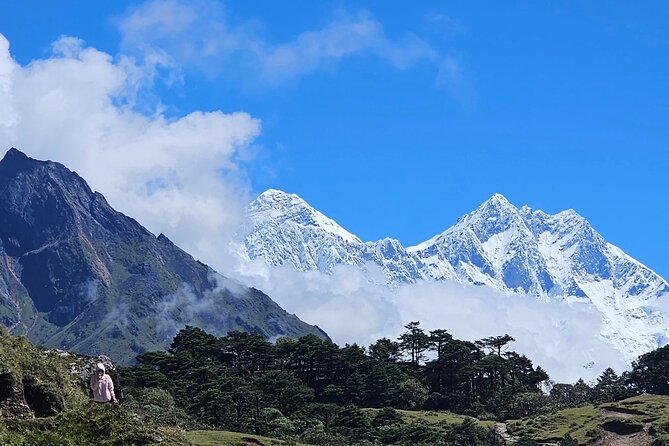
You’ll travel with a maximum group size of 12, and there’s porter support arranged for between two trekkers. Practically, this means you can pack lighter and keep your energy focused on walking.
The human factor shows up in the reviews too. One past winter trip emphasizes how having a guide like Krishna helped the group focus on hiking even with minus-weather conditions. Another highlights Babu and the team behind the organization, crediting them with making the overall experience run smoothly.
That’s the quiet value of a guided trek: decisions get made for you, and you can concentrate on the mountains.
Fitness and altitude: who this trek fits best
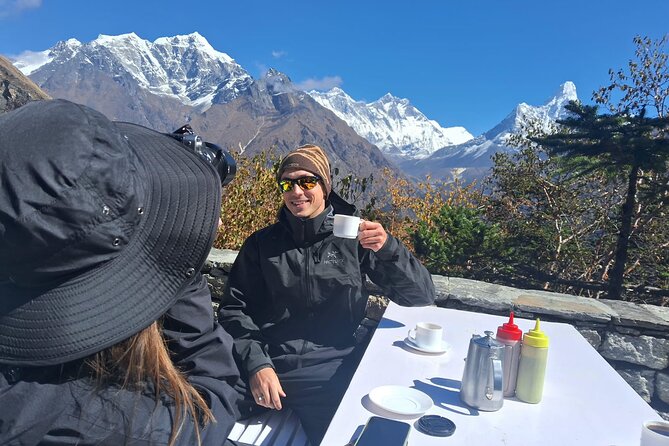
The itinerary calls for moderate physical fitness, and it reaches a maximum altitude of 5,545m at Kala Patthar. It’s not just about strength. It’s about managing effort day after day and respecting acclimatization.
You get two explicit acclimatization days (Namche and Dingboche), plus a hike to Nagarjun Hill at 5,100m. That design is there for a reason: it helps your body adjust before you go higher and closer to Base Camp.
If you’re the type who gets anxious when plans change, you may find the buffer day for flight delays (day 14) helpful. If you’re calm and flexible, you’ll likely enjoy the rhythm more.
The $1,800 price: where the value really comes from
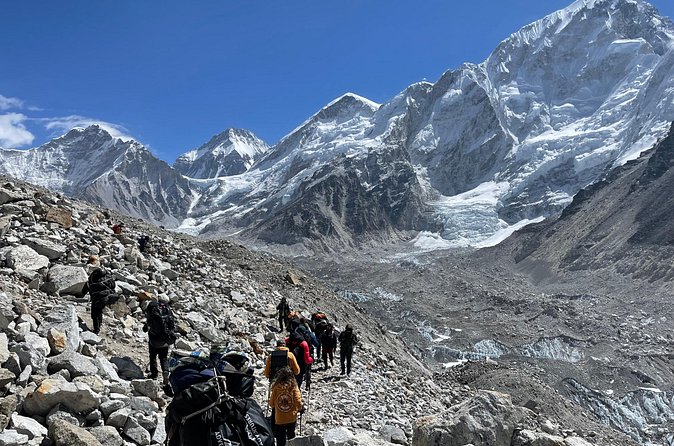
At $1,800 per person, this is not a cheap trip. But it’s also not “pay for the privilege of figuring everything out yourself.”
What’s covered in the big picture:
- Flights between Kathmandu and Lukla (round-trip)
- Ground transportation and hotels in Kathmandu
- Lodge accommodation during the trek
- All trekking meals
- Permits and Sagarmatha conservation fees
- A porter support arrangement (for between two trekkers)
- Included trekking equipment like sleeping bag, duffel bag, and walking pole
- A guided trek with the operator’s crew and support
What isn’t included:
- International airfare and Nepal visa fee
- Personal travel insurance
- Tips for guide/porter
So the value equation depends on you. If you’d otherwise spend time and money piecing together flights, permits, guides, and gear, the package price starts to make sense fast. If you’re highly budget-focused and comfortable doing your own logistics, you might see the cost as steep.
Who this Everest Base Camp trek is best for
This route suits you if you:
- Want a classic Everest Base Camp experience with guidance and structure
- Prefer lodge comfort and planned meals over self-managed everything
- Value acclimatization built into the schedule
- Are okay with cold weather and high-altitude walking
It’s likely less ideal if you want maximum independence. The itinerary is guided, and you’ll follow set pacing and stop structure.
Should you book this Everest Base Camp Trek?
If you want one of the most famous routes on Earth without turning the trip into a logistics project, I’d say yes. The package includes the big essentials—meals, permits, lodge stays, gear, and Kathmandu–Lukla flights—and it builds in a flight buffer day that can be a lifesaver in bad weather.
The main reason to hesitate is simple: cold and altitude aren’t optional. If you’re going in winter, plan for misery-proof clothing and stick to the acclimatization schedule.
FAQ
FAQ
What is the duration of the Everest Base Camp trek?
It’s about 15 days, with a mix of trekking and acclimatization days.
What is the highest altitude reached on this trek?
The maximum altitude is 5,545 meters at Kala Patthar.
Where does the trek start and what time?
It starts at Tribhuvan Airport in Kathmandu, with a start time of 7:15 am.
Are flights between Kathmandu and Lukla included?
Yes. Kathmandu to Lukla and return Kathmandu flight tickets are included.
What kind of lodging do you use during the trek?
You’ll have 3 nights in a Kathmandu hotel and 11 nights in lodge accommodation during the trekking portion.
Are meals included?
Yes. The trek includes three meals a day during the trek (breakfast, lunch, dinner).
Are permits included?
Yes. Trekking permits and Sagarmatha Conservation fees are included.
Do you provide a porter and trekking equipment?
A porter is included for between 2 trekkers, and trekking equipment such as a sleeping bag, duffel bag, and walking pole is included.
How big is the group?
The maximum group size is 12 travelers.
What is not included in the price?
International airfare, Nepal visa fee, personal travel insurance, and tips for the guide and porter are not included.