REVIEW · KATHMANDU
Kathmandu Walking Tour
Book on GetYourGuide →Operated by Breakfree Adventures Pvt. Ltd. · Bookable on GetYourGuide
Kathmandu starts moving the moment you do. This walking tour strings together Ason Market and the hilltop drama of Swayambhunath with two UNESCO stops, all while you watch everyday life unfold street by street. The main thing to consider: it’s a foot-forward route through busy, sometimes uneven streets, so plan for lots of walking.
You get a live English guide, a small group (up to 10), and hotel pickup from the Thamel area. It’s also good value for a half-day plan because mineral water is included, and you can often skip the ticket line at key sites.
In This Review
- Key Points I’d Bet Your Trip On
- Kathmandu Walking Tour: Where the Day Flows (and Why 4 Hours Fits)
- Pickup From Thamel and the First Walk Toward Ason
- Ason Market: The Best Place to Understand Kathmandu’s Everyday Life
- Kathmandu Durbar Square: UNESCO Power With Less Confusion
- Freak Street and the Hippy-Era Junction You’ll Recognize Immediately
- Swayambhunath Monkey Temple: The Valley View That Lands Hard
- Price and Logistics: What $30 Really Buys You
- Guide Style: What You’ll Want to Get Out of the Day
- What to Bring (and How to Avoid a Miserable Shoe Situation)
- Should You Book This Kathmandu Walking Tour?
Key Points I’d Bet Your Trip On
- Ason Market on day-one energy: the oldest market vibe, with real daily life flowing around you
- UNESCO time without wandering blindly: Kathmandu Durbar Square is easier with a guide steering your eyes
- Freak Street has context now: you’ll connect the Hippy-era reputation to what you see today
- Swayambhunath viewpoint payoff: Kathmandu Valley gets its best aerial-style view from the hilltop
- Small group feel: limited numbers means more question time and fewer bottlenecks on the route
Kathmandu Walking Tour: Where the Day Flows (and Why 4 Hours Fits)
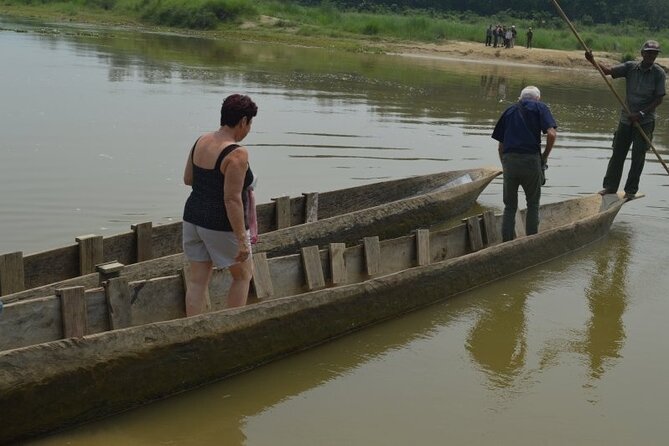
A four-hour city walk sounds simple. In Kathmandu, that’s exactly the sweet spot. You move through multiple neighborhoods without feeling like you need a full day of logistics, and your guide can stitch the places together into a story you can actually use.
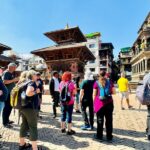
This tour is designed as a “start-to-finish orientation” to the city. You’ll begin near your hotel area, then get dropped into the older, louder parts of town—market lanes, temple squares, and UNESCO compounds—before you end with an iconic viewpoint. If you’re trying to get your bearings fast in Kathmandu, this format does the job.
Also, you’re not stuck with a giant crowd. With a group limited to 10, you’re more likely to keep a steady pace, ask questions without shouting, and get practical explanations while you’re still standing in front of the thing.
You can also read our reviews of more walking tours in Kathmandu


Pickup From Thamel and the First Walk Toward Ason
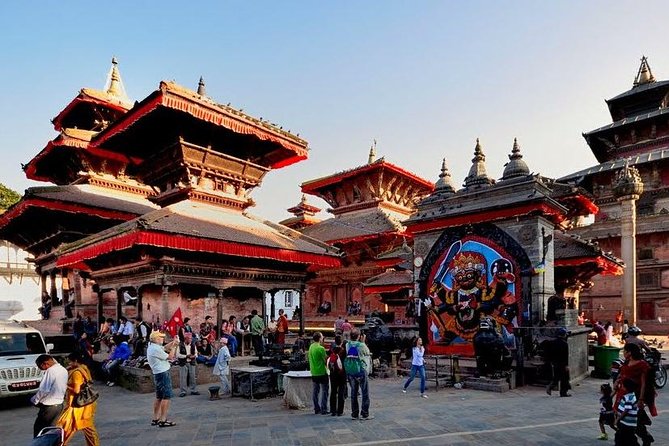
The day starts with pickup from hotels in the Thamel area, and your guide comes to collect you—so make sure your booking includes your hotel name. Then you’re walking toward Ason, the oldest market place in Kathmandu, where the city’s daily rhythm shows up immediately.
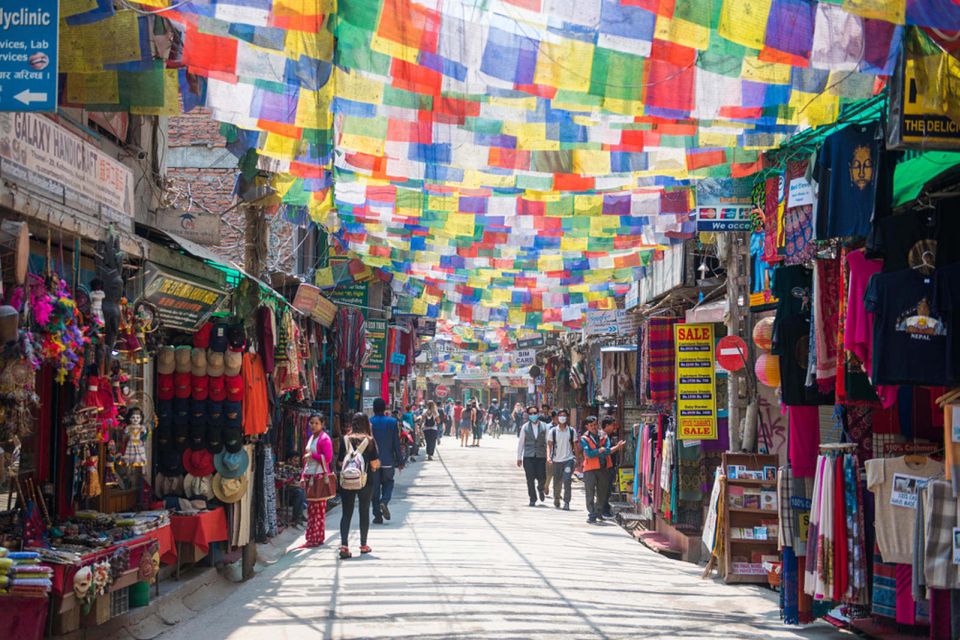
Once you leave the main tourist corridors, the route feels more local. You’ll pass busy streets, shopfronts, and small squares, plus ancient temples tucked into the edges of ordinary life. It’s not just sightseeing; it’s watching how people actually move—vendors, shoppers, passersby—while you learn what to pay attention to.
One practical note: A market walk can be slower than you expect because there’s always something going on. That’s good. Just wear comfortable shoes and expect to navigate crowds and foot traffic. If your legs get tired easily, this is still doable, but you’ll want to manage your energy from the start.
Ason Market: The Best Place to Understand Kathmandu’s Everyday Life
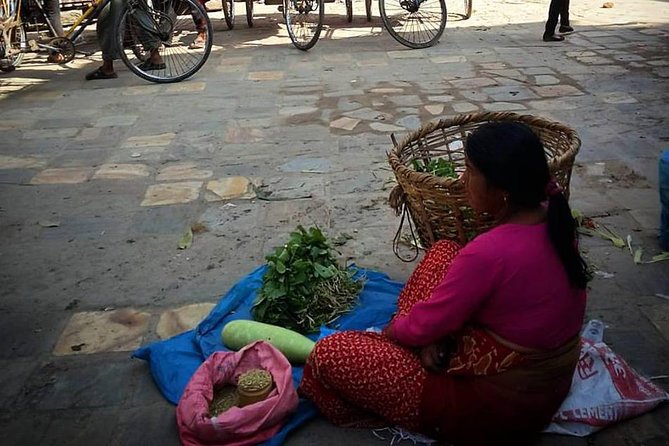
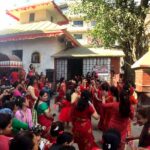
Ason is a smart first stop because it teaches you how Kathmandu functions before you get pulled into major monuments. You’ll see old market lanes and the kind of commerce that doesn’t feel staged. It’s the closest thing on this route to a “live city documentary.”
Look for how temples and daily routines share the same space. You’ll be walking past ancient temple elements while people shop and chat. That overlap—sacred and practical side by side—is one of the most Kathmandu things there is.
Another reason I like starting here: your guide can explain what you’re seeing in context, instead of dumping facts after the route is already over. By the time you reach the UNESCO sites, you’ll have a better sense of what’s happening around them, not just what they are on paper.
Kathmandu Durbar Square: UNESCO Power With Less Confusion
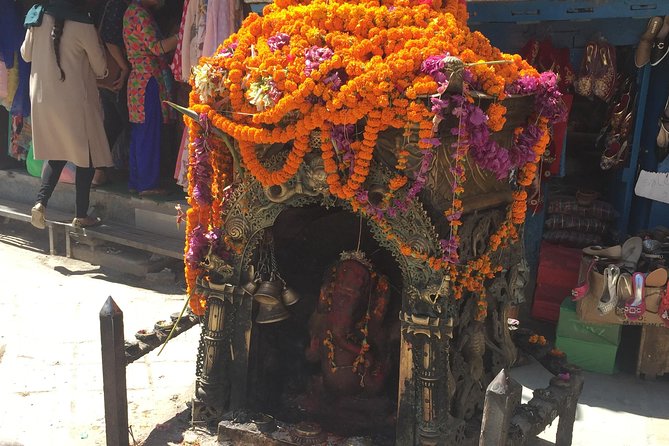
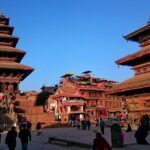
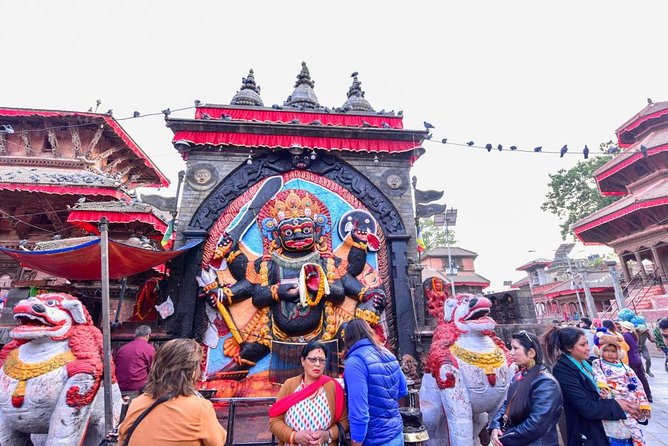
Kathmandu Durbar Square is the first UNESCO World Heritage Site on your path. This is where the city’s historical and religious life concentrates: temples, palaces, shrines, and the kind of squares that feel important even when you’re just walking through them.
What makes a guide useful here is orientation. Durbar squares can feel like a cluster of buildings unless someone helps you identify what matters and why. Your guide can point out how the site works as a religious and historical center, not just a photo stop.
Also, remember that monuments entrance fees are not included. That doesn’t make the tour worse—it just means you should budget for those tickets so your day doesn’t turn into a last-minute decision. If you want smoother timing, plan to have cash ready.
You’ll likely spend time moving between temple areas and the open square spaces. Go at walking speed, not museum speed. The value comes from connecting details you notice with the explanations you receive, then carrying that understanding onward to the next stop.
Freak Street and the Hippy-Era Junction You’ll Recognize Immediately
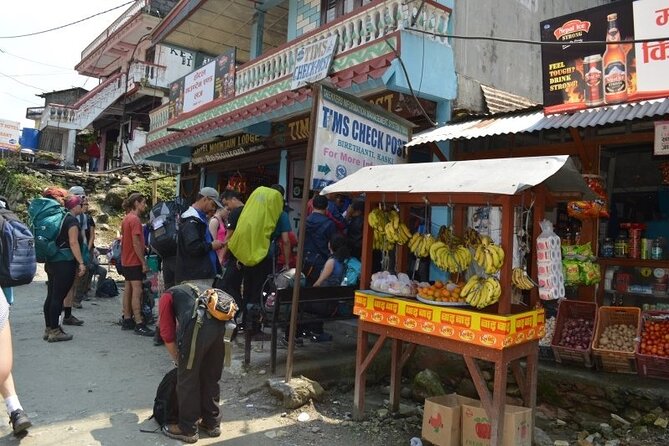
After Durbar Square, you’ll walk to Freak Street. It’s known as a major junction during the Hippy era, and that reputation still hangs in the air when you’re there.
This stop is useful because it connects Kathmandu’s long spiritual identity with a more recent wave of international travelers. Even if you don’t care about Hippy history, Freak Street can help you understand the city’s mix: pilgrimage paths alongside tourism corridors, old streets alongside modern commerce.
Practical expectation: Freak Street is where you’ll see more of the lively, sales-oriented side of Kathmandu. That can be fun, but it also means you’ll want to stay aware. Don’t let shop chatter pull you away from your guide’s route. Use it as a cultural context checkpoint and keep moving.




Swayambhunath Monkey Temple: The Valley View That Lands Hard
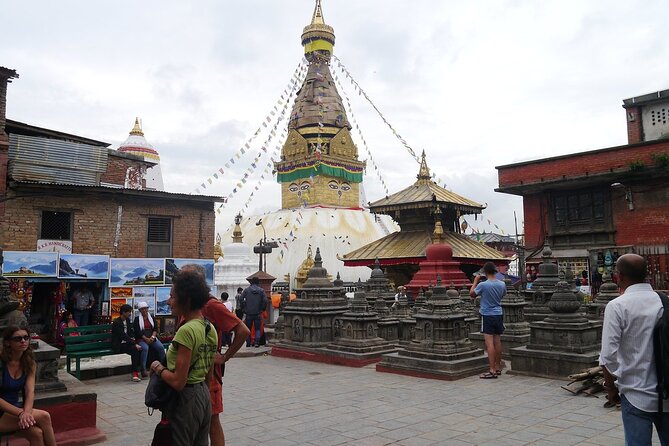
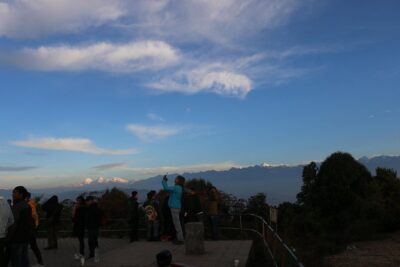
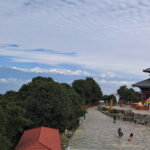
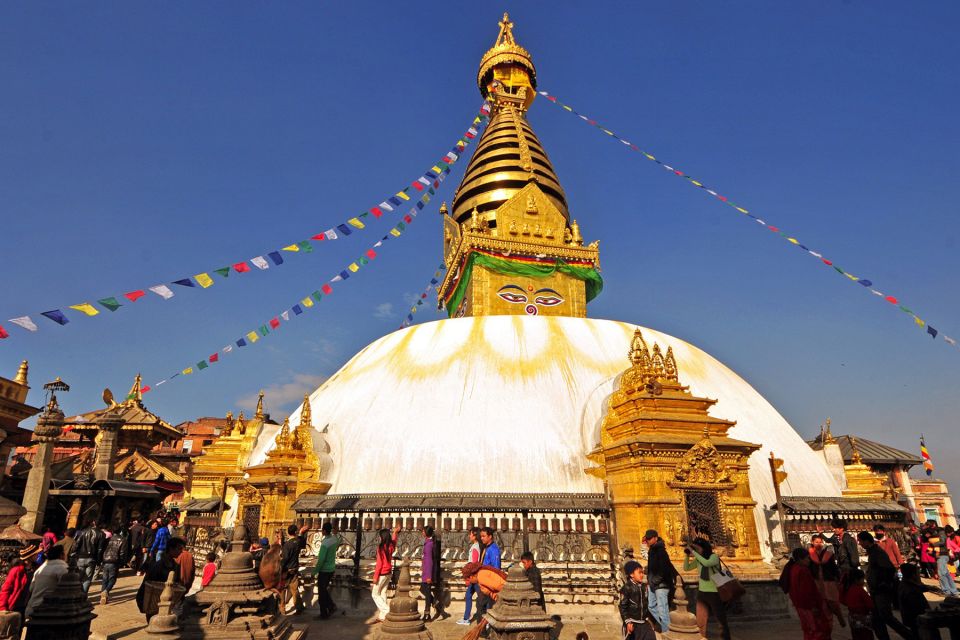
Next comes Swayambhunath, the second UNESCO World Heritage Site. It sits at the top of a hill, and that elevation is the whole point: you get panoramic views of the Kathmandu Valley from above.
This is the portion of the tour where you’ll feel the payoff for all the street-level walking. From Swayambhunath, the city stops being a maze and becomes a picture. You’ll see how the valley spreads out, and you’ll start understanding Kathmandu’s geography in a way that photos alone rarely deliver.
Because it’s a hilltop complex, you should expect uphill walking and some steps. Take it slowly. Bring your breath back under control before you try to absorb everything at once.
After the view, you’ll walk back toward Thamel. If you’d rather conserve energy, there’s also the option to take a taxi from Swayambhunath to Thamel. Just note: taxi costs aren’t included, so decide based on your energy level and budget.
Price and Logistics: What $30 Really Buys You
At $30 per person for 4 hours, this is priced as a practical guided walking experience, not a car-and-driver sightseeing day. That matters in Kathmandu, where traffic can swallow your time and where walking is often the fastest route to meaningful places.
Here’s what you get included:
- An experienced tour guide (English)
- Mineral water
- Pickup from hotels in the Thamel area
- Skip-the-ticket-line support for key monuments (as listed)
What’s not included:
- Entrance fees for monuments
- Any taxis/transfers
So the real value question is simple: will you use a guide to make sense of dense sights? If yes, $30 can feel like a bargain because you’re buying time and interpretation, not just footsteps. If you already know the city well and you’re comfortable self-navigating UNESCO sites, you might feel the guide cost less necessary. But for most first-timers, interpretation is the hardest thing to DIY, and that’s where the money goes.
One more detail that improves value: the group is capped at 10. Smaller groups reduce the chaos when you’re inside crowded temple areas and helps the guide keep momentum.
Guide Style: What You’ll Want to Get Out of the Day
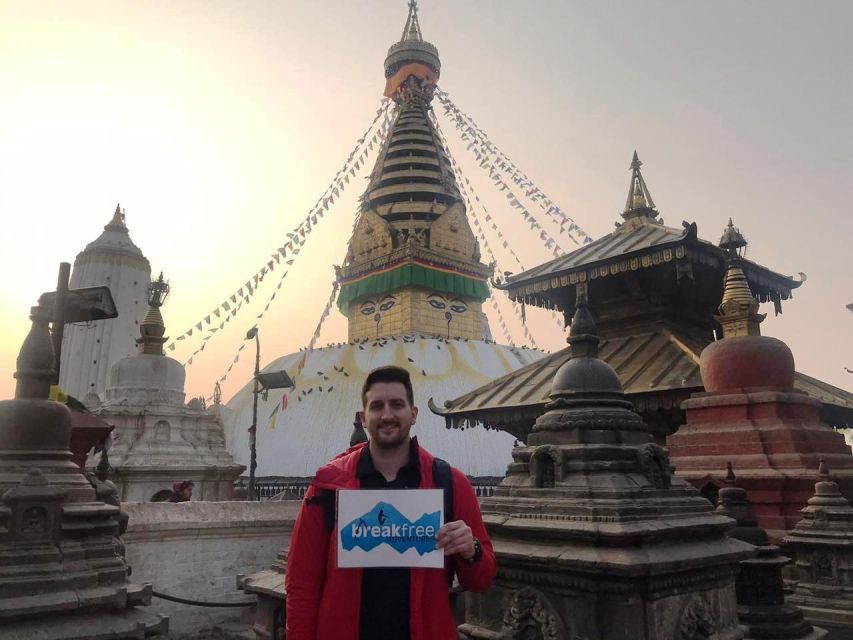
A big part of whether this tour feels great is your guide’s approach. The tour provider uses guides who can tell the story clearly and answer questions in real time—people like Shankar Bhattarai and Madan Sakota come up in the tour’s history, and their comments are consistent with what you want from a guide: explanations that connect daily life, religion, and the logic of the street layout.
So I’d encourage you to do a small “question warm-up” in your head before the tour starts. Ask about what’s sacred versus what’s practical in the spaces you’ll see. Ask why certain buildings sit where they do in Durbar Square. Ask how the city’s neighborhoods relate to each other.
When you do that, the walking stops being a checklist and turns into a set of take-home ideas. And those ideas make it easier to explore on your own afterward.
What to Bring (and How to Avoid a Miserable Shoe Situation)
This tour is short, but it’s not weightless. You’re moving through streets, markets, and temple sites, plus a hilltop viewpoint. Your clothing and gear matter.
Bring:
- Passport or ID card
- Comfortable shoes
- Cash
Shoes are the big one. If you’re wearing sandals or anything that slips, you’ll feel it. This is a “walk all day” kind of route even though it’s only four hours.
Also, the tour is not suitable for wheelchair users, and it’s not recommended for pregnant women. That’s not meant to be harsh—it’s simply because of the walking and site terrain.
If you’re sensitive to crowds, go slow and let your guide steer the route. If you’re comfortable in busy places, you’ll probably love the energy of it.
Should You Book This Kathmandu Walking Tour?
Book it if you want a guided crash course through Kathmandu’s core areas—market life, Durbar Square, Freak Street, and the Swayambhunath viewpoint—without spending a whole day in transit. It’s especially worth it if you’re early in your trip and you want a sense of how the city connects religious spaces to everyday streets.
Skip it (or consider a different format) if you know you can’t handle lots of walking or uneven temple-site steps. Also, if you don’t plan to pay monument entrance fees anyway, you might feel like the “UNESCO stops” are less complete than you want—because those fees are not included.
If you fit the walking reality and you want the city explained while you’re standing in front of it, this tour is a strong use of a half-day in Kathmandu.