REVIEW · POKHARA
Pokhara: 30-Minute Tandem Paraglide
Book on GetYourGuide →Operated by Nepal Social Treks · Bookable on GetYourGuide
Flying over Pokhara feels unreal. I love the Annapurna views from overhead and the steady, professional tandem setup that makes a first flight feel calm. One thing to plan for: takeoff depends on wind and thermal conditions, so you may wait.
I also like that you’re picked up from Lakeside and driven to Sarangkot, then returned after a flight that lands near Phewa Lake. The included photo and video are a big plus, but do keep an eye on your phone storage so you don’t end up scrambling on the day.
In This Review
- Quick takeaways (what matters most)
- Sarangkot launch: where your tandem flight starts
- 30 minutes over Annapurna and Phewa Lake (the main event)
- Safety first: professional pilots, short instructions, real peace of mind
- Photo and video: great souvenir, check your phone space
- What the “3 hours” usually feels like in Pokhara
- English instruction and small-group attention
- Price and value: is $125 a good deal?
- Who should do this (and who shouldn’t)
- Should you book this Pokhara tandem paraglide?
- FAQ
- How long is the paraglide flight?
- Where does the paragliding take off from?
- What’s included in the price?
- What should I bring?
- Is the flight guaranteed to happen on time?
- Is this experience suitable for children and people with mobility impairments?
Quick takeaways (what matters most)
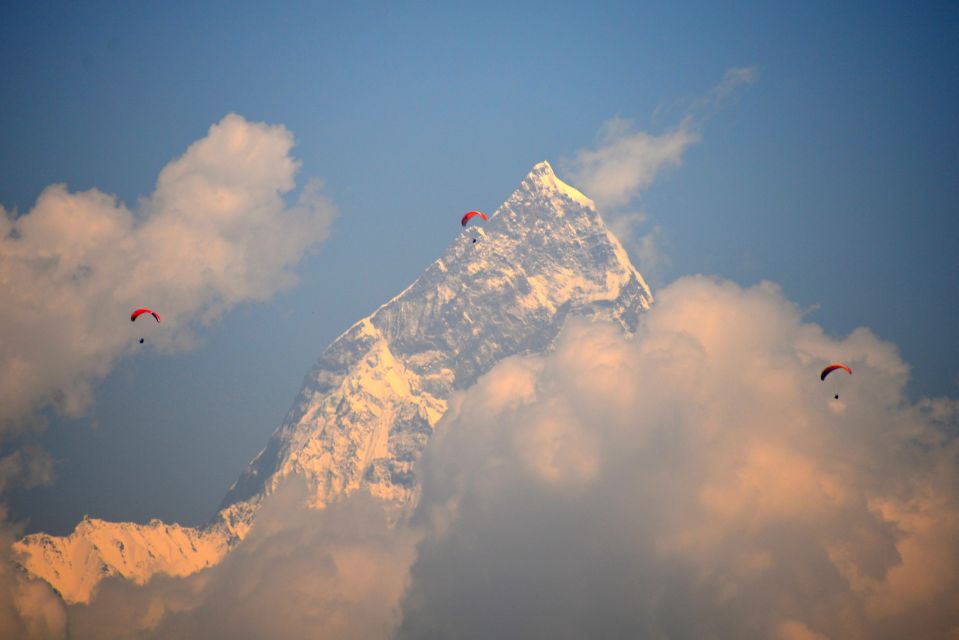
- Sarangkot takeoff (~1,800 m): a dramatic start point with great timing for aerial views
- 25–30 minutes in the air: long enough to spot peaks, the lake, and city details
- Annapurna close-up: you may fly past or toward multiple notable peaks like Machhapuchhre and Hiunchuli
- Hotel transfers included: Lakeside pickup and return make this easy to fit into a half-day
- Professional photo/video plus insurance: built-in value for first-time flyers
- Bring phone storage space: one practical complaint is the video/photos can require lots of free space
Sarangkot launch: where your tandem flight starts
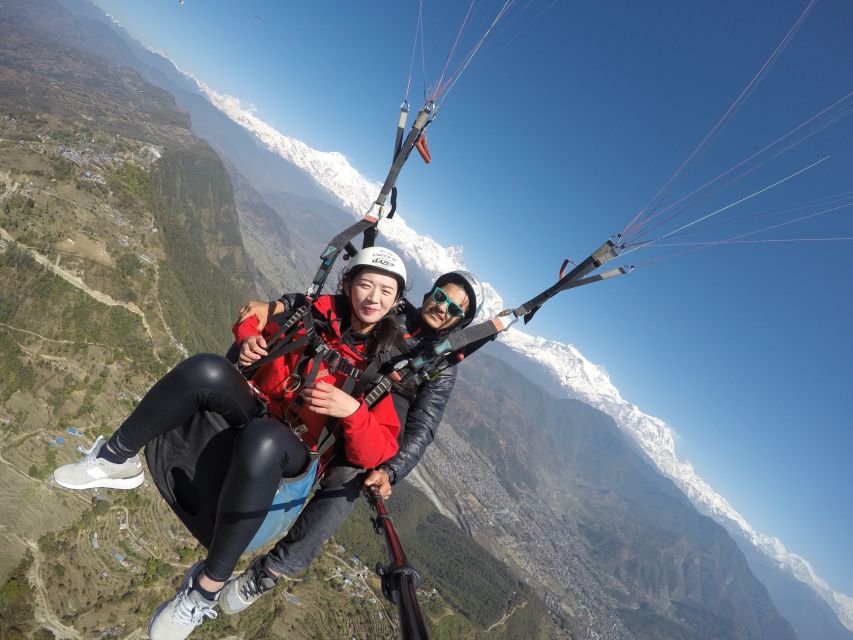
Most people base themselves around Pokhara’s Lakeside, and this trip starts right there. You get hotel pickup, then you’re driven to Sarangkot, about 45 minutes away. Sarangkot matters because it’s one of the most popular places to watch sunrise and sunset over the valley, and it’s also a launch point designed for soaring flights when conditions are right.
Before you lift off, there’s a short briefing with your instructor. You’ll get the basics you need as a passenger: how to sit, what to expect during inflation and lift, and how to handle the moment when things go from “standing on a hill” to “floating above the world.” From the operational side, launch happens from roughly 1,800 metres elevation, so you start with height already in the bag. That helps your flight feel fast and scenic rather than like a slow climb.
One real-world detail: the whole experience is subject to optimal wind and thermal conditions. That means the schedule can breathe a little. If the air isn’t cooperating, you may wait for the right window before takeoff. I treat this as part of the value of flying here: when the sky works, Pokhara gives you an excellent ride. When it doesn’t, you wait for it.
You can also read our reviews of more tours and experiences in Pokhara.
30 minutes over Annapurna and Phewa Lake (the main event)
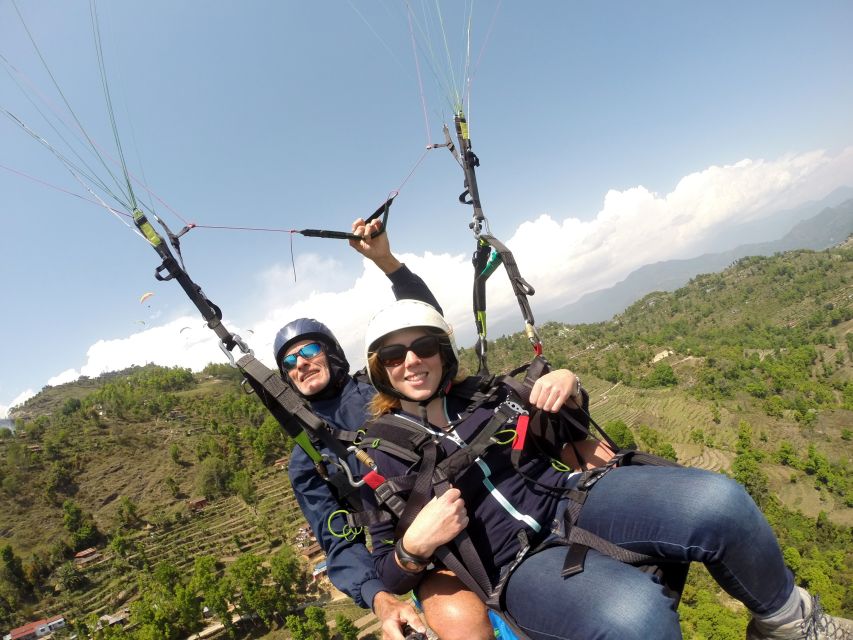
This is a tandem paraglide, so you’re not steering your own wing. The payoff is what you can see. The flight is listed as 25–30 minutes, and that time hits a sweet spot: enough to settle in, enjoy the views, and still feel like the highlight of your afternoon.
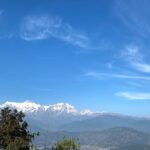
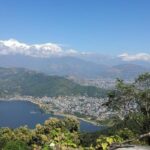
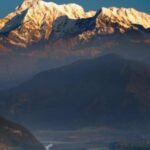
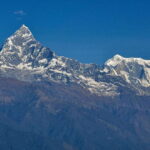
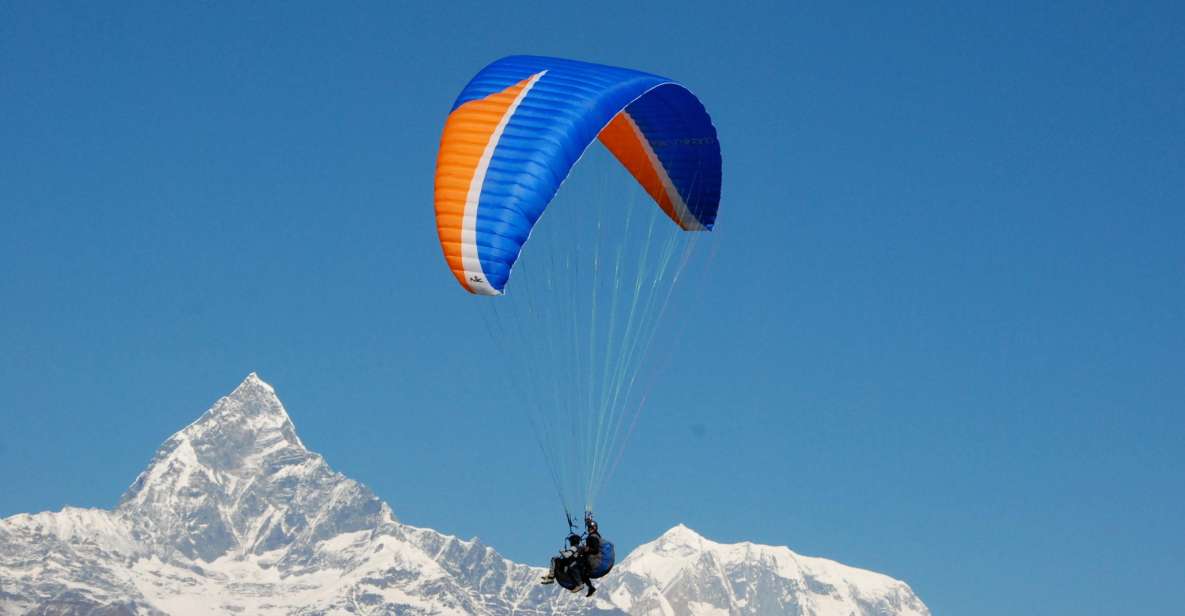
From the air, Pokhara’s geography makes everything pop. You’ll get bird’s-eye views of Pokhara city and the bigger Phewa Lake, plus a close look at the Annapurna Himalayan range. You may also pass views of key named peaks and landmarks, including Machhapuchhre, Lamjung Himal, and Hiunchuli.
What I like about this kind of flight is that it’s not just a single scenic postcard. You’re moving, so the valley changes as you drift: city blocks give way to river lines, and green fields cut across the view like brush strokes. The description also points to monastery views and stretches of jungle from above, which is exactly the kind of detail you miss when you’re only driving around Pokhara.
Also, keep in mind the “three peaks” mention. Even if you don’t identify every summit perfectly, you’ll still get that wow factor of seeing the mountains stack up in layers. If you’re the type who likes to name things with confidence, bring curiosity more than perfection. The instructor and pilot will help you orient during the flight.
Safety first: professional pilots, short instructions, real peace of mind
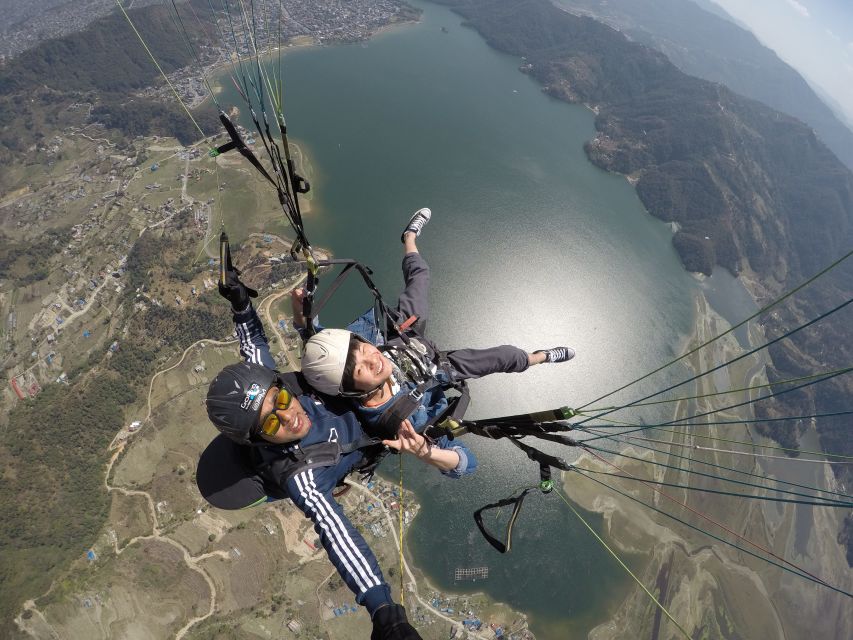
Paragliding feels intense before you do it. The trick is knowing you’re strapped into a setup managed by professionals. This experience includes a professional pilot, and the activity also includes insurance.
In one set of personal experience notes connected to this operator, communications were handled by Nabin Pandey, and the pilot named Suraj was credited with keeping things smooth and landing safely after about 30 minutes. Even if your pilot isn’t Suraj, it gives you a sense of the role: clear coordination before launch, steady flying during the air time, and a controlled landing afterward.
The other safety factor is what you can control: you show up dressed correctly and with the right footwear. The trip asks for running shoes (comfortable), a full-sleeved top, and a wind jacket. That’s not fancy gear talk. It’s about staying comfortable and protected when the wind catches you during setup and after landing.
One more practical point: valuables aren’t allowed. That’s usually because you’ll be focused on the flight and you don’t want to worry about loose items. Wear something with secure pockets or keep it simple.
Finally, it’s not suitable for people with mobility impairments or wheelchair users. If you fall into that category, don’t force it—paragliding depends on getting into position and moving through boarding and landing safely.
Photo and video: great souvenir, check your phone space
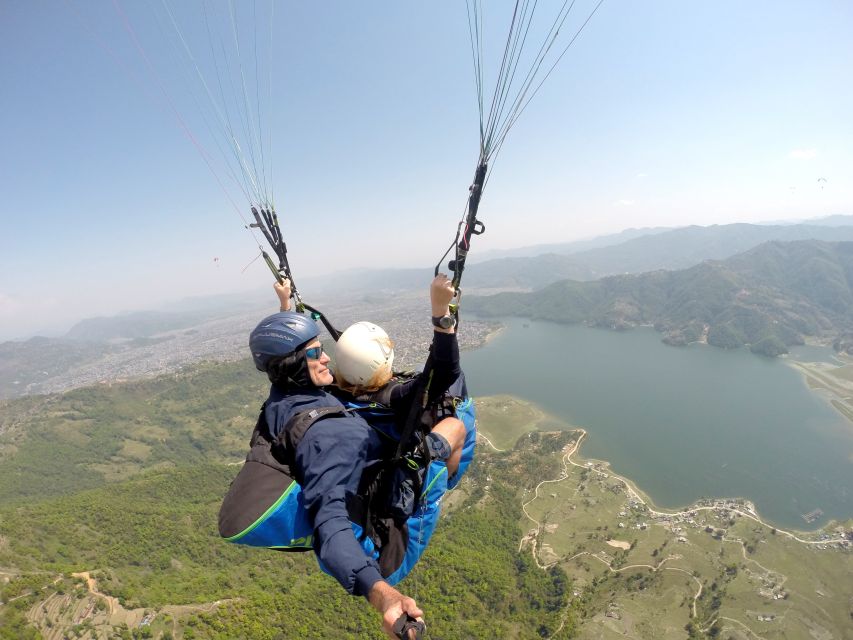
The trip includes professional photo and video, plus a free flight video to take home. That’s a big deal because aerial footage is hard to recreate on your own once you’re in the air and trying not to think about gravity.
That said, there’s an important practical snag to be aware of. One detailed complaint was about the amount of storage expected on your phone for receiving photos and videos, with the request being close to 10GB of free space. If your phone is already packed, you could spend the last part of the experience deleting apps just to free room.
My advice: before you go, check your available storage and aim for generous free space. If you’re traveling with a laptop, you might find it easier to offload later. And if you know your phone fills up fast, consider bringing extra storage options if your device allows it. The trip doesn’t promise USB or cloud alternatives based on the info given, so don’t assume a workaround.
What about the emotional side? Getting the visuals right after the flight helps you process what you actually experienced. You can watch the flight and compare it to what you remember seeing—especially the Phewa Lake landing area and the mountain angles.
What the “3 hours” usually feels like in Pokhara
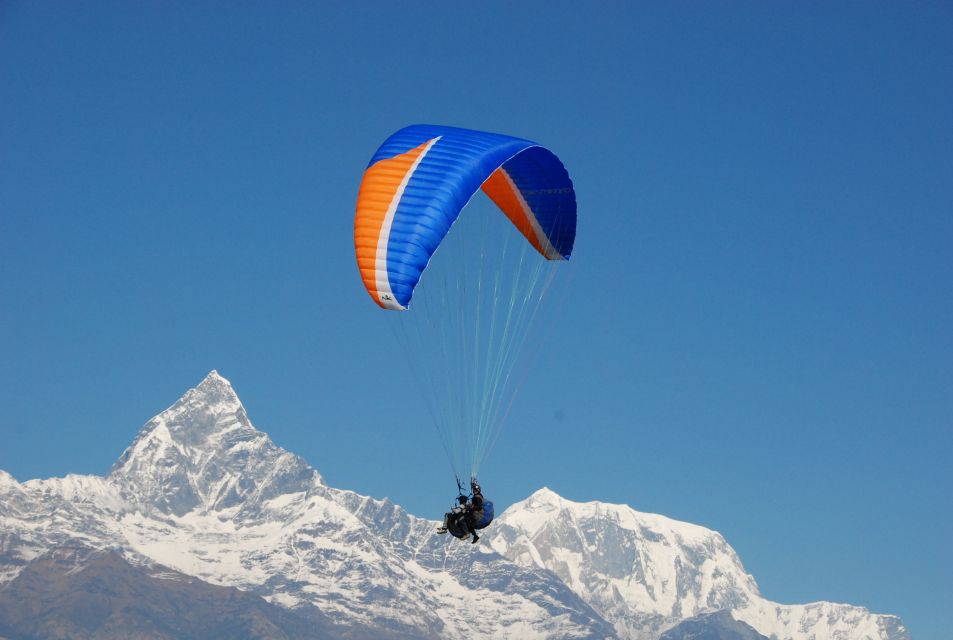
The full experience is scheduled for about 3 hours, including more than just time in the air. Plan for the half-day rhythm: pickup, transfer, brief orientation, flight time, then return.
Here’s how it typically lands for your day:
- You’re picked up from your hotel in Lakeside.
- You’re driven to Sarangkot, where you wait for conditions and get briefed.
- You launch from around 1,800 metres and fly for 25–30 minutes.
- You land near the banks of Phewa Lake, and your driver is there to take you back.
There’s also a guided Pokhara visit listed as part of the experience. That’s helpful if you’re short on time in town, because it gives you something structured while you’re already in the area.
The biggest time-variable is wind and thermal conditions. Even when everything runs smoothly, don’t schedule something tight right after your pickup time. Treat it like a flexible plan. That’s how you avoid the stress of “what if we’re delayed by 20 minutes.”
Also remember the group size: it’s limited to 6 participants. Smaller groups usually mean less chaos during setup and faster handling if you need a question answered.
English instruction and small-group attention
You’ll have an instructor who speaks English. That matters for first-timers, because you want clear, direct explanations. Paragliding isn’t complicated, but it does involve safety steps and body positioning. When language is solid, you’re more likely to feel relaxed instead of guessing what comes next.
Small group size is limited to 6 participants, which I like because the experience still feels personal. It’s not a cattle-car operation. You’ll likely get the chance to ask your basic questions before takeoff.
If this is your first time trying something like this, I’d choose this format over doing nothing but showing up and hoping you figure it out. With a tandem flight, your trust in the pilot and instruction is the product you’re really buying, and the setup here is designed around that.
Price and value: is $125 a good deal?
At $125 per person, this isn’t the cheapest thing you can do in Pokhara. But it’s also not just a 30-minute thrill with no support.
What’s included:
- Hotel pickup and drop (from Lakeside)
- A 30-minute paragliding flight with a professional pilot
- Professional photo and video
- Insurance
That package can be good value if you’d otherwise have to arrange transport, handle basic logistics, and pay extra for photos. You’re also getting a controlled experience that’s designed for first-timers, including the English-speaking instructor.
Still, one practical note from an experience account linked to this activity is that booking directly with local operators can be about 15–20% cheaper. If you’re watching your budget closely, it’s worth comparing. If you value convenience and a tight, organized flow, the listed price starts to look more reasonable.
My take: pay for the parts that reduce stress. For many people, that’s transport, safety oversight, and the photo/video you won’t be able to recreate yourself.
Who should do this (and who shouldn’t)
This is best for:
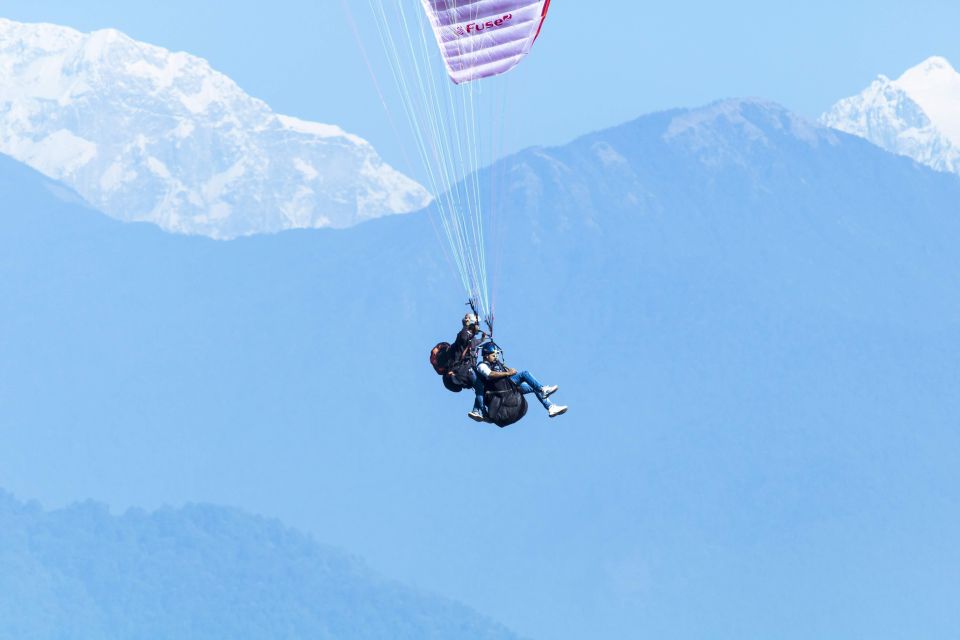
- First-time paragliders who want tandem flight over Pokhara highlights
- People who like aerial views of mountains, lakes, and city layouts
- Travelers who want an easy half-day plan with pickup and return
It’s not for:
- Children under 10
- People with mobility impairments or wheelchair users
- Anyone who expects to carry valuables around during the flight
If you do book, follow the clothing guidance seriously. Comfortable running shoes and a windbreaker are not style points here. Wind around the launch and landing can make you feel chilly fast, and you’ll want to focus on enjoying the flight rather than adjusting discomfort.
Should you book this Pokhara tandem paraglide?
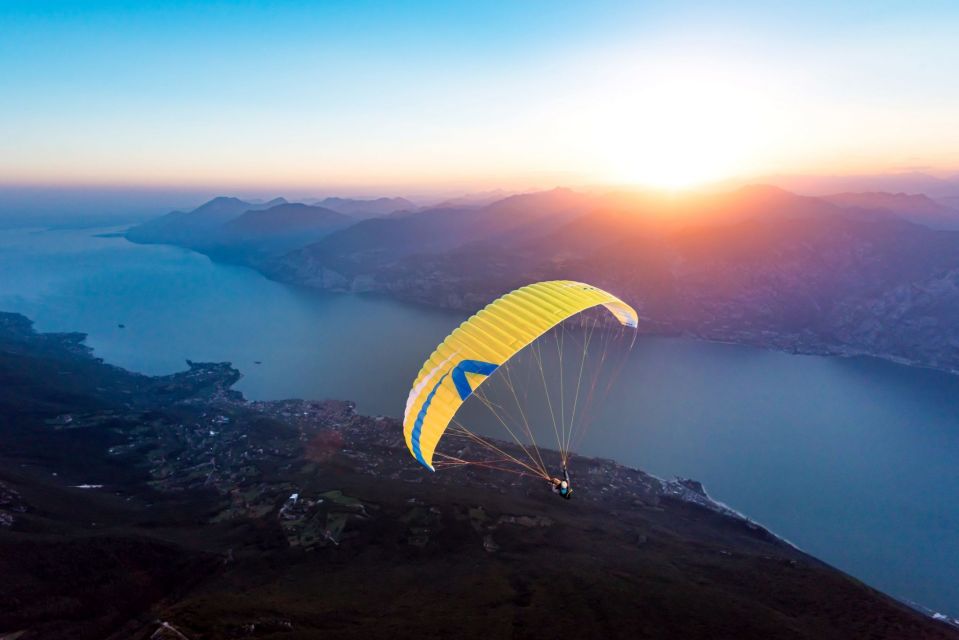
If you want the classic Pokhara view route—Sarangkot lift-off, Annapurna angles overhead, and a landing near Phewa Lake—this is a smart, straightforward way to do it. The inclusion of transfers, insurance, and professional photo/video helps it feel complete rather than piecemeal.
Skip or look for alternatives if you’re very time-sensitive, phone storage is an issue you can’t solve, or you have mobility limitations. And if wind conditions are a question mark on your travel day, plan your schedule with flexibility so you’re not rushing.
My decision rule is simple: if you’d rather pay for a smooth setup than gamble on logistics, book it and enjoy the ride. When Pokhara’s air is cooperating, this is the kind of experience you’ll be replaying later, one view at a time.
FAQ
How long is the paraglide flight?
The flight time is about 25–30 minutes, with a total experience duration of around 3 hours.
Where does the paragliding take off from?
You take off from Sarangkot, with launch from about 1,800 metres elevation.
What’s included in the price?
It includes hotel pickup and drop, a 30-minute flight with a professional pilot, professional photo and video, and insurance.
What should I bring?
Bring a passport or ID card, comfortable shoes, and a windbreaker. Wearing a full-sleeved top is also recommended.
Is the flight guaranteed to happen on time?
The activity depends on optimal wind and thermal conditions, so there may be additional waiting time if take-off conditions are unsuitable.
Is this experience suitable for children and people with mobility impairments?
Minimum age is 10 years old. It is not suitable for people with mobility impairments or wheelchair users.