REVIEW · POKHARA
Pokhara: Full-Day Sharing Bus Tour on 7 Iconic Destination
Book on GetYourGuide →Operated by My Dream Adventure · Bookable on GetYourGuide
One-day tours can be chaos. This one is a clean, organized way to stack Pokhara’s biggest sights into a shared bus day without needing your own transport. I love how the route mixes spirituality with real geology: Mahendra Cave and the nearby caves are the kind of sights you remember. The other win is convenience—hotel pickup in Lakeside and a drop near Fewa Lake keeps your day simple. The only caution: you’re mostly exploring on your own with timed stops, so you need to be ready to move at a local pace.
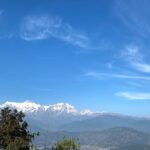
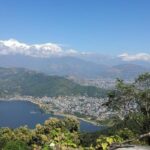
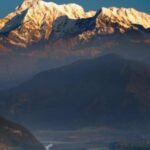
I also like that the day is built around variety. You’ll see iconic religious viewpoints like the Shiva Idol (Pumdikot) and World Peace Stupa, then switch gears to underground caverns and a river walk along the Seti. And if the weather is friendly, the bus ride itself can be a great way to catch mountain views. The possible drawback is that cave and waterfall timing can change (sometimes spots are shut or low on wildlife), and some days can run longer than the listed schedule.
In This Review
- Key Points You’ll Care About
- How a Shared Bus Loop Helps in Pokhara
- Starting at Lakeside: Pick Up, Then Pow of Pokhara Sights
- Pumdikot Shiva Idol: A Strong Cultural Start
- World Peace Stupa: Calm Views Without the Big Day Trip Hassle
- Devi’s Waterfall and Mahadev Cave: Nature + Sacred Space
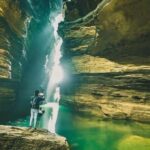
- Mahendra Cave: The Stalactite-and-Stalagmite Moment
- Bat Cave and Chamere: Underground Creatures (or Not)
- Seti River Banks: Watching Pokhara’s Water Power
- Bindabasini Temple: A Quiet Reset in the Middle of the Day
- Fewa Lake Drop-Off: Use Your Last Free Window
- Price and Entry Fees: Is US$12 Really Good Value?
- The Pace: Timed Stops, Self-Guided Freedom
- What to Pack (So You Don’t Regret It)
- Who Should Book This Tour, and Who Should Skip It
- Should You Book This One-Day Pokhara Sharing Bus Tour?
- FAQ
- What stops are included in this full-day Pokhara bus tour?
- How long is the tour?
- Is hotel pickup and drop-off included?
- Are entry fees included in the price?
- Is the tour fully guided?
- What should I bring and what’s not allowed?
Key Points You’ll Care About
- One ticket, many Pokhara icons: Shiva sights, World Peace Stupa, Seti River, and multiple caves in a single day.
- Cave focus that’s more than a photo stop: stalactites and stalagmites are a main event.
- Spiritual pauses that feel calm: Bindabasini Temple is designed for quiet, not rushing.
- A set-it-and-go day: you follow the schedule, then explore independently within time windows.
- Budget value with small add-ons: entry fees are not included (about US$ 4), and food is on you.
- Not for tight spaces: claustrophobia and back issues can be a deal-breaker because cave time is real.
How a Shared Bus Loop Helps in Pokhara
Pokhara can be a “do I rent a scooter or not?” kind of place. This shared bus tour solves that problem. For US$12, you’re basically paying for transportation between sights plus a structured plan so you don’t waste your one free day.
The itinerary is packed, but it’s not random. It’s built around a few strong themes: sacred Pokhara (Shiva and Bindabasini), dramatic nature (waterfall and river), and the underground world (Mahendra Cave and other cave stops). If you like being efficient and seeing a lot without the stress of driving, this works.
The trade-off is that you won’t get a slow, fully guided walkthrough at each site. You’re more in a “go explore, then return when it’s time” rhythm. That can be a plus if you like freedom, but it’s frustrating if you want a constant guide narration.
You can also read our reviews of more tours and experiences in Pokhara

Starting at Lakeside: Pick Up, Then Pow of Pokhara Sights
Pickup is included if you’re staying in the Lakeside area. That matters because Lakeside is where most visitors base themselves, and it avoids the awkward hunt for a meeting point. You’ll show up with your name card and climb aboard with other people doing the same plan.
The morning sequence leans into viewpoints first, then shifts into water and caves. That’s smart. Early in the day, you’re fresher, and you’re more likely to enjoy the walking and stairs without feeling cooked in the heat.
One small detail worth knowing: the tour experience you get depends on the day’s conditions. Some places may have closures or reduced activity, and timing is adjusted by whoever’s running the day. Having a flexible mindset keeps you happy even if one stop isn’t perfect.
Pumdikot Shiva Idol: A Strong Cultural Start
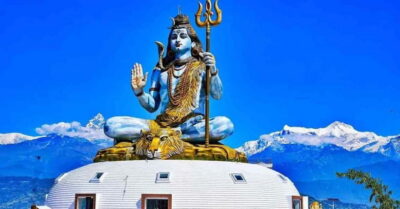
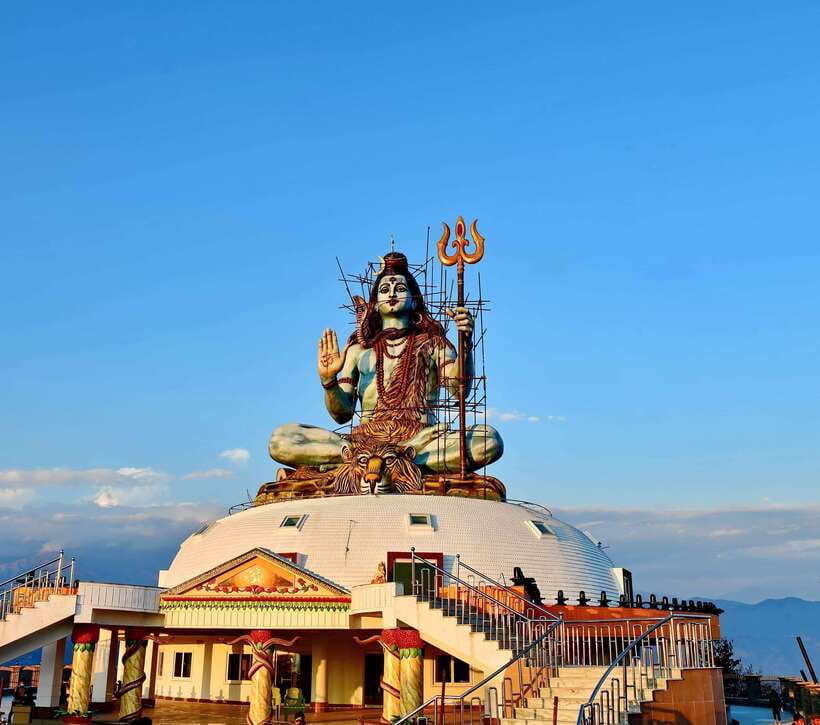
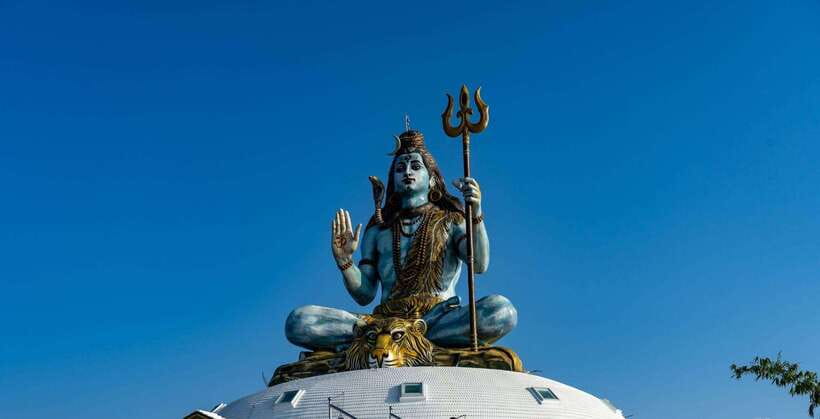
Your first big stop is the Shiva Idol at Pumdikot. This is one of those locations where you feel the local devotion in a way that’s hard to fake. Even if you’re not a temple person, it sets the tone for why Pokhara is more than just scenic lakes.
You’ll have time to look around and take photos, but what stands out is the atmosphere—religion as daily life, not just a sightseeing backdrop. If you enjoy understanding how places work for locals, this is a good opener.
Practical note: viewpoints like this usually involve walking on uneven ground. Wear shoes you trust. Comfortable shoes aren’t optional here; they’re how you keep your legs from rebelling by lunchtime.
World Peace Stupa: Calm Views Without the Big Day Trip Hassle
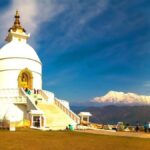
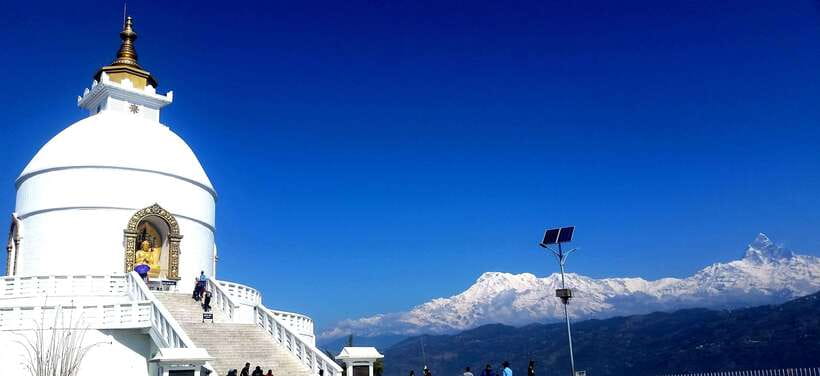
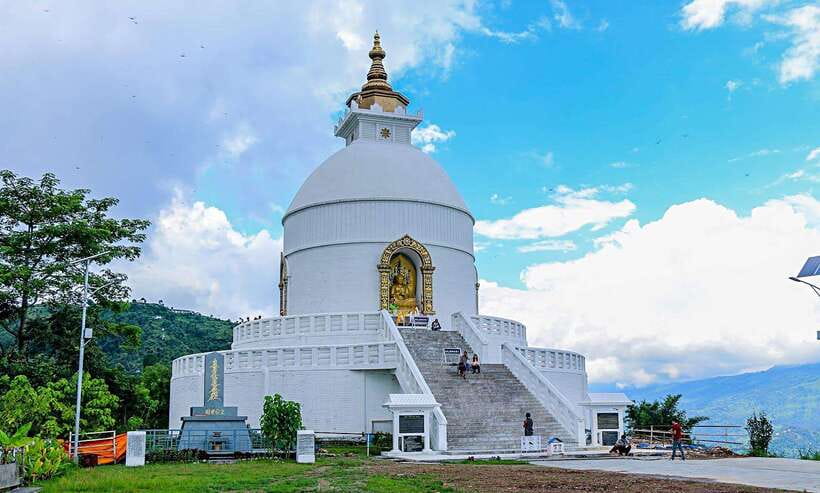
Next up is the World Peace Stupa. This is a classic Pokhara stop for a reason: it gives you a peaceful break from bus-and-queue energy while still feeling like you’re in a meaningful place.
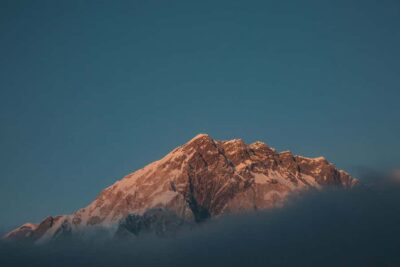
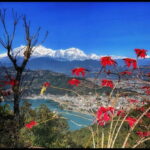
Even when you’re not focused on architecture, the stupa area is a place to slow down. You can sit, look around, and reset your brain. And if visibility is good, you may catch mountain views from the ride and surrounding angles, which many people find to be a highlight.
If you hate crowds, go in with realistic expectations. This is a shared bus tour, so you’ll be part of the flow. But the main benefit is that you’re hitting major spiritual sights without paying for separate tickets or hiring a car.
Devi’s Waterfall and Mahadev Cave: Nature + Sacred Space
After the stupa, the day turns toward water. You’ll visit Devi’s Water Fall, plus Mahadev Cave. The name pairing here is key: you’re seeing how Pokhara mixes worship sites with natural features.
Waterfall areas can be slippery and chaotic in the wrong conditions. If it’s been raining, take extra care. If it’s dry, you may still enjoy the setting, but the exact water level may vary.
Mahadev Cave is part of that same theme—natural space used through a spiritual lens. The cave stop isn’t just a tunnel for photos; it’s a real change in environment, with cooler air and more enclosed paths.


Mahendra Cave: The Stalactite-and-Stalagmite Moment
Now for the main cave highlight: Mahendra Cave. The big draw is what you see inside—stalactites and stalagmites form a living kind of geology. Even if you’ve toured caves elsewhere, this one tends to land because it’s right in the middle of a sightseeing loop, not a full expedition day.
This is also where you need to manage expectations. Caves can feel damp and dark, and the time you have underground is limited by the schedule. Go in ready to look, not ready to linger for an hour-long photo session.
If you’re traveling with friends and one person gets nervous, this is where you’ll see why the tour flags claustrophobia as a no-go. It’s not a wide, open visitor center. It’s a cave, and cave space is cave space.
Bat Cave and Chamere: Underground Creatures (or Not)
You’ll continue your underground adventure with Bat Cave and also mention of Chamere Cave as part of the overall cave section. The key here is that caves can be unpredictable day to day, and wildlife visibility isn’t something you can control.
That’s why it’s smart to treat this stop as a cave experience first, a bat experience second. The practical win is that you’re learning to look at the textures, the formations, and the way cave paths are laid out—whether or not you happen to see bats at that moment.
If one cave area is closed or not as active, the day can shift to keep the schedule moving. It’s not a guarantee of perfection, but it’s usually a sign the operators are trying to make the day work safely.
Seti River Banks: Watching Pokhara’s Water Power
Next you stroll down the banks of the Seti River. This is a very different vibe from the caves. The air is open, the walking feels easier, and you get to see the city’s water shaping the environment.
The Seti River can look almost gentle until you get close. Then you understand why the day emphasizes taking in the flow and the force of nature. It’s a reminder that Pokhara isn’t just scenery—it’s active terrain and active water.
Bring water, even if you’re not hiking. You’re still outside for parts of the day, and the sun can stack up quickly between stops.
Bindabasini Temple: A Quiet Reset in the Middle of the Day
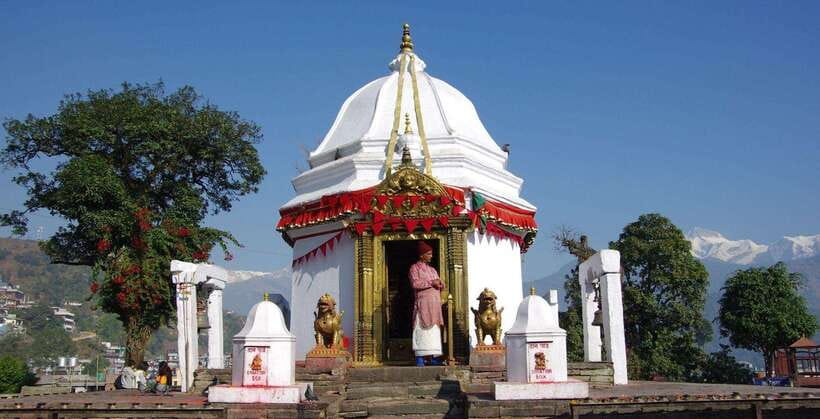
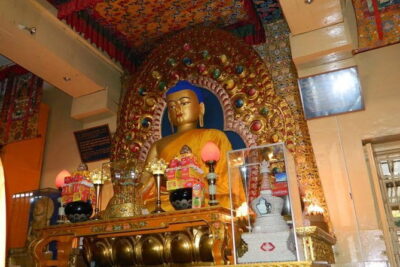
After the more energetic stops, the plan gives you a calm, spiritual break: Bindabasini Temple. This is one of the best moments in the itinerary if you like slowing down. The temple design and setting are meant for serenity, so you’re not just burning time between caves.
If you’re traveling solo, this kind of stop is especially good. You get a simple structure—look, sit, observe, reflect—without needing to coordinate with someone else.
This is also where you’ll feel the difference between a guided lecture and a self-paced exploration. You don’t need a talk to appreciate the atmosphere. You just show up, keep respectful behavior, and take your time.
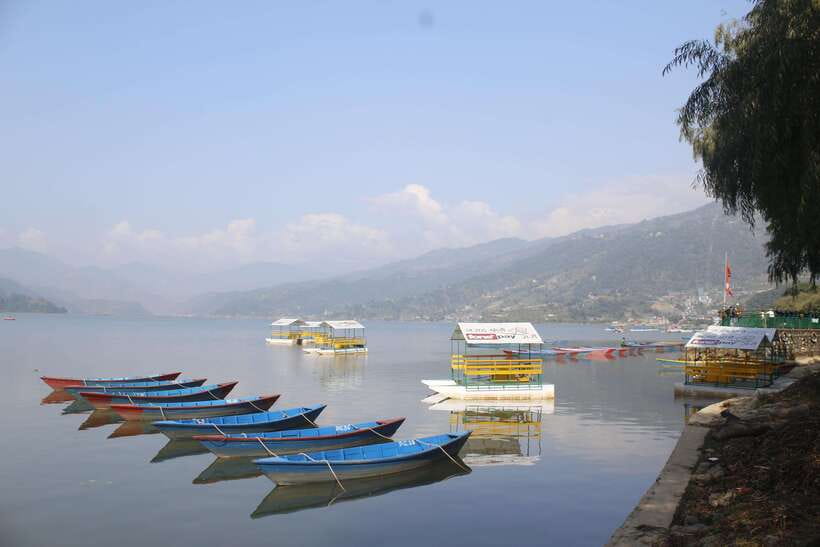
Fewa Lake Drop-Off: Use Your Last Free Window
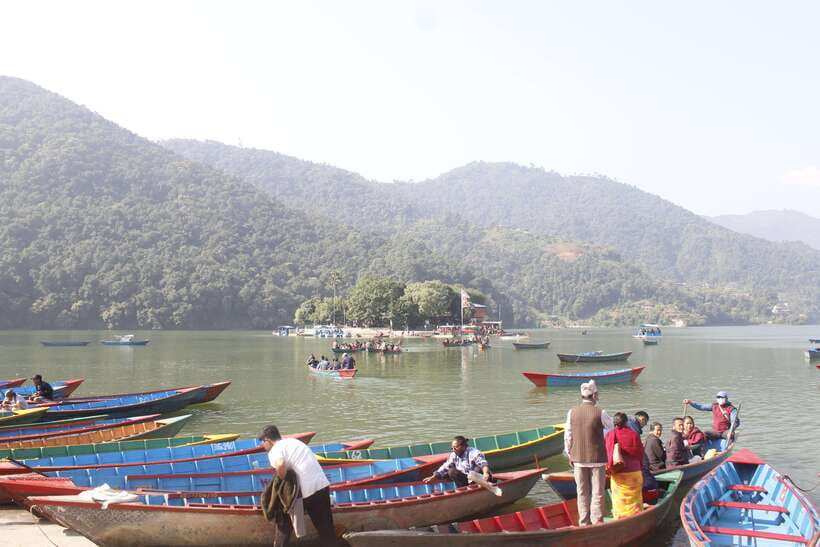
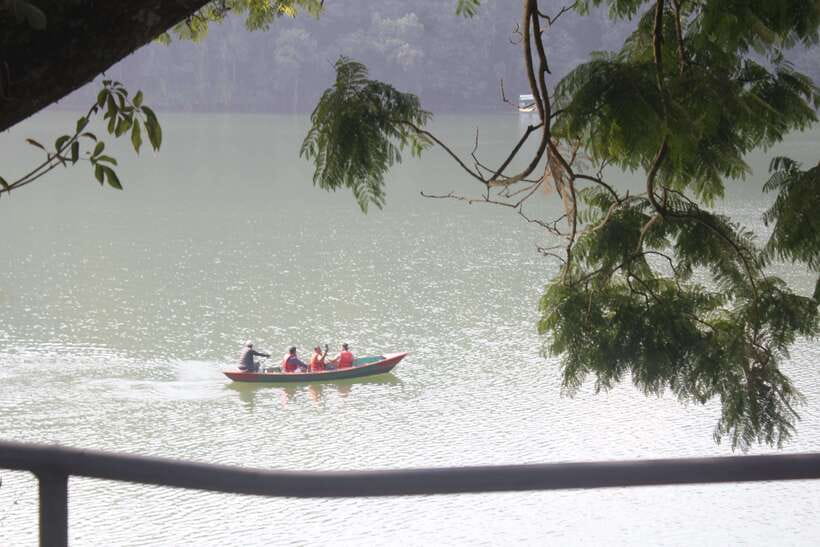
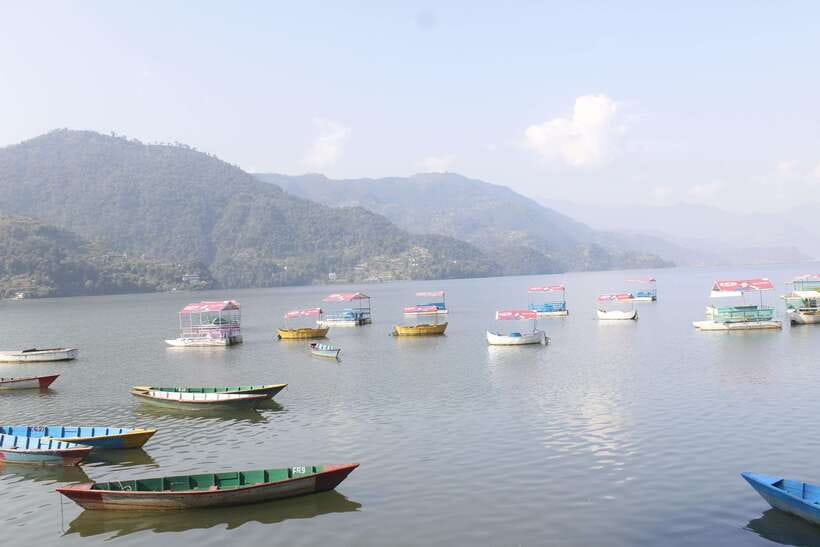
At the end, the bus drives you back toward Fewa Lake. You can typically opt to explore the Fewa Lake area on your own after the tour, or return to your hotel on the same bus at the same time.
This is a smart design. It gives you flexibility: if you want photos, sunset views, or a lakeside wander, you have the window. If you want to rest and recover, you’re not stuck in a hard return schedule.
If you’re short on time, even a quick lakeside walk can feel like a win. It ties the whole day together—caves and temples above and below, then back to the lake that frames Pokhara’s identity.
Price and Entry Fees: Is US$12 Really Good Value?
Let’s talk money plainly. The tour is US$12 per person. That price includes hotel pickup and drop-off within Lakeside, plus sightseeing by sharing bus. It does not include entry fees, listed at about US$4, and it does not include food and drink.
For many visitors, the big value is time. Hiring a private vehicle for this many stops would cost far more, even before you factor in driver time and vehicle costs. Here, the shared format spreads those costs out.
You do still need to budget small extras:
- Entry fees (about US$4 as listed)
- Lunch and snacks (not included)
- Water (bring it; you’ll want it)
So, the real question isn’t just whether US$12 is cheap. It’s whether you’re okay exploring independently with timed windows. If you are, this is one of the better value ways to see a lot without paying for a full private tour.
The Pace: Timed Stops, Self-Guided Freedom
This tour is described as having a guide, but the on-the-ground experience leans self-guided. In practice, you follow a set schedule and get time allocated at each attraction. You explore on your own, then return to the meeting point before the bus leaves.
I like this style for a day like Pokhara. You get structure without having to listen to a script every 15 minutes. But you need to be honest with yourself: if you want someone to explain every formation in the cave, you may not feel fully “guided.”
Timing can also vary a bit. Even though duration is listed as 6 hours, some days can run closer to 8 hours depending on traffic, weather, and how long people take at each stop. The smart move is to plan a low-pressure evening after.
Also note a couple practical realities:
- The bus ride can be hot or warm depending on conditions, though you might be upgraded to AC on some days.
- Pickup timing can be a small hiccup if the timing window gets tight, so keep your eyes open when the coordinator contacts you.
What to Pack (So You Don’t Regret It)
Bring the basics the tour recommends, because they’re tied to how the day actually feels:
- Comfortable shoes
- Camera
- Sunscreen
- Water
Add one more thought: in caves, your camera won’t help much unless you can manage low light responsibly. So also plan to look with your eyes first, not only through a phone screen.
And dress for warm weather in Pokhara. You’ll walk between sites and spend time outdoors near water, so breathable layers beat heavy clothing.
Who Should Book This Tour, and Who Should Skip It
This tour is a great fit if you:
- Have limited time and want a full day of major Pokhara highlights
- Don’t want to rent a scooter or arrange private transport
- Like a structured schedule but still want freedom to explore on your own
- Enjoy variety: temples, caves, river walking, and scenic stops
It’s not a great fit if you:
- Have back problems (cave paths and walking can be tough)
- Have claustrophobia (cave time is real)
- Use a wheelchair (the stop style isn’t designed for accessibility)
If you fall into one of those categories, it’s safer to choose a gentler plan with fewer enclosed spaces.
Should You Book This One-Day Pokhara Sharing Bus Tour?
I’d book this tour if you want a smart, budget-friendly way to see the best of Pokhara in one day. The value is strong because the pickup/drop-off plus transportation between major sites would cost much more any other way. I also appreciate the balance: you get spiritual places for calm, and cave-and-river stops that bring the natural side of Pokhara into focus.
Skip it if your top priority is a deeply guided, slow explanation at each stop. Also skip it if caves are a problem for you. This is a “get in, get around, get out” day—efficient and interesting, but not gentle.
FAQ
What stops are included in this full-day Pokhara bus tour?
You’ll visit the Shiva Idol (Pumdikot), World Peace Stupa, Devi’s Water Fall, Mahadev Cave, Mahendra Cave, Bat Cave, the Seti River area, Bindabasini Temple, and then you’ll return via the Fewa Lake area.
How long is the tour?
The tour duration is listed as 6 hours. Some schedules can run longer depending on conditions.
Is hotel pickup and drop-off included?
Yes. Pickup and drop-off are included within the Lakeside area of Pokhara.
Are entry fees included in the price?
No. Entry fees to the monuments are not included and are listed at about US$ 4.
Is the tour fully guided?
The tour is set up with a schedule and time at each stop, but you explore the attractions on your own within the allocated time.
What should I bring and what’s not allowed?
Bring comfortable shoes, a camera, sunscreen, and water. Smoking and alcohol/drugs are not allowed.