REVIEW · KATHMANDU
From Kathmandu: 1 hour Panoramic Everest Flight
Book on GetYourGuide →Operated by Nepal Social Treks · Bookable on GetYourGuide
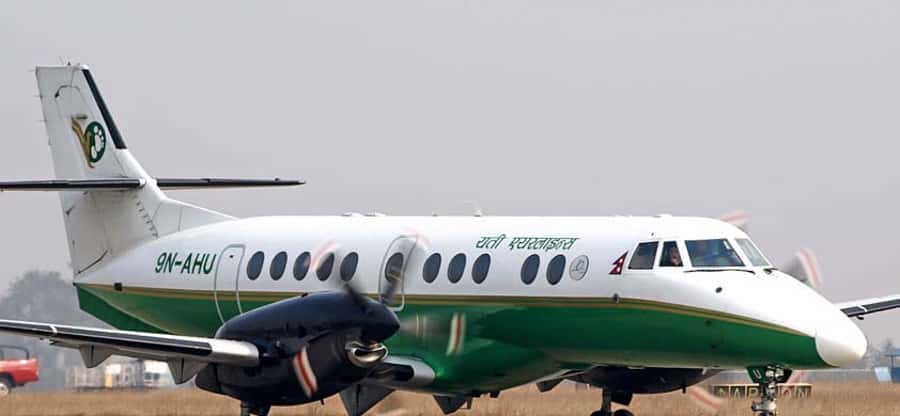
Everest, minus the trek. This one-hour panoramic flight from Kathmandu is a fast, high-altitude way to see why the Himalaya keeps pulling people back in. You fly early, usually with a small jet feel, and you come back the same day with a view of Everest and a long chain of big-name peaks.
Two things I really like: the guaranteed window seat for every passenger, and the fact that the crew/host helps you follow what you’re seeing, not just stare out into clouds. One thing to consider: the route and visibility depend heavily on weather, and some people are surprised by how close you actually get to specific summits on the flight path.
In This Review
- Key Highlights at a Glance
- One Hour Above Kathmandu: What the Flight Feels Like
- Guaranteed Window Seat: How Peak Spotting Works in Real Life
- Everest Route Expectations: The Peaks You Can Plan Around
- Morning Logistics From Tribhuvan: Security, Pickup, and Timing
- Weather Is the Real Co-Pilot: How Visibility and Delays Work
- What’s Included in the Price, and Where Value Comes From
- What to Bring (and What to Leave Behind)
- Who This Flight Fits Best (and Who Might Want Different Options)
- Should You Book This Everest Panoramic Flight?
- FAQ
- How long is the flight?
- Where does the tour start and end?
- Do I get a seat with a view?
- Is hotel pickup included?
- What if the weather is bad?
- What should I bring?
- Are there luggage restrictions?
Key Highlights at a Glance
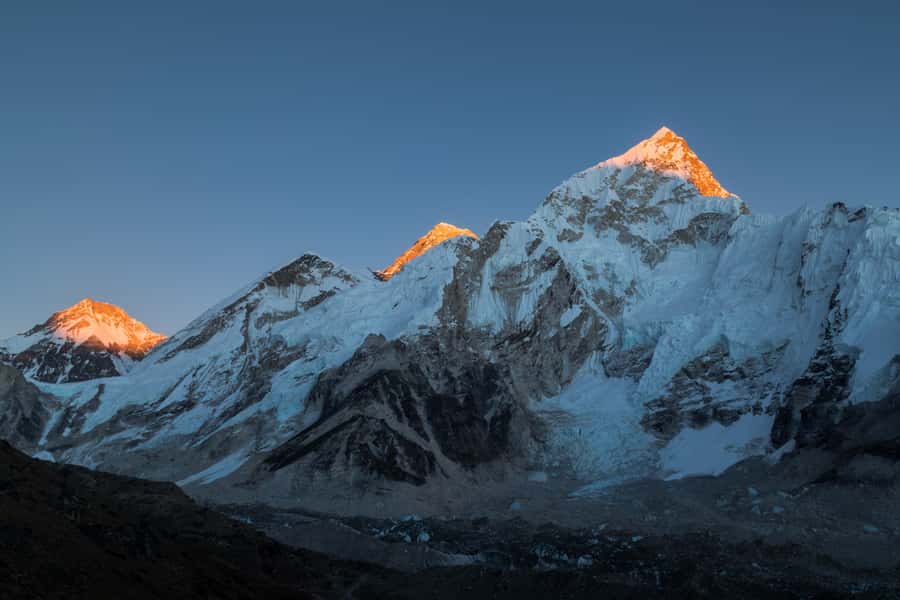
- Guaranteed window seat so you’re not stuck craning for a view
- Everest plus other major peaks spotted along the route toward the east
- Crew help with mountain identification, often with active pointing out of peaks
- Hotel pickup option in Kathmandu and Patan to simplify your morning
- Small-jet experience that keeps things feeling direct and uncomplicated
- If weather cancels the flight, you may reschedule rather than lose the trip
One Hour Above Kathmandu: What the Flight Feels Like
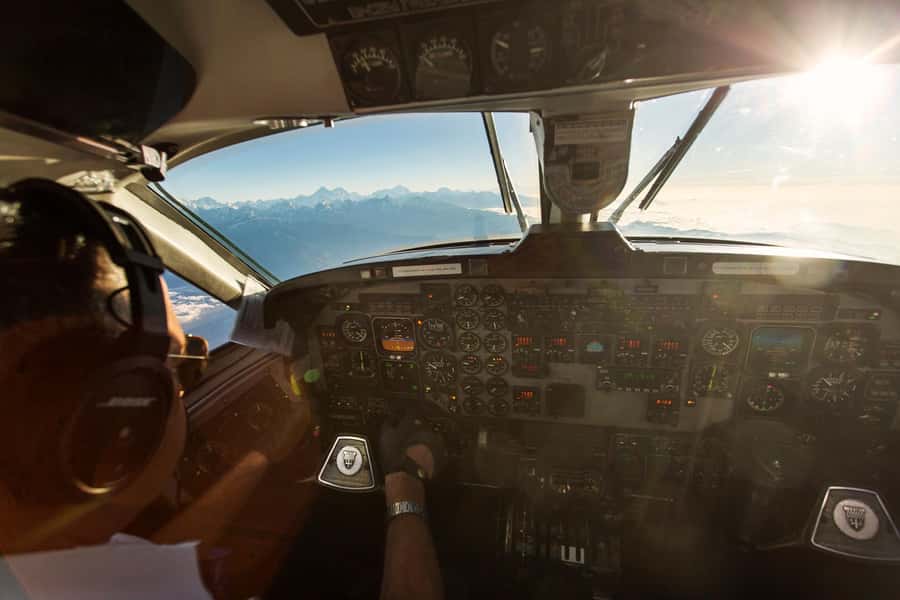
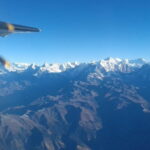
This is an early-morning flight designed for people who want the Himalaya without days of trekking. You depart from Tribhuvan International Airport’s domestic terminal and stay in the air for about an hour. That sounds short until you realize you’re watching one of the world’s most dramatic mountain systems unfold from the sky, often with peaks popping into view as the aircraft climbs above cloud and haze.
Expect a quick rhythm: check in, security handling, then you’re boarding. Once you’re airborne, the experience becomes about eye-level scale. Even when Everest sits at a distance, the mountain’s size doesn’t translate well on postcards. From the air, it’s harder to describe and easier to understand. You also get a sense of depth across the range, where ridgelines stack on top of ridgelines and the snowline looks crisp and real.
You can also read our reviews of more tours and experiences in Kathmandu
Guaranteed Window Seat: How Peak Spotting Works in Real Life
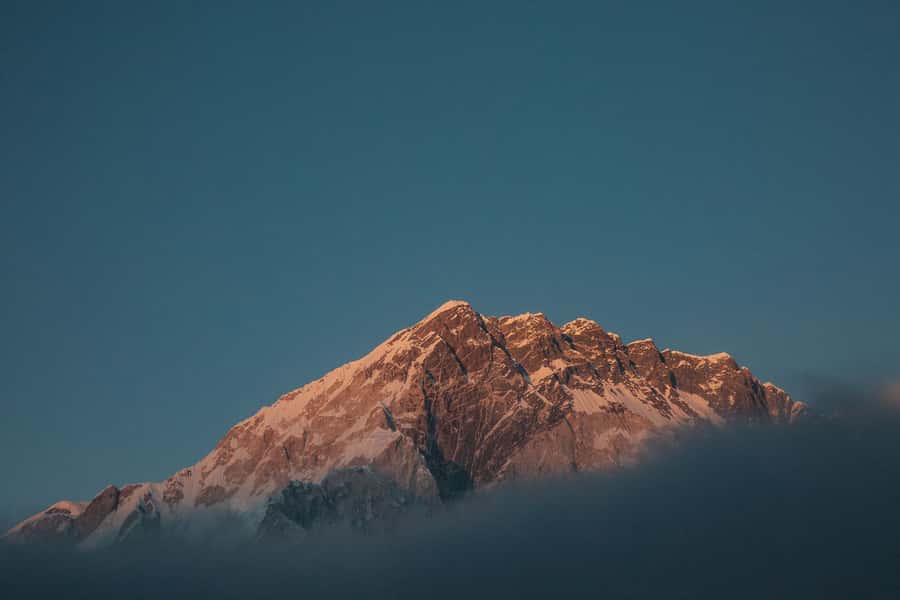
The main value here is not just flying. It’s flying with a seat position that makes the views usable. With a guaranteed window seat, you don’t have to play the morning-airport game of hoping you’ll end up on the right side.
You’ll also benefit from the way the flight experience is run. The host/greeter is English-speaking, and you’re guided on what mountains you’re seeing as you go. In practice, that matters a lot because the Himalaya can be confusing from the air. The view is spectacular, but the names help your brain connect the dots—especially when you’re seeing multiple peaks in a short amount of time.
A couple of extra touches may appear on some flights. Some passengers report being allowed into the pilot cabin and receiving a small end-of-flight celebration such as a glass of champagne or an Everest photo signed by the captain. Those details aren’t something you should base your decision on, but they’re a nice reminder that this isn’t just a cattle-call flight.
Everest Route Expectations: The Peaks You Can Plan Around
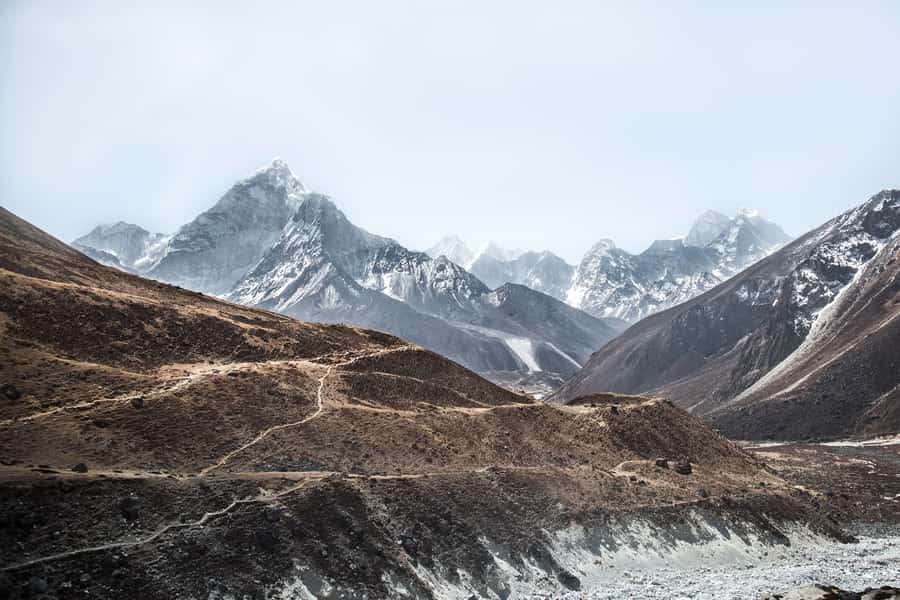
Here’s the practical part: you don’t need to memorize every peak name, but it helps to know the big ones that tend to appear on this type of panoramic run. The aircraft heads east after takeoff, and the mountains come closer and closer as you move along the range.
You may spot Gosaithan—also called Shisha Pangma—at about 26,290 feet (8,013 meters). Next, Dorje Lhakpa can show up around 22,000 feet (7,000 meters), and the shapes can be surprisingly distinctive from the air. Phurbi-Chyachu often sits above the Kathmandu Valley view as you get your bearings.
The flight also passes regions tied to major climbing stories and big-world-name summits. Gauri-Shanker, which has spiritual importance (Lord Shiva and Gauri are linked in local belief), is noted as having first successful climbs in 1979. Melungtse and Chugimago are part of the broader arc, with Chugimago still waiting for a first climb.
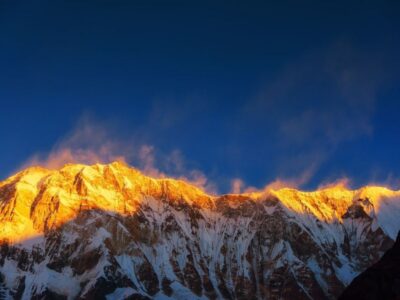
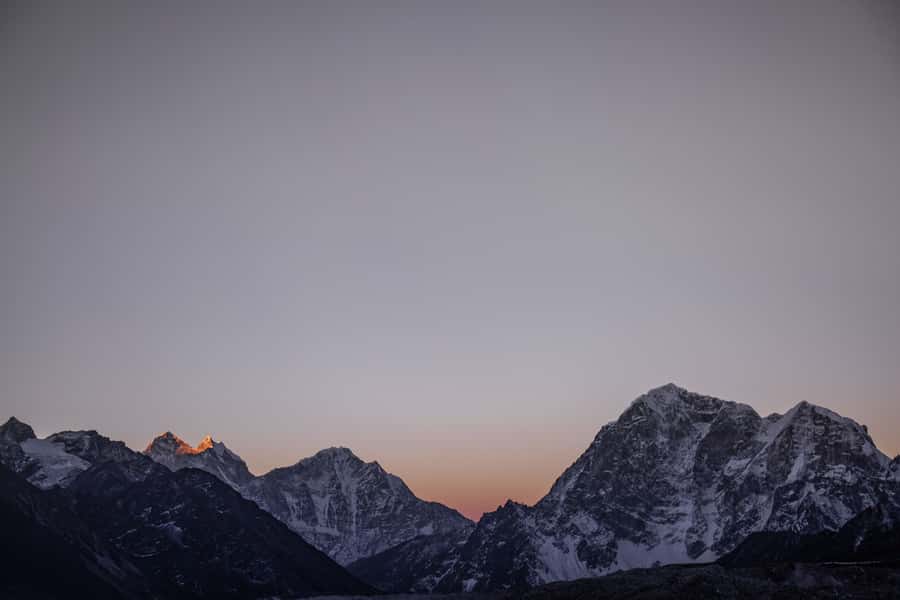
As the sun rises higher, you may see Numbur and Karyolung catching light with a brighter, intensely white look. Then Cho-Oyu can appear, listed at about 27,000 feet (8,201 meters), followed by other giants that signal you’re moving toward the Everest end of the show: Gyachungkang, Pumori, and Nuptse (each listed over 22,000 feet / around 7,000 meters).
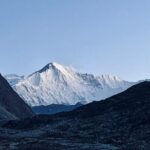
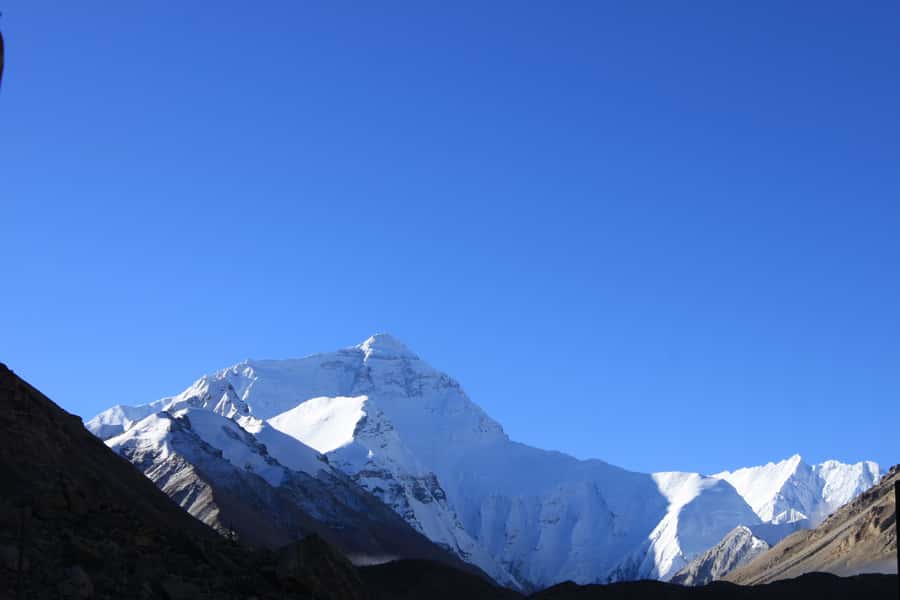
And then Everest. The mountain is called Sagarmatha in Nepal and Chomolungma in Tibet. From the air, it can feel unreal: huge, still, and strangely hard to capture in a photo because your brain keeps trying to zoom in and measure it. One important reality check: this is still a panoramic flight, not a close-in helicopter style of approach. Some people expect Everest to be nearly right overhead; others are happy with a clearly visible summit even if it’s not as close as advertised.
Morning Logistics From Tribhuvan: Security, Pickup, and Timing
This flight starts at Tribhuvan International Airport in the domestic departure terminal. If you add the pickup option, you can be collected from Kathmandu or Patan, which is the simplest way to handle an early-morning departure when you don’t want to negotiate taxis in the dark.
The experience includes airport tax, and it’s set up to help you avoid waiting in the usual security lines. Several passengers describe the overall organization as smooth and punctual, especially when a guide escorts you through the process. Names that come up in that kind of helpful support include Ganesh (guide) and Suman (driver), along with responsive operator communication from people such as Nabin Pandey and Nirajan.
One thing to remember: airport flow can still be chaotic on the ground. Even with good flight handling, getting into the airport and finding your way can be a bit of a push-and-stand-around situation at peak times. If you’re the kind of person who hates uncertainty, plan to arrive early and keep your documents ready.
Also factor in the “shared sky” reality. Multiple similar flights can depart around the same window, and that can create minor delays due to the number of aircraft taking off and landing at the same time.
Weather Is the Real Co-Pilot: How Visibility and Delays Work
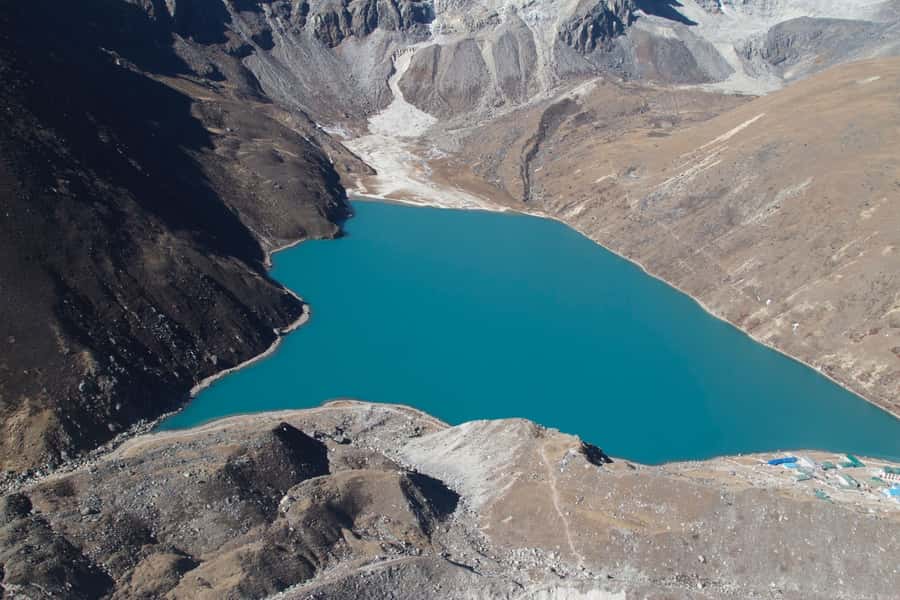
This is not a ride you can treat like a guaranteed-sun photo shoot. The flight is subject to weather conditions on the day. When weather isn’t suitable for flying, the flight may be rescheduled for the following day.
That matters more than people expect. Thin haze and cloud layers can knock the clarity down fast. A strong weather day can make the peaks look crisp and striking; a weaker day can still be beautiful, but you may see the range for less time or through more atmospheric blur. Some passengers report getting their best views after crossing above clouds, while others note visibility lasted only around 25 to 30 minutes during their flight before things softened again.
The upside: the fact that they cancel or shift plans based on weather is also a signal of safety-minded operations. If your schedule allows flexibility, this is one experience where you should be open to trying again the next morning if needed.

What’s Included in the Price, and Where Value Comes From
The listed price is $215 per person for a one-hour panoramic flight. That’s not cheap, especially when you compare it to the cost of local transport or even a short museum visit. But you are paying for something different: a direct, time-efficient way to get high-impact views of Everest and a chain of major peaks from one of the closest departure points on earth.
What you get for that money:
- A one-hour scenic flight
- Guaranteed window seat
- Airport tax
- Optional hotel pickup and drop-off if you select it
- Express security handling
What’s not included:
- Departure airport taxes
So the value question is simple. If you can’t or don’t want to trek, and you want a “Himalaya hit” that fits into a tight Kathmandu schedule, this is one of the more efficient ways to do it. You also get a guided experience in the air (English host/greeter and mountain spotting help), which improves the odds that you’ll leave feeling like you actually saw something specific, not just random white mountains.
What to Bring (and What to Leave Behind)
This is a comfort-light flight. Bring:
- Passport or ID card
- Warm clothing
You’ll also want comfortable clothing and shoes, even though you’re not doing a long walk. Even in Kathmandu, early mornings and airport waiting times can feel chilly, and you’re higher up in the air, so warm layers help.
Don’t bring:
- Luggage or large bags
- Smoking
Keep your kit small. It makes security and boarding smoother and reduces stress when the morning is already early.
Who This Flight Fits Best (and Who Might Want Different Options)
This works best if you fall into one of these buckets:
- You want Everest views but you’re not trekking
- You have limited time in Nepal and want maximum payoff fast
- You care about having a real view from your seat (not a maybe situation)
- You’d rather pay for a short flight than trade days for altitude access
It may not fit as well if:
- You expected to fly extremely close to the highest peaks. On a panoramic flight, there can be a noticeable distance even when Everest is clearly visible.
- You hate waiting for weather decisions. If visibility is poor, you might get limited clarity or a reschedule.
If you’re the “I need the sharpest possible summit close-up” type, lower your expectations for distance. If you’re the “I want to see Everest and I’m happy as long as visibility is decent” type, you’ll likely feel very satisfied.
Should You Book This Everest Panoramic Flight?
I think you should book it if your priority is a fast, high-impact Everest experience with a guaranteed window seat and reliable handling from the Kathmandu side. The $215 price makes sense when you frame it as one hour in the air replacing the time and effort of trekking. The bigger win is how organized it feels in practice: punctual pickup (when selected), express security, and mountain spotting help that turns the views into a story you can follow.
Book with two expectations in mind. First, weather controls clarity and timing. Second, this is panoramic, so Everest might not be as close as your dreams from marketing photos. If you can be flexible and you’re excited to see the Himalaya with your own eyes, this flight is a very strong way to end a Nepal trip with something memorable and immediate.
FAQ
How long is the flight?
The flight is about one hour.
Where does the tour start and end?
It starts at Tribhuvan International Airport at the domestic departure terminal and ends back at the same meeting point.
Do I get a seat with a view?
Yes. Each participant has a guaranteed window seat.
Is hotel pickup included?
Hotel pickup and drop-off are optional. It’s available from Kathmandu and Patan if you choose that option.
What if the weather is bad?
The flight is subject to weather conditions. If weather is not suitable, the flight may be rescheduled for the following day. If it’s cancelled, you can ask for a refund.
What should I bring?
Bring your passport or ID card and warm clothing.
Are there luggage restrictions?
Yes. Luggage or large bags are not allowed, and you can’t smoke.