REVIEW · KATHMANDU
14 Days Everest Base Camp Trek
Book on Viator →Operated by Eco Nepal Trekkers · Bookable on Viator
Everest starts with a Lukla hop. This 14-day trek strings together classic Khumbu highlights: Namche Bazaar, the Tengboche monastery, Everest Base Camp, and a pre-dawn push to Kala Patthar for sweeping views.
I like how the trip handles the heavy lift of logistics, from airport pickup in Kathmandu to domestic flights and the full permit package. I also like the pacing that builds in real acclimatization stops, not just long slog days.
One consideration: the schedule includes Lukla flying, and those flights can be weather-dependent. Also, tips for guide, porter, and driver are not included.
In This Review
- Key things that make this Everest Base Camp trek work
- Why the Everest Base Camp route feels like it has a spine
- Day 1 in Kathmandu: Thamel hotel and a smooth start
- Lukla flight day and Day 2–3: from Ramechhap to the Everest trail
- Namche acclimatization and the Everest View Hotel break
- Tengboche monastery day: more than views, it is a spiritual waypoint
- Dingboche and Nagarjun Hill: rest day that actually helps
- Toward Lobuche, then Gorakshep: the Khumbu Glacier edge
- Kala Patthar sunrise and the return to Namche and Lukla
- Kathmandu again: last flights, shopping time, and farewell dinner
- Price and logistics: what $2,200 actually buys you
- The human factor: guide and company support
- Comfort reality check: lodges, cold nights, and shared porters
- Who should book this Everest Base Camp trek
- Should you book it? My practical verdict
- FAQ
- What airport support is included?
- Are the Lukla domestic flights included in the price?
- How many nights will I stay in Kathmandu, and what is the hotel like?
- Are permits included for the Everest region?
- Will I have a guide and porter?
- What meals are included during the trek?
- Is travel insurance included?
- Are hot showers and WiFi included?
- Do I need to pay tips?
- What is the cancellation window for a full refund?
Key things that make this Everest Base Camp trek work
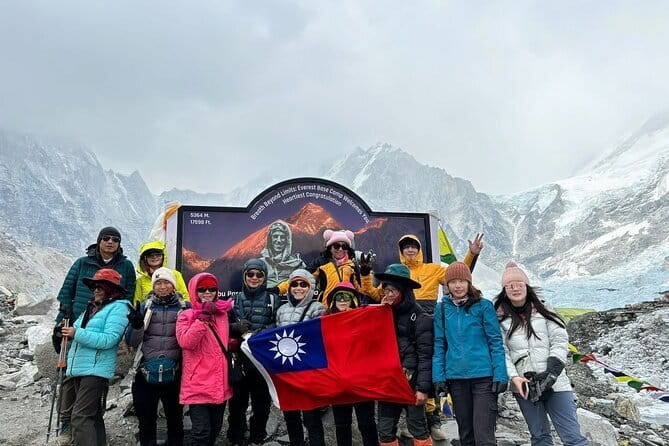
- Local-company organization you can feel: the team led by owner Pemba and guided by people like Prayash is known for hands-on care.
- Permits handled: Sagarmatha/Everest National Park permits and TIMS are included, so you are not chasing paperwork on the ground.
- Acclimatization built into the route: rest days in Namche and Dingboche help you handle altitude better.
- Big-view days at Tengboche and Kala Patthar: monastery views and a 5,545 m summit-side sunrise are major anchors.
- Guide + porter system: a government-licensed guide and a porter (shared across clients) keep your energy for walking.
- Food and Kathmandu basics included: trek meals are covered and you get 2 nights in a 3-star Thamel hotel with breakfast.
Why the Everest Base Camp route feels like it has a spine
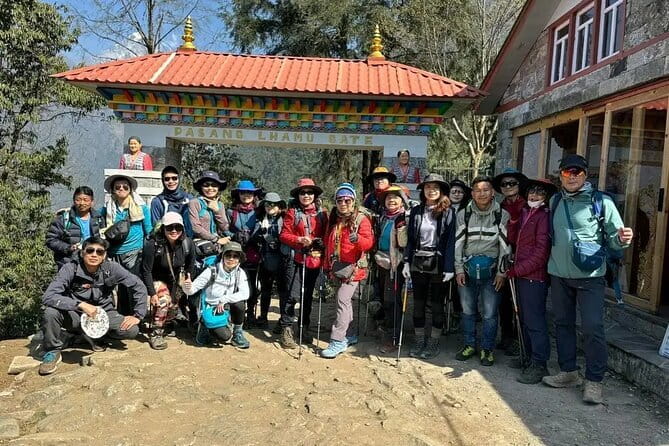
This trek is all about progression. You start in Kathmandu and settle into the Everest region through the trail rhythm: climb, gain altitude slowly, then step back just enough to let your body adjust.
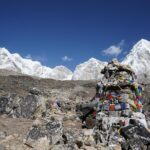
Along the way, you get more than the famous endpoint. The walking passes glacial moraines, with rugged, raw-looking terrain that frames the peaks in a way you just do not see from flat viewpoints. You also move through rhododendron country at certain elevations, and the region’s mix of Sherpa villages, prayer flags, mani walls, and stone chortens adds texture to each day.
The physical side matters here. The plan is built for a moderate fitness level, but you still need stamina for steep sections and high-altitude walking. If you treat this as a series of hikes rather than a challenge, you will likely enjoy it a lot more.
You can also read our reviews of more hiking tours in Kathmandu
Day 1 in Kathmandu: Thamel hotel and a smooth start
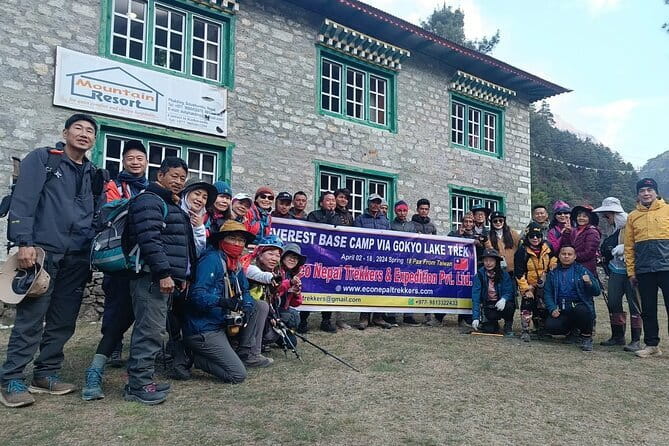
You do not have to figure out Kathmandu logistics after flying in. The trip includes private airport pickup and drop-off, plus a hotel in Thamel for your first night.
That first afternoon is your buffer day. You can orient yourself, pick up any last bits of gear if you forgot something, and eat a normal meal before the trekking routine begins. You also have time to confirm that your daypacks are set up the way you like, because once you are on the trail, your packing choices matter.
You get 2 nights in a 3-star Kathmandu hotel on a twin-share basis with breakfast. That is a solid comfort base before you head to the mountains.
Lukla flight day and Day 2–3: from Ramechhap to the Everest trail
Day 2 starts with a drive: roughly 4 to 5 hours from Kathmandu to Manthali, in the Ramechhap area. Then you fly to Lukla, a short flight that serves as your on-ramp to the Khumbu.
From there, the trek launches toward Phakding. This is one of those early days where you can feel the altitude creeping in, but you are still finding your stride. It helps to walk calmly, keep your breathing steady, and resist the urge to power uphill early.
On Day 3 you reach Namche Bazaar via Monjo, the entrance area to Sagarmatha National Park. The day is described as difficult but rewarding, and that matches the feel of this section: you are working, and then suddenly the region opens up into something big.
You pass through Sherpa communities like Benkar and Chumoa. That is more than a scenic detail. These villages are part of the way people live and organize life in the Khumbu, and it helps you connect the trail to real communities rather than treating it as just a hiking route.
Namche acclimatization and the Everest View Hotel break
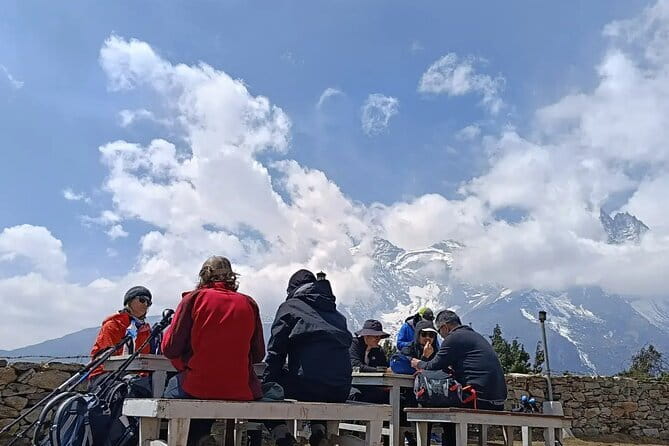
Days 4 is where the itinerary starts doing what good altitude plans do: it slows you down in the right places. You reach Namche Bazaar and use it as an acclimatization day.
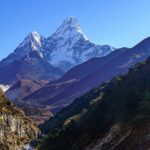
The highlight is the walk to the Everest View Hotel for 360-degree views. You are looking for that feeling of the mountains layering out in every direction, with peaks like Ama Dablam, Thamserku, Everest, and Nuptse called out in the plan. That matters because it gives you a reference point for later days.
This is not a day to chase speed. It is a day to help your body adjust while keeping your legs active. If you want your later walking days to feel less punishing, these kinds of breaks are worth their weight in gold.
Tengboche monastery day: more than views, it is a spiritual waypoint
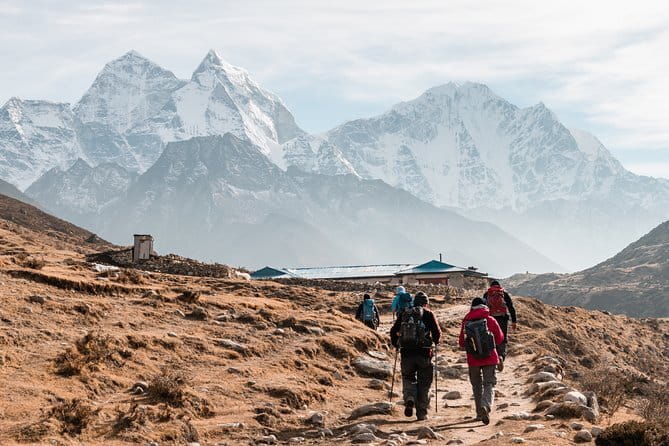
Day 5 brings you to Tengboche, a revered area with an ancient monastery. This part of the trek often feels like a shift from “get there” hiking into “take it in” walking.
The route is described as having fewer steep sections. That is perfect for photographers and for anyone who tends to overexert early. You are also in the right zone for classic Khumbu visuals: Ama Dablam framed from the trail, prayer flags, and stupas.
Tengboche is also known in this plan for sunrise and sunset views of Everest. Even if weather plays games, being at this altitude and at this location gives you the best chance to see the peaks when the sky clears.
One practical note: early morning and late evening cold can be serious. Plan for it mentally so you do not feel surprised when temperatures drop fast.
Dingboche and Nagarjun Hill: rest day that actually helps
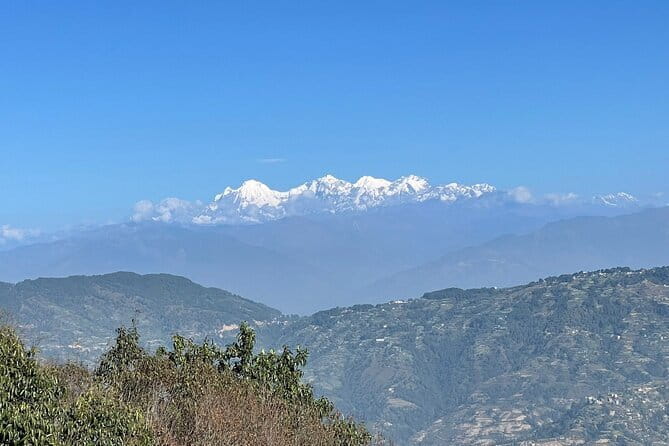
Days 6 and 7 focus on Dingboche, another key acclimatization stop. You pass Pangboche on the way, with views of Mt. Ama Dablam, plus religious landmarks like chortens and mani walls. This is the kind of detail that makes the trek feel grounded in local life.
Day 6 gets you to Dingboche, and Day 7 is the rest-and-adjust day. The plan still keeps you moving with a quick walk to Nagarjun Hill (5,100 m). That combo is smart: it avoids complete inactivity, but it does not demand a long, draining trek.
You get rewarded with stunning scenery. More importantly, you set yourself up better for the later climb toward the glacier zones and Base Camp area.
Toward Lobuche, then Gorakshep: the Khumbu Glacier edge
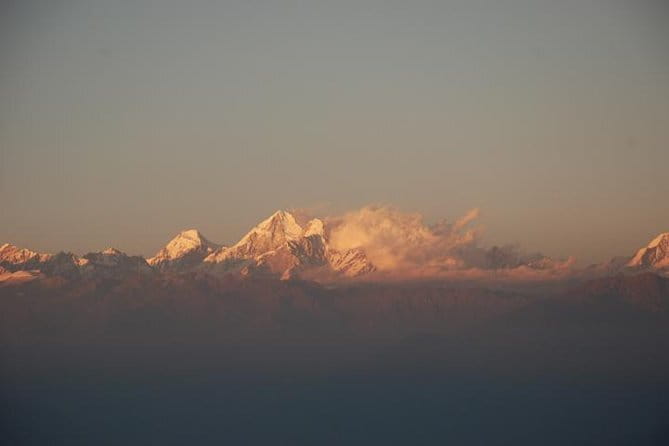
On Day 8 you head toward Lobuche (and into the Pheriche Valley area). The walk includes gradual ascent through alpine brush and yak pastures, with big views of Ama Dablam, Tawoch, and Cholotse from the valley floor.
This is a day where it helps to slow down and stay consistent. The terrain can feel more demanding because you are higher and the air is thinner, even if the trail is not always steep.
Day 9 is the big turning point: you reach Gorakshep, a village encircled by snow-capped mountains along the Khumbu Glacier lateral moraine. Then you work toward Everest Base Camp. In other words, you are not just hiking toward a dot on a map; you are reaching a real high-altitude staging area where the world’s biggest mountain effort comes close to your own effort.
Once you arrive, the feeling is usually part awe, part relief. You made it through the climb-and-acclimatize rhythm.
Kala Patthar sunrise and the return to Namche and Lukla
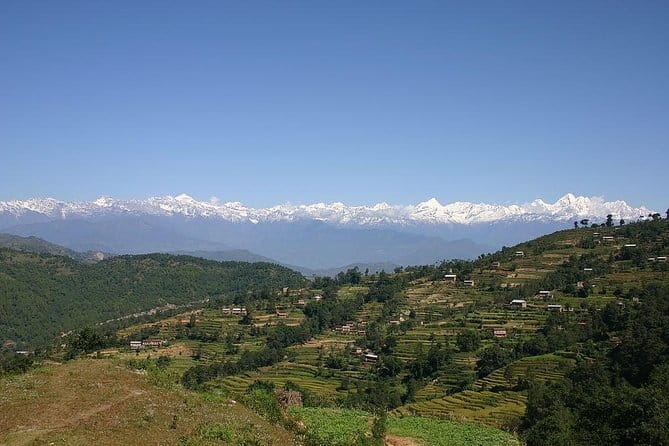
Day 10 is a pre-dawn push to Kala Patthar (5,545 m). The plan describes it as strenuous, and that is honest. This is the kind of day where pace and breathing matter more than heroics.
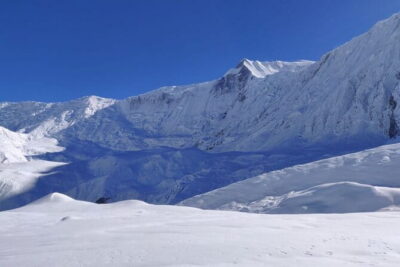
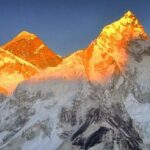
You are rewarded with a panoramic view that includes Everest, Nuptse, Lhotse, and Ama Dablam, plus a full 360-degree scene. This is why many people plan their whole trip around this moment: the mountain grouping looks different when you are high and close, and the light can make the rock and snow texture pop.
After that comes the return. Day 11 starts moving you toward Namche Bazaar again. The trail declines with some uphill stretches, and forests and flora return to the scenery. It can still feel like a long, difficult day, especially after the physical effort of the Kala Patthar morning.
Day 12 brings you back along the path to Lukla. The plan calls this the last day of hiking, and once you reach Lukla you get to relax and sleep—an underrated part of trekking success. When your legs are tired, a real night of rest changes how you handle the next travel steps.
Kathmandu again: last flights, shopping time, and farewell dinner
Day 13 is travel day. Once you reach Lukla, you take a flight back to Kathmandu (or to Manthali Airport, depending on flight availability and weather). Then you get time to shop and pick up Nepal souvenirs.
Day 14 is straightforward: a staff member takes you to the airport about three hours before your departure. This helps prevent the last-minute rush that can sour a perfect trek ending.
You also get a farewell dinner in a typical Nepali restaurant. It is a nice way to close out the trip with food that feels like it belongs to the region, not a generic tourist wrap-up.
Price and logistics: what $2,200 actually buys you
At $2,200 per person, this is not a budget trek. But compared to what is typically required for Everest Base Camp—domestic flights, permits, guide time, and high-altitude support—it is priced in a way that feels realistic for a properly run trip.
Here is what is included:
- Airport pickup and drop-off in Kathmandu via private vehicle
- Domestic flight ticket (LUK–RMH–LUK) plus domestic airport tax
- 2 nights in a 3-star Kathmandu hotel (twin share) with breakfast
- Trek meals: breakfast, lunch, dinner during the trek
- Permits: Sagarmatha/Everest National Park and TIMS
- Government-licensed trekking guide
- Porter service (noting that 1 porter is assigned to two clients)
- Farewell dinner
- Achievement certificate after completing the trip
- Staff wages, accommodation, meals, gear, insurance, plus government taxes and VAT
What you should budget for separately:
- Nepal entry visa fee
- International airfare to/from Nepal
- Travel insurance (and it’s specifically not included for high-altitude emergency evacuation)
- Personal trekking gear and equipment
- Lunch and dinner in Kathmandu
- Hot shower, WiFi, bar, and beverage bills during the trek
- Drinks (alcohol, mineral water, hot water, coffee) and sweet snacks during the trek
- Tips for your guide, porter, and driver
So the value is strongest if you want a full-service trek where you do not need to manage permits or flights on your own. If you already have your own gear and you are comfortable arranging permits and transportation, you might feel the price is more than you need. But for most people, the included structure is what protects your time and reduces stress.
The human factor: guide and company support
This is where the reviews carry weight. The local company behind this trek, Eco Nepal Trekkers, shows up in the feedback for customer care and organization.
Owner Pemba is specifically credited with customizing trips and taking care of everything for trekkers doing routes like EBC plus Chola Pass and Gokyo Lakes. That tells me the company is not just running a calendar; it is paying attention to what your days need to be.
One guide named Prayash is mentioned as helping trekkers through the trek. That is what you want a guide to do: keep you moving safely, explain what is next, and help you handle the moments when your body is tired or you are unsure about pace.
The other thing that stands out in the feedback is lodge and day-trip selection being described as perfect, plus a lot of support and humanity during transitions. On this trail, those small choices matter. You are spending hours walking, then you need a safe, workable place to eat, rest, and recharge.
Comfort reality check: lodges, cold nights, and shared porters
This trek is not a private luxury experience. You are using typical mountain lodges and dining spaces along the route. That is part of the charm, but it also means comfort varies by altitude and season.
Porters help with your luggage, but the plan notes a shared porter system (1 porter for two clients). So even though you are not carrying heavy items, you still need to carry a daypack with essentials. Pack smart, because in high altitude, every extra item feels heavier.
Expect cold mornings, especially for Kala Patthar. Plan for layers and a warm hat even if you start the day in mild weather.
Who should book this Everest Base Camp trek
This is a good match if you want:
- a well-paced itinerary with acclimatization days in Namche and Dingboche
- a government-licensed guide and porter support
- domestic flights and permits taken care of
- a private tour setup where only your group participates (and it requires at least 2 travelers)
It may not be a fit if:
- you cannot handle the idea of high-altitude walking and a strenuous Kala Patthar day
- you are not comfortable with weather affecting Lukla flight timing
- you want luxury comforts like WiFi and hot showers included (those are not part of the package)
Should you book it? My practical verdict
I think this trek is worth serious consideration if you want the classic Everest Base Camp experience with the right structure. The inclusion of permits, domestic flights, meals during the trek, and a licensed guide makes it easier to focus on the mountains instead of paperwork and logistics.
If your goal is maximum certainty, no trek can promise that because Lukla flying depends on weather. But the route design, the acclimatization stops, and the human support from the team (with leaders like Pemba and guides like Prayash showing up in feedback) are the signs of a trip that is trying to keep you safe and on track.
If you do book, put money aside for visa, insurance, drinks, and tips. The mountains will take your breath. You do not want money stress on top of it.
FAQ
What airport support is included?
The trip includes airport pickup and drop-off in Kathmandu via private vehicle.
Are the Lukla domestic flights included in the price?
Yes. Domestic flight tickets (LUK–RMH–LUK) and domestic airport tax are included.
How many nights will I stay in Kathmandu, and what is the hotel like?
You stay for 2 nights in a 3-star hotel in Kathmandu on a twin-sharing basis with breakfast included.
Are permits included for the Everest region?
Yes. Permits for Sagarmatha/Everest National Park and TIMS are included.
Will I have a guide and porter?
Yes. You get an experienced, government-licensed trekking guide, and a porter is provided to carry luggage. The plan notes that 1 porter is assigned to two clients.
What meals are included during the trek?
Meals during the trek include breakfast, lunch, and dinner. A farewell dinner is also included.
Is travel insurance included?
No. Travel insurance, including high-altitude emergency evacuation coverage, is not included.
Are hot showers and WiFi included?
No. Hot shower, WiFi, bar, and beverages bills are not included.
Do I need to pay tips?
Yes. Tips for your trekking guide, porter, and driver are not included.
What is the cancellation window for a full refund?
You can cancel up to 6 days in advance for a full refund, meaning at least 6 full days before the experience’s start time.