REVIEW · KATHMANDU
Everest Base Camp Trekking – 13 Day
Book on Viator →Operated by Trekking Planner Nepal · Bookable on Viator
Altitudes change fast, so planning matters.
This 13-day Everest Base Camp trek is built around taking the stress out of logistics while keeping you moving through the Khumbu with an experienced team. You’ll fly from Kathmandu to Lukla, trek through places like Namche Bazaar and Tengboche, and end with the big views from Kala Patthar before easing back toward Kathmandu.
What I like most is the mix of proper pacing and meals and lodge stays handled for you, so you can focus on the trail. I also appreciate that this is a private trek setup, which makes it easier to personalize your day-to-day rhythm without wrestling with a chaotic group.
One thing to consider: this is altitude trekking, and even with rest and acclimatization days, you still need to take your body seriously. If you’re not used to long uphill days (and the cold mornings), you’ll feel it—so pack well and don’t treat the schedule like a casual hike.
In This Review
- Key Highlights You’ll Feel on the Trail
- Why This 13-Day Everest Base Camp Trek Feels Low-Stress
- Kathmandu Arrival and the Lukla Launch: Where the Trek Starts to Feel Real
- Namche Bazaar and the Dudh Koshi Corridor: Scenery With a Purpose
- Tengboche to Dingboche: The Trail Teaches You Cold and Patience
- Into the Higher Valleys: Past Chortens, Mani Walls, and Long Views
- The Everest Base Camp Day: Lobuche to the Big Destination
- Kala Patthar at Sunrise/Pre-Dawn Timing: The Classic Finish Up High
- Downhill Back to Namche: Periche, Dudh Koshi, and Relief That Still Counts
- Final Descent to Kathmandu: One Last Mountain Day
- Meals, Lodges, and the Real Tea-House Rhythm
- Price and Value: Is $1,399 a Fair Deal?
- Guides Make or Break an EBC Trek: What You Get Here
- Fitness, Gear, and Staying Warm Without Overbuying
- Who This Trek Is Best For (And Who Might Want Something Else)
- Should You Book This Everest Base Camp Trek?
- FAQ
- What’s included in the trek price?
- Are flights between Kathmandu and Lukla included?
- What’s not included in the price?
- Is this a private trek or shared group experience?
- What fitness level do I need?
- Does the itinerary include acclimatization days?
- What gear should I bring?
- Will the trek run in bad weather?
Key Highlights You’ll Feel on the Trail
- Flights from Kathmandu and Lukla are included, which matters because most of your time is spent trekking, not arranging transport.
- All meals during the trek portion are included, so you’re not constantly budgeting or hunting for food mid-day.
- Acclimatization days are built in, including time in Namche Bazaar and a dedicated adjustment day around Dingboche.
- Private trekking lets you personalize, even on a set 13-day structure.
- Guides focus on timing and clarity, with daily itinerary explanations and walk-time estimates mentioned in guest reviews.
- Kala Patthar is included, giving you a classic high-view finish before descending.
Why This 13-Day Everest Base Camp Trek Feels Low-Stress
The Everest Base Camp trek is famous for big effort and bigger payoff, but it’s also a logistics puzzle. This trip helps you sidestep the headaches: airport pickup in Kathmandu, guided trekking, trailside lodge stays, and meal coverage on the trekking days.
I especially like that the plan is written to keep you moving with intent. You’re not just wandering from village to village—you’re pushed toward smart acclimatization at the right moments, then toward the Base Camp push when your body has had time to adapt.
The private setup also changes the vibe. When it’s your group only, your guide can adjust based on how you’re feeling instead of playing traffic-controller for a crowd.
You can also read our reviews of more hiking tours in Kathmandu
Kathmandu Arrival and the Lukla Launch: Where the Trek Starts to Feel Real
Day 1 is a straightforward Kathmandu arrival: you’re met at Tribhuvan International Airport, handled through customs formalities, then escorted to a hotel. It’s the kind of start that helps you get your bearings fast, without you turning the first day into an errands marathon.
On Day 2, you shift from city to mountain fast. You organize trekking gear and pack beforehand, then head out early for the Lukla flight—the gateway to the Everest region.
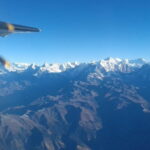
Even if you’ve seen videos, the flight is the moment the trip goes from idea to reality. After landing in Lukla, you’ll begin moving along the trail system that feeds into Namche Bazaar, and you’ll feel the rhythm: walk, pause, breathe, walk again.
Namche Bazaar and the Dudh Koshi Corridor: Scenery With a Purpose
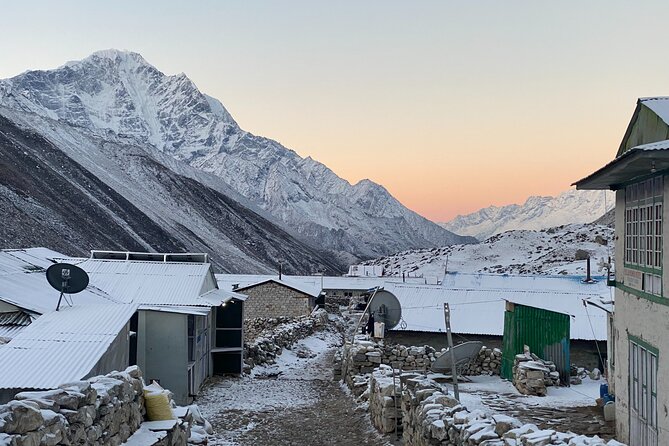
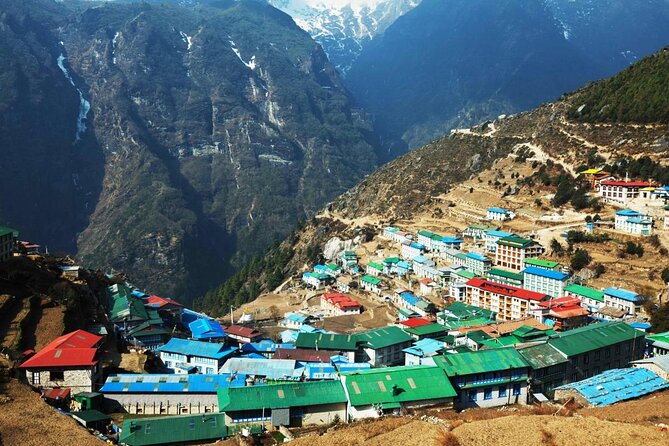
Day 3 follows the Dudh Koshi River toward Namche Bazaar, with first glimpses of high peaks and a trail that gradually builds your effort. Expect suspension bridges and the classic mix of “wow” views and steady footwork.
Day 4 is an actual rest and acclimatization day in Namche Bazaar. That town is more than a waypoint—it’s where you catch your breath, handle small supplies, and get a feel for Khumbu life. Reviews also point to guides explaining the next day’s plan clearly, which helps you rest with less worry.
This is a key part of the itinerary. If you blow through Namche too quickly, the rest of the trek gets harder in the wrong way. A well-timed rest day can mean feeling strong later instead of fighting a headache.
Tengboche to Dingboche: The Trail Teaches You Cold and Patience
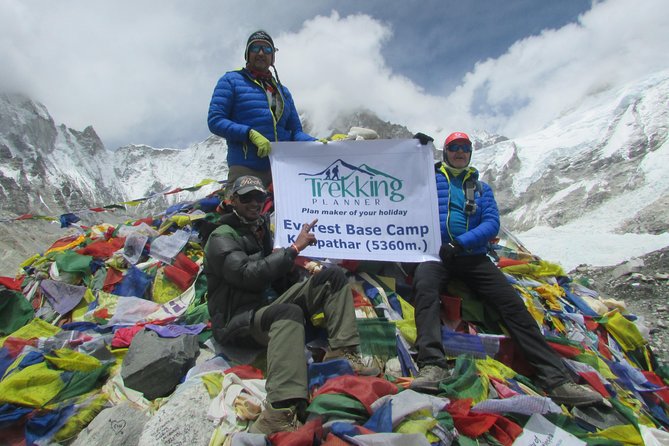
Day 5 is a step up in altitude with a short but steep climb out of Namche, then a more level walk through forested sections to Kenjoma and Sanasa. This is where you learn to pace: don’t sprint early just because you feel good.
Day 6 starts with the next big highlight area—Tengboche is known for dramatic early light—and then you move toward Dingboche. You’ll descend from Dingboche to Deboche along the way, with the trail offering views but also reminding you that gravity works in both directions.
Day 7 is another acclimatization day, again using short hikes to higher altitudes to help your body adjust. It’s a smarter approach than treating the “higher” days like a series of traps. You’ll also be in a position where the air feels thinner before you fully commit to the push onward.
Into the Higher Valleys: Past Chortens, Mani Walls, and Long Views
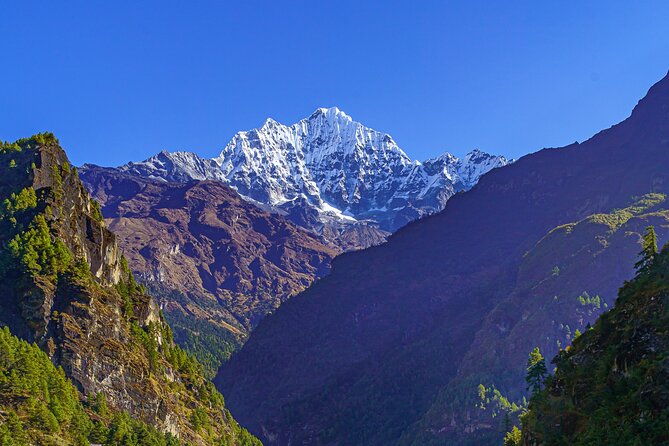
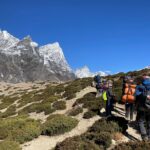
Day 8 gradually climbs from Dingboche through grazing areas and mountain scenery. The route also passes prayer-related markers like chortens and mani walls, so the walk isn’t just physical—it also feels cultural and grounded.
If you like your treks to have meaning, this day helps. You’re still walking hard, but the scenery and details slow you down just enough to notice things beyond the next climb.
Day 8 matters because you’re transitioning from the “getting ready” phase into the altitude reality phase. When the trail begins to feel more like a test, you’ll be thankful the schedule didn’t rush you.
The Everest Base Camp Day: Lobuche to the Big Destination
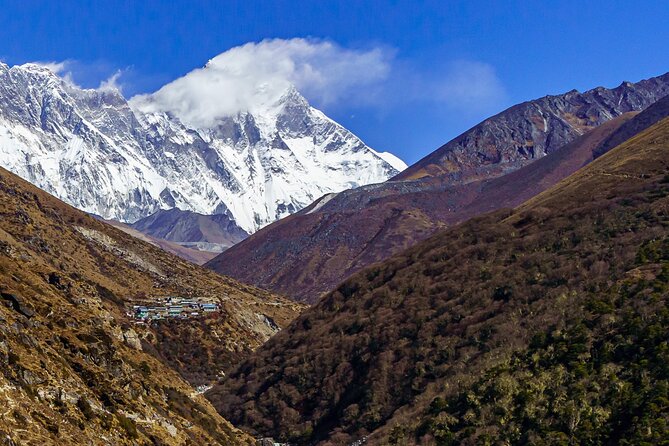
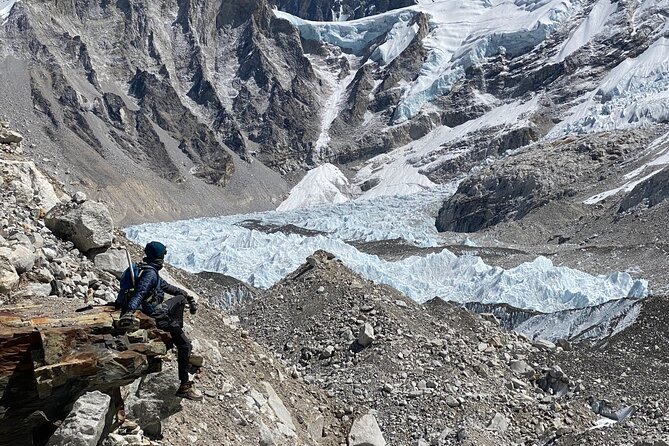
Day 9 is the day you’re waiting for: trekking toward Everest Base Camp, with an early start and a reminder to take altitude seriously. The itinerary specifically calls out acute mountain sickness risk, so you should treat slow pacing as a strategy, not a weakness.
The walk begins from Lobuche, and it’s the kind of day where your thoughts keep shifting between effort and awe. You’ll feel the thin air, and the best move is to walk like you’re in no hurry.
This is also where your guide’s judgment matters. In reviews, guides like Milan are credited with explaining what the next day will look like and estimating walk times based on physical ability—small details that can prevent people from overreaching.
Kala Patthar at Sunrise/Pre-Dawn Timing: The Classic Finish Up High
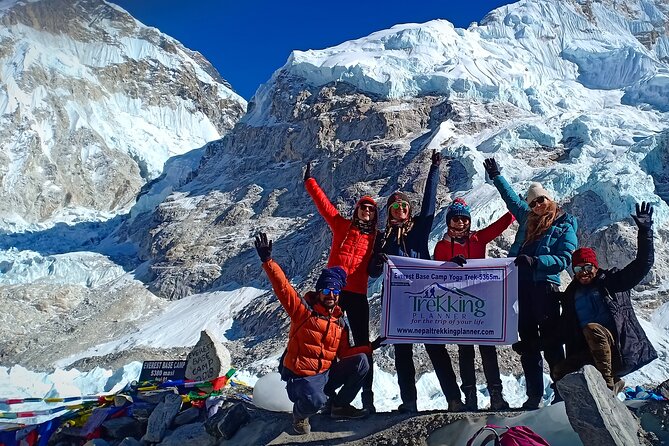
Day 10 takes you to Kala Patthar, then you descend to lower altitudes. This is a day that people remember because it’s high, cold, and very worth it when the timing is right.
The itinerary notes that you’ll prepare before day breaks and go out early. That matters because views are often about weather and light, not just elevation. Guides who manage timing well can help you plan your effort around those changes.
A review also highlights a guide’s ability to predict sunset times and coordinate challenging timing with the day’s trek. Even though your exact side-activities may differ, the takeaway is universal: you want a guide who thinks ahead, not one who guesses.
Downhill Back to Namche: Periche, Dudh Koshi, and Relief That Still Counts
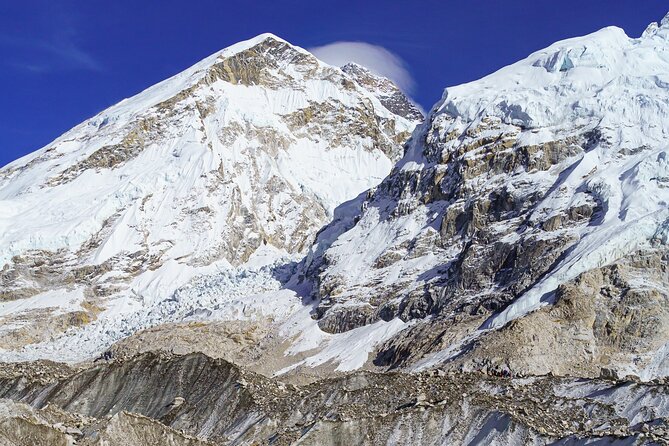
Day 11 returns from the Everest area toward Periche and then onward to Namche Bazaar. It’s described as mostly downhill, and the Dudh Koshi River returns to accompany you.
Downhill days can feel like a victory lap, but they’re still work. Your knees, quads, and energy management all matter because the altitude is still in the background even when you’re dropping lower.
Day 12 continues the descent story. You leave the vicinity of Namche and head toward riverbed areas, including confluence regions along the Dudh Koshi. This isn’t “easy walking,” but it’s a different kind of challenge—less breathless, more steady and careful.
Final Descent to Kathmandu: One Last Mountain Day
Day 13 brings you back to Kathmandu after an adventurous stay in the Khumbu region. Weather can affect flight timing, so the itinerary notes you’ll fly early due to possible disturbances during the day.
When you land back in Kathmandu, the contrast is huge. You’ll likely feel wiped out but also strangely clear-headed—like your body finally stops negotiating for air and starts processing everything you just did.
Meals, Lodges, and the Real Tea-House Rhythm
Your trek includes nightly accommodation in trailside lodges and meals during the trekking portion. The trip also lists lunch, dinner, and breakfast inclusions, while meals in Kathmandu aren’t covered.
This is a big value point because Everest Base Camp treks can cost more than you expect once you add dining options, snacks, and frequent drinks. Here, you’re guided toward predictable daily calories so you can keep moving.
One practical note: alcohol isn’t included, and personal extras (phone calls, battery recharge, bar and beverage costs) are on you. That’s normal for Nepal treks, but it’s worth deciding ahead of time what you want to spend versus keep for souvenirs.
Price and Value: Is $1,399 a Fair Deal?
At $1,399 per person, this trek is priced for all-in support: flights (Kathmandu ↔ Lukla), lodge stays, and meal coverage during the trek days, plus fees like TIMS and national park entrance. For many first-timers, that’s the real bargain—when you pay once, you avoid the drip-drip costs and decision fatigue.
It’s also structured as a private tour/activity, which can be a major quality upgrade if your group is smaller and wants a calmer pace than you’d get with larger mixed groups.
There are a couple of price-related considerations. The info notes group and family discounts may be available, and solo departures can involve a single surcharge of USD 150 if you don’t join an existing group. If you’re traveling alone and you want the lowest total cost, this is the part to watch.
Guides Make or Break an EBC Trek: What You Get Here
A lot of Everest Base Camp experiences rise or fall on guide quality. In the feedback you provided, the strongest praise is consistent: guides are responsible, clear about what’s next, and focused on pacing and safety.
Milan is praised for always explaining the next day’s itinerary in advance and offering walk-time estimates based on your physical ability, plus planning around timing like sunset. Dibash gets credit for handling logistics smoothly, and one guest specifically called him a pro at the job.
Achyute (and in one review, Achyut Mishra) is praised for taking care of people during a tough itinerary and offering solutions when challenges come up. Ratna is credited with turning the trek into an amazing experience, and Ganesh (a porter) is specifically mentioned for bringing luggage in each day.
What that adds up to for you: you should expect a guide who communicates clearly, keeps the schedule realistic, and helps reduce the mental load of figuring out what to do next.
Fitness, Gear, and Staying Warm Without Overbuying
The trek calls for moderate physical fitness and expects you to be ready for long walking days and cold mornings. The itinerary operates in all weather conditions, with the reminder to dress appropriately, so you need layers and protection that can handle wind and snow.
The provided gear list is practical and specific. You’ll want trekking shoes, a waterproof outer layer (a Gore-Tex type layer is mentioned), a warm woolen cap, gloves, a raincoat, and good socks. The list also suggests carrying a day pack (25 to 40 liters) and bringing a small towel and toilet paper—because you can buy lower-quality toilet paper on the route.
Don’t overpack the wrong things. A heavy suitcase is your enemy on a lodge trek, even if your porter system helps with luggage. Stick to what you’ll actually carry on the trail and keep your layers sensible.
Who This Trek Is Best For (And Who Might Want Something Else)
This Everest Base Camp trek fits best if you want a guided, structured experience with minimal logistics work. If you like the idea of someone else handling the planning, meals, and lodge coordination, you’ll likely appreciate the “show up and go” feel.
It’s also a good choice if you value timing. The repeated themes in reviews point to guides who manage schedules, explain daily plans, and reduce surprises—important when altitude makes every decision feel bigger.
If you’re a hardcore minimalist who wants maximum independence, you might find a private all-in structure less appealing. But if it’s your first EBC trek and you want fewer moving parts, this is a strong match.
Should You Book This Everest Base Camp Trek?
I’d book it if you want Everest Base Camp with flights covered, meals handled, and a guide who focuses on pacing and clarity. The itinerary’s built-in acclimatization days and the emphasis on timing (including early starts like Kala Patthar) are exactly what keeps first-timers on track.
I’d think twice if you know altitude and cold hit you hard and you’re not ready to take pacing seriously. With that said, this is also the kind of trek where having a responsible team pays off—so long as you pack right, walk smart, and respect the schedule.
If you want, tell me your fitness level, travel month, and whether you’re going solo or with others, and I’ll help you sanity-check if this 13-day pacing feels like the right fit.
FAQ
What’s included in the trek price?
The package includes Kathmandu to Lukla to Kathmandu flights (with airport departure tax), TIMS card and national park entrance fee, trailside lodge accommodation, and meals during the trek portion (lunch, dinner, and breakfast). It also includes all applicable government and local taxes as per the itinerary.
Are flights between Kathmandu and Lukla included?
Yes. Flights from Kathmandu to Lukla and from Lukla back to Kathmandu are included.
What’s not included in the price?
Alcoholic drinks, meals in Kathmandu, personal expenses like phone calls and battery recharge, personal travel and health insurance (including helicopter evacuation insurance), and your Nepal visa fees are not included. Food and drinks are only included where specified by the itinerary.
Is this a private trek or shared group experience?
It’s listed as a private tour/activity, so only your group will participate.
What fitness level do I need?
You should have a moderate physical fitness level.
Does the itinerary include acclimatization days?
Yes. The schedule includes rest and acclimatization time in places like Namche Bazaar and another dedicated acclimatization day around Dingboche, with short hikes to higher altitudes.
What gear should I bring?
You should bring trekking shoes, a day pack (25 to 40 liters), a waterproof outer layer, warm caps and gloves, rain protection, and several pairs of good socks. The list also includes items like a small hand towel and toilet paper.
Will the trek run in bad weather?
The tour operates in all weather conditions. The guidance is to dress appropriately for the conditions you’ll face.