REVIEW · KATHMANDU
From Kathmandu / Pokhara / Chitwan: River Rafting – 1 Day
Book on GetYourGuide →Operated by Rainbow Adventure & Travel · Bookable on GetYourGuide
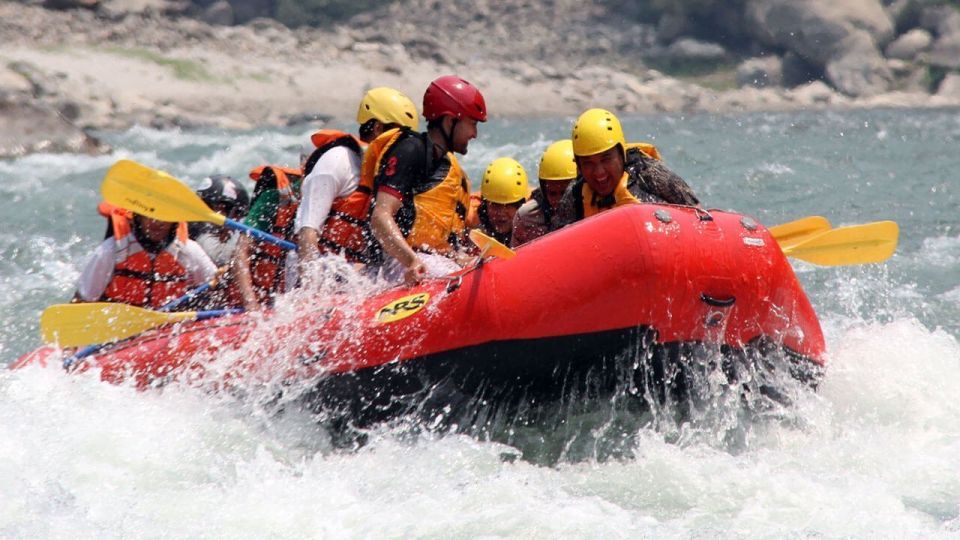
Rafting the Trishuli turns downtime into adrenaline. This 1-day run from Nepal’s Bagmati Zone focuses on white-water thrills with a standout 3–4 rated rapid after Majhimtar. You’ll spend the morning getting to the river, then spend the hours that matter on the water.
I like the way this trip keeps safety practical: you get a short safety briefing from a licensed English-speaking rafting guide, plus a safety kayaker watching from the river. I also like the structure of the day, especially the lunch served right on the river beach before you face the steeper sections.
One drawback to consider: the experience is built around early pickup and multiple transfers afterward, so the full day rhythm can feel a bit busy. Also, it’s not suitable for pregnant women, so choose something else if that applies to you.
In This Review
- Key things I’d circle before you go
- A Half-Day Trishuli Run With Real Rapids
- Where You Start: Pickup Options Across Kathmandu, Pokhara, Lumbini, and Chitwan
- Safety Setup: Licensed Guide, Safety Kayaker, and Standard Gear
- From Majhimtar to the Upset Rapid (Rated 3 to 4)
- Lunch on the River Beach Before More Water Trouble
- Transfers After the Raft: Ending in Chitwan District
- Price and Value at About $43
- What to Bring (and What to Skip)
- Who This Trip Fits Best (and Who Should Pass)
- Should You Book This 1-Day Rafting Run?
- FAQ
- FAQ
- Where does the rafting take place?
- How long is the rafting portion?
- What is the total duration of the activity?
- What rapids should I expect?
- Is lunch included?
- What’s included in the price?
- What languages are available for the guide?
- What should I bring?
- Who is this not suitable for?
- Can I get a refund if plans change?
Key things I’d circle before you go
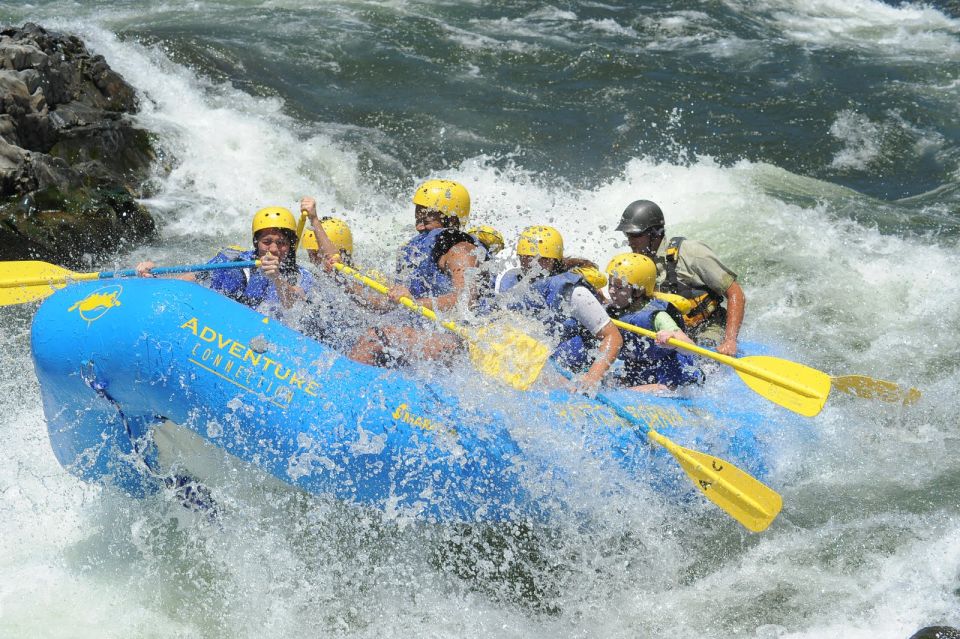
- Trishuli River rapids for about 2.5 hours on the water, with small and bigger waves throughout
- Majhimtar to the Upset rapid is the main excitement, rated 3 to 4 on the Colorado River scale
- Safety briefing + safety kayaker alongside a licensed rafting guide
- International standard rafting equipment plus a first aid kit on hand
- Lunch on the river beach before the trickier stretch
- Raft names told in Nepali and common names, so you’re not just guessing what you’re running
A Half-Day Trishuli Run With Real Rapids
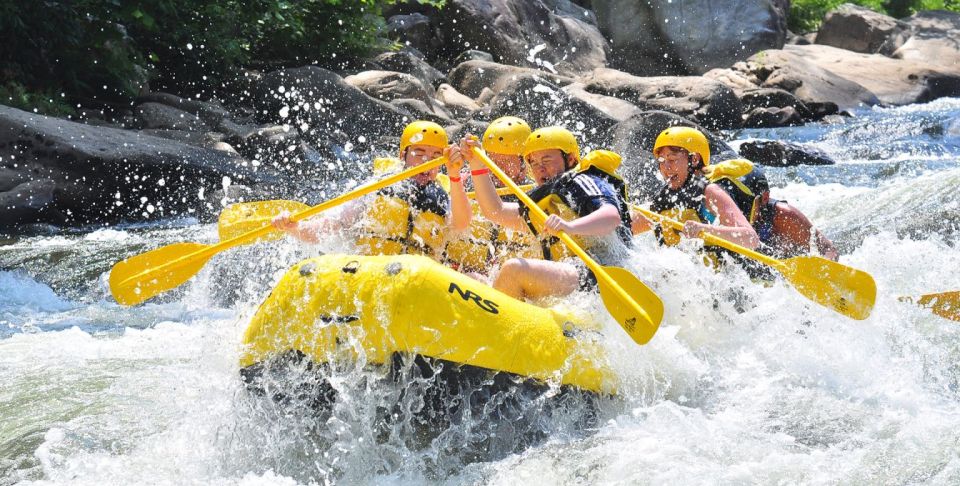
This rafting trip is built around one stretch of water on the Trishuli River. Even though it’s marketed as a 1-day activity, the core experience is compact: you’re out on the raft for around 2.5 hours, with a total duration listed as 3 hours for the activity block. That makes it a good fit when you want adventure without sacrificing your whole sightseeing day.
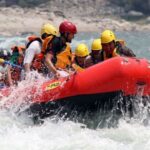
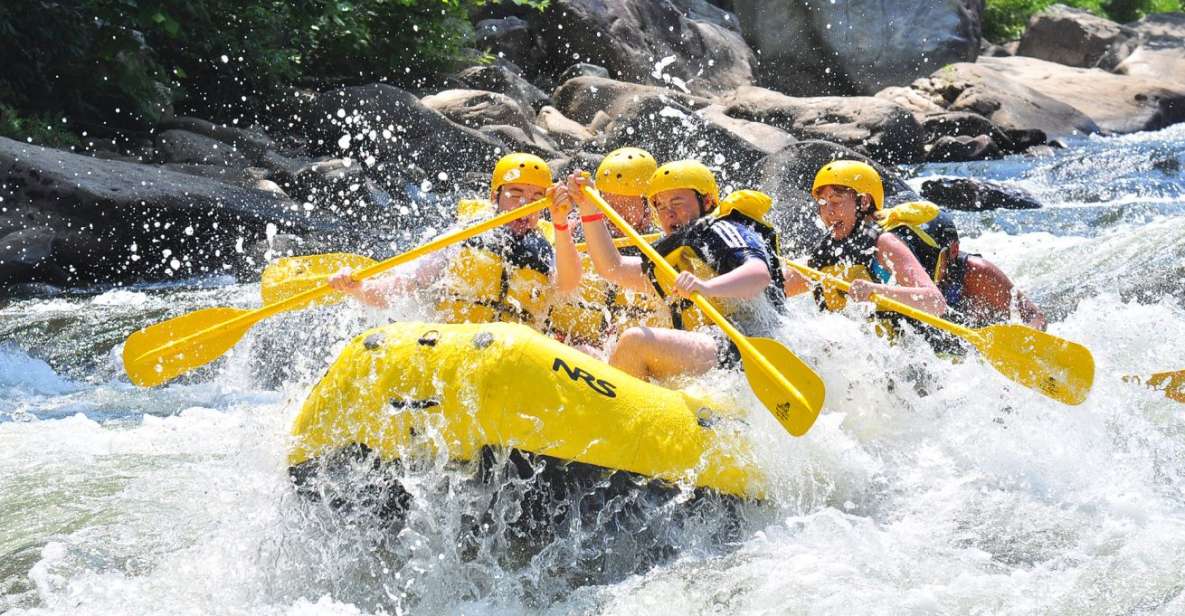
The rapids aren’t just “fun water.” They’re staged with rising intensity. You’ll encounter a mix of big and small rapids, then the trip focuses attention on the section after Majhimtar, just before the main Upset rapid. On the Colorado River rating scale, that rapid is rated 3 to 4, which is a meaningful jump in energy and risk level compared with milder classes.
One of the smartest parts of the experience is that the rafter tells you what’s coming, and not just in a generic way. The tricky rapids have Nepali names and common names, so you can follow along and connect what you feel on the raft with a name you’ll actually remember.
You can also read our reviews of more tours and experiences in Kathmandu
Where You Start: Pickup Options Across Kathmandu, Pokhara, Lumbini, and Chitwan
Your day begins with transport from one of four pickup options: Chitawan, Lumbini, Pokhara, or Kathmandu. That matters because rafting works best when you’re not scrambling around for meeting points and timing.
From there, the schedule is straightforward: you travel by car/van or tourist bus to the rafting starting point, then you meet your raft crew. After rafting, you reach the put-out point and then transfer onward (more on that later). That “get to the river, run it, then go” flow is exactly why short rafting trips can be such good value in Nepal—you spend time on the water instead of burning time crossing the whole country.
Tip: if you’re the type who hates rushing, build in a little buffer. Early starts can feel abrupt, even when the ride is part of the package.
Safety Setup: Licensed Guide, Safety Kayaker, and Standard Gear
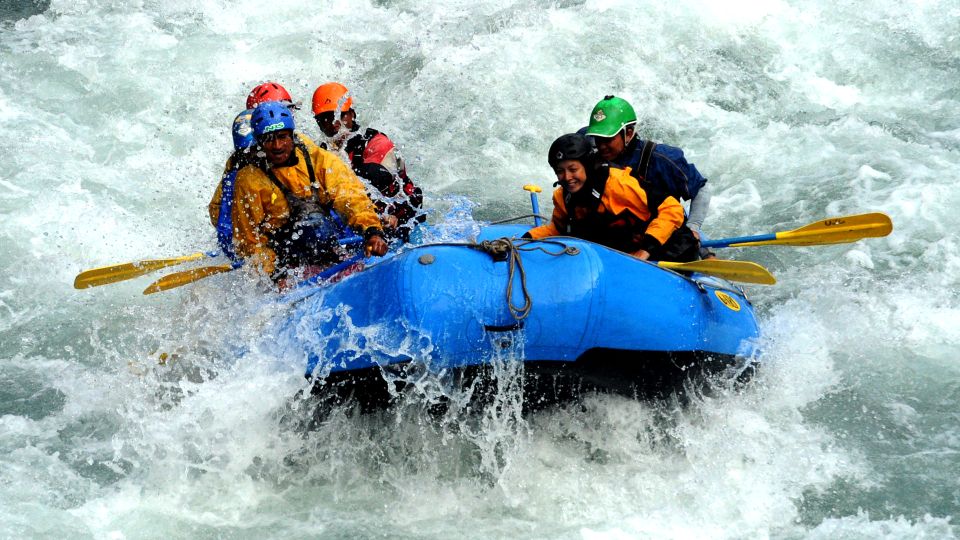
I really appreciate how this trip treats safety as an actual system, not a sticker on a sign.
You’ll get:
- a licensed English-speaking rafting guide
- a safety kayaker
- international standard rafting equipment
- a first aid kit
- river permits handled as part of the operation
That combination matters. A guide and safety kayaker aren’t just for show; they support real decision-making on fast water. And standard equipment reduces the “guesswork factor” that can creep into adventure tours when gear quality varies.
You’ll also receive a short safety briefing before you push off. It’s short on purpose—on a raft, you want key instructions you can use immediately. Listen closely here. When you’re about to hit rapids, small things like paddle timing and where to keep your hands inside the raft can make the difference between a tense ride and a manageable one.
Language support is a nice plus. The guide can work in English, Nepali, Japanese, or Hindi depending on your group, which helps you get the instructions you need without playing translation roulette.
From Majhimtar to the Upset Rapid (Rated 3 to 4)
This is the heart of the ride.
You’ll start running rapids relatively early in the trip, then things build toward a specific moment: the section after Majhimtar, just before the Upset rapid. The key detail is the rating: 3–4 on the Colorado River scale. If you’ve never looked at river-class ratings before, here’s the practical way to think about it:
- Class 3 typically means more power and sharper rapids where you’ll feel the raft getting tossed around.
- Class 4 pushes harder, with bigger waves and more serious consequences if you don’t follow guidance.
So plan to treat the Upset rapid area as the part where you should fully check in with your body and your attention. You don’t need to panic. You do need to pay attention.
Another nice touch is the naming. The rafter tells you the rapids’ Nepali names and common names. That turns the raft ride into something you can follow, not just survive. Even if you don’t speak Nepali, the common names make it easier to track what’s coming next.
Lunch on the River Beach Before More Water Trouble
You don’t just get dumped into the next wave sequence. The trip includes lunch served on the beach of the river right before the Upset rapids.
That timing is smart for two reasons:
1) you get real fuel before you hit the section rated 3–4
2) it gives you a breather after earlier rapids, when adrenaline is high and you might feel a bit worn out
On rafting days, meals can be the difference between “I had fun” and “I’m cramped and cranky.” Here, lunch is part of the package, which means you’re not hunting for food near the river at the wrong time.
What you should bring into this part of the day is a mindset shift. After you eat, your job is to get ready again—water, grip, and focus. It’s the same as any outdoor activity: refuel, then reset.

Transfers After the Raft: Ending in Chitwan District
The day’s structure keeps moving after the raft.
Once you finish at the put-out point, you’re transferred onward. The plan includes Chitwan National Park, Pokhara, and then back to Kathmandu. Your itinerary ends at Chitwan District, but the overall flow clearly connects rafting with the broader Chitwan/Pokhara/Kathmandu route.
This is where you’ll want to be realistic. Even if your rafting time is short, the day can still feel packed because you’re being transported in stages. If you’re also juggling a hotel check-in or another tour, schedule it with care. Give yourself margin so you’re not trying to do logistics at the exact moment you arrive.
Price and Value at About $43
The price is listed at $43 per person, and in my view the value is strongest when you look at what you’re actually getting.
Included items include:
- one-way tourist transport and one-way public transfer
- licensed English-speaking rafting guide and safety kayaker
- international standard rafting equipment
- lunch
- first aid kit
- river permits
That’s a lot of essentials bundled together. The main cost you’re likely to add on your own is travel protection—personal insurance isn’t included. If you’re planning other active days (hiking, motorbike tours, canyoning-type stuff), it’s worth having coverage before you get on the water.
Also, the trip runs for about 3 hours total in the activity block, with 2.5 hours rafting. For short-duration adventure, that time efficiency is part of the value.
What to Bring (and What to Skip)
The gear list is refreshingly simple.
Bring:
- change of clothes
- sandals
That’s exactly what you want for a rafting day. You’ll likely end up wet, sandy, or both, and having dry clothes matters for comfort afterward. Sandals help when you’re walking near the river area.
Skip anything you can’t afford to get battered. This is white-water activity, not a museum visit.
If you’re planning to capture photos, you’ll need to manage how you carry your phone or camera, but the exact method isn’t specified here—so plan to keep small electronics protected.
Who This Trip Fits Best (and Who Should Pass)
This is a good choice if you want:
- a day rafting option without committing to a full multi-day expedition
- a clearly guided experience on the Trishuli River
- a trip where the standout moment is clearly identified (the Upset rapid area)
It’s also not a fit for everyone. It’s listed as not suitable for pregnant women. If that applies to you, don’t try to “tough it out.” Choose a gentler activity instead.
If you’re new to rafting, the presence of a licensed guide and safety kayaker makes this a more approachable way to get your feet wet—literally and figuratively—than attempting something unguided.
Should You Book This 1-Day Rafting Run?
If your priorities are straightforward—real white-water, a guide who explains what you’re riding, and a package that includes gear and lunch—this one is an easy yes.
I’d book it if:
- you’re comfortable with rapids in the 3–4 range feeling more intense than “easy fun”
- you want a short rafting block (about 2.5 hours on the river)
- you like the idea of rafting with English-capable instruction and a safety-focused crew
I’d think twice if:
- you hate early pickups and transfers
- you need a calmer, non-rapid day
- you need insurance coverage beyond what’s included (since personal insurance is not part of the package)
FAQ
FAQ
Where does the rafting take place?
This trip runs on the Trishuli River in Nepal, and it’s located in Bagmati Zone, Nepal.
How long is the rafting portion?
The rafting time is listed as 2.5 hours on the Trishuli River.
What is the total duration of the activity?
The tour duration is listed as 3 hours.
What rapids should I expect?
You’ll encounter small and big rapids, with the main highlight being after Majhimtar, just before the Upset rapid. That rapid is rated 3 to 4 on the Colorado River scale.
Is lunch included?
Yes. Lunch is served on the beach of the river before going through the Upset rapids.
What’s included in the price?
Included are one-way tourist transport and one-way public transfer, a licensed English-speaking rafting guide and safety kayaker, international standard rafting equipment, lunch, a first aid kit, and river permits.
What languages are available for the guide?
The tour lists English, Nepali, Japanese, and Hindi.
What should I bring?
Bring change of clothes and sandals.
Who is this not suitable for?
It’s not suitable for pregnant women.
Can I get a refund if plans change?
Yes, the policy offers free cancellation up to 24 hours in advance for a full refund.