REVIEW · POKHARA
Pokhara: 2-Day Australian Camp & Dhampus Village Easy Hike
Book on GetYourGuide →Operated by Linkage Tour & Travel · Bookable on GetYourGuide
A two-day trek, and then the mountains stay with you. This Pokhara hike links Australian Camp panoramas with Dhampus Village charm, using an easy walking route that still feels like you earned the views. I especially like how the day is guided by English-speaking experts such as Bidur, Parash, and Sandesh, so you get both scenery and sense.
Two things I like a lot are the mix of big viewpoints plus local stops, and the practical support: private car pickup/drop from Lakeside, a knowledgeable guide, permits, and lodge stay with breakfast. The big consideration is pacing. Even on an easy hike, there are real stairs and downhill sections, and the timing can run a bit faster than the walk-time labels.
In This Review
- Key things to know before you go
- Australian Camp and Dhampus: why this 2-day hike works from Pokhara
- Day 1: Pokhara to Kande, Australian Camp at 2,050 m, then Dhampus overnight
- The Kande to Australian Camp climb
- Australian Camp to Dhampus
- Photo stops and wildlife viewing time
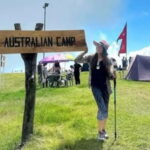
- Australian Camp: what you’re really paying for up high
- Dhampus Village overnight: lodge comfort and Gurung village time
- Day 2: Dhampus to Astam, then down to Hemja and back to Pokhara
- Dhampus to Astam
- Astam to Hemja descent
- Guide quality: the real difference between seeing and understanding
- Price and value: what $75 covers and what you’ll plan for
- Pace, timing, and what to pack for a truly easy hike
- Who this trek suits best
- Should you book the Pokhara Australian Camp & Dhampus trek?
- FAQ
- How hard is the hike for a beginner?
- Where do they pick you up in Pokhara?
- Is this a private group tour?
- What is included in the price?
- Are lunch and dinner included?
- What are the main hiking sections on Day 1?
- How long is the Day 2 hike?
- Do you provide trekking poles?
- Is free cancellation available?
Key things to know before you go
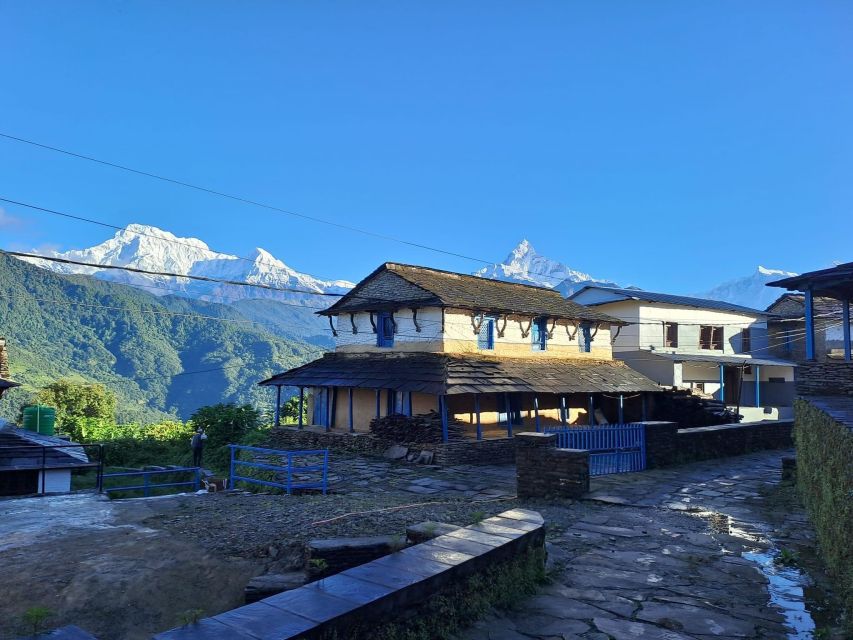
- Australian Camp views: Your main payoff is the climb to a high viewpoint for wide Annapurna-area sightlines
- Dhampus Village overnight: A slower village feel with lodge comfort and time to breathe
- English guide explanations: Guides like Bidur and Parash help you connect what you see to local culture
- Ages and fitness friendly: The route is designed as an easy trek with short daily hiking windows
- Easy Day 2 descent: You finish down toward Hemja before driving back to Pokhara
- Lunch and dinner are not included: You’ll buy these yourself, so plan for that budget
Australian Camp and Dhampus: why this 2-day hike works from Pokhara
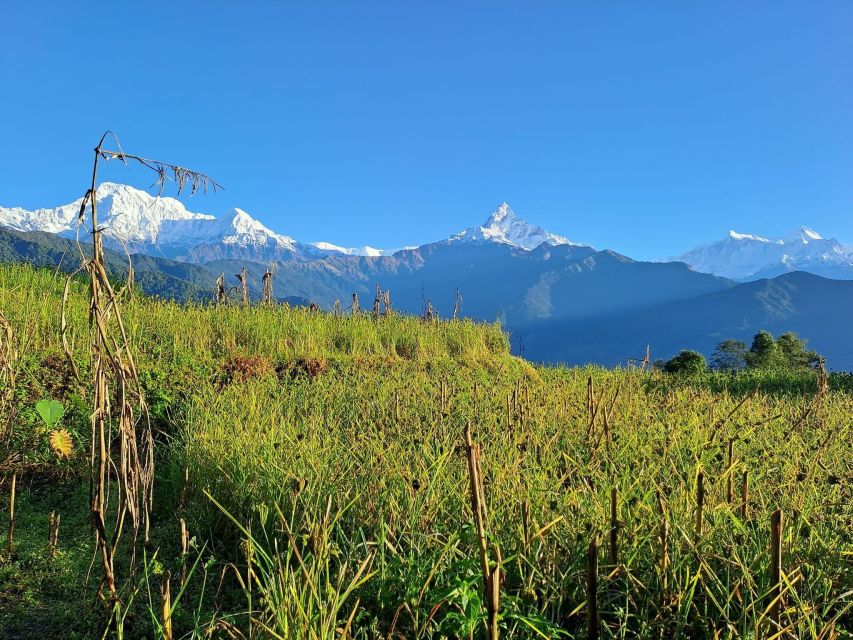
This is the kind of trek you do when you want Annapurna scenery without committing to a full multi-day trek. The route stays in the hills around Pokhara, so you can go up, take in the views, sleep in a mountain lodge, and return to the city with tired-but-happy legs.
The real value is balance. You get the famous viewpoint experience at Australian Camp, plus a living village interlude at Dhampus. That mix matters. A lot of short hikes give you a photo stop and then move on. Here, you also spend time walking through forest paths and settlement areas, which helps the mountains feel less like a postcard and more like a place people actually live.
This trip is also set up for convenience. You’re picked up from any hotel in Pokhara Lakeside, driven to the start, and then returned to Pokhara after the descent. That turns a “trek” into something you can fit around a vacation schedule rather than building your whole plan around it.
You can also read our reviews of more hiking tours in Pokhara
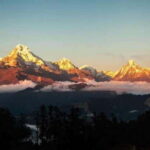
Day 1: Pokhara to Kande, Australian Camp at 2,050 m, then Dhampus overnight
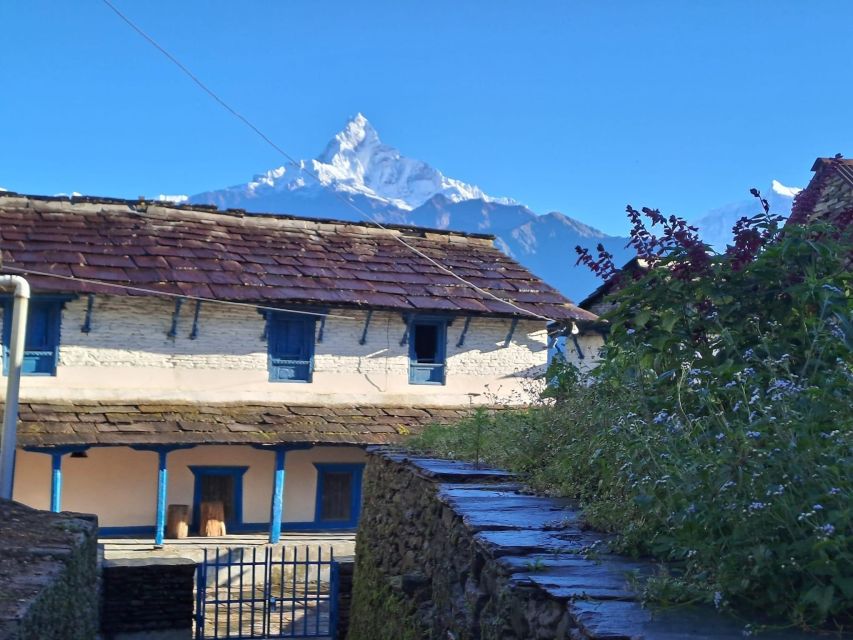
Your first day starts with a car ride from Pokhara up to Kande at about 1,600 meters. That matters because it means you begin hiking already in the hills, not from sea level. You’ll get into a rhythm fast.
The Kande to Australian Camp climb
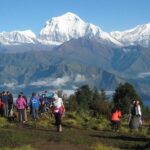
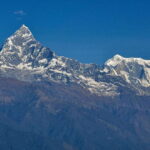
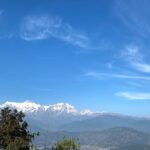
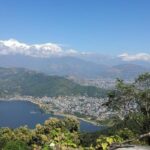
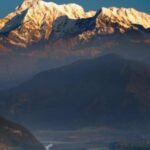
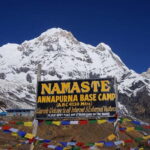
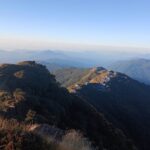
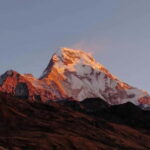
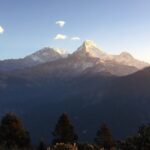
From Kande, the hike to Australian Camp is about 2–3 hours, climbing to around 2,050 meters. This is the portion built for viewpoints. As you walk, you’re looking for frames of the Annapurna region, including views of Machhapuchhre, Annapurna South, and Hiunchuli (the names you’ll hear from your guide are part of the fun).
Even if the route is labeled easy, treat it as a steady uphill. The goal isn’t speed. It’s getting your breath under control so you can enjoy the pauses and the sightlines.
Australian Camp to Dhampus
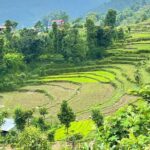
After the viewpoint time, you continue for about 1–2 more hours down toward Dhampus Village, around 1,720 meters, for the overnight stay. This segment shifts the feel. The higher viewpoint phase gives way to village walking—paths, homes, and the slower rhythm of the hills.
I like this design because it prevents the whole day from being one long climb. You go up for the big views, then you transition into a more human-scale mountain experience.
Photo stops and wildlife viewing time
Your schedule includes a photo stop, a guided tour, scenic viewpoints along the way, and time for wildlife viewing. That can be small moments—birds, glimpses of forest life, or just noticing how the trail moves through greenery. It’s also a reminder to keep your eyes up, not only down at your steps.
You can also read our reviews of more tours and experiences in Pokhara
Australian Camp: what you’re really paying for up high
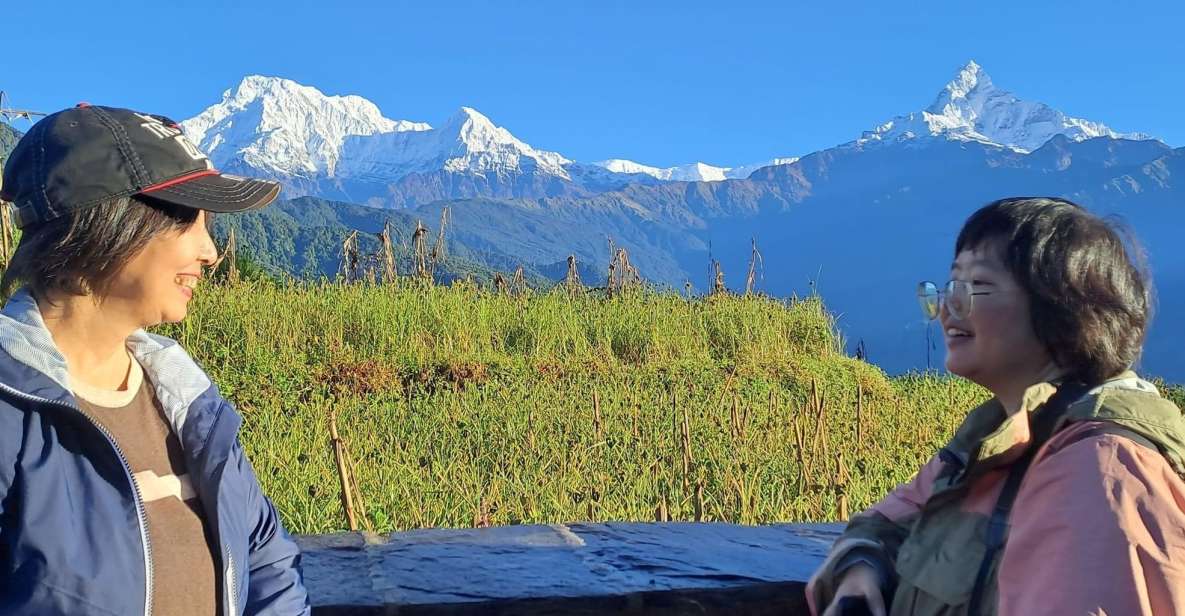
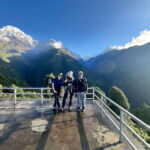
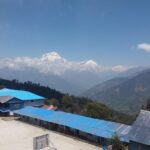
Australian Camp is famous for a reason, but the best part is how it feels when the sky clears and the peaks sharpen. The viewpoint is the main reason most people pick this trek, and your guide will usually help you “read” what you’re looking at.
What helps: an English-speaking guide can connect the view to the local names you’ll hear on the trail. Guides such as Bidur have a knack for explaining what you see and answering questions, and that makes the scenery stick. You’ll likely notice more details in the mountains when someone points out specific peak names or orientation.
Practical note: bring layers. Even on a short trek, the air up high can feel cooler than Pokhara. Also, go easy on the camera battery. Cold weather can drain it faster.
Dhampus Village overnight: lodge comfort and Gurung village time
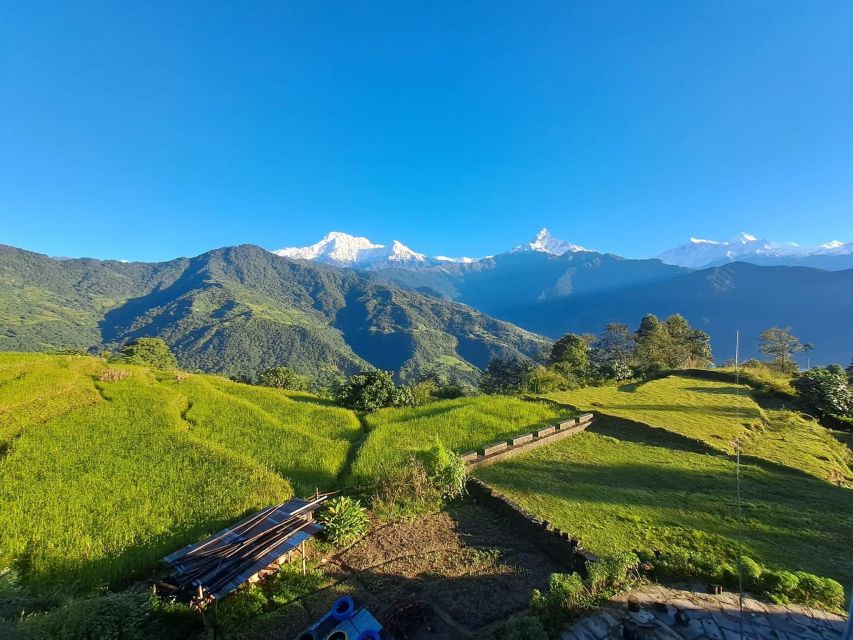
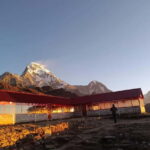
Dhampus is where the trek becomes more than hiking. You arrive for an overnight lodge stay with breakfast included. “Tourist standard” is the phrase to focus on here: you should expect a basic-but-comfortable setup, not luxury.
The best value from this overnight is timing. You don’t just pass through. You settle in, you slow down, and you get a chance to see how daily life works in a mountain village setting.
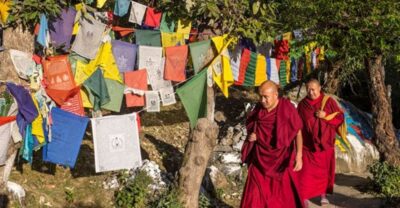
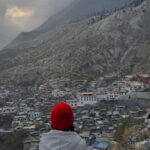
Your program also includes exploration of a traditional Gurung village, guided. That’s one of those elements that changes your whole understanding of the region. Instead of only thinking about peaks and trails, you get context for the people who live near them.
If you’re the type who likes conversation, this is the night. Many guides bring culture into everyday topics. You may ask about village life, work, farming, or what the mountains mean locally. In the mountain setting, the talk feels more grounded than it does in a city shop.
Day 2: Dhampus to Astam, then down to Hemja and back to Pokhara
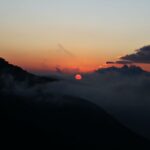
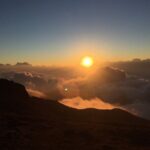
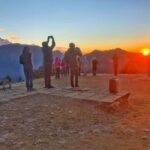
Day 2 starts with wake-up timing built around morning views. The plan includes a Himalayan sunrise, so you’ll want to be ready early enough to catch it. If your lodge has limited light or you’re slow to get moving in the morning, set an alarm and don’t wait for perfection.
Dhampus to Astam
The hike from Dhampus to Astam takes about 2–3 hours and goes down to roughly 1,600 meters. The route is easier than the idea of a second “big climb” might suggest, but it still takes effort. This is steady walking through hillside terrain where you’ll likely see more of how villages connect to each other.
Astam is part of the “less famous, more local” feel of this trek. You’re not just chasing a single viewpoint; you’re moving through small communities that help you understand the area beyond the tourist highlight.
Astam to Hemja descent
From Astam, you descend to Hemja at about 1,050 meters in roughly 1–1.5 hours. This is where your knees and feet get a workout, even if the hike is categorized as easy. Downhills can feel longer than uphills because your legs do more braking.
After you reach Hemja, the car drive brings you back to Pokhara. That final transfer is the kind of comfort I appreciate after a hike. You don’t have to figure out local transport or navigate your way with tired energy.
Guide quality: the real difference between seeing and understanding
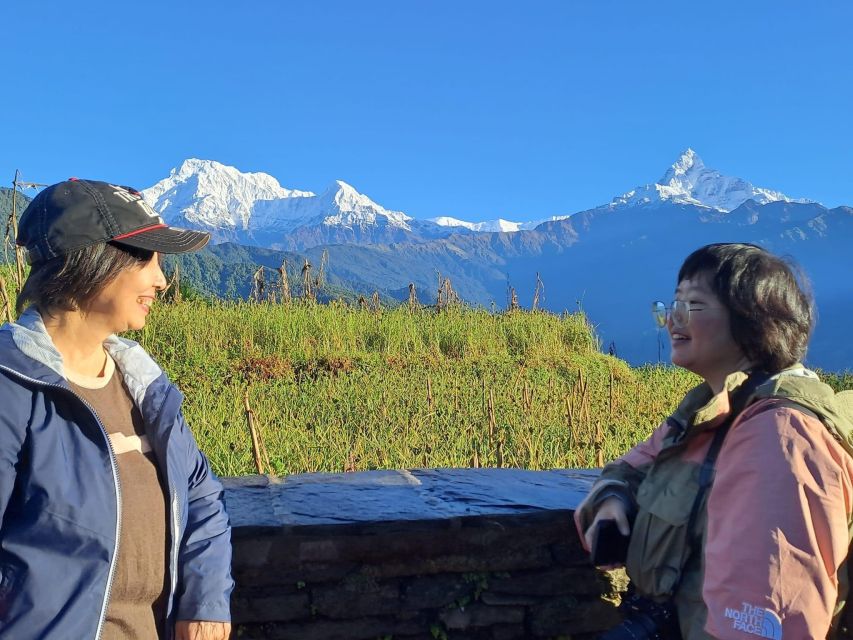
On a short trek, the guide makes a bigger difference than you might expect. You’re spending fewer hours outside, so every explanation matters more.
Based on how different guides in this region work, you can get a strong mix of trail know-how and culture talk. People have praised guides like Bidur, Parash, Santosh, Sushil, and Sandesh for being friendly, experienced, and ready with answers. The common thread: they help you ask questions without feeling awkward, and they connect the hiking experience to what you’re seeing in the villages and forests.
This is also why the trip feels smooth even with a private group setup. With a guide, you don’t second-guess turns, timing, or what each viewpoint is showing. Instead, you can focus on the walk and the views.
Price and value: what $75 covers and what you’ll plan for
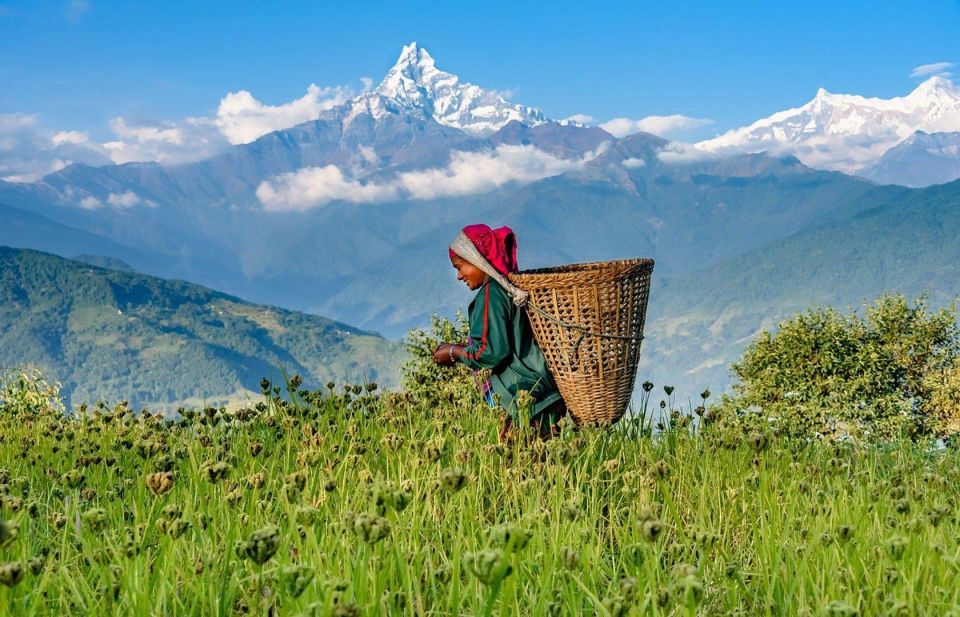
At $75 per person for 2 days, this is positioned as a short, guided trek with a lot included. Here’s what you get:
- Pickup and drop-off from Lakeside hotels in Pokhara by private car
- English-speaking hiking guide
- Permits and taxes
- Private lodge accommodation with breakfast
- Luggage storage in Pokhara
- Exploration time in a traditional Gurung village
- Trekking poles
What you don’t get: lunch and dinner. You’ll purchase these yourself.
That detail affects value. If you’re used to treks where meals are included, it’s worth mentally budgeting for food on both days. On the plus side, being able to buy lunch and dinner gives you flexibility if you prefer a particular meal or want to keep costs controlled. Just know you’re the one making those decisions.
Also, ask about prices before ordering anything extra from a menu. If a restaurant offers items that aren’t clearly listed, you’ll avoid surprise costs by checking first.
Pace, timing, and what to pack for a truly easy hike
Even an easy trek needs smart pacing. This route includes both stair-like walking and downhill sections. One note worth taking: timing can run a bit quicker than the labeled hike durations, meaning you may finish earlier than expected or be ready to move sooner.
That’s not a problem if you plan for it. It helps if you carry a small water bottle and keep snack expectations realistic. You’ll want quick energy for the climb and some recovery after descents.
Packing essentials for this kind of short Himalayan trip:
- Light rain layer or windbreaker
- Layers you can remove and add as temperatures change
- Good shoes with grip for downhill steps
- A small daypack
- Sunscreen and sunglasses for viewpoint time
And bring cash for lunch and dinner. Since those meals are not included, having payment ready keeps the day smooth.
Who this trek suits best
This itinerary fits a wide range of people because it’s short and guided.
It’s especially good for:
- Beginners who want a real mountain hike without steep, technical trekking
- Families and groups that prefer a private guide and a clear schedule
- Travelers who want Himalayan views plus village culture in one tight plan
- Anyone with limited time in Pokhara who still wants more than a cable-car viewpoint
If you’re someone who loves long days and big elevation gains, you might find this short. But if your goal is a strong taste of the Annapurna region, with a calm pace and a comfortable overnight, it hits the target.
Should you book the Pokhara Australian Camp & Dhampus trek?
Book this trek if you want a simple, guided way to get Annapurna-area views plus a real village night, all without complicated planning. The included guide, permits, lodge with breakfast, pickup/drop from Lakeside, and even trekking poles reduce the usual headaches that come with trekking.
Skip it or choose another option if you’re looking for a meal-included package, or if you know you hate downhill steps and want a flatter route. Also, remember lunch and dinner are on you, so build that into your trip budget.
If you value clear guidance, steady walking, and the kind of views that make early morning worth it, this two-day hike from Pokhara is a solid bet.
FAQ
How hard is the hike for a beginner?
The route is designed as an easy hike with short daily walking windows and a guided pace. You’ll still face uphill and downhill sections, including stairs and steps.
Where do they pick you up in Pokhara?
Pickup is included from any hotel in Pokhara Lakeside, with a representative collecting you from your hotel.
Is this a private group tour?
Yes, it’s listed as a private group experience.
What is included in the price?
The price includes hotel pickup and drop-off, private car, an English-speaking hiking guide, necessary permits and taxes, a tourist standard lodge with breakfast, luggage storage in Pokhara, traditional Gurung village exploration, and trekking poles.
Are lunch and dinner included?
No. Lunch and dinner are not included, but you can purchase them during the trip.
What are the main hiking sections on Day 1?
Day 1 includes a drive to Kande, then hiking from Kande to Australian Camp (about 2–3 hours), followed by continuing to Dhampus Village for the overnight stay (about 1–2 hours).
How long is the Day 2 hike?
Day 2 includes hiking from Dhampus to Astam (about 2–3 hours), then descending to Hemja (about 1–1.5 hours) before returning to Pokhara by car.
Do you provide trekking poles?
Yes. Trekking poles are included.
Is free cancellation available?
Free cancellation is available up to 24 hours in advance for a full refund.