REVIEW · POKHARA
From Pokhara: 4-Day Annapurna and Poon Hill Himalayan Trek
Book on GetYourGuide →Operated by Fewa Trail Treks and Expedition Pvt Ltd · Bookable on GetYourGuide
Four days, one big view. This trek has the classic Poon Hill sunrise moment, plus lower-Himalaya forest walking and the chance to soak at Jhinu hot springs. I also like that you get a private, licensed English-speaking guide to translate what you’re seeing as you move from Ulleri through Ghorepani, Tadapani, and into Gurung country at Ghandruk. One thing to plan for: if roads get hit by landslides, the schedule can shift and you might lose a chunk of time or have part of the route adjusted.
You’ll sleep in basic tea houses or guest houses and get used to the steady rhythm of trekking days (walk, eat, sleep, repeat). In particular, a guide like Gobinda is known for keeping things comfortable, while Muku tends to run a focused trek—still, you should check the forecast yourself so you’re not relying on luck.
In This Review
- Key highlights worth your attention
- The Poon Hill payoff: big views in a short 4-day plan
- Day 1: From Pokhara to Ulleri, then up to Ghorepani
- Day 2: Poon Hill sunrise and the classic Annapurna Range reveal
- Day 3: Jhinu hot springs recovery and the Gurung village stop in Ghandruk
- Day 4: Down to Nayapul and back to Pokhara
- Price and value: what $287 really buys you
- Packing and trek reality: how to stay comfortable
- The guide factor: what to expect from your English-speaking leadership
- Who should book this trek (and who should skip it)
- Should you book this 4-day Annapurna and Poon Hill trek?
- FAQ
- How long is the trek and when does it start?
- What are the main places you visit during the 4 days?
- Is hotel pickup and drop-off included?
- Is accommodation included, and where will I stay overnight?
- Are meals included in the price?
- Do I need permits, and are they included?
- Do I need to provide passport details in advance?
- Is the guide English-speaking?
- How much notice do I need to cancel?
Key highlights worth your attention
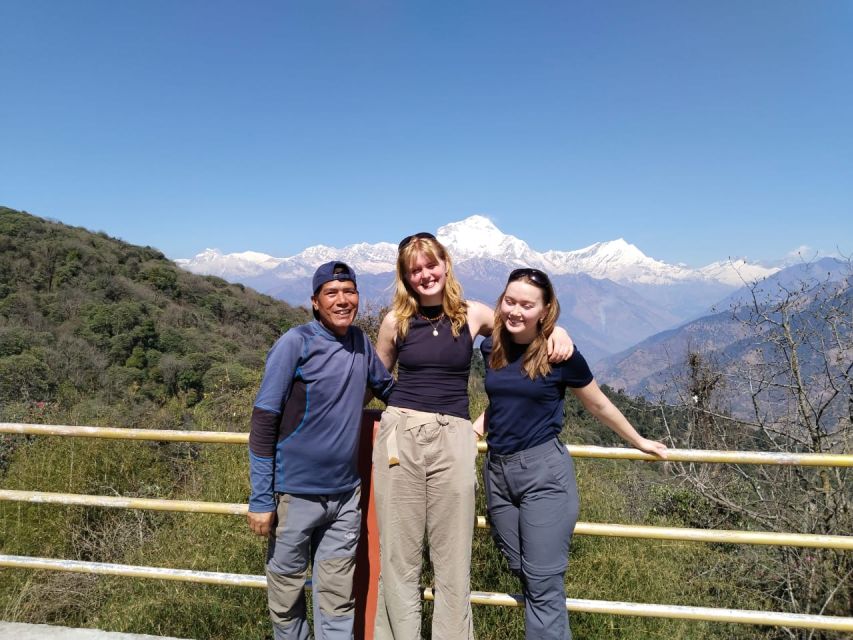
- Poon Hill sunrise over the entire Annapurna Range (the reason most people come)
- Lower-Himalaya forest trails with quieter village life along the way
- Jhinu hot springs bath after a hiking day, when your legs need a break
- Ghandruk’s Gurung architecture and village atmosphere at the end of Day 3
- Private, English-speaking guidance with permits handled for you
The Poon Hill payoff: big views in a short 4-day plan
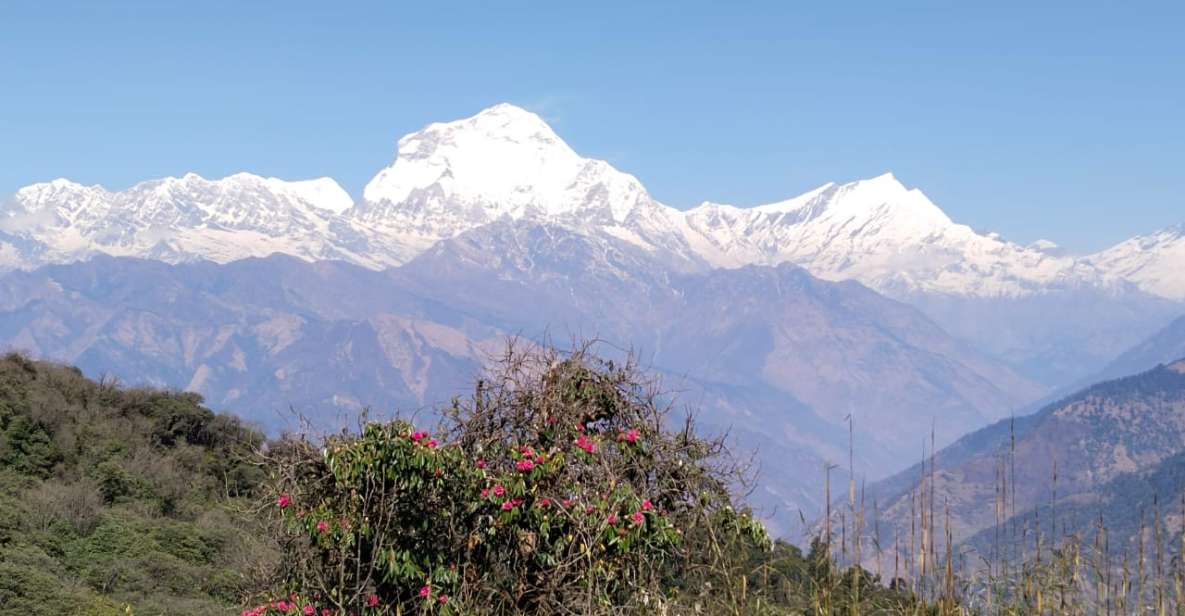
The best thing about this trek is the balance: you get high-reward scenery without committing to a longer, harder Annapurna circuit-style schedule. Poon Hill is the headline, but what makes the trek feel complete is everything around it—forest paths, small settlements, and that gradual climb that leaves you both tired and impressed.
I like that the days are built around timing. You’ll start early in the mornings, climb to key points, then shift into slower downhill walking or village exploration later in the day. That pacing matters because your legs feel it more than you expect, especially once you’ve done a few hours uphill.
And yes, the hot springs at Jhinu are part of the appeal. They’re not a “bonus activity” you tack on at random—they’re placed after a longer trekking day, when bathing actually helps you recover. After the cold mountain air and effort, a warm soak can feel like free comfort.
You can also read our reviews of more hiking tours in Pokhara
Day 1: From Pokhara to Ulleri, then up to Ghorepani
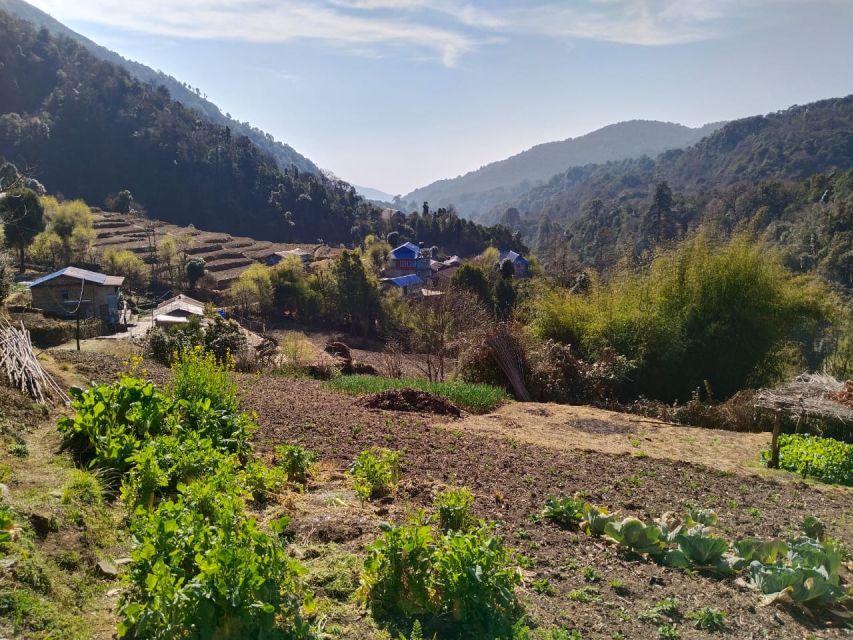
Day 1 starts with an early pickup in Pokhara. You’ll drive to Ulleri, then begin hiking up toward Ghorepani. The trek time is listed as about 5 hours, so think of this as your warm-up climb day—enough elevation to get you fully into trek mode, not so much that you’re wiped out before you settle for the night.
Ghorepani is where the tea house rhythm begins. You’ll likely spend the evening eating at the lodge (food and drinks aren’t included, so you’ll be buying meals on-site) and organizing yourself for the next morning. This is the day where you want to keep gear simple: water, snacks, a warm layer, and your camera ready for the next sunrise push.
What to watch for on Day 1: If you arrive stiff or hungry, you’ll feel it more later. Eat breakfast before you start the walk, and don’t skip simple snacks during the hike. The Annapurna foothills can make you underestimate how quickly energy disappears.
Day 2: Poon Hill sunrise and the classic Annapurna Range reveal
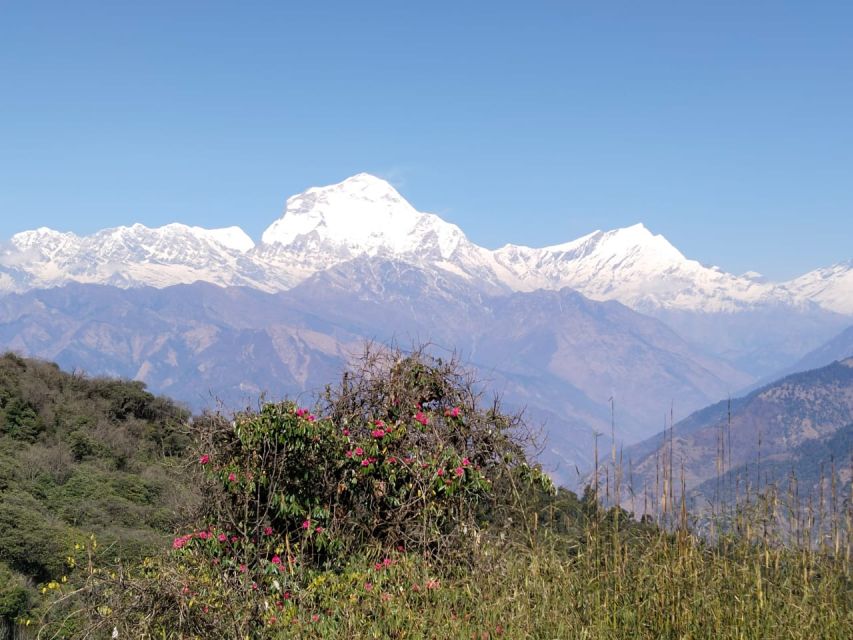
Day 2 is the big one. You’ll hike early to Poon Hill for the sunrise view, then descend back toward Ghorepani for breakfast before continuing on toward Tadapani. The itinerary notes about 1 hour to reach Poon Hill from the starting area for the climb, and then about 6 hours total for the day’s trekking.
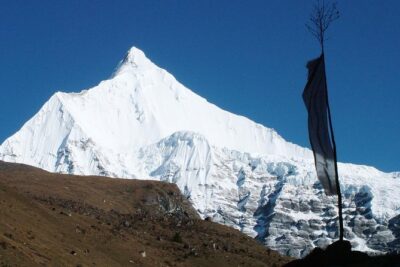
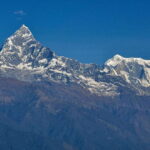
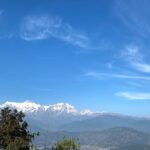
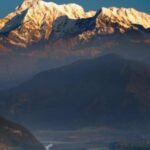
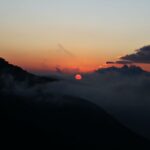
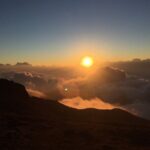
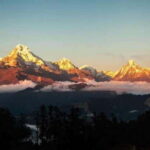
This is where the whole trek earns its name. From Poon Hill, you’re aiming for a wide-angle view of the Annapurna Range, and the sunrise timing is what turns that view from pretty into memorable. If you’re serious about photos, go up with your eyes open: the sky can change fast, and clouds happen. That’s why it’s smart to check your own weather info before the pre-dawn start, even if your guide has a plan.
Once you’ve done the sunrise, you’ll come down and eat, which is a relief. Then the day shifts from “stand still and watch mountains” to “keep moving” as you head to Tadapani and sleep there.
Potential drawback to consider: weather can be unpredictable in the mountains, and one traveler noted that their guide relied a bit on luck rather than actively working with forecast changes. So make it your habit to ask questions about conditions and be ready with layers—warm top, a hat, and something for wind.
Day 3: Jhinu hot springs recovery and the Gurung village stop in Ghandruk
Day 3 combines two very different rewards: a bath, then culture. First, you move toward Jhinu for the hot springs. The idea here is straightforward: walk, soak, and let your body reset before the final village day. The springs are described as therapeutic, and in a trek like this, timing them for mid-trip recovery is exactly what you want.
After your hot spring stop, you head on to Ghandruk, a Gurung village known for its architecture and how people have adapted to living in the Himalayan region. The trek time is listed as 6 to 7 hours, so you’ll want to treat Jhinu as part of the plan, not an optional side stop. A soak feels great, but lingering too long can make the second half of the day harder.
Ghandruk is a strong finish because it changes the pace. Instead of just climbing and descending, you’re in a village with a clear sense of home and community. It’s also one of the best places to slow down at the end of a trek day and soak in what you walked through—forests, valleys, and hillside trails—because now you can see how people live here permanently.
Practical note: because food isn’t included, you’ll want cash and a bit of flexibility. Tea houses often have limited menus; you’ll be happier if you think of meals as something you’ll buy and plan around, not something the trek package guarantees.
Day 4: Down to Nayapul and back to Pokhara
On Day 4 you head down to Nayapul, then drive back to Pokhara, where you’ll be dropped at your hotel. The trekking part is shorter than the earlier days, but don’t treat it like a free day. Downhill can be tough on knees and calves, even when it feels easier than climbing.
This is also the day where logistics matter. Once you reach Nayapul, you’re done with the walking portion and your trip ends with the return transfer. It’s the final step of the “trek loop” you started from Pokhara—drive in, hike up, hike through, hike back down.
If you’re the type who likes to keep your travel day calm, plan a low-key evening in Pokhara. A hot shower, an easy meal, and an early night feel earned after a multi-day hike.
You can also read our reviews of more tours and experiences in Pokhara
Price and value: what $287 really buys you
At $287 per person for 4 days, this trek is priced like a guided package, not like a DIY trip. What you’re paying for is the structure: hotel pickup and drop-off in a private car/jeep, permits, tea house/guest house accommodation, a licensed English-speaking guide, and guide expenses.
Here’s how I’d think about value. If you’re trying to do Poon Hill in a hurry and don’t want the hassle of permits and arranging reliable guidance, a guided, permit-handled option can feel like money well spent. The private pickup also saves you time and uncertainty compared with figuring out local transport on mountain timing.
What’s not included is important: food and drinks are available to purchase, not bundled. So the “real trip cost” depends on how you eat and drink at tea houses. If you budget for meals and keep snacks simple, you’ll avoid surprises.
Bottom line: for a short Annapurna experience with sunrise access, forest hiking, and Jhinu recovery, the package feels like it targets exactly what most people want—views and guidance—without forcing you into a longer commitment.
Packing and trek reality: how to stay comfortable
Even though this is a relatively short trek, the days still add up. Your biggest comfort wins come from clothing and small habits.
I’d pack for layers and wind. Morning starts for sunrise can feel cold, and afternoons can warm up during the climb. Tea houses usually offer basic shelter, but your body needs warmth from clothing more than from the building. Keep a warm hat, gloves if you run cold, and a reliable outer layer.
Also, plan for simplicity. The itinerary moves you through Ulleri, Ghorepani, Tadapani, Jhinu, Ghandruk, and finally Nayapul. That means you’ll want a pack you can carry easily and access quickly. If your bag is constantly dumping and repacking, you’ll waste energy.
One more requirement: bring a passport (a copy is accepted), and you’ll need to provide passport details at least 24 hours before the tour so permits can be prepared. That’s not optional—permits are included, and the process depends on your document info.
The guide factor: what to expect from your English-speaking leadership
A private guide changes the trek from a route into a story. You’re not just walking between towns—you’re moving through a living landscape of villages, and your guide can point out what matters along the way.
Two named guides show up in traveler experiences: Gobinda is described as kind and helpful, making the trip feel comfortable. Muku is noted as a good guide with a steady approach, but the same experience also suggests a gap in proactive weather checking. Take that as advice, not criticism: even with a good guide, you should ask directly about sunrise conditions and listen to what your guide learns from the local situation.
It also helps to know that your guide is licensed and English-speaking, which matters on a trek where questions are normal: where to rest, what’s safe, and how to pace yourself.
Who should book this trek (and who should skip it)
This 4-day Annapurna and Poon Hill trek is a great fit if you want the signature Annapurna views on a manageable schedule. It works particularly well for people who:
- want sunrise at Poon Hill without a long multi-week plan
- enjoy walking through lower-Himalaya forests and small settlements
- like the idea of combining scenery with recovery at Jhinu hot springs
- prefer a private guided experience with permits handled
It’s also not for everyone. The trek is listed as not suitable for pregnant women and people with mobility impairments. If you’re in either category, look for an option that better matches your needs and supports safer movement.
Should you book this 4-day Annapurna and Poon Hill trek?
I’d book it if your priority is the Annapurna sunrise experience plus a real trekking day rhythm, all within 4 days. The route hits the essentials: Poon Hill for the big view, forest hiking for the everyday magic of the trail, Jhinu hot springs for recovery, and Ghandruk to end with village life and architecture.
I would not book it blindly if you hate schedule risk. Mountain roads can be affected by landslides, and itinerary adjustments can happen when access changes. If your dates are tight or you’re counting on a specific plan without flexibility, you’ll want to ask your operator how they handle disruptions and confirm timing details before you commit.
FAQ
How long is the trek and when does it start?
The trek lasts 4 days. It runs from Pokhara with a hotel pickup, and the exact starting times depend on availability.
What are the main places you visit during the 4 days?
You’ll drive from Pokhara toward Ulleri, hike to Ghorepani, go up to Poon Hill for sunrise, continue to Tadapani, then head to Jhinu for hot springs and finally to Ghandruk. On the last day you go down to Nayapul and return to Pokhara.
Is hotel pickup and drop-off included?
Yes. The package includes hotel pickup and drop-off in a private car or jeep.
Is accommodation included, and where will I stay overnight?
Accommodation is included in tea houses or guest houses during the trek.
Are meals included in the price?
No. Food and drinks are not included, but they are available on purchase during the trek.
Do I need permits, and are they included?
Yes, you need permits, and they are included in the tour price.
Do I need to provide passport details in advance?
Yes. You need to provide passport details at least 24 hours before the tour so the operator can prepare the permits. A passport copy is accepted.
Is the guide English-speaking?
Yes. You’ll have a licensed English-speaking guide.
How much notice do I need to cancel?
You can cancel up to 24 hours in advance for a full refund.