REVIEW · KATHMANDU
Upper Mustang Trekking
Book on Viator →Operated by Everest Trekking Routes Pvt. Ltd. · Bookable on Viator
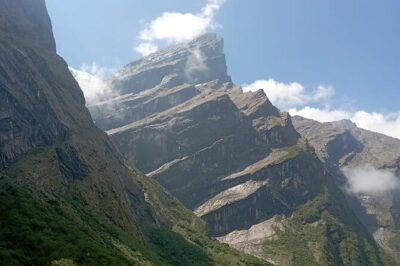
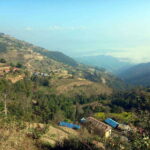
That first view of Mustang ruins your usual travel habits.
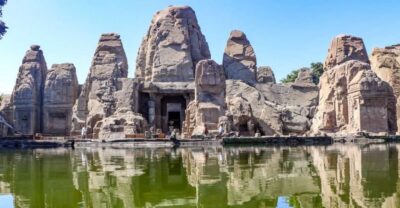
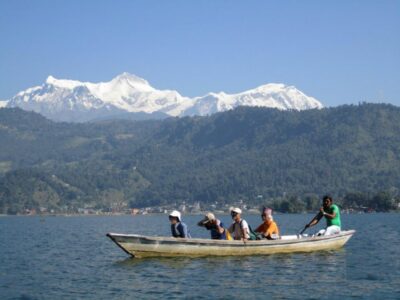
This trek through Upper Mustang feels like you’ve slid into a quieter, drier version of the Himalaya, with Tibetan Buddhist villages, walled streets, and big mountain views along the way. I especially liked how the trip is organized from door-to-door pickups and transport, and how the days are paced around real trail time instead of constant bus shuffling. One thing to consider: the schedule involves flights and long driving days, so you’ll want a flexible travel day buffer, especially around weather and flight connections.
The core appeal is simple. You’re moving through remote territory with special access via the Upper Mustang permit, and you’re returning to village life again and again—monasteries, prayer flags, apple gardens, and lodge stays instead of crowds. I also liked the “not too high” feel: one review highlights that elevation rarely exceeded 4000m, and the route keeps you in a challenging-but-manageable zone for many fit trekkers. The possible drawback is that the route includes some windy sections and major downhill stretches, so if you hate dust, wind, or knee-bending descents, plan accordingly.
In This Review
- Key things that make this Upper Mustang trek worth your time
- Price and logistics: what you’re paying for, and what to watch
- Kathmandu arrival: the useful calm before the mountains
- The trek begins: bus to Pokhara, then the jump to Jomsom
- Kagbeni and the restricted gate: Chhusang onward
- Syangboche, then toward Ghiling and Tsarang
- Lo Manthang: your main goal day-by-day
- Dhakmar and the Upper Mustang valley: monasteries, villages, and farms
- Back toward Kagbeni, then Jomsom for flight timing
- Kathmandu and return: Pokhara to Kathmandu by bus
- What your days will feel like on the ground
- Who this tour is best for
- Should you book Upper Mustang with Everest Trekking Routes?
- FAQ
- How long is the Upper Mustang Trekking experience?
- Where does the trip start and end?
- How much does it cost?
- What permits are included?
- What transport is included during the trip?
- What kind of accommodation do you get?
- Are meals included?
- Do you get a guide and porter?
- What’s not included in the price?
- What if I need to cancel?
Key things that make this Upper Mustang trek worth your time
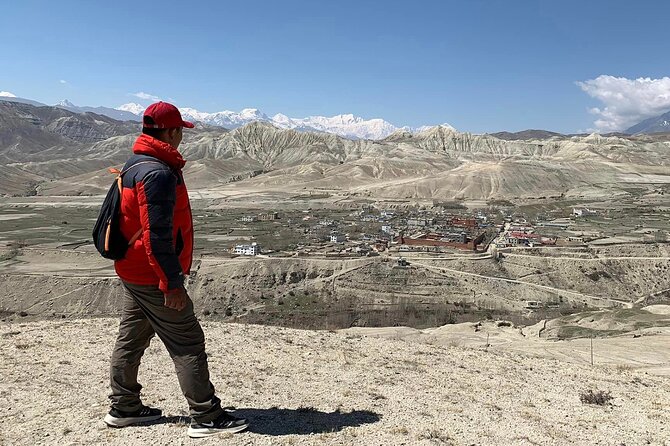
Special Upper Mustang access
You’ll handle the Upper Mustang Special Permit (USD 500 per person for 10 days), plus the required ACAP (Annapurna Conservation Area Project) permit. It’s the difference between pass-through Nepal tourism and true Mustang access.
Flights that cut the hard parts, not the views
You fly into Jomsom (about 2715m), then trek in a way that keeps you moving between villages with dramatic Himalayan sightlines.
Lo Manthang is the destination, not a stop
You spend a full day exploring the walled city of Lo Manthang, including monastery and palace areas—this is where the whole region makes sense.
Real village variety, from apple gardens to monastery climbs
Days include Chhusang, Somare, Syangboche, Tsarang, Ghiling, Dhakmar, Ghami, and the descent back toward Kagbeni—so you’re not just walking through one kind of scenery.
A quieter trek than most Himalayan routes
The reviews point out that it’s different and not crowded, which matches what you’ll feel on the trail: fewer people, more wind, and more focus on local life.
Guides and porters keep the trek smooth
You get a government-licensed guide and a porter arrangement of 1 porter for 2 people, with help that stays friendly and discreet.
Price and logistics: what you’re paying for, and what to watch
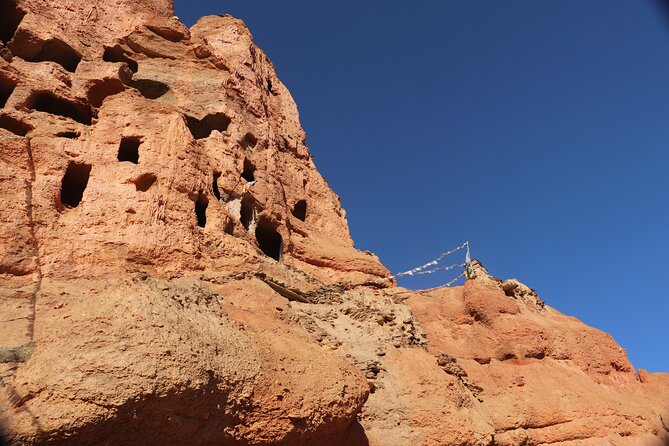
This tour runs about $2,400 per person for roughly 18 days (including Kathmandu and Pokhara). That number looks like a premium trek price, but when you break it down, it’s not just a “guide walks with you” deal.
You’re paying for:
- Transportation: airport/hotel transfers in Kathmandu and also in Pokhara, plus the tourist bus rides between Kathmandu and Pokhara.
- Two domestic flights: Pokhara → Jomsom and Jomsom → Pokhara.
- Lodging coverage during the trekking portion: all lodge/tea house accommodations on the route.
- Most meals: 16 lunches and dinners plus breakfast (17 times).
- Permits: the ACAP permit and the special Upper Mustang permit (the permit itself is listed as USD 500 per person for 10 days).
- Staff: licensed guide and porters.
What to watch: the itinerary includes a day devoted to Kathmandu sightseeing and permit processing, plus flight days. Flights and permits mean you’ll want to plan smartly if your overall trip schedule is tight—especially if you’re connecting from elsewhere in Nepal or flying internationally the day right before.
Also, note what’s not included: tips for guide/porters/driver and personal expenses, plus any extra hotel nights in Kathmandu or Pokhara if you add days.
You can also read our reviews of more hiking tours in Kathmandu
Kathmandu arrival: the useful calm before the mountains
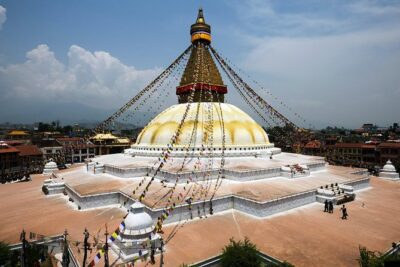
Your trip starts with a straightforward landing rhythm. On Day 1, you arrive in Kathmandu (TIA) and the team meets you for transfer to a hotel. This matters more than it sounds. Upper Mustang trekking starts with logistics, and starting without stress helps you sleep and eat normally before the travel grind begins.
On Day 2, you have a day that’s part sightseeing, part paperwork. If you’re interested, you can visit some sights after breakfast and then get your Upper Mustang Special Permit. The details here are important: it takes a day, and the process uses your original passport plus your Nepal visa.
Practical tip: keep your passport and Nepal visa documents organized. Permits are one of the parts you don’t want to “figure out later,” and your day depends on it.
The trek begins: bus to Pokhara, then the jump to Jomsom
Day 3 moves you away from Kathmandu via tourist bus. You leave around 7:00 AM, drive toward Prithibi Rajmarg highway, and stop for breakfast after about 2 hours (the schedule includes a short break, then you continue). It’s a long day by road, but it sets you up for the flight phase.
Then Day 4 turns the trip into something more real. You transfer to the domestic airport and fly to Jomsom at about 2715m. After landing, you trek toward Kagbeni for about 4–5 hours, with classic Mustang-style scenery in the mix.
This is a key day for your mindset. Flights can make trekkers feel like they cheated the journey, but in Mustang, the payoff shows up fast: dry terrain, old village textures, and mountain views that don’t need a long uphill to be dramatic.
Potential consideration: you’re adjusting your body to trekking right after travel. If you’re sensitive to altitude, take Day 4 easy—don’t sprint.
Kagbeni and the restricted gate: Chhusang onward
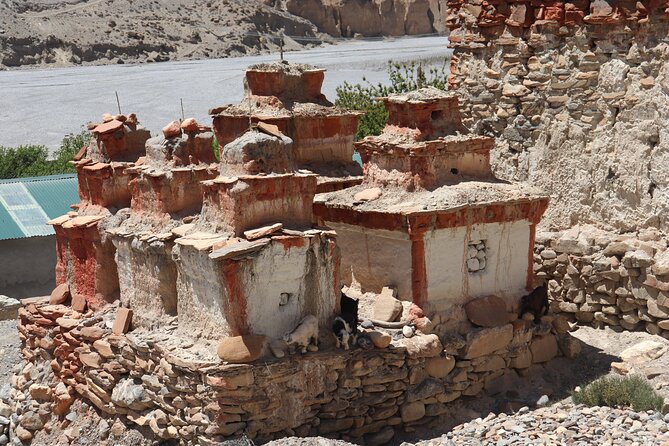
On Day 5, the trek continues to Chhusang. The route includes descending from Kagbeni, and Kagbeni is treated as the main entry gate of the restricted Upper Mustang area, with the Upper Mustang permit cost (USD 500 per person for 10 days) called out as something you’ll need to handle during check-in.
Why it’s valuable: that “gate” feeling is part of Mustang’s identity. You’re not just hiking in a remote place—you’re moving through a controlled cultural zone where the Tibetan Buddhist heritage has stayed intact.
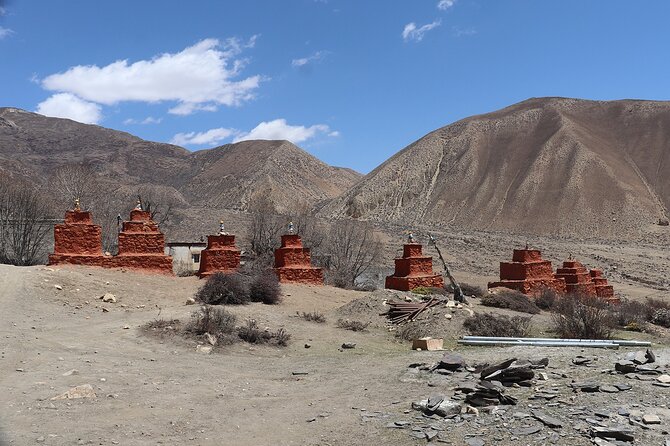
Day 6 shifts you into a more “trail rhythm” day: Chhusang to Somare. Expect mostly solid, flat-ish terrain with some steps, and a bigger climb toward Syangboche. The schedule also points out passage through places like an apple garden, which fits Mustang’s reputation for agriculture that’s both harsh and surprisingly lush in its own way.
Possible drawback here: apple gardens and village edges can mean dust and uneven footing. Trekking shoes that handle gravel matter more than fancy gear.
Syangboche, then toward Ghiling and Tsarang
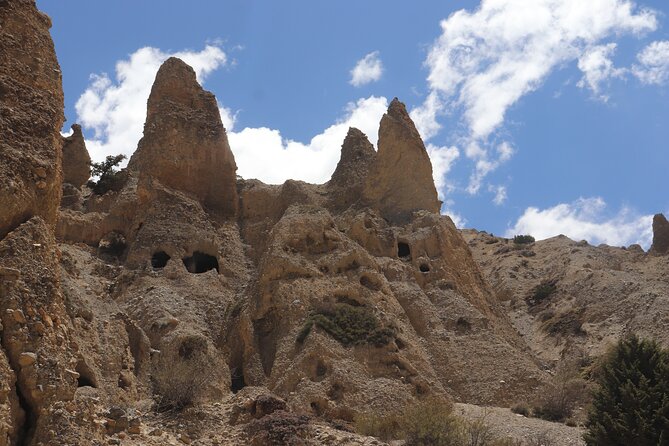
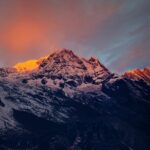
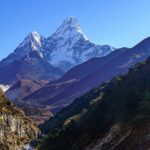
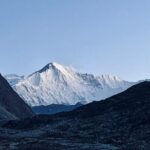
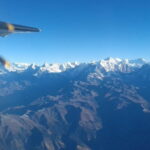
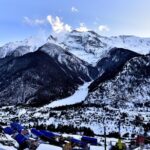
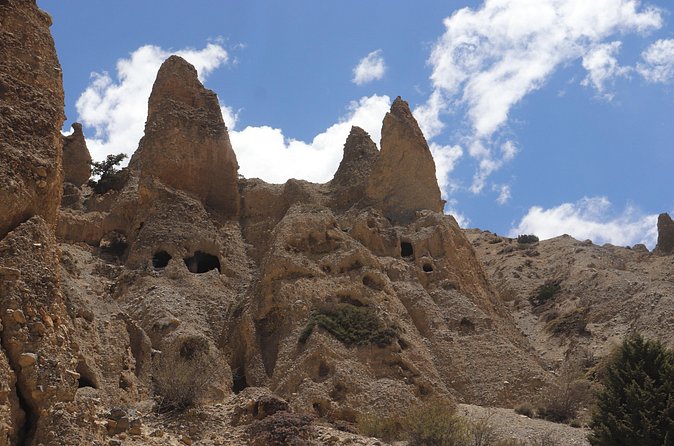
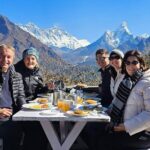
Day 7 is a climb day. You go from lodge up to Syangboche, with mostly uphill walking. The payback is named clearly: excellent views of the white peaks, with mentions like Dhaulagiri (8167m) and Annapurna (8097m). Whether you see every peak clearly depends on cloud cover, but the route’s purpose is to keep you facing mountain walls.
Day 8 is a weather-and-light dependent day. If conditions are clear, you’ll get different scenery and will pass through areas including Ghiling village with older monasteries, and then continue toward Tsarang.
This is where Mustang can feel like a film set—if you keep your eyes open. Monasteries here aren’t just backdrops; you’ll see the way villages are organized around spiritual landmarks, and you’ll understand why the region kept its cultural shape.
Lo Manthang: your main goal day-by-day
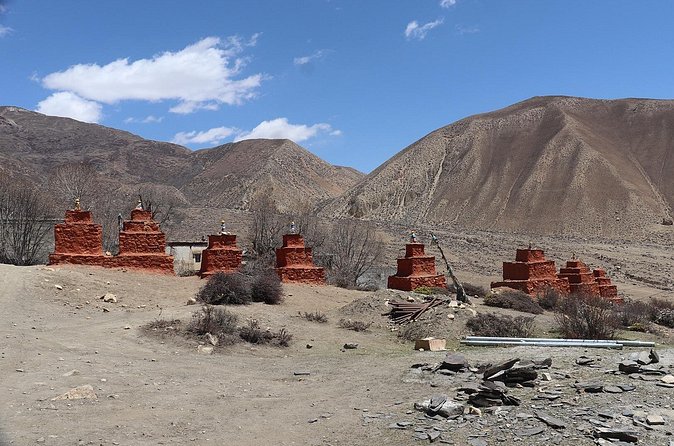
Day 9 is the walk to Lo Manthang (about 5–6 hours). You cross rivers and bridges and move through a more deserted-feeling stretch before you reach the city. That “approach” day is worth taking seriously. By the time you enter Lo Manthang, your body is ready for slower streets.
Day 10 is a full day inside the walled city. After breakfast, you visit the monastery and King Palace areas. This is the part of the trip that most strongly justifies the whole trek: Lo Manthang isn’t a quick photo stop. It’s the political and cultural heart that makes the trek’s daily village scenes feel connected.
Practical note: monastery areas can mean colder mornings and shaded courtyards. Bring layers even if daytime warms up.
Dhakmar and the Upper Mustang valley: monasteries, villages, and farms
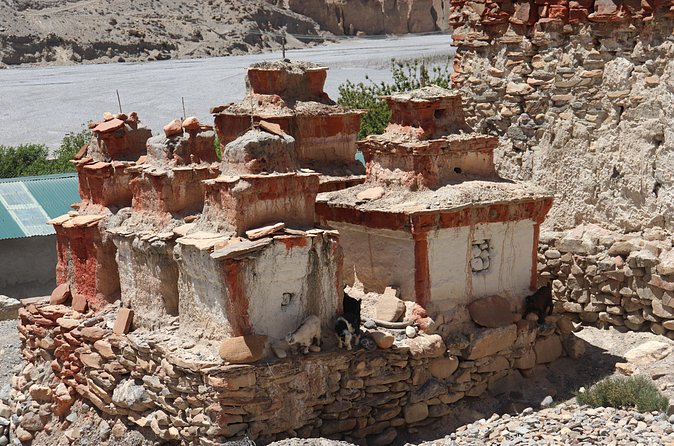
Day 11 starts with another travel-to-culture moment. You trek toward Dhakmar, beginning with uphill to a gompa. The tour description highlights history connected to gompas, and this is exactly the kind of day where your guide’s context matters. Even without complicated rituals, you’ll be reading the place—stone layouts, prayer practices, and the way spiritual sites shape daily life.
Day 12 continues deeper into the Upper Mustang valley by trekking toward Ghami. Ghami is described as a major village with a monastery route and also notes farm products run by a foreigner, plus apple gardens. That mix is real Mustang: tradition-heavy spaces next to everyday trade and farming adaptation.
Day 13 is your bigger “descent and back-track” day: Syanboche to Chhusang. It’s a large downhill and you pass smaller villages like Samar, Bhena, and Chele. You drop about a thousand meters toward the Kaligandaki River, and the schedule mentions windier conditions in the Kaligandaki valley area.
Wind consideration: if you’re sensitive to cold wind, bring a windproof outer layer. Strong afternoon wind near Kagbeni is also specifically noted later.
Back toward Kagbeni, then Jomsom for flight timing
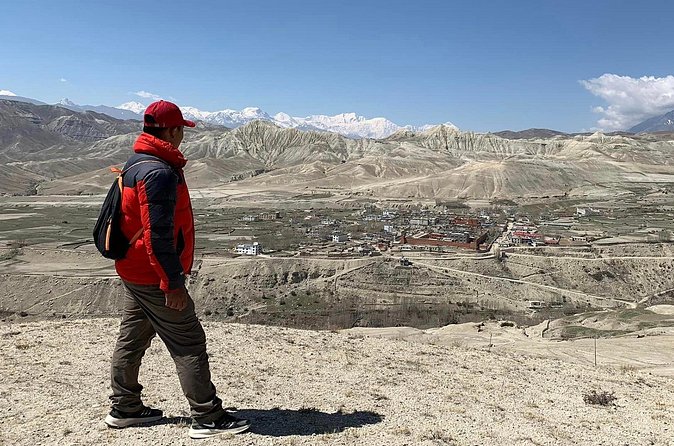
Day 14 is planned to leave early because walking after late morning can get unpleasant. From Chhusang to Kagbeni, the description says if you eat breakfast a little early you can follow the trail, but after 12:00 PM there’s very strong windy weather until Kagbeni. That’s a huge detail because trekking comfort in Mustang isn’t just about elevation—it’s also about wind exposure.
Day 15 is a short, easier hike to Jomsom. Once there, you check your flight schedule for the next day, and you can visit Jomsom city and buy items like apple brandy or other goods from apple makers. Even if you don’t drink, this is a good opportunity to reset and enjoy a place that feels more connected to broader Nepal than the inner valleys.
Day 16 is another schedule-dependent day. Depending on your flight timing, you may have time for breakfast in Jomsom or you’ll leave early to reach the airport and wait. Then you fly to Pokhara (around 25 minutes) and transfer to your hotel. You also leave your backpack, which matters for comfort. Trekking weight plus travel days can be exhausting.
Kathmandu and return: Pokhara to Kathmandu by bus
Day 17 moves you from Pokhara back to Kathmandu. You drive about 7 hours via tourist bus. This is a long seated day, so pack snacks and keep your hands free for basic comfort.
Day 18 ends with a short transfer to TIA for your final departure. After 18 days, the end is almost anticlimactic—in a good way. You’re tired, satisfied, and you’ve got memories that aren’t built on crowds.
What your days will feel like on the ground
This trek is not about a single summit push. It’s about sustained foot travel in a region shaped by weather, altitude, and culture.
A few “you should know this” takeaways based on what you’re being set up to experience:
- It’s culturally focused: monasteries and city exploration (especially Lo Manthang) are central, not optional extras.
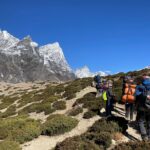
- It’s physically moderate to challenging: the route includes uphill climbs (like Syangboche) and long descents (like the Chhusang leg). If you have strong knees, great. If not, bring trekking poles and use them.
- It can feel dusty and quiet: one review notes Mustang can be quite dusty. Plan for dust in cloth choices and keep sunglasses handy.
- You won’t be walking with huge crowds: multiple reviews point out it’s not very crowded. That usually means better chances to talk with locals and fewer forced photo lines.
Who this tour is best for
I’d point you toward this trek if you:
- want authentic regional access with permits handled for you
- prefer a less-crowded Himalayan experience
- like village walking and monastery visits more than peak-chasing
- want a guide/porter setup that’s supportive and not overbearing
I’d think twice if you:
- can’t handle windy conditions or big descents
- hate travel days with multiple legs (bus plus flights)
- need a fully flexible hiking schedule each day (this plan is structured and time-bound)
Should you book Upper Mustang with Everest Trekking Routes?
If your dream is Upper Mustang access with a solid logistics backbone, I think this is a strong choice. The value is backed by what’s included: permits, licensed guide, lodge stays during the trek, most meals, and domestic flights, plus Kathmandu and Pokhara accommodations with breakfast. Add in the repeated theme from real feedback—good organization, friendly help from guide and porter, and a quieter, more authentic feel—and it becomes an easier “yes.”
One last decision check: this trek is designed for people with strong physical fitness. If you can handle multi-hour walks plus climbs and wind exposure, you’ll likely love the way Mustang feels like a different pace of life.
If you’re ready for a slower, drier kind of Himalaya and you want Lo Manthang to be more than a photo stop, book it. If your schedule is inflexible or you hate the idea of permit paperwork and flight dependencies, you might want a simpler route first.
FAQ
How long is the Upper Mustang Trekking experience?
It’s listed as about 18 days.
Where does the trip start and end?
It starts in Kathmandu and ends with a drop-off at TIA (Tribhuvan International Airport) for your final departure.
How much does it cost?
The price is $2,400.00 per person.
What permits are included?
You get the ACAP permit (Annapurna Conservation Area Project) and the Special Upper Mustang Permit. The special permit is listed as USD 500 per person for 10 days.
What transport is included during the trip?
The tour includes Kathmandu ↔ Pokhara by tourist bus, and Pokhara ↔ Jomsom by domestic air ticket. Airport/hotel transfers are included by private car/van/bus.
What kind of accommodation do you get?
You get 3 nights in Kathmandu at *3-star accommodation with breakfast, and 2 nights in Pokhara with breakfast. During the trek, you stay in lodge/tea houses as included.
Are meals included?
Yes. It lists 16 lunches and dinners, plus breakfast (17 times).
Do you get a guide and porter?
Yes. There’s a government license holder trekking guide, and porter support is included as 1 porter for 2 people.
What’s not included in the price?
Not included are extra hotel nights in Kathmandu or Pokhara (if needed), personal expenses, and tips for guide, porters, and driver.
What if I need to cancel?
You can cancel up to 6 days in advance for a full refund, with reduced refunds if you cancel closer to the start date (as described in the tour’s cancellation policy).