REVIEW · KATHMANDU
Kathmandu: 7 UNESCO-Listed city sites group day trip
Book on GetYourGuide →Operated by Enticing Himalayas Travels Private Limited · Bookable on GetYourGuide
Kathmandu can feel like a test of stamina. This private day tour turns it into a clean route, hitting seven UNESCO sites in one 8-hour block with a guide who explains what you’re looking at. I like how it mixes big-ticket sights (Swayambhunath, Pashupatinath, Boudhanath) with the quieter detail work of the Durbar Squares and Changu Narayan. One catch: it’s a long, active day with walking and stair climbing, so it won’t fit everyone.
What makes it work is the pacing. You get van transfers between stops, guided time at each site, plus breaks for photos and a little personal time. The tour is also private, so your guide can respond to your interests rather than running a one-size-fits-all script. Still, budget carefully: heritage site tickets are not included, even though you do skip the ticket line.
If you’re trying to understand Kathmandu beyond postcards, this is a practical way to do it. And the route is designed for contrasts: temple rituals by the Bagmati River, royal palace craftsmanship in the squares, and sweeping valley views from a hilltop stupa.
In This Review
- Key points worth knowing before you go
- A 7-site UNESCO day in Kathmandu: what you’re really buying
- The van-and-break rhythm: how the day stays manageable
- Swayambhunath first: hilltop orientation and quick spiritual context
- Kathmandu Durbar Square: royal power in carved stone
- Patan Durbar Square: Newari craft with a calmer rhythm
- Bhaktapur Durbar Square near twilight: medieval streets on the clock
- Changu Narayan Temple: sculptures and inscriptions where details matter
- Pashupatinath by the Bagmati River: rituals you can’t fake
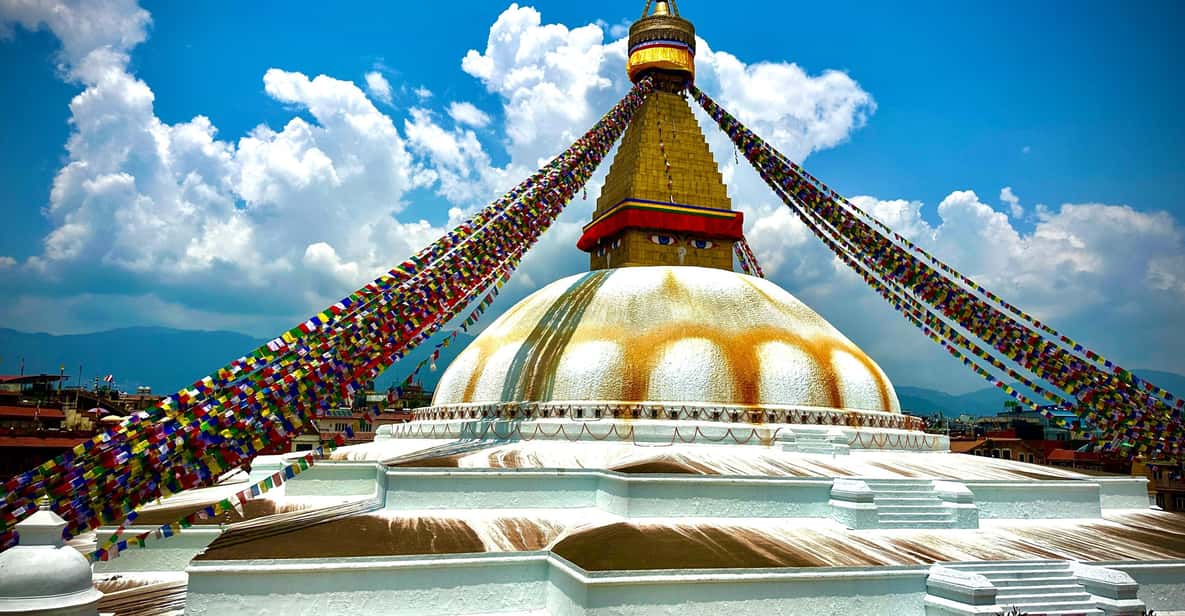
- Boudhanath Stupa: scale, chants, and the slow circle
- Price and value: $64 plus tickets, and why the guide matters
- Who should book this private UNESCO day (and who should skip it)
- Booking tips that actually help on the day
- Should you book this Kathmandu 7 UNESCO sites tour?
- FAQ
- How long is the Kathmandu 7 UNESCO sites day trip?
- What’s included in the price?
- Are heritage site tickets included?
- Do I need to bring an ID?
- How physically demanding is the tour?
- Is the tour private?
Key points worth knowing before you go
- Seven UNESCO stops in one day: you’ll see the main Kathmandu Valley classics without stitching together multiple tours
- Hotel pickup plus van transfers: less logistics stress, more time on the sacred stones
- English guide with real responsiveness: guides like Karma and Pooja are praised for answering questions clearly and tailoring the flow
- Swayambhunath panorama: a hilltop start that gives you instant orientation over the valley
- Pashupatinath by the Bagmati River: a powerful stop focused on Hindu temple life and cremation rituals
- Durbar Squares across Kathmandu, Patan, and Bhaktapur: three flavors of Newari craftsmanship and royal-era stonework
A 7-site UNESCO day in Kathmandu: what you’re really buying
For $64 per person, you’re not paying just for sightseeing. You’re paying for two things that matter in Kathmandu: transportation and a licensed guide who can make the sites click.
You’ll be picked up from your hotel and moved by van between districts. That sounds simple, but in a city where traffic and navigation can eat time, this structure is a big value. Add in an English-speaking guide, and the day stops being a checklist. It becomes a story you can follow: how Hindu and Buddhist influences show up in the same urban fabric, how royal power was expressed in stone and carvings, and how ritual life keeps moving around these landmarks.
The biggest trade-off is time and pace. The tour is 8 hours and includes multiple stops with walking and stairs. If you’re expecting an easy stroll with minimal steps, you’ll be fighting the schedule.
Also plan on extra costs. Heritage site tickets aren’t included. The good news is that you skip the ticket line, which can reduce hassle when ticketing areas get crowded.
You can also read our reviews of more city tours in Kathmandu
The van-and-break rhythm: how the day stays manageable
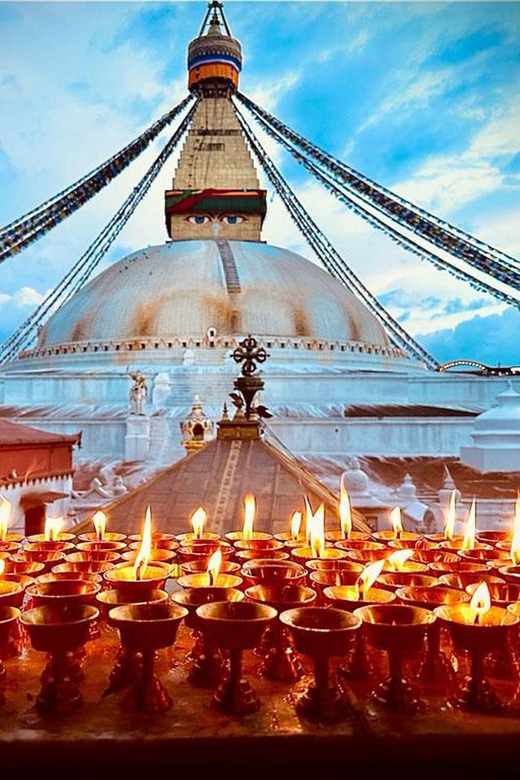
This tour works because it doesn’t treat every site like an all-day assignment. After pickup, you move by van from one UNESCO cluster to the next, then you get a guided visit plus room for yourself.
At each major stop you’ll have a mix of:
- a guided tour (so you’re not just taking photos)
- a photo stop (so you can get the classic angles)
- a break / free time (so you can sit, wander at your speed, and regroup)
The schedule includes short transfers between stops (generally 10–30 minutes at a time, depending on the legs). That keeps the day from feeling like it’s all walking, but you still need to be ready to move—especially at sites with stairs and uneven ground.
One more practical note: you need passport or an ID card. It’s the kind of requirement people forget until the last minute, and it can slow you down.
Swayambhunath first: hilltop orientation and quick spiritual context
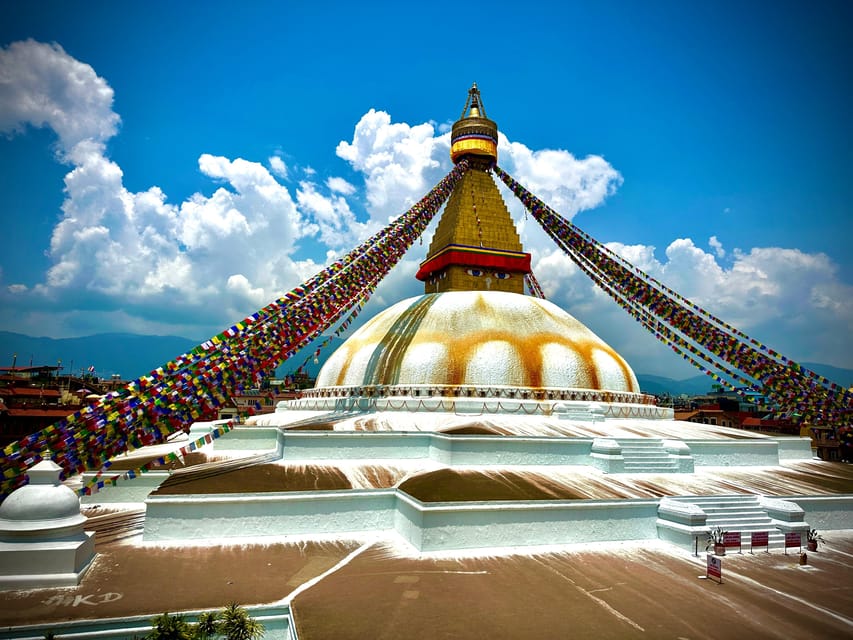
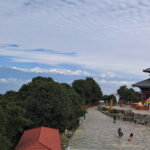
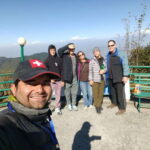
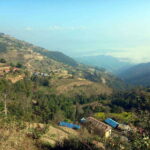
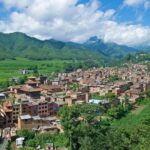
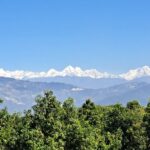
The day starts at Swayambhunath Stupa, up on a hill. I like starting here because the view does half the teaching for you. From the hilltop, you can take in the Kathmandu Valley layout and understand how the sites relate to each other spatially.
What to expect at Swayambhunath:
- Guided time that helps you read the stupa and surrounding structures
- A photo break for those wide-angle views
- Some free time afterward for a slower look around
This is also a good place to get your bearings fast—geographically and spiritually. Your guide can connect what you’re seeing to the broader Hindu and Buddhist blend that defines Kathmandu Valley heritage.
If you don’t love stairs, this is the time to pace yourself. Even if the stop is scheduled with breaks, the hilltop environment tends to demand it.
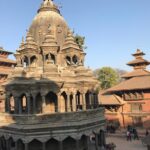
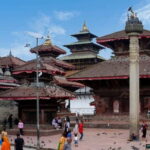
Kathmandu Durbar Square: royal power in carved stone
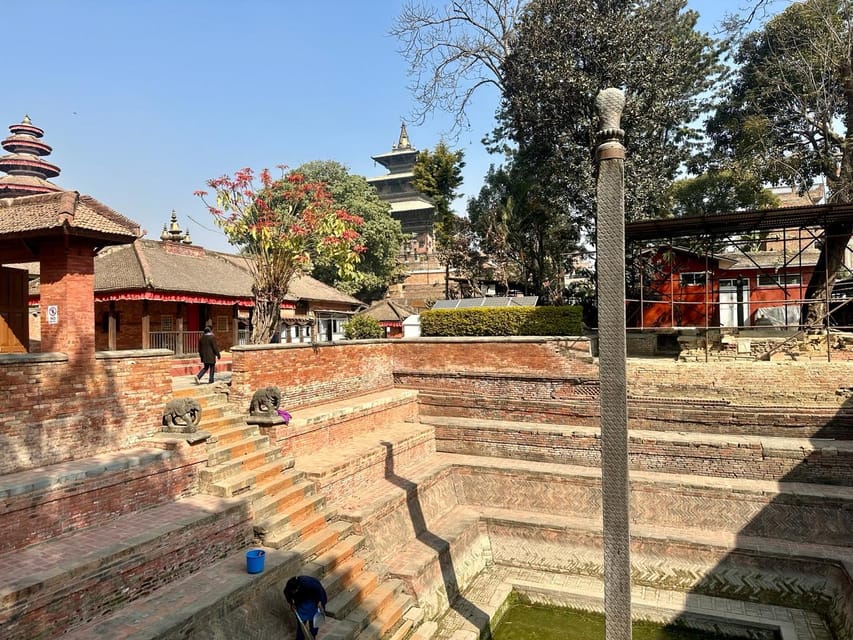
Next is Kathmandu Durbar Square, where you’ll step into royal-era architecture and temple forms tied to the city’s historical governance.
This stop feels different from the stupa viewpoint. Instead of looking outward at the valley, you look inward at craftsmanship:
- intricate stone and architectural details
- palace-and-temple layout that explains how power, religion, and city life overlapped
You’ll get guided time plus some free time to wander. I find it helps to use that free time for close-up watching: doors, columns, and the way different structures connect visually. Your guide’s job here is to point out the themes you might miss on your own—how the design tells a political and religious story.
A practical caution: Durbar Square areas can mean uneven surfaces and lots of foot traffic around viewpoints. Wear shoes you trust.
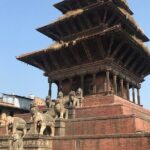
Patan Durbar Square: Newari craft with a calmer rhythm
Then you head to Patan Durbar Square, often described as one of the most intact places for historic architecture in the valley. This stop is a solid choice if you like craftsmanship more than big crowds.
The highlights here are the blend of influences and the quality of the work:
- Hindu and Buddhist influence in the same urban space
- Newari craftsmanship that shows in carvings and architectural proportions
You’ll have guided time plus a chance to walk and soak in the details. I like Patan for the way it supports slower looking. It can feel easier to read than the first Durbar Square because the layout encourages you to pause and observe.
If you’re the type who loves learning by seeing patterns—how motifs repeat, how space is framed, how buildings relate—this is a great stop to give a little extra attention.
You can also read our reviews of more tours and experiences in Kathmandu
Bhaktapur Durbar Square near twilight: medieval streets on the clock
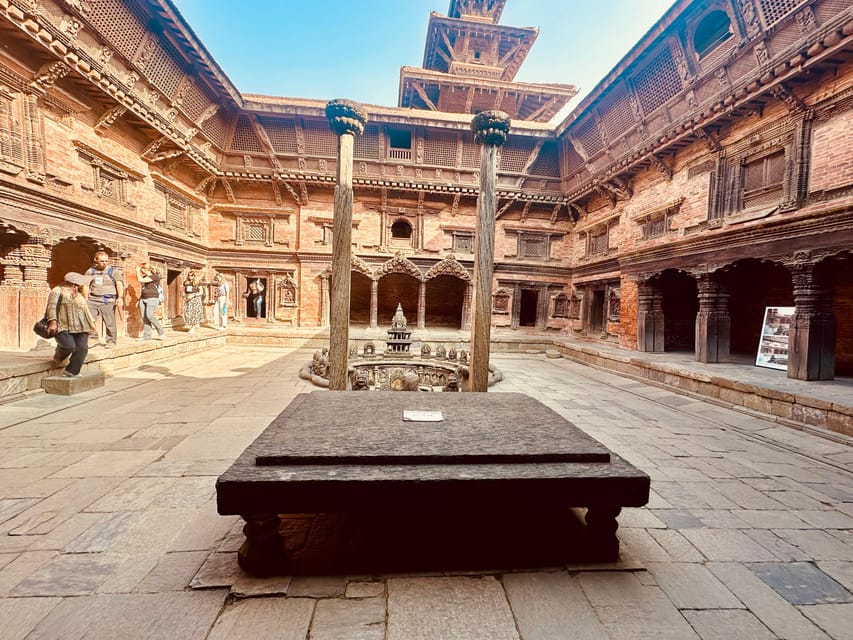
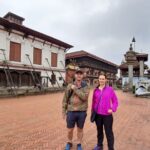
From Patan, the day moves onward to Bhaktapur Durbar Square. The tour timing is set to reach this area as twilight sets in, which matters because light changes how stone and carvings read.
Expect:
- guided context that helps you understand the royal square layout
- time to walk the surrounding medieval lanes and squares
- a more atmospheric feel as the day cools down
I like Bhaktapur later in the day because it can reduce the harshness of midday glare and make details easier to spot. Your guide can also help you connect the square’s design to daily life and ritual culture around it.
Just keep your energy in mind. By this point you’ve already walked at multiple UNESCO sites. Use your free time intentionally—take a breather before you lose your focus.
Changu Narayan Temple: sculptures and inscriptions where details matter
After Bhaktapur, you’ll go to Changu Narayan Temple, often treated as a stop for people who like history written in stone.
This is where the tour adds texture:
- exquisite sculptures
- ancient inscriptions
The scheduled visit is shorter than the Durbar Squares, but that’s not a downside. It usually means you can focus on quality observation: how the sculptures tell stories, how inscriptions function as historical markers, and why this temple earned its UNESCO place.
If you’re tired by this stage, still don’t skip the guided portion. At Changu Narayan, a good guide helps you “read” what’s in front of you. Otherwise, it can look like beautiful carvings without clear meaning.
Pashupatinath by the Bagmati River: rituals you can’t fake
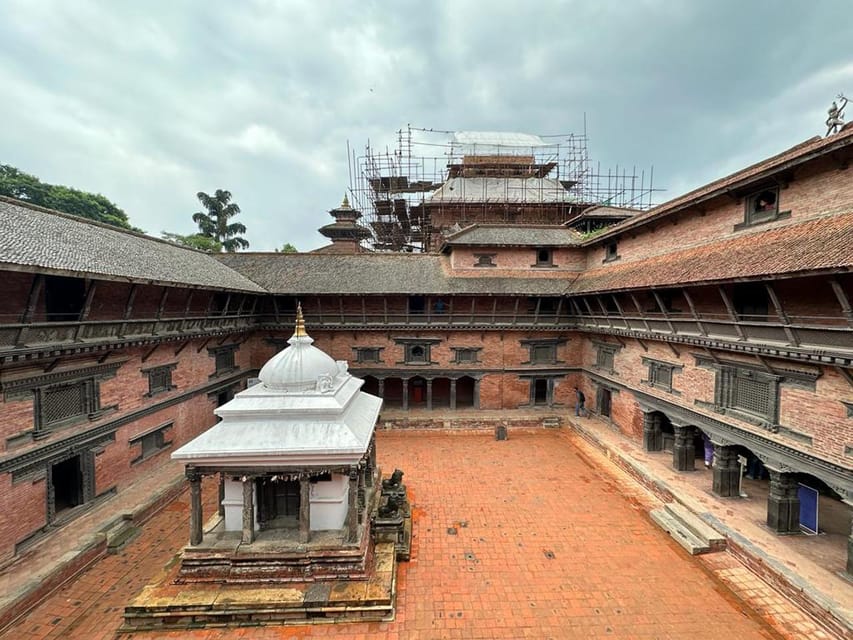
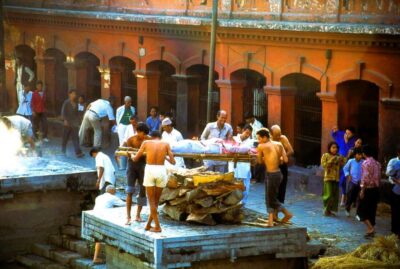
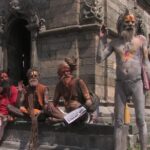
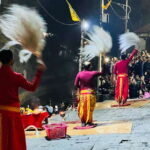
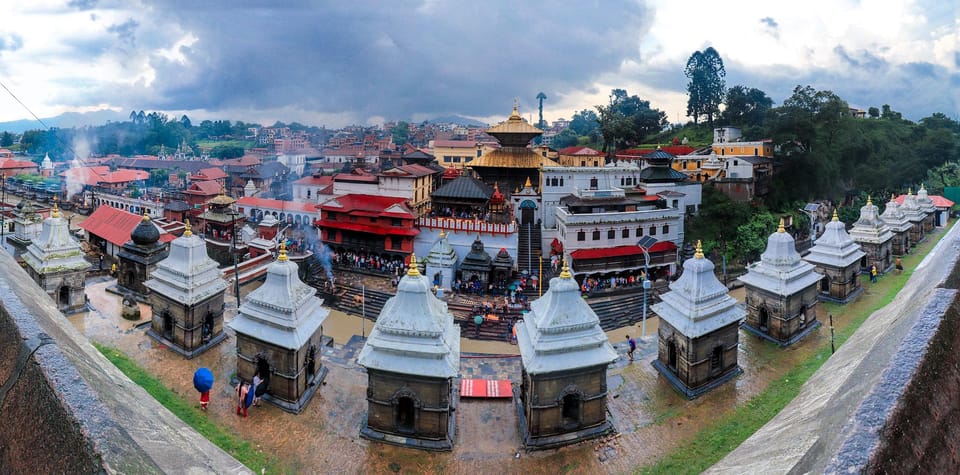
Then comes the emotional heavyweight: Pashupatinath Temple, alongside the Bagmati River. This is the stop the tour description highlights for a reason: Hindu rituals and cremation practices by the river are part of the place’s real, ongoing life.
Your guided visit here focuses on:
- Hindu temple traditions
- the cremation and related rituals connected to the Bagmati River
I won’t sugarcoat it: this is not a casual “pretty views only” stop. If you’re sensitive to serious religious moments, come prepared for a heavy atmosphere.
The practical upside is that your guide can help you understand what you’re seeing without turning it into spectacle. That kind of context is what you’re paying for.
As always, expect walking and position changes around riverside areas. Take your time. You’ll want to stay respectful and stay aware of where you’re standing.
Boudhanath Stupa: scale, chants, and the slow circle
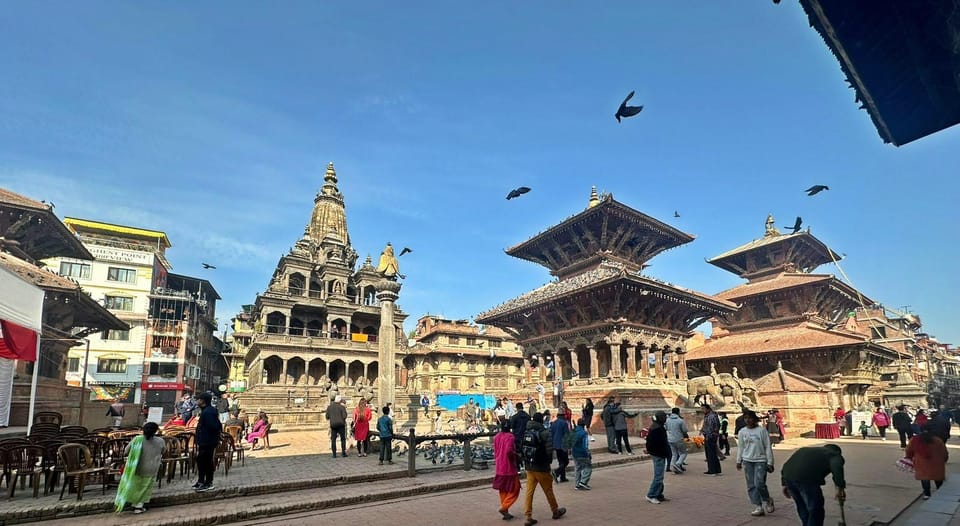
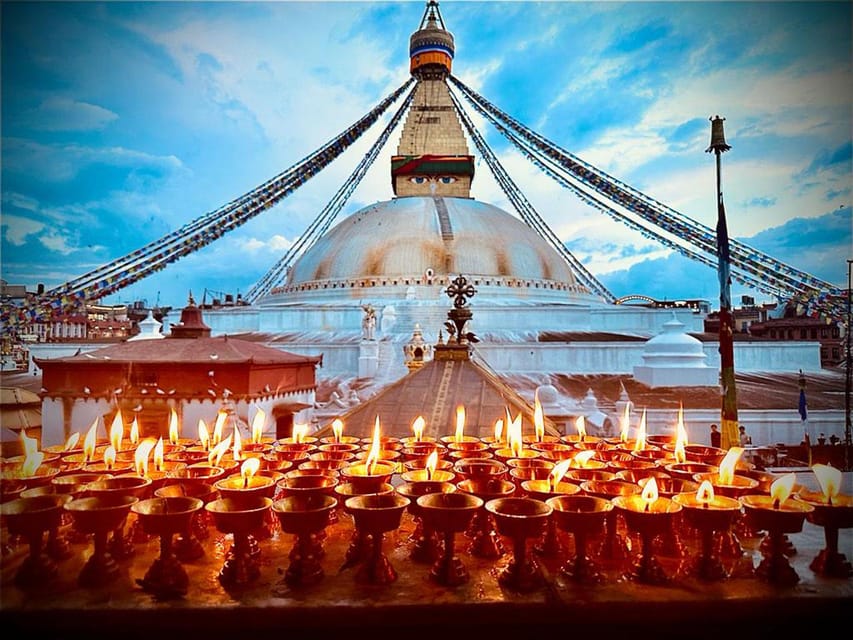
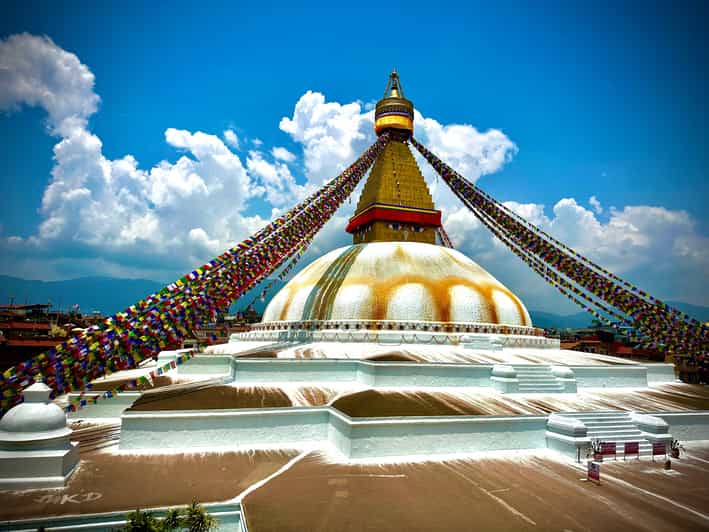
Finally, the day ends with Boudhanath Stupa, one of the valley’s most iconic Buddhist sites.
What makes Boudhanath special in this kind of route is the shift in mood:
- a massive mandala-like presence
- devotees circumambulating around it
- rhythmic chanting that changes the air around you
This stop isn’t about a quick photo and moving on. You’ll get guided time plus time to look and breathe in the pace. I like Boudhanath because it reminds you that UNESCO sites here are not museum pieces. They’re active places of devotion.
If you’re into people-watching (without being intrusive), this is also where you can observe ritual in action and feel how the stupa functions for real daily practice.
Price and value: $64 plus tickets, and why the guide matters
Let’s talk value in plain terms.
What’s included:
- hotel pickup and drop-off
- transportation by van
- a licensed English guide
- skip the ticket line
What’s not included:
- food and personal expenses
- tickets to heritage sites
At $64 per person for a full-day run across seven UNESCO-listed sites, it can be good value—especially if you’d otherwise struggle to plan routes, arrange transport, and find solid explanations on your own. In Kathmandu Valley, explanation is where the day becomes worth it. You could see the monuments without guidance, but you’d miss the connections: why these structures look the way they do, how Hindu and Buddhist traditions share space, and what the Durbar Squares were built to represent.
The one place where you need to budget carefully is food. Since meals aren’t included, plan for your own lunch/snacks. The schedule includes breaks at several stops, but you shouldn’t assume food is part of the package.
Who should book this private UNESCO day (and who should skip it)
This tour is a strong fit if you want:
- a structured day with a guide who answers questions
- the main UNESCO highlights plus the supporting details
- a private-group pace instead of a mass-tour cattle line
It’s also a good option for solo travelers. Private group doesn’t mean you lose flexibility; it usually means your guide can adapt within reason.
On the flip side, it’s not suitable for:
- wheelchair users
- pregnant women
- children under 10
- people with motion sickness
- anyone with mobility limits who struggles with walking and stair climbing
If any of those apply, consider a gentler plan that reduces stairs and temple steps. This day is designed for active sightseeing.
Booking tips that actually help on the day
A few practical things I’d do before you go:
- Bring passport or ID card (you’ll need it)
- Wear shoes that handle uneven stone and stairs
- Plan for your own meals and water rhythm (food isn’t included)
- If you hate long days, remember this is an 8-hour schedule with multiple site transitions
Also, the tour uses a private group model, and past guide experiences—such as Karma and Pooja—have been praised for being open to questions and responsive to individual preferences. That’s the kind of communication you want when the day includes both beautiful architecture and heavier ritual spaces.
Should you book this Kathmandu 7 UNESCO sites tour?
Yes, I think you should book it if you want the Kathmandu Valley highlights in one focused day and you appreciate a guide who explains the meaning behind what you see. It’s good value for the combination of transport, licensed guidance, and a route that covers Swayambhunath, multiple Durbar Squares, Changu Narayan, Pashupatinath, and Boudhanath.
Skip it (or switch to a lighter version) if you’re worried about stairs, long walking, or getting tired fast. This tour is full and active, and it’s not built for wheelchair access or motion sensitivity.
If your goal is understanding—how rituals and royal-era architecture shape everyday life—this day plan gives you a lot for $64, as long as you also budget for tickets and your own food.
FAQ
How long is the Kathmandu 7 UNESCO sites day trip?
The tour duration is 8 hours.
What’s included in the price?
Hotel pickup and drop-off, transportation by van, and a licensed English guide are included.
Are heritage site tickets included?
No. Tickets to heritage sites are not included, but the tour includes skipping the ticket line.
Do I need to bring an ID?
Yes. You should bring a passport or ID card.
How physically demanding is the tour?
It involves some walking and stair climbing, so it may not be suitable if you have mobility issues or need wheelchair accessibility.
Is the tour private?
Yes, it’s a private group with a live English tour guide.