REVIEW · KATHMANDU
Pashupatinath: Evening tour of temple and Aarati ceremony
Book on GetYourGuide →Operated by Peak to Peak Treks · Bookable on GetYourGuide
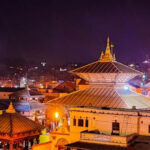
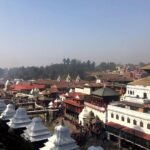
The Bagmati River at dusk hits hard. This 3-hour evening tour pairs Pashupatinath Temple rituals with the Pashupati Aarati ceremony, so you see devotion at work—not just a photo stop. I especially loved the way the temple grounds bring together Hindu worship and sacred architecture, from the pagoda-style complex to the golden spire. I also liked walking along the river and seeing how the cremation ghats fit into the daily spiritual rhythm.
The big thing to plan for: it’s not suitable for wheelchair users. Expect uneven ground and steps, and the experience includes solemn cremation rituals, so it’s emotionally intense in a real-life way.
In This Review
- Key things that make this tour worth your time
- Pashupatinath at night: why this place feels different
- Getting oriented inside Pashupatinath Temple grounds
- The Bagmati River walk: where life and death sit side by side
- The cremation ghats: understanding the solemn side of culture
- Sunset and the Pashupati Aarati ceremony: lights, mantras, and drums
- How the 3-hour private format works in real life
- Price and value: is $57 per person reasonable?
- Who this tour suits best (and who should think twice)
- What you’ll likely remember most
- Should you book the Pashupatinath evening temple and Aarati tour?
- FAQ
- How long is the Pashupatinath evening temple and Aarati tour?
- What does the tour cost?
- Is this tour private?
- What’s included in the price?
- Do I skip the ticket line?
- Is it suitable for wheelchair users?
- Can I pay later and cancel for a refund?
Key things that make this tour worth your time
- Evening timing at sunset for the Pashupati Aarati ceremony, not a random daytime stroll
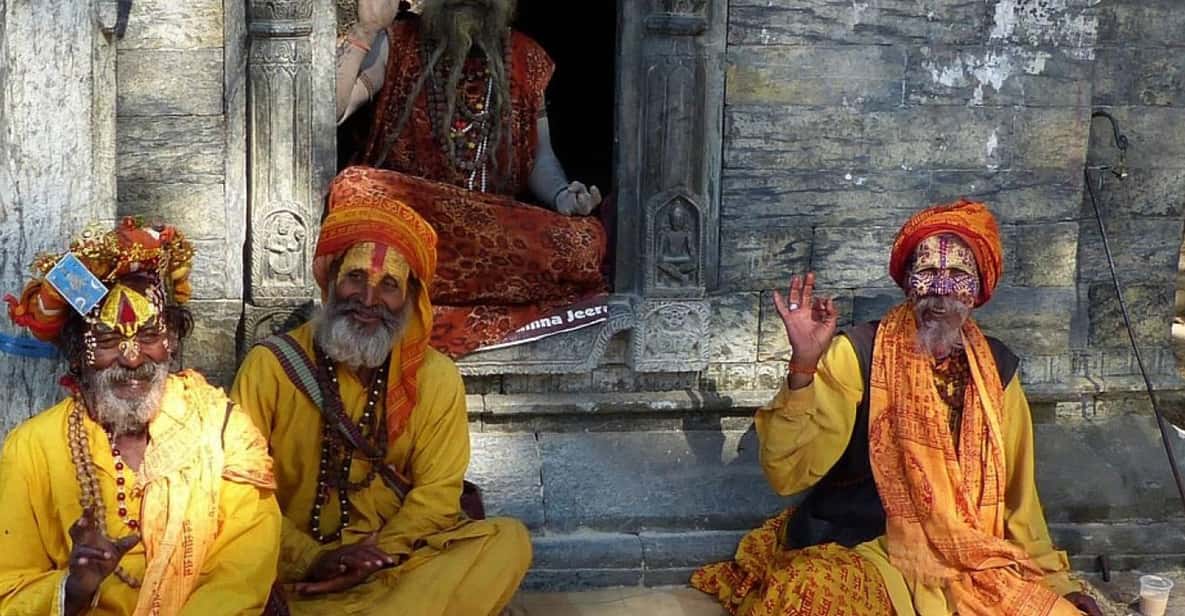
- A guided walkthrough of the temple complex, including shrines and statues (murtis)
- Bagmati River ghats where cremation rituals take place, adding powerful cultural context
- Live English-speaking guide who helps you understand what you’re seeing
- Transportation + entry fees handled, plus skip the ticket line to save time
Pashupatinath at night: why this place feels different
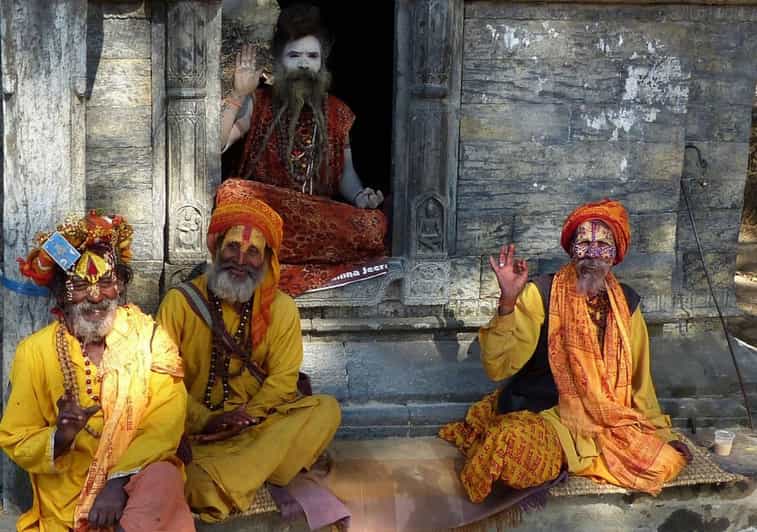
Pashupatinath Temple is one of those Kathmandu sites where the spirituality isn’t locked behind ropes and museum signs. It’s active. People come for prayer, families come for funerary rites, and the temple keeps operating as a living religious center. An evening visit helps because the atmosphere shifts from daytime sightseeing into something closer to ceremony time—lights, chanting, and that steady drumbeat during the Aarati.
What you’re paying for here isn’t just access. It’s the chance to have an English-speaking guide interpret the layered space: temple worship, sacred objects, and the river rituals running alongside it. That makes the experience easier to process and much more meaningful. You’ll also benefit from the small practical win of skipping the ticket line, especially at a popular site.
A final thought: I love when a tour doesn’t try to soften the reality. This one doesn’t pretend the cremation ghats are a light “cultural performance.” They’re dignified, serious, and part of the spiritual landscape of Nepal.
You can also read our reviews of more evening experiences in Kathmandu



Getting oriented inside Pashupatinath Temple grounds
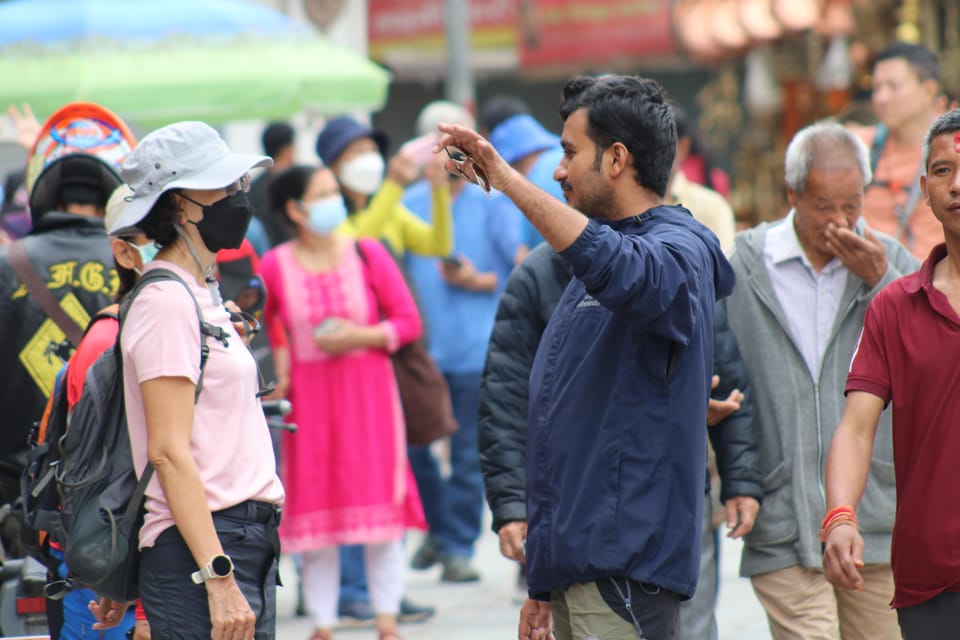
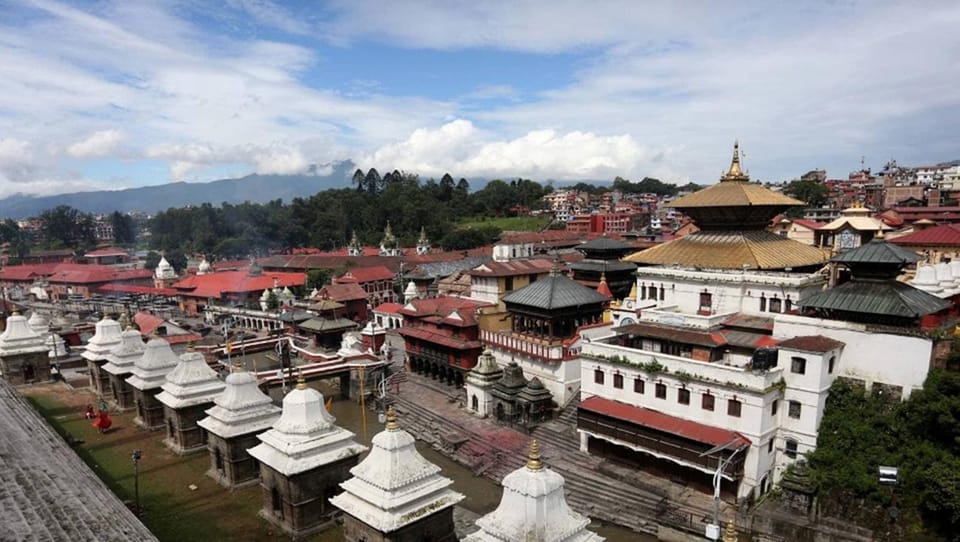
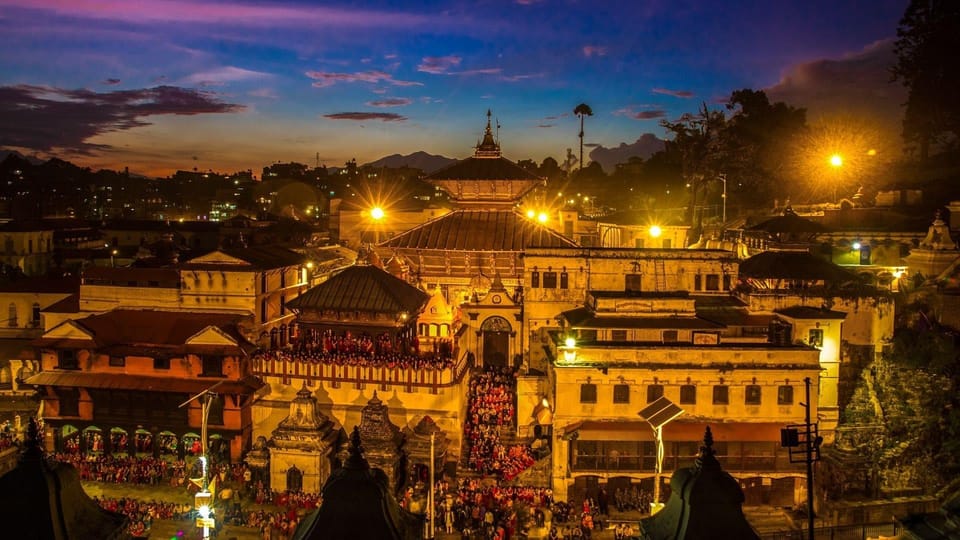
Your evening starts with transportation included, then you’re dropped into the temple complex where devotion is already underway. Pashupatinath is famous for its centuries-old temple setting and UNESCO heritage status, and you can see why the place draws worshippers from all over. The complex includes pagoda-style architecture and many shrines, with the main temple rising up with a golden spire.
As you move through the grounds, your guide helps you connect what you see to what it means. You’ll notice how the main Pashupatinath Temple houses the sacred lingam of Lord Pashupatinath, a form of Lord Shiva revered by Hindus. You’ll also encounter other shrines and murtis (statues) scattered around the complex, each tied to mythological significance and artistic design.
Here’s what I think matters for you as a visitor: this isn’t a quick “see everything” checklist. Even within a 3-hour window, the point is to slow down enough to understand the symbolism behind the stone and ritual behavior. Without that guidance, the complex can feel like a lot of visuals in a hurry. With a guide, it starts to click.
The Bagmati River walk: where life and death sit side by side
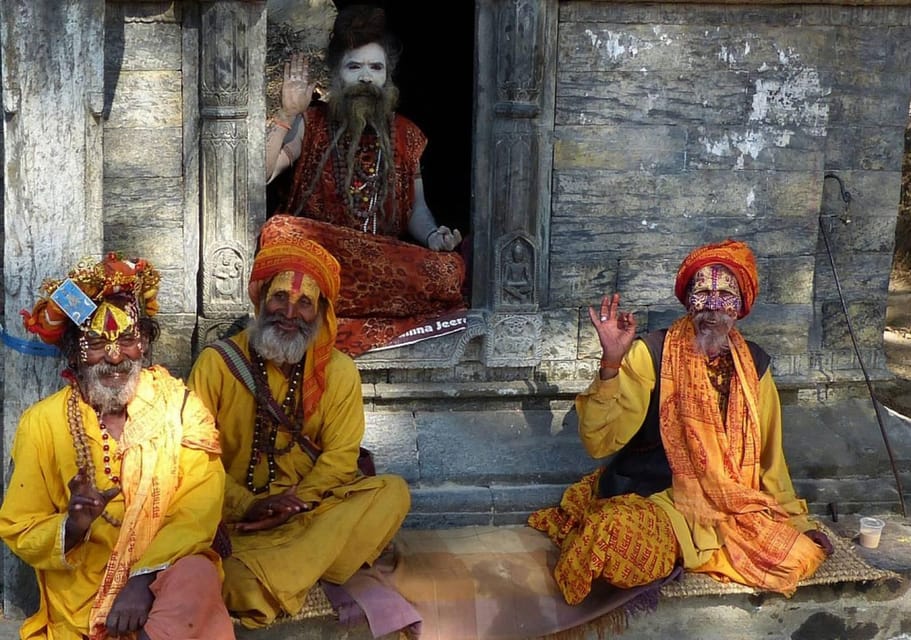
After you get your bearings among temple shrines, the experience shifts to the Bagmati River. This is where the tour becomes more than temple architecture. The Bagmati River is linked to ritual life in Nepal, and the ghats are where cremation ceremonies take place.
Walking along the riverbank, you’ll witness cremation rituals at the river ghats—families farewelled amid chanting priests, with mourning handled through dignified practice. It can be emotional, because it’s real. There’s no soundtrack, no dramatization for tourists, and that’s exactly why it can be so powerful.
A practical consideration: this part of the visit is not “comfortable watching.” If you’re sensitive, give yourself mental space before you reach the ghats. If you’re the type who likes to understand cultures through lived practice, this is the moment that gives the whole trip weight.
Also keep in mind your time together is limited—3 hours total—so you may not get long pauses everywhere. The guide’s job is to help you see what matters most, and you’ll likely move at a steady pace to reach the Aarati at sunset.
The cremation ghats: understanding the solemn side of culture
You’ll specifically see cremation rituals, which are described as profound and dignified cultural practices at the river ghats. That wording matters: this isn’t presented as horror or spectacle. The experience is framed as part of a broader spiritual belief system, where death and ritual are woven into everyday religious understanding.
What I like about including this in an evening tour is that it creates contrast. You’re not just seeing one side of religion. You’re seeing a full range: temple worship up top, and rites connected to mortality right by the water.
If you’re curious about the spiritual meaning behind this, you’ll get a lot from the live English guide. They can connect what you’re seeing to the beliefs around the cycle of life and reincarnation, which comes up directly in the tour’s overall theme in the kind of feedback people leave after the experience.
One more thing: you’re visiting a place where families are present. Keep your behavior calm, respectful, and mindful of personal space. If you treat it like a photo hunt, you’ll miss what the ritual is communicating.
Sunset and the Pashupati Aarati ceremony: lights, mantras, and drums
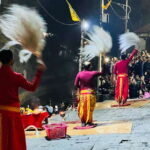
Then comes the part that makes this tour an evening tour: the Pashupati Aarati ceremony near the riverbank as the sun drops. You’ll gather close enough to feel connected to the rhythm of the ritual rather than standing far back like it’s a stadium show.
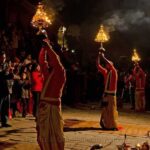
During the Aarati, priests clad in traditional attire perform intricate movements with oil lamps (diyas). The soundscape matters here: chanting of ancient mantras and the beat of drums. The ceremony builds toward a collective offering of prayers and reverence to Lord Pashupatinath.
I love that this segment changes your brain from observation to participation in the best way. Even if you don’t understand every mantra, you understand the structure: repeated movements, synchronized sound, and a sense of shared attention. It’s a living ritual, not a staged performance.
Expect the lighting to make the details pop. You’ll likely find the oil lamps visually striking, especially over the river setting. And emotionally, it tends to feel like a release after the solemnity of the ghats—light as a spiritual signal, not just decoration.





How the 3-hour private format works in real life
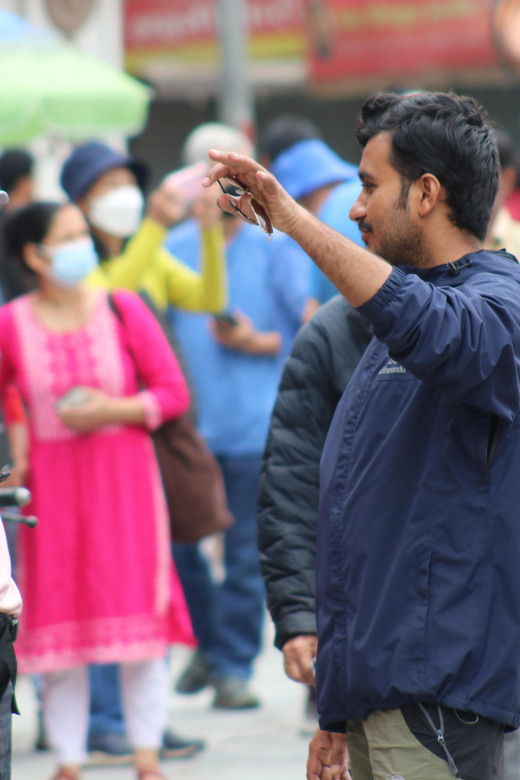
This tour lasts 3 hours, and it’s a private group. That matters more than it might sound. In places like Pashupatinath, timing and pace are everything. A private group lets the guide manage the flow around ceremonies and crowd pressure, and it usually means you can ask questions without feeling rushed.
Since your tour includes all transportation, entry fees, and an English-speaking guide, you’re not stuck doing logistics math while the ceremony is happening. That’s part of the value: time saved where it counts.
The tour also notes skip the ticket line, which is a practical upgrade. If you’ve ever visited popular religious sites, you know that waiting can drain the moment you came for. Here, you trade waiting for being present.
One small caution: because you’re working within a 3-hour window, you won’t wander aimlessly. You’ll see the important parts—temple complex, river ghats, and Aarati—but you’ll need to accept that “everything” isn’t the point. The point is “the best meaning in the time you have.”
Price and value: is $57 per person reasonable?
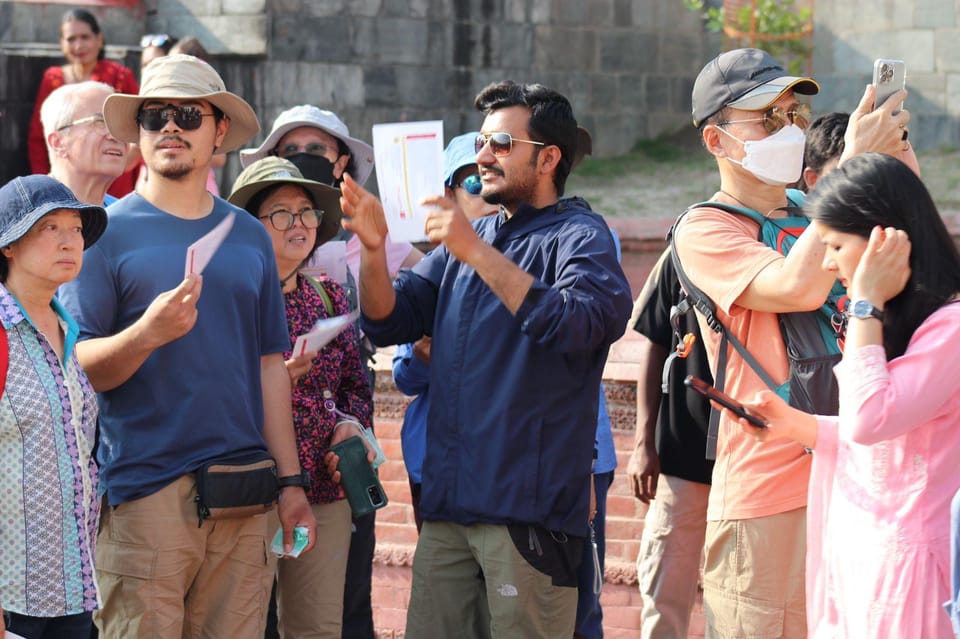
At $57 per person for a 3-hour private evening tour, the price is best judged by what you’re actually getting: transportation, entry fees, an English-speaking guide, and skip-the-line access—plus the timing built around sunset and a daily ceremony.
A lot of tours only include one or two of those. Here, you’re paying for interpretation and convenience in the same package. That’s valuable because Pashupatinath is complex: temple shrines, multiple murtis, sacred objects, and the river ghats all in one flow. An English guide helps you connect the dots fast, so you leave with understanding rather than just a memory.
The “value” also includes what the experience does to your perspective. One review describes it as changing how they view death, life, and reincarnation. That kind of impact isn’t something you can measure in a normal itinerary list, but it’s part of why this tour gets strong ratings.
My take: if you want a guided evening that mixes temple worship with the Bagmati River rituals and ends with the Aarati, this price feels fair for the time saved and the cultural translation you get.
Who this tour suits best (and who should think twice)
This is a great fit if you:
- Want spiritual and cultural context more than sightseeing photos
- Are comfortable with serious rituals and want to understand the practice respectfully
- Like guided interpretation in English, especially in places with layered symbolism
- Appreciate evening timing for ceremonies rather than daytime crowd conditions
You might want to think twice if you:
- Need wheelchair access (the tour is not suitable for wheelchair users)
- Prefer light, entertainment-style sightseeing over emotional, solemn moments
What you’ll likely remember most
From the feedback people leave, the most praised aspects are the spiritual immersion feel of the evening and the guide’s kindness and attentiveness. A review from Japan highlights seeing the funeral and ceremony by the holy river and temple as a must-see, and another from France points out a very pleasant guide with a beautiful visit. One Nepal review simply calls it fantastic, and mentions that the chai was tasty—small detail, but it tells you the guide experience isn’t cold and mechanical.
That’s the vibe I’d expect: you’re not just herded through. You’re accompanied with care, and the emotional weight is handled with respect.
Should you book the Pashupatinath evening temple and Aarati tour?
I’d book it if your Kathmandu list includes Pashupatinath but you also want meaning, not just monuments. The combination of temple architecture, river ghats cremation rituals, and the Pashupati Aarati ceremony makes the evening feel like a full ritual cycle instead of a single highlight.
Skip it only if you strongly dislike emotional ceremonies or need wheelchair-friendly routes. Otherwise, the private 3-hour format, English-speaking guide, transportation, entry fees, and skip-the-line setup make it a smart, time-efficient way to experience one of Nepal’s most important sacred places.
If you go, show up calm and respectful. This isn’t a background attraction. It’s the real thing.
FAQ
How long is the Pashupatinath evening temple and Aarati tour?
The tour lasts 3 hours.
What does the tour cost?
It’s priced at $57 per person.
Is this tour private?
Yes, it’s a private group experience.
What’s included in the price?
The tour includes all transportation, entry fees, and an English-speaking guide.
Do I skip the ticket line?
Yes, skip the ticket line is included.
Is it suitable for wheelchair users?
No, it’s not suitable for wheelchair users.
Can I pay later and cancel for a refund?
You can reserve now and pay later. Free cancellation is available up to 24 hours in advance for a full refund.