Two days, and you feel Mustang’s sacred power. This Jomsom Muktinath 4WD SUV tour strings together classic Annapurna region highlights—Tatopani, Marpha, Kagbeni, Jomsom—and ends at the high, famous Muktinath Temple. You get the big sights without committing to a multi-day trek.
I love the practical mix: start with the Tatopani hot spring stop to loosen up, then keep moving through small Mustang villages and orchard country. I also like the time-saver of reaching Muktinath Temple in about a 2-day window, including a focused 1-hour visit at the temple site.
The only catch is planning: the trip needs good weather, and key costs like ACAP/TIMS permits and admission tickets aren’t included.
In This Review
- Key highlights before you go
- Why this Jomsom–Muktinath 4WD route fits tight schedules
- Pokhara pickup and the 7:15 am start: what to expect
- Tatopani hot spring + Marpha apple village: comfort and culture on day one
- Kagbeni and Jomsom bazaar: reading Mustang through small stops
- The Muktinath Temple visit: one hour that changes the whole trip
- Road reality: comfort tips for a bumpy, high-country drive
- Kaligandaki River gorge and the “Mustang highlights in motion”
- Price and value: $290 per group, and what to budget on top
- Included basics that make a difference (even if they sound small)
- Who this Jomsom–Muktinath SUV tour suits best
- Things to weigh before you book
- Should you book this tour?
- FAQ
- What is the total cost of the tour?
- How long is the Jomsom–Muktinath 4WD tour?
- Where does the tour start?
- Is this tour private?
- What’s included in the price?
- What is not included?
- Do I need admission tickets for stops?
- Does the tour require good weather?
- What ticket format will I receive?
- Can most people participate?
Key highlights before you go
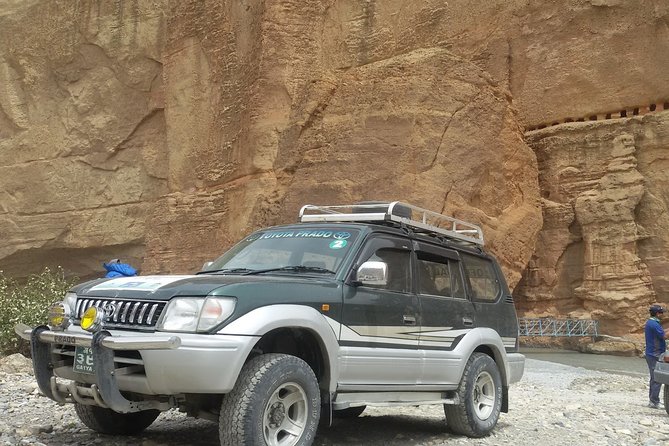
- 4WD SUV saves you days when your schedule can’t handle a trek
- Tatopani hot spring is your comfort reset early on
- Marpha apple country adds culture beyond just temples and drives
- Kagbeni and Jomsom bazaar let you see Mustang life in motion
- Muktinath Temple is a rare Hindu-Buddhist pilgrimage stop high in Mustang
Why this Jomsom–Muktinath 4WD route fits tight schedules
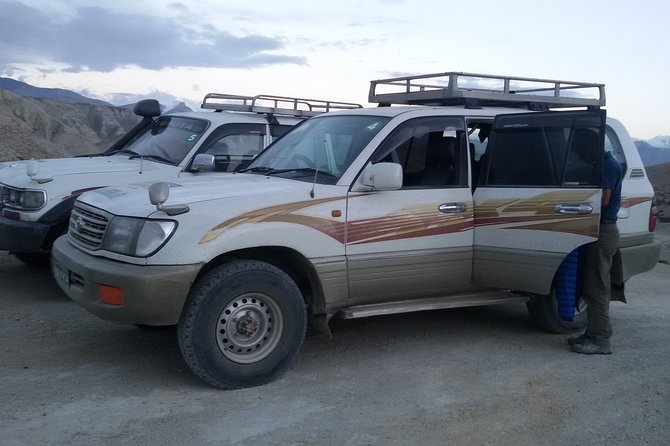
If you want the sacred payoff of Muktinath but you don’t have trekking time, this kind of 2-day SUV plan is a strong match. You’re moving through the Annapurna region in a way that keeps you connected to the river valleys and high-country stops, rather than spending days on foot.
I like that it’s built around places with real meaning, not just “lookouts.” Tatopani is more than a roadside stop—you’re there for a hot spring break. And Muktinath Temple isn’t just scenic; it’s explicitly sacred to both Hindus and Buddhists, which changes the whole tone of the visit.
You can also read our reviews of more tours and experiences in Pokhara
Pokhara pickup and the 7:15 am start: what to expect
You start early, with a 7:15 am departure time. That matters because this area rewards a calm, daylight drive. If you’re the type who hates rushing, early timing can feel easier—you reach key stops while the day is still fresh.
Since pickup is offered and the tour is private (only your group), the day tends to run at your group’s pace rather than a rigid bus schedule. It also helps that the tour includes a driver with experience, which is important here because these roads can be rough and attention-demanding.
One more practical point: you’ll receive a mobile ticket, so you’re not juggling paper confirmations at check-in.
Tatopani hot spring + Marpha apple village: comfort and culture on day one
Day one begins with the Tatopani hot spring stop after breakfast. The hot spring visit is listed as about 1 hour, and admission isn’t included—so budget a little extra if you want to fully enjoy the soak. Even if you don’t stay in the water for long, it’s still a smart stop early on. Hot springs are a simple way to reset your body after long days in transit.
Then you move toward Marpha, and this is where the tour becomes more than a transport day. Marpha is known for its apple orchards, and the region’s daily life is closely tied to that fruit-growing rhythm. You’ll see how agriculture shapes the village atmosphere, not just a few photo angles.
If you’re short on time, you’ll appreciate that Marpha gives you “living culture” in a compact way. It’s not a museum stop—it’s a place where people work and carry on, framed by a high-altitude setting.
Kagbeni and Jomsom bazaar: reading Mustang through small stops
After Marpha, the route continues through Kagbeni and then toward Jomsom bazaar. These are the kinds of stops that help you understand the geography you’re traveling through. Kagbeni sits in classic Mustang-style surroundings, where the village feel is shaped by the valley and the dry, high-country conditions.
Jomsom bazaar is your chance to feel the town side of the region—where trade, supplies, and travel connections concentrate. Even if your time there is limited, it’s useful. You get a sense of what kind of traveler and goods flow move through this part of Nepal.
I like including bazaar time because it breaks up the day from pure driving. You can stretch your legs, grab a snack if you want (food isn’t included), and orient yourself mentally for day two’s temple visit.
The Muktinath Temple visit: one hour that changes the whole trip
On day two, you drive toward Muktinath Temple via Jhol village. You’ll get a 1-hour temple visit, and again, admission tickets aren’t included. Plan to arrive ready to slow down.
Why Muktinath hits different: it’s a Vishnu temple sacred to both Hindus and Buddhists. It’s located in the Muktinath Valley at the foot of the Thorong La mountain pass area in Mustang, Nepal, and it’s described as one of the world’s highest temples. That combination—height, spiritual overlap, and a location tied to Thorong La—makes the place feel like a destination, not a checkbox.
If you care about sacred sites, you’ll likely enjoy how the spiritual identity here isn’t single-faith only. You’re standing in a place where religious practice and reverence are clearly layered.
Road reality: comfort tips for a bumpy, high-country drive
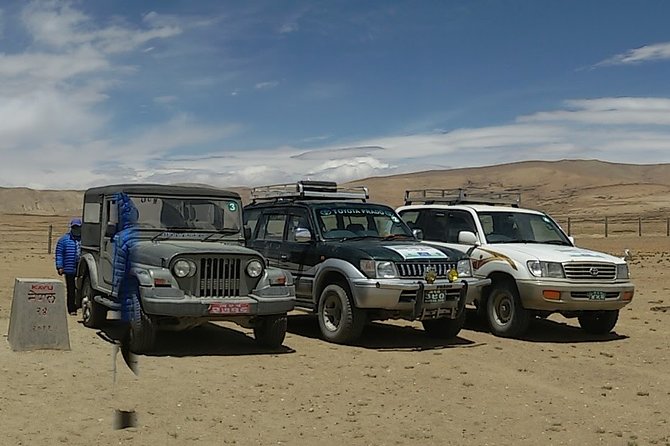
This tour is a 4WD SUV route, which already signals that you’re not taking a smooth highway. The reviews you’re likely to read about this trip highlight that the road can shake you at times. The key difference is whether your driver handles it well, and this tour includes an experienced driver.
Here’s how to make the ride feel easier:
- Bring a layer. In high-country areas, temperature swings can surprise you.
- Keep water handy. Bottle water is included, but you may still want to top up if you’re sensitive to dehydration.
- Expect to sit focused during rough sections. It’s not about discomfort—it’s about safety and letting the driver manage the road.
Also, treat good timing like part of your comfort plan. The tour runs on early starts and a weather-dependent schedule, which helps avoid being stuck waiting in poor conditions.
Kaligandaki River gorge and the “Mustang highlights in motion”
One reason this style of tour works is that it turns the drive itself into part of the story. You’re not just transferring between points. The route is associated with the Kaligandaki River gorge, described as the deepest gorge in the world, and with natural attractions like the hot-spring area along the river region.
Marpha also brings the orchard dimension into the mix, and the overview highlights Rupse Chahara waterfall as part of the wider experience. Even when you’re not stopping long at every point, being routed through these areas helps you understand why people travel this corridor in the first place.
If you prefer trips where you can say, I saw the place beyond just the final temple, this route fits that mindset.
Price and value: $290 per group, and what to budget on top
The price is $290.00 per group for up to 7 people. That’s a group price, which can be a big deal if you’re traveling with friends or family. Split among 6–7 people, the per-person cost often lands far below what you’d pay for a private vehicle priced per traveler in some other parts of the world.
What you should budget for separately:
- ACAP & TIMS permits are not included
- Hotel, food & drinks are not included
- Admission tickets aren’t included for stops like the hot spring and Muktinath Temple
- Tip for the driver is optional
- Personal expenses are not included
So the value isn’t just the $290—it’s the fact that the main transport and driver service are handled in one package (road tax, parking, fuel surcharge, and bottle water). For many groups, that reduces the hassle factor. You’re paying to keep your day organized and focused on stops rather than logistics.
Included basics that make a difference (even if they sound small)
These tours win points when they remove small headaches:
- Experience driver: this matters more than it sounds on rough roads
- Bottle water: helpful right away when you’re starting early
- Parking & fuel surcharge + road tax: fewer surprise payments mid-trip
None of these are glamorous. But they add up to a smoother day, especially when you’re managing time around a temple visit and early departure.
Who this Jomsom–Muktinath SUV tour suits best
This is best for you if:
- You don’t have enough time for the full trek but still want to reach Muktinath Temple
- You prefer private, efficient movement over multi-day hiking
- You want a compact tour that includes a hot spring reset plus key Mustang stops
It’s also a good fit if you enjoy travel by road and want your day to include villages like Marpha and Kagbeni, not only the final pilgrimage site.
This tour states that most travelers can participate. Since it’s a 4WD vehicle ride and includes temple walking time, it’s sensible to consider your comfort with uneven roads and some stairs/standing during a spiritual visit.
Things to weigh before you book
Two practical considerations can make or break your experience:
1) Weather dependence
The experience requires good weather. If conditions are poor, you’ll be offered a different date or a full refund. That’s good protection, but it does mean you shouldn’t treat it like a guaranteed daily departure no matter what.
2) Extra costs for permits and admissions
The essentials are included (driver, vehicle-related fees, water), but permits and admission tickets are not. If you’re the kind of traveler who likes everything all-in, you’ll want to plan that budget ahead.
Should you book this tour?
I’d book it if your goal is simple: get from Pokhara into Mustang country and reach Muktinath Temple with a structured 2-day plan, without trekking for days. The group price up to 7 makes it especially attractive when you have company.
I’d think twice if you hate early starts, you’re dealing with tight budgets for permits/admissions, or you’re traveling during a period where weather could be unpredictable. In that case, you might prefer a plan with more flexibility or a different pacing style.
If you want a focused way to experience sacred sites plus Mustang villages—hot spring comfort included—this Jomsom–Muktinath 4WD SUV tour is a smart use of limited time.
FAQ
What is the total cost of the tour?
The price is $290.00 per group, up to 7 people.
How long is the Jomsom–Muktinath 4WD tour?
It’s listed as 2 days (approx.).
Where does the tour start?
The tour is based in Pokhara, Nepal, and pickup is offered. The meeting/start time is 7:15 am.
Is this tour private?
Yes. It’s a private tour/activity, and only your group participates.
What’s included in the price?
Included items are road tax, an experience driver, bottle water, and parking & fuel surcharge.
What is not included?
Not included are ACAP & TIMS permits, hotel, food & drinks, personal expense, and driver tip (optional).
Do I need admission tickets for stops?
Yes. Admission tickets are not included for Tatopani hot spring and Muktinath Temple.
Does the tour require good weather?
Yes. The experience requires good weather. If it’s canceled due to poor weather, you’ll be offered a different date or a full refund.
What ticket format will I receive?
You’ll receive a mobile ticket.
Can most people participate?
The tour states that most travelers can participate, and it’s near public transportation.