REVIEW · POKHARA
Peace & Panorama: Stupa and Pumdikot Scenic Drive Tour
Book on GetYourGuide →Operated by Nomad Mountain Club NMC · Bookable on GetYourGuide
A white stupa and a massive Shiva statue in one half-day. This Peace & Panorama drive strings together two standout spiritual stops with big views over Pokhara Valley, Phewa Lake, and the Annapurna range. You’ll also get an easy rhythm: uphill for the photos, then time to slow down at each site.
I like the combo of World Peace Stupa meaning and scenery, plus the sheer scale of the Pumdikot Shiva Statue and its park complex with 360° mountain outlooks. The day is designed for calm—quiet walking bits, reflection time, and plenty of places to stop for photos.
One caution: the experience depends on the pickup and the car showing up as planned. If you’re coming from a tight schedule, double-check timing the day before, especially since there’s been at least one case where the trip didn’t run due to the car.
In This Review
- Key points to know before you go
- A 4-hour peace-and-panorama circuit from Pokhara
- World Peace Pagoda: nonviolence, white stupa, and Annapurna sightlines
- The uphill switch to Pumdikot: winding roads and a spiritual park
- What the 360° decks do for your photos (and your sense of place)
- How private car value really plays out at $32 per person
- Season, timing, and weather: when this route feels best
- What to bring (and what will slow you down)
- Who should book Peace & Panorama, and who should skip it
- Should you book this tour?
- FAQ
- How long is the tour?
- Where does pickup happen?
- What are the main stops on the tour?
- Is the tour private or shared?
- What languages are supported?
- What should I bring for the trip?
- Is this tour suitable for wheelchair users?
- What cancellation options do I have?
Key points to know before you go
- World Peace Stupa views: panoramic looks toward Annapurna peaks, Pokhara Valley, and Phewa Lake
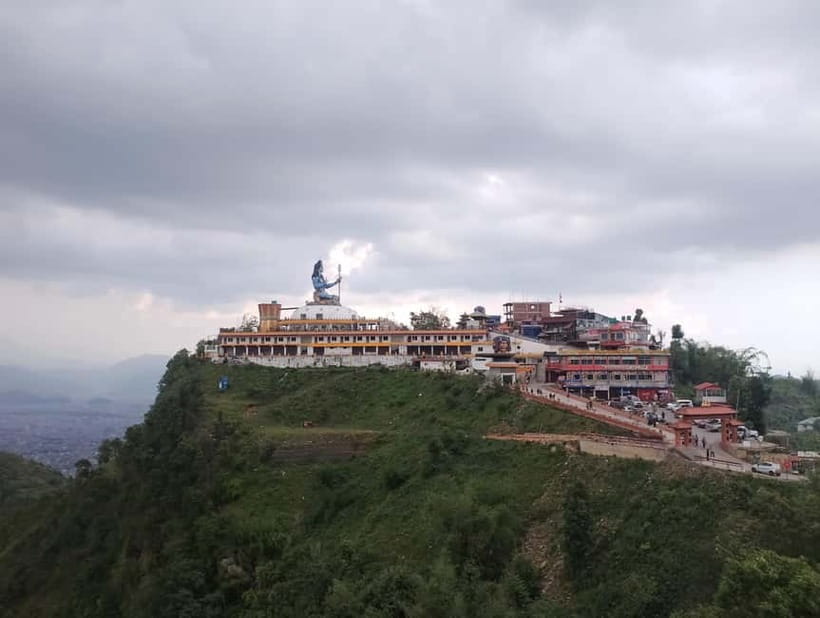
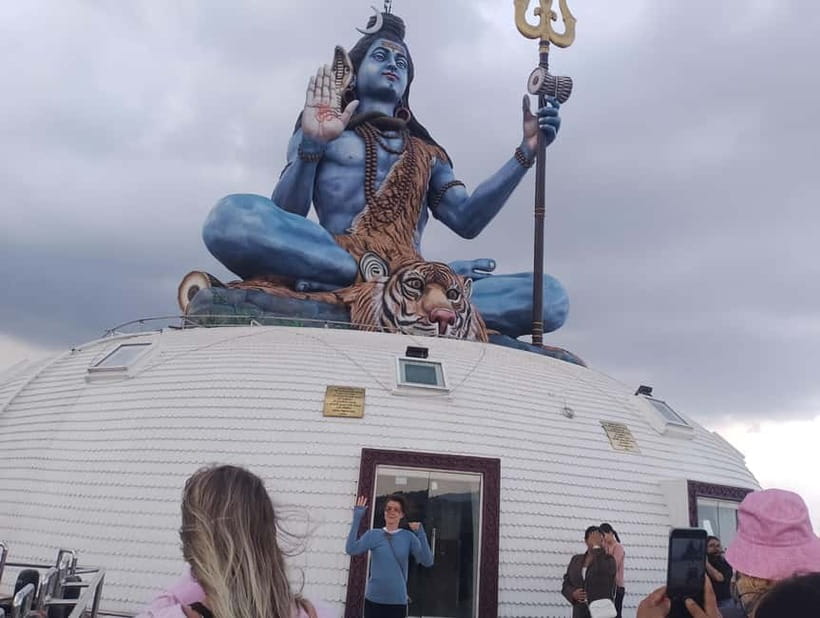
- Pumdikot hilltop scale: a 51 ft Shiva statue on a Kailash Parbat-style platform
- 360° observation options: decks and viewpoints around Pokhara and surrounding mountains
- Private car flow: pickup and drop-off within Lakeside for a smoother half-day
- Photo-friendly pacing: scheduled time for stops, walking, and free time at each site
A 4-hour peace-and-panorama circuit from Pokhara
This tour is built as a simple, satisfying escape: you leave Pokhara, climb toward two major spiritual landmarks, then return the same way—downhill, relaxed, and photo-happy. At about 4 hours total, it’s long enough to feel like a real outing, but short enough to keep your afternoon (or morning) open.
The whole experience is centered on views. You’ll travel through forested hills and village roads, and both stops are positioned to reward you with sweeping sightlines—especially when the sky is clear. If you’re staying in Lakeside, the pickup and drop-off within that area also makes it low-stress.
The tour runs with a private group and an English-speaking driver (with Hindi also supported). In the best moments, guides/driver teams bring a warm, enthusiastic approach—one reviewer specifically praised guide Amrit for sharing Nepal and its sights with real love and understanding.
You can also read our reviews of more tours and experiences in Pokhara.
World Peace Pagoda: nonviolence, white stupa, and Annapurna sightlines
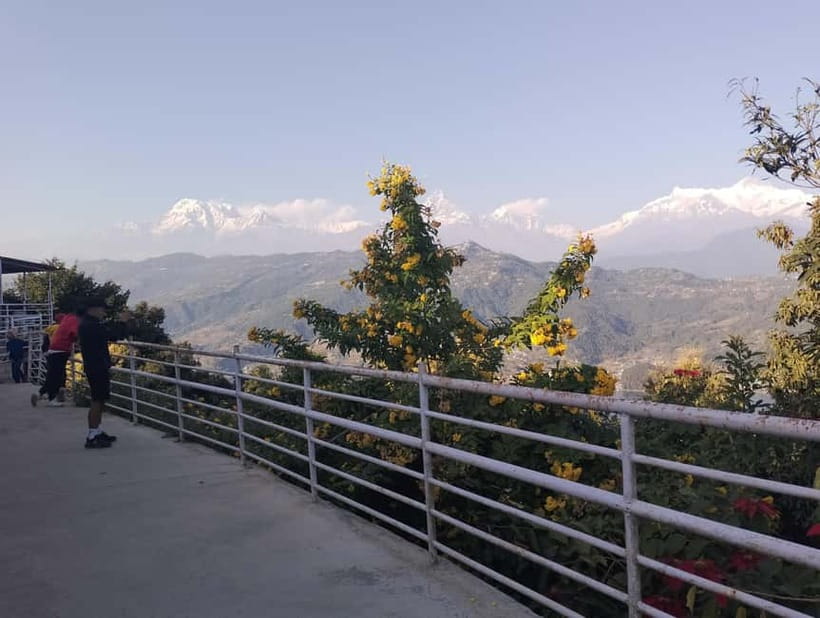
Your day starts with a hotel pickup in Pokhara. From there, the drive heads uphill through forested hills and local roads toward the World Peace Pagoda, also known as the Shanti Stupa.
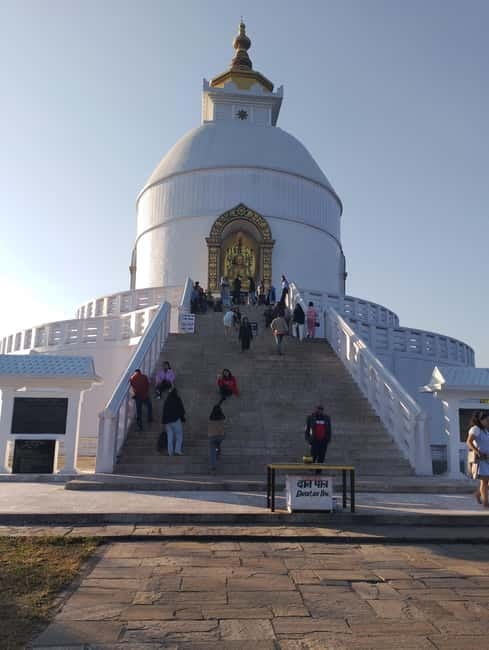
Once you arrive, the stupa itself is the first draw: it’s an iconic white Buddhist structure built by Japanese monks. Even if you’re not a religious traveler, the design and the message are easy to absorb. This place is dedicated to nonviolence and world harmony—so the vibe is about calm rather than spectacle.
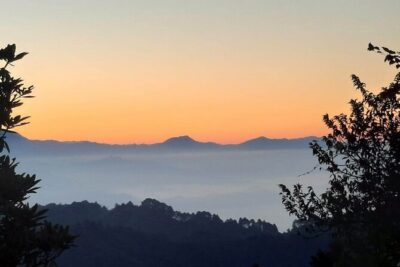
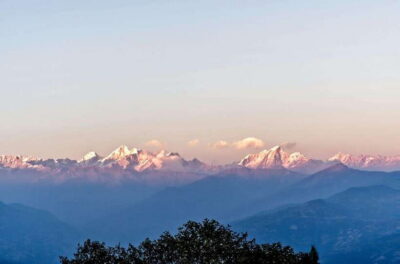
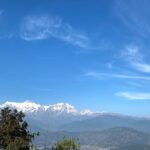
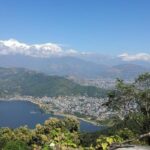
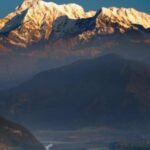
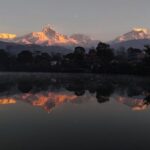
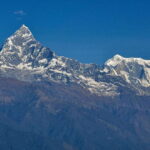
What I’d prioritize here is the view. The viewpoint around the pagoda area is meant to show you Pokhara Valley, Phewa Lake, and major mountains like the Annapurna range and Machapuchare (Fishtail Peak). On a good visibility day, these are the moments that make the whole half-day feel worth it.
You’ll typically get about an hour for this first stop, including a guided visit, photo time, and some time for quiet walking. That mix matters. It’s not just parking and rushing—there’s room to pause, take a few angles, then step back and actually look.
Practical note: you’ll likely do a little walking on-site. Bring comfortable shoes, and plan to take your time if you’re feeling the altitude climb. If you’re sensitive to sun, sunscreen and a hat help more than you’d think, because the stupa area is open and bright when the weather cooperates.
The uphill switch to Pumdikot: winding roads and a spiritual park
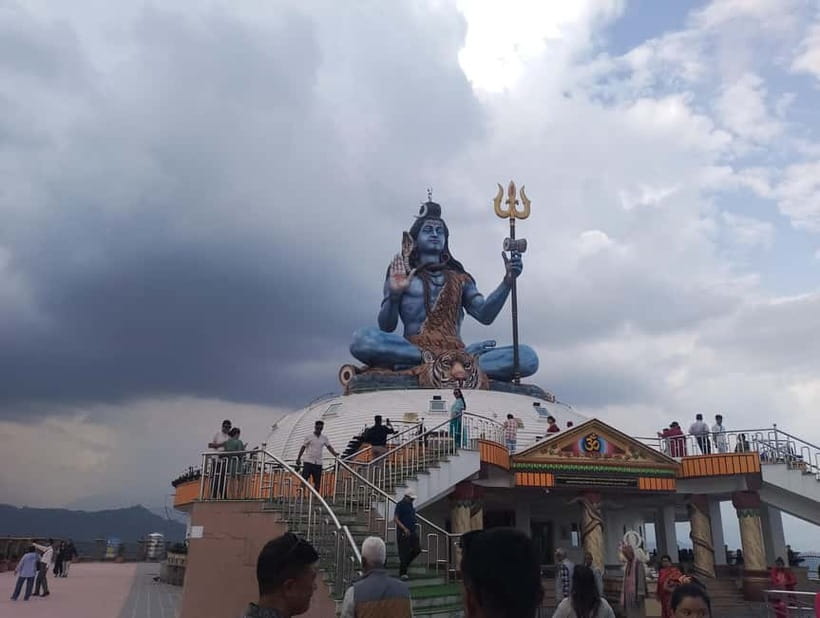
After the stupa, you move to Pumdikot Hill for the Shiva Statue. The drive is short but uphill—about 15–20 minutes—and it’s the kind of winding road that makes you understand why this route is so scenic.
When you reach Pumdikot, the main event is the 51 ft Shiva statue. It sits atop a multi-tier platform designed like Kailash Parbat, which gives the whole monument a dramatic, mythic feel. Even if you only catch the statue from a distance at first, the scale lands fast.
This stop is also more than one statue. The park complex includes several elements you can choose to explore at your own pace:
- Statue of Nandi, Shiva’s bull
- Hindu-themed gardens and fountains
- 108 Shiva lingams
- Observation decks with 360° views of the mountains and Pokhara city
That 108 lingams detail is the kind of thing that makes the place feel thoughtfully arranged. It also means you’re likely to have micro-moments: a garden view here, a fountain there, then a long look from the decks where your brain finally clicks into panoramic mode.
You’ll typically have about 1.5 hours at Pumdikot, mixing guided elements, free time, and photo stops. I love this balance because it gives you both structure and breathing room. If you want photos, take them early, when you can still choose your best angle without rushing. If you want quiet, this is the moment—let the place do its work.
What the 360° decks do for your photos (and your sense of place)
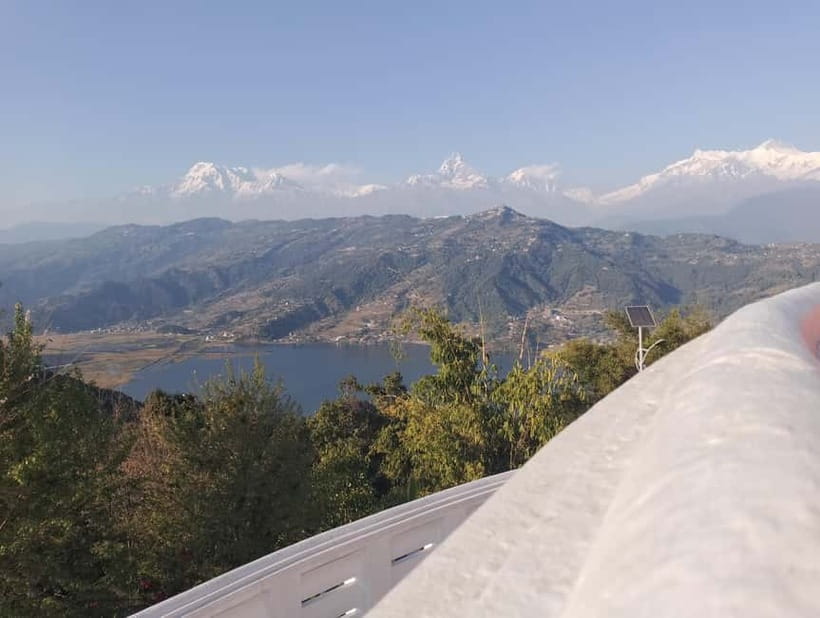
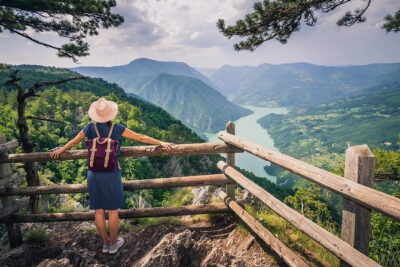
Both the World Peace Pagoda and Pumdikot are built for sightlines, but the 360° observation decks at Pumdikot are a different experience. From up here, your view isn’t one postcard frame—it’s more like rotating around the valley and mountains, watching the scene change as you shift position.
This matters for two reasons:
- You can chase better light. If clouds roll in or the sun starts to glare, you can move to another deck area and still get a clean angle.
- You connect the dots. You see Pokhara city and the lake from a new perspective, which helps everything you looked at earlier at the stupa make more sense.
If you’re traveling with friends, this is also where the private format pays off. You’re not stuck following someone else’s pace for every photo. And if you’re traveling solo, the time on observation decks can feel calming rather than frantic.
A small reality check: the views depend on weather. The tour runs best in March to May and September to December, when conditions are often clearer. If you go in heavy haze or rain, your plans still work, but mountains can fade from view.
How private car value really plays out at $32 per person
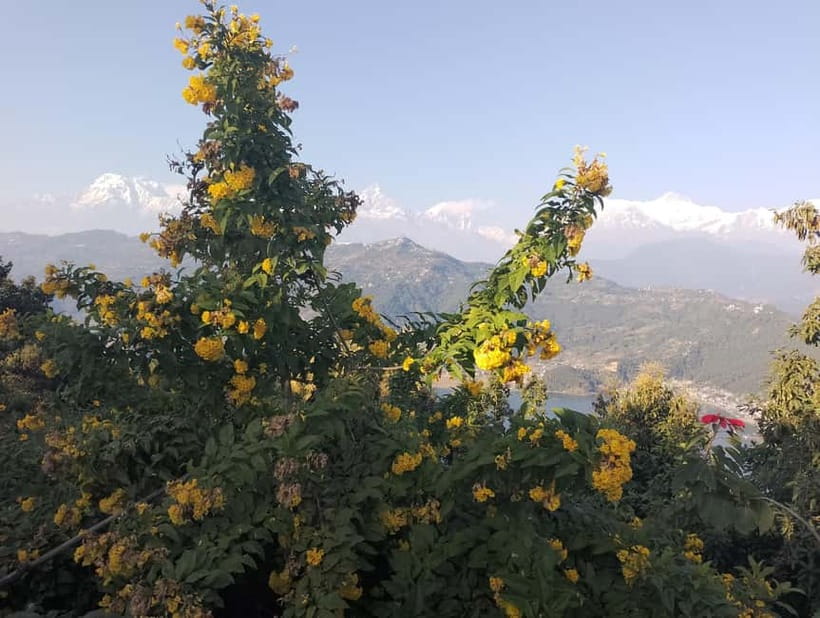
At $32 per person for a 4-hour private car tour, the value comes from convenience and time saved. You’re not renting your own vehicle, you’re not negotiating rides across two uphill sites, and you’re not worrying about how to time the stops between Pokhara and the hills.
The tour includes round-trip transfers by private car, plus hotel pickup and drop-off within the Lakeside area. For many visitors, that’s the hidden cost saver: getting in and out cleanly so you can focus on the places themselves.
You also get an experienced driver who speaks English (and Hindi as well). Language matters here because the stupa and Shiva complex both have meaning. Even if you’re not taking notes, it helps when your guide explains what you’re looking at, not just what you’re standing next to.
There is one drawback worth acknowledging: because it’s a car-based scenic drive, the tour can be impacted by real-world factors like pickup timing. One bad experience was reported where the car didn’t arrive. You can reduce that risk by confirming pickup time and having your phone ready for the driver to find you with the name-card pickup.
If you’re debating whether to do this as an add-on or skip it, I’d frame it like this: you’re paying for a smooth, scenic, half-day loop that strings together two meaningful viewpoints without logistics headaches.


Season, timing, and weather: when this route feels best
The recommended best seasons are March to May and September to December. That’s not random. Those windows usually give you better chances for clear skies over the Annapurna range and good visibility for the lake and city views.
If you’re choosing between similar half-day options in Pokhara, consider this tour specifically when you want both spirituality and panoramic payoff. You’re not only sightseeing temples—you’re getting a viewpoint itinerary designed for mountain sightlines.
Timing also affects how the hilltop areas feel. Early in the day often brings calmer temperatures and better chances of visibility. Midday can be bright for photos, but the sun can feel intense. Either way, the stops are spread out enough that you can pause, cool off, and refocus when needed.
What to bring (and what will slow you down)
You’ll handle most of this tour comfortably if you pack for uphill walking and sun exposure. Bring:
- Comfortable shoes (you’ll likely walk a bit at both sites)
- Sunglasses
- Sun hat
- Sunscreen
- Comfortable clothes
That’s the practical kit for Pokhara’s sunny spells, especially on deck viewpoints. Also plan your photo strategy: charge your phone, bring a power bank if you rely on maps, and consider taking a few wider shots first, then zoom in for details around the lingams and garden areas at Pumdikot.
One more simple rule: no pets are allowed on this tour. If you’re traveling with an animal, you’ll need to arrange another plan.
Who should book Peace & Panorama, and who should skip it
This tour is a great fit if you:
- Want a half-day break from Pokhara routines
- Like scenic viewpoints plus spiritual sites
- Prefer a private group pace over joining a larger bus
- Care about the story behind landmarks, not only the photo
It’s less ideal if you need wheelchair access. The tour isn’t suitable for wheelchair users, likely because of the uphill roads and the physical layout of the stupa and hilltop park areas.
If you’re traveling with limited time—say you only have one free afternoon—this is a strong way to get two major highlights without turning the day into logistics.
Should you book this tour?
I’d book it if you want a calm, scenic half-day that combines World Peace Stupa meaning with Pumdikot’s huge Shiva presence and real panoramic views. The price is reasonable for the private car setup, and the pacing gives you time to look, not just rush.
I’d hesitate only if you’re extremely time-sensitive or can’t risk a late pickup, given the one reported case where the car didn’t come as planned. If you’re flexible and you confirm your pickup time, this route is a satisfying way to experience Pokhara’s spiritual hilltops and Himalayan outlooks in just a few hours.
FAQ
How long is the tour?
The total duration is 4 hours.
Where does pickup happen?
Pickup is included from any hotel in the Lakeside area in Pokhara.
What are the main stops on the tour?
You’ll visit the World Peace Pagoda (Shanti Stupa) and the Pumdikot Shiva Statue.
Is the tour private or shared?
It’s a private group tour with a private car.
What languages are supported?
The driver is listed as English and Hindi.
What should I bring for the trip?
Bring comfortable shoes, sunglasses, sun hat, sunscreen, and comfortable clothes.
Is this tour suitable for wheelchair users?
No, it is not suitable for wheelchair users.
What cancellation options do I have?
There is free cancellation up to 24 hours in advance for a full refund.