REVIEW · KATHMANDU
Pashupatinath Evening Aarati: Few Divinely Hours in Kathmandu
Book on Viator →Operated by Three Jewels Adventures · Bookable on Viator
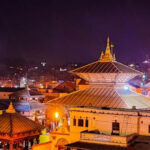
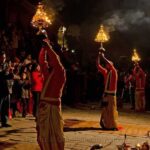
Night falls, and the river turns sacred. In Kathmandu, the Pashupatinath evening aarati is the kind of ritual you can’t really understand from photos: lamplight, incense, offerings of flowers, and devotional songs rise as Hindu priests lead the ceremony at dusk. It usually runs around 6:00 PM to 7:00 PM, then moves into the temple’s evening rhythm for about an hour, with the Bagmati River nearby playing a major role in what you’ll see.
I love how this tour gives you more than a seat near the action. You’re picked up ahead of time, taken to the temple area by an air-conditioned vehicle, and guided through what you’re witnessing so the experience lands with context. If you get a guide like Mahesh Ji, Mani, or Amber, you can expect clear explanations and a calm, organized pace.
One thing to consider: this evening includes sights connected to death rites on the Bagmati River, including cremation/fire moments. If you’re sensitive to funeral practices, you’ll want to mentally prepare and be ready for an experience that’s emotionally intense, not just scenic.
In This Review
- Key things to know before you go
- Pashupatinath at dusk: what the evening aarati actually is
- The tour timing that keeps the magic (and avoids the rush)
- Bagmati River cremation rites: how to watch respectfully
- Pashupatinath temple: the buzzing heart of the evening
- Guides in Kathmandu: Mahesh Ji, Mani, and Amber set the tone
- Price and value: is $35 worth it for this evening?
- Who this tour fits best in Kathmandu
- Should you book the Pashupatinath evening aarati tour?
- FAQ
- FAQ
- What time does the Pashupatinath evening aarati start?
- How long is the tour?
- Do you pick me up from my hotel?
- Is the entry fee to the Pashupati temple included?
- What does the tour include besides the aarati?
- Do I get a ticket on my phone?
- Can I get a full refund if I cancel?
Key things to know before you go
- Evening timing is everything: the aarati happens around 6:00 PM to 7:00 PM, so arriving earlier helps your viewing.
- Priests lead, bhajana fills the air: you’ll see the ceremony led by Brahmin priests with devotional singing from the crowd.
- Bagmati River rites are part of the program: expect to observe cremation activity along the riverbank.
- Temple access may cost extra: the tour price doesn’t include entry fee to the Pashupati temple premises.
- Guides can make it meaningful: guides such as Mahesh Ji, Mani, and Amber are praised for detailed, on-time explanations.
- It’s short but full: plan for about 2 to 4 hours total, so it’s an efficient evening plan.
Pashupatinath at dusk: what the evening aarati actually is
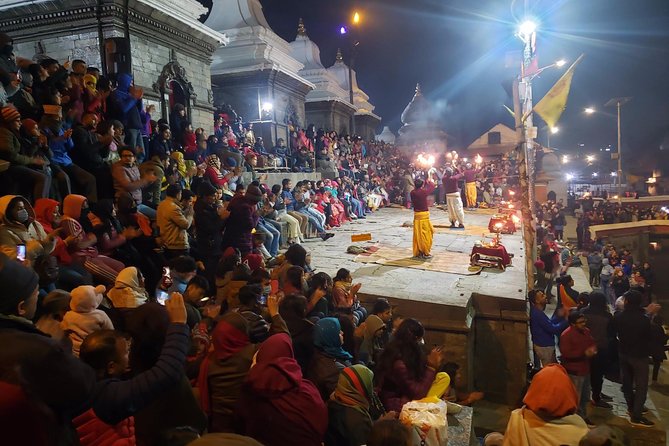
At Pashupatinath, the evening aarati is a Hindu “day closing” ritual centered on Lord Shiva, the deity the temple is dedicated to. The core idea is simple: priests and offerings present light, flowers, incense, and other items to Shiva as the day winds down.
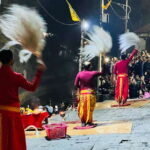
What makes this special in Kathmandu is how public it feels. The ceremony is led by Hindu Brahmin priests, and you’re surrounded by devotees who participate alongside the live bhajana devotional singing. Even if you don’t speak the language, the structure is easy to follow: prayers begin, offerings happen in sequence, the lamps and incense create the visual focus, and the crowd’s devotional energy gives the whole thing momentum.
This isn’t a museum-style event. It’s a working place of worship at a key hour, so you’ll see people arriving, joining in, and moving through the space as part of a living religious tradition. That’s the “why” behind the strong rating this tour gets: it’s short, but it points you at something you’d likely miss if you just wandered on your own without context.
You can also read our reviews of more evening experiences in Kathmandu



The tour timing that keeps the magic (and avoids the rush)
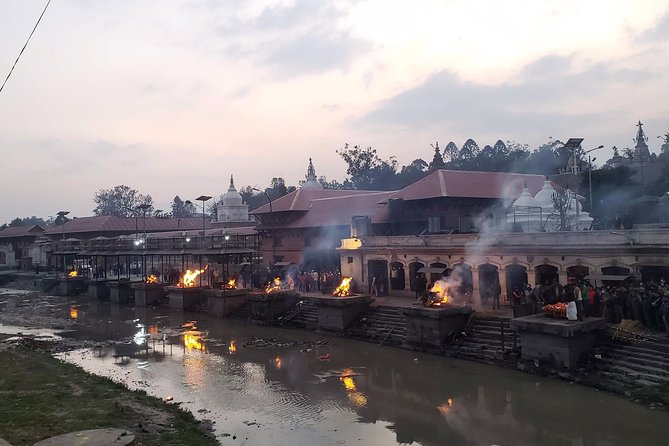
The schedule is built around the aarati’s evening start. You’ll be met at your hotel sometime between 4:30 PM and 5:30 PM, then taken to the temple area with an air-conditioned vehicle. The event itself typically runs about an hour, beginning around 6:00 PM to 7:00 PM depending on the season.
This early pickup isn’t just for convenience. For a ritual like this, light and timing matter. The crowd builds as the ceremony approaches, and if you arrive late, your view can be limited and the flow becomes more about trying to stand somewhere than actually understanding what’s happening.
The whole outing is listed as roughly 2 to 4 hours, which makes it a practical fit for a Kathmandu day. You get a full evening experience without eating up your whole night. You also usually finish with hotel drop-off, so you’re not left figuring out nighttime transport near a major temple area.
One more practical note: the tour uses a mobile ticket, which helps you keep things simple once you’re already in the city. In a place where schedules can be fluid, having your ticket ready before you arrive is a small but real convenience.
Bagmati River cremation rites: how to watch respectfully
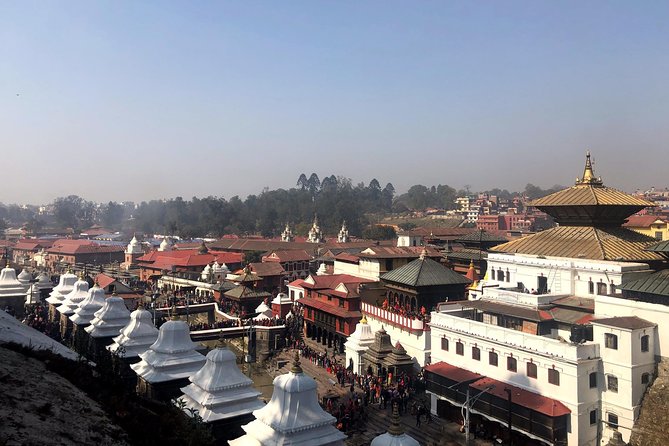
The most intense part of this evening is also the reason the experience feels unmistakably Nepali. As part of the program, you observe a cremation ceremony on the bank of the holy Bagmati River.
It’s important to be honest here. This isn’t a “light and pretty” photo stop. Cremation/fire moments connected to funeral rites can be emotionally heavy, even if you’re generally open-minded. Some guides build context and prepare you for what you’ll see, and that preparation can make a big difference in how you experience the moment.
A useful tip from the spirit of people who loved this tour: do a little reading on Hindu funeral practices before you go, so you’re not surprised by what the ceremony looks like. Then, when you’re there, keep your behavior respectful and let the ritual lead the moment. The goal isn’t to turn away or stare like it’s a show. It’s to understand, watch quietly where appropriate, and recognize that many people nearby are there for religious reasons, not entertainment.
If you know ahead of time that funeral rites are difficult for you, skip this one. If you’re okay with serious cultural moments, this is exactly the kind of experience that helps you move past surface tourism and see a tradition in its real setting.
Pashupatinath temple: the buzzing heart of the evening
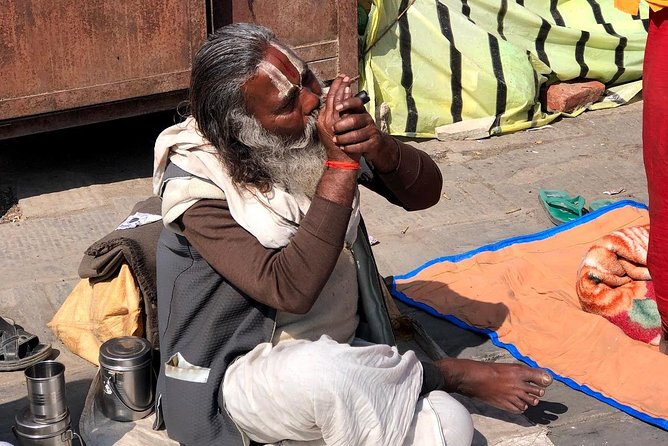
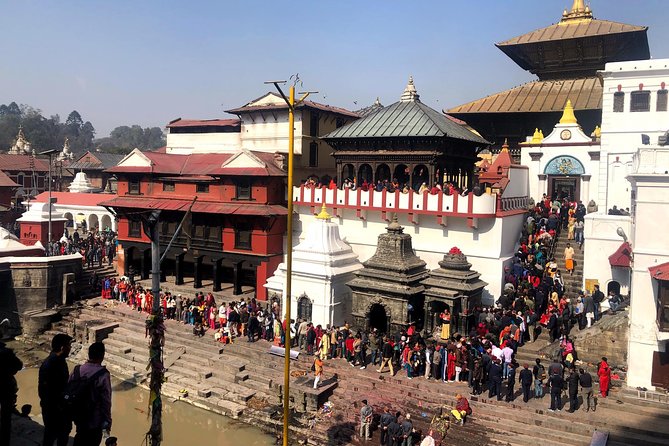
Once you reach the temple area, the atmosphere becomes the story. People gather, priests and devotees coordinate, and the grounds show the ongoing life of Pashupatinath rather than a staged performance.
The tour centers on the Pashupatinath Temple itself, and the program notes free admission for the temple ticket, while also stating that the entry fee to the Pashupati temple premises is not included. Because those two details can conflict depending on rules in the moment, I’d treat it as a small uncertainty: plan to budget a possible extra fee when you arrive, just in case.
What you’ll do here is mostly observation with interpretation. You’ll see the ceremony’s setup and the flow of offerings, then you’ll connect the ritual elements to the idea of Shiva worship and the role of light, incense, and flowers in devotional practice. The temple’s setting matters too: the evening air, the crowd movement, and the river’s presence make the ritual feel connected to the surrounding landscape and community life, even if you’re not a religion scholar.
This is also where a good guide pays off. A clear explanation helps you notice what’s happening in real time, like who’s leading the ceremony and when the crowd’s songs rise. When the guide’s explanations are strong, the whole event clicks into place instead of feeling like random motion.
Guides in Kathmandu: Mahesh Ji, Mani, and Amber set the tone
In a ritual-heavy tour, the guide is the difference between viewing and understanding. This experience gets praise for guides who show up on time and communicate clearly, plus the kind of explanations that make the evening easier to follow.
Names that came up in strong feedback include Mahesh Ji, Mani, and Amber. The common thread is that these guides don’t just point and talk; they explain Shiva and Hindu ritual practices in a detailed, approachable way. That matters because the ceremony has multiple parts, and without context, it can be hard to know what to focus on.
Here’s how to use that to your advantage. As you’re walking and before the ceremony peaks, ask quick, simple questions like what the offerings symbolize or what the devotional singing represents in the flow of the ritual. You don’t need a lecture. Just a few targeted answers can make the evening feel personal and coherent.
You’ll also want to appreciate punctuality. One negative incident in feedback involved a missing guide. That’s not something you should ignore. If you book, I’d confirm your pickup time the day before and keep an eye out when your hotel pick-up window starts.





Price and value: is $35 worth it for this evening?
At $35.00 per person, this is positioned as an affordable way to access a high-demand cultural event in Kathmandu, without having to plan your own logistics for an early evening. For that price, you get an air-conditioned vehicle and a structured outing timed to the aarati.
What makes it better value than a DIY plan is the coordination. You’re picked up between 4:30 PM and 5:30 PM, taken to the temple area, and brought back after the ceremony and river observation. Even in a city where you can move around, nighttime transport around major religious sites can turn into time lost and uncertainty.
The one cost caveat is temple entry. The information provided says entry to the Pashupati temple premises is not included, even though admission is described as free in another spot. To stay practical, assume you might pay a small additional amount at the temple gates depending on current rules.
Also factor in how short the outing is. A 2 to 4 hour tour can be cost-effective because you’re not burning time on transfers, and your evening plan stays simple. If you have limited time in Kathmandu, this is a strong “one evening, meaningful experience” use of your schedule.
Who this tour fits best in Kathmandu
This is for you if:
- You want a serious cultural ritual you can’t easily recreate on your own.
- You like religious traditions that include song, offerings, and a clear public ceremony.
- You’re open to the fact that the experience includes death rites along the Bagmati River, presented as part of living faith.
It might not be for you if:
- You’re uncomfortable with funeral practices.
- You need a relaxed, scenic night out with minimal emotional intensity.
- You dislike time-sensitive events where arriving late can affect your viewing.
The good news is that the tour notes that most people can participate, so long as you’re comfortable with what’s included. If you can handle that reality, you’ll likely feel the value quickly because the tour is concentrated: you see the temple ritual focus and the river context within a single evening.
Should you book the Pashupatinath evening aarati tour?
I’d book it if you want one Kathmandu evening that feels culturally real: priests leading the aarati, devotion through bhajana, and the Bagmati River’s cremation setting as part of the broader religious picture. The price is reasonable for a guided, timed experience with pickup and air-conditioned transport.
But be honest with yourself about the river rites. If that part would stress you out or make you shut down emotionally, choose a lighter evening activity instead. If you’re open to learning and watching with respect, this is exactly the kind of short tour that can turn into a lasting memory for the right reasons.
FAQ
FAQ
What time does the Pashupatinath evening aarati start?
The aarati happens around 6:00 PM to 7:00 PM, depending on the season.
How long is the tour?
The duration is listed as approximately 2 to 4 hours.
Do you pick me up from my hotel?
Yes. The guide and driver meet you between 4:30 PM and 5:30 PM at your hotel.
Is the entry fee to the Pashupati temple included?
No. Entry fee to the Pashupati temple premises is listed as not included, even though a free admission note appears in the information you’re given.
What does the tour include besides the aarati?
You also observe a cremation ceremony on the bank of the holy Bagmati River and visit other monuments within the surrounding area.
Do I get a ticket on my phone?
Yes. The tour includes a mobile ticket.
Can I get a full refund if I cancel?
Yes. You can cancel up to 24 hours in advance for a full refund.