REVIEW · KATHMANDU
From Kathmandu: 3-Day Chisapani-Nagarkot Trek & Bhaktapur
Book on GetYourGuide →Operated by Cordial Trek Pvt. Ltd. · Bookable on GetYourGuide
A morning switchback with mountain dreams. This 3-day hike from Kathmandu pairs Shivapuri–Nagarjun National Park trails with the classic Nagarkot viewpoints, then finishes with UNESCO heritage in Bhaktapur via Changu Narayan. You’ll hike into local Tamang villages, chase golden-hour views over big Himalayan names, and end the trip with Newari culture in a tightly packed historic square.
What I like most is the mix: real hiking day-by-day, plus the payoff of mountain viewing from Chisapani and Nagarkot. I also love that you get guided context and permits covered, so the trip feels organized without feeling like a city tour in hiking boots. One drawback to plan around: in drier months (including April), haze and smog can smother the views, and some stretches can feel hot and dusty if you hit a clear-but-hazy day.
In This Review
- Key Things to Know Before You Go
- Why This 3-Day Chisapani–Nagarkot Trek Works From Kathmandu
- Day 1: Sundarijal Lift-Off, Shivapuri Park Trails, and Chisapani Sunset
- Day 2: Forest to Villages, Then Nagarkot Climb for the Best View Payoff
- Day 3: Nagarkot Sunrise, Changu Narayan Descent, and Bhaktapur Durbar Square
- Price, Value, and What’s Included (and Not Included)
- Guides and Communication: The Little Details That Make or Break It
- The Real Mountain-View Factor: Haze, Season, and Expectations
- Comfort and Pacing: What the Hike Feels Like in Practice
- Who Should Book This Trek (and Who Should Skip It)
- Should You Book This 3-Day Chisapani–Nagarkot Trek & Bhaktapur?
- FAQ
- How long is the trek from Kathmandu?
- Where does the trek start and end?
- What’s the accommodation like during the trek?
- Is breakfast included?
- Are lunch and dinner included?
- What’s included in the price?
- Do I need to pay monument fees?
- Is a porter included?
- Is the trek suitable for people with mobility impairments?
Key Things to Know Before You Go
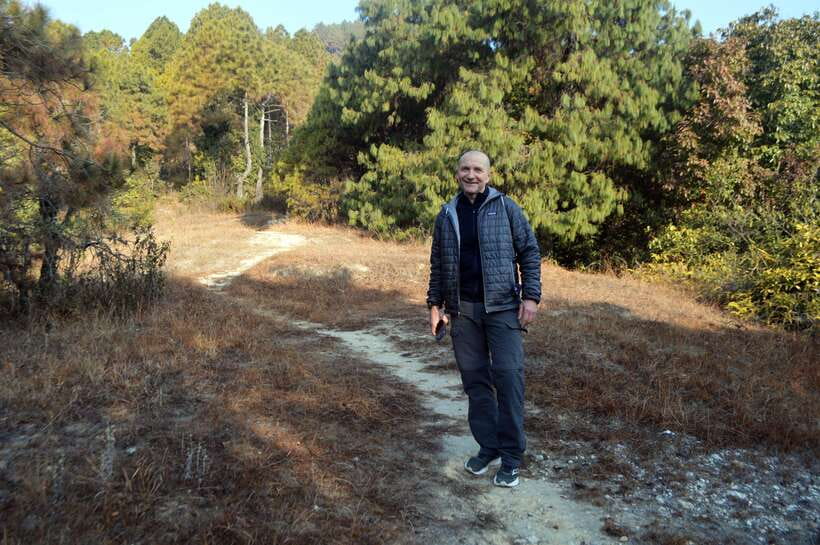
- Shivapuri–Nagarjun National Park trekking gives you forests, villages, and a real trail rhythm right away
- Chisapani and Nagarkot viewpoints are the main rewards, with sunset in Chisapani and sunrise from Nagarkot
- Season matters for mountain visibility: haze can blunt Everest-area views even when the weather looks dry
- Changu Narayan to Bhaktapur adds cultural weight, including Fifty Five Window Palace, Golden Gate, and Natapola
- Breakfast is included, lunch/dinner are on you, so bring a money plan for food on the trail
Why This 3-Day Chisapani–Nagarkot Trek Works From Kathmandu
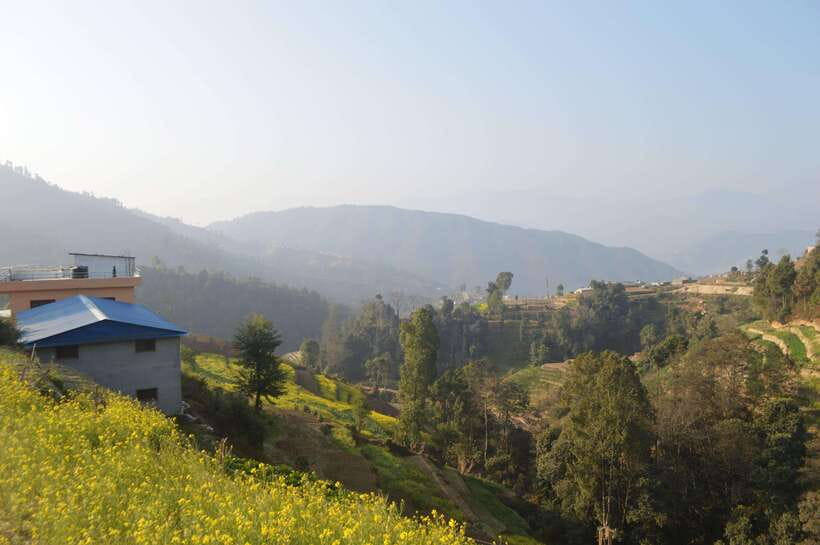
This trip is built around a simple idea: start near the city, get out into forest and village trails for a few days, then return with time for some of Nepal’s most famous cultural stops. The pacing is good for first-time trekkers because you’re not doing a long, punishing slog every single day. Day 1 and Day 2 are hike-forward, and Day 3 is a shorter cultural hike plus sightseeing.
Logistically, it’s also thoughtful. You’re picked up from your Kathmandu hotel by private vehicle, then driven to the trailhead area at Sundarijal. Transfers are done in an AC car, and you’re not left figuring out routes or permits on your own. An experienced English-speaking guide is included, along with the Shivapuri–Nagarjun National Park permit—details that sound small until you’re actually trying to make a trek work smoothly.
The other reason it’s a strong value is the pairing of payoff types. You don’t just get scenery; you get a proper heritage finish in Bhaktapur. That combo matters if you only have a short window in Nepal and you want the hiking story and the historic-stops story.
You can also read our reviews of more hiking tours in Kathmandu
Day 1: Sundarijal Lift-Off, Shivapuri Park Trails, and Chisapani Sunset
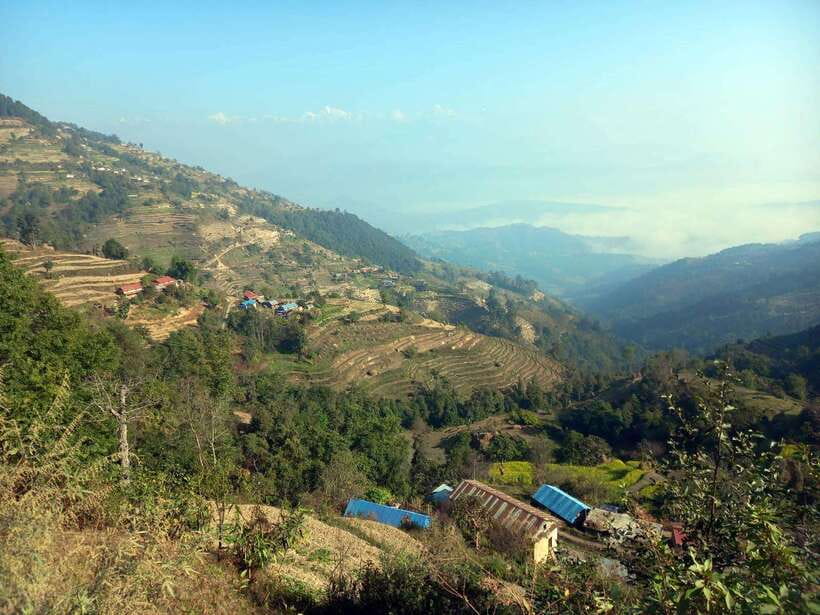
Day 1 is your entry into the trip’s main theme: forest trekking with frequent chances for big views when the air is cooperating.
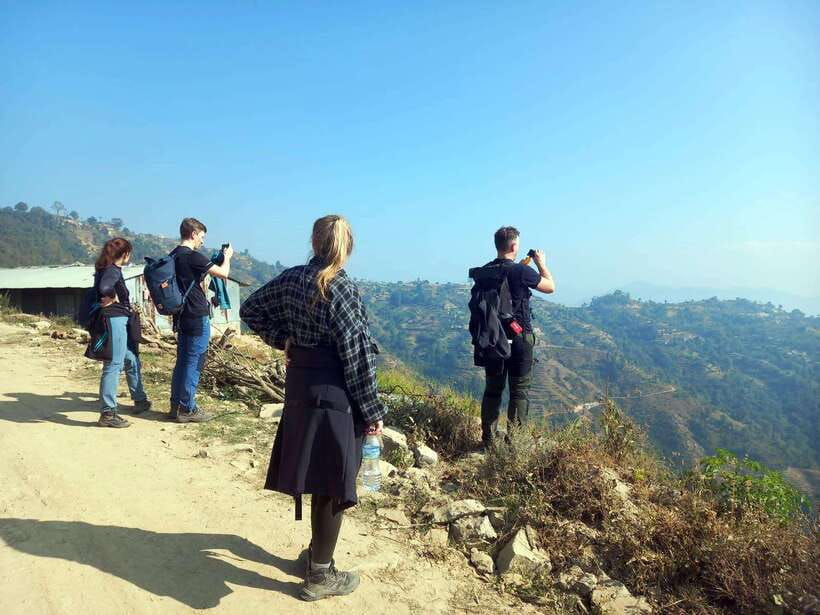
You start with a drive from your Kathmandu hotel to Sundarijal (about 1,460 meters). From there, the hike begins by following a large water pipe coming down from the Sundarijal Reservoir. That small detail is more than quirky—it helps you find the start of the trail and sets the tone: you’re heading out with a clear route and a steady uphill rhythm.
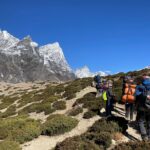
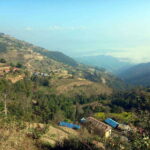
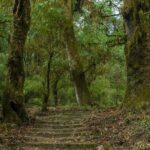
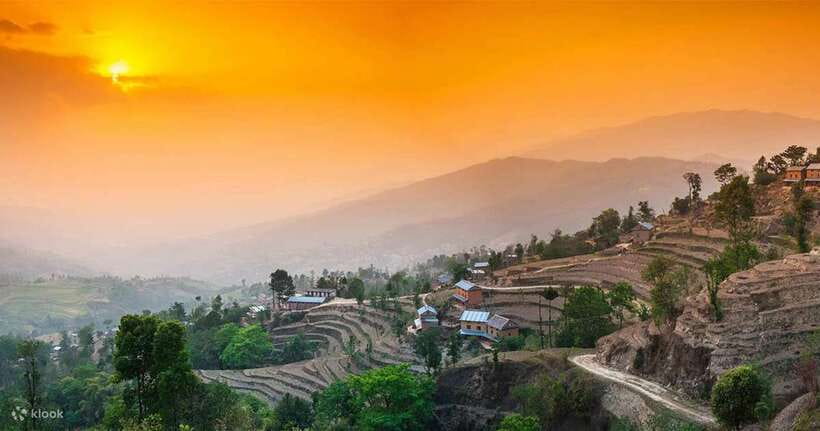
After you join the Shivapuri National Park area, the trail works its way toward Mulkharka Village, passing through Tamang Village along the way. The village sections are part of what makes this hike feel Nepal-real instead of just walking between viewpoints. Even when you’re tired, you’re not just staring at dirt and trees; you’re seeing how people live along the slopes.
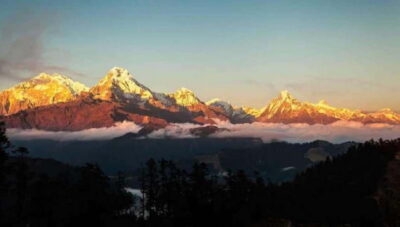
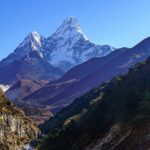
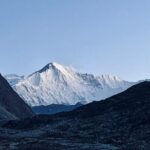
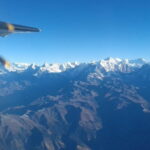
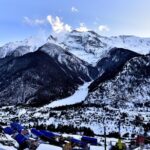
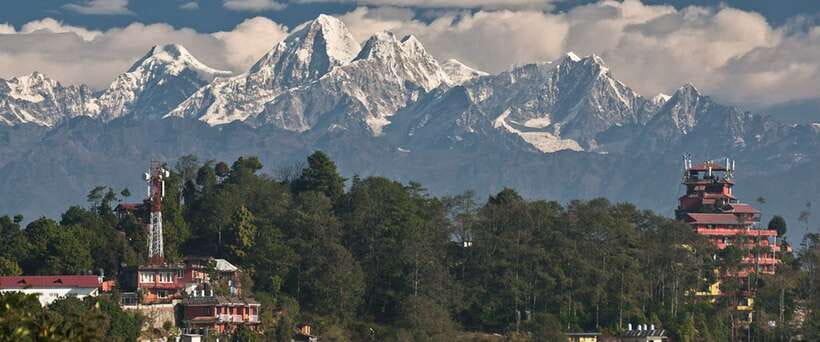
And then comes the view moment. When you arrive at Chisapani (around 2,165–2,175 meters range), the goal is a wide mountain outlook. From this side of the valley, you can look for big-name peaks including Langtang Lirung, Annapurna, Ganesh Himal, Manaslu, and—when visibility is good—Everest. In the evening, your lodge setting becomes the next target: sunset views over the Himalayan range.
What to remember: if visibility is limited, the views can go from postcard-sharp to muted. One traveler who went in April described a disappointing situation where mountains weren’t visible at all due to haze and smog that builds over cities and collects. That doesn’t mean you should cancel—just go in with the right expectations and a flexible mindset about weather.
For accommodation, you stay in Chisapani at a guest house with a private bathroom, with breakfast included. You’ll likely appreciate the private bath after a day of uphill walking, especially if you’re traveling with any dust on your gear.
Day 2: Forest to Villages, Then Nagarkot Climb for the Best View Payoff
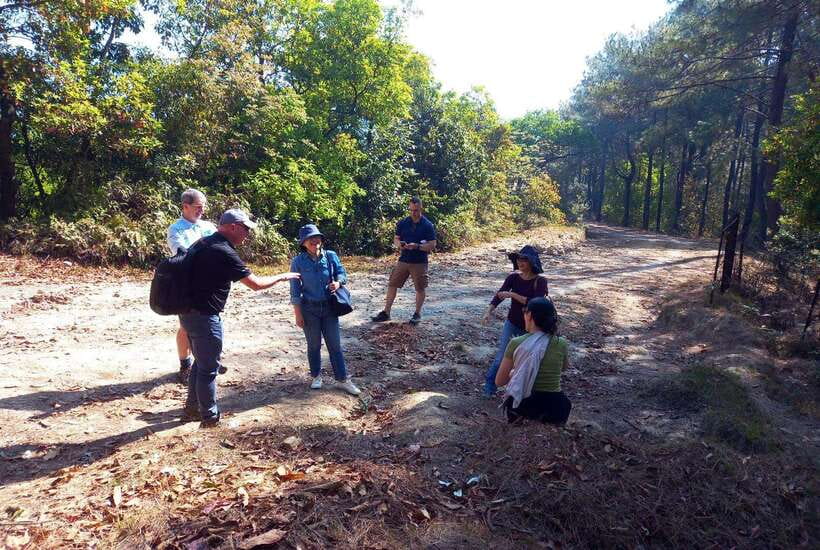
Day 2 is the bridge day. It starts at Chisapani and ends at Nagarkot, with a route that alternates between climbing and descending through forest and village terrain.
After breakfast, you continue trekking. Expect an uphill section through lush forest, then a downhill move toward areas like Jhule and Chauki Bhanjyang. The trail crosses villages and terraced fields, which is where you’ll feel the Nepal-in-the-daylight side of this itinerary. Terraces mean agriculture, and agriculture means people. It’s a nice change from the purely foresty stretches.
Then the route becomes more ascent-focused. You’ll pass Kattike Bhanjyang and then have a required climb to reach Nagarkot. This uphill section is where your legs do the most talking, but it also sets up the big payoff: from Nagarkot, the whole point is expansive mountain views.
Nagarkot is one of Nepal’s classic “short trek” viewpoint areas. The idea is simple: hike up to a viewpoint zone, then wait for the best light. If the air is clear, it’s fantastic. If haze rolls in, the light still looks good, but distant peaks may be harder to pick out.
Accommodation on Night 2 is a three-star hotel in Nagarkot with breakfast included. Having a proper hotel here matters because Day 3 begins very early for sunrise, and you don’t want to be negotiating basic comfort when you need sleep and warmth.
Day 3: Nagarkot Sunrise, Changu Narayan Descent, and Bhaktapur Durbar Square
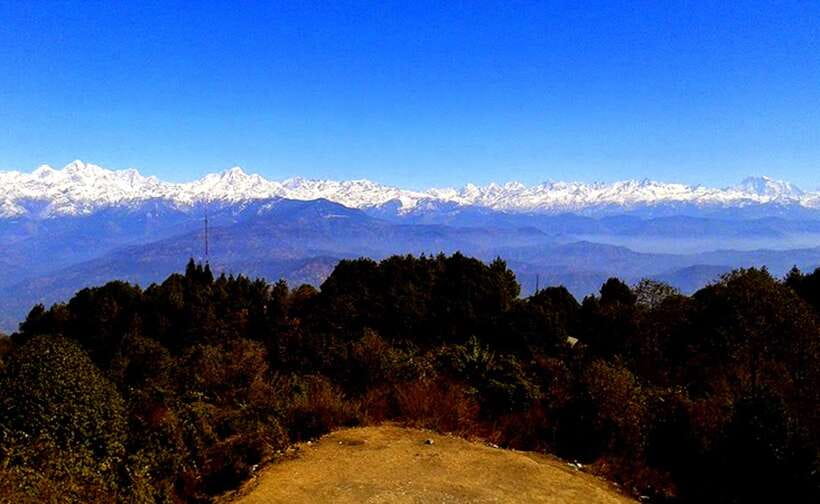
Day 3 starts with an early wake-up. The whole point is sunrise over the Himalayas from your Nagarkot hotel. If Day 1 and Day 2 are about getting you to the right elevations, Day 3 is about timing the light.
After breakfast, you hike from Nagarkot to Changu Narayan. The route descends through Telkot, and that descent is designed to give you panoramic outlooks. En route, you get a bird’s-eye view of both Bhaktapur and Kathmandu, which helps you connect the hiking world to the city world you’re returning to.
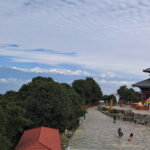
Changu Narayan is where the trip earns its heritage badge. You’ll explore this ancient temple site, described as the oldest temple on your route. Even if you’re not a “temple superfan,” it’s a nice change from trail watching to architecture watching. It also transitions you smoothly into Bhaktapur’s main historic core.
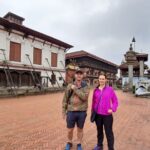
Then you drive to Bhaktapur for Newari culture and the Durbar Square area. You’ll visit major highlights including:
- Fifty Five Window Palace
- Golden Gate
- Natapola, described as the tallest temple in Bhaktapur
- Pottery square
This is a strong way to finish a short trek: you get a visual contrast. The mountains take your focus for days; Bhaktapur brings it back to streets, crafts, and historic stonework.
Finally, you drive back to Kathmandu and drop off at your hotel.
Price, Value, and What’s Included (and Not Included)
The price listed is $176 per person for a 3-day experience. That’s not just for a bed and a bus. You’re paying for a package that includes private Kathmandu pick-up and drop-off, private AC ground transfers, guided trekking, a national park permit, and two different accommodation styles (guest house in Chisapani, three-star hotel in Nagarkot).
Here’s what you should plan around:
- Included: hotel pick-up and drop-off in Kathmandu, private transfers in an AC vehicle, guest house accommodation in Chisapani with a private bathroom plus breakfast, hotel accommodation in Nagarkot (three-star) plus breakfast, trekking and national park permit, and a licensed English-speaking guide
- Not included: lunch and dinner, monument fees, and gratitude. A porter is also not included, listed at US$50 if you want help
That “not included” list is where you can control your budget. If you want to eat simply on trail days, you can keep lunch and dinner low-key. If you love trying local dishes, you’ll spend more, but you’ll also get a more personal food story.
Solo travelers should note there is a solo traveler surcharge. If you’re comfortable sharing a small group, you may have better odds of spreading costs.
Also, oversize luggage isn’t allowed. That’s worth respecting, because you’ll be moving along narrow paths and inside smaller transport spaces. Pack like a trekker: light, practical, and easy to manage.
You can also read our reviews of more tours and experiences in Kathmandu
Guides and Communication: The Little Details That Make or Break It
A good guide changes your whole experience. This trek includes a highly experienced licensed guide, and the English language support matters if you want explanations while walking. You’re going through national park terrain and cultural sites, so knowing what you’re seeing can turn a “nice walk” into an actually memorable story.
From the info provided, you might meet guides such as Raj or Prakash. Both are described as great—Raj for being personable and full of knowledge, Prakash for being helpful and strong. There’s also evidence of good pre-trip coordination: one traveler noted communication and setup handled by Rameshwar, and the itinerary was adjusted for an early flight situation.
Why this matters: if your Kathmandu days are tight, having an operator who can adapt timing is a quiet form of value. You don’t want your trek to feel like a stress test when you’re trying to enjoy Nepal.
The Real Mountain-View Factor: Haze, Season, and Expectations
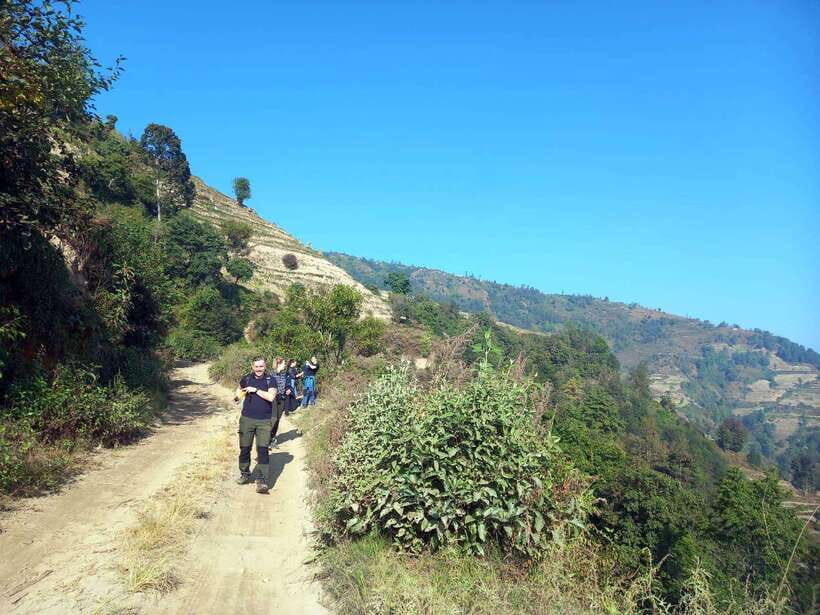
This is the part you should take seriously before you book.
The trek is sold on mountain viewing: Everest-area chances from Chisapani and sunrise viewing from Nagarkot. But mountain visibility in the Himalaya depends heavily on air conditions. In April, one traveler reported that smog and haze were strong enough that mountains weren’t visible at all from Chisapani or Nagarkot. In that case, the trek became more about walking through heat and dust rather than enjoying the promised panoramas.
So how do you protect yourself?
- Go with a flexible mindset. Even on a clear morning, distant peaks can fade.
- Don’t judge the day based on one hour. Sun angles and air movement can shift visibility.
- Plan your happiness to include village life and trail experience, not only peak spotting.
If you’re traveling specifically for Everest visibility, ask your operator about typical conditions for your travel month. If you’re okay with “maybe” views, then this is still a very worthwhile trek.
Comfort and Pacing: What the Hike Feels Like in Practice
The itinerary has clear time blocks: Day 1 is roughly 4–5 hours hiking, and Day 2 is another full hiking day with both descending and ascending segments. Day 3 includes an early morning start plus a hike to Changu Narayan before sightseeing in Bhaktapur.
This route is not presented as mobility-friendly, and that matches the reality of uphill sections, uneven trails, and a required climb toward Nagarkot. If you have mobility concerns, this is likely not the right fit.
On the comfort side, you’ll appreciate:
- Private bathroom in Chisapani
- A real hotel setting in Nagarkot before sunrise
- A guide to manage route decisions and timing
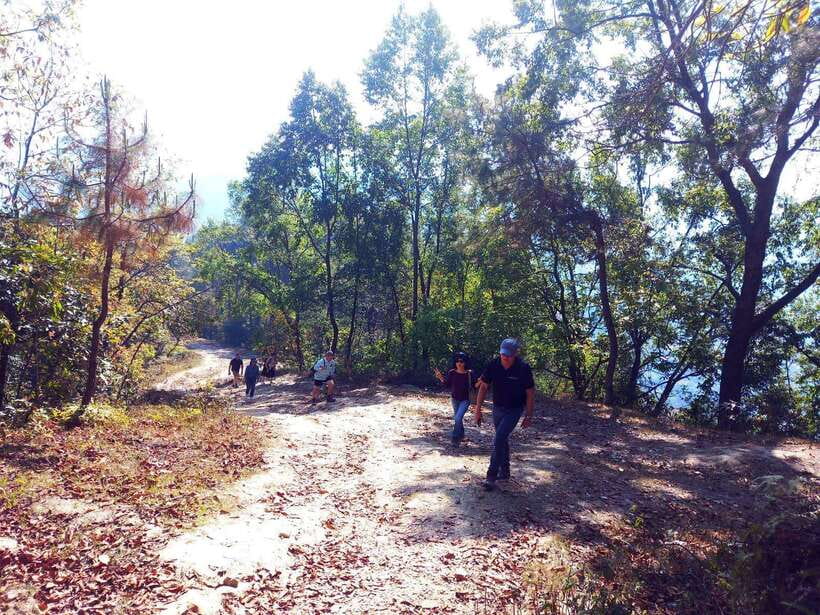
On the less-comfy side, one account noted a hot, dusty stretch later in the day (especially after Chisapani when views weren’t materializing). That’s not guaranteed, but it’s a reminder to bring breathable clothing and water planning that works for warm conditions.
Who Should Book This Trek (and Who Should Skip It)
This trek fits best if you want:
- A short, structured trek that starts close enough to Kathmandu to be convenient
- A blend of hiking plus major cultural stops
- Guided logistics and permits handled for you
- A viewpoint-focused ending with Nagarkot sunrise
It may be a poor choice if:
- You need reliable mountain visibility to feel like the trip is worth it
- You’re sensitive to heat and dust on trail sections
- You have mobility limitations that make hillside walking difficult
If you want a Nepal intro that goes beyond Kathmandu streets without needing a long multi-week trek, this is a solid path.
Should You Book This 3-Day Chisapani–Nagarkot Trek & Bhaktapur?
I’d book it if you can handle one thing: the mountains are weather-dependent. When visibility is good, this trip delivers exactly what you came for—big Himalayan views from Chisapani and Nagarkot, plus sunrise timing that’s hard to beat. When visibility is weak, you still have a strong day-by-day trek through national park terrain and villages, and you still finish with Bhaktapur’s standout heritage stops.
The value also makes sense for a short trip: you get transportation, permits, guides, two lodging styles, and breakfast coverage, all stitched into a tight three days. Just go in prepared for haze risk, and consider packing your expectations like layers—ready to adjust.
FAQ
How long is the trek from Kathmandu?
It runs for 3 days total.
Where does the trek start and end?
You’re picked up in Kathmandu, driven to Sundarijal for the start of the hike, and the trip finishes with sightseeing around Changu Narayan and Bhaktapur before returning you to Kathmandu.
What’s the accommodation like during the trek?
You stay in a guest house in Chisapani with a private bathroom, and you stay in a three-star hotel in Nagarkot. Breakfast is included.
Is breakfast included?
Yes. Breakfast is included for the lodge/hotel accommodation on the trip.
Are lunch and dinner included?
No. Lunch and dinner are not included.
What’s included in the price?
Included items are Kathmandu hotel pick-up and drop-off by private vehicle, private AC ground transfers, lodge/hotel accommodations with breakfast, hiking and Shivapuri–Nagarjun National Park permit, and a highly experienced licensed English-speaking guide. A solo surcharge applies for solo travelers.
Do I need to pay monument fees?
Monument fees are not included.
Is a porter included?
No. A porter is not included, and the listed porter cost is US$50 if you want one.
Is the trek suitable for people with mobility impairments?
No. It’s not suitable for people with mobility impairments.