REVIEW · KATHMANDU
Chisapani – Nagarkot Trek Nepal – 3 Days
Book on Viator →Operated by Alpine Club of Himalaya · Bookable on Viator
Big views start early in the hills. This 3-day trek from Chisapani to Nagarkot strings together pine and rhododendron forests, temple stops, and Himalayan viewpoints with the practical comfort of a guide who handles the heavy lifting. I especially like the mix of nature walks and cultural payoffs, plus the chance to experience that classic Nagarkot view rhythm on a clear morning.
What I like most: private round-trip transfers make the trip feel smooth from the start, and the guide takes care of permits, food, lodging, and even down jacket and sleeping bag rentals when the weather turns chilly. One thing to consider: mountain views depend on clear skies, and the days add up to real walking—about 4.5 hours on Day 1 and multiple hours of hiking on Days 2 and 3.
In This Review
- Key things that make this trek work
- Why Chisapani to Nagarkot is a smart 3-day choice
- Kathmandu to Sundarijal: the start that keeps the day enjoyable
- Day 1 to Chisapani: forests, permits, and that first peak glimpse
- Day 2: Chauki Bhanjag lunch, then the descent into Nagarkot views
- Day 3: the ridge walk to Changu Narayan Temple (built in 323 AD)
- Gear, permits, and teahouse rhythm: what’s handled for you
- Food and Kathmandu dinners: why the meal plan is part of the value
- Price and value: is $425 per person fair for this bundle?
- Who should book this trek (and who should think twice)
- Should you book Chisapani to Nagarkot?
- FAQ
- How long is the Chisapani to Nagarkot trek?
- Is round-trip transportation from Kathmandu included?
- What meals are included during the trek?
- Are park entrance fees and permits included?
- Do I need to bring a sleeping bag and down jacket?
- Is cancellation refundable if I change my plans?
Key things that make this trek work
- Private transfers from Kathmandu so you spend less time figuring out logistics
- Shivapuri Nagarjun National Park permits and entrance fees included
- Down jacket and 4-season sleeping bag rental included to travel lighter
- Teahouse or lodge nights for the full trekking feel without camping hassles
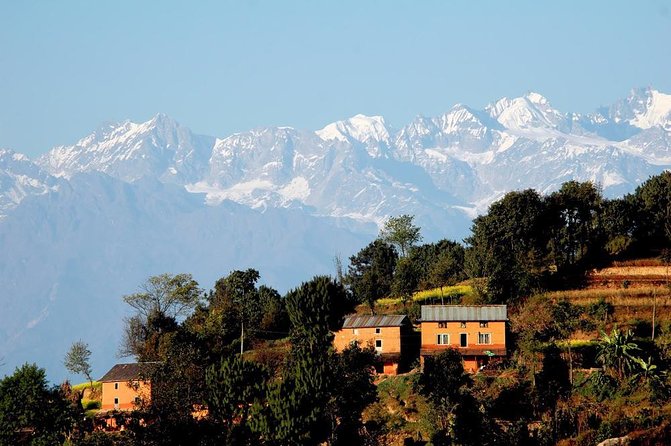
- Nagarkot to Changu Narayan Temple ridge walk with a major heritage site (Temple built in 323 AD)
- Kathmandu welcome and farewell dinners that frame the hiking days nicely
Why Chisapani to Nagarkot is a smart 3-day choice
This trek is built for people who want a real hiking experience without a long commitment. In just three days, you move from the edge of Shivapuri National Park country into the Nagarkot viewpoint zone, then finish with a ridge walk down to Changu Narayan Temple. That’s a lot of variety packed into a short window.
I like the pacing because it’s not technical scrambling—it’s steady walking, with time to pause for views and lunch. You’re also not stuck with planning stress. A guide organizes permits, meals, accommodation, and transportation, so you can focus on what matters: putting your feet on the trail and catching the light over the peaks when it shows up.
One more value point: the trek includes gear support. The down jacket and sleeping bag rental is a big deal if you don’t want to buy or carry cold-weather equipment. And since the national park access is handled, you avoid the common “where do I get the permit” headache.
Price-wise, $425 per person sounds specific—and it is. What makes it feel fair is what you’re getting bundled: transfers, park fees, accommodations, guide support, and multiple meals. If you were to do the same trip as a DIY plan, the time and coordination alone can cost you more than you expect.
You can also read our reviews of more hiking tours in Kathmandu
Kathmandu to Sundarijal: the start that keeps the day enjoyable
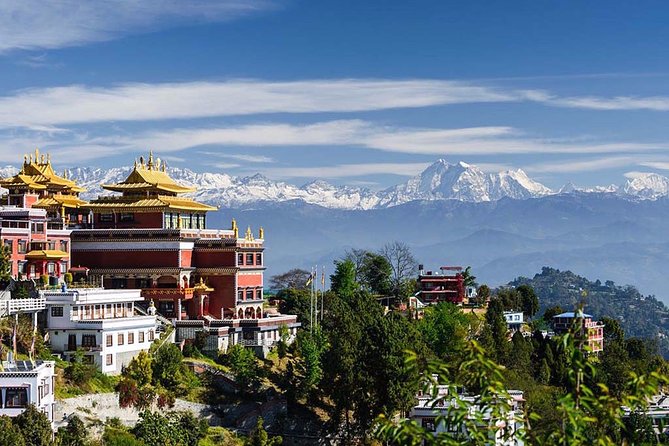
Your trip begins in central Kathmandu with a private transfer to Sundarijal. From there, you trek for about 4.5 hours up to Chisapani, at roughly 7,545 ft / 2,300 m. That first day elevation matters. It’s not sky-high altitude, but you will feel the air change, especially if you’re sensitive to climbs.
Why this start is smart: Sundarijal is close enough to Kathmandu that the logistics are manageable, but far enough into the hills that the trail immediately feels like Nepal countryside rather than city hopping. You also start inside Shivapuri National Park territory, so the walking gets scenic early—oak, pine, and rhododendron forests are part of the vibe.
The guide’s role is important here. You’re not just handed a route map. You’re moving as a planned group with someone who knows where to go, what paperwork needs to be in place, and how to keep the day running smoothly. Even if you’re an experienced walker, this can be the difference between a fun trek and a tiring logistics project.
Practical tip: plan for cold mornings and cooler evenings. Even when daytime walking feels fine, mornings around the higher trail elevations can feel sharp. And because your gear includes a down jacket and sleeping bag rental, you can pack lighter—still bring layers you’re comfortable wearing.
Day 1 to Chisapani: forests, permits, and that first peak glimpse
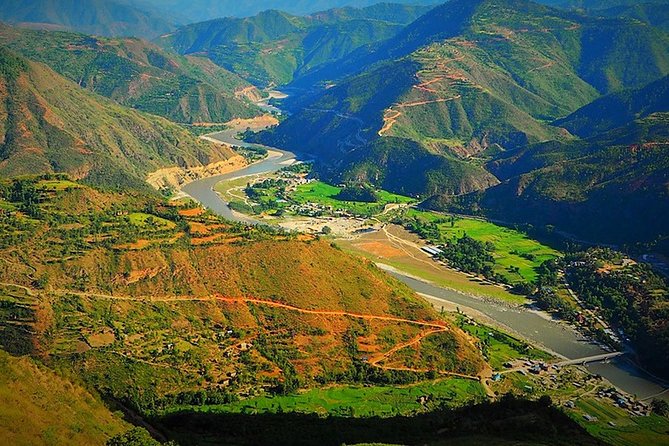
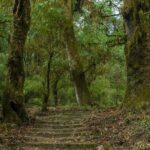
Day 1 gives you the classic Nepal “green to high” progression. You move through forests where oak, pine, and rhododendrons are part of what you’ll see along the way. That matters because it keeps the trek interesting even on days when the biggest mountain views are partly hidden. Forest walking is easier on the brain than straight-up climbing, and it’s a good warm-up for the rest of the route.
Chisapani at about 2,300 m is also a great “first settle” point. You get high enough for that crisp air feeling, but not so high that the day becomes overly draining. The goal on Day 1 is to arrive feeling ready for dinner and a real sleep, not wrecked.
One strong value element here is that national park entrance fees and permits are included. Nepal trekking without permits is a gray-area mess you don’t want. Here, the guide handles the paperwork so you can focus on the trail itself.
What about the downside? This is still a 4.5-hour day. If your idea of trekking is short nature walks, you might find this day longer than expected. But if you’re comfortable walking for a few hours, you’ll likely find it steady rather than brutal—especially because the guide and meal plan keep you fueled.
If you’re the type who likes small moments—quiet bends in the trail, birdsong, shaded forest sections—you’ll appreciate the fact that Day 1 isn’t just about reaching a viewpoint. You’re getting the whole walking experience.
Day 2: Chauki Bhanjag lunch, then the descent into Nagarkot views
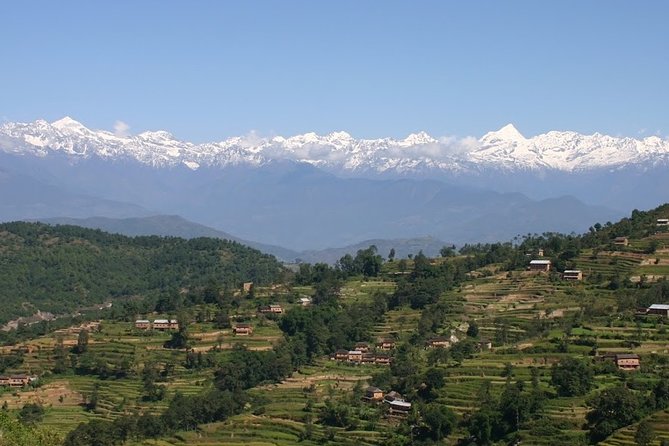
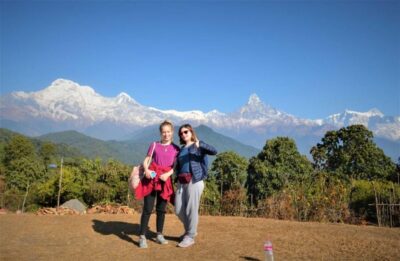
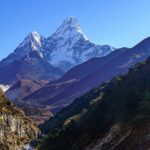
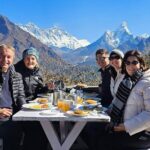
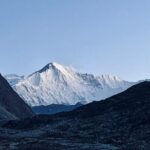
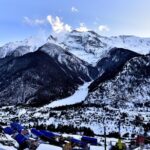
Day 2 is where the trek turns into peak-view chasing—at least when the weather cooperates. You start with about 2.5 hours of trekking to Chauki Bhanjag, where lunch happens with snow-capped mountains as the backdrop. That lunch stop isn’t just food. It’s your planned “sit, breathe, and look” moment.
Then you shift gears. In the afternoon, you descend about 3 hours to Nagarkot. Descending can feel easier than ascending, but it still takes effort on your knees and thighs. Good shoes and careful foot placement matter more than you think, especially on uneven trail surfaces.
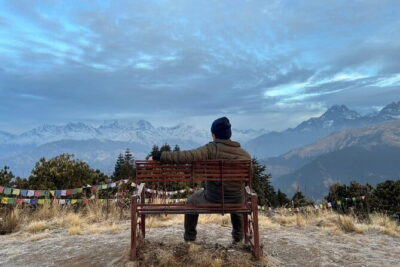
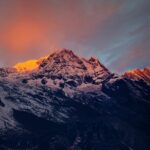
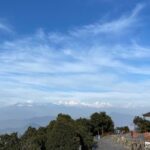
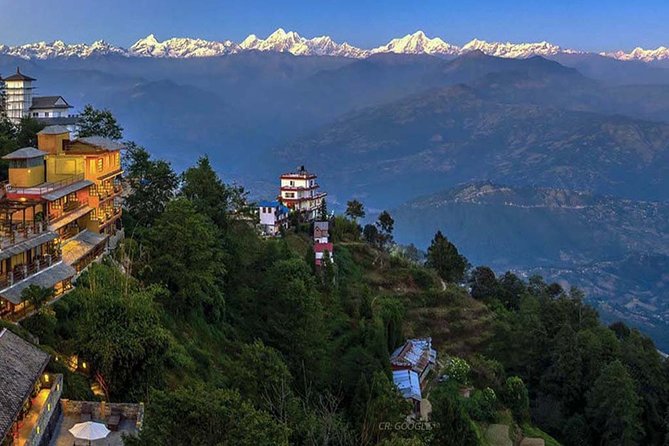
Nagarkot is the payoff point for views. On a clear day, you can see the Himalayas from there. That clear-day dependency is real, so I’d treat Nagarkot as a reward you earn when skies allow—not a guarantee. Even if visibility is limited, you’ll still feel the atmosphere of a viewpoint town perched above the valley.
This is also where the human side of the trek shows up. One description of the experience highlighted the guide keeping spirits up, including music along the way. That doesn’t mean the trek is a party—but it does suggest you’ll get more than silent hiking. You’ll likely hear stories and get cultural context as you walk.
Practical tip: on Day 2, bring a small layer even if the morning feels warm. Nagarkot evenings can cool off quickly, and teahouse or lodge nights feel different when the temperature drops.
Day 3: the ridge walk to Changu Narayan Temple (built in 323 AD)
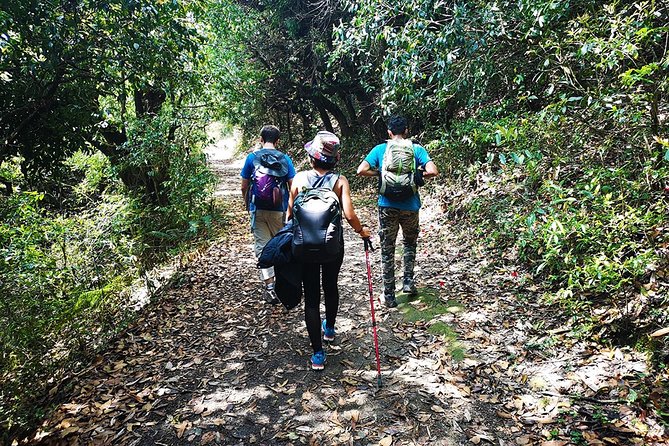
Day 3 is about momentum plus culture. You trek around 3.5 hours toward Changunarayan, which is the area around Changu Narayan Temple. The route takes you down from Nagarkot along a ridge, and it’s a popular walk because it combines sweeping views with a clear destination.
The temple itself is the big reason this day matters. Changu Narayan Temple was built in 323 AD by King Hari Datta Varma, and it’s a major heritage stop near Kathmandu. Even if you’re not the type who reads every inscription, a temple like this gives you a different kind of connection to Nepal than the mountains alone.
This day can also be a good “energy balance.” You’re coming off Day 2, so the ridge walk feels like a guided transition from hiking mode into sightseeing mode. It’s not a hard climbing day, and the downhill rhythm helps many people finish strong.
The main consideration is that your body still needs time to adjust to walking after two earlier hiking days. If you go into Day 3 overly ambitious—wanting extra stops or lots of stairs afterward—you might feel it.
If you like the idea of ending with something tangible and historic—rather than just another trek finish line—Day 3 hits that target.
You can also read our reviews of more tours and experiences in Kathmandu
Gear, permits, and teahouse rhythm: what’s handled for you
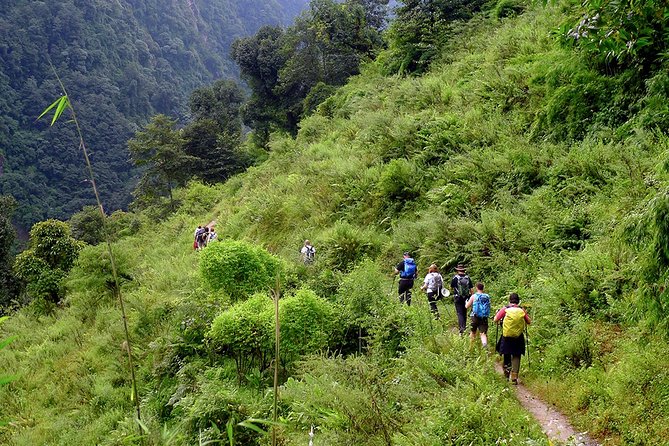
One of the biggest practical wins here is how much is managed for you. You get a trekking guide during the hike, and the guide organizes permits, food, accommodation, and transportation. That turns the trip from a “trip you manage” into a “trip you take.”
Even better, you get national park entry and permit access covered. In Nepal, those details can be confusing if you’re on your own. Having it handled means less waiting, fewer last-minute questions, and more consistent daily flow.
Then there’s gear. You’re included with a down jacket and a 4-season sleeping bag rental. That means you don’t have to guess what will be cold enough to justify buying equipment. It also helps if you’re traveling on a normal airline schedule and don’t want to deal with extra baggage.
On the ground, you’ll stay one night in Kathmandu (shared twin deluxe style accommodation) and two nights in a teahouse or lodge during the trek. That’s the sweet spot for most people: you get simple lodging without the planning and setup that camping would require.
What you should still plan for: teahouses and lodges can vary in comfort. The included sleeping bag rental helps, but you’ll still want to bring a practical sleep setup—like warm socks—based on how you personally handle cold. The guide’s job is to keep things organized; your job is to pack smart and stay layered.
Food and Kathmandu dinners: why the meal plan is part of the value
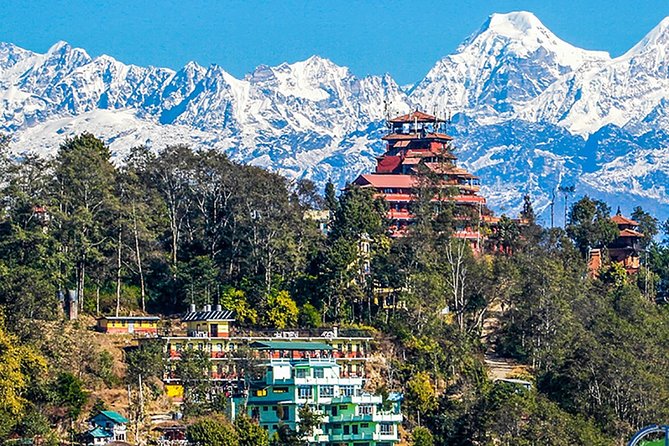
Food is where many treks quietly cost extra. Here, your meal schedule is built in: breakfasts (2), lunches (3), and dinners (3). That makes daily budgeting easier and keeps you from searching for meals when you’re tired.
Two of the standout experiences are in Kathmandu. You get a welcome dinner and a farewell dinner, which gives you a proper “arrive and reset” moment and a “wrap-up and celebrate” moment after hiking.
Those dinner nights matter more than they sound. After long walking days, you want one less thing to worry about. Being hosted for those meals also gives you a chance to ask questions, confirm plans, and get last-minute advice from your guide before the next walking day.
Another practical win: transport is private, so the timing of meal stops and departures isn’t constantly negotiating with strangers. That often makes the difference between an exhausting day and a satisfying one.
Price and value: is $425 per person fair for this bundle?
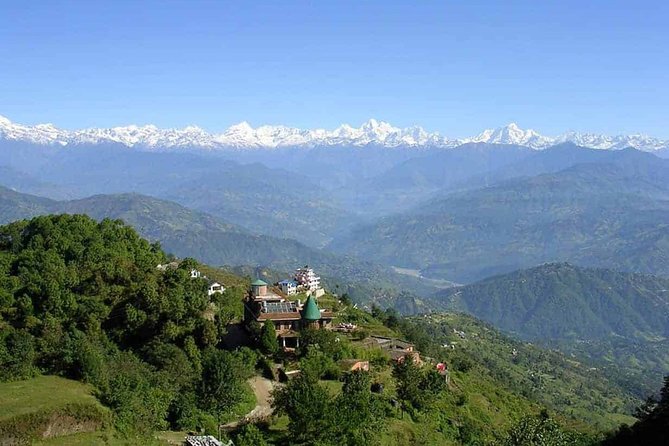
$425 per person is not cheap, but it’s also not random. It’s pricing that reflects multiple moving parts:
- Private transfers round-trip from Kathmandu
- National park entrance and permits included
- A guide during the trek
- Two teahouse/lodge nights and one shared Kathmandu night
- Down jacket and sleeping bag rental
- Meals across trekking days, plus Kathmandu welcome and farewell dinners
- Taxes included
If you tried to recreate that on your own, you’d spend time lining up permits, finding reliable teahouse arrangements, and coordinating transport. Even if the direct costs look lower at first, the coordination time can become a hidden tax—especially if you’re arriving in Kathmandu and trying to set up quickly.
What’s not included is also clear: visa fees (listed as $30 per person), international flights, and travel or rescue insurance. Personal expenses and gratuities are also extra. So you’ll still need to handle those items, but the core trekking package is well covered.
One more value note: the trek is commonly booked about 70 days in advance on average. That’s usually a sign of demand for this short, high-quality format. If your dates are flexible, you may find better options; if they’re firm, booking earlier is wise.
Who should book this trek (and who should think twice)
This trek fits best if you want:
- A 3-day trek with major viewpoint energy at Nagarkot
- Forest walking plus a strong cultural finish at Changu Narayan Temple
- A guide who handles permits and day-to-day planning
- A comfortable gear solution via down jacket and sleeping bag rental
- Meals and Kathmandu dinner breaks built into the schedule
It might not be ideal if you’re hoping for a very easy walk. Day 1 is a 4.5-hour hike, and Day 2 and Day 3 stack more walking time. Also, Nagarkot’s big view moment depends on weather, so keep expectations realistic.
Group-wise, it’s private in the sense that it’s your group only, not a rotating mix of strangers, which tends to make the experience more relaxed and consistent.
Should you book Chisapani to Nagarkot?
Yes—if you want a short trek that’s organized and scenic, without you juggling permits, lodging, and logistics in Kathmandu. The best reasons to book are the included permits and park fees, the private transfers, the down jacket and sleeping bag rental, and the fact that meals and Kathmandu dinners are built in.
If your top goal is guaranteed mountain spectacle, consider that clear skies are the key. But if you’re the kind of person who enjoys the walk itself—forests, ridge routes, temple history, and those calm teahouse nights—this route makes a lot of sense for a first Nepal trekking experience or a focused mountain getaway.
FAQ
How long is the Chisapani to Nagarkot trek?
The trek is 3 days (approximately).
Is round-trip transportation from Kathmandu included?
Yes. Round trip private transportation to and from Kathmandu is included.
What meals are included during the trek?
Breakfasts (2), lunches (3), and dinners (3) are included.
Are park entrance fees and permits included?
Yes. Shivapuri Nagarjun National Park entry fee and permit are included.
Do I need to bring a sleeping bag and down jacket?
No. Down jacket and a 4-season sleeping bag rental are included.
Is cancellation refundable if I change my plans?
Yes. Free cancellation is available up to 24 hours in advance for a full refund.