REVIEW · KATHMANDU
Annapurna Base Camp Trek
Book on Viator →Operated by Nepal Mountain Trekkers - Day Tours · Bookable on Viator
One big mountain day starts small. This Annapurna Base Camp short trek layers easy logistics with serious Himalayan scenery, from Kathmandu’s Thamel to Pokhara’s Lakeside, then up into rhododendron forests and high camps. I love how the route mixes culture (Gurung villages) with hike days that feel varied, not repetitive.
My favorite part is the built-in support: an English-speaking guide, an assistant guide, and a porter (1 porter for up to 2 trekkers, max 30kg) who carries the heavy stuff. In past trips, the airport welcome and first-day help came from reps like Suman, and on the trek, guides such as Shiva with porters like Bishal made the pace feel manageable and focused. The one drawback to weigh is altitude: you’ll reach 4,130 meters at Annapurna Base Camp, so you need to be ready for thinner air and the usual fatigue that comes with it.
In This Review
- Key things that make this Annapurna Base Camp trek worth your time
- Kathmandu start: Thamel convenience, not chaos
- The Pokhara hop: a quick flight, a big change of pace
- Day 3 into Jhinu Danda: the warm start (plus hot springs)
- The Bamboo and Siruwa stretch: forest walking that feels different
- Dovan to Deurali: where the terrain starts to toughen
- Machhapuchhre Base Camp to Annapurna Base Camp: the big moment at 4,130m
- The return day with sunrise and avalanche-prone awareness
- Day 8 back toward Jhinu Danda: stone steps and hot spring payoff
- Day 9 down to Nayapool: finishing the trek with real downhill time
- Pokhara and Kathmandu wrap-up: Durbar Square and the last good meal
- Price and value: what $906.67 includes (and what you’ll still pay)
- Who this trek suits best (and who should reconsider)
- Should you book this Annapurna Base Camp short trek?
- FAQ
- How long is the Annapurna Base Camp short trek?
- Where do you start, and how do you get there from Kathmandu?
- What is the altitude of Annapurna Base Camp on this trek?
- Are meals included during the trek?
- Is a guide and porter included?
- Are trek permits included?
- Is trekking gear included or provided?
- What’s included in the price?
- FAQ
- Is there airport pickup and drop service?
- What is the group size?
- Is cancellation free?
- Is travel insurance included?
- What does the itinerary include around Pokhara Lakeside and Kathmandu Durbar Square?
Key things that make this Annapurna Base Camp trek worth your time
- A smooth Kathmandu-to-trek transition: airport pickup, Kathmandu hotel, then a flight to Pokhara.
- Hot springs breaks at Jhinu Danda to reset your legs.
- Forest-to-rock progression: rhododendron and bamboo down low, then sparser vegetation higher up.
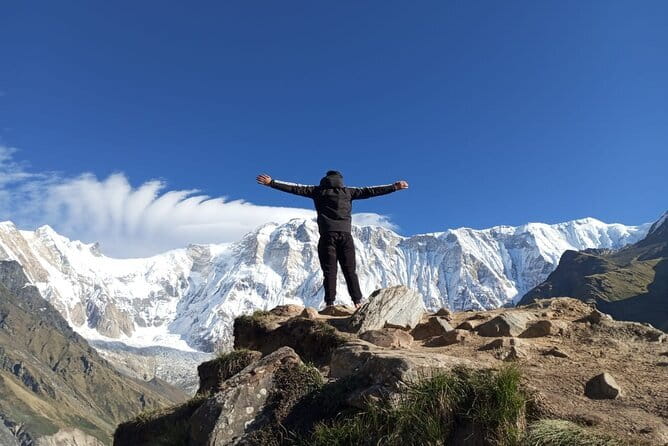
- Real base-camp moment: overnight at Annapurna Base Camp with towering views of the massif.
- Guides who manage the plan: an English-speaking guide plus an assistant, with porter support.
- Permits and meals handled: TIMS and ACAP fees, and trek meals (B/L/D) are included.
Kathmandu start: Thamel convenience, not chaos
Your trip begins right after you land at Tribhuvan International Airport. A representative picks you up and drives you to your Kathmandu hotel after you finish immigration. This matters more than it sounds. Kathmandu traffic can be unpredictable, and having that first handoff already organized helps you start your acclimation period without stress.
You’ll stay at Hotel Green Horizon in Thamel, the neighborhood built for travelers. It’s handy because it puts you close to restaurants, shops, and easy meeting points for day 2. You also get a short briefing before the trek kicks off—important if you’re nervous about packing, daily walking time, or what the first days will feel like.
One practical note: the included portion lists 3 nights in Kathmandu, so you’re not just hopping straight to the mountains the moment you arrive. That extra time can be useful if you need to rest, handle last-minute supplies, or just get comfortable before the trail starts.
You can also read our reviews of more hiking tours in Kathmandu
The Pokhara hop: a quick flight, a big change of pace
On day 2, you’ll meet your trekking guide and get your trek briefings from the Thamel starting point. After breakfast, you’ll head to Pokhara. The route includes stops en route—there’s mention of a famous picnic spot and a holy/spiritual temple you’ll visit on the way.
Then comes the big switch: Pokhara. You’ll land, check into your 2-night Pokhara hotel, and have time to explore Lakeside. This isn’t a sightseeing sprint; it’s a chance to reset your body and your head after travel days.
Why I like this part of the itinerary: it gives your mind a moment to catch up. After Kathmandu and its movement, Pokhara’s lake setting helps you settle before the hiking rhythm begins. Also, by day 3 you’re already positioned at Naya Pul, the trek entry point for the Annapurna region.
Day 3 into Jhinu Danda: the warm start (plus hot springs)
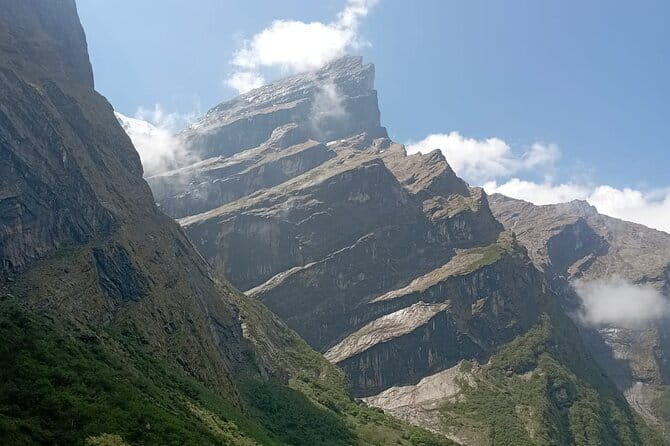
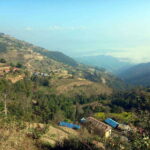
On day 3, you drive to Naya Pul and start trekking along the Modi River. You’ll walk through terraces and smaller settlements, with mountains showing up more clearly as you gain a little elevation. The vibe is “get your legs working,” not “go break yourself.”
Your destination is Jhinu Danda, famous for the natural hot springs at the base of the ridge. This is one of the smartest choices in an itinerary like this. You’re building walking stamina early, but you also get a built-in recovery option without needing to wait until the trek is over.
The trail section described includes gradual ascent past places like Chandrakot, then walking alongside the Modi River, and reaching Jhinu Danda after crossing terrain with stone steps and bridges. Even if you’re not a “trail person,” this day gives you a taste of the Annapurna region’s textures—river alongside you, villages nearby, and that feeling of moving deeper into mountain country.
The Bamboo and Siruwa stretch: forest walking that feels different
Day 4 pushes the trek into its mid-level effort, and it’s a good example of why this route doesn’t feel like one long grind. After leaving Jhinu Danda, you trek toward Chhomrong village through terraces and a steep start. From there, you cross the Chhomrong River area, descend via stone steps, then climb again to a ridge above the Modi River.
After that, the route turns into what I think of as “comfort hike mode,” even though it’s still uphill at points. You pass through bamboo forest and terraced fields, reaching areas like Siruwa village and continuing toward Bamboo. The overnight stop is set up around Bamboo Lodge in the plan.
One thing to plan for: the day includes rough trail and marching on a steep section near the end. In practical terms, that means you’ll want trekking shoes with grip and socks you trust. Also, pace matters—save your energy for the higher days when vegetation thins out.
Dovan to Deurali: where the terrain starts to toughen
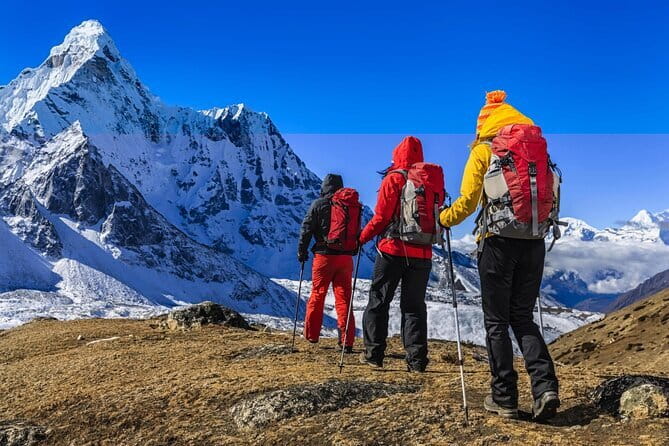
Day 5 is structured as a shorter segment first—walk to Dovan—and then a steeper push toward Deurali. The Dovan leg moves through rhododendron and oak forest, with gradual climbing and a crossing of a stream. It’s a gentle on-ramp that helps you build rhythm before the day’s harder section.
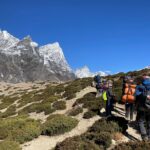
From Dovan, the trek continues via steep terrain and waterfall crossings, then past places like Himalaya Hotel and onward toward Hinku cave, where you can see Deurali village. The description also notes a shift: vegetation becomes sparser and the ground gets rockier as you go higher. That’s your sign you’re transitioning into the higher Annapurna zone.
Why this matters for you: your body will already feel the climb from the previous days, so when the trail gets rockier, balance and pacing become more important than speed. This is the day where smart foot placement and steady breathing pay off.
Machhapuchhre Base Camp to Annapurna Base Camp: the big moment at 4,130m
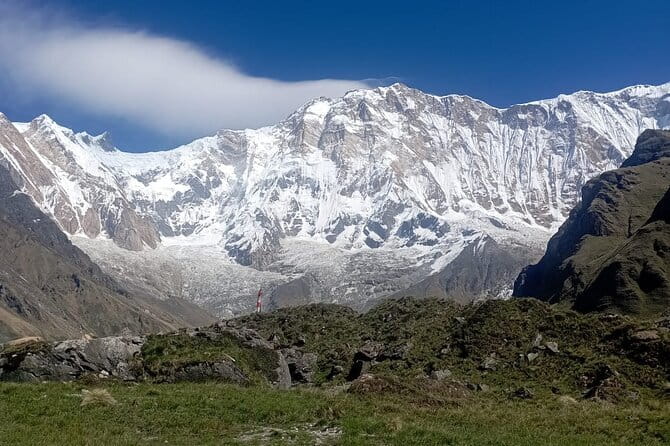
Day 6 is the climb that earns its reputation. Today you pass through Machhapuchhre Base Camp on your way to Annapurna Base Camp, and the plan is set up so you can enjoy the views rather than just suffer through a single nonstop slog.
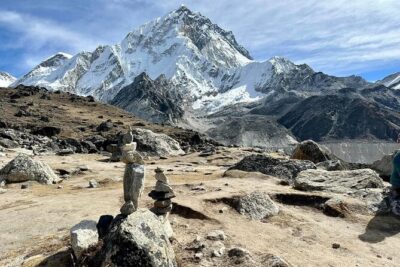
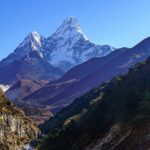
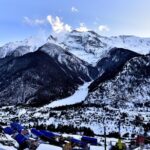
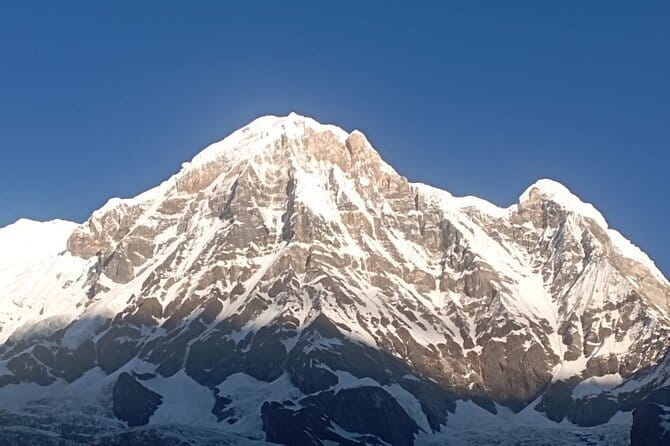
You start with a gentle climb over steep terrain, then pass Bagar before reaching Machhapuchhre Base Camp. From there, the view includes Fishtail Mountain and peaks such as Hiuchuli, Annapurna South, Annapurna I, Annapurna III, Gagapurna, and others. That’s a lot of named peaks for one day, and it gives you the “this is real” feeling when you’re actually standing in the high zone.
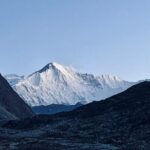
Then you branch away from the Modi River as vegetation becomes sparse and the path widens. You turn toward the base camp of Annapurna and arrive at 4,130 meters. The itinerary makes it clear that the overnight stay here is a standout: you’ll see towering Annapurna without anything between you and the view, and you get time to take it in.
One practical consideration: high altitude changes everything—sleep, appetite, and effort level. Your guide and team will manage the pace, but you still need to take the day seriously: keep it slow, drink water, and don’t treat this like a casual hike.
The return day with sunrise and avalanche-prone awareness
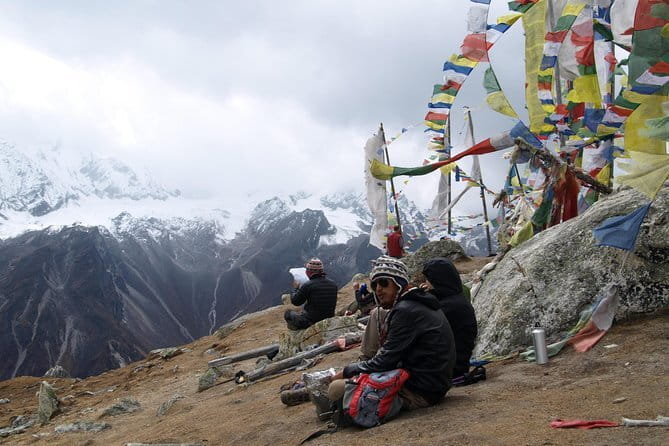
Day 7 moves you back toward Bamboo and keeps things easier than the ascent day. The plan includes an exceptionally beautiful sunrise over the Himalayas and a downhill march alongside the Modi River.
You’ll pass through areas prone to avalanche, and you’ll also go by Dovan and Deurali, plus bamboo and rhododendron forests at lower elevations. The description also notes crossings like a wooden bridge before reaching Bamboo.
This is the kind of day where I love having a guide. Even if you’re experienced, route awareness matters in mountain terrain. On a return day, it’s tempting to walk too fast because you’ve already “done it once.” But the terrain still has its own rules, and the avalanche-prone note is a reminder to stick with the plan and follow your guide’s judgment.
Day 8 back toward Jhinu Danda: stone steps and hot spring payoff
Day 8 retraces parts of the route, but not in a copy-paste way. The plan starts with an uphill climb to Khuldighar, described as hosting a helipad. Then you follow a twisting trail to Sinuwa, and you pass settlements like Tilche and Chhomrong, including a bridge and steep stone steps. The route continues to Taulung, a junction village with trails leading toward Landruk, Tadhapani, and Kot Danda.
Then you reach Jhinu Danda again, and this is where the day earns its comfort prize: time to explore and relax in the natural hot springs.
This is also where you’ll feel the smart pacing of the whole trip. You’ve already been climbing and descending enough days to know your body’s signals. When you hit the hot springs again, you’ll appreciate the timing—recovery right when you need it most before the final long drop toward Pokhara.
Day 9 down to Nayapool: finishing the trek with real downhill time
Day 9 is your “finish strong” day. You trek down from Jhinu Danda to the Modi Khola valley, following the trail via New Bridge. The itinerary description emphasizes stone staircases, hillside walking, farms, and traditional houses along the way. And yes, the mountain view stays in the picture, but you’re spending more time looking at rivers, fields, and the valley opening up under you.
As you descend, the trail leads to Nayapool, marking the end of your physical trekking. For many people, this is emotional: you’re relieved, but also you’re not ready for the quiet to end. It’s also an important transition day for logistics, because you need to stay fueled and keep hydration up for the drive back.
Pokhara and Kathmandu wrap-up: Durbar Square and the last good meal
After finishing at Nayapool, you head back toward Pokhara and then continue to Kathmandu on day 10 by scenic drive (about 5–6 hours). You’ll pass terraced fields, hills, and wide valley views along the way. Back in Kathmandu, you check into your hotel again.
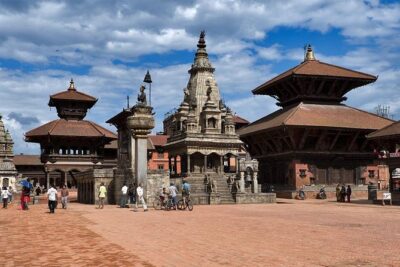
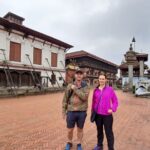
Day 10 also includes optional time at Kathmandu Durbar Square, plus time to shop around Thamel and pick up souvenirs. This part is practical. After a trek, you don’t always want museums. A quick walk through Durbar Square’s stone-paved areas gives you culture without draining your energy.
The bigger idea here is pacing: you’re ending in a place where you can recover normally—sleep, shower, and eat without worrying about the next day’s steps.
Price and value: what $906.67 includes (and what you’ll still pay)
At $906.67 per person, this isn’t just a cheap “ticket to the mountain.” The value comes from what’s already bundled.
Included items you should care about:
- 3 nights Kathmandu hotel and 2 nights Pokhara hotel
- All lodging and foods during the trek, with breakfast, lunch, and dinner included
- Transportation costs and airport pickup and drop service
- English-speaking trekking guide, plus an assistant guide
- Porter support (1 porter for 2 trekkers, max load 30kg)
- Permits: TIMS card and ACAP fees
- Gear rental like sleeping bags and down jacket
- A farewell dinner
- Taxes/charges included: 13% VAT and 10% company service charge
Not included (what you’ll still budget):
- Nepal visa fee
- International flights and any extra baggage charges
- Meals in Kathmandu and Pokhara beyond what’s included
- Travel insurance and rescue costs
- Personal expenses
- Tips for guides and porters
My practical take: you’re paying for friction removal. Guides, permits, meals, and the porter system are what make a route like this workable for most people. If you had to arrange those pieces yourself, the savings would usually shrink fast once you price out the time and coordination.
Who this trek suits best (and who should reconsider)
This trek is listed for people with moderate physical fitness. The days described include long walking hours—often around 6 to 12 hours—plus steep sections, stone staircases, and elevation changes. If you can handle a full day of hiking with breaks, you’ll likely enjoy it.
It’s a good match if you want:
- A guided trek with organized lodging and meals
- Hot spring recovery built into the plan
- The big visual payoff of Annapurna Base Camp at 4,130m
- A team setup that includes porter help
It might be a harder fit if you’re very altitude-sensitive or if you’re expecting an easy walk with minimal climbing. Also, even with moderate fitness, you’ll want to take preparation seriously: shoes, socks, a realistic packing plan, and pacing discipline.
Should you book this Annapurna Base Camp short trek?
If you want a well-run itinerary that handles the heavy lifting—permits, meals, lodging, guide staffing, and porter support—this is a strong choice. The route makes smart use of the region: forest walking early, higher rockier terrain later, and a proper base-camp night with big mountain views. The Jhinu Danda hot springs also give you a morale boost at exactly the right time.
I’d book it if you’re excited by the Annapurna region and you’re ready for real trekking days at altitude, not a casual stroll. I’d hesitate if you’re looking for a low-effort hike, or if the idea of 4,130m is a stress point for you. If that altitude feels risky, talk to your doctor and plan carefully.
FAQ
How long is the Annapurna Base Camp short trek?
The trek runs for 11 days (approx.).
Where do you start, and how do you get there from Kathmandu?
The tour starts in Kathmandu with an airport pickup. On day 2 you transfer to Pokhara, and on day 3 you drive to Naya Pul to begin the trek.
What is the altitude of Annapurna Base Camp on this trek?
Annapurna Base Camp is listed at 4,130 meters above sea level.
Are meals included during the trek?
Yes. All lodging and foods during the trek are included, with breakfast, lunch, and dinner.
Is a guide and porter included?
Yes. You get a professionally trained English-speaking trekking guide, an assistant trekking guide, and a porter. The porter arrangement is 1 porter for 2 trekkers with a max load of 30kg.
Are trek permits included?
Yes. TIMS card and Annapurna Conservation Area (ACAP) fees are included.
Is trekking gear included or provided?
Sleeping bags and down jackets are available on rent.
What’s included in the price?
The price includes airport pickup and drop service, hotels in Kathmandu and Pokhara, trek lodging and meals, transportation, guide and porter support, permits, first aid medical box, gear rental, farewell dinner, and taxes/fees (13% VAT and 10% company service charge). It does not include visa fees, international flights, travel insurance/rescue costs, personal expenses, or tips.
FAQ
Is there airport pickup and drop service?
Yes. Airport pickup and drop service are included.
What is the group size?
The trek has a maximum of 15 travelers.
Is cancellation free?
Cancellation is free up to 24 hours in advance for a full refund.
Is travel insurance included?
No. Travel insurance/Rescue operation costs are not included.
What does the itinerary include around Pokhara Lakeside and Kathmandu Durbar Square?
You’ll have time in Pokhara to explore Lakeside and on the way back you’ll have optional time at Kathmandu Durbar Square and for Thamel shopping.