REVIEW · KATHMANDU
Kathmandu: Momo Making Class with a Local Chef
Book on GetYourGuide →Operated by Epic Adventures Private Limited (EAPL) · Bookable on GetYourGuide
Your hands learn this Himalayan comfort food fast. This momo making class in Thamel is a practical way to learn a local skill, not just watch food happen. You’ll work through the full process—dough, filling, shaping, and cooking—using ingredients tied to momo’s roots in Tibet, Nepal, and the Himalayas.
Two things I really like: you actively do every step, and you use the same kind of core ingredients that show up in real momo kitchens. You’re not stuck with a vague demo either; the instructor explains clearly and helps you keep moving, including how to handle the dough and build a filling that actually tastes right. One consideration: it’s just 1 hour, so expect solid basics and one batch, not a long training session to perfect every detail.
In This Review
- Key highlights you’ll actually feel
- Momo in Kathmandu: Why this dumpling lesson is worth your time
- Finding the Nepal Cooking School in Thamel (Paknjaol Marg)
- The 1-hour flow: Dough, filling, shaping, then cooking
- Step 1: Mix and prepare the dough
- Step 2: Make the filling with local-style ingredients
- Step 3: Shape the dumplings
- Step 4: Cook your momos
- What ingredients teach you about real momo flavor
- Meal time: Eating your momos with sauces or sides
- Small group with an English instructor: what that means in practice
- Value in a short class: what you get for your time
- Who should book this momo class in Kathmandu
- Should you book? My practical take
- FAQ
- How long is the momo making class?
- Where is the meeting point in Kathmandu?
- What language is the instructor?
- How many people are in the group?
- What’s included in the experience?
- What should I bring or wear?
Key highlights you’ll actually feel
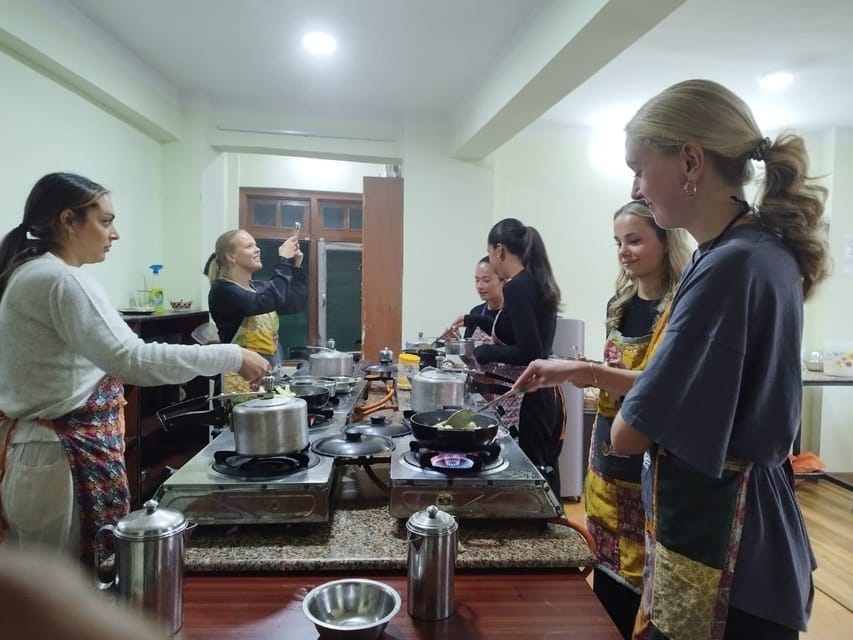
- Hands-on from start to finish: you mix, fill, shape, and cook, not just taste.
- Authentic core ingredients: flour and water for dough, plus vegetables, spices, and optionally ground meat.
- Small group class (up to 8): easier questions and more attention when your folds go a little… creative.
- English instruction: clear steps that help you replicate the method later.
- You eat what you make: the meal is built around your dumplings, usually with dipping sauces or sides.
Momo in Kathmandu: Why this dumpling lesson is worth your time
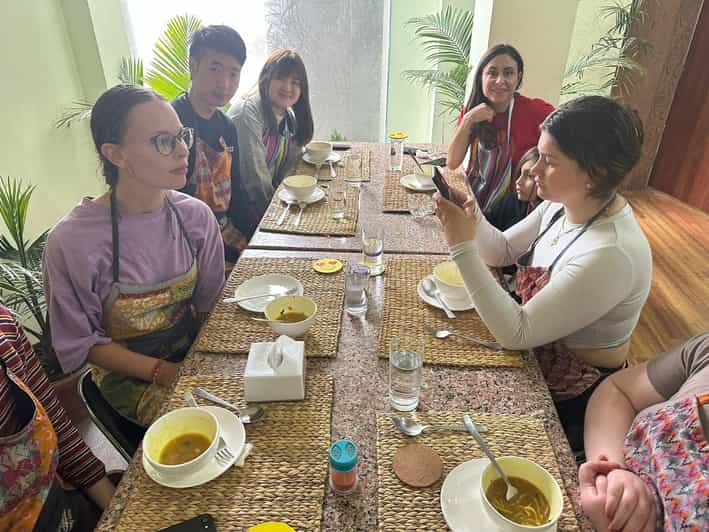
Momos are one of those foods that travel well through the region, showing up across Tibet, Nepal, and the Himalayas. In Kathmandu, they’re also a reliable comfort food—familiar enough that you’ll see them everywhere, but specific enough that the details matter.
What I like about a class like this is that it turns curiosity into a real takeaway. You’re not just eating dumplings. You’re learning how dough behaves, how filling should be mixed, and what shaping does to the final result. When you understand those steps, a plate of momos in a restaurant becomes a lot more interesting. You start noticing what’s thin or thick, what tastes balanced, and what feels right in the bite.
And there’s something refreshingly down-to-earth about it. Cooking with your hands is the opposite of tourism-by-photo. You’ll get flour on your clothes and a little pride when your dumplings look like dumplings, not abstract shapes.
You can also read our reviews of more tours and experiences in Kathmandu

Finding the Nepal Cooking School in Thamel (Paknjaol Marg)
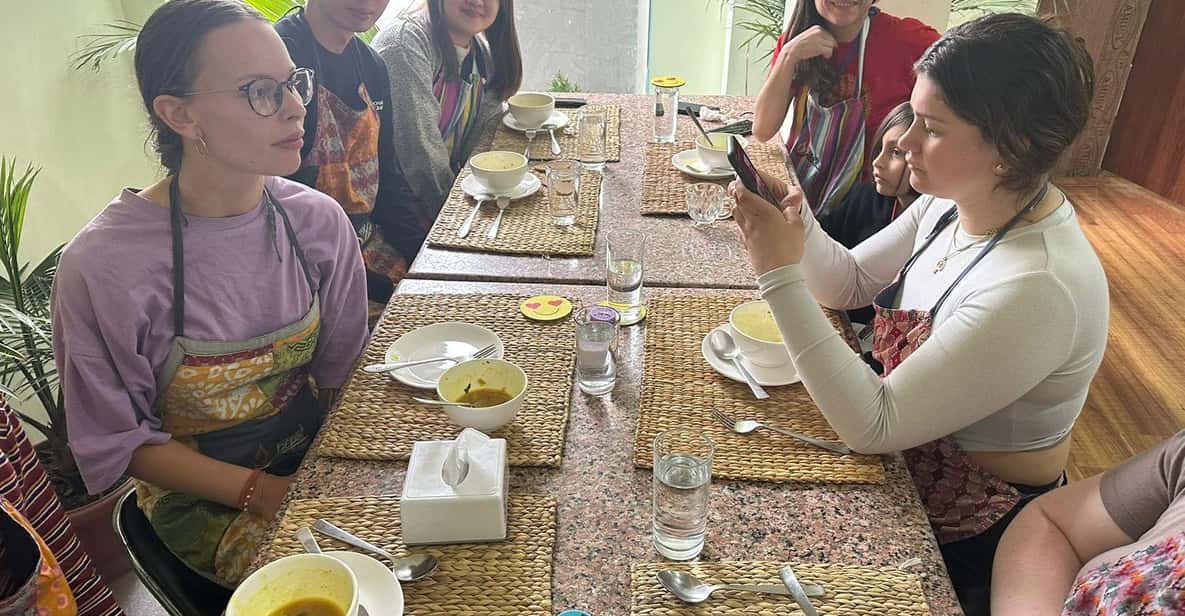
Your class runs from the Nepal Cooking School in Thamel. The meeting point is listed as Paknjaol Marg, opposite the Ganesh Temple, in the building of the delicious pizza, on the third floor.
That’s useful because Thamel can be a little maze-like. If you arrive slightly early, you can walk the block, find the Ganesh Temple landmark, and then locate the third-floor classroom without stress. I’d treat this like any good street-food mission: wear shoes you can stand in, and give yourself a few extra minutes so you’re not rushed when the class starts.
Also, plan to focus on where you are, not just how you look. You’ll be rolling dough and shaping dumplings, so comfortable clothes win. This is one of those times where “cute outfit” and “mess tolerance” are competing priorities.
The 1-hour flow: Dough, filling, shaping, then cooking
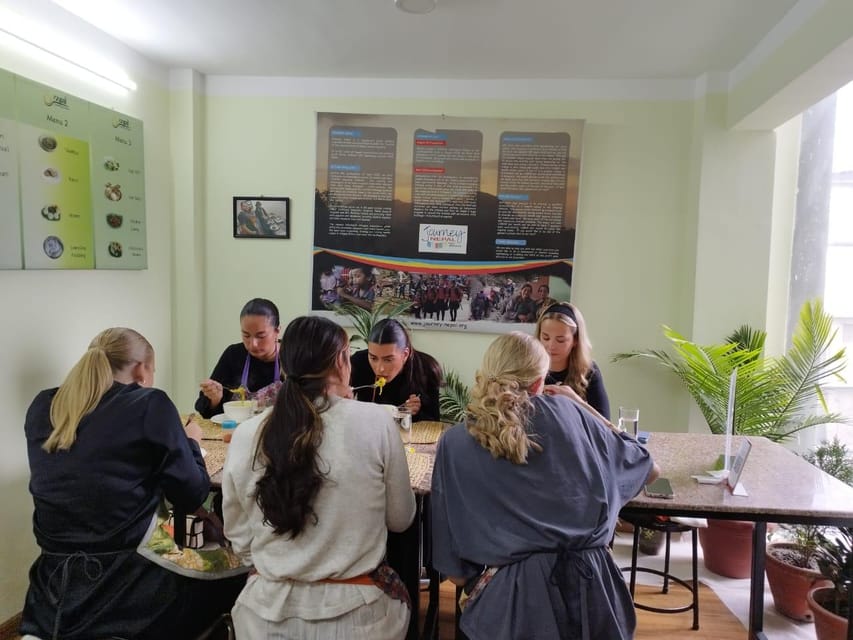
This experience is designed as a tight, guided workflow. You start at the school, meet your English instructor, and then move step-by-step through making momos. The total time is 1 hour, and the structure matters because it keeps you practicing the actual sequence.
Step 1: Mix and prepare the dough
You’ll begin with the dough. The class covers the basic dough process using flour and water. Even if you’ve never cooked before, the value here is learning what the dough should feel like as you work it. Dough texture is one of those invisible skills that instantly improves your cooking later.
Expect your hands to do the work. This isn’t just measuring and watching. You’ll mix and handle the dough as the instructor guides you.
Step 2: Make the filling with local-style ingredients
Next comes the filling. You’ll work with ingredients commonly used for momos, including vegetables and spices and seasonings. If the class uses ground meat options, it’s typically included as well (the instructions mention ground meat if not vegetarian).
The practical lesson is how the ingredients come together. Filling isn’t just “throw things in a bowl.” It needs seasoning balance and a consistency that works with the dough, so it doesn’t leak or fall apart when you shape.





Step 3: Shape the dumplings
Then you fold and shape. This is where the class shifts from food prep to technique. Shaping is important because it affects both how the dumplings cook and how they hold together when you eat them.
If your first attempts look a bit uneven, that’s normal. The whole point is learning the method while the instructor is there to correct small things—like how tight the seal should be and how to manage the dough while folding.
Step 4: Cook your momos
After shaping, you cook the dumplings with your group. The info doesn’t specify the exact cooking method, just that you’ll cook them in class, so treat it as part of the guided process rather than something you need to pre-guess.
The big win is that you don’t stop at shaping. Many “experience” classes only get you to the fun part with photos. Here, you finish the job.
What ingredients teach you about real momo flavor
The class highlights the ingredients used in momo preparation: flour, water, vegetables, spices and seasonings, and ground meat as an option if it’s not vegetarian.
Why that matters: ingredients like flour and water aren’t just generic “carbs.” They’re the foundation of dough texture. Spices and seasonings aren’t decoration either. They’re what make the filling taste balanced rather than flat.
I also like that the class focuses on repeatable building blocks. Once you know the “core set” of what goes into dough and filling, you can handle variations later—like adjusting spice levels or playing with vegetable mixes—without getting lost.
And yes, you’ll get hands-on with the whole thing. You’ll be close enough to smell the seasoning and feel the dough. That sensory part is often what people remember after the meal: not the recipe on paper, but the technique you can still picture.
Meal time: Eating your momos with sauces or sides
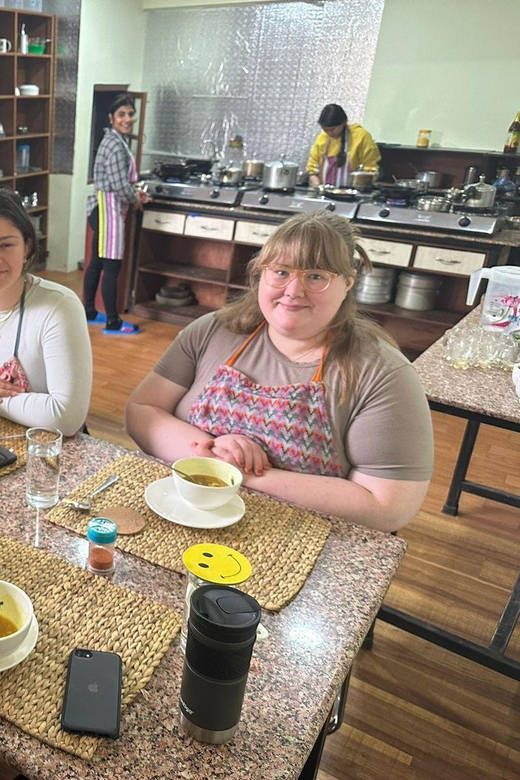
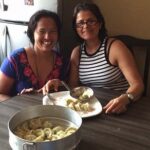
Once your momos are cooked, you eat. The class includes a tasting meal featuring your dumplings, and it’s commonly served with dipping sauces or sides.
This part isn’t an afterthought. It’s how you calibrate your learning. When you take your first bite, you can instantly connect what you did—dough thickness, filling balance, sealing—to the final result.
If you’re the type who always wants to know why a dish tastes the way it does, this is a great match. You’ll also get a chance to see how your batch compares to what you’re used to. Sometimes homemade food is just slightly different, and that’s the point—you learn what changes when you change the process.
Small group with an English instructor: what that means in practice
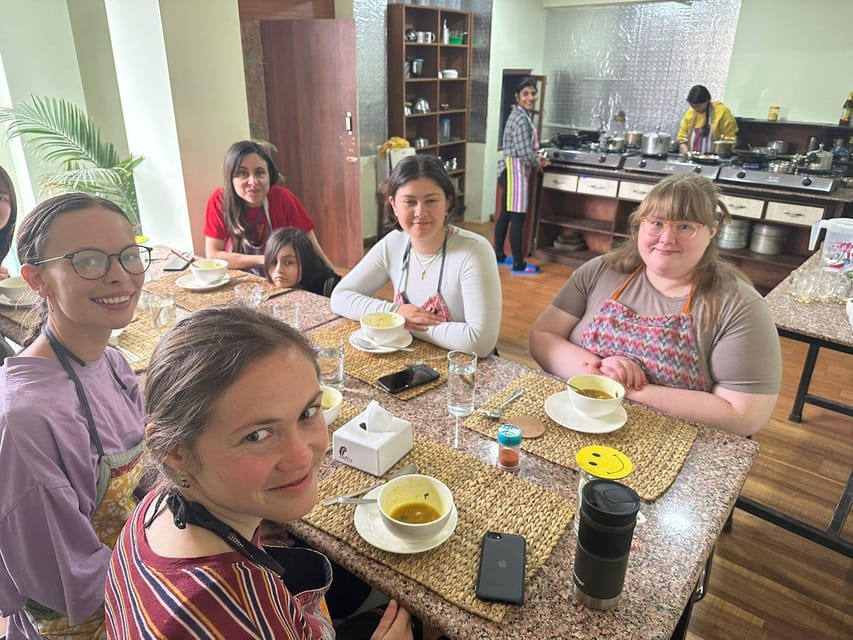
This is a small group class limited to 8 participants, with instruction in English. Small groups matter because you’ll have more chances to ask questions while your hands are busy.
Also, English instruction helps you avoid the common problem in cooking classes where you miss a step because the explanation was too quick or too vague. Here, the instructor is there to guide you through each stage so you can keep up.
One specific detail that comes through in a recent verified booking is how supportive the chef/instructor can be. Tizia from Germany noted that the cook explained a lot, was very helpful, and the momos tasted very good. That aligns with what you want from a short class: clear guidance, not confusion.
Value in a short class: what you get for your time
The class is 1 hour, which might sound tight. In practice, that short format can be great value if your goal is a hands-on method you can repeat later.
You’re getting:
- a guided dough process (flour and water)
- filling building with vegetables and spices/seasonings
- shaping practice
- cooking your batch
- and an included tasting meal
So you’re not paying for “watch and eat.” You’re paying for supervised practice plus a meal outcome.
Do note what’s not included: transportation to and from the class location, and personal expenses. In Thamel, transportation costs can vary depending on where you’re staying, so budget a little time and money for getting there smoothly.
Who should book this momo class in Kathmandu
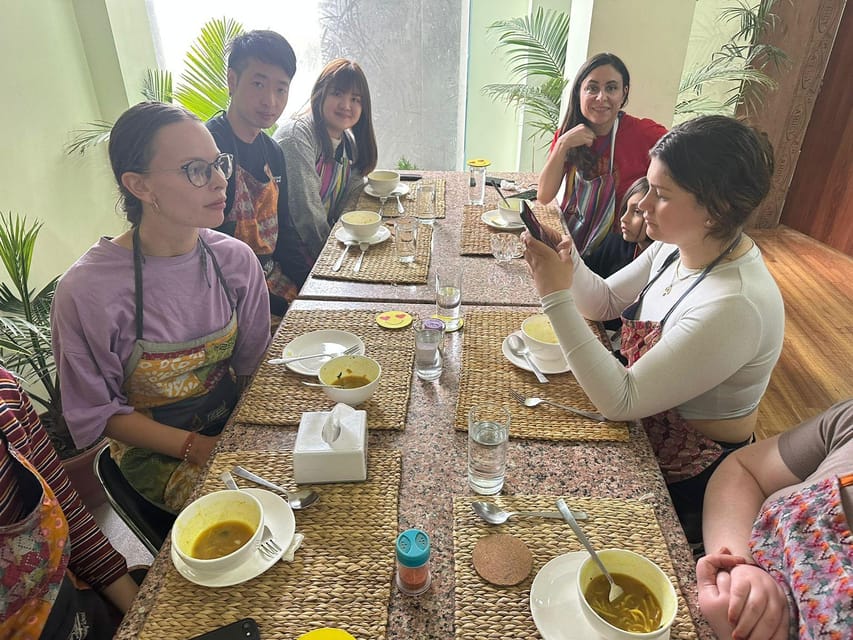
I’d recommend this class if you want:
- a hands-on food experience that doesn’t require cooking background
- a short activity in Thamel that ends with a real meal
- a technique-focused takeaway (dough, filling, shaping) you can apply later
It’s also ideal if you’re traveling with a curious mindset and you like learning how everyday local food works. Momos are everywhere, but making them gives you a new lens for what you’re eating.
You might look elsewhere if you want an all-day cooking deep dive or a multi-dish menu. This is built to teach the workflow and get you eating your batch within one hour.
Should you book? My practical take
Yes, I think you should book this class if you’re even slightly interested in learning a Nepalese comfort-food skill. The structure is efficient: you’ll do the main steps—dough, filling, shaping, cooking—and then eat what you made with sauces or sides. In other words, the “experience” part and the “meal” part are tied together, so you don’t feel like you paid for time instead of outcome.
Book it especially if:
- you want something small-group with English guidance
- you’re okay with getting a bit messy
- you’d rather learn a technique than only buy a snack
If you hate mess, plan to wear clothes you can tolerate getting dirty. This class expects you to work with your hands.
FAQ
How long is the momo making class?
The class lasts 1 hour.
Where is the meeting point in Kathmandu?
The meeting point is at Paknjaol Marg, opposite the Ganesh Temple, in the building of the delicious pizza, on the third floor.
What language is the instructor?
The instruction is in English.
How many people are in the group?
It’s a small group limited to 8 participants.
What’s included in the experience?
You get a 1-hour momo making class with an experienced chef or instructor, ingredients for momo preparation, and the opportunity to taste your creations.
What should I bring or wear?
Wear comfortable clothes and clothes that can get dirty. The guidance also says to bring ingredients.