REVIEW · KATHMANDU
Bhaktapur: Experience the Art of Clay, Curd, and Chant
Book on GetYourGuide →Operated by Maya Trips · Bookable on GetYourGuide
One smell of kiln-fired clay is all you need. In Bhaktapur, a short afternoon tour blends pottery-making, famous food, and live temple music.
I especially liked the guided hands-on pottery-making workshop with local artisans, and the jujudhau stop, served in a traditional clay bowl. One thing to consider: the bhajan (folk music) only happens in the evening, so you’ll want to match your schedule to the start time.
In This Review
- Pottery, King Curd, and Chant: What Makes This Half-Day Work
- A 4.5-Hour Format That Fits an Afternoon in Bhaktapur
- From Kathmandu Pickup: The Day Trip Setup You’re Actually Buying
- Bhaktapur Durbar Square Walk: UNESCO Sights Without the Confusion
- Pottery Square Workshop: Shaping Clay with Local Artisans
- Jujudhau (King Curd) in a Clay Bowl: The Flavor Stop You’ll Remember
- Food Tasting Back at Durbar Square: Small Bites, Local Rhythm
- Evening Bhajan at a Local Temple: Chanting With Real Devotees
- Price Check: Is $86 Worth It for This Combo?
- Who This Tour Suits Best (And Who Might Skip It)
- Small Practical Tips to Make the Day Easier
- Should You Book This Bhaktapur Experience?
- FAQ
- Where is this tour located?
- What is the tour duration?
- Where does the tour pickup happen?
- How much does the tour cost?
- What’s included in the tour besides transportation?
- Is the pottery-making workshop included?
- Is the jujudhau tasting included?
- Is the bhajan available all day?
- What languages are available for the live guide?
- Is the tour private?
Pottery, King Curd, and Chant: What Makes This Half-Day Work
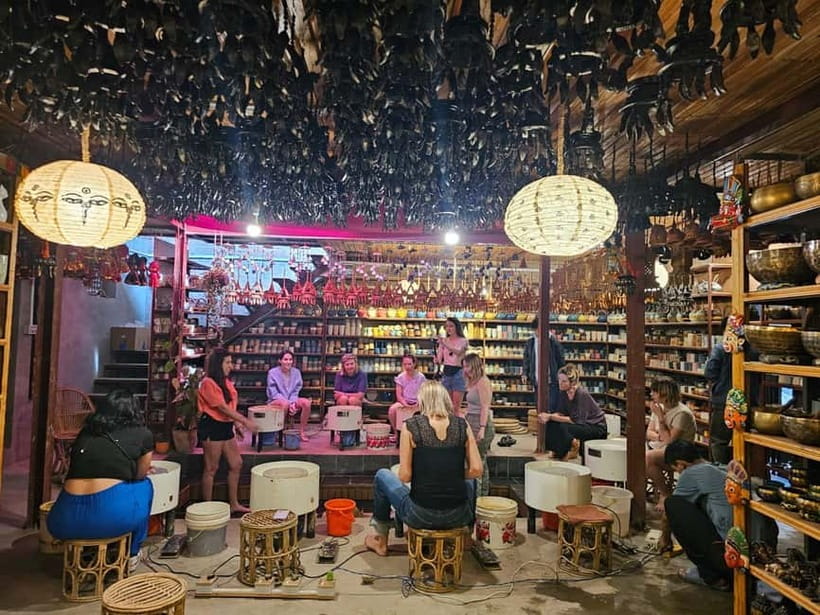
This is the kind of tour that gives you a full slice of Bhaktapur culture without pretending you have time for everything. You get movement through town (photo stops and walking), a proper activity (making clay), a food ritual (king curd), and a sound-and-spirit ending (bhajan with local devotees).
It’s also built around real local rhythms. Clay work takes concentration. Jujudhau is a comfort-food moment. And the temple chanting shifts the mood from sightseeing mode to listening mode. That mix is exactly why a 4.5-hour format can feel satisfying instead of rushed.
A 4.5-Hour Format That Fits an Afternoon in Bhaktapur
The total duration is listed as 4.5 hours, which is ideal if you’re based in Kathmandu and want a Bhaktapur day trip that doesn’t eat your whole schedule.
Here’s how that time tends to feel in practice: you’re not hanging out for long stretches in one place. You’re doing smaller “bursts” that keep you engaged:
- a guided stop at Bhaktapur Durbar Square
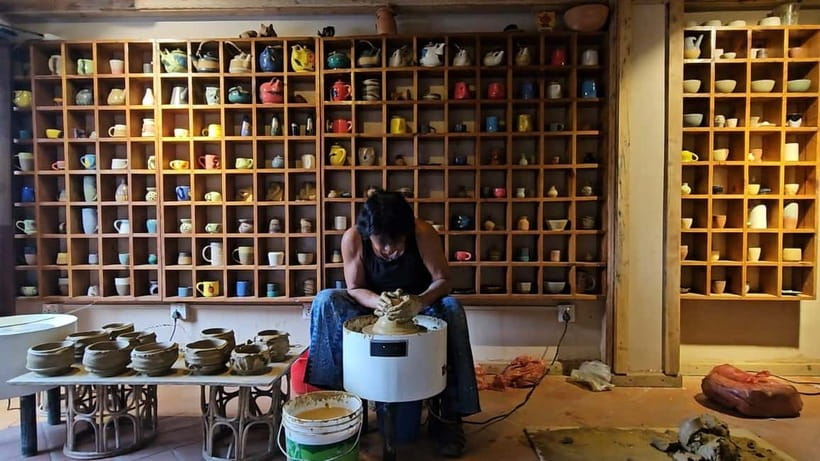
- an organized pottery session (1.5 hours)
- additional time for food tasting
- a finishing evening temple bhajan (when the evening slot is available)
If you hate tight schedules, this tour might feel like a sprint. But if you like compact, structured cultural experiences, it’s a strong match.
You can also read our reviews of more tours and experiences in Kathmandu.


From Kathmandu Pickup: The Day Trip Setup You’re Actually Buying
You’re picked up in Kathmandu, then you head toward Bhaktapur. The tour description mentions a scenic drive, which matters because it buys you two things: time to transition into the quieter Newar town vibe and a smoother logistics layer than figuring out transport on your own.
You also get private transportation, which is one of the hidden value points. Shared shuttles can mean waiting around. Private transport keeps the rhythm steady so your pottery and evening timing stay on track.
Practical note: bring layers. Even when Kathmandu is warm, evenings in Nepal can feel cooler, especially when you’re sitting for music in a temple setting.
Bhaktapur Durbar Square Walk: UNESCO Sights Without the Confusion
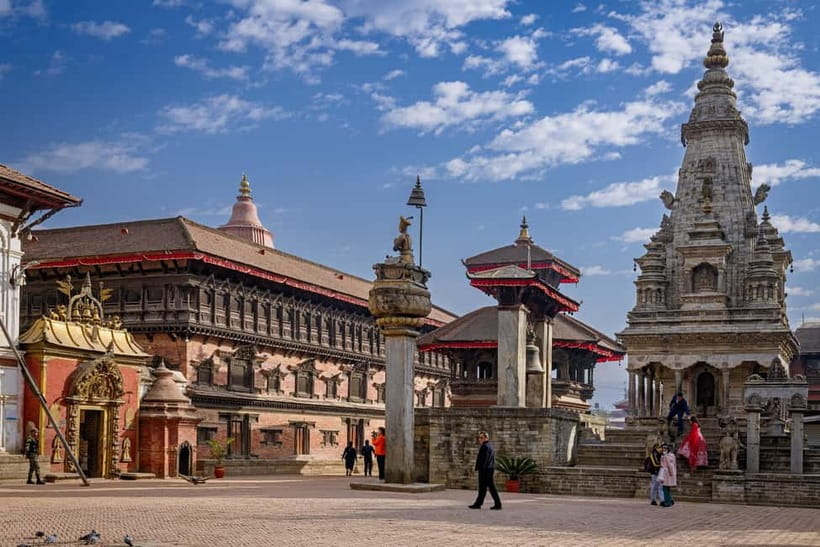
Bhaktapur Durbar Square is where you get the “I’m really in the old town” feeling fast. This tour includes a guided walk through Bhaktapur Durbar Square, a UNESCO World Heritage Site, plus photo stops.
What I like about having a guide here is simple: Durbar Squares can look like a maze of stone details. A guide helps you connect what you’re seeing—squares, courtyards, and temple-adjacent architecture—so it doesn’t become just photos and guessing.
You also get it more than once in the flow. The itinerary has Bhaktapur Durbar Square as an early stop for photos and sightseeing, and then again later for food tasting and more time to look around. That sequencing helps because you’re not trying to do everything in one long block.
Possible drawback: because the tour is short, you won’t get a slow, unhurried “wander for hours” style visit. If your priority is deep exploration of the square at a relaxed pace, you’d probably pair this with extra free time later.
Pottery Square Workshop: Shaping Clay with Local Artisans
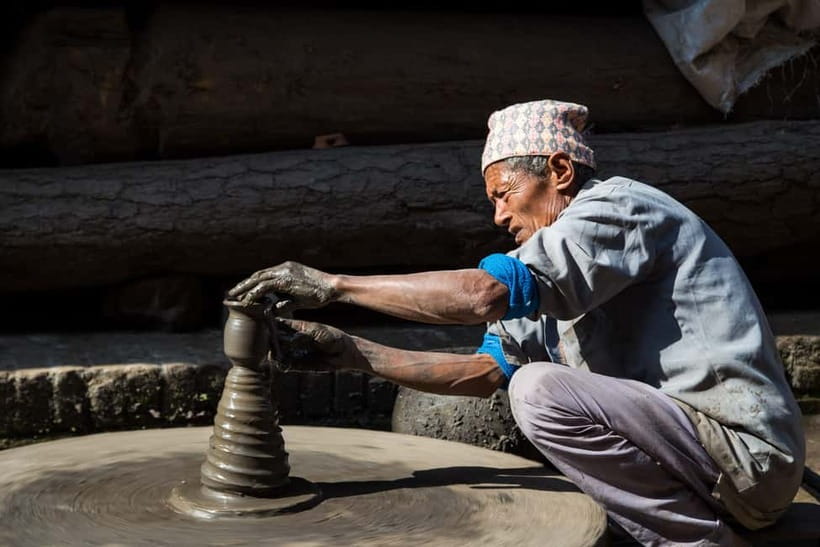
The centerpiece activity is a guided pottery-making workshop at Pottery Square, with a stated time of 1.5 hours.
This is the part you can’t replicate as easily on your own. Someone local sets the pace, shows what to do, and keeps you from wasting time figuring out tools or technique. The tour description says you’ll shape clay using age-old techniques, which is what makes it more than a tourist hands-on demo.
I also like that this workshop happens in the middle of the day trip plan. You’re not too tired yet from evening walking, and it’s far enough into the schedule that you’ll feel like you’re doing something “real,” not just ticking boxes.
What to expect from the experience itself:
- you’ll get guided instruction throughout
- you’ll work directly with clay
- you’ll come away with a better sense of why pottery matters in Bhaktapur’s daily life and craft traditions
One consideration: pottery activities can get messy. Wear clothes you don’t mind getting stained, and plan on comfortable shoes you can walk in after the workshop.
Jujudhau (King Curd) in a Clay Bowl: The Flavor Stop You’ll Remember
If you only do one food moment in Bhaktapur, make it this. The tour includes tasting jujudhau, described as King curd, served in a traditional clay bowl.
That detail matters. Clay bowls aren’t just for show. Serving in a traditional vessel often changes the way the curd is experienced—how it sets, how it cools, and how it tastes as you eat it.
Jujudhau is the kind of dish that works as a cultural bookmark in your afternoon. One minute you’re learning by hand. The next minute you’re tasting something that locals recognize instantly. It’s also easy to enjoy even if you’re not a major foodie, because it’s not complicated—just sweet, creamy curd that’s clearly meant to be savored.
Practical advice: if you’re sensitive to dairy, do be mindful before you book. The tour is built around this tasting, so it’s not a “replaceable” stop.
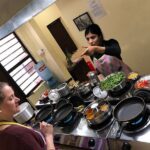


Food Tasting Back at Durbar Square: Small Bites, Local Rhythm
Later in the tour, you’ll return near Bhaktapur Durbar Square for food tasting and regional food.
The listing doesn’t spell out every dish, but the structure is clear: after pottery and the jujudhau moment, you’ll have another food window to sample local flavors while you’re still in the historical center.
This is a smart pacing choice. Food tasting right after craft work can feel more meaningful because you’re already in “Bhaktapur mode.” You’re not waiting until the end when you might be tired or distracted.
Tip: keep your water handy. Clay-work and walking can add up faster than you expect, especially in warmer months.
Evening Bhajan at a Local Temple: Chanting With Real Devotees
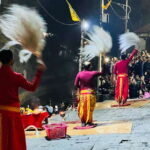
The tour ends with a traditional evening bhajan (folk music) at a local temple, with local devotees.
Important scheduling note: the tour description says the bhajan experience is only available for evening time slots. So if you’re planning this from Kathmandu, confirm your pickup and arrival time range before you lock in the day.
Why this part is worth showing up for:
- Bhajan isn’t a performance designed for tourists. You’re joining a living local tradition.
- Even a short listening session can reset the mood of your day.
- It gives context to everything else: craft, food, and town culture all connect to community life.
What to bring mentally: you’re going from sightseeing (photos, architecture) into sound and atmosphere. Keep your phone away unless you’re sure it’s welcome. Sit comfortably, listen first, and let the rhythm do the work.
Potential drawback: temple settings can be quiet and formal. You’ll want to dress respectfully and keep your group behavior calm.
Price Check: Is $86 Worth It for This Combo?
At $86 per person for a 4.5-hour private-transport day trip, you’re paying for a bundle: transport from Kathmandu, an English-speaking guide, a pottery workshop, a signature food tasting (jujudhau), guided walking in a UNESCO heritage area, and a temple bhajan in the evening.
Is it cheap? No. But it’s also not just “a guide and a car.” The pottery session plus guided UNESCO walk plus evening music is exactly the sort of multi-part cultural day that costs more when you do it independently. You’d still pay for transport, you’d still need a guide (or accept confusion), and you’d likely spend time searching for the right local temple/music opportunity.
So the value equation is pretty straightforward: if you want all these experiences in one afternoon with minimal planning, $86 can feel fair. If you’d rather spend extra time exploring Durbar Square on your own, this might feel like you’re paying for structure more than discovery.
Who This Tour Suits Best (And Who Might Skip It)
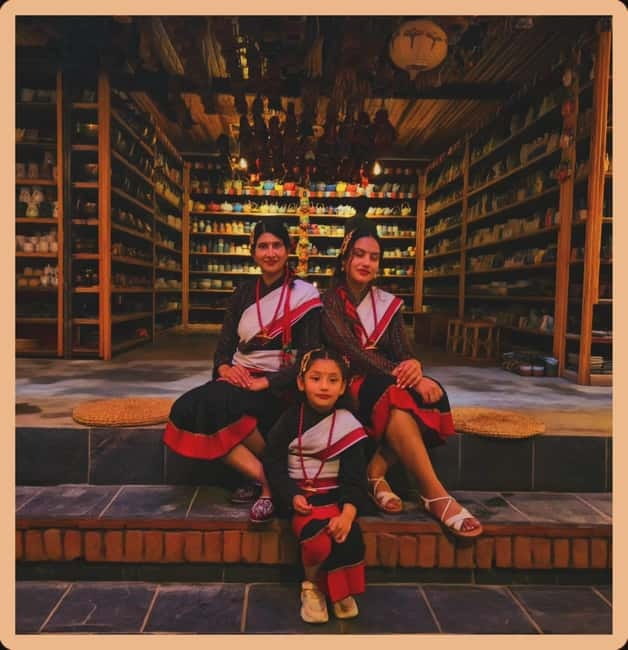
This experience is a strong fit if you:
- want a hands-on craft moment, not just photos
- like cultural food rituals, especially jujudhau in its traditional serving bowl
- enjoy live community music and want to experience it respectfully
- have limited time from Kathmandu and still want a coherent day
You might skip it if:
- you dislike time-boxed itineraries
- you’re not interested in pottery or you’d rather choose your own food stops
- you don’t want to commit to an evening slot for the bhajan
This is not the tour for a “sleep in, then wander all day” plan. It’s for people who like a focused cultural afternoon with clear pacing.
Small Practical Tips to Make the Day Easier
A few details can make the difference between smooth and stressful:
- Wear closed-toe, comfortable shoes for walking in Bhaktapur Durbar Square and around the old town center.
- Dress in layers for the evening bhajan temple stop. Even if the day is warm, temple evenings can cool off.
- Keep a small cloth or towel idea in mind for the pottery session. Clay can be stubborn.
- Bring cash for personal shopping only if you want it. The tour description includes shopping time, but purchases aren’t listed as included.
- If you care about language comfort, double-check that your selected guide language matches your comfort level. The listing says Chinese, English, French, German, Italian, Spanish.
Should You Book This Bhaktapur Experience?
I’d book it if your goal is a compact, high-payoff cultural afternoon: make clay in Pottery Square, eat Bhaktapur’s jujudhau in a clay bowl, walk through Durbar Square with a guide, and end with an evening bhajan at a local temple.
If your schedule is flexible and you can choose an evening time slot, do it. That’s the part that adds emotional weight to the day, turning it from sightseeing into something you can actually feel.
If you’re unsure, ask yourself one question: Do you want the convenience of having the craft, food, UNESCO walking, and temple music bundled together? If yes, this tour is a very reasonable way to spend your time in Bhaktapur.
FAQ
Where is this tour located?
It takes place in Bhaktapur, in Nepal (Bagmati Zone).
What is the tour duration?
The duration is 4.5 hours.
Where does the tour pickup happen?
Pickup is from Kathmandu.
How much does the tour cost?
The price is listed as $86 per person.
What’s included in the tour besides transportation?
You get an English-speaking guide, a guided pottery-making workshop, tasting of jujudhau (king curd), a guided walk through Bhaktapur Durbar Square (UNESCO), and a traditional evening bhajan with local devotees.
Is the pottery-making workshop included?
Yes. The guided pottery-making workshop is included, and it’s listed as 1.5 hours.
Is the jujudhau tasting included?
Yes. You’ll taste Bhaktapur’s iconic jujudhau (king curd), served in a traditional clay bowl.
Is the bhajan available all day?
No. The bhajan experience is only available for evening time slots.
What languages are available for the live guide?
The live tour guide is available in Chinese, English, French, German, Italian, and Spanish.
Is the tour private?
A private group is available.