REVIEW · KATHMANDU
Annapurna Circuit Trek
Book on Viator →Operated by Nepal Trail Finder Treks & Expedition · Bookable on Viator
One high pass turns Nepal into a moving story. The Thorong La Pass day delivers big-white mountain payoff, and I like that you’re never doing it alone thanks to a trained guide plus porter support. I also appreciate the simple rhythm of coffee and/or tea with each meal, which makes early starts feel a little less brutal.
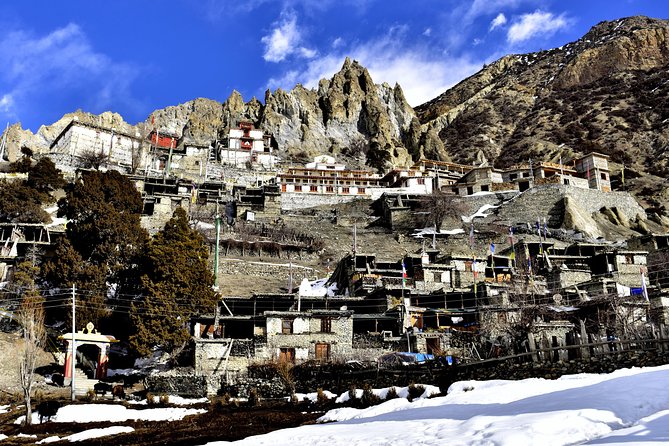
What I love most is how the trek keeps changing, not just in altitude but in daily life—Tibetan Buddhist villages, Manang’s distinct feel, and then the Kali Gandaki Valley with places like Muktinath and Marpha’s apple country. The other thing I really liked is the built-in recovery time: you get a rest day to explore Manang, which helps when you’re stacking altitude day after day.
One consideration: this route climbs to 5416m at Thorong La, so you should be ready for long hiking days and cold air, not just pretty photos. Good weather matters here, too—this trek can get rescheduled if conditions are poor.
In This Review
- Key things to know before you go
- Nepal’s Annapurna Circuit: why this trek keeps its promise
- Your guide, your porters, and the paperwork you don’t want to fuss over
- Altitude and pacing: what the route asks from you
- The big stops: Thorong La, Tilicho Lake, Muktinath, Tatopani, and Poon Hill
- Thorong La Pass: the summit moment
- Tilicho Lake: the detour that adds high-country drama
- Muktinath: a spiritual finish after hard walking
- Tatopani hot springs: your body’s reset button
- Poon Hill and Ghorepani: sunrise mountain spotting
- Marpha and the Kali Gandaki Valley: apples, stones, and quiet faith
- Drive days: comfort hits when the trail pauses
- What you eat and how the food plan reduces stress
- Price and value: what $1,175 covers (and what it won’t)
- Who should book this trek, and who should pause first
- Should you book this Annapurna Circuit with Tilicho Lake?
- FAQ
- How long is the Annapurna Circuit Trek?
- Where does the trek start?
- What’s included in the price?
- Is pickup offered?
- What are the main highlights on this route?
- Are meals included while trekking?
- What kind of accommodation should you expect?
- What about cancellation and weather?
Key things to know before you go
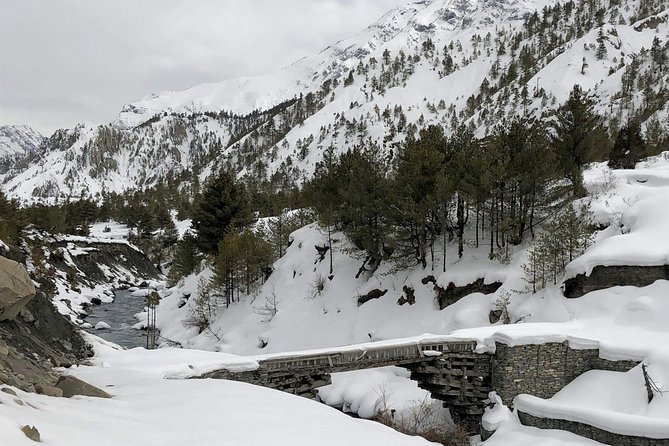
- Thorong La Pass (5416m): the major altitude moment, with a long hike up and a steep-feeling descent after
- Tilicho Lake included: a detour stop that adds drama to the high-country days
- Manang rest day: built in to help you adjust before the pass
- Hot springs at Tatopani: a real reward day after tougher walking
- Poon Hill views: early-morning mountain spotting over the Annapurna and Dhaulagiri ranges
- Permits handled: TIMS cards and an ACAP permit are included in the paperwork package
Nepal’s Annapurna Circuit: why this trek keeps its promise
The Annapurna Circuit works because it changes its “setting” often. One day you’re in lower, warmer country with farms and river valleys. Then you’re climbing into drier high terrain where the air feels thinner and the views get sharper. Over two weeks, the trail doesn’t just take you higher—it moves you through very different Nepal.
Your route also has a satisfying sequence of big moments. You’ll hit major viewpoints like Poon Hill, the high pass at Thorong La, then finish with culturally loaded stops like Muktinath Temple and a descent through places such as Marpha and the Kali Gandaki Valley. If you like variety, this circuit delivers without feeling random.
And because this is set up as a guided trek with a porter, you spend your energy walking, not carrying your entire life on your back. That matters when you’re dealing with altitude and cold mornings.
You can also read our reviews of more hiking tours in Kathmandu
Your guide, your porters, and the paperwork you don’t want to fuss over
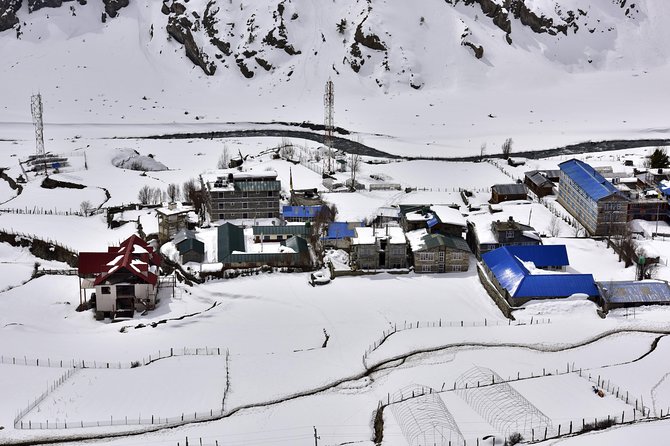
This trip includes a highly experienced government-registered guide plus a porter to carry luggage. You also get the practical package of necessary documents and paperwork, including TIMS cards and the ACAP permit. That’s a big deal in Nepal, because it removes one of the most annoying pre-trek tasks.
One past trek highlight that came up strongly is the guide named Gyanu, praised for warmth, patience, and dedication. If you’re given an option, it’s worth asking about who will be guiding you, since the experience tends to feel smoother with someone who keeps the plan clear and your questions answered.
On the support side, you’ll have:
- a first aid box
- a farewell dinner
- a souvenir at the end
- hotel stays in Kathmandu and Pokhara (plus private/share room options on the trek)
These aren’t luxury touches. They’re the kind of small reliability that keeps a hard trip from turning into a stressful one.
Altitude and pacing: what the route asks from you
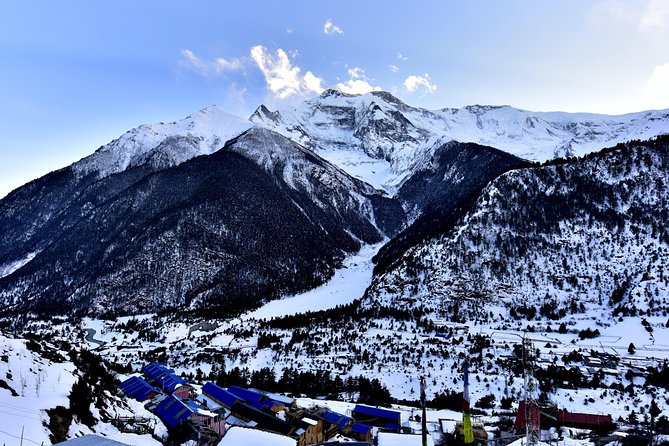
The itinerary climbs in steps, and that’s the key. You’re not simply jumping from low altitude to the high pass and hoping for luck. You rise gradually, then you rest, then you climb again.
Here’s the altitude story in plain terms:
- You start in Kathmandu around 1350m, then move by transport toward the trek area.
- Early walking days build you up from around 2300m to 3300m and 3540m.
- After reaching Manang (around 3540m), you get a rest day to explore.
- Then the trek ramps up: you go to higher camps around 4200m, then to Thorong Phedi (around 4450m).
- Finally, you hit the pass at 5416m, with a long day before descending toward Muktinath.
The pass day is listed as a long hike and includes both the climb and the descent afterward. That means your fitness and your ability to move steadily in cold air matter more than speed.
Practical advice: if you’ve never hiked at altitude, treat your effort like a marathon, not a sprint. The goal is to keep a steady pace that lets you breathe without white-knuckling every uphill step.
The big stops: Thorong La, Tilicho Lake, Muktinath, Tatopani, and Poon Hill
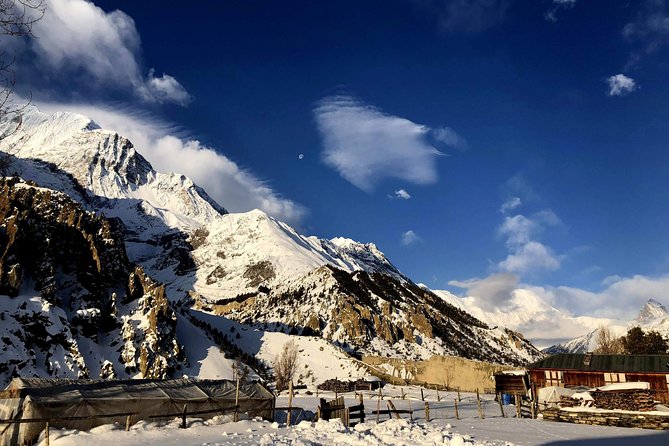
This trek has a lot of “headline” moments, but each one earns its place.
Thorong La Pass: the summit moment
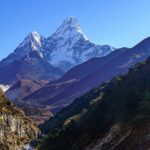
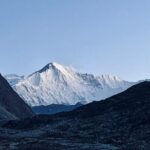
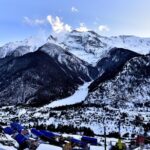
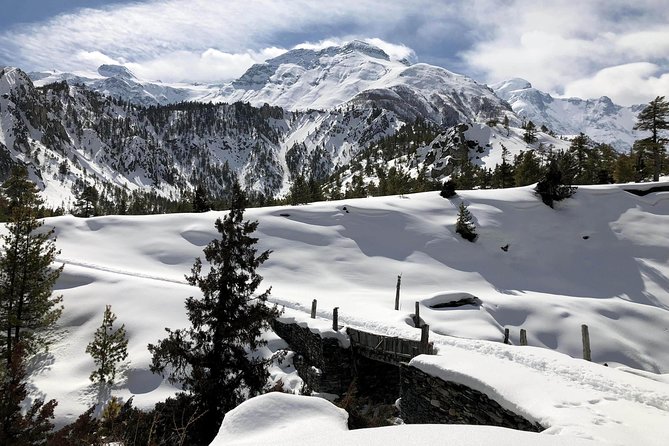
Thorong La is the star. At 5416m, it’s the clearest test of the trip. Even if you’ve seen photos, nothing prepares you for how big the sky feels up there. You’ll also get the visual payoff of broad mountain views that connect multiple ranges, not just one peak.
What to watch for: cold hands and cold breathing. Start warm, but be ready to manage layers so you don’t overheat on the climb and then freeze at breaks.
Tilicho Lake: the detour that adds high-country drama
Tilicho Lake is listed as a stop on this route. In real terms, adding a lake detour usually means you’ll trade some comfort for scenery and that classic “why is this water up here?” feeling.
If you’re short on time inside the itinerary, Tilicho also tests flexibility. The upside is that it gives you an extra peak-season highlight beyond the standard circuit landmarks.
Muktinath: a spiritual finish after hard walking
After crossing the pass, the trek continues down toward Muktinath. This is the kind of stop where you see pilgrims and prayer spaces moving through the landscape. It’s a good reset after the physical grind, and it puts culture back into the foreground.
Tatopani hot springs: your body’s reset button
Tatopani is known for hot springs, and that’s exactly what you want after pass-day soreness. Even if you keep it short, soaking can help you feel human again—especially if you’re dealing with tired calves or stiff hips.
Poon Hill and Ghorepani: sunrise mountain spotting
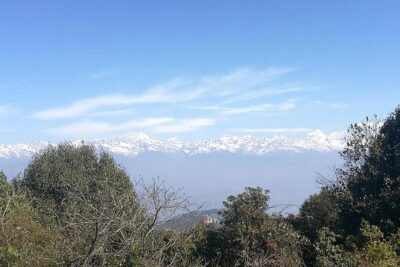
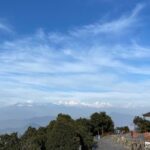
Poon Hill is on the route, and it’s paired with Ghorepani. This is the early-morning viewing style where you try to catch the first light and spot a wide spread of mountains. The route description highlights that you can see more than 20 mountains across the Annapurna and Dhaulagiri ranges.
Tip: treat sunrise view days like photo days. Bring what you need for cold early air (hat, gloves) and keep your energy focused so you don’t burn out before the main circuit steps.
Marpha and the Kali Gandaki Valley: apples, stones, and quiet faith
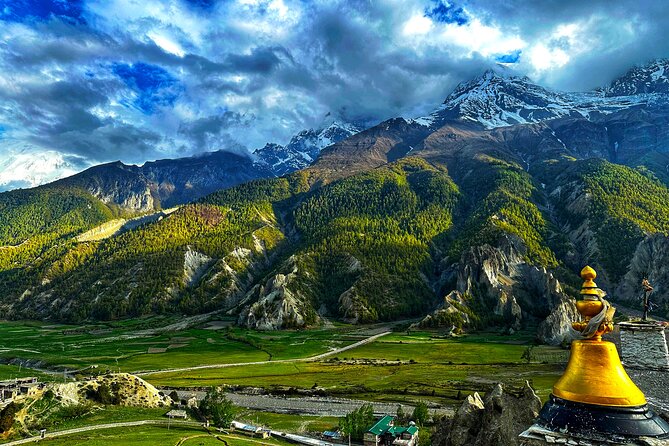
On the descent route you pass through Marpha, described with apple plantations, slender cobbled roads, and a small religious community. This is the side of the circuit that feels lived-in rather than just scenic. You slow down naturally when the village streets and orchards are part of the story.
Drive days: comfort hits when the trail pauses
Not every day is a hike. This trip includes major transport segments:
- A long drive from Kathmandu toward the trek area (around 9 hours toward Jagat by local transport)
- A drive from the trek area to Pokhara (about 6 to 7 hours)
- Then Pokhara to Kathmandu by tourist bus (about 8 hours)
- Plus a flight from Tribhuvan International Airport at the end
An air-conditioned vehicle is included, which helps on the travel days where you’re not moving under your own power. Still, drive days can be tiring, so keep your bag organized so you’re not digging for essentials every time you stop.
If you want extra context in your first and last days, one past booking noted the agency also handled city time like Lumbini and Pokhara with a guide. Your exact schedule may vary, but it’s a useful sign that they think beyond just dropping you at the trailhead.
What you eat and how the food plan reduces stress
This is one of the most practical parts of trekking in Nepal: meal control. Here, you get:
- Breakfast with choices from a menu at each place
- Lunch with menu choice
- Dinner with menu choice
- Coffee and/or tea with each meal
Alcoholic beverages and soda/pop are not included, and snacks are not included either. So if you’re the type who likes extra energy in your pocket, you’ll want to bring some of your own trail snacks.
Good to know: meals in Kathmandu and Pokhara are not included. That means your food budget at the start and finish needs to stay flexible.
Price and value: what $1,175 covers (and what it won’t)
At $1,175 per person, this trek isn’t bargain-basement. The value shows up in what’s handled for you:
- guide and porter with salaries, equipment, food, lodging, and insurance
- required permits and paperwork (TIMS and ACAP)
- route fees and taxes
- hotels in Kathmandu and Pokhara on a B&B basis
- mountain accommodation with options for private/share and single/double
- daily meal structure on the trek (breakfast, lunch, dinner, plus tea/coffee)
Where you’ll likely spend extra:
- Nepal visa fee
- international airfare
- travel insurance
- tipping and donations
- alcohol, soda/pop, and snacks
- personal expenses like phone calls, battery recharge, and laundry
- WiFi on board (not included)
In other words, the price buys structure and support. It doesn’t buy personal comfort items or international travel pieces. If you come prepared and budget smart, it tends to feel fair for a guided two-week circuit with a high pass.
Who should book this trek, and who should pause first
This experience says you should have moderate physical fitness. That’s realistic, but moderate still means you should train before you go.
You’ll get the most out of it if you:
- enjoy long hikes and steady effort
- want a mix of high-mountain views and cultural stops
- value having a guide and porter so you can focus on acclimatizing
You might want to pause if:
- you’re not comfortable with cold air and the long pass day
- you’re relying on fragile recovery (pass-day fatigue plus long descents can be tough)
Also, this is a private tour/activity, so it’s just your group. That can be a plus if you like a calmer pace without random strangers.
Should you book this Annapurna Circuit with Tilicho Lake?
I’d book if you want the full circuit story: gradual climb, a meaningful rest day in Manang, a real test at Thorong La, and the extra high-country note of Tilicho Lake. The hot springs at Tatopani and sunrise mountain spotting at Poon Hill give you recovery and payoff at the right moments.
I’d think twice if your plan depends on comfort over effort. This route climbs high, and weather plays a role. If you show up fit, patient, and ready to manage altitude, the trek becomes a rewarding sequence instead of a stress test.
If you can, ask who will be guiding you. Names like Gyanu have been singled out for warmth and patience, which is exactly what you want when the air gets thin and the plan changes with conditions.
FAQ
How long is the Annapurna Circuit Trek?
It’s listed at about 14 days.
Where does the trek start?
The experience is based in Kathmandu, Nepal.
What’s included in the price?
The package includes guided trekking with an experienced government-registered guide and porter, TIMS and ACAP paperwork, permits and fees, hotel stays in Kathmandu and Pokhara (B&B basis), mountain accommodation (private/share and single/double options), meals on the trek with menu choice, and coffee and/or tea with each meal. Price shown is $1,175.00 per person.
Is pickup offered?
Yes, pickup is offered.
What are the main highlights on this route?
Key stops listed include Thorong La Pass, Tilichol Lake, Tatopani Hot Spring, Muktinath Temple, Poon Hill, Ghorepani, and views across the Annapurna Mountain Range.
Are meals included while trekking?
Yes. Breakfast, lunch, and dinner are included during the trek (with menu choice), and coffee and/or tea is served with each meal.
What kind of accommodation should you expect?
You get hotels in Kathmandu and Pokhara on a B&B basis. During the trek, mountain accommodation is offered with options for private or shared rooms and single or double rooms.
What about cancellation and weather?
You can cancel for free up to 24 hours in advance for a full refund. The experience requires good weather, and if it’s canceled due to poor weather, you’ll be offered a different date or a full refund.