REVIEW · KATHMANDU
Annapurna Circuit Trek with Tilicho Lake
Book on Viator →Operated by Discovery World Trekking · Bookable on Viator
One foot, big views, and a plan you can actually trust. This Annapurna Circuit trek with Tilicho Lake pairs high passes with a well-run logistics team, and it’s guided so you don’t waste energy second-guessing the trail. I love that meals, permits, and lodge stays are built into the trip, so you can focus on walking, and I also like that the pacing includes acclimatization days instead of forcing everything at once. The tradeoff is simple: this is a challenging, altitude-heavy trek, and you’ll want solid fitness.
You’ll start with an overland transfer out of Kathmandu and end back in the city, with key transport legs handled for you (including a Pokhara to Kathmandu tourist bus and some local road transport). This kind of setup matters on the Annapurna Circuit because the days can swing from forests and villages to cold, exposed mountain sections fast, so it’s nice when the handoffs are taken care of.
I also like the human side of this operator’s approach. In past trek experiences, guides and porters have been described as friendly, energetic, and supportive, with named staff like Hari Gurung, Suresh, and Dev showing up repeatedly in the story of how the trip feels. If you want a trek where the team helps you feel steady at altitude, this format has that reputation; just don’t expect it to be easy.
In This Review
- Key highlights worth paying attention to
- The Annapurna Circuit with Tilicho Lake: why this route feels different
- Price and value: what $1,093 is really buying you
- Your small-group setup: pickup, pacing, and how the team supports you
- Stop-by-stop: what each day is really like
- Day 1: Kathmandu to the trail start, with gompa calm
- Day 2: Suspension bridge, steep climbs, and the Dharapani area
- Day 3: Forest walking into Chame
- Day 4: First major rock-face views near Paungda Danda
- Day 5: Upper Pisang via Geru and stronger cold-air vibes
- Day 6: Acclimatization day around Manang and Gangapurna
- Day 7: Easier day to Khangsar, with Tibetan settlement feel
- Day 8: Landslides, rock formations, and Tilicho base camp reach
- Day 9: Tilichol Lake, high and cold, early start for wind
- Day 10: Back down toward Thorong side, with Tare gumba
- Day 11: Thorong Phedi setup day and mountain panoramas
- Day 12: Thorong La pass day, wake-up call at 3 AM
- Day 13: Muktinath temple and Tatopani hot springs recovery
- Day 14: Terraced villages, rhododendron forests, and Ghorepani stop
- Day 15: Poon Hill sunrise at 3,210m and photographer payoff
- Day 16: Back to Kathmandu by bus, with optional flight return
- Altitude reality check: Thorong La and Tilicho Lake
- Food, lodges, and what “included meals” actually means on the ground
- Guides and porters: the secret sauce is real support
- Who this trek is best for (and who should think twice)
- Should you book this Annapurna Circuit with Tilicho Lake?
- FAQ
- FAQ
- What’s included in the trek package?
- How long is the trek?
- Is transport included from Kathmandu?
- Do I need permits for this route?
- Will I have a guide?
- What kind of accommodation will I stay in?
- Is the trek suitable for beginners?
- What’s the biggest demanding day?
- Is Tilicho Lake part of this trek?
- How do I return to Kathmandu at the end?
Key highlights worth paying attention to
- Tilicho Lake: an early-morning push to the high ice-lake views
- Guided navigation: someone else handles the route decisions and timing
- Permit coverage: ACAP entry and TIMS card fee included
- Acclimatization built in: extra time in Manang and a slower rhythm before the big pass
- Thorong La day: a very early start for one of the trek’s highest moments
- Recovery payoff: Muktinath to Tatopani hot springs to reset your body
The Annapurna Circuit with Tilicho Lake: why this route feels different
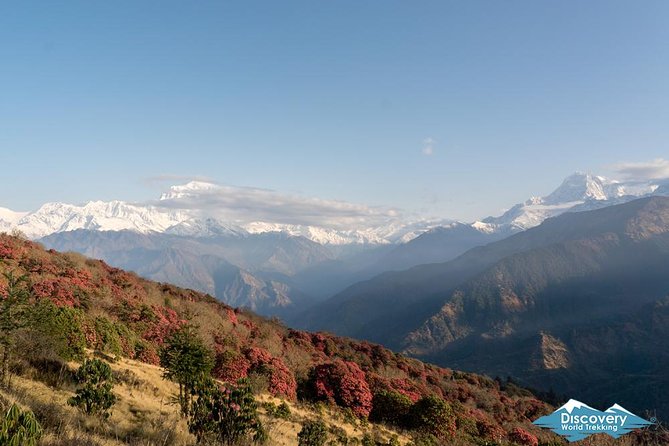
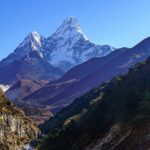
The Annapurna Circuit already has the wow factor. You’re moving through varied high-mountain zones—pine and fir forest, terraced villages, dry high valleys, and then the big pass drama that makes people plan months ahead.
What makes this version stand out is the Tilicho Lake detour. That means you’re not only doing the classic circuit rhythm; you’re also taking on a special high-altitude objective where conditions can be cold and exposed. The itinerary’s timing is built around that reality too, especially on the lake day when you’ll start early to avoid afternoon wind.
The other key difference is how the trip is structured to keep you from getting lost in logistics. You’re trekking with a guide, and the route is planned so you spend your mental energy on walking and acclimatization—not chasing info or translating unclear trail choices. For many people, that’s the difference between a stressful “survive the route” trek and a confident one.
You can also read our reviews of more hiking tours in Kathmandu
Price and value: what $1,093 is really buying you
At $1,093 for about 16 days, this isn’t a budget “sleep anywhere and figure it out” deal. It’s priced like an organized trek with real cost coverage behind the scenes.
Here’s the value that matters most:
- Lodge/tea-house accommodation + meals during the trek are included (breakfast, lunch, dinner).
- Permits are included, specifically the Annapurna Conservation Area Permit (ACAP) fee and the TIMS card fee.
- Local transport legs are included across the itinerary, like the overland transfer to the start area, road/public transport between specific towns, and the Pokhara-to-Kathmandu tourist bus.
- Guide and porter costs are included, including their meals and insurance coverage, plus lodging and transport for them.
You’re also covered for practical support: the trip notes assistance in arranging rescue operation if you run into a complicated health situation. That doesn’t mean you can ignore altitude risk, but it does mean you’re not totally on your own if something goes wrong.
The one thing to keep in mind is what’s not included. The package doesn’t cover the costs outside what’s listed, and optional flight return from Kathmandu (about 225 minutes) is mentioned as not included. If you want flights or extra splurges, you’ll add those separately.
Your small-group setup: pickup, pacing, and how the team supports you
This trip runs with a small group—up to 15 travelers. That’s big enough to feel social, but small enough for a guide to manage pace and attention when the altitude starts getting personal.
You’ll get a pickup offered starting in Kathmandu, and the trip uses a mobile ticket. Those sound like minor details, but on trek tours they often translate to fewer last-minute hassles.
Your guiding team is a major part of the experience. The trek is led by a government license holder, and the operator uses an experienced, qualified trek leader plus porters. In the feedback that’s been shared, guides like Hari Gurung, Suresh, and Dev come up with praise for energy, friendliness, and teaching people about the mountains and the towns you pass through. Porters like Rupesh, Surya, Damar, Sangkar, Bikesh, Asis, Monis, and others show up as the kind of crew who make the load feel lighter and the nights feel social.
One practical note: this isn’t marketed for couch-to-peak hikers. The trip calls for moderate physical fitness, which is fair. You’re going to do repeated uphill days, plus a very early morning for Thorong La.
Stop-by-stop: what each day is really like
Below is how the itinerary reads in real trekking terms: when you’ll be walking, what kind of scenery you’re likely to meet, and where the day could feel hard.
Day 1: Kathmandu to the trail start, with gompa calm
You’ll drive out from Kathmandu for roughly 6–7 hours (about 190 km) toward the trekking start area around Besishar/Syange. Along the way, you’ll pass villages, farms, rivers, and glimpses of mountain ranges.
Then you visit Sandup Choeding Gompa. Days like this matter because they set the mood: you’re not immediately crushed by altitude. You get a slow ramp into the Nepal rhythm.
Day 2: Suspension bridge, steep climbs, and the Dharapani area
After breakfast, you cross a suspension bridge and handle a steep climb. You enter the Manang region near Tal village, where waterfalls feed a river lined by sandy stretches.
The day also includes the Dharapani Temple stop. Expect this to be a “work day” more than a view day: early effort, then a reward as you settle into trekking mode.
Day 3: Forest walking into Chame
Today shifts into forest trekking with pine, fir, oak, and maple. You follow the river corridor to Chame, the district headquarters of Manang.
Chame is a classic re-centering point. You’ll usually feel the altitude creeping in, but this day is still more about building rhythm than maxing out effort.
Day 4: First major rock-face views near Paungda Danda
You’ll walk through a steep, narrow valley and start getting striking views early. A highlight is the Paungda Danda rock face, a curved wall rising about 1500m from the river.
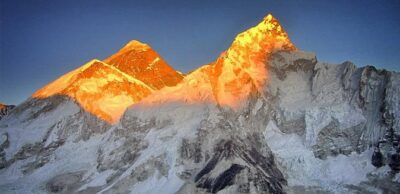
From here you can see Annapurna II to the south and Pisang Peak to the northeast. This is the kind of day where you’ll want breaks, not only for photos, but to catch your breath before the next climb.
Day 5: Upper Pisang via Geru and stronger cold-air vibes
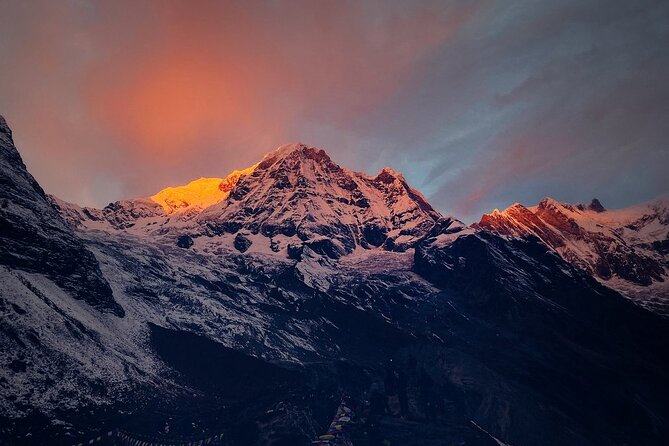
You trek on the upper trail through upper Pisang via Geru, chosen for outstanding views of north faces like Annapurna II, III, IV, Gangapurna, Tilicho, and Pisang Peak.
As you ascend, the trip notes the air turns cold, dry, and harsher. That’s your cue to pack and dress for fast temperature shifts, especially as you move from sunlit sections into shaded stretches.
Day 6: Acclimatization day around Manang and Gangapurna
This day is built for acclimatization. You spend time exploring Manang early and hike up toward Gangapurna Lake and base camp.
You’ll spend the day admiring peaks like Annapurna III, Tilicho, Pisang, and Chulu Peaks, plus time roaming Manang village and monasteries. This is where you start understanding the “why” behind the schedule: a big pass day later feels far safer after a day like this.
Day 7: Easier day to Khangsar, with Tibetan settlement feel
The trek becomes a little easier today. You take the upper route following a path down toward a river, crossing and moving through coniferous forests.
After about three hours, you reach Khangsar, described as a Tibetan settlement. The pace here gives your body a chance to recover while your mind keeps collecting scenery.
Day 8: Landslides, rock formations, and Tilicho base camp reach
You trek an easier path through a landslide area with impressive rock formations. Then you climb up until Tilicho base camp.
This sets you up for the lake. If you’re the type who likes a gradual progression, this day is a good bridge between the Manang valley life and the higher, colder Tilicho zone.
Day 9: Tilichol Lake, high and cold, early start for wind
You start early to avoid afternoon wind. Then you make a steep, consistent climb for about 2–3 hours to Tilicho Lake (noted as the highest lake in the world).
The trip also mentions it’s referred to as the Great Ice Lake by the leader of a French expedition team. Whether you care about the naming history or not, the practical message is the same: take the early window, bring warm layers, and accept that you’ll earn those views.
Day 10: Back down toward Thorong side, with Tare gumba
You descend to the uninhabited Khangsar village. Along the way you pass Tare gumba, a monastery described as around a thousand years old.
Then you follow a rock wall out of Khangsar and descend to a bridge in the Thorong Khola valley. The route continues to a plateau and onward toward yak kharka areas. This is often a “feel the altitude again, but now downhill” day.
Day 11: Thorong Phedi setup day and mountain panoramas
You walk uphill to Thorong Phedi, described as a small busy settlement with amazing mountain landscapes in front of you.
You’re likely to see peaks like Mt. Gundang, Mt. Syagang, Thorung Peak, and Mt. Khatungkan. Use this day to prep mentally for Thorong La: you’re not trying to prove fitness here. You’re trying to arrive fresh for the next morning.
Day 12: Thorong La pass day, wake-up call at 3 AM
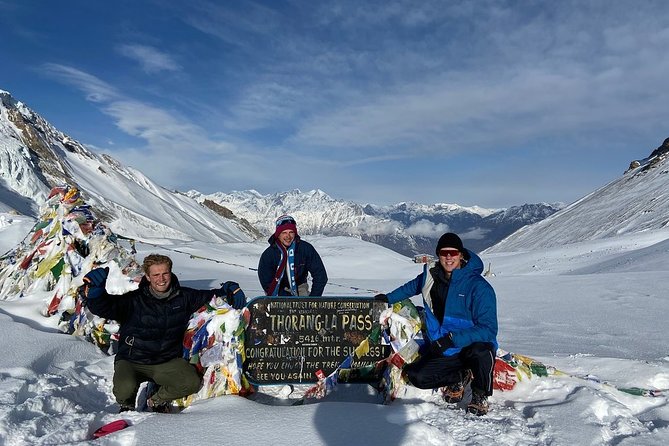
This is the most challenging part of the trip. You wake up around 3 AM to tackle Thorong La, one of the highest passes in the world and the trek’s highest point.
Plan on it being intense. The early start helps with conditions, but the effort still hits: cold air, big gradients, and your breathing trying to keep up.
Day 13: Muktinath temple and Tatopani hot springs recovery
You visit Muktinath Temple after the pass success, then continue by car ride to Tatopani. Tatopani is famous for natural hot springs, and the itinerary centers this day around soaking and recovery.
This is where the trek earns its rest. Your legs will feel better, but don’t treat it like a holiday day. Stay warm after soaking to avoid cooling down.
Day 14: Terraced villages, rhododendron forests, and Ghorepani stop
You ascend toward Ghorepani through Sikha and Chitre, villages noted as ethnic Thakali areas. You pass terraced farmland with mountains all around, then through forests with rhododendron, birch, and magnolia.
There’s also a stop at Ghorepani Community hospital. Practical takeaway: use the time to fuel, refill, and reset your pace.
Day 15: Poon Hill sunrise at 3,210m and photographer payoff
You climb to Poon Hill (3,210m) early for sunrise over the Annapurna range, the Dhaulagiri massif, and views including Machhapuchhre (Fishtail) and Manaslu.
The itinerary notes rice terraces in the mix. This is a shorter but noticeable push, and it’s mostly about timing and views—dress for cold morning air and keep expectations realistic.
Day 16: Back to Kathmandu by bus, with optional flight return
After breakfast, you drive back to Kathmandu on a tourist bus. You can also choose a return flight noted as about 225 minutes, though it’s not included.
This is a relief day. You’ll feel it most if you’ve been consistent with hydration and pacing earlier in the trek.
Altitude reality check: Thorong La and Tilicho Lake
This itinerary includes two big altitude moments: Tilicho Lake and Thorong La. One is reached via steep but manageable climbing after an early start. The other is a multi-hour grind that begins at 3 AM.
The route tries to respect acclimatization with time in Manang and a less punishing rhythm before the highest pass day. That matters because most problems on treks come from rushing rather than from walking.
Still, you should treat this as serious mountain travel. If you’re thinking “I can just push harder,” pause and plan to go steady. The guide’s job is to manage the schedule and route, but your job is to control pace, hydrate, and report symptoms early.
Food, lodges, and what “included meals” actually means on the ground
The trek uses tea house or lodge accommodation with breakfast, lunch, and dinner included. Translation: you don’t have to make daily meal decisions, and you can budget your energy for the day’s walking instead of negotiating menus.
Lodge nights also become part of the experience. In the feedback that’s been shared, a recurring theme is warmth from the team—friendly porters, supportive guides, and small kindnesses that make the nights feel easier (including stories like fruit platters prepared in the evenings). That’s not a guarantee for every lodge, but it fits the vibe this operator seems to deliver.
After Thorong La, the hot springs stop in Tatopani adds a big practical win. Your body needs recovery, and the itinerary gives you a built-in reset instead of forcing you to “just keep going” immediately.
Guides and porters: the secret sauce is real support
A good guide can turn a hard trek into a confident one. Based on repeated mentions of named staff like Hari Gurung, Suresh, and Dev, the guiding style here seems to focus on energy plus education—explaining mountains and towns as you pass them.
Porters are equally important. People have described them as going above and beyond, carrying gear well, and creating a relaxed, friendly atmosphere. When your load and pace are managed, you feel safer, and safety is where enjoyment starts.
This is also the kind of trek where small group size helps. You’re not one of 40 faces. You’re in a group where a guide can notice if someone’s slowing too fast or if a weather window is changing.
Who this trek is best for (and who should think twice)
I think this is a strong choice for active hikers who want a classic circuit experience plus the Tilicho payoff, without doing all the planning work themselves.
You’ll likely enjoy it most if you:
- have moderate fitness and can handle repeated uphill walking
- want a guided route with permits handled
- care about high passes and high lakes enough to wake early a lot
You should think twice if altitude worries you a lot or if you’re unsure about your ability to handle early starts at cold temperatures. This route doesn’t shy away from the tough days. It gives support and planning, but the mountains still decide the difficulty.
Should you book this Annapurna Circuit with Tilicho Lake?
Book it if you want a well-run trek where the heavy lifting—permits, meals, lodge planning, guide support, and major transport legs—is handled. At $1,093, the value comes from the included meals + permits + guide/porter team, not just the hiking itself.
Don’t book it if you’re looking for a casual walk with low altitude pressure. Tilicho Lake and Thorong La are not “maybe” moments. They’re central features of the route.
If you choose to go, do one more thing: take the training seriously in the weeks before departure. You don’t need to be a mountain athlete. You just need to be ready to walk daily, wake early, and stay smart about pacing.
FAQ
FAQ
What’s included in the trek package?
Accommodation in tea houses/lodges with meals during the trek, permits (ACAP and TIMS), a qualified licensed trek leader and porter/guide team support, and listed transport legs are included. There’s also a one-night hotel in Pokhara with breakfast, plus a farewell dinner.
How long is the trek?
The itinerary is listed as about 16 days.
Is transport included from Kathmandu?
Yes. Pickup is offered, and the itinerary includes overland driving out of Kathmandu to the trekking start area, plus additional transport legs during the trek. It also includes Pokhara to Kathmandu by tourist bus at the end.
Do I need permits for this route?
You don’t need to arrange the permits yourself; the package includes the Annapurna Conservation Area Permit (ACAP) fee and the TIMS card fee.
Will I have a guide?
Yes. The trek is guided by a government license holder, described as an experienced and qualified trek leader, and it’s designed to reduce the risk of getting lost.
What kind of accommodation will I stay in?
During the trekking days, you’ll stay in tea houses or lodges with included breakfast, lunch, and dinner. There’s also one night in a selected hotel in Pokhara with breakfast.
Is the trek suitable for beginners?
The trip is described as best for active travelers with moderate physical fitness. You should expect challenging walking and altitude work, especially on Thorong La day.
What’s the biggest demanding day?
Crossing Thorong La is described as the most challenging part, with an early morning wake-up around 3 AM.
Is Tilicho Lake part of this trek?
Yes. The itinerary includes a dedicated day to reach Tilicho Lake, starting early to avoid afternoon wind.
How do I return to Kathmandu at the end?
You’ll drive back to Kathmandu on a tourist bus after breakfast. The itinerary also mentions an optional flight return (not included) that’s about 225 minutes.