REVIEW · KATHMANDU
Everest Base Camp trek 14 days
Book on Viator →Operated by Sunrise Adventure Trek P. Ltd · Bookable on Viator
Everest starts with one plane ticket. I love how the company handles the transport and lodging for 13 nights, and I also like that it includes a sleeping bag and down jacket plus most trek meals so you can travel lighter. The one drawback is you still need a moderate fitness level and you’re committing to real altitude, so weather and your own pace can shape how each day feels.
I also appreciate the group size cap of 18 travelers and the team vibe; in the feedback, guides such as Suresh and Sobit and sherpa Pasang are named for steady coordination, and a guide named Ram shows up in other accounts. The trek even ends with a cultural show and farewell dinner, not just a flight home, which makes the whole finish feel more human.
In This Review
- Key Highlights Worth Your Attention
- A 14-Day Everest Base Camp Plan That Feels Thoughtful
- Kathmandu: Your First Altitude-Friendly Day Set-Up
- Lukla Flight and Phakding: The Start of Mountain Country
- Namche Bazaar at 3,440 m: Acclimatization That Actually Makes Sense
- Tengboche to Dingboche: Step-by-Step Climbing With Controlled Pain
- Dingboche to Lobuche: When the Air Gets Thin and the Mountains Get Close
- Gorakshep to Kalapatthar: The Day You’ll Judge Your Whole Trip
- Back Down to Namche and Lukla: Recovery With Momentum
- Farewell in Kathmandu: Cultural Show and Real Closing Time
- Price and Logistics: What $1,380 Really Buys You
- Who Should Book This Everest Base Camp Trek?
- Should You Book This Everest Base Camp Trek?
- FAQ
- What’s included in the trek price?
- What’s not included?
- How long is the Everest Base Camp trek?
- Are flights to Lukla included?
- Is the group size limited?
- Is a sleeping bag and down jacket provided?
- What’s the cancellation policy?
Key Highlights Worth Your Attention
- Lukla flights included: Kathmandu to Lukla (40–45 minutes) plus the return flight back to Kathmandu.
- Acclimatization days are built in: extra time in Namche Bazaar and Dingboche to help your body adjust.
- Sleeping bag and down jacket provided (if you need them): saves money and packing stress.
- Daily meals during the trek: breakfast, lunch, and dinner are included while you’re trekking.
- Permits handled for you: includes the TIMS card and the trekking permit.
- A proper send-off: cultural show plus farewell dinner after the trek.
A 14-Day Everest Base Camp Plan That Feels Thoughtful
This Everest Base Camp trek is designed for people who don’t want to babysit logistics while their mind is already juggling altitude, layers, and timing. You’re looking at 14 days total, with 13 nights of accommodations and transport arranged between Kathmandu and the trekking route. Translation: more time to focus on the trail and less time figuring out who to call when something changes.
I like the rhythm of the route because it’s not just a straight line uphill. You get acclimatization stops, and you also get a realistic sequence of climbs, rests, and then a big day out to Everest Base Camp and back toward Gorakshep. If you’re the type who finds planning stressful, this kind of structure is a relief.
The price is $1,380 per person, and what makes it feel fair is that a lot of the expensive moving parts are folded in—especially the Lukla flights, permits, and guide support. Still, you should go in with the mindset that this is a high-altitude hike, not a casual trek. Moderate fitness is required, and you’ll feel the altitude whether your itinerary is perfect or not.
You can also read our reviews of more hiking tours in Kathmandu
Kathmandu: Your First Altitude-Friendly Day Set-Up
You begin in Kathmandu, with airport pick-up and departure handled as part of the package. You also get a standard hotel in the city with twin sharing beds and breakfast included. This matters more than it sounds: after a long travel day, you want a dependable base, not a scramble to find a room.
On the Kathmandu side, a key point is what’s included versus what’s on you. The trek covers hotels for the city portion, but extra meals in Kathmandu are not included—so plan for that. You’ll likely want a simple routine in your first day: hydrate, keep meals light, and don’t get too excited about long sightseeing days before you’ve even reached higher elevations.
The meeting point is in Kathmandu Valley, Bagmati Zone, Central Region. Practically, that means you’re staying inside the normal Kathmandu orbit, where getting to the flight and getting supplies is straightforward.
Lukla Flight and Phakding: The Start of Mountain Country
On Day 2, you fly from Kathmandu to Lukla. The flight is listed as 40–45 minutes, and then you trek from Lukla to Phakding for about 3–4 hours, at an elevation change around 866 ft to reach roughly 2,640 m. This is the “transition” day: you go from the city world to the trail world, and your body starts learning how the air feels up there.
This is also where the inclusions pay off. Airport transport, the flight tickets, and the onward trekking logistics are all part of the package, so you’re not piecing together separate bookings with different deadlines. Meals are included as breakfast, lunch, and dinner on trekking days (listed as B.L.D), and that cuts down on decision fatigue.
Phakding is your first overnight on the route. You’ll be in a trekking lodge, and you’ll have a place to dry out, refuel, and sleep before the first real climb toward Namche Bazaar.
Namche Bazaar at 3,440 m: Acclimatization That Actually Makes Sense
Day 3 takes you from Phakding up to Namche Bazaar. It’s a 5–6 hour trek, climbing to around 3,440 m (the listing shows 3440 m / 11,319 ft). This isn’t a casual stroll. Even if you move at a steady, not-too-fast pace, you’ll feel the elevation early.
Day 4 is a dedicated acclimatization day in Namche Bazaar. That’s one of the best values in this whole program. You’re not just walking higher; you’re giving your body time to adjust before the next big push. In plain terms: a rest day here often makes later days feel less punishing.
Then Day 5 continues the trail toward Tengboche, at about 3,860 m (12,694 ft) for a 6–7 hour trek. Why Tengboche as a step? The itinerary builds a staircase effect—climb, acclimatize, climb again—rather than forcing everything into one brutal day.
If you’re a first-timer, I love that this trek doesn’t pretend you can skip the acclimatization part. Altitude is not an attitude test. It’s biology.
Tengboche to Dingboche: Step-by-Step Climbing With Controlled Pain
Day 6 is another acclimatization stop in Dingboche. The elevation listed for Dingboche is about 4,410 m / 14,300 ft. You trek to Dingboche on Day 5? Not here—the plan goes Tengboche (Day 5) then Dingboche (Day 6). What’s important is that you’re given more time at high altitude before pushing even higher.
Day 7 is a trek to Dingboche again for about 5–6 hours. That’s an odd structure on paper, but it often reflects how real high-altitude trekking is scheduled: you may be taking a loop or adjusting the working pace around conditions. Either way, you’re not being rushed straight upward with no margin.
This is also where the guided team matters. The package includes a guide, and the guide’s salary, accommodation, meals, and insurance are covered. In the real world, that means you’re not responsible for permit issues and route coordination while your focus should be on breathing, hydration, and walking steadily.
The “keep moving but don’t sprint” approach is exactly what you want when the air is thinner and your body needs consistency more than drama.
Dingboche to Lobuche: When the Air Gets Thin and the Mountains Get Close
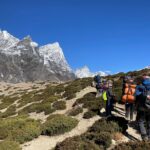
Day 8 brings you from Dingboche to Lobuche for about 5 hours, climbing to roughly 4,910 m (16,207 ft). This is high-altitude territory where your legs work, your lungs work, and your mind starts counting steps.
Day 9 is the big turning point: trek to Everest Base Camp and then back to Gorakshep, around 5,200 m. The listing doesn’t give a precise time for that day, but it does give the pattern: you go out to Base Camp, then return toward your overnight base. That’s a physically demanding day in any EBC plan—more so because you’re already acclimatized only up to where the route takes you.
In this section, I really like that the trek includes your daily meals during trekking days and your trekking lodge accommodations. When you’re at elevation, small disruptions become big disruptions. Having meals handled helps you keep your energy stable without spending mental energy hunting for food.
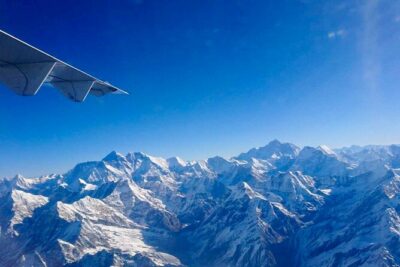
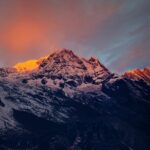
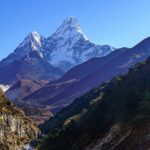
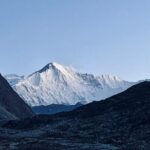
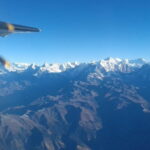
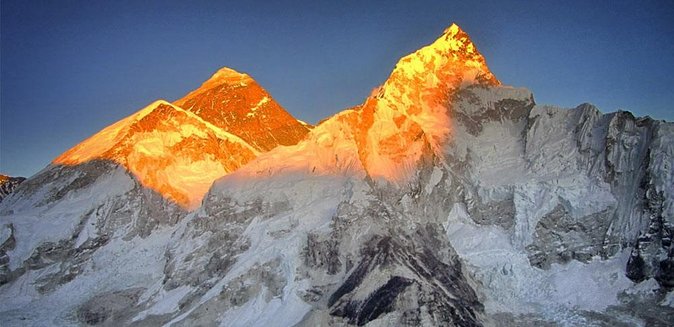
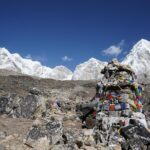
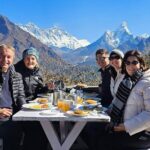
Also: the highlights explicitly note that you’ll catch sight of peaks like Ama Dablam, Lhotse, Makalu, Cho Oyu, and Everest during the trip. At places like Lobuche and Gorakshep, the probability of those mountain views often improves simply because you’re higher. As always, the mountains are cooperative only when weather allows.
Gorakshep to Kalapatthar: The Day You’ll Judge Your Whole Trip
Day 10 is one of the most famous parts of Everest Base Camp trekking: a hike to Kalapatthar (listed at 5,550 m / 16,962 ft). The time listed is about 2 hours 30 minutes for the climb portion, followed by a long trek down to Periche (about 7 hours) to roughly 4,200 m.
This is the trade: short, steep effort up, then a long descent after. Even if you feel strong, the descent can tax your knees and your stamina. Still, it’s a powerful payoff day because Kalapatthar is the kind of viewpoint that makes the early mornings and the altitude feel worth it.
And your itinerary doesn’t strand you after the effort. You end the day in Periche with a lodge overnight, so you’re not just dropping into nowhere. Day 10 also still keeps meals included as B.L.D, which matters a lot after a tough day.
If you’ve never hiked at this height, here’s my honest advice: treat your walking like a steady project. Don’t chase speed. You’re aiming for rhythm.
Back Down to Namche and Lukla: Recovery With Momentum
Day 11 takes you from Periche back to Namche Bazaar for about 6 hours (listed at 3,441 m). Day 12 continues down to Lukla for about 7 hours. This is where your “I’m tired” signals can turn into “I’m okay, we’ve got this,” because you’re dropping in elevation.
It helps that the plan is organized: transportation between segments, lodge stays, and meals during the trekking days are all handled. When you’re tired, you don’t want to be negotiating your next meal or hunting down a place to sleep.
Then Day 13 is the flight back to Kathmandu (listed as B.D—breakfast and dinner). The plane ride is short compared to walking days, but it can feel like a reset button. You’re back in the city zone, where your body can finally breathe a little easier.
Farewell in Kathmandu: Cultural Show and Real Closing Time
Day 14 is your farewell and departure from Kathmandu. The program includes an extra cultural show and farewell dinner program. I think this kind of finish is smart because it gives you closure beyond collecting photos. You’re still surrounded by people who did the same hard thing over the same days.
This is also where you can appreciate the crew effort. The package includes guide insurance and support costs, and the structure suggests they’re taking care of the people doing the guiding and coordinating. In the feedback, guides and sherpa team members are specifically praised for coordination and safety attention—names like Suresh, Sobit, and Pasang come up—so it’s not just paperwork.
Price and Logistics: What $1,380 Really Buys You
At $1,380 per person, this trek isn’t the cheapest way to reach Everest Base Camp. But it’s not overpriced if you look at what’s included.
Here’s what you do get, in practical terms:
- Kathmandu-Lukla and return flight tickets (listed as 40–45 minutes one way)
- airport pick up and departures in Kathmandu
- Ground transport (A/C car, plus tourist deluxe bus during trips)
- city hotel in twin sharing with breakfast
- trekking lodge accommodations throughout
- Sleeping bag and down jacket provided for the trek if you need them
- daily breakfast, lunch, and dinner during the trek (as listed with B.L.D)
- permits: TIMS card + trekking permit
- guide support: salary, accommodation, meals, and insurance
- first aid medicine item, T-shirt, and trip achievement certificate
- cultural show and farewell dinner
Not included items you’ll want to budget for:
- extra meals in Kathmandu
- personal expenses and bar bills
- tour entrance fees (unspecified)
- your international airfare
- travel insurance
- tips for the trekking crew
So the value question is really: do you want help with the hardest parts—permits, flights, transport between all the moving pieces, and getting the gear together? If yes, $1,380 starts to look like a clean package price rather than a collection of separate bills.
If you prefer to DIY everything and already have your permits, gear, and flights lined up, then a packaged trek like this may feel like you’re paying for structure you don’t need.
Who Should Book This Everest Base Camp Trek?
This trek makes sense if you:
- want a planned route with acclimatization built in
- prefer trekking with a guide and crew handling coordination
- value included gear like the sleeping bag and down jacket
- like knowing meals and lodge stays are taken care of most days
- want a smallish group environment (maximum 18)
It might not be the best fit if you:
- don’t meet the moderate fitness level requirement
- want total independence day-to-day
- prefer to arrange every permit, flight, and accommodation yourself
One more practical point: this is an activity where conditions matter. Your body and the weather can change how days feel, so choose based on your ability to walk steadily at altitude, not just your enthusiasm.
Should You Book This Everest Base Camp Trek?
I’d book it if you want an organized, well-supported EBC trip that reduces planning stress and keeps you focused on walking, acclimatizing, and enjoying the mountain views the itinerary is designed to reach. The biggest reasons are the included flights and permits plus the comfort setup (sleeping bag and down jacket) and the meal coverage during the trek.
I’d pause if you’re unsure about your fitness for a multi-day high-altitude hike, or if you’re trying to keep costs ultra-low by skipping included services. In that case, you might end up paying for those items later anyway, just with more hassle.
FAQ
What’s included in the trek price?
The package includes Kathmandu airport pick-up and departures, Kathmandu–Lukla flight tickets and the return flight, and ground transportation (A/C car and tourist deluxe bus during trips). You also get standard twin-sharing hotels in Kathmandu with breakfast, trekking lodge accommodations during the trek, sleeping bag and down jacket if you need them, daily breakfast/lunch/dinner during trekking days, first aid medicine items, a T-shirt, a trip achievement certificate, TIMS and the trekking permit, guide support (including salary, accommodation, meals, and insurance), a cultural show and farewell dinner, and government tax official expenses.
What’s not included?
Not included are extra meals in Kathmandu, personal expenses (including bar bills), tour entrance fees, international airfare, travel insurance, and tips for the trekking crew.
How long is the Everest Base Camp trek?
It’s a 14-day experience (listed as 14 days approx.) that includes arrival in Kathmandu, the trek, the return flight, and a farewell/departure day.
Are flights to Lukla included?
Yes. The package includes Kathmandu–Lukla flights (listed as 40–45 minutes) and the return flight to Kathmandu.
Is the group size limited?
Yes. The maximum group size is 18 travelers.
Is a sleeping bag and down jacket provided?
Yes, the package includes a sleeping bag and down-jacket for the trek if you need them.
What’s the cancellation policy?
Free cancellation is available. You can cancel up to 24 hours in advance for a full refund. If you cancel less than 24 hours before the start time, the amount you paid will not be refunded.