REVIEW · KATHMANDU
Everest Base Camp Trek
Book on Viator →Operated by Nepal Hiking Adventure Company - Private Day Tours · Bookable on Viator
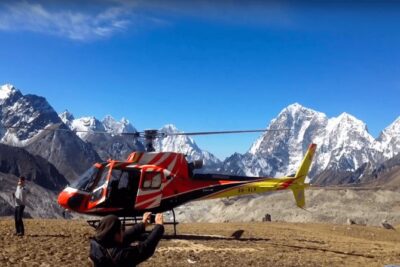
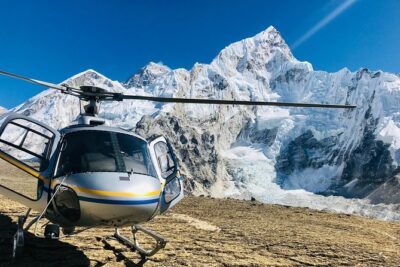
Soaring to Lukla kicks off the whole trip. In this 14-day Everest Base Camp trek, I love the planned acclimatization rhythm in Namche Bazaar and Dingboche, and I love how the route is built around the Kala Patthar viewpoint payoff. The one drawback to plan for: flights to and from Lukla can be delayed or canceled when weather is rough.
From the moment you’re picked up near Thamel in Kathmandu, this feels like a real small-group operation (maximum 8 travelers). You’ll trek with a guide and support team, and names like Ram, Bishnu, Prakash, and Gore show up as part of the kind of guidance people remember, plus porter support that’s been called out for being practical and steady.
What makes the experience special is the way the trek mixes big-altitude goals with everyday life: Sherpa monasteries like Tengboche, cultural stops in Namche, the quiet memorials around Lobuche, and the serious drama of the Khumbu glacier and icefall area near base camp.
In This Review
- Key Highlights Worth Your Attention
- Why This 14-Day Everest Base Camp Plan Works
- Kathmandu Setup: Thamel Hotel, Transfers, and Pre-Trek Reality Check
- Lukla Flights and the Phakding Walk-In That Gets You Started
- Namche Bazaar: The Cultural Gateway and the Acclimatization Day
- Tengboche to Dingboche: Rhododendron Trails and Monastery Quiet
- Lobuche, Everest Base Camp, and the Real Meaning of Icefall Country
- Kala Patthar Sunrise: Highest Point Payoff and the Descent to Pheriche
- Pangboche, Namche Bazaar, and the Homeward Steps Through Sherpa Country
- Flying Home and That Last Day in Kathmandu
- Price and Value: What $1,300 Covers (and What You Still Must Plan)
- Who This Trek Suits Best (and What to Watch Out For)
- Should You Book This Everest Base Camp Trek?
- FAQ
- How long is the Everest Base Camp trek?
- Where does the trek start and end?
- Is airport pickup and drop-off included?
- What flights are included?
- How many people are in the group?
- What meals are included?
- What is not included in the price?
- What if poor weather affects the trip?
Key Highlights Worth Your Attention
- Acclimatization days that aren’t just padding in Namche Bazaar and Dingboche
- Kala Patthar sunrise focus for the classic Everest panorama moment
- Sherpa culture stops including the Sherpa Museum area and monasteries like Tengboche and Pangboche
- Sagarmatha National Park trekking through high-elevation scenery with distinct ecosystems
- Small group size (up to 8) to keep the pace manageable on narrow trails
- Flights are part of the deal, using KTM–Lukla–KTM or the Ramechhap option when needed
Why This 14-Day Everest Base Camp Plan Works
Everest Base Camp in 14 days is a sweet spot if you want the full story without trying to cram the entire Khumbu region into 10 days. The itinerary is structured around breathing room. You climb, you settle, then you climb again. That matters because altitude doesn’t care about your ambition.
You get two clear acclimatization rhythms:
- Namche Bazaar on Day 4 (with time to explore locally, including the Sherpa Museum area)
- Dingboche on Day 7 (a day off-style reset before going higher)
Then the trip builds toward the big moments: Everest Base Camp (Day 9) and Kala Patthar (Day 10). If you’re the kind of traveler who likes to know why a schedule exists, this one has logic.
The practical downside is that this is also a route where the weather can affect flights, especially Lukla. So while the plan is solid, your return timing may need flexibility.
You can also read our reviews of more hiking tours in Kathmandu
Kathmandu Setup: Thamel Hotel, Transfers, and Pre-Trek Reality Check
Day 1 is your Kathmandu landing-and-setup day. You get picked up from the airport and driven to your hotel near Thamel. The plan includes a pre-trip meeting with the team and preparation for the next day.
That matters more than it sounds. Kathmandu is where you sort out the details: what you’ll carry versus what you’ll need day-to-day, how you’ll handle gear for cold mornings, and what to expect once you’re out of city comforts. You also get your first taste of Nepal logistics—drivers, short deadlines, and staff coordinating calmly.
You stay for two nights in Kathmandu on a bed and breakfast basis (with the hotel listed as Hotel Kailash Kutee or a similar category). That’s a straightforward inclusion, and it saves you the headache of piecing it together yourself.
For Day 14, you’re not just dumped at the airport. You get taken to Tribhuvan International Airport for your international flight, if you’re flying out.
Lukla Flights and the Phakding Walk-In That Gets You Started
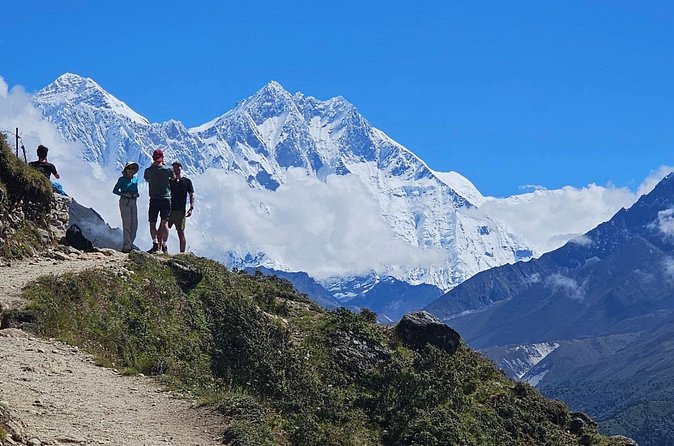
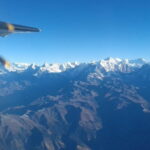
On Day 2, you fly to Lukla. The flight is short—about 40 minutes from Kathmandu or Ramechap to Lukla—but it can feel like the whole trip compresses into that one hop. You’re also set up for one of the best parts of this trek: aerial views of the Himalayan region on the way in.
Then you land in Lukla and walk to Phakding. The itinerary keeps Day 2 simple: a short walk northwest of Phakding to settle in for the night, with some time to explore the community if you feel like stretching your legs.
Why I like this start: it helps you transition from airplane altitude to trekking altitude without going full steam too early. Is it still work? Yes. But the pacing here is smarter than forcing a big climb right after arrival.
One thing to remember: the Lukla airport is known for being weather-sensitive. The trek operator builds this into the plan by offering alternative routing through Ramechhap on busy or practical schedules.
Namche Bazaar: The Cultural Gateway and the Acclimatization Day
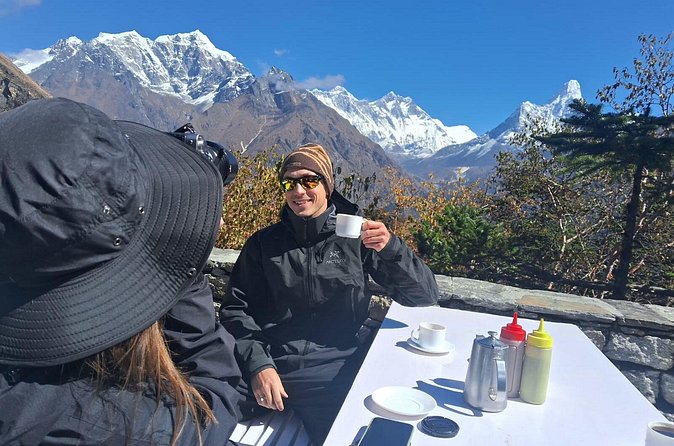
Day 3 is your trek into Namche Bazaar through classic Khumbu structure: you follow the Dudh Koshi region, cross suspension bridges (including the small bridges near Monjo), and walk into the Everest region’s entry hub.
Namche is where the trek shifts from “trail” to “place.” It’s not just a waypoint. You’ll feel the Sherpa community’s rhythm—shops, tea houses, and the kind of everyday movement that keeps this region alive.
Day 4 is the acclimatization day in Namche Bazaar at 3,440m/11,283ft. That extra time is one of the biggest values in this 14-day format. You’re high already, so you need a pause that still feels productive.
The itinerary includes time for the Sherpa Museum and the chance to learn about Sherpa culture and mountaineering history. If you like context, this is a good day to pair with the views—because Everest doesn’t feel abstract when you understand the people and practices around it.
If you’re wondering about the “big viewpoint” angle, Namche is also closely tied to the area where you can find the high-placed Hotel Everest View. The schedule here includes time to explore; your actual access to that hotel area depends on how the day flows.
Tengboche to Dingboche: Rhododendron Trails and Monastery Quiet
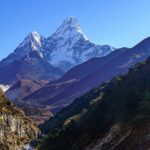
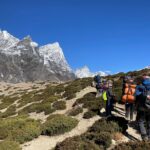
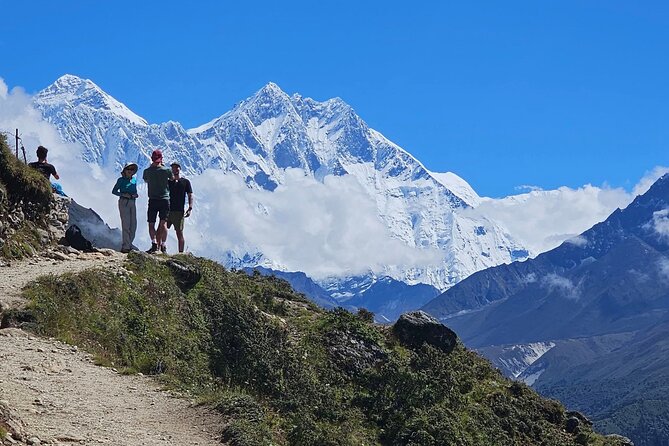
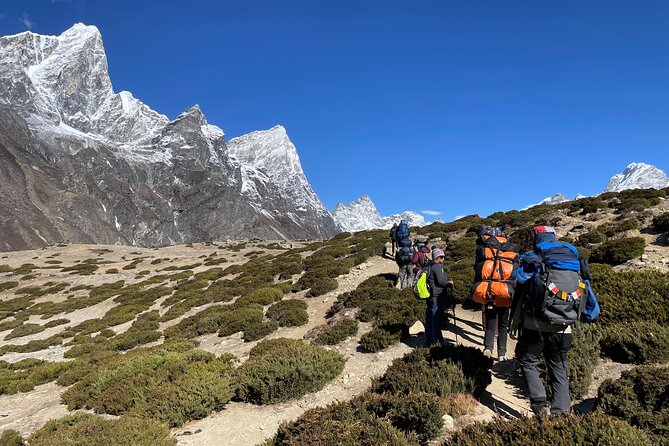
Day 5 moves you toward Tengboche. It’s described as a high-level path above the Dudh Koshi, and the route keeps handing you mountain perspectives. You pass the kinds of peaks Everest trekkers talk about for years—Everest, Nuptse, Lhotse, Thamserku, and Kwangde—so you’re not hiking blind. You’re climbing with a mental map of what you’re working toward.
Tengboche is special because it’s not only dramatic scenery. It’s also a calm break in a loud world. The monastery scene is part of why people book this trek in the first place, and the itinerary explicitly calls out Tengboche Monastery and its serene atmosphere.
Day 6 is Dingboche territory. You’ll pace through rhododendron forests and meadows, with a stop that includes the Buddhist nunnery at Deboche before reaching the Imja Khola area. There’s also mention of mountain pass perspectives like Island Peak and Amphu Laptsa Peak passing through the region you traverse.
Day 7 is your Dingboche rest day. The plan gives you flexibility: you can relax fully, or choose a shorter day walk depending on how you’re feeling.
This day off is not just about comfort. It’s about lowering your risk of feeling wrecked later. When you go into Day 8, you’ll be glad you didn’t treat Dingboche like another checklist stop.
Lobuche, Everest Base Camp, and the Real Meaning of Icefall Country
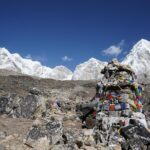
Day 8 takes you to Lobuche after walking via the Dughla village area over a hill. The route includes memorials to Sherpas who lost their lives on Everest trips, which adds a heavier tone to what is otherwise a spectacular place.
You also get strong views referenced in the plan: Kalar Pattar and Pumori. As you hike onward to the Khumbu glacier moraine, the scenery starts feeling more raw and less like a village-to-village trek.
Day 9 is the big one. After lunch, you continue toward the Khumbu Icefall and Everest Base Camp. You’ll cross stony dunes, moraines, and streams, and then reach the base camp area. The itinerary includes touring base camp and the glacier region, with the key idea that you’re not just seeing a dot on a map—you’re walking through the physical geography that supports big mountain attempts.
Then you move to Gorak Shep for the night. The itinerary calls out an initial small incline that turns into a steeper ascent, followed by a descent back down toward Gorak Shep.
Day 9 often feels like the day where excitement meets fatigue. The base camp arrival is worth it, but you’ll still want to keep your energy tight for the morning push the next day.
Kala Patthar Sunrise: Highest Point Payoff and the Descent to Pheriche
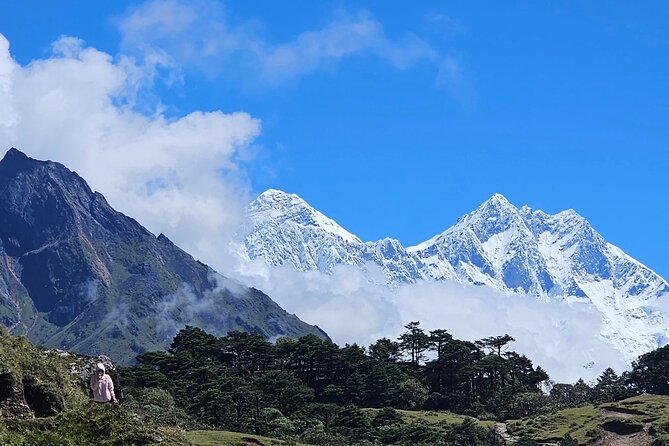
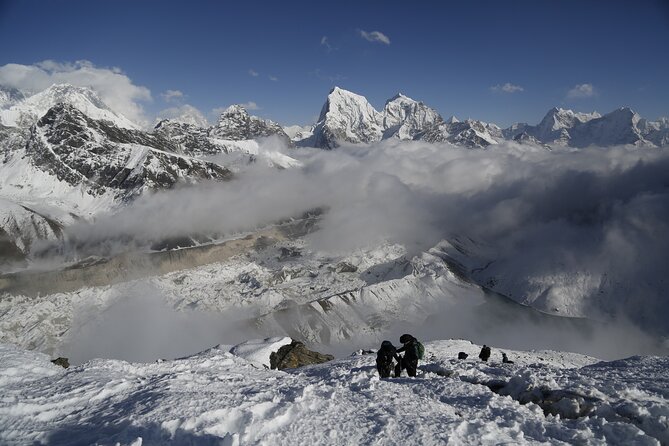
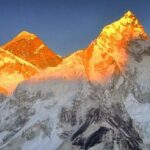
Day 10 is designed around Kala Patthar. This is the highest elevation point on the trek in the itinerary, at 5,550m. Your guide schedules time to climb it for the most famous Everest dawn views.
Expect a slow, focused outing rather than a sprint. The plan says you can get to the viewpoint after about two hours, which helps frame how long you’ll be moving in cold conditions.
After enjoying the views, you descend to Gorak Shep for breakfast and then trek back toward Pheriche for the overnight.
This descent portion matters. Getting your altitude down even a little is the kind of small win that makes Day 11 feel more doable.
Pangboche, Namche Bazaar, and the Homeward Steps Through Sherpa Country
Day 11 is a longer return day from Pheriche toward Namche Bazaar. The route includes Pangboche monastery, described as the oldest monastery in the area. Monasteries like this are worth it because they remind you this is a living culture, not just an endurance contest.
The itinerary also references Tangboche and Phungithanka on the way toward Kyanjuma and then onward to Namche Bazaar for the night. You’re moving downhill in feel, but at altitude it can still be hard on your legs. This is the point where good pacing and trekking poles can be your best friends.
Day 12 brings the trek back to Lukla. You start after breakfast through green backgrounds and Sherpa hamlets, then head for the Hillary suspension bridge before arriving in Lukla. The itinerary includes the idea that your guide confirms details with you after arrival.
Day 13 is your flight day. You fly from Lukla by plane for about 30 minutes, then use an additional flight from Ramechhap airport to Kathmandu when needed (with a note that in busy season Kathmandu airport traffic can influence the routing). Your return flow is handled, and that’s a real service value for a trek where air schedules can be messy.
Flying Home and That Last Day in Kathmandu
Day 14 is buffer and freedom. You’re taken to Tribhuvan International Airport if you’re flying home, or you may have time for additional plans if your flight is later.
This final day is important because it’s easy to feel you’re either still in training mode or already mentally done. Having a guided transport finish keeps you from having to solve logistics on your own after 10+ days of trekking.
Price and Value: What $1,300 Covers (and What You Still Must Plan)
At $1,300 for about 14 days, what you’re really paying for is not only guiding. You’re paying for the heavy pieces that are hard to DIY safely and efficiently.
Included items include:
- Airport pickup on arrival and drop on final departure
- All fees and taxes
- Flights for you: KTM–Lukla–KTM or Ramechap–Lukla–Ramechap (with drive to Ramechap in peak season)
- Flights for your guide
- Two nights in Kathmandu (bed and breakfast), Hotel Kailash Kutee or similar
- Meals counted as breakfast 13, dinner 11, lunch 11
That meal breakdown can matter. Some treks advertise meals, then leave you guessing on which days. Here, the count is clearly built into the plan. You’ll still have personal expenses and beverages to budget for, but you’re not constantly wondering where your next proper meal comes from.
Not included:
- Personal expenses and beverages
- Tips for guide and driver
- Alcoholic beverages (also restricted by age)
My take on value: this pricing structure is strongest if you want everything coordinated—especially flights and transport around Lukla, which can be the part that most often derails independent plans. If you’re the sort of traveler who enjoys handling everything yourself, you might be able to arrange similar elements for less. But you’d be taking on the risk and effort that a guided operator is built to manage.
Who This Trek Suits Best (and What to Watch Out For)
This is aimed at people with moderate fitness, and the itinerary supports that with acclimatization days and a steady rhythm. If you can hike daily for hours on uneven trails and handle cold mornings, you’ll likely be fine.
It’s also a good fit if you want real culture, not just mountain photos. The route is explicitly set up for Sherpa community stops and monastery moments. It’s also built around viewpoints and named peaks—so the effort has a clear payoff.
What to watch out for:
- Lukla flight weather risk is real. You need flexibility in your mindset even with a well-planned schedule.
- Altitude adds difficulty even when the walking is not technical.
- You’ll be in lodges and moving often. This isn’t the place for someone who wants a resort-style schedule.
One more point from the way the trekking team is described in the experience info: people seem to appreciate calm, supportive guidance. Names like Ram, Prakash, and Gore come up alongside descriptions of steady help, and porters (including Amer) are credited with keeping things moving smoothly. That kind of support is a huge deal on rough-weather days and tough climbs.
Should You Book This Everest Base Camp Trek?
Book it if you want a well-paced 14-day plan with acclimatization built in, guided culture stops, and a finish that includes flights back out of the Khumbu. The price is easier to justify when you look at what’s covered: flights, Kathmandu lodging, and a schedule that’s designed around how altitude actually feels.
Don’t book it if you need a rigid travel timetable and can’t tolerate possible flight changes around Lukla. Also rethink if moderate fitness is a stretch for you right now.
If you’re unsure, you’re probably exactly the kind of traveler this itinerary works for—because it’s structured to help you succeed without requiring you to be a mountaineer.
FAQ
How long is the Everest Base Camp trek?
The trek is listed as 14 days approximately.
Where does the trek start and end?
It starts in Kathmandu, Nepal, and ends back in Kathmandu.
Is airport pickup and drop-off included?
Yes. You get drop and pickup from the airport on arrival and final departure.
What flights are included?
Your flights are included as KTM–Lukla–KTM or Ramechap–Lukla–Ramechap. The plan also notes a drive to Ramechap during peak season, and your guide’s flights are included as well.
How many people are in the group?
This trek has a maximum of 8 travelers.
What meals are included?
Breakfast is included for 13 days, lunch for 11 days, and dinner for 11 days.
What is not included in the price?
Personal expenses and beverages are not included. Tips for guide/driver are also not included, and alcoholic beverages are only available to those over 18.
What if poor weather affects the trip?
The experience requires good weather. If it’s canceled due to poor weather, you’ll be offered a different date or a full refund. You can cancel up to 3 days in advance of the experience for a full refund.