REVIEW · KATHMANDU
12 Days Everest Base Camp Trek
Book on Viator →Operated by Himalayan Scenery Treks and Expedition - Private Day Tours · Bookable on Viator
Everest starts with a risky little flight. From Lukla you’ll work your way up through classic Khumbu Sherpa villages to Kalapatthar and Everest Base Camp at altitude. I love how the route builds in smart recovery days in Namche and again in Dingboche, so you’re not just grinding upward every day. I also like the practical support: a government-licensed, high-altitude trained guide plus a porter setup that takes the edge off your load. One consideration: Kala Patthar is a steep, rocky early-morning hike, so plan for legs that may not feel their best.
This is a real trekking plan, not a rushed checkbox. You’ll track the Dudhkoshi (Milk River) for days, pass through rhododendron forests, and keep an eye out for the Danphe, Nepal’s endangered national bird. With groups capped at 20 and walkie-talkies available for group trekkers, it’s set up for coordination—helpful when the weather or crowds change your rhythm.
In This Review
- Key things I’d watch for on this Everest Base Camp trek
- Lukla flight day: the tone-setter for your trek
- Phakding to Namche Bazaar: river rhythm and first altitude lessons
- Everest View Hotel day: acclimatization that also gives you a reward
- Tengboche to Dingboche: rhododendrons, monasteries, and the altitude climb
- Dingboche acclimatization: the “small hike” that helps big time
- Heading toward Lobuche: wide valleys and big peaks overhead
- Gorakshep to Everest Base Camp: the day your brain won’t stop replaying
- Kala Patthar sunrise: steep, rocky, and completely worth planning for
- Returning to Namche and Lukla: long walks, easier elevation, still real fatigue
- Ending in Kathmandu: a free day to recover and reset
- Price and logistics: what $605 gets you (and what it doesn’t)
- Guides, safety tools, and your group size on the trail
- Wildlife spotting and why the Danphe matters to your hike
- Who should book this Everest Base Camp trek
- Should you book it?
- FAQ
- What’s the duration of the Everest Base Camp trek?
- Where does the trek start and end?
- Are meals included?
- What kind of accommodation do you get?
- Are domestic flights included?
- What permits are included?
- Is there support for carrying luggage?
- What altitude safety tools are included?
- Is personal travel insurance included?
- Cancellation
Key things I’d watch for on this Everest Base Camp trek
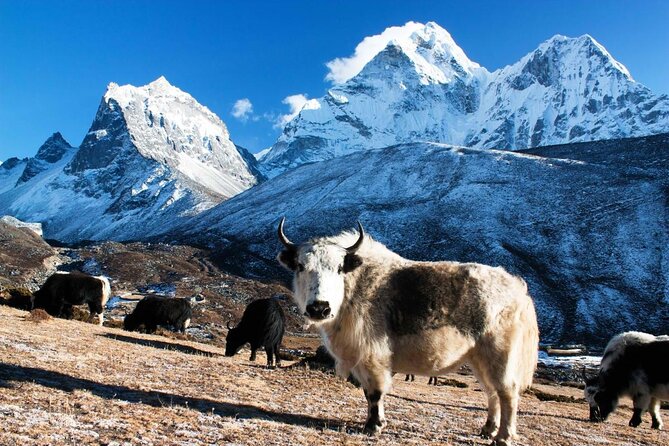
- Acclimatization is built into the schedule with dedicated recovery time at key altitudes
- You get guide + permits + most basics, so your budget isn’t just a sticker price
- The “big views” days are paced around Namche, Everest View area, and Kala Patthar sunrise
- Meals and lodge rooms remove logistics stress after a long day on the trail
- Support is tangible: porter (1 for 2 trekkers), map, poles, duffel bag, and an oximeter for altitude checks
Lukla flight day: the tone-setter for your trek
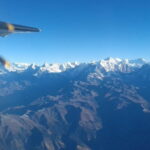
Your trek starts with an adventurous flight from Kathmandu to Lukla’s Tenzing-Hillary Airport, about 45 minutes in the air. Even if you’ve been in planes before, Lukla is different. The timing and sense of arrival matter because the trek immediately follows: you don’t “ease in” with a lot of buffer time.
When you land, you’re not just starting a walk—you’re entering a whole altitude world. It’s also where you’ll quickly learn a simple trekking truth: the mountains don’t care how excited you feel. You still need to move steadily, drink water, and keep your pace calm.
That’s why I appreciate that the first day ends at Phakding, a descent from Lukla that helps your body settle into the routine. You get a first taste of the Dudhkoshi River corridor, and you’re already surrounded by Himalayan village life.
Small reality check: if you’re nervous about flying, this day will test you. The trek itself is the main event, but the Lukla flight is part of the price you pay to reach the classic EBC route.
You can also read our reviews of more hiking tours in Kathmandu
Phakding to Namche Bazaar: river rhythm and first altitude lessons
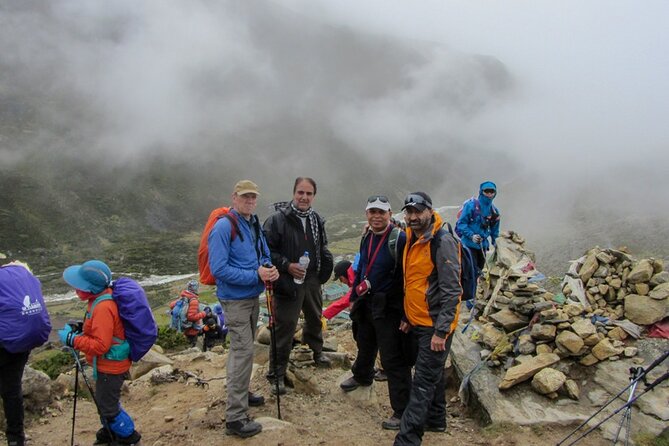
Day two pushes you toward Namche Bazaar, and it’s a long hiking day. The trail follows curves of the Dudhkoshi (Milk River), switching sides of the river as you go. It’s a good kind of distraction at first—water keeps things visually alive when your legs start negotiating with gravity.
You’ll also pass through high points and crossings along the way, so this isn’t just “pretty walking.” It’s your first full exposure to how the Khumbu route mixes climbs with walking corridors that can feel endless.
What I like here is that you’re not forced to sprint. The point is to arrive at Namche with enough energy to function the next day. Namche is also where the trek stops being quiet. It’s a hub: more guesthouses, more tea houses, and more people—though you’ll still feel very much in the mountains.
Everest View Hotel day: acclimatization that also gives you a reward
On the third day, you hike up toward the Everest View Hotel area via Syangboche airstrip, then spend the day acclimatizing. This is one of the best kinds of trek days: it’s active, but it’s not a brutal “gain everything” day.
Instead of trying to prove fitness, you’re giving your body time to adjust. Altitude doesn’t follow motivation. It follows biology. A planned acclimatization hike helps your lungs and body chemistry catch up to the climb your itinerary has already demanded.
And the payoff is real. You’ll be in the Everest viewpoint zone where the mountain drama feels close enough to touch. Even on days when visibility isn’t perfect, the experience is about being there—seeing the huge scale and learning how weather moves through the valley.
Also note the vibe: this day is built around tea and a calmer rhythm. You’re not just watching time pass—you’re practicing the kind of pace you’ll need later, especially when the trail turns more rocky and high.
Tengboche to Dingboche: rhododendrons, monasteries, and the altitude climb
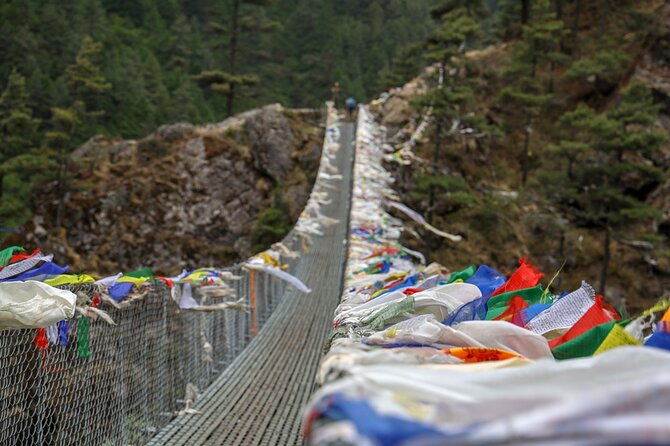
After a recovery day back in Namche, the next stretch heads toward Tengboche and onward to Dingboche.
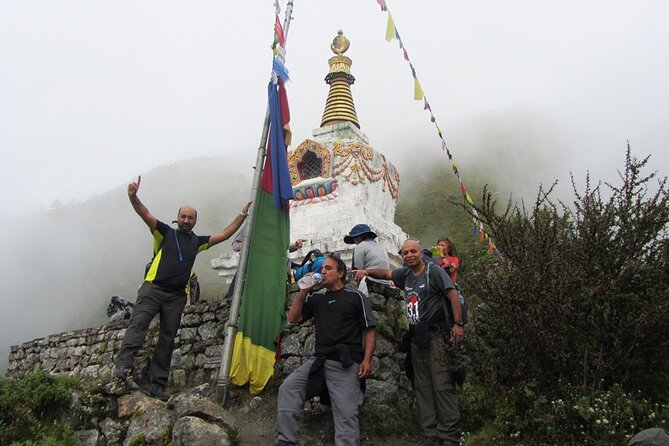
Tengboche matters because it’s spiritual and scenic in a way that changes how you feel on the trail. If you wake early, there’s a chance to catch sunrise from Tengboche monastery, and it’s the kind of moment that makes the miles feel worth it. If you’re not a sunrise person, set your expectations anyway—this trek runs on early starts and clear days.
From there, the route drops into a rhododendron forest and continues onward, including passing through Deboche (around 3,320 m) before reaching Dingboche. That downhill rhythm is useful. It breaks the pattern of constant ascent and lets your body breathe—still at altitude, but with relief.
Then you arrive in Dingboche, where the air feels thinner and the landscape becomes more stark. This shift is one reason EBC trekkers talk about the Khumbu region with such intensity. The trek doesn’t stay the same; it transforms around you.
Dingboche acclimatization: the “small hike” that helps big time
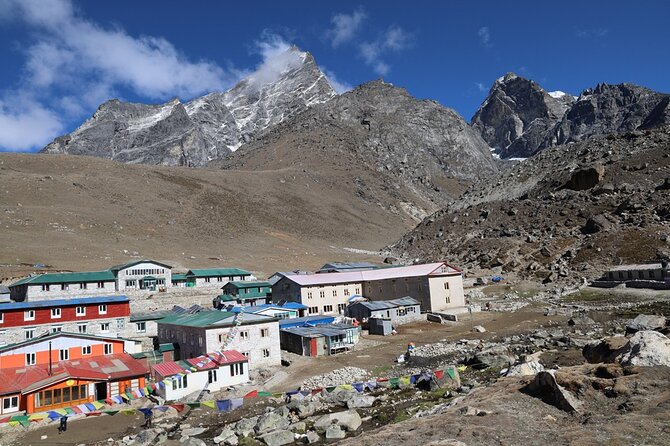
Day six is a classic acclimatization setup. You’ve already come down to over 4,400 m and the itinerary gives you time to rest. Then you do a lighter hike to a nearby hill called Nagarjuna.
This is the day I’d call “quiet strategy.” The goal is to acclimatize without draining yourself. If you go too hard on acclimatization days, you only create fatigue for the next push—and that fatigue shows up later when the trail gets rougher.
I also like that the schedule gives you a chance to notice details again: how your breathing changes, how your appetite behaves, and how you feel when you’re not fighting the clock. It’s not glamour; it’s training for staying steady under stress.
Heading toward Lobuche: wide valleys and big peaks overhead
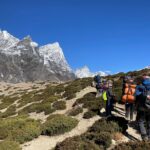
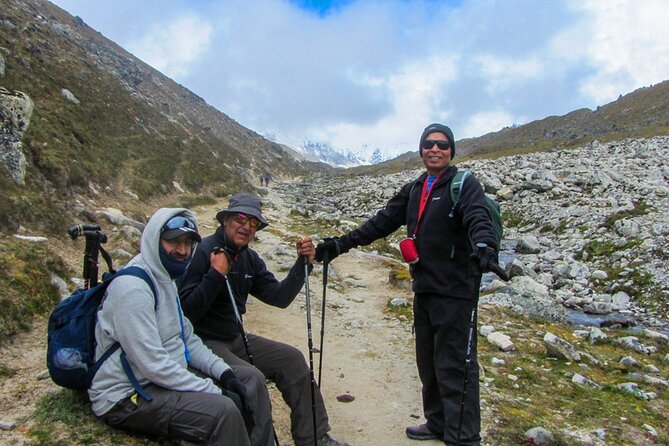
By day seven, you’re moving toward Lobuche. The route heads into a wide valley beneath peaks like Cholatse and Tawache, and that open space changes your sense of scale.
This part of the trek can feel “more serious” because the terrain and altitude are both closing in. You’re no longer just walking through villages and forests; you’re moving deeper into the high Khumbu zone where the trails feel rockier and the air feels sharper.
You’ll also be building toward the day that actually delivers the Everest payoff. Which means: don’t treat this day as a time trial. The temptation is to feel good and speed up. But at this stage, energy is currency. Save it for what comes after.
Gorakshep to Everest Base Camp: the day your brain won’t stop replaying
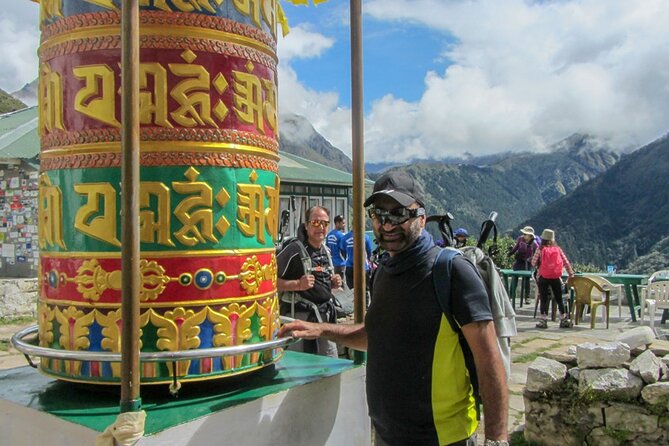
Day eight is the big one. You leave Lobuche, then start a rocky ascent along the Khumbu glacier, passing landmarks like the International Pyramid Labo before reaching Gorakshep.
Then you continue to Everest Base Camp on a trail that’s described as rocky with alternating downhill and uphill sections. You’re moving for about two more hours to get there from the Gorakshep area, and the whole day has a special tone: anticipation mixed with physical focus.
What I love about this day is that it’s not just “walk to a viewpoint.” You’re working on terrain that feels like it belongs to Everest’s world. The glacier proximity makes the trek feel grounded in real conditions, not imagination.
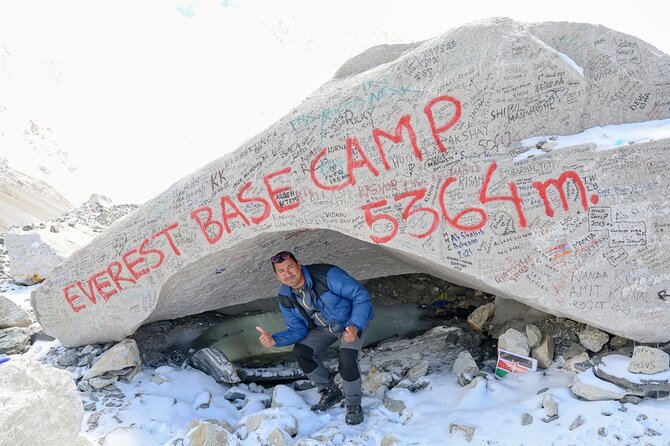
When you finally reach Everest Base Camp (5,364 m), you’re not watching the mountain from far away. You’re standing where expeditions stage, where stories of Everest become real on your own timeline.
Practical consideration: you’ll be tired. Don’t expect to feel energetic after you arrive. Plan to enjoy it slowly: photos, a few breaths, and time to soak it in without sprinting back down.
Kala Patthar sunrise: steep, rocky, and completely worth planning for
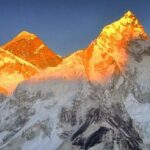
If Everest Base Camp is the reveal, Kala Patthar is the signature moment. On day nine, you’ll wake super early and hike to the viewpoint for sunrise over Everest.
The hike is steep and rocky. There’s no sugarcoating it. But the reason people do it is also clear: the view from Kalapatthar (about 5,545 m) is the kind of sight that makes you understand why this mountain keeps pulling people back.
Here’s the best advice I can give: prepare your mindset for “early and uncomfortable.” You don’t need to love it. You need to endure it smartly. Move steadily, keep your breathing controlled, and keep checking your footing.
Also, remember sunrise isn’t instant. The color shift and visibility depend on weather. Even if conditions aren’t perfect, the act of getting up there early and reaching a high point at altitude is its own win.
Returning to Namche and Lukla: long walks, easier elevation, still real fatigue
The return days can be physically demanding even if they feel like relief.
On day ten, you trek toward Namche Bazaar, with a long walk that’s comparatively easier because elevation drops as you go. The trail follows the way back through the same general corridor you came up—so your brain starts filling in the memory gaps as you pass familiar terrain.
Day eleven brings you down toward Lukla, retracing steps via Phakding. Expect lush forests again, plus remote villages, and multiple bridges and streams. This is the part of the trek that reminds you you’re still moving through real community life, not just empty trails.
A common mistake on return: thinking you’re “done” because you’ve seen the big Everest sites. You’re not. Your body still needs time to recover, and the legs still need careful pacing.
Ending in Kathmandu: a free day to recover and reset
Day twelve is your descent back into Kathmandu after the final return flight from Lukla. The trip includes airport transfers to your hotel, and then the remaining day is free.
This last day is more useful than it sounds. After 12 days at altitude, you’ll be tired in a way sleep alone might not fix. Time in Kathmandu gives you room to eat normally, shower thoroughly, and do the post-trek life admin that keeps your vacation smooth.
If you’re smart, you’ll use the free day for gentle recovery: easy food, comfortable walking, and time to look through photos while your legs regain their personality.
Price and logistics: what $605 gets you (and what it doesn’t)
At $605 per person, the value here isn’t just the trek. It’s the fact that a lot of the high-friction logistics are handled for you.
Included essentials that matter on this route:
- Domestic flights Kathmandu–Lukla–Kathmandu
- Airport pick-up and drop-off by private/shared vehicle (domestic)
- Three meals a day during the trek
- Twin-sharing lodge rooms for accommodation
- Permits for Sagarmatha National Park plus TIMS
- A trekking map, trekking hat, duffel bag, and trekking pole gear support
- An oximeter and a first aid kit for altitude checks
Excluded items to plan for:
- Personal travel insurance
- Snacks, drinks, and personal expenses
- Personal trekking gear
- Gratuity and tips
So the real question isn’t whether the price is low or high. It’s whether it includes the pieces that keep you from making costly mistakes or scrambling mid-trek. For Everest Base Camp, having meals, permits, and major logistics handled is a big quality-of-life improvement.
One more detail that helps: this trip is often booked around 38 days in advance on average. If you’re targeting your ideal departure window, don’t wait until the last minute.
Guides, safety tools, and your group size on the trail
A big part of a good Everest trek is how your team handles altitude and pacing. This route includes one highly experienced, Government Licensed and High-Altitude Trained Guide.
You also get a porter (1 for 2 trekkers). That matters more than it sounds, because when you’re above 4,000 m, you’ll feel every extra kilogram. A porter doesn’t make the trek easy—it makes it doable without burning out early.
Safety tools included for the group:
- A first aid kit
- An oximeter for checking pulse and oxygen saturation
- A walkie-talkie system for group trekkers
One of the standout themes from past feedback is guidance quality. Names like Rajesh Magar, Narayan Ntc, Bikram, and Gopal show up as examples of leaders who helped groups move at the right pace and make smart decisions. That doesn’t mean every day will be perfect, but it does suggest the company takes guiding seriously.
Also keep in mind group size: maximum 20 travelers. That’s large enough to have a lively group, but small enough to keep your trekking flow from turning into traffic.
Wildlife spotting and why the Danphe matters to your hike
One neat detail in the Khumbu experience is wildlife. The Danphe is Nepal’s national symbol and an endangered bird. Seeing one isn’t guaranteed, but having it on your mind changes how you look at the trail edges—more attention to movement, more pauses to scan for birds beyond the obvious views.
This is the kind of “side benefit” that makes the trek feel human. Everest is the headline. The Danphe is the quiet memory you still talk about later.
Who should book this Everest Base Camp trek
This route fits best if you want:
- A classic Everest Base Camp experience with organized pacing
- Smart acclimatization days (not random breaks)
- Support with permits, meals, and lodge stays
- A guide team that’s trained for high-altitude conditions
- A trek that’s challenging, but structured for moderate physical fitness
It can also work for seniors and beginners when they’re honest about fitness and follow guidance closely. The key is not whether you’re “tough.” The key is whether you can move steadily, hydrate, and listen to the altitude advice.
Should you book it?
If you want the Everest Base Camp trek without having to orchestrate permits, meals, and the main logistics yourself, I think this is a strong choice. The value comes from bundled essentials plus altitude support tools like the oximeter, and the schedule includes recovery days that help you arrive at Base Camp with your head still clear.
Don’t book this expecting a casual stroll. The sunrise hike to Kala Patthar is steep and rocky, and at these heights your pace and attitude matter as much as your willpower. If you go in prepared—footwear, clothing layers, patience for early starts—and you respect acclimatization, this trip gives you the classic Everest story with practical comfort built in.
FAQ
What’s the duration of the Everest Base Camp trek?
It runs about 12 days (approx.), including flights between Kathmandu and Lukla.
Where does the trek start and end?
The trek starts with a meeting point at Tribhuvan Airport in Kathmandu, Nepal, and you end in Kathmandu after returning from Lukla.
Are meals included?
Yes. Three meals a day (breakfast, lunch, and dinner) are included during the trek.
What kind of accommodation do you get?
You’ll stay in the best available twin-sharing lodge rooms during the trek.
Are domestic flights included?
Yes. Kathmandu–Lukla–Kathmandu domestic flights are included.
What permits are included?
The trip includes the Entry Permit for Sagarmatha National Park and the TIMS card fee.
Is there support for carrying luggage?
Yes. A porter is provided (1 for 2 trekkers).
What altitude safety tools are included?
The package includes a first aid kit and an oximeter to check pulse, oxygen saturation, and heart rate at higher altitudes.
Is personal travel insurance included?
No. Personal travel insurance is not included (the trip includes accident insurance for staff).
Cancellation
Free cancellation is available up to 24 hours in advance for a full refund. If you cancel within 24 hours, the amount paid isn’t refunded.