REVIEW · POKHARA
Full Day Tibetan Cultural Tour
Book on GetYourGuide →Operated by The Tibetan Encounter Day Tours (P) Ltd · Bookable on GetYourGuide
Eight hours beats half-day sightseeing.
Near Pokhara, this tour mixes Tibetan refugee settlements with monasteries, crafts, and traditional medicine, guided in English by Mr. Thupten Gyatso.
I really like two things here: you don’t just look at culture, you talk to people. Expect hands-on stops like butter tea and tsampa, plus chances to ask monks questions in plain, direct conversations.
The only catch is the day runs full-tilt—there’s walking, ceremony sound, and multiple stops in one 8-hour schedule, so it’s not the calmest outing.
In This Review
- Key highlights that shape the day
- A day built around Tibetan daily life, not just big sights
- Getting from Lakeside: pace, pickup, and why timing matters
- Tashiling Tibetan settlement: the first taste of a lived culture
- Pema Ts’al Sakya Monastic Institute: why monastery learning changes how you see religion
- Hemja refugee settlement: tea, snacks, and the human scale of exile
- Carpet workshop and showroom: craft you can understand, then buy (or just appreciate)
- Meeting the Tibetan doctor: pulse reading and traditional diagnosis
- Lunch, thenthuk, momos, and the logic of Tibetan comfort food
- Afternoon prayer chanting: sound, instruments, and a chance to ask questions
- Tibetan tea at a family home: salted butter tea, tsampa, and bread
- Price and value: is $82 a fair deal in Pokhara?
- Who should book, and who might want to choose another option
- Should you book this full-day Tibetan cultural tour?
- FAQ
- How long is the full day Tibetan Cultural Tour?
- Where do you pick me up in Pokhara?
- What if my hotel is outside the lakeside area?
- How big is the group?
- What language is the tour guided in?
- What food and drinks are included during the day?
- Do we meet a Tibetan doctor?
- Is there a monastery and prayer chanting included?
- Can I cancel and book flexibly?
Key highlights that shape the day
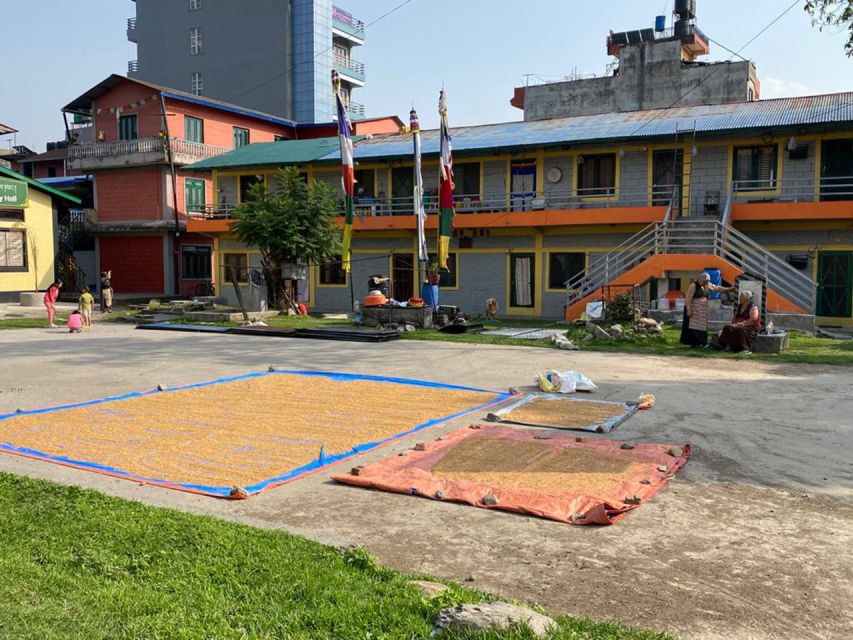
- Two Tibetan refugee settlements near Pokhara Valley to see how identity and Buddhist practice are maintained in exile
- Mr. Thupten Gyatso as the guide with English explanations and a tight rhythm for a packed schedule
- Carpet workshop plus carpet showroom to see how hand-made Tibetan carpets are made and then browse finished designs
- A Tibetan doctor visit with pulse reading included as part of the traditional medicine experience
- Afternoon group prayer chanting at a monastery with the sound and instruments of the ceremony
- Tibetan family-home tea featuring salted butter tea, tsampa, and Tibetan bread with honey, butter, and peanut butter
A day built around Tibetan daily life, not just big sights
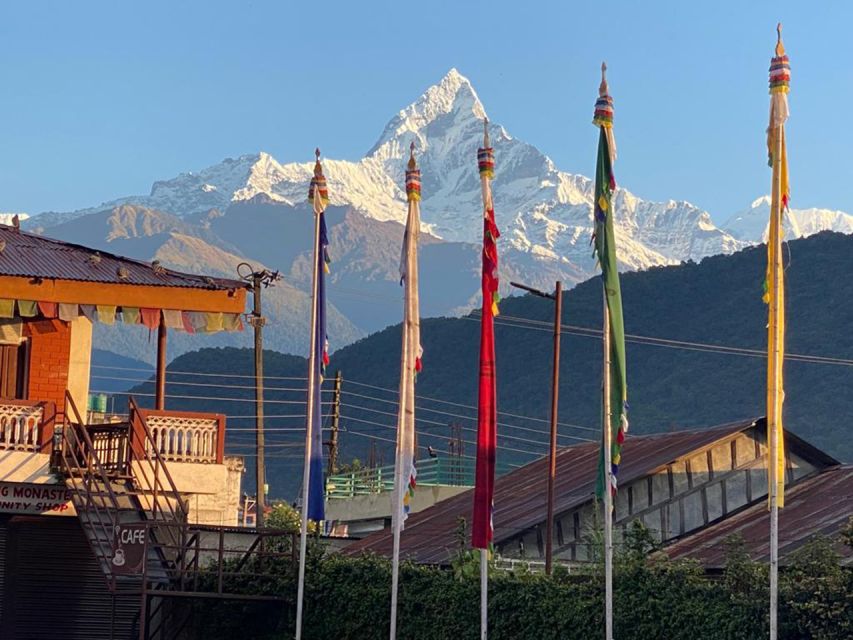
If you’re in Pokhara and want something more meaningful than a standard checklist, this full-day Tibetan cultural tour is built for conversation. It’s not only about temples and photo angles. You’re guided through places where language, schooling, faith, and craft work keep moving year after year.
The heart of the day is Mr. Thupten Gyatso. He’s a Tibetan native rooted in the region, and the tone of the tour is practical: he explains symbols, routines, and what different practices mean in everyday life. In a day this full, having one strong guide matters.
I also like that the itinerary doesn’t treat Tibetan culture as a museum piece. You get to see monastic learning, traditional medicine, carpet-making, and meals that feel like real habits—not staged “tour food.”
You can also read our reviews of more historical tours in Pokhara

Getting from Lakeside: pace, pickup, and why timing matters
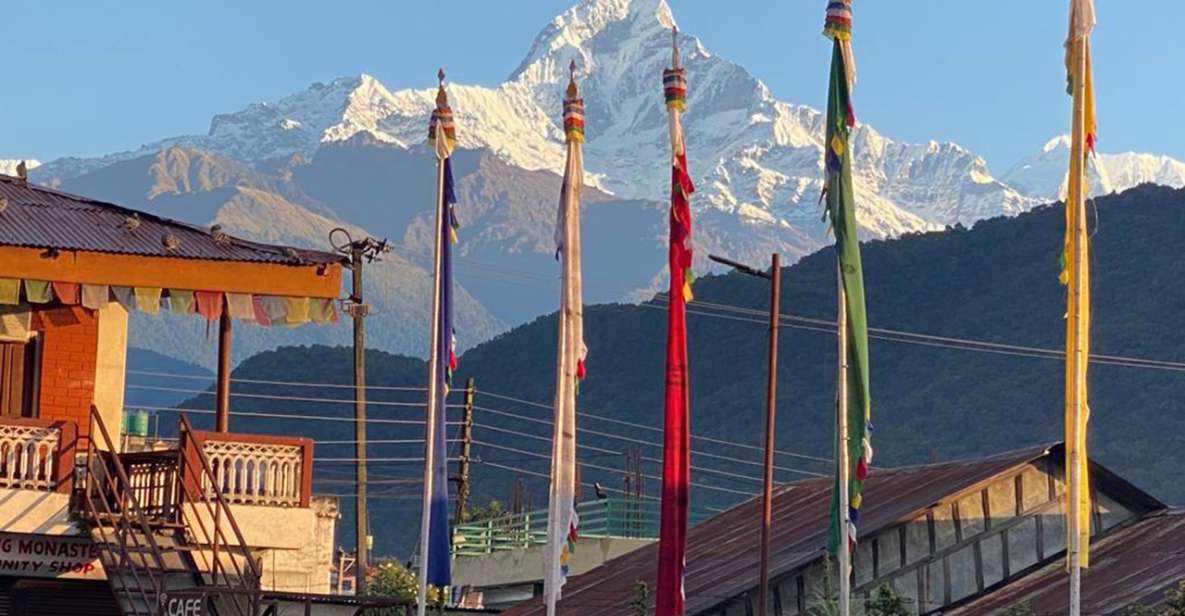
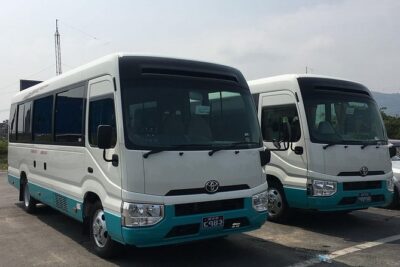
Most people start from the Pokhara lakeside area. The tour includes pickup and drop-off for hotels around Lakeside, and the meeting point is listed as Lake Side. If you’re staying outside that area, expect an additional transportation fee that depends on where your hotel is.
Duration is 8 hours, and the day’s structure is clearly designed to fit a lot in one go: settlements, a monastic institute, a second refugee camp area, craft stops, a medical center consultation, lunch and tea, plus monastery prayer chanting. This means you should plan for a steady pace and some walking.
If you prefer slow travel, this isn’t that. But if you like learning with momentum—where every stop adds a new layer—this works well.
Tashiling Tibetan settlement: the first taste of a lived culture
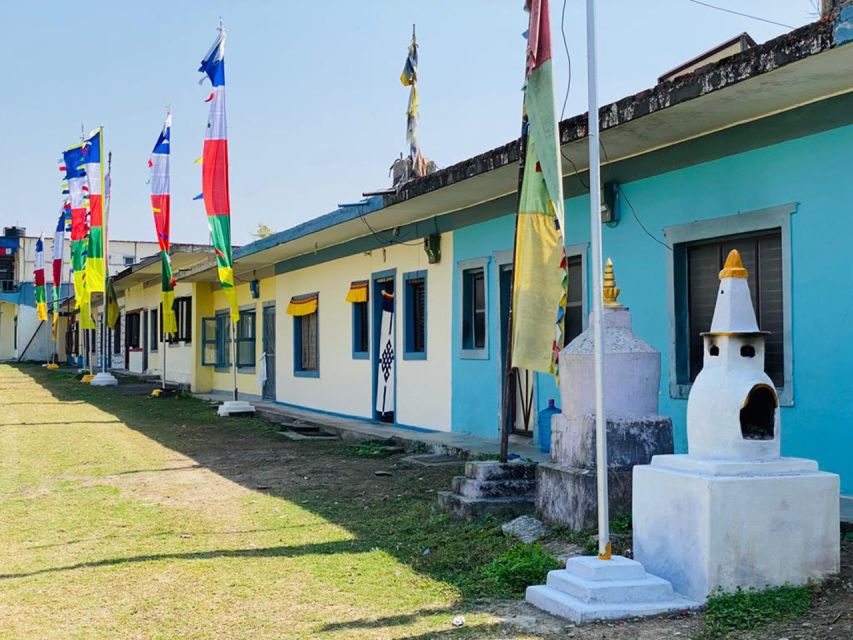
The day begins with a long, scenic stretch of time and stops that set the tone. You’ll have a photo stop and a coffee or tea pause, then a guided walk and sightseeing. This area is also where you’ll enjoy lunch as part of the day’s flow.
What makes this first settlement stop especially useful is that it helps you get your bearings fast. The tour includes guided touring and food tasting, which makes the cultural context stick. You’re not just arriving at a monument; you’re seeing how a community organizes daily life.
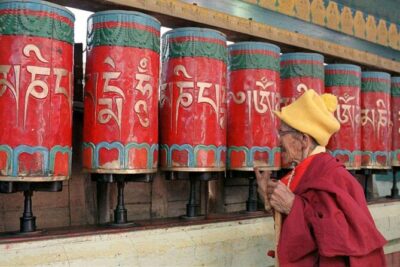
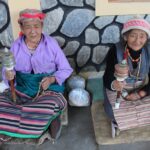
You also get introduced to Buddhist signs and symbols here, and that’s one of the smartest parts of the day. When you understand why things like prayer wheels and prayer flags matter, you stop treating them as decoration. They become part of a faith system and a community rhythm.
Practical note: settlements are active places. Wear comfortable shoes and keep your schedule mentally flexible if you see school or daily activity in motion.
Pema Ts’al Sakya Monastic Institute: why monastery learning changes how you see religion
After the first settlement, you head toward Pema Ts’al Sakya Monastic Institute. You’ll have a photo stop and a guided visit, with sightseeing and scenic views on the way.
A monastery stop can feel like a sightseeing detour on some tours. Here, it’s framed as learning. You’re not only watching. You’re being guided to understand what monastic life looks like: daily studies and activities, plus the way chanting and rituals fit into training.
If you enjoy cultural context, this part is a payoff. It gives you a baseline for everything that comes later—especially the afternoon prayer chanting and the conversations with monks.
Hemja refugee settlement: tea, snacks, and the human scale of exile
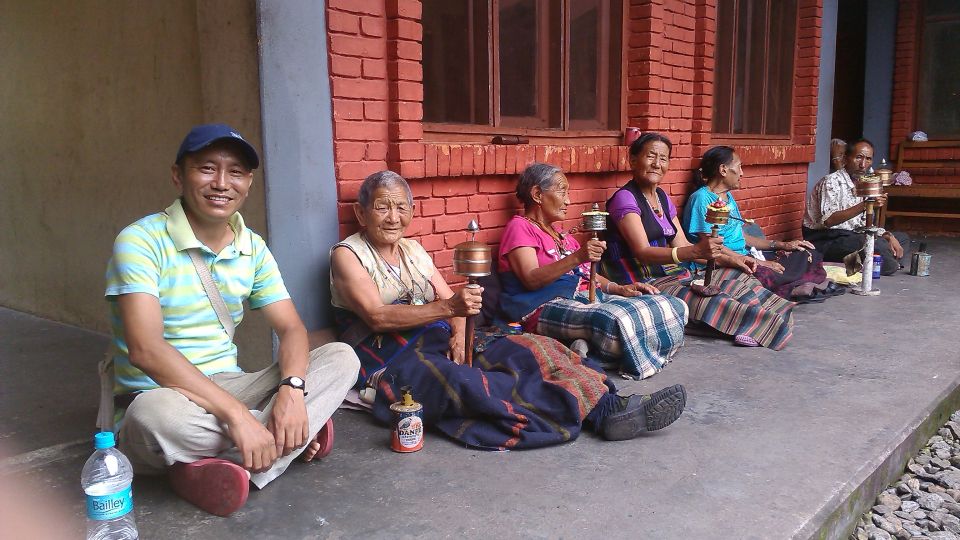
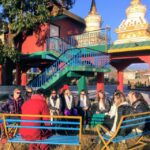
One of the most important parts of the day is the shift to Hemja, described as a Tibetan refugee camp area. You’ll arrive for photo stops, then you’ll have tea and a brunch-style break with local snacks and food tasting.
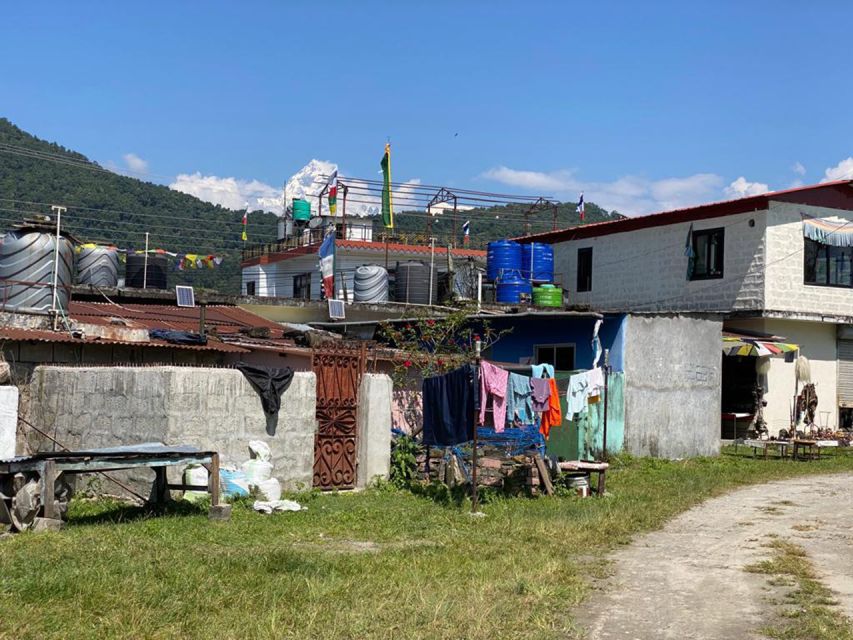
This is where the tour starts to feel less like a “cultural overview” and more like a window into community life. You’re seeing how Tibetan traditions continue in Nepal through schools, monasteries, and daily routines—while also understanding the broader story behind the settlements.
The tour includes a photo gallery that covers the history of Tibetan refugees, including images from early in the 1960s and the journey of the Dalai Lama in exile in India. Having that historical frame helps you connect what you’re seeing in front of you with what led to it.
If you’re someone who likes to understand both the spiritual and the political sides of a culture, this part gives you real traction.
You can also read our reviews of more tours and experiences in Pokhara
Carpet workshop and showroom: craft you can understand, then buy (or just appreciate)
Tibetan carpets show up in souvenir shops worldwide, but this is the chance to see the process behind them. The tour includes a carpet workshop where you learn how carpets are made by hand, step by step, with explanations from Mr. Thupten.
That workshop visit is valuable because carpet-making isn’t just craft—it’s tradition, time, and skill. When you see the work involved, a finished carpet stops being a flat product. It becomes something made with patience.
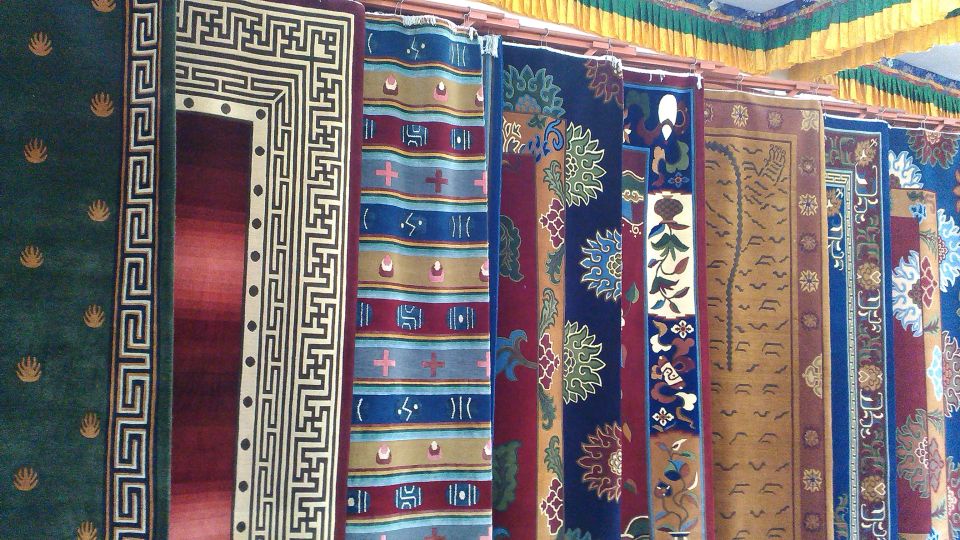
After the workshop, you also visit a carpet showroom. This is where you can browse designs and colors and compare what you saw in the workshop with finished pieces. If you’re shopping, it’s also the moment when your understanding helps you pick something that matches the craft reality, not just the look.
Tip: even if you don’t plan to buy, spend time comparing patterns. The learning you get in the workshop makes that browsing feel smarter, not random.
Meeting the Tibetan doctor: pulse reading and traditional diagnosis
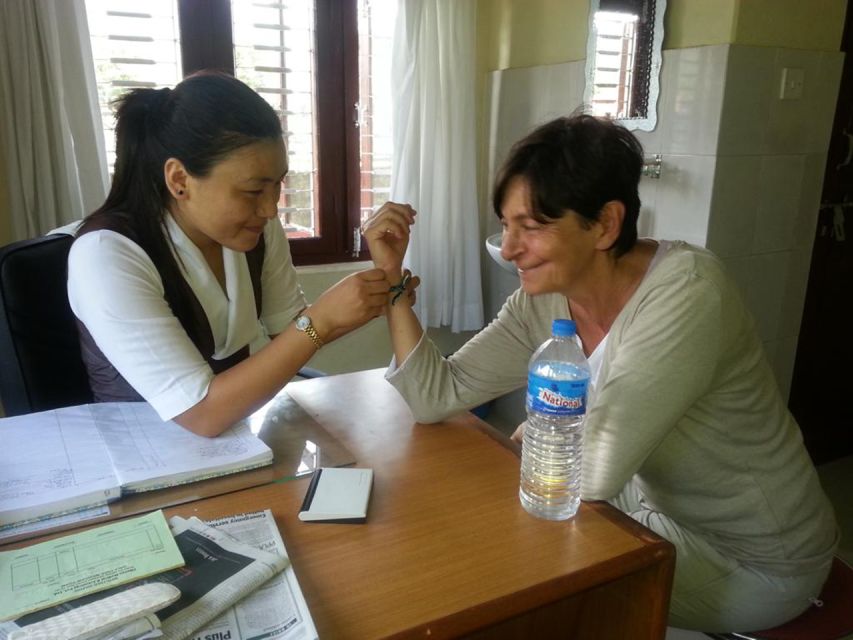
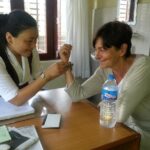
One of the standout inclusions is the visit to a Tibetan medical center and a consultation with a Tibetan doctor. The consultation, including pulse reading, is included.
This isn’t framed as a replacement for modern care. It’s presented as a window into Tibetan traditional medicine: how diagnosis works, and how treatments are approached within that system. Even if you never buy medicines, pulse reading alone can be fascinating because it’s so different from what most visitors expect.
You can purchase medicines separately if you’re interested, but the key point for your day is that the doctor consultation itself is part of the tour. That gives you something more personal than a talk-only stop.
If you like respectful science-meets-culture learning, don’t skip this.
Lunch, thenthuk, momos, and the logic of Tibetan comfort food
Food is a real part of the cultural learning on this tour, not an afterthought. Lunch is included at a Tibetan restaurant, with both vegetarian and non-vegetarian options.
You’ll have the chance to taste Tibetan momos and thenthuk, described as a nourishing soup with freshly kneaded dough, meat, and vegetables. This is the kind of meal that tells you what “comfort food” means in a high-altitude food culture.
Mr. Thupten also gives insight into Tibetan cuisine, which helps you understand why certain flavors and dishes show up again and again in everyday life.
And throughout the day, you’ll also get mineral water, fresh juice, and tea and coffee. That matters because the schedule is packed—having those breaks built in means you’re less likely to end the day wiped out.
Afternoon prayer chanting: sound, instruments, and a chance to ask questions
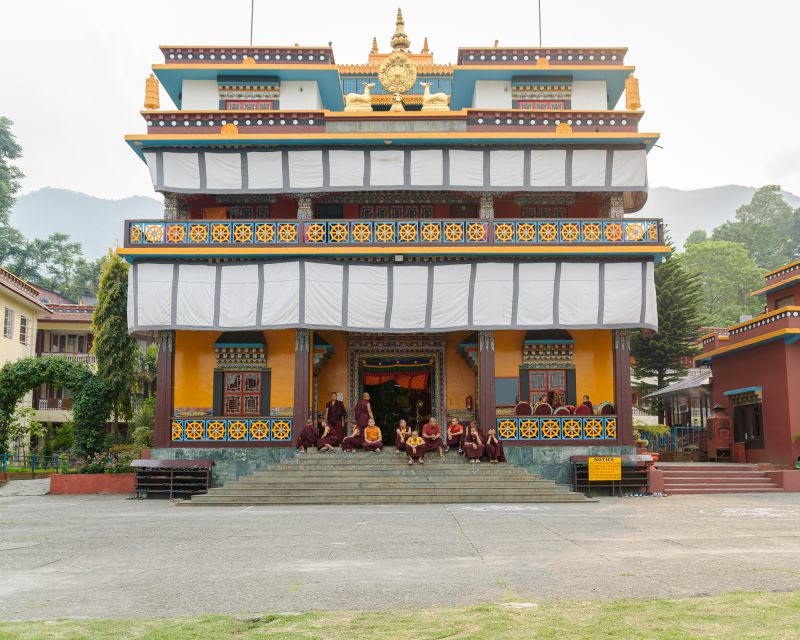
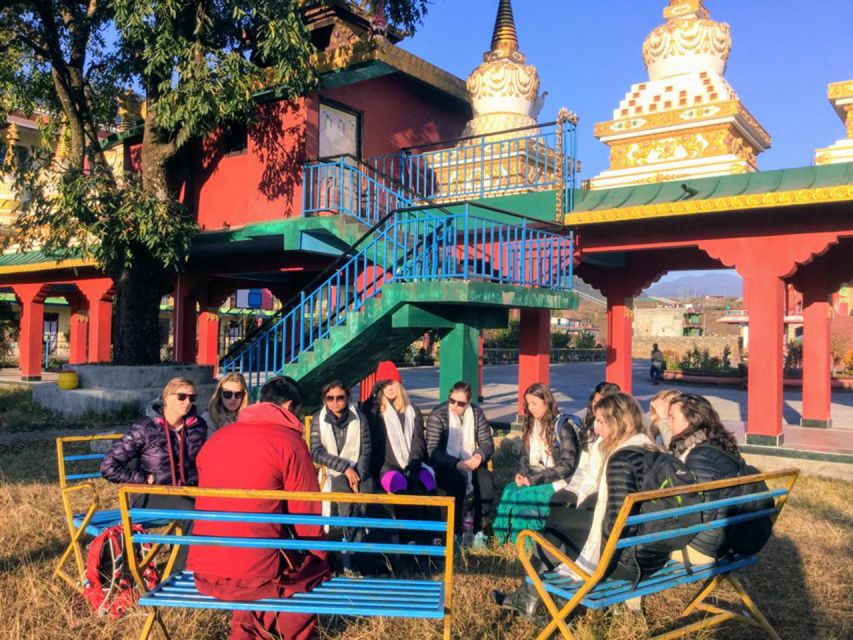
Later, you visit a monastery where you’ll attend afternoon group prayer chanting with monks. You’ll also learn about Buddhist symbols and meanings as part of the monastery experience.
What I find most compelling here is the sensory part: you’ll hear the sound of different instruments used during the ceremony, and you’ll feel the vibration of the monks’ prayer. That’s harder to “translate” into a brochure than, say, a landmark view.
The tour also includes conversation time—talking with a monk, plus interaction with a young Buddhist monk. You can learn about monastic lifestyle, studies, and daily activities by asking questions directly.
This is a good place to keep your curiosity active. If something feels unclear, ask. In a culture based on practice, questions are often the fastest route to understanding.
Tibetan tea at a family home: salted butter tea, tsampa, and bread
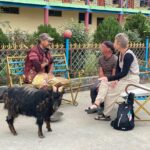
The day ends with a traditional afternoon tea at a local Tibetan family home. This is one of the most personal-feeling stops because it shifts from institutional learning to everyday hospitality.
You’ll taste salted butter tea, tsampa, and Tibetan bread with honey, butter, and peanut butter. If you’ve never tried salted butter tea before, expect it to taste unlike the tea you know back home. It’s salty, comforting, and tied directly to local food logic.
Mr. Thupten introduces Tibetan cuisine and the way of life in the refugee settlements, so the snack feels connected to the larger story of the day rather than a random finale.
It’s also a nice way to slow down before heading back to Lakeside.
Price and value: is $82 a fair deal in Pokhara?
The price is $82 per person for a full 8-hour day. That sounds modest for a route that includes multiple guided visits, lunch and tea, and—crucially—a doctor consultation with pulse reading included.
Here’s what you’re getting for the money, based on what’s included:
- English-speaking tour guide and small group size (limited to 8 participants)
- Pickup and drop-off around Lakeside
- Visits to two Tibetan refugee settlement areas
- Monastery time with Buddhist symbols and afternoon group prayer chanting
- Carpet workshop and a carpet showroom
- Tibetan medical center visit with consultation including pulse reading
- Tibetan lunch plus tea/coffee/juice/water
- Conversation with monks and time with a young monk
- A family-home tea tasting with multiple items
The main cost wrinkle is that hotels outside the lakeside area pay an additional transportation fee, depending on location.
So is it good value? For the mix of sites and the doctor consult, yes. For people who only want one or two “quick” sights, it might feel like too much for $82. But for anyone coming to Pokhara wanting depth in one day, this is priced like a serious cultural program, not a skimpy tour.
Who should book, and who might want to choose another option
This tour is a great fit if you want:
- Hands-on cultural contact, including talking with monks and meeting a Tibetan doctor
- A day focused on Tibetan life in Nepal, not just general religion history
- A small group experience with enough structure to learn quickly
It’s less ideal if:
- You need wheelchair-friendly access, because it’s listed as not suitable for wheelchair users
- You’re traveling with small children under 2 years, since the tour is not suitable for them
- You want a slow-paced day with minimal group movement and ceremony sound
If you’re comfortable with walking, respectful silence during prayer moments, and a packed schedule, you’ll likely enjoy how much you learn.
Should you book this full-day Tibetan cultural tour?
If you want one day in Pokhara that teaches more than it shows, I’d book it. The combination of refugee settlement visits, monastery chanting, carpet craftsmanship, and a Tibetan doctor consultation makes the day feel balanced and human.
Before you go, decide how you feel about a full schedule. If you’re ready for an active 8 hours with multiple stops and strong guidance, this tour matches your style. If you’re hoping for a relaxed afternoon, you may find it too intense.
FAQ
How long is the full day Tibetan Cultural Tour?
The tour lasts 8 hours.
Where do you pick me up in Pokhara?
Pickup and drop-off are included around the lakeside area, and the pickup location is listed as Lake Side.
What if my hotel is outside the lakeside area?
There is an additional transportation fee for guests whose hotels are outside the lakeside area, depending on their hotel location.
How big is the group?
The tour is a small group limited to 8 participants.
What language is the tour guided in?
The live tour guide speaks English.
What food and drinks are included during the day?
Mineral water, fresh juice, tea, and coffee are included. You’ll also have Tibetan lunch at a local restaurant and additional Tibetan tea/snacks at a local family home. Food tastings like butter tea, tsampa, and other items are included as part of the experience.
Do we meet a Tibetan doctor?
Yes. The tour includes a visit to a Tibetan medical center and a consultation with a Tibetan doctor, including pulse reading. Medicines can be purchased separately if you are interested.
Is there a monastery and prayer chanting included?
Yes. The tour includes a visit to a Buddhist monastery, conversation with a monk, and afternoon group prayer chanting with monks.
Can I cancel and book flexibly?
You can cancel up to 24 hours in advance for a full refund. You can also reserve now and pay later.