REVIEW · POKHARA
Pokhara: 7-Day Annapurna Base Camp Trek via Ghandruk
Book on GetYourGuide →Operated by Snow Peak Tours and Travels pvt. ltd. · Bookable on GetYourGuide
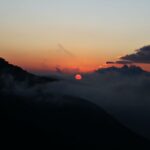
ABC sunrise changes everything.
This 7-day Annapurna Base Camp trek from Pokhara is built for big mountain payoff in a compact time frame, with the long highlight being sunrise inside the Annapurna Sanctuary amphitheater. I like how the walk mixes Gurung villages and terraced fields with forest trails, so you’re not staring at one view for seven straight days. One thing to keep an eye on: the trek route looks straightforward on paper, but real-world costs for extras and transport details can vary—so you’ll want to confirm what’s fully included.
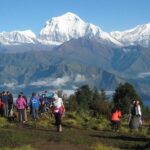
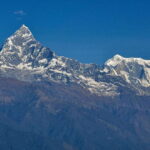
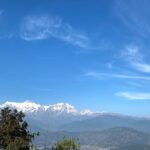
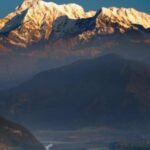
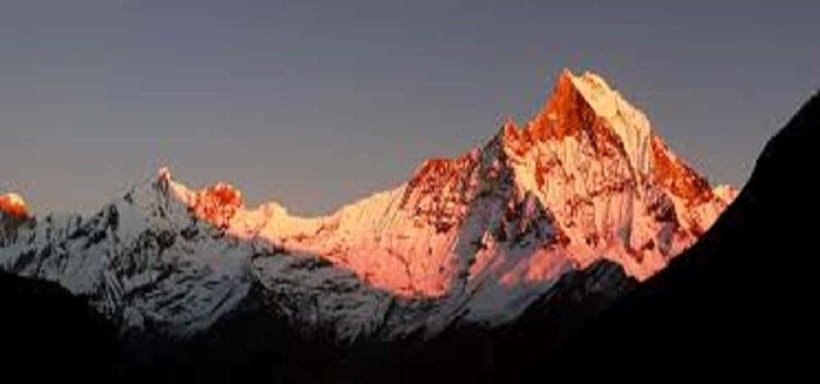
On the mountain side, you’re walking into classic Annapurna territory with close-up views of Annapurna I, Machapuchare, Hiunchuli, and the surrounding peaks as the altitude ramps up fast. On the culture side, the return through Ghandruk gives you an easy, satisfying landing back into village life and mountain panoramas instead of a sudden drop into the ordinary.
My main consideration isn’t the walking. It’s the operational side: make sure the program clearly covers meal plan, water expectations, and the vehicle on the return day (daylight timing and road safety matter a lot on Nepali routes). Also plan for cold weather at higher elevations and be ready for a physically demanding trek.
In This Review
- Key points before you go
- Entering Annapurna Base Camp From Pokhara: Why This Route Works
- Price and Value: Does $179 Make Sense for 7 Days?
- Day 1: Kande to Landruk Through Viewpoints and a Gentle Descent
- Day 2: Chhomrong Stairs to Sinuwa’s Forest Feel
- Day 3: Bamboo, Dovan, and the Trail Into Deurali (3,230 m)
- Day 4: Machapuchare Base Camp to Annapurna Base Camp (4,130 m)
- Day 5: ABC Sunrise, Then the Descent Options via Sinuwa/Bamboo
- Day 6: Chhomrong to Ghandruk for Gurung Culture and Panoramas
- Day 7: Ghandruk to Birethanti, Then Back to Pokhara by Road
- What the Included Details Mean in Real Life
- Comfort, Cold, and Fitness: Your Real Checklist
- Who Should Book This Trek, and Who Might Skip It
- Should You Book This 7-Day Annapurna Base Camp Trek via Ghandruk?
- FAQ
- How long is the Annapurna Base Camp trek from Pokhara?
- What’s the highest altitude on this route?
- What’s included in the price?
- Are meals included?
- Do I need to arrange permits ahead of time?
- What languages are the guides available in?
- Do I need to bring a sleeping bag or trekking stick?
- Is travel insurance required?
Key points before you go
- Sunrise at ABC in a natural amphitheater: You’ll get the dramatic, bowl-shaped setting at 4,130 m before you start descending.
- Villages that feel lived-in: Landruk and Ghandruk are Gurung communities where you can actually see how people live with the mountains.
- Bamboo and rhododendron forests: Mid-trek, the Modi Khola valley turns into a shaded walking corridor that cools you off from the sun.
- A clear altitude ladder: Kande to Deurali to Machapuchare Base Camp to Annapurna Base Camp keeps you acclimating through hiking, not bus rides.
- A compact route with good variety: You’re not just climbing; you’re also moving through different trail types—stone stairs, river crossings, and alpine terrain.
- Private group, multilingual guide: English, Hindi, and Nepali help you communicate clearly with your guide when conditions change.
Entering Annapurna Base Camp From Pokhara: Why This Route Works
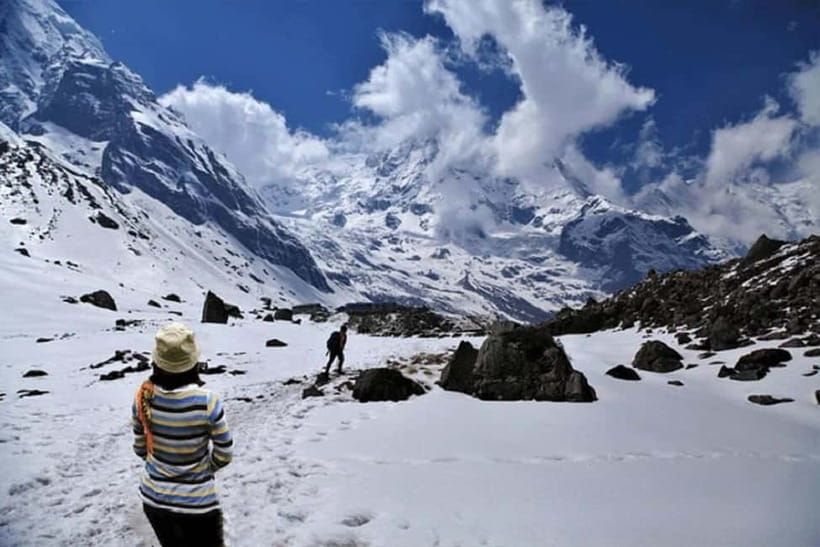
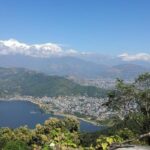
Pokhara is a smart launching point for this trek. After a short drive to Kande, your first day starts you on the ridges and viewpoints that make Annapurna feel close right away, instead of easing in only after days of travel.
What I like about this 7-day structure is the balance. You get village rhythm early, forest and stair climbing as you gain altitude, and then a more open alpine feel as you approach Deurali and Machapuchare Base Camp. By the time you reach Annapurna Base Camp, the climb feels earned, not rushed.
And then you get the best kind of finish: instead of ending at the same trailhead you started from, you exit through Ghandruk, which is a full stop for mountain culture and scenery.
You can also read our reviews of more hiking tours in Pokhara
Price and Value: Does $179 Make Sense for 7 Days?
At $179 per person for 7 days, you’re not paying for luxury. You’re paying for the backbone of a Himalayan trek: permits, guide support, basics like meals (depending on the option you choose), and the day-to-day logistics that keep you moving uphill without guessing.
Here’s what looks like real value in the included package:
- Permits and trek fees are included.
- An experienced trekking guide is included.
- Meals are included during the trek, but only if your option specifies that coverage.
- Accommodation is set in basic tea houses or lodges.
- First aid kit is included.
- Trekking gear support is listed as trekking stick and/or a sleeping bag as needed.
Now the part you should verify before you pay: the information you’re given mentions porter support in the included list, but it also says porter is not included unless needed (noting an extra $20 per day). That conflict is common in trekking listings. The fix is simple: ask your operator what you’re actually getting—guide only, or guide plus porter—and confirm it in writing before you go.
Also remember that additional costs often show up at guest houses even when you have meals. Plan for cash for personal snacks, drinks, and potential charges for things like hot water, better-quality water, or Wi-Fi.
Day 1: Kande to Landruk Through Viewpoints and a Gentle Descent
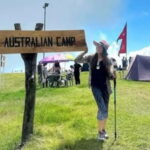
You start with about a 1-hour drive to Kande (around 1,770 m). Then you walk the ridge and village trails via Australian Camp and Pothana, with mountain views along the way, before dropping down to Landruk (about 1,565 m).
This first day matters more than it seems. A 4–5 hour day gives you a chance to dial in shoe fit, breathing rhythm, and how your body handles the start of trekking. It’s also your first taste of village life on the Annapurna route.
Practical tip: don’t overdo early photos. You’re still adjusting, and the trail rewards steady pace more than sprinting for every viewpoint.
Overnight: Landruk
Day 2: Chhomrong Stairs to Sinuwa’s Forest Feel
Day two is a classic Annapurna day—river down, village climb, then back into the woods. You go from Landruk down to the river, up to Chhomrong, and then forward on forest trails with stone steps toward Sinuwa (about 2,340 m). The hiking time is roughly 6–7 hours.
Chhomrong is one of those places where the trail energy changes. You feel the shift from lower, warmer village walking into the higher altitude zone where cold air shows up earlier in the morning. Sinuwa adds the next chapter: the start of denser forest ambience that you keep tasting throughout the trek.
If you’re prone to sore calves, treat today like calf day. The stone steps can be brutally efficient at burning energy.
Overnight: Sinuwa (2,340 m)
Day 3: Bamboo, Dovan, and the Trail Into Deurali (3,230 m)
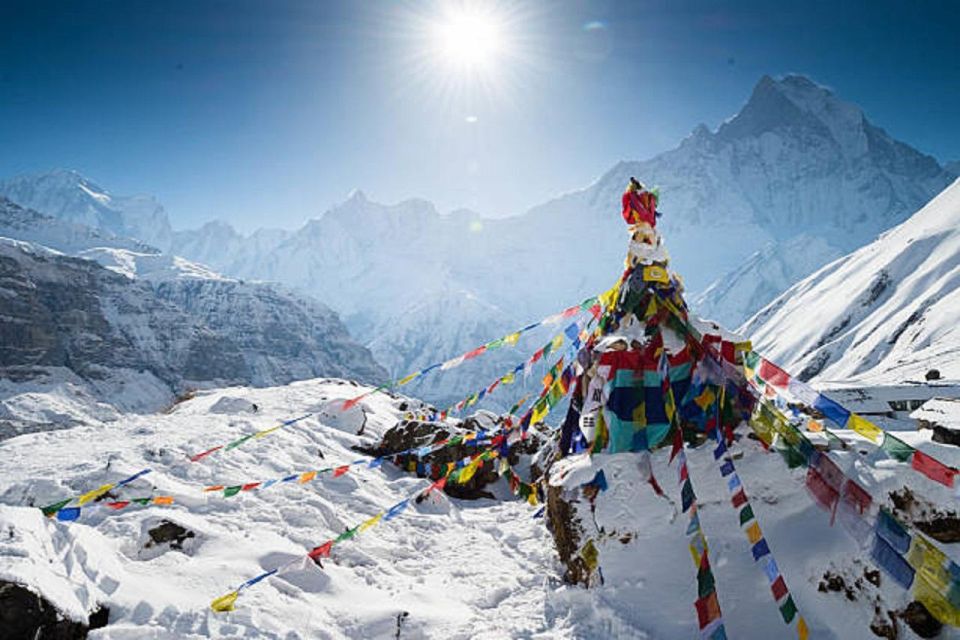
On day three you follow the Modi Khola valley, and this is where the trek starts to feel like a hike through a living system. You’ll move past Bamboo and Dovan, with bamboo and rhododendron forest trails as the backdrop, then climb up to Deurali (around 3,230 m).
The hiking time is again about 6–7 hours. That’s important because it means you’re gaining altitude with sustained effort, not just short jumps. Deurali is a turning point: above this, the air tends to feel sharper, and the cold can rise quickly in the evening.
Practical tip: keep your layers organized. You’ll likely want warmer clothing as you move higher, especially once the sun drops behind the ridges.
Overnight: Deurali (3,230 m)
You can also read our reviews of more tours and experiences in Pokhara
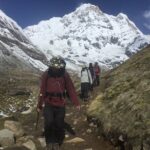
Day 4: Machapuchare Base Camp to Annapurna Base Camp (4,130 m)
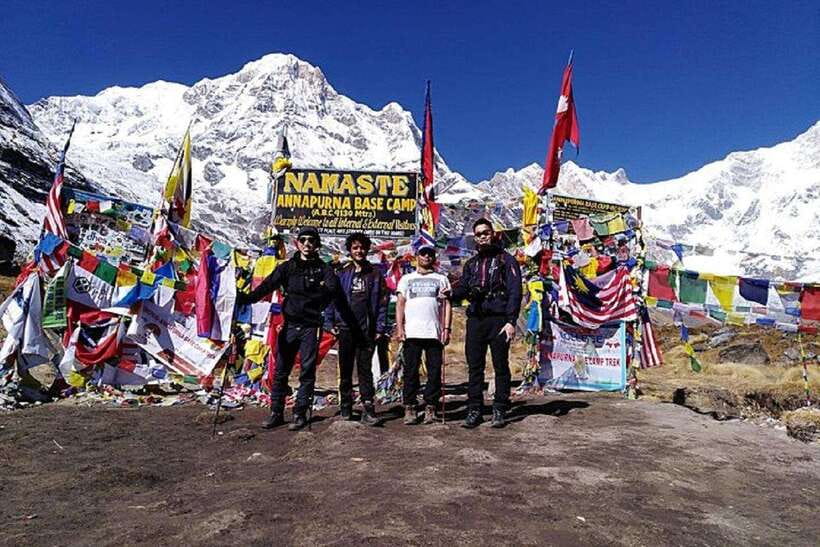
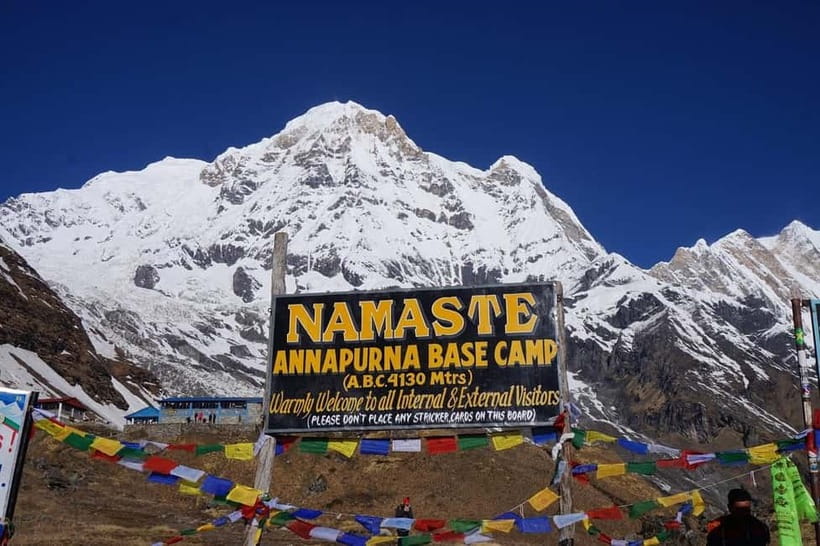
This is the big day. You trek from Deurali to Machapuchare Base Camp (around 3,700 m) and then continue onward to Annapurna Base Camp (about 4,130 m). It’s usually 5–6 hours, but the altitude makes it feel longer.
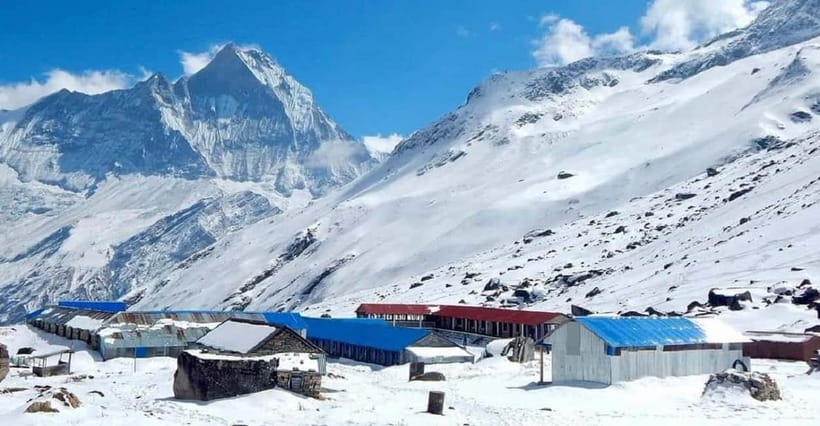
You’re entering alpine terrain where vegetation thins out and the mountain visuals get more dominant. Machapuchare Base Camp is also the kind of stop where you pause to reset and just look, because the peaks around you feel close in a way that’s hard to explain until you’re there.
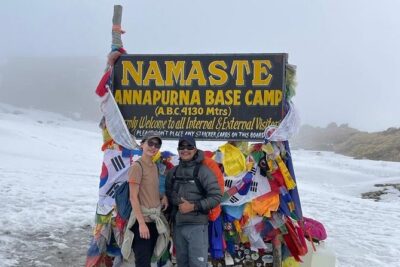
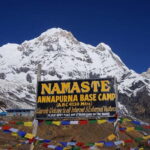
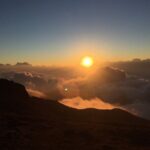
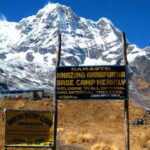
Then comes Annapurna Base Camp itself—standing surrounded by snow-covered giants. And yes, the setting has that bowl-like amphitheater feel that turns sunrise into a special moment rather than just a pretty sky.
Overnight: Annapurna Base Camp (4,130 m)
Day 5: ABC Sunrise, Then the Descent Options via Sinuwa/Bamboo
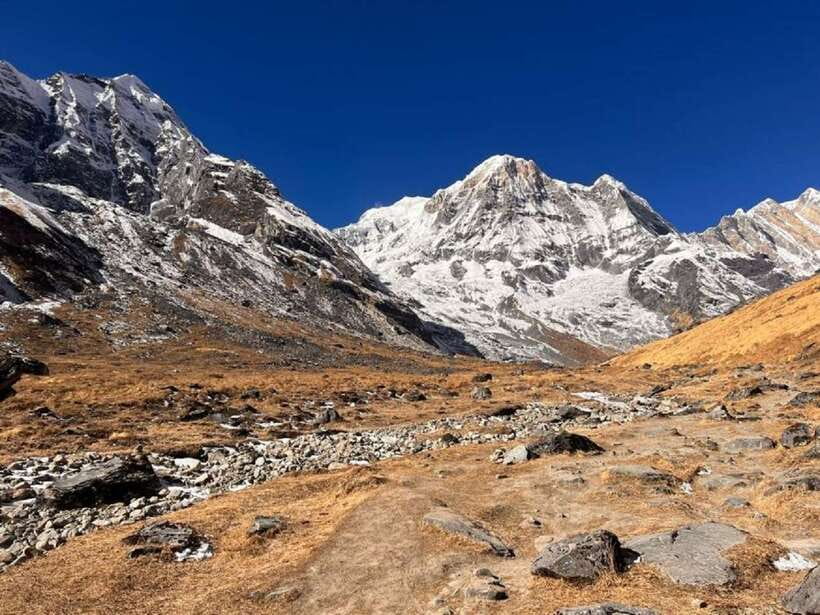
Day five is built around one main purpose: a sunrise at ABC, before you descend. After sunrise, you’ll go down through areas like Machapuchare Base Camp, Deurali, and Dovan, then continue to Bamboo or Sinuwa depending on pace and arrangements.
Hiking time is about 6–7 hours. Going downhill should feel easier, but it often isn’t. Descents at altitude can still make your legs work hard, especially if you’re carrying the same pace you had on the climb.
This is a day to be smart with energy. You want enough stamina left to enjoy the lower-altitude villages on day six and not arrive exhausted and cranky.
Overnight: Bamboo or Sinuwa (about 2,340 m)
Day 6: Chhomrong to Ghandruk for Gurung Culture and Panoramas
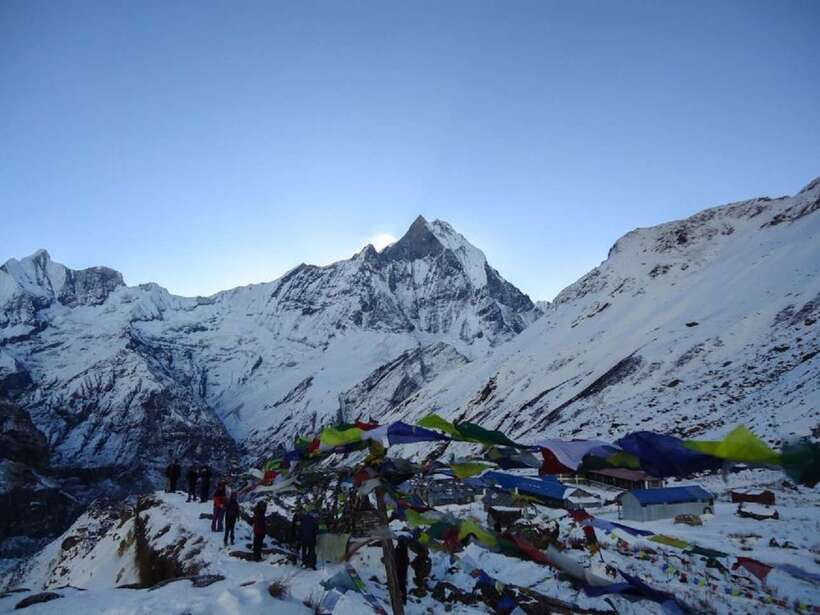
Day six brings you out of the higher, more alpine feel and back toward culture-heavy village trekking. You retrace to Chhomrong, then take the village trail onward to Ghandruk (around 1,940 m).
This day is usually 5–6 hours, and it’s a satisfying switch. In Ghandruk, the mountains are still in view, but you get the warmth of community: Gurung culture, mountain-facing homes, and a town layout that feels made for living with weather and seasons.
If you’ve been cold and focused for several days, this is where the trek starts to feel more human and less purely physical.
Overnight: Ghandruk (1,940 m)
Day 7: Ghandruk to Birethanti, Then Back to Pokhara by Road
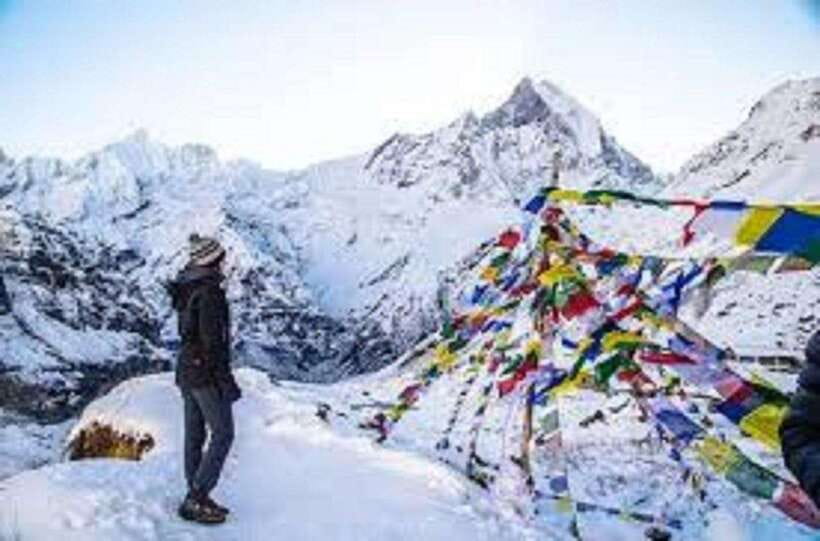
The last day is about finishing strong without turning it into a marathon. You trek from Ghandruk down through villages and farmland to Birethanti (about 1,025 m), then drive back to Pokhara.
The hiking time is about 3–4 hours, followed by roughly a 1-hour drive. The lower elevation makes the walking feel easier, but also means you’ll want to watch your footing—locals walk these same paths every day, so follow the trail line and don’t get sloppy.
Important practical note: transport on Nepali roads can feel chaotic. I’d suggest you confirm what type of vehicle you’ll use for the return and the timing. When a pickup or onward plan shifts, it can affect comfort and safety more than you’d expect.
Trip ends: Pokhara
What the Included Details Mean in Real Life
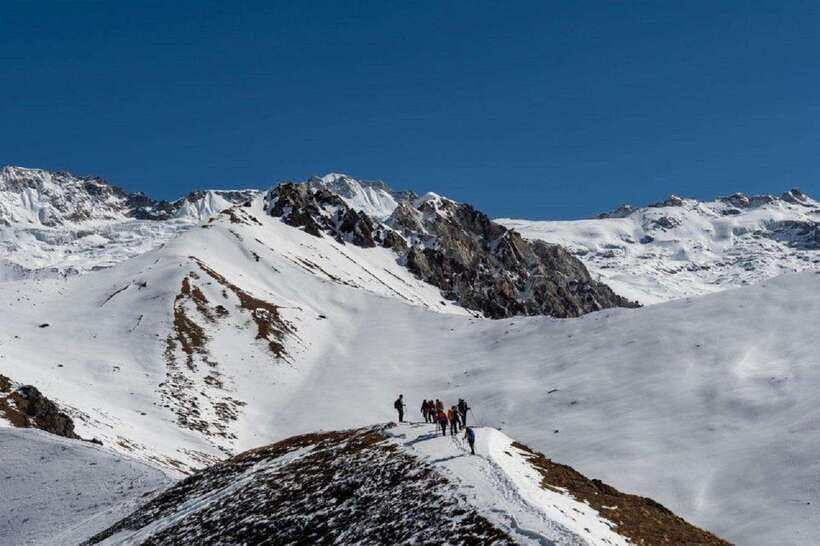
Here’s how the listed inclusions translate into your day-to-day experience:
- Permits and fees handled: This reduces the chance you lose time sorting paperwork midway through planning.
- Tea house / lodge accommodation: Expect basic rooms and simple comfort. You’re there to sleep, eat, and recover.
- All meals during the trek (option dependent): If meals are covered in your package, you’ll spend less time negotiating what’s available day to day.
- Guide support and first aid kit: A professional guide matters on a multi-day trek where weather changes can force small route decisions.
- Trekking gear support: A trekking stick and/or sleeping bag as needed can save you from renting or buying last-minute items.
And here’s what to assume you may still pay for:
- Personal snacks and beverages.
- Extra comforts at guest houses.
- Water and Wi-Fi can come with added charges depending on where you stop.
Comfort, Cold, and Fitness: Your Real Checklist
Temperatures can vary a lot, and higher elevations can get very cold. This trek hits key points at 3,230 m, 3,700 m, and 4,130 m, so pack for cold evenings even if Pokhara feels mild when you start.
Bring:
- Comfortable shoes and hiking shoes if you have them
- Warm layers, jacket, and a hat
- Change of clothes (you’ll be grateful)
- Cash
- Flashlight
- Hand sanitizer or tissues
- Hiking pants and warm socks (implied by hiking clothes list)
- Passport or ID card copy (you should submit a copy at least a day before to arrange permits)
- Camera
Also plan around fitness. This is described as physically demanding for some people, so if your training is limited, consider whether you’re ready for repeated 5–7 hour days and altitude cold.
Who Should Book This Trek, and Who Might Skip It
This trek fits best if you want:
- A classic Annapurna Base Camp experience without stretching it into a longer expedition
- Real variety: forest sections, terraced village walking, and alpine views
- The culture stop at Ghandruk after the peak day
It’s less ideal if:
- You’re looking for a low-effort hike
- You get stressed by operational details (transport timing, extra guest-house charges, and last-minute pacing changes)
- You don’t plan for cold weather at altitude
Should You Book This 7-Day Annapurna Base Camp Trek via Ghandruk?
I think it’s a solid choice if you’re a motivated hiker who wants the ABC sunrise and a meaningful village exit through Ghandruk. The route makes sense for maximum scenery in limited time, and the day-to-day rhythm gives you both mountain drama and human-scale village stops.
I’d book it with one homework task: confirm exactly what your package covers for meals, porter support (if you want one), and the vehicle plan for the return day. Also make travel insurance mandatory in your plan, not optional.
If the operator answers clearly and in writing, this trek is well worth it for the Annapurna amphitheater sunrise and the mix of forests, stair climbs, and Gurung village life.
FAQ
How long is the Annapurna Base Camp trek from Pokhara?
It’s a 7-day trek, with a short drive from Pokhara to Kande and trekking each day, finishing with a drive back to Pokhara on day 7.
What’s the highest altitude on this route?
The trek reaches about 4,130 m at Annapurna Base Camp. Machapuchare Base Camp is around 3,700 m, and Deurali is around 3,230 m.
What’s included in the price?
The package includes round-trip transportation between your hotel and the trek starting point, permits and fees, all meals during the trek depending on your chosen option, basic tea house or lodge accommodation, a government registered trekking guide, taxes, a first aid kit, and trekking gear (trekking stick/sleeping bag as needed).
Are meals included?
Meals are included during the trek depending on the option you choose. If you choose an option that doesn’t include them, you should expect to pay for food yourself.
Do I need to arrange permits ahead of time?
You should submit a copy of your passport at least one day before the trek so the permits can be arranged.
What languages are the guides available in?
The guide is available in English, Hindi, and Nepali.
Do I need to bring a sleeping bag or trekking stick?
The listing says trekking gear like a trekking stick and/or sleeping bag as needed is provided, but it’s smart to confirm what you’ll receive based on your needs.
Is travel insurance required?
Yes. Travel insurance is described as mandatory for your safety and peace of mind.