REVIEW · POKHARA
Poon hill Trek 3 days
Book on Viator →Operated by Nepal Wilderness Trekking · Bookable on Viator
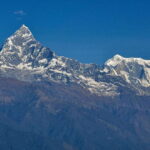
Sunrise at Poon Hill hits hard. In three days from Pokhara, you line up the Annapurna sunrise view and hike with a small group that stays friendly (max 12 trekkers). It’s one of Nepal’s best short treks because it gives big-mountain drama without locking you into a long expedition.
What makes this trek feel like good value is the setup: private transportation, a local expert guide, and meals during the trek. I also like how the route mixes climbing with village life and mountain plants, including colorful rhododendrons, so it never feels like you’re just walking to one viewpoint. You’ll get your first real legwork on day one, but it’s the kind of effort you can manage with breaks.
The main thing to consider is that it’s stair-heavy and early. If you have knee issues or you’re not used to uphill stairs, you’ll feel it on the way to Ulleri, even though the guide can help you keep a steady pace.
In This Review
- Key highlights worth getting excited about
- Pokhara logistics: what the start time really means
- Day one to Ulleri: the stairs that earn the sunrise payoff
- Day two: rhododendrons, villages, and panoramic breaks
- Day three: Poon Hill sunrise and the view list you actually care about
- Why the guide and porter setup is a real advantage
- Permits and included gear: what’s covered, what you should plan for
- Price and value: $230 is reasonable if you like the setup
- Who should book this Poon Hill trek
- Should you book this 3-day Poon Hill trek from Pokhara?
- FAQ
- FAQ
- Where is the Poon Hill trek starting from?
- What time does the trek begin?
- How long is the trek?
- How much does the tour cost?
- What is included in the trek price?
- Is a hotel in Pokhara included?
- How big is the group?
- What about permits?
- What trekking gear is provided?
- Are drinks and tips included?
Key highlights worth getting excited about
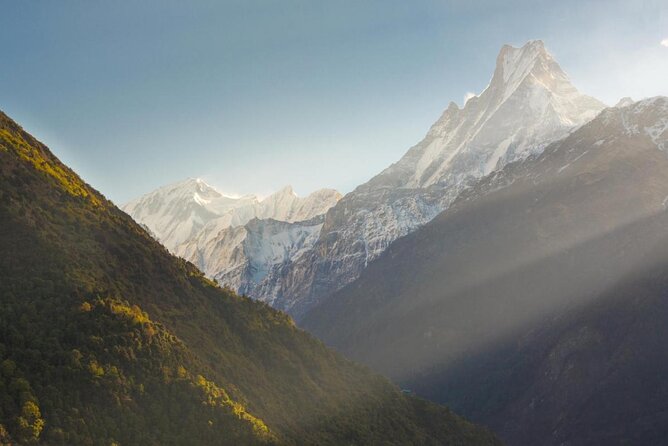
- Annapurna at sunrise from Poon Hill with clear views of multiple Himalayan peaks
- Ulleri climb with 3,000+ steps that tests you in a short, satisfying way
- Max-12 small group with an expert guide and a porter for every 2 trekkers
- Big permit coverage included: ACAP permit and TIMS permit
- Mountain flora and village culture along the way, including rhododendrons and Gurung/Magar communities
- Cold-weather support where needed: micro spikes provided in Dec to Feb, plus hiking poles
Pokhara logistics: what the start time really means
This trek runs out of Pokhara, with pickup offered and private transportation included. The activity kicks off at 8:15 am, so treat that as your real wake-up call. Even with a short trek, the day starts early because you’ll be hiking in the cooler hours and aiming for sunrise on Poon Hill.
The schedule is also set up for you to travel light: you get a kit bag, and your porter handles the heavy carrying (you have a porter for every 2 people). That matters because Poon Hill isn’t just a scenic walk—it still demands consistent uphill effort over several days.
You’ll be in a group capped at 12 travelers, which keeps things calmer on narrow trails and makes it easier for your guide to adjust pace. The guide also organizes the core on-trail needs—accommodation and meals—so you’re not constantly figuring out logistics while you’re tired.
You can also read our reviews of more hiking tours in Pokhara
Day one to Ulleri: the stairs that earn the sunrise payoff
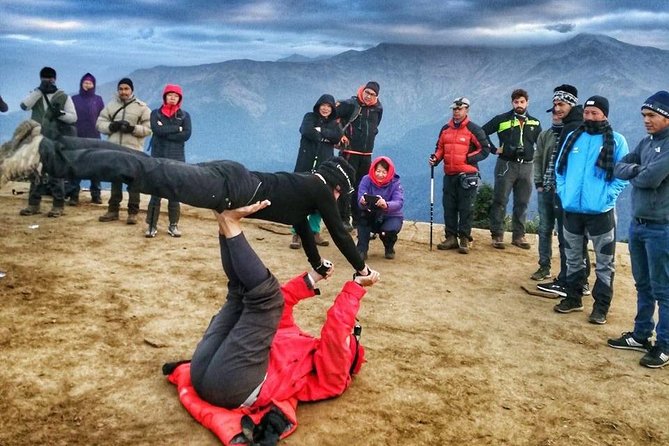
Day one is the workout portion. You’ll climb 3,000+ steps leading to Ulleri, and this is where the trek earns its reputation as challenging-but-doable for many first-timers. It’s not a technical climb, but it is steady uphill. If you go out too fast, you’ll pay for it later.
The good part: your guide sets a pace that works. I like that the route planning includes breaks, and the guide checks in so you can keep moving without panic. One useful mindset here is to treat the stairs like intervals: short push, brief pause, repeat. That approach helps you stay focused instead of counting how many steps are left.
As you climb, the mountain plants start to show up in a real way. This trek is known for colorful rhododendrons, and you’ll also pass through village areas tied to Gurung and Magar communities. That mix is what turns day one from a grind into a route you’re actually enjoying.
Drawback on day one: early effort means you’ll want to protect your energy for sunrise. Don’t chase speed. You’re building endurance for a viewpoint that only works if you’re there at the right time.
Day two: rhododendrons, villages, and panoramic breaks
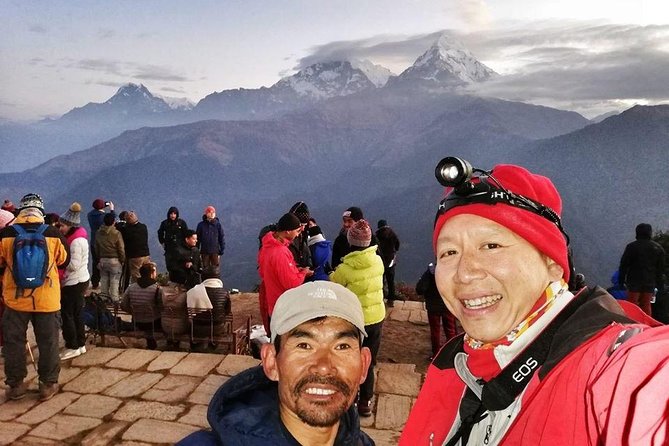
Day two tends to feel more like sustained hiking than a single “big moment.” This is where your local guide’s knowledge really matters. The route includes time to notice flora and fauna in the mountains, and you’ll be moving through areas where village life and scenery come together.
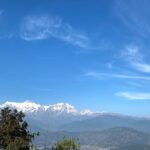
This is also where the Himalayas start stacking up visually. The views from this trek region can include the Kali Gandaki Valley and the Jomsom horizon, plus multiple big peaks that make you realize you’re not just walking through hills—you’re in one of the most dramatic mountain basins on Earth.
The guide also helps you read the scenery while you’re walking. You’ll hear what you’re looking at, and you’ll likely notice how often the route offers small pauses where you can stop, breathe, and take it in without feeling like you’re stuck at a single viewpoint all day.
In practical terms, day two is a good time to tighten your hiking routine: shoes comfortable enough for repeated uphill, a water-and-snack plan that fits your needs, and a calm pace. You’ll be tempted to rush, but you want your legs to feel decent when day three starts.
Day three: Poon Hill sunrise and the view list you actually care about
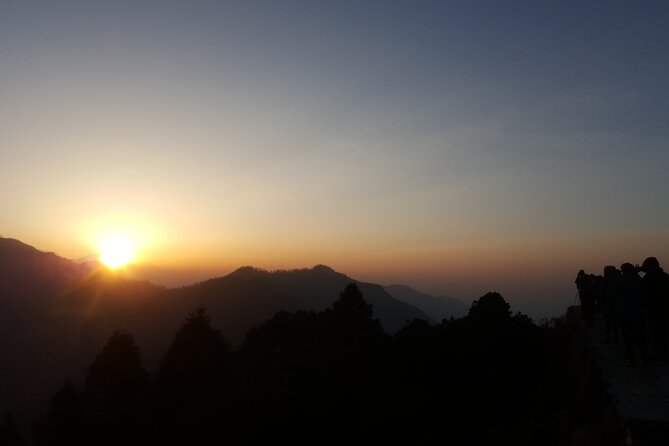
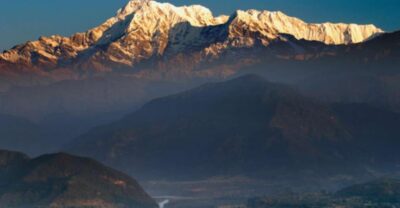
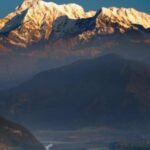
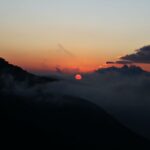
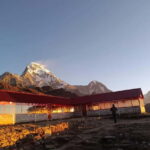
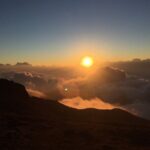
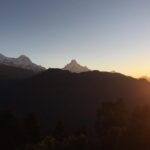
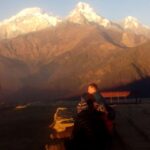
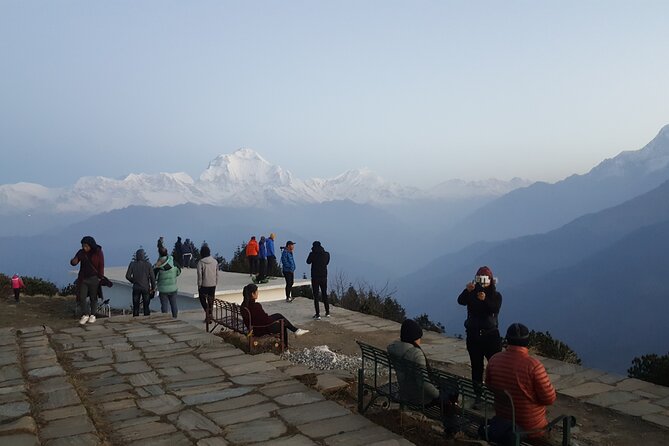
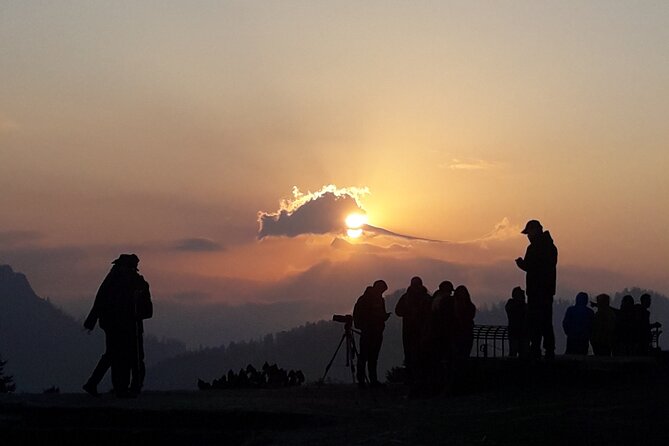
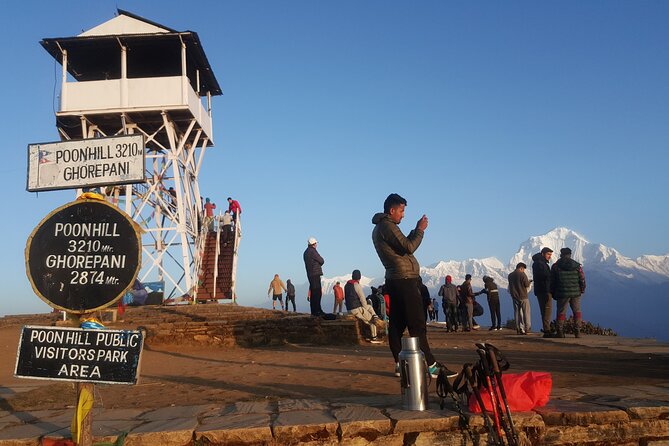
This is the main event: Annapurna at sunrise from Poon Hill. The pre-dawn timing is what makes the trek special. You’re hiking because the light is changing fast, and when you get to the top, you’re rewarded with that classic Himalayan moment where the peaks start showing shape and color.
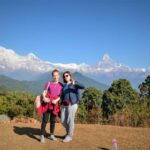
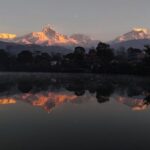
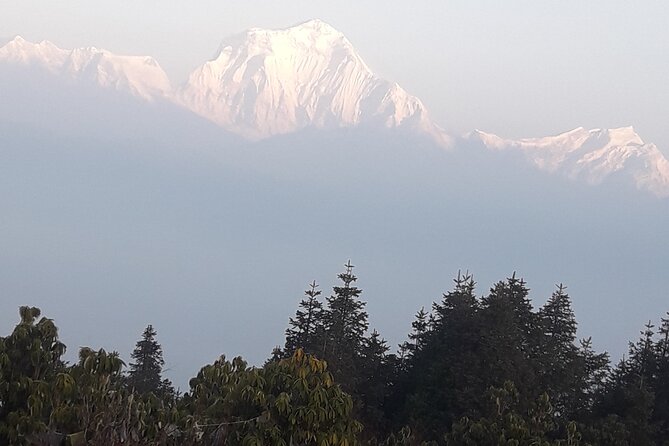
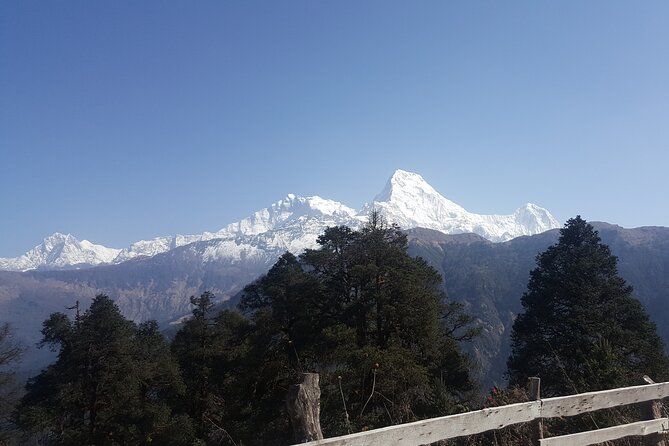
One reason this trek is so popular is how much you can see from Poon Hill on a clear morning. The view can include Annapurna I, Annapurna II, and Annapurna III, plus other major names like Dhaulagiri (8,167m) and Tukuche Peak (6,920m). You can also catch Mardi Himal and Manaslu Himal in the wider panorama, with Nilgiri and Khopra danda showing up depending on conditions.
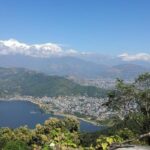
I also appreciate that the scenery isn’t limited to “one peak and done.” From this area you can see the Kali Gandaki Valley, the Jomsom horizon, and sweeping ridgelines. It’s the kind of viewpoint that keeps you scanning even after you’ve already taken photos.
Weather can make or break the experience, and the trek is designed around sunrise because visibility matters. If skies cooperate, it’s the moment that justifies the stairs. If clouds move in, you’ll still likely get mountain views, but the drama can be muted—so pack for cold early hours and don’t assume perfect clarity.
Why the guide and porter setup is a real advantage
This trek isn’t just about the view. It’s about keeping the experience smooth while you’re breathing hard.
You get an expert guide, and you also get help with carrying: one porter for every 2 trekkers. That ratio is comforting. It means you can focus on walking instead of turning your pack into a weight-training project.
The guide’s role is also practical: pace management, break timing, and group coordination on mountain trails. In one experience, the guide was especially attentive—checking if everything felt okay and adjusting stops so the trekking didn’t turn into a stress test. Another highlight is a guide named Sabin, praised for being attentive and knowledgeable while letting trekkers keep their own pace.
You also get a kit bag, which helps you organize your gear and keep things manageable during the trek. And because the small group stays under 12 people, you don’t feel like you’re hiking in a crowded line.
You can also read our reviews of more tours and experiences in Pokhara
Permits and included gear: what’s covered, what you should plan for
For this trek, ACAP permit and TIMS permit are included. That’s a big deal because it reduces the chance of last-minute surprises and keeps things official for the area you’re hiking in. It also signals that the operator is handling the paperwork side, which you’ll appreciate once you’re tired and ready to focus on the trail.
Gear support is included in a practical way:
- Hiking poles are provided
- Micro spikes are included for Dec to Feb
If you’re traveling in other months, you might not rely on micro spikes, but the poles can still help with balance on steep sections. I like when a trek includes the core support items instead of forcing you to buy gear you’ll use only once.
What’s not included matters too:
- Beverages (including soft and caffeinated drinks) are not included
- Tips for your guide and porter are not included
- Hotel in Pokhara is not included
That means you should budget for drinks along the way and plan where you’ll stay in Pokhara around the trek dates. Since the guide handles accommodation during the trek, you’re mainly covering your pre/post trek lodging.
Price and value: $230 is reasonable if you like the setup
At $230, this trek is priced for what it includes: private transportation, meals (breakfast, lunch, dinner during the trek), permits, an expert guide, and porter support.
Here’s how I’d think about value:
- If you tried to organize this solo, you’d still be paying for permits, guide services, and transport, and you’d probably end up spending extra time coordinating lodging and meals.
- The porter ratio is the kind of cost you’d feel immediately if it were missing, because it changes what you carry.
- The trekking duration is short—about 15 to 18 hours total, spread over 3 days—so you get a Himalayan experience without a long time commitment.
The tradeoff is that you still have to do the work: you’ll climb stairs and you’ll be up early. But if you’re buying convenience plus a strong “short trek” payoff, the price makes sense.
Who should book this Poon Hill trek
This trek is best for you if:
- you want a short Himalayan hike with a major sunrise viewpoint
- you’re aiming for a beginner-friendly experience that still has a real challenge
- you prefer small groups and guided support
- you’d like help with carrying and meal planning
It may not be ideal if:
- you have knee or mobility issues that don’t handle stair climbing well
- you expect a leisurely walk with no early mornings
- you dislike cold starts (day three is about sunrise timing)
Fitness-wise, you should have moderate physical fitness. That’s the right label here: you don’t need mountain-climbing skills, but you do need to be comfortable working your legs uphill.
Should you book this 3-day Poon Hill trek from Pokhara?
If your goal is Annapurna views with a sunrise payoff, plus a well-run logistics package, I think this one is a smart booking. The max-12 group size, the porter support, and the fact that permits and meals are included make it feel designed for stress-free trekking.
Before you pay, double-check your own comfort with stairs and early starts. Also remember that the trek is non-refundable and non-changeable, so lock in dates with confidence. If you can handle that, you’ll likely leave with the kind of sunrise memory that sticks—plus a real sense of what the Annapurna region looks and feels like on foot.
FAQ
FAQ
Where is the Poon Hill trek starting from?
It starts from Pokhara, Nepal, and pickup is offered.
What time does the trek begin?
The start time is 8:15 am.
How long is the trek?
The trek is 3 days, with total duration listed as approximately 15 to 18 hours.
How much does the tour cost?
The price is $230.
What is included in the trek price?
Private transportation, breakfast lunch and dinner during the trek, ACAP permit, TIMS permit, an expert guide, one porter for every 2 pax, kit bag, micro spikes for Dec to Feb, and hiking poles.
Is a hotel in Pokhara included?
No, the hotel in Pokhara is not included.
How big is the group?
The tour has a maximum of 12 travelers.
What about permits?
ACAP permit and TIMS permit are included.
What trekking gear is provided?
You get hiking poles, and micro spikes are provided for Dec to Feb.
Are drinks and tips included?
All beverages, including soft and caffeinated table drinks, are not included. Tips for the guide and porter are also not included.