REVIEW · POKHARA
From Pokhara: 3-Day Ghorepani Poon Hill Trek with Guide
Book on GetYourGuide →Operated by Linkage Tour & Travel · Bookable on GetYourGuide
Poon Hill sunrise feels like a cheat code. This 3-day Ghorepani Poon Hill trek from Pokhara mixes Annapurna and Dhaulagiri views with real village walking, and you do it with a guide who keeps the day-to-day logistics painless. I also love how the route is short and manageable in time, yet still delivers that big-mountain payoff. One heads-up: it’s not a “casual stroll” because the first stretch is stair-heavy and you’ll log real elevation gain.
You’ll spend two nights on the trail—overnight in Ulleri and then in Ghorepani—so you’re not rushing through the Annapurna region like a commuter. And since the experience is private with an English-speaking guide, you can set a pace that matches your comfort level. If you want a soft landing for your first multi-day trek, this is a strong match.
In This Review
- Key moments to know before you go
- Entering the Annapurna World in Just 3 Days From Pokhara
- Why Poon Hill Sunrise Is the Main Event (and What to Expect)
- Day 1: Pokhara to Ulleri and the Stair Reality Check
- Day 2: Ulleri to Ghorepani Through Villages, Forest Paths, and Mountain Chances
- Day 3: The Poon Hill Climb, Breakfast, Then the Big Descent to Pokhara
- Guides, Tea Houses, and How the Lodging Feels in Real Life
- Price and Value: What $162 Covers (and How to Judge It)
- What to Bring for a Stair-Heavy, Sunrise-Start Trek
- Who Should Book This Poon Hill Trek (and Who Might Rethink It)
- Should You Book This 3-Day Ghorepani Poon Hill Trek?
- FAQ
- How long is the Ghorepani Poon Hill trek from Pokhara?
- Is this trek a private group, and do I get an English guide?
- What permits are included?
- How difficult is it for beginners?
- What’s included in the price, and what’s not?
- Are meals included?
- What should I bring?
Key moments to know before you go
- Poon Hill sunrise views of Annapurna and Dhaulagiri make the early start worth it
- Private, English-speaking guides like Bidur, Dipak, Paras, Mukunda, and Santosh help smooth the trail
- Ulleri to Ghorepani keeps you in the heart of villages and forest trails, not just viewpoints
- Stairs and elevation gain are the real challenge in the first two days
- Tea houses and standard lodging keep your nights simple and practical
- Duffel bag, trekking pole, first aid kit, and permits are handled for you
Entering the Annapurna World in Just 3 Days From Pokhara
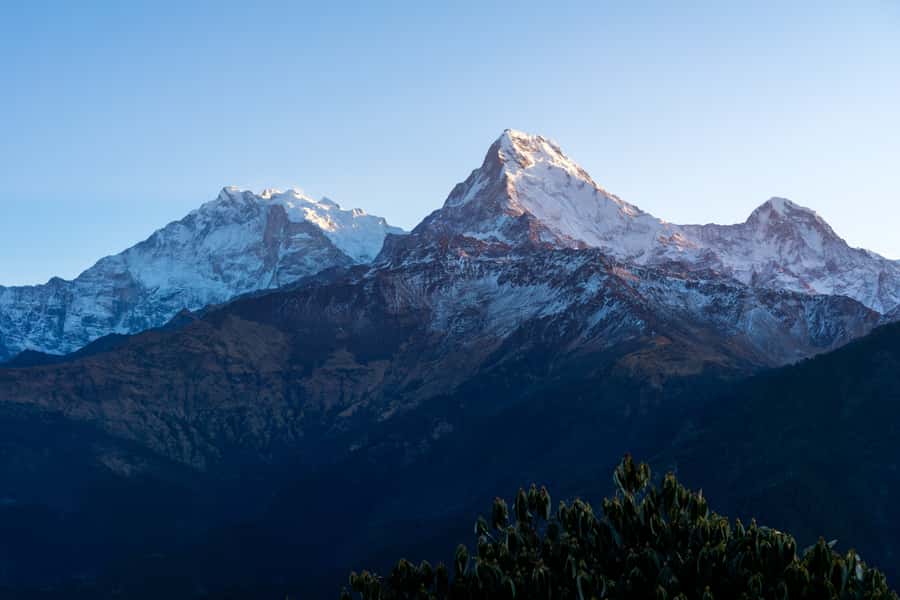
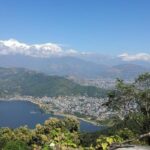
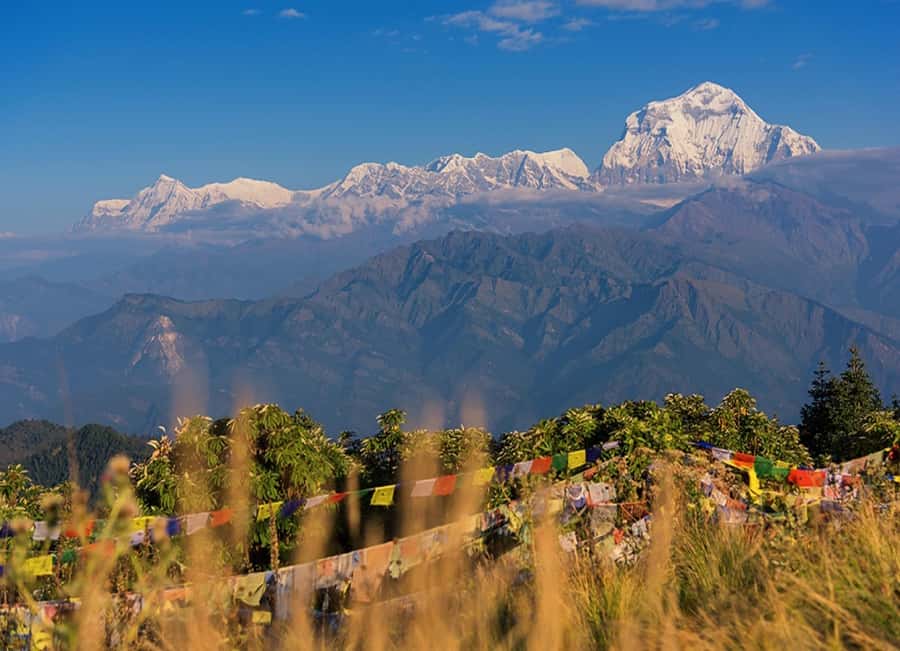
This is one of Nepal’s most popular short treks for a reason: you get a packed taste of the Annapurna region without needing a full week (or longer). You’re based out of Pokhara, then you transition quickly into trekking mode, walking through villages and forested paths before reaching the iconic morning viewpoint.
The trekking route is built around two big ingredients: mountain visibility at sunrise and the steady, human-scale rhythm of the trail. You’ll pass through places where people actually live and work, and the route is known for local culture and hospitality, including the Gurung community feel.
If you’re choosing this because you want a “first trek that still feels like a trek,” this one fits well.
You can also read our reviews of more guided tours in Pokhara

Why Poon Hill Sunrise Is the Main Event (and What to Expect)
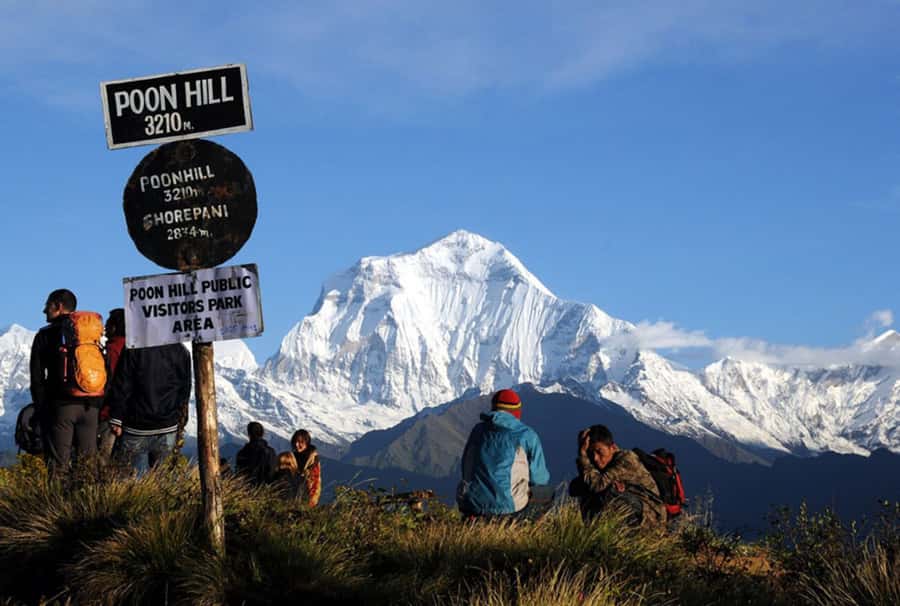
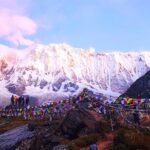
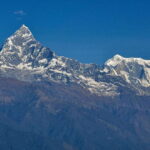
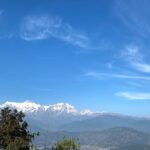
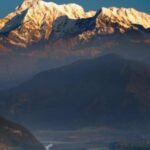
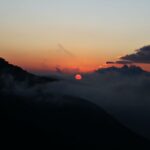
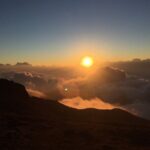
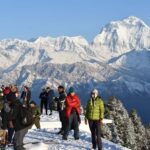
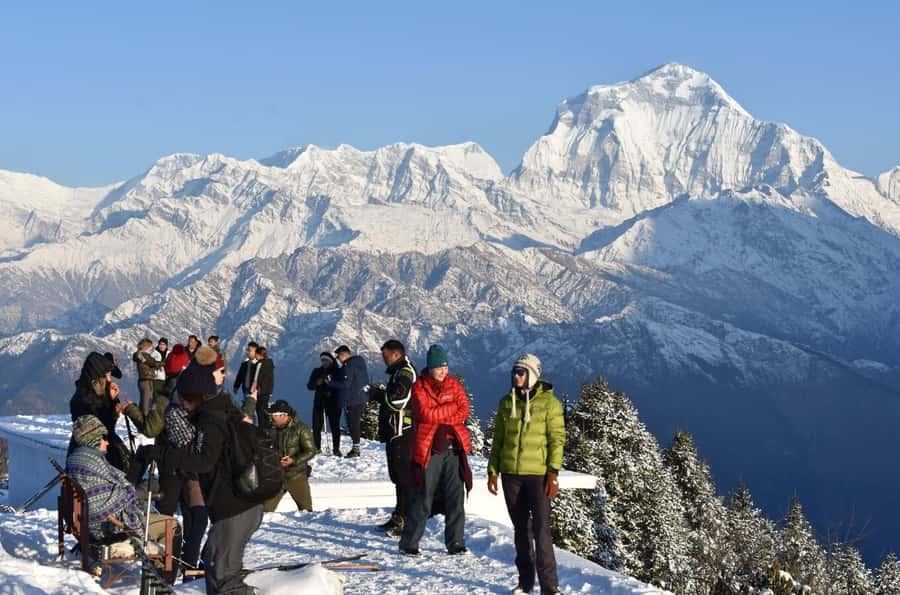
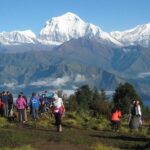
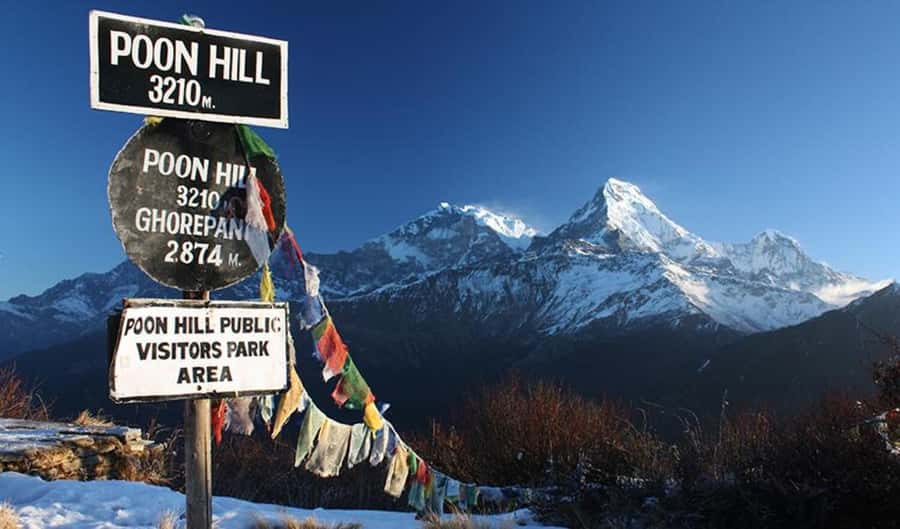
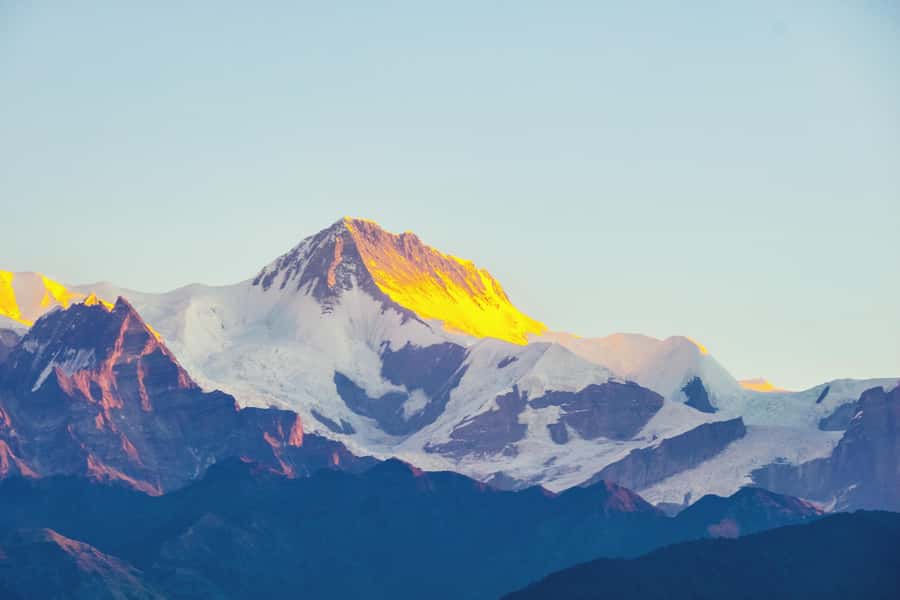
Poon Hill is the reason you’re doing Ghorepani in the first place. On Day 3, you’ll hike early (about 1–2 hours) to reach the viewpoint for sunrise, then enjoy a panoramic look across major peaks in the Annapurna and Dhaulagiri ranges.
Two practical points matter here:
First, your timing will be early enough that you’ll want warm layers ready before you start moving. Morning air can feel sharp, and you’ll likely be balancing cold hands and quick steps.
Second, sunrise is a payoff, but mountain weather is mountain weather. Cloud cover can happen, so bring realistic expectations: you’re going for the best odds and the experience of being there, not just guaranteeing a perfect photo.
In the best cases, this is one of those moments that makes the whole trek click.
Day 1: Pokhara to Ulleri and the Stair Reality Check
Your Day 1 starts with a drive from Pokhara to Nayapul (around 1–2 hours). Then you begin trekking from Nayapul to Tikhedhunga (3–4 hours), and continue on to Ulleri (2–3 hours), where you’ll sleep for the night.
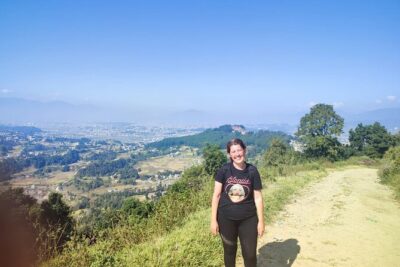
This day is often where first-timers feel it. Even though the trek is short, you’re moving uphill through a trail that includes a lot of steps. One big consideration from real trek pacing: you can expect around 2000 meters of elevation gain in the first two days, plus plenty of stair climbing. That doesn’t mean you can’t do it. It means you should treat the day as a workout, not a stroll.
A smart approach is to take frequent small stops, especially during the steeper stair sections. The guide’s job isn’t just directions—it’s keeping you moving at a pace you can maintain without turning the trek into a suffering contest.
Day 2: Ulleri to Ghorepani Through Villages, Forest Paths, and Mountain Chances
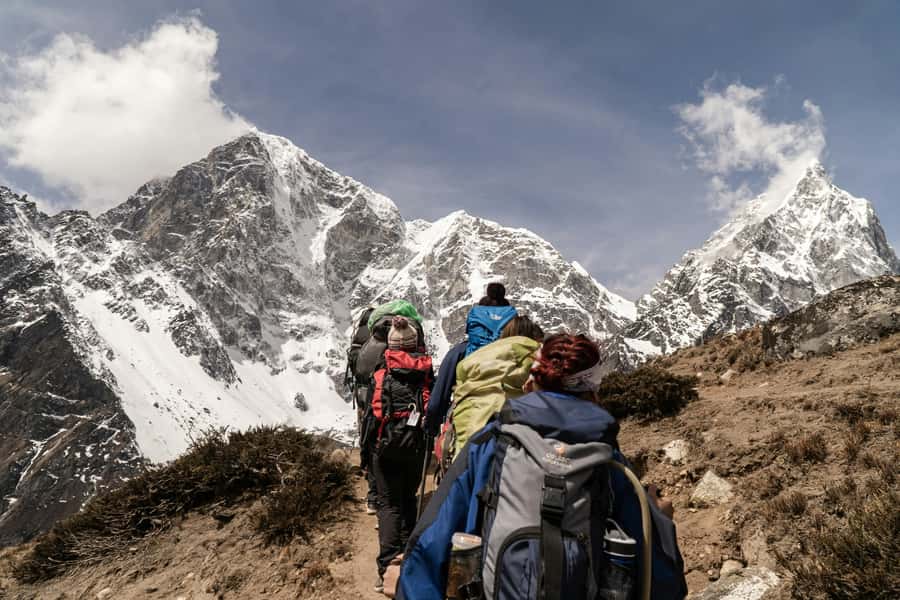
Day 2 is your transition from “climbing to get up there” into “walking through the Annapurna experience.” You trek from Ulleri to Ghorepani in about 5–6 hours.
This is when the scenery shifts more than you might expect. You’ll move through lush forest sections and charming village areas, with repeated chances to look back and catch glimpses of the peaks. It’s also the day where you’ll likely spend more time chatting with people, stopping for tea, and adjusting your rhythm as you feel the altitude and effort stacking up.
You’ll sleep in Ghorepani that night, which is important because it puts you in position for the sunrise push on Day 3. It also gives you a calmer evening—use it to rest your legs, get an early night, and stay warm.
If you’re unsure how your body will handle multi-day hiking, this Day 2 often becomes the confidence builder.
Day 3: The Poon Hill Climb, Breakfast, Then the Big Descent to Pokhara
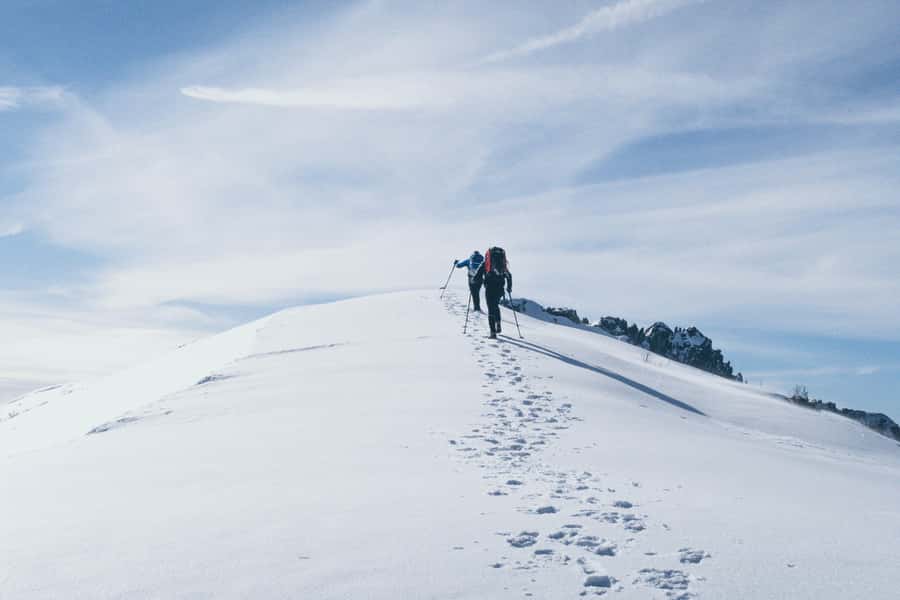
Day 3 is split into two parts: the early viewpoint hike and then the long walk back down.
You’ll hike to Poon Hill early (about 1–2 hours) to watch sunrise, then head back to Ghorepani for breakfast. After that, you trek downhill to Nayapool (4–5 hours), followed by the drive back to Pokhara (1–2 hours).
The downhill is its own challenge. Even if you’re feeling good after sunrise, your knees and feet will notice the repeated steps. Trekking poles help a lot here (and they’re included with this option), because they take some pressure off your legs and make your stride steadier.
If you’re the type who likes to keep plans simple, this day works: one short climb for the highlight, then a straightforward descent with clear end-point logistics.
You can also read our reviews of more hiking tours in Pokhara
Guides, Tea Houses, and How the Lodging Feels in Real Life
This is a guided trek with a live English-speaking guide in a private group setup. That’s a big quality-of-life difference compared to joining a random group and hoping someone matches your pace.
The guide makes a noticeable difference in how smooth the experience feels, especially for first-timers. People have highlighted guides such as Bidur, Dipak, Paras, Mukunda, Santosh, and Sandesh for being organized and attentive—particularly when it came to pace, encouragement, and sorting out tea house stays.
On the lodging side, you’ll use standard lodging overnight in Ulleri and Ghorepani. It’s not luxury, but it’s practical. Depending on what you choose, meals can be handled in different ways:
- If you select the standard option, you may purchase meals during the trek.
- If you select the premium option, meals are included.
- Porter service is also optional in the standard setup (listed at $15 per day).
Tea houses are part of the rhythm of the trek. You can generally expect places to eat and warm up, and some tea houses offer basics like toilets and showers, though the exact setup can vary by stop.
If you care about comfort, the biggest win here is that your guide helps you pick decent places and keeps the flow moving.
Price and Value: What $162 Covers (and How to Judge It)
At $162 per person, you’re paying for a tight bundle: guide time, permits, and the “on the ground” support that usually eats time when you plan yourself.
Here’s what’s included based on the provided details:
- Hotel pickup and drop-off
- Private accommodation in standard lodging
- Roundtrip transportation
- Annapurna Conservation Area permit and all trekking permits
- Trekking guide
- First aid kit
- Duffel bag
- Trekking pole
- Luggage storage facilities in Pokhara
- Meals if you choose the premium option
Not included:
- Personal expenses
What that means for you: you’re not just buying a guided hike. You’re also paying for friction removal—permits, getting to trailheads, and matching you with overnight spots. For a short trek, that efficiency matters because you don’t have many days to “figure it out” if something goes sideways.
If you’re a beginner, the guide and permits alone can be worth it. If you’re comfortable planning logistics, you might compare costs. But for most people doing their first multi-day trek in Nepal, $162 for a guided, permitted, supported route is solid value.
What to Bring for a Stair-Heavy, Sunrise-Start Trek
You don’t need to pack like you’re crossing a polar desert. But you do need the basics for cool mornings and repeated footwork.
Bring:
- Passport or ID card
- Warm clothing (for early sunrise hours)
- Hiking shoes
And use the gear included:
- Trekking pole helps a lot for uphill and especially for the downhill on Day 3.
- The duffel bag is handy for keeping your kit organized for the overnight stays.
Personal tip: if you’re sensitive to cold, pack layers you can remove as you warm up. Sunrise starts mean you’ll likely begin moving while still chilled, then warm quickly once you’re climbing.
Also, plan your mindset. As several people learned firsthand, this trek can feel moderate in Nepal terms but still includes a lot of stairs and real elevation. Your best strategy is a steady pace and frequent short breaks.
Who Should Book This Poon Hill Trek (and Who Might Rethink It)
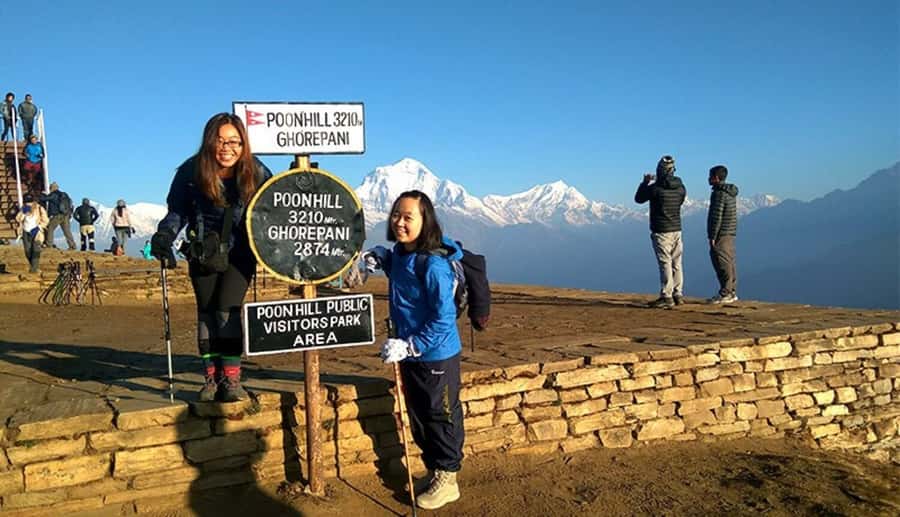
This trek fits best if you want:
- A short trek that still delivers the iconic Annapurna morning views
- A beginner-friendly intro to multi-day hiking with real guidance
- A mix of villages, forests, and mountains without committing to a longer route
It’s also a nice option if you travel to Nepal with limited time and you want your effort to focus on one memorable payoff—sunrise at Poon Hill.
You might want to think twice (or pick a slower pace) if:
- You have knee or mobility issues and know downhill stairs fatigue you quickly
- You hate early mornings and long walks, even if the hike is short by multi-day standards
Good news: because it’s private, the guide can often help you manage pace around your needs—especially for first-timers.
Should You Book This 3-Day Ghorepani Poon Hill Trek?
If your goal is sunrise views over the Annapurna and Dhaulagiri ranges plus a real taste of village life in a 3-day format, this trek is a very smart booking. The value is strong because permits, guide support, transportation, and the core gear are covered, and the itinerary is designed to keep the overall commitment manageable.
Book it if you’re ready to handle stairs and you can commit to an early morning start on Day 3. If that part sounds fun rather than dreadful, you’re likely to come away with a story you’ll remember for a long time.
If you want, tell me your fitness level and whether you prefer walking steadily or taking lots of breaks, and I’ll suggest whether the standard or premium option makes more sense for you.
FAQ
How long is the Ghorepani Poon Hill trek from Pokhara?
It’s a 3-day trek, with the main trail walking spread across Day 1 (Pokhara to Ulleri), Day 2 (Ulleri to Ghorepani), and Day 3 (early hike to Poon Hill, then down to Nayapool and back to Pokhara).
Is this trek a private group, and do I get an English guide?
Yes. It’s listed as a private group with a live English tour guide.
What permits are included?
The trek includes the Annapurna Conservation Area permit plus all required trekking permits.
How difficult is it for beginners?
It’s often considered manageable, but it’s not effortless. One key point to plan for is that you can face about 2000 meters of elevation gain for the first two days along with a lot of stairs, so a beginner should go in prepared and pace yourself.
What’s included in the price, and what’s not?
Included: hotel pickup and drop-off, standard lodging, roundtrip transportation, permits, a trekking guide, first aid kit, duffel bag, trekking pole, and luggage storage in Pokhara. Not included: personal expenses.
Are meals included?
Meals depend on the option. If you choose the standard option, you may purchase meals during the trek. If you choose the premium option, meals are included.
What should I bring?
You should bring passport or an ID card, warm clothing, and hiking shoes.