REVIEW · POKHARA
10 Days Private Guided Annapurna Basecamp Trek via Poon Hill
Book on Viator →Operated by MTA Trekking · Bookable on Viator
Some mornings in Nepal start with views. This private trek stitches Poon Hill sunrise to Annapurna Base Camp in 10 days.
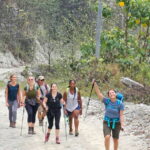
You also get a proper sense of local life as you hike through Gurung and Magar villages, rhododendron and bamboo forests, terrace country, river valleys, and glacial scenery. The trekking is tough at moments (hello, stone steps), but the payoff is huge.
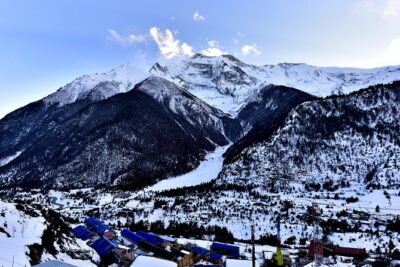
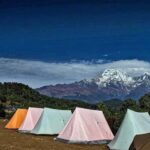
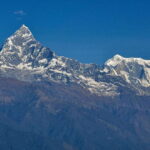
I like that the route builds in classic moments: a sunrise window between 5:15 and 6:15 am at Poon Hill, and then big mountain light again near camp with the Fishtail and Annapurna I views. I also like the pacing options a private guide can support, including on the tougher days when you need to take breaks and keep moving safely.
One thing to consider: the plan includes steep hiking and long days, including a push with thousands of stone steps early on, plus a mostly downhill day and a late-day hot spring walk. If you’re sensitive to early mornings or stairs, you’ll want to train a bit before you go.
In This Review
- Key highlights worth planning for
- Why Poon Hill and Annapurna Base Camp make a great combo
- The 10-day route, explained stop by stop (with what to watch for)
- Day 1: Pokhara drive to Nayapul, then the climb to Ulleri
- Day 2: Ulleri area to Ghorepani (stone steps, but more manageable)
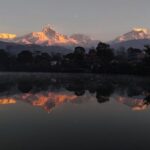
- Day 3: Early trek to Poon Hill for sunrise, then back down
- Day 4: Chhomrong area via a gentler day on the legs
- Day 5: Down to Chomrong Khola, then forests and a suspension bridge
- Day 6: Bamboo forest and Hinku Cave, then the teahouse-focus of Deurali
- Day 7: To Annapurna Base Camp through Modi Khola valley views
- Day 8: Long downhill return to Deurali
- Day 9: Uphill to Kuldighar, then Chomrong area and Jhinu Danda hot spring
- Day 10: Trek out to Nayapul and transfer back to Pokhara
- Price and what your $800 really buys (and what it doesn’t)
- Comfort level in real teahouses: what to expect day after day
- Guide care makes a difference on a hard route
- Who this trek suits best (and who might struggle)
- Should you book the 10 Days Private Guided Annapurna Basecamp Trek via Poon Hill?
- FAQ
- How long is the Annapurna Base Camp trek via Poon Hill?
- Where does the trek start and how do you get there from Pokhara?
- Is this trek private or shared with others?
- What meals are included in the price?
- Are trekking poles included?
- Is the porter included?
- What time is sunrise at Poon Hill?
- Is Jhinu Danda hot spring included?
- What’s not included during the trek?
Key highlights worth planning for
- Poon Hill sunrise: a dedicated early start so you’re actually there when the sky opens
- Real teahouse trekking: Deurali and other stops are mostly groups of teahouses, so life feels practical and local
- Annapurna Base Camp timing: sunset and sunrise views are built into the schedule around the approach
- Modi Khola valley route: the trail follows the river corridor, which helps the trek feel more gradual than steep-only days
- Jhinu Danda hot spring: a full day recovery tool after the long return trek
- Private guide flexibility: you’re not sharing your pace with random strangers in a big group
Why Poon Hill and Annapurna Base Camp make a great combo
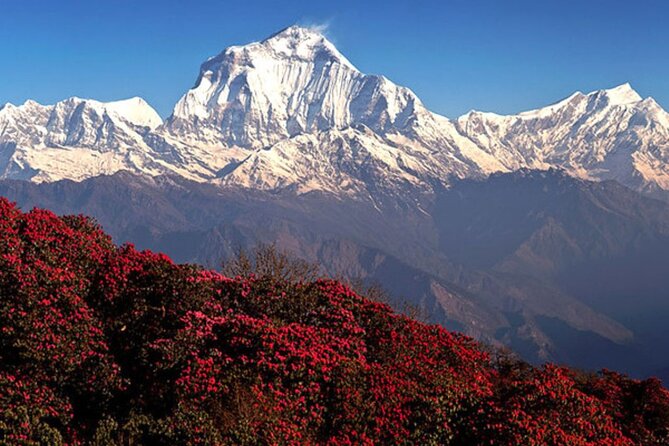
The Annapurna region is popular for a reason: you get a lot of different “Nepal” in one trek. You’re not just chasing one mountain photo. You’re moving through forests, villages, rivers, and alpine pastures—then landing at viewpoints that feel like a reward for every step you’ve taken.
What makes this version special is that it doesn’t force you to choose between two headline experiences. You get the iconic Ghorepani Poon Hill sunrise (at about 3,210 m / 10,530 ft) and then you keep walking up and through to Annapurna Base Camp (about 4,130 m / 13,550 ft). If you’re the type who wants both the sunrise magic and the big “we’re here” base-camp moment, this itinerary fits your goals.
You’ll also enjoy the spring setting described for this trek: rhododendron forests, clearer mountain skies, and a path that passes terraced farmland. That matters because Annapurna can feel visually similar on some routes if you’re not hitting the right season. Here, the spring emphasis points you toward a more colorful, flower-and-forest style trek.
You can also read our reviews of more guided tours in Pokhara

The 10-day route, explained stop by stop (with what to watch for)
Below is the route you’ll follow, with the practical meaning of each day.
Day 1: Pokhara drive to Nayapul, then the climb to Ulleri
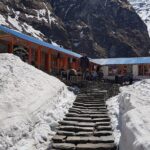
You start from your hotel in Pokhara and drive to Nayapul (about 2 hours). Then it’s straight into the trekking phase with a tough ascent to Ulleri—more than 3,000 stone steps is part of the deal.
Why this day matters: it sets your rhythm fast. Even if you start slow, you’ll feel your legs working early, and that’s why good pacing matters on day 1. If you tend to sprint at the start, I’d avoid that here. You want energy for the long trek ahead.
Day 2: Ulleri area to Ghorepani (stone steps, but more manageable)
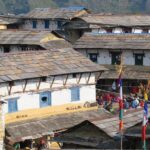
After breakfast, you trek about 6–7 hours toward Ghorepani. You’ll do more stone steps, but the trail becomes a bit more relaxed after Ulleri. Along the way, expect local village life and the classic trekking-hike rhythm: climb, pause, climb again.
What to watch for: this is a day where your feet matter. Your shoes will get tested on rocky step paths, so keep an eye on hot spots and take shoe breaks before they become problems.
Day 3: Early trek to Poon Hill for sunrise, then back down
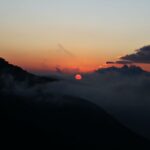
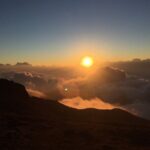
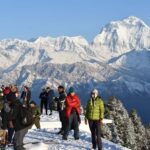
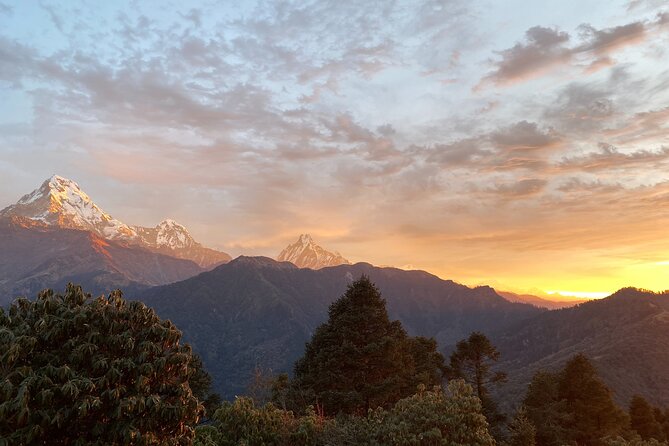
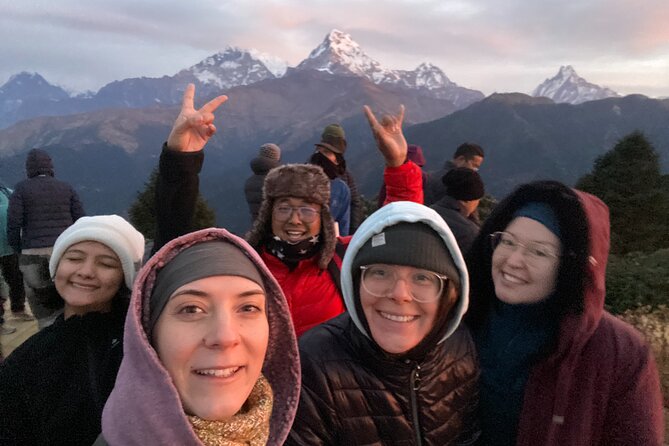
This is your big early-morning day. You start with a 1.5-hour trek to Poon Hill to catch sunrise in the 5:15–6:15 am window. When you reach the hill, you can take in the view and you might even warm up with tea or coffee available nearby.
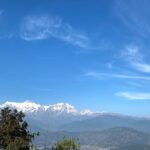
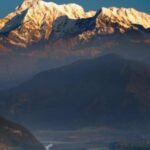
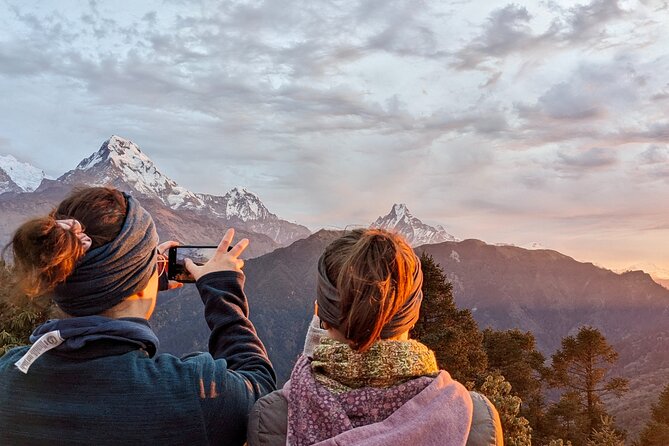
Why you’ll remember this: Poon Hill is famous for a reason—sunlight hits the Annapurna range in dramatic colors, and you get a panoramic look. This is the kind of moment that makes the earlier step climbs feel worth it.
Practical note: sunrise means early night and early start. Bring what you need for a cold start (and don’t plan to get your timing wrong, since you’re on a tight sunrise window).
You can also read our reviews of more private tours in Pokhara
Day 4: Chhomrong area via a gentler day on the legs
Today is described as easier: you start with a light climb, then descend to Kimrong Khola. Another gentle ascent follows, and the trail evens out toward Chhomrong.
This day is valuable because it gives your body a breather while still keeping you moving into key altitude terrain. It’s also a good day for taking photos while you’re not fully exhausted from constant climbing.
Day 5: Down to Chomrong Khola, then forests and a suspension bridge
You go down to Chomrong Khola and cross a suspension bridge. After that, the trail runs through bamboo, rhododendron, and oak forests as you head through to the next section.
What to watch for: suspension bridges can swing more than you expect. If you’re cautious on bridges, slow your pace and hold a steady stance. It’s not technical climbing, but it’s enough to jar your balance if you rush.
Day 6: Bamboo forest and Hinku Cave, then the teahouse-focus of Deurali
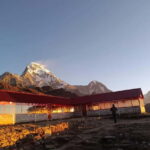
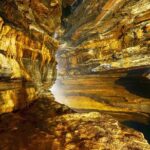
You trek through bamboo forest and climb a steep hill to Hinku Cave. Then you head down to Deurali. This stop is mostly a place of teahouses for trekkers, more than a day for maximum mountain-view time.
Why this matters: Deurali’s role in the trek is more about resetting and feeding you for the push toward base camp. You’ll likely spend more time resting and organizing your next day rather than just staring at peaks all day.
Day 7: To Annapurna Base Camp through Modi Khola valley views
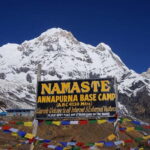
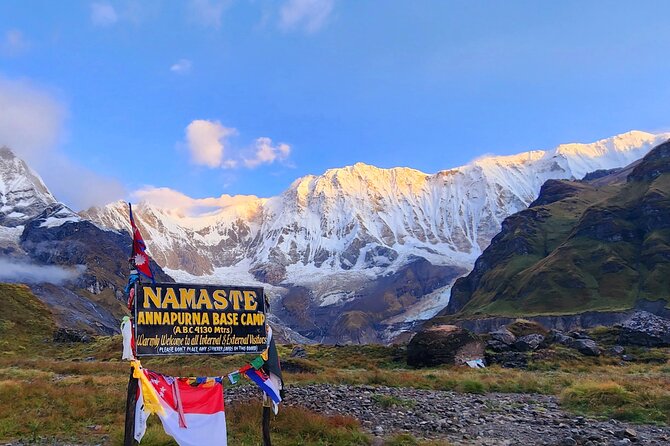
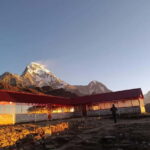
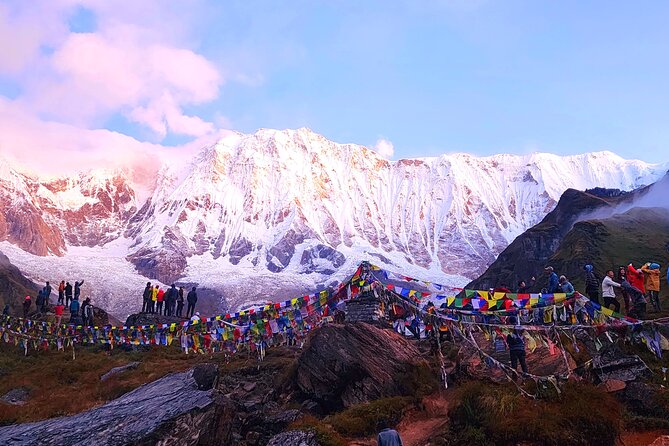
Today is your base camp day (about 6 hours). The trail runs through the narrow Modi Khola valley to reach Annapurna Base Camp. The schedule is set so you can enjoy sunset over Fishtail and sunrise over Annapurna I with a glacier in view.
Why this is a highlight: base camp is the moment you’ve been working toward, and the timing means you’re not arriving and immediately leaving. You’ll have a chance to experience mountain light changing across the day.
What to watch for: this is the day most people will feel “the trek is real.” Take your time at camp, drink water, and don’t rush the altitude experience.
Day 8: Long downhill return to Deurali
You leave base camp and hike to Deurali for about 8 hours, mostly downhill.
This is where you’ll feel the trek switch from “climbing stress” to “impact stress.” Downhill can be harder on knees and ankles than the uphill if you go too fast. Take short steps, use your trekking poles if you have them, and stay hydrated.
Day 9: Uphill to Kuldighar, then Chomrong area and Jhinu Danda hot spring
After the downhill day, you still have work to do. You start with an uphill trek to Kuldighar, then head down to the Chomrong River. You climb stone steps back to Chomrong village before continuing down to Jhinu Danda.
Then comes the payoff: Jhinu Danda Hot Spring (about 1 hour) is included, which helps your body recover after the repeated leg strain.
Why this day feels worth it: you don’t just finish with a bus ride and call it done. You get a natural recovery stop right where trekkers often feel sore—along the Modi Khola river area.
Day 10: Trek out to Nayapul and transfer back to Pokhara
You trek back to Nayapul, and then drive back to Pokhara, dropping you at your preferred location. It’s about 5 hours total for the final day plan.
Practical truth: day 10 usually feels easier, but your legs will still be tired. Keep your pace steady and treat it like a controlled cool-down.
Price and what your $800 really buys (and what it doesn’t)
At $800 per person for a 10-day private guided trek, the big value is the “human bandwidth” you get. You’re not just getting a map—you’re getting a guide-led route, with meals structured around the trek days, plus pickup from your Pokhara hotel area.
Here’s what’s included:
- Trekking poles
- Meals: 10 lunches, 10 dinners, and 9 breakfasts
- Pickup offered and a mobile ticket
- A private format (your group only)
- Jhinu Danda hot spring is included for about 1 hour
Here’s what’s not included (important for budgeting):
- Porter (so you’re carrying your own pack)
- Trekking insurance
- Hot water, hot shower, WiFi, and battery charging during trekking
- Tips
So when you judge value, don’t just look at $800. Add the real costs you’ll likely cover yourself: insurance, tips, and any extra comfort items you want at tea houses (hot water and shower access, WiFi, charging). If you’re comfortable carrying your own gear, you’ll save money versus hiring a porter. If you’re not, your comfort and safety may improve with porter help, even though it’s not included.
Comfort level in real teahouses: what to expect day after day
This trek is built around teahouses—small lodge-style places with basic rooms and meals. That’s the norm on the Annapurna circuit of treks like this, and it’s also why a guide matters. They’ll help keep you on schedule, find your overnight stop, and plan meals.
Deurali is specifically described as more teahouse-focused than “big scenery every minute.” That’s useful information. It tells you not to expect every day to look like a postcard. Some days are for views, some days are for food, rest, and getting ready for the next push.
Also, plan for the fact that hot shower and WiFi aren’t included. If you care about charging devices or online access, you’ll likely need to pay for it during the trek or accept lower connectivity.
Guide care makes a difference on a hard route
One theme that comes through strongly is attentive, experienced guidance. Names like Lalit and Kajidai show up in feedback as examples of guides who were kind, caring, and experienced. You’ll want that sort of steady presence on a route with early mornings, steep step sections, and long walking days.
In real terms, a good guide helps you:
- set a pace you can keep (especially when you’re tired)
- stay safe on step-heavy sections
- adjust timing around sunrise and the feel of the day
- make sure you have what you need when you reach teahouse stops
You also get that “private” advantage: you’re not sharing your pace with a mismatched group. Your guide can match your walking speed better, which matters when some days are both long and demanding.
Who this trek suits best (and who might struggle)
This trek lists a moderate physical fitness level, and the route content backs that up. You’re dealing with:
- heavy step climbing early on (day 1)
- early sunrise hiking (day 3)
- a long downhill day (day 8)
- a day 9 that mixes up and down, plus a hot spring
You’ll likely be happiest if:
- you enjoy long walks and can manage stair climbs
- you’re okay waking early for sunrise
- you want a mix of villages, forests, and big viewpoint days
- you prefer private guiding over big-group trekking
You might struggle if:
- you can’t handle steep stairs for extended stretches
- you have knee or ankle issues and don’t do well on long downhill
- you dislike early mornings and cold starts
Should you book the 10 Days Private Guided Annapurna Basecamp Trek via Poon Hill?
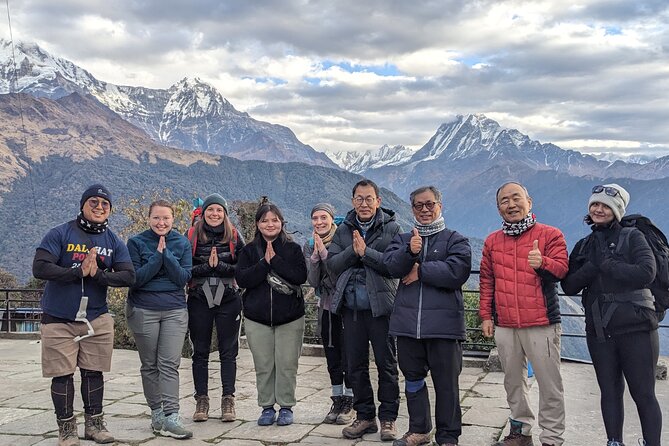
I’d say book it if you want the classic Annapurna storyline: sunrise at Poon Hill, then the steady climb-through valleys to base camp, then a recovery stop at Jhinu Danda. The itinerary has smart emotional beats, not just a list of places—morning light, then forest days, then big camp payoff.
Skip this one (or adjust your expectations) if stairs and long walking days will stress you out. The route is not a gentle stroll. Also, if you need extra comfort like hot showers and charging every day, plan on paying more since those aren’t included.
If you’re coming from Pokhara and want a private, guide-led trek with structured meals and a memorable hot spring finish, this looks like a solid value at $800, especially since trekking poles are provided.
FAQ
How long is the Annapurna Base Camp trek via Poon Hill?
The trek runs about 10 days.
Where does the trek start and how do you get there from Pokhara?
You’ll be picked up from your hotel in Pokhara and driven to Nayapul (about 2 hours), then you start trekking.
Is this trek private or shared with others?
It’s a private tour/activity, so only your group participates.
What meals are included in the price?
The package includes 10 lunches, 10 dinners, and 9 breakfasts.
Are trekking poles included?
Yes, trekking poles are included.
Is the porter included?
No, porter service is not included.
What time is sunrise at Poon Hill?
The sunrise window at Poon Hill is between 5:15 am and 6:15 am.
Is Jhinu Danda hot spring included?
Yes, Jhinu Danda Hot Spring is included for about 1 hour.
What’s not included during the trek?
Not included: trekking insurance, hot water/hot shower, WiFi, and battery charging during the trekking, plus tips.