REVIEW · POKHARA
Guided Tour to explore the entire Pokhara City
Book on Viator →Operated by Couch Adventure Nepal (CAN) · Bookable on Viator
One day in Pokhara, packed right. This full-city highlights tour strings together the big-name views—especially the Sarangkot sunrise—with a smooth drive plan and an English-speaking guide to connect the dots. I love the comfortable private A/C vehicle setup for hopping between viewpoints, and I like that you get early access to the Himalayan panorama before the crowds feel fully awake. One thing to watch: the schedule is long, and the drive-style can make some people queasy.
You’ll start from the Lakeside area with hotel pickup, then spend the day working through temples, lakes, waterfalls, and viewpoints in a sensible loop. It’s a great introduction if you’re short on time and want a structured day rather than guessing your route. If you prefer a slower pace, this tour can feel like you’re always moving (even though each stop is timed to stay worthwhile).
In This Review
- Key things to know before you go
- Why this Pokhara highlights day works (even if you’re short on time)
- $70 value: what’s included and what you’ll likely pay extra
- Early morning at Sarangkot: the sunrise window you don’t want to miss
- Phewa Tal and Barahi Temple: quick island access by shared boat
- Kahun Danda viewpoint: a classic Annapurna look with limited time
- Matepani Gumba: temple views with a stair climb
- Begnas Lake: a more natural-feeling water break (with boat as an extra)
- Devi’s Fall: brief and memorable, but don’t expect long linger time
- World Peace Pagoda: the hilltop finale with big panorama payoffs
- Transportation reality check: long day, and how driver style can matter
- Weather can make or break the Himalayan view
- Should you book this Pokhara full-city highlights tour?
- FAQ
- What time does the tour start and where is pickup?
- How long is the tour?
- Is this tour private or shared with other people?
- What’s included in the price?
- Are entrance fees included for the attractions?
- What happens if weather is poor?
Key things to know before you go
- 5am Sarangkot pickup means real sunrise views over the Annapurna range, not just a late-morning look
- Fewa Lake + Barahi Temple includes a shared boat ride to the island temple
- Kahun Danda and Matepani Gumba mix viewpoint time with a short climb of steep stairs
- Begnas Lake boating is included as time on the lake, with boat cost as an extra
- World Peace Pagoda is the big hilltop payoff for wide views over mountains and the Pokhara valley
- Most entry tickets aren’t included, so plan for around $10 per monument on top of the tour price
Why this Pokhara highlights day works (even if you’re short on time)
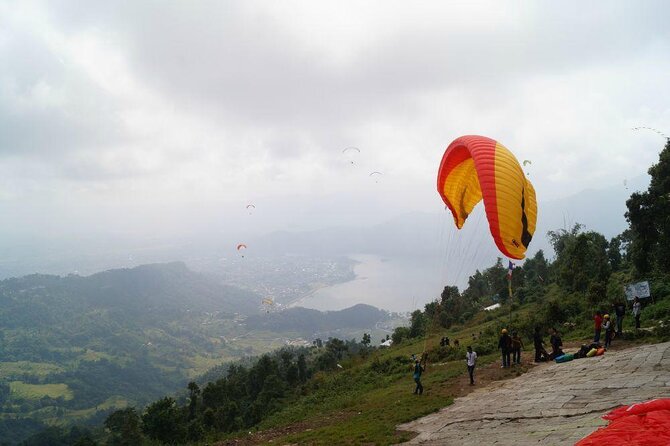
If you want the best odds of seeing Pokhara’s famous sights in one pass, this tour is built for that. The structure matters: you’re not left piecing together transport between distant viewpoints and scattered landmarks on your own. Instead, you’re handed a day plan that moves from early sunrise (Sarangkot) to lake time (Fewa and Begnas), then on to monastery, waterfall, and the panoramic hilltop at World Peace Pagoda.
The value isn’t just that there are many stops. It’s that they’re grouped into a logical route—so you’re not wasting most of your day in traffic. You also get the human part: an English-speaking guide who can explain what you’re seeing while you’re traveling. And you’ll have bottled water throughout, which sounds small until you’re out in the morning sun.
The drawback is simple: it’s still a full day. Each stop is brief enough to fit the schedule, so if you’re the type who likes lingering for hours, you’ll want to keep your expectations realistic.
You can also read our reviews of more guided tours in Pokhara

$70 value: what’s included and what you’ll likely pay extra
At $70 for a 6 to 8 hour guided private tour, the price can feel like a deal—especially because hotel pickup/drop-off is included within the Lakeside area and you’re riding in a private round-trip vehicle. Bottled water for each person is included too, and that’s a real comfort in Nepal where you might not always want to buy refreshments between stops.
Here’s where your budget thinking should kick in: monument entrance fees are not included, and the tour notes an approximate cost of about $10 per monument. Several stops list tickets not included, so you may end up paying for more than one location depending on what you choose to enter.
Also, meals and drinks are not included, so plan on grabbing food on your own during the day. One more optional cost: the boat at Begnas Lake is mentioned as extra cost, and the Fewa Lake boat to reach Barahi Temple is shared (so you still need to plan for the day’s pace, though the guide plan covers the boat ride experience as part of the visit).
Early morning at Sarangkot: the sunrise window you don’t want to miss
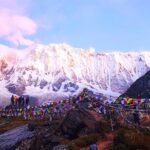
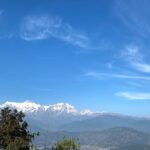
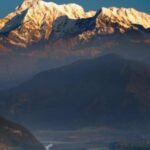
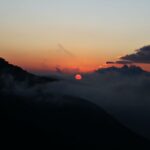
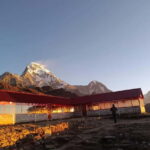
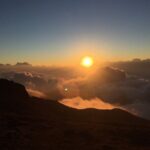
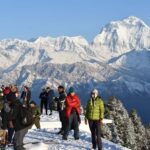
Your day starts around 5am, with pickup from your hotel if you’re in the Lakeside area of Pokhara. Then it’s about a 45-minute drive to the top of Sarangkot. The main point here is the view: you’re going up for sunrise over the Annapurna mountain range. This is the stop that makes the whole day click because you’re not seeing the Himalayas as a background. You’re trying to catch them when the light is right.
From a practical angle, sunrise tours have one rule: arrive, find a decent spot, and stay flexible. Sarangkot can get crowded as the moment gets close. Even with a guide, you may find yourself squeezing for a view if you want the exact best angle.
After the sunrise moment, you’re not allowed to drift for long—you move on to the next lake stop. That’s the trade. But it’s also why this tour is efficient: it does the time-sensitive thing first, while visibility is most likely to cooperate.
Tip for your comfort: wear layers you can handle in early morning chill, and bring footwear that works on uneven ground if you’re moving around while the group positions for photos.
Phewa Tal and Barahi Temple: quick island access by shared boat
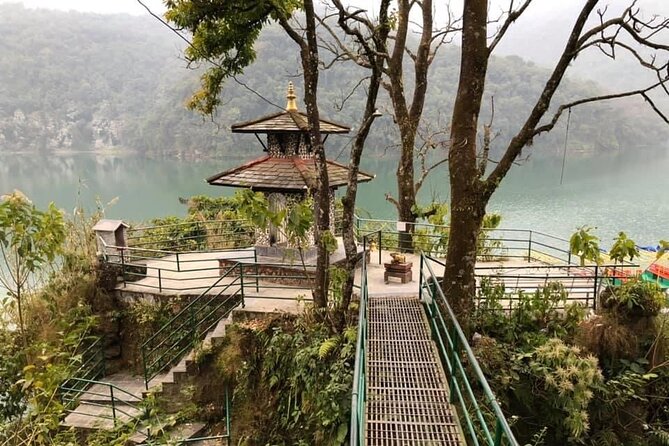
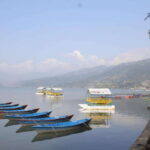
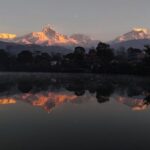
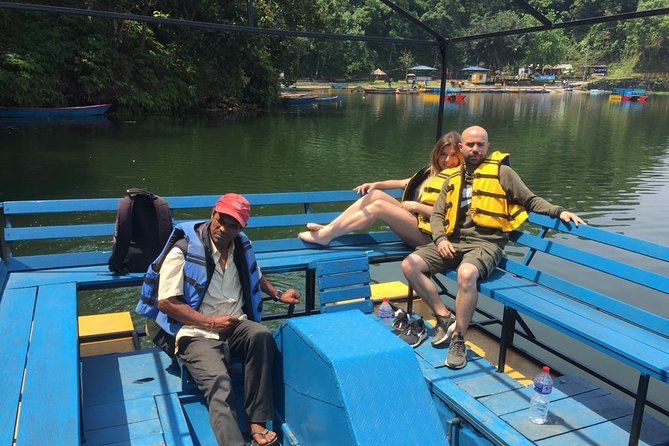
After Sarangkot, the itinerary moves you down toward Phewa Tal (Fewa Lake). This is one of the most relaxing parts of the day because you get water scenery and a temple visit without a long slog.
You’ll explore the Barahi Temple on the island quickly, reached by a shared boat. The goal here is to keep it time-efficient—think short temple time and a smooth transfer—so you can continue the day without feeling like you missed everything else.
Why I like this approach: it gives you a taste of lake life and a recognizable cultural stop without demanding you have a full half-day to spare. And because you’re arriving with a guide’s timing, you’re less likely to waste time figuring out the boat process and schedules on your own.
One consideration: because it’s shared boat and a short visit, it’s not the place for deep lingering. If your priority is quiet and long meditation in one spot, this may feel brisk. But if you want a well-rounded Pokhara introduction, it’s a smart pacing choice.
Kahun Danda viewpoint: a classic Annapurna look with limited time
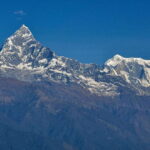
Next comes Kahun Danda, reached by about a one-hour drive to the Kahun View Point. This stop is about viewpoints—less about shopping, more about seeing. From up here, you’re aiming for another strong view of the Annapurna mountain range.
The visit time is limited, so you need to be decisive about what you want to photograph and when you want to move. If weather cooperates, you’ll feel like you’re getting more than one “big sky” moment in a single day. If it doesn’t, you’ll still get the viewpoint experience, just with less dramatic mountain visibility.
This is also where a private guide helps. Even without long explanations, you can ask quick questions and understand what you’re looking at—so the time doesn’t pass as just another roadside stop.
If you’re sensitive to long drives, note that this section is still travel time, not walking time. The overall tour balances driving and short visits, but it still adds up.
You can also read our reviews of more city tours in Pokhara
Matepani Gumba: temple views with a stair climb
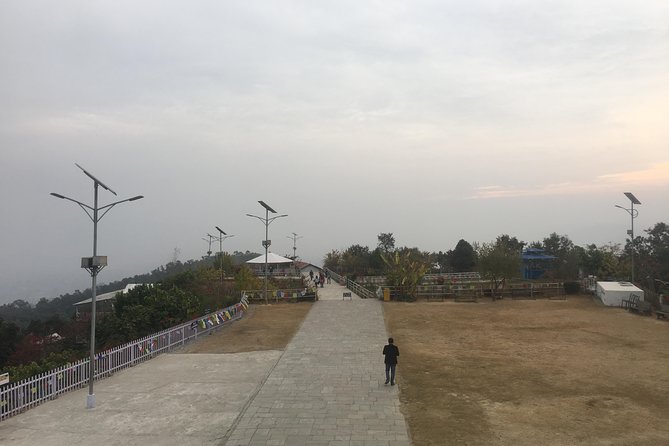
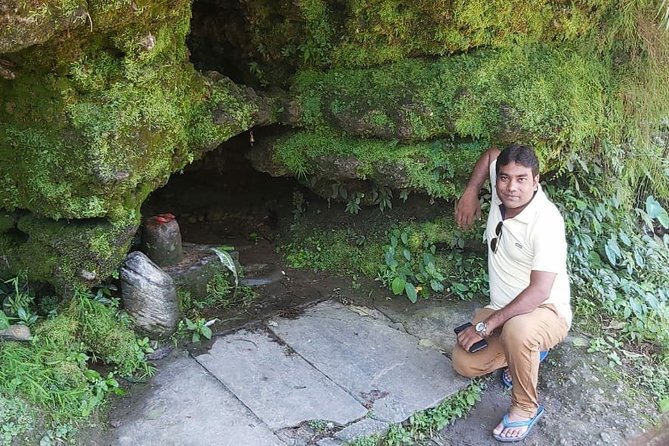
Then you head to Matepani Gumba, located on a small hill. The plan includes reaching the top after a few steep stairs, and then spending some time at the Buddhist monastery.
This is one of those stops that feels more meaningful when you remember it’s a working place of worship and not just a photo spot. It tends to be calmer than lake areas, and it gives you variety: in the same day you’ll move from sunrise viewpoint to island temple to monastery stairs.
Here’s the consideration: that stair climb can be the hardest part of the day. The itinerary mentions few steep stairs, but steep can still feel steep when you’re on a schedule and your legs are already tired from earlier stops.
If stairs are an issue for you, this is the stop to ask the guide about. Even small adjustments—like moving more slowly or taking breaks—can make it manageable without ruining the visit.
Begnas Lake: a more natural-feeling water break (with boat as an extra)
After Matepani Gumba, you’ll go to Begnas Lake, another large, natural lake. The plan includes boating for an hour, but the tour notes that boating is an extra cost.
I like Begnas in this itinerary because it shifts the scenery away from the more iconic Fewa Lake setting. It’s a chance to reset your day and get a more relaxed feel—water, open space, and fewer “clock” moments than the sunrise viewpoint.
This part of the tour also teaches you something about budgeting: the tour includes “time” on the lake experience, but you might still pay the boat operator directly. So if you want the full boat component here, keep cash ready.
Expect another short time window, too. The goal isn’t to spend the afternoon floating; it’s to fit the experience into a single full day without leaving the rest of Pokhara out.
Devi’s Fall: brief and memorable, but don’t expect long linger time
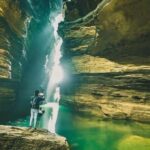
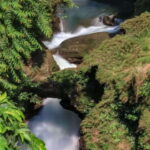
Next is Devi’s Fall, with about 20 minutes scheduled to explore. That short slot is deliberate: it gives you a famous natural curiosity without knocking the rest of the day off schedule.
Because the time is short, you’ll get a quick viewpoint and photo opportunity focus. It’s enough to understand why it’s famous and to enjoy the atmosphere around the waterfall area, but it’s not enough for a slow walk-and-chat kind of visit.
If your number-one goal is photos, this stop is fine. If you want a long nature break, you’ll likely crave more time here—but the tour’s whole design is to cover a wide sweep of Pokhara in one day.
World Peace Pagoda: the hilltop finale with big panorama payoffs
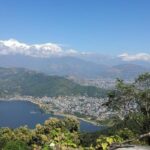
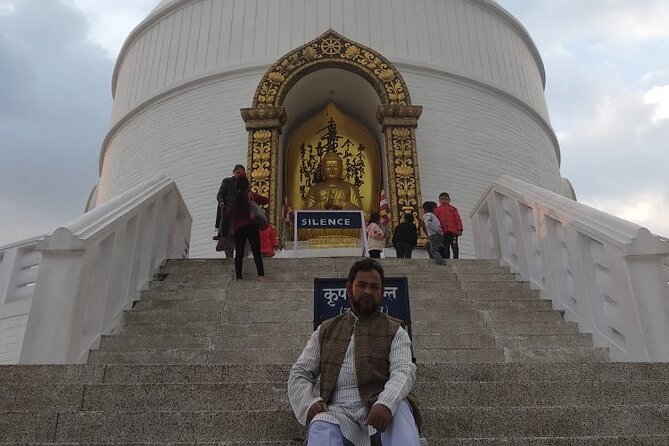
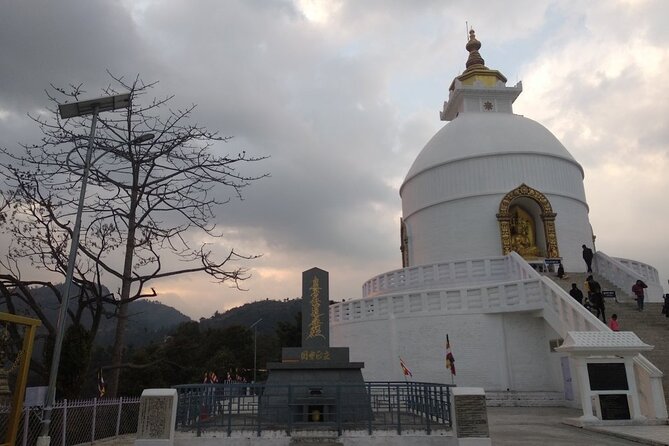
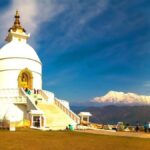
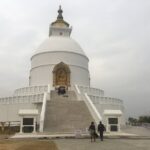
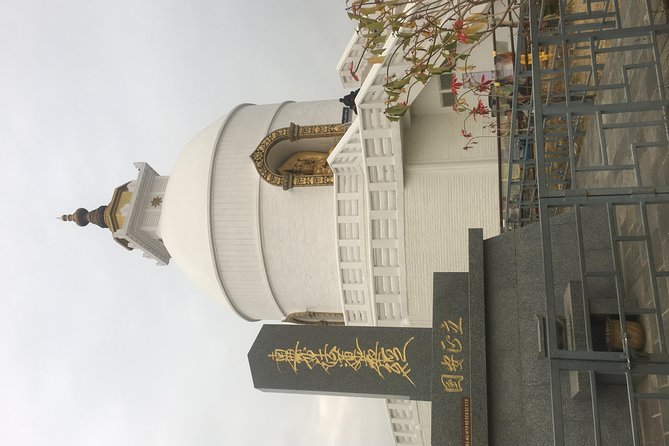
To close out the day, you’ll head to the World Peace Pagoda. This is on top of a hill, and it’s the kind of place that gives you the widest “overview” views of your whole Pokhara day. You’ll visit the stupa and then have time to take in the views across mountains, the lake, and the Pokhara valley.
This stop earns its place as a finale because by the time you arrive, you’ve already seen sunrise (Sarangkot), island temple (Barahi on Fewa), viewpoints (Kahun and Matepani), and water scenery (Begnas). So you’re not just seeing another religious structure—you’re finally seeing the whole area connected from above.
Timing matters here, especially for light and visibility. If clouds roll in earlier, you may feel the impact, but you’re still likely to get a meaningful hilltop experience.
Also, if you’re trying to avoid the day feeling rushed, this can help. Pagoda time tends to feel calmer than viewpoint time because you can slow down, walk in place, and look around without the constant pressure of waiting for a sunrise minute.
Transportation reality check: long day, and how driver style can matter
The tour uses a private vehicle and covers multiple locations. That’s a plus because you’re not changing taxis or hunting for transport between stops. But it also means you’re spending time seated for transfers—especially between the more distant points.
One practical caution from my experience writing travel notes: if you’re sensitive to fast driving or sudden turns, mention it early to the driver or ask for a calmer style right away. The route includes a lot of turning through hills, and that can be where motion becomes uncomfortable for some people.
Comfort solution: stay hydrated (you’ll have bottled water), and if you’re prone to motion sickness, take your usual remedy before the day starts.
Weather can make or break the Himalayan view
This tour requires good weather. If weather ruins visibility, the experience may be canceled and you’ll be offered another date or a full refund.
That matters because the core value—Sarangkot sunrise over the Annapurna range—depends on clear skies. If it’s cloudy or foggy, you’ll still do temples and sights, but the mountain-view payoff won’t be as strong.
If you can be flexible with your schedule, choose a date with the best weather forecast you can find. And keep expectations realistic: even a “perfect” plan can’t force the sky to cooperate.
Should you book this Pokhara full-city highlights tour?
Book it if you want a smart first visit to Pokhara with a packed-but-reasonable route: sunrise at Sarangkot, lake temples by boat, viewpoints like Kahun Danda, a monastery stop at Matepani Gumba, Devi’s Fall, and a panoramic finale at World Peace Pagoda.
Skip or pick something slower if you hate early mornings, don’t like stair climbs, or want lots of time in one place. This tour is a sampler day by design. You’re trading deep time for breadth and convenience.
If you’re the kind of traveler who loves organized days—where you show up and everything is timed—this is a strong fit, especially given the hotel pickup within Lakeside and the private-vehicle comfort.
FAQ
What time does the tour start and where is pickup?
The Sarangkot portion starts at 5am, and pickup is offered from hotels within the Lakeside area of Pokhara.
How long is the tour?
The tour runs about 6 to 8 hours.
Is this tour private or shared with other people?
It’s a private tour/activity, and only your group participates.
What’s included in the price?
Included are an English-speaking tour guide, bottled water for each, hotel pickup and drop-off within Lakeside area, and round trip travel by private vehicle (private trip).
Are entrance fees included for the attractions?
No. Monument entrance fees are not included and are listed as approximately $10 US$ each.
What happens if weather is poor?
The experience requires good weather. If it’s canceled due to poor weather, you’ll be offered a different date or a full refund.