REVIEW · KATHMANDU
Kathmandu 2 days tour private car and guide, cover major highlights
Book on Viator →Operated by Himalaya Holiday service Pvt. Ltd.(HHS) · Bookable on Viator
Kathmandu hits you fast with a mix of sacred sites and street-level life. This 2-day private car and guide route strings together the big names you came for—then lets you adjust the first-day timing so it feels less like a sprint.
What I like most is how the day is built around meaning, not just photos. I especially love the Kumari Baha living goddess angle at Kathmandu Durbar Square, and the way your guide can connect the dots with stories—one guide named Paras was praised for his calm, clear explanations and the way he made the whole day feel easy.
One consideration: monument entry fees and food/drinks are not included, so your final bill will depend on how much you stop to eat and what you choose to pay at temples and squares. Also, if you’re sensitive to the sight and atmosphere of cremation ghats, plan for that at Pashupatinath.
In This Review
- Key points worth knowing
- How the 2-Day Route Works in Real Life
- Day 1 in Kathmandu Durbar Square: Kumari Baha and the Palace Courtyards
- Day 1 at Swayambhunath (Monkey Temple): Hilltop Views and Temple Energy
- Pashupatinath on the Bagmati River: Hindu Temple Rites at the Cremation Ghats
- Bouddhanath Stupa: Little Tibet and a Slower Buddhist Reset
- Day 2 in Patan and Bhaktapur: Medieval Palaces, Temples, and Village-Edge Atmosphere
- Price and Logistics: Is $95 Per Person Good Value?
- Guide Quality: Why Paras (and Others) Can Make or Break the Day
- Who This Tour Suits Best (and Who Should Think Twice)
- Should You Book This Kathmandu 2-Day Highlights Tour?
- FAQ
- What’s the price for this Kathmandu 2-day private car and guide tour?
- How long is the tour and what time does it start?
- What’s included in the tour price?
- Are monument entry fees included?
- Can the schedule be adjusted on Day 1?
- Is this tour private?
Key points worth knowing
- Private guide + private vehicle keeps the pace your group can handle
- Flexible Day 1 timing can be arranged after booking confirmation
- Three UNESCO heritage highlights in one day (Kathmandu Durbar Square, Swayambhunath, Pashupatinath) plus Bouddhanath nearby
- Pashupatinath by the Bagmati River means you’ll see the public crematorium area and rituals
- Day 2 is shorter (5–7 hours) and focuses on Patan and Bhaktapur’s palace-temple style squares
- Guide storytelling matters, with Paras specifically mentioned for strong narratives and a relaxed vibe
How the 2-Day Route Works in Real Life
This is a private Kathmandu tour, not a seat-on-a-bus situation. You’ll have a local guide and a car/van/bus set up for your group, plus hotel pickup and drop-off. The tour starts at 9:45am, which is a practical time: early enough to beat the worst crowds at the big squares, and late enough that you can actually sleep after jet lag.
Day 1 is the heavy hitter day. You’ll move from Kathmandu’s old palace area to the hilltop monkey temple site, then down to one of Nepal’s most important Hindu temples by the Bagmati River, and finish at Bouddhanath Stupa. The driving is real, but it’s broken into chunks—so you’re not constantly on the road.
Day 2 is designed to feel focused. It’s about 5–7 hours max, built around Patan Darbar Square and Bhaktapur Darbar Square. That’s plenty of time to enjoy the medieval palace-temple atmosphere without needing a third day to recover.
One smart detail: the plan is described as flexible on Day 1. After booking, you can choose timing via phone call, and the itinerary can be arranged to match what you want to prioritize first. If you arrive with a tight schedule, that flexibility is a real quality-of-life upgrade.
You can also read our reviews of more guided tours in Kathmandu
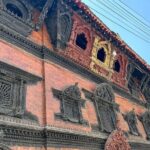
Day 1 in Kathmandu Durbar Square: Kumari Baha and the Palace Courtyards
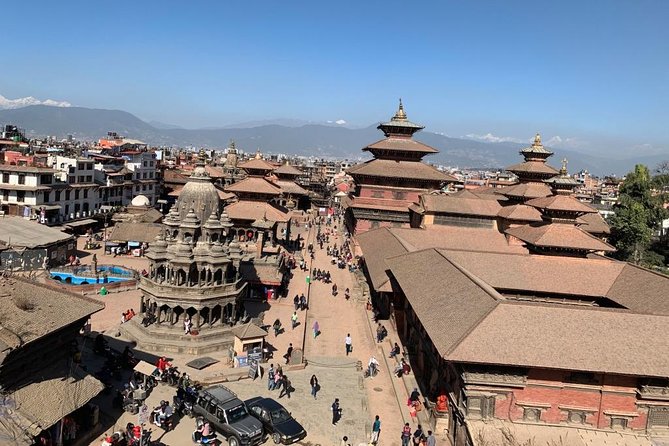
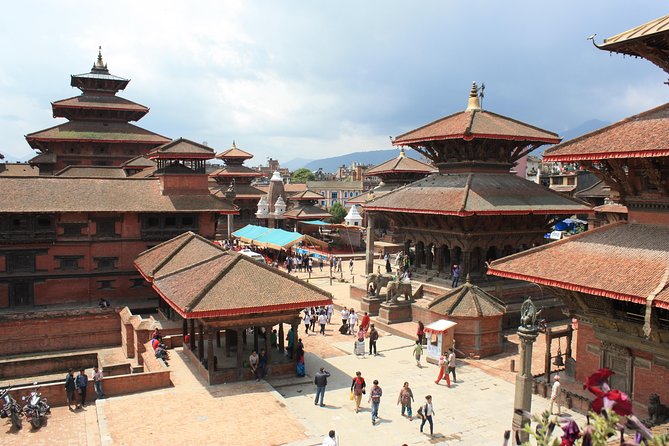
Your day starts in the Kathmandu Durbar Square area, the kind of place where you can’t really rush. This isn’t just one building. It’s a complex of palace wings, courtyards, and monuments, and your guide will help you see the site as a lived-in monument rather than a checklist.
The standout is Kumari Baha, tied to the living goddess (Kumari) tradition. Even if you’re not religious, this is one of those experiences that makes you pause. You’re seeing a Nepalese cultural institution—how a virgin girl is honored as a living goddess—and you’re doing it in the setting where the tradition is part of the palace story.
Another layer you’ll likely hear about: the Durbar Square complex includes a gallery of memorials for rulers from the Shah Dynasty, including the Gurkhas. If you like architecture, watch for the way the palace structures create pockets of space—courtyards, doorways, and sculpted details that only make sense once you’re standing in them.
Practical tip: wear comfortable shoes. This is a walking-heavy area with uneven ground in spots, and you’ll want free movement so you can step closer to carvings and statues when your guide points something out.
Day 1 at Swayambhunath (Monkey Temple): Hilltop Views and Temple Energy
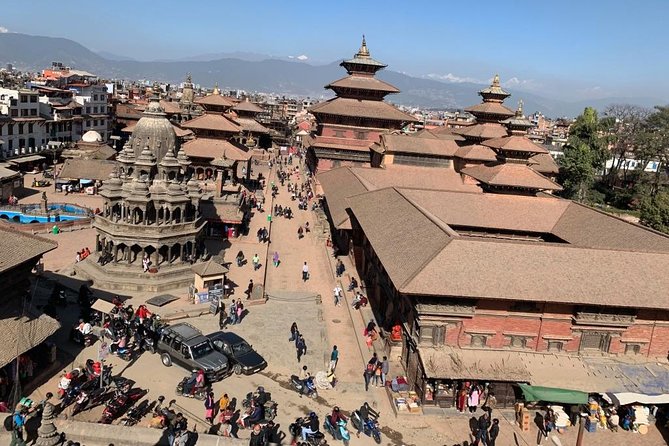
Next up is the Monkey Temple area, reached in about 30 minutes by car. Swayambhunath is one of those sites where the approach matters. You’re driving up from the city rhythm into a hilltop sanctuary, and the atmosphere changes right away.
From there, you’ll be dealing with a classic Kathmandu combo: temple space + people + monkeys. Since the tour specifically calls out Swayambhunath/Monkey Temple, you should expect the place to be active and slightly unpredictable in a natural way—plan to stay alert near small areas where monkeys move through.
Your guide’s job here is useful. With the right context, the site reads as more than scenery. You can understand the religious significance faster, and you’ll also know what to look for as you move around rather than just staring at the skyline.
Time wise, this is a good transition moment in the day: not too long, not too short, and positioned between Durbar Square and the deeper spiritual weight of Pashupatinath.
Pashupatinath on the Bagmati River: Hindu Temple Rites at the Cremation Ghats
Then comes one of the most powerful stops on the whole tour: Pashupatinath Temple. The drive is about 30–40 minutes, and your time there is described as around an hour.
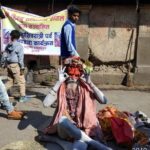
Pashupatinath sits on the bank of the Bagmati River and is described as a must-visit Hindu temple with a long stream of visitors. The most intense part for many people is seeing the open public crematorium area where rites and rituals are performed.
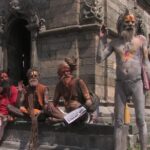
This is the moment where your guide’s presence really counts. You’ll learn how to look respectfully and how to understand what you’re seeing without turning it into spectacle. One review specifically highlighted the atmosphere around the cremation area, including people dressed with painted faces, dreadlocked hair, and ash-applied bodies. Whether or not those details match your exact timing, the key is this: the site is active and ritual-driven, so it’s not a passive museum moment.
If you’re photographing, keep it thoughtful. If you’re visiting with a partner or friend, set a quick agreement ahead of time about how you want to handle this stop: some people want quiet observation; others want explanation; most people want a bit of both.
Also, quick mental prep helps: this is spiritually significant to many people, but it can feel emotionally heavy. If that’s not your thing, you can still visit with boundaries—sit, watch from a comfortable distance, then move on when you feel full.
Bouddhanath Stupa: Little Tibet and a Slower Buddhist Reset
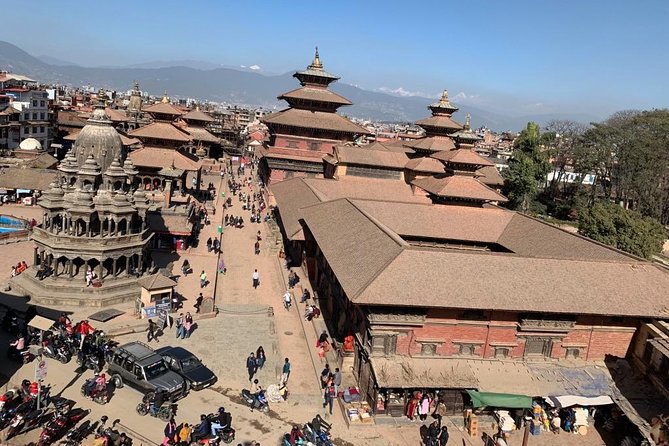
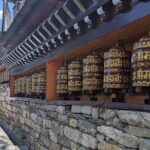
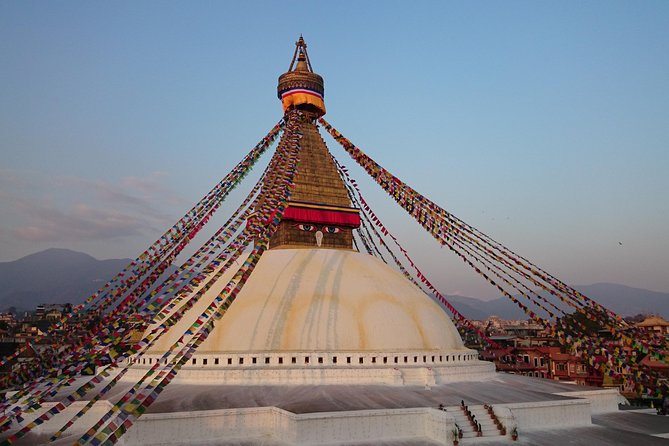
After Pashupatinath, you’ll do a short drive to Bouddhanath Stupa, often described as part of the feel of Little Tibet. This is a tonal shift. You go from the intensity of cremation ghats to a Buddhist stupa environment that tends to feel more rhythmic and calming.
Your guide will help you understand the significance of the stupa setting and what people are doing there. Even if you don’t go deep on doctrine, you’ll notice how the space functions: it’s built for repeated visits, lingering, and observation.
It’s also a smart finish to Day 1. The itinerary ends with a drive back to your hotel and a natural stopping point. That matters because Kathmandu can tire you out fast: between the walking, the sensory load, and the heat changes around temple areas, you’ll appreciate having downtime.
You can also read our reviews of more private tours in Kathmandu
Day 2 in Patan and Bhaktapur: Medieval Palaces, Temples, and Village-Edge Atmosphere
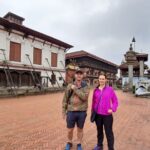
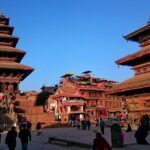
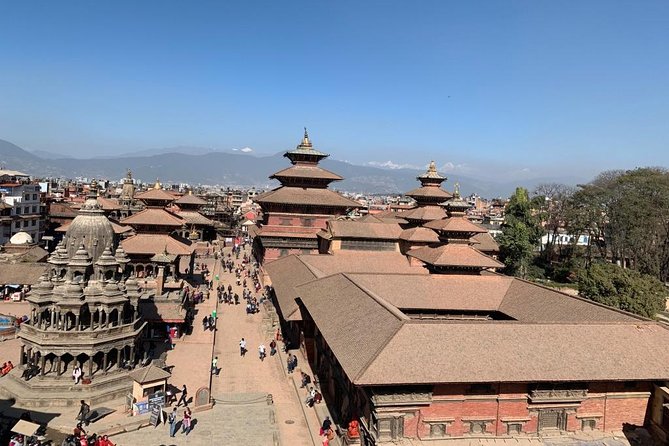
Day 2 focuses on Kathmandu Valley culture through two major squares: Patan Darbar Square and Bhaktapur square. The whole trip is described as about 5–7 hours max, so you can plan the rest of your day without stress.
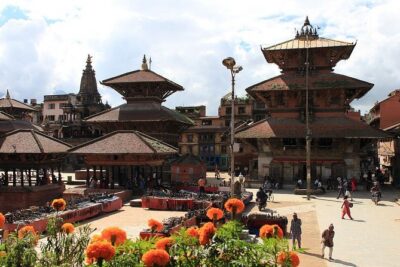
Patan Darbar Square is known for a palace-and-temple style that feels more architectural than purely monumental. Bhaktapur adds a different flavor—more village-edge character while still being deeply historical. Together, they give you a sense that this valley isn’t just one city center. It’s a set of distinct cultural worlds that overlap.
What makes this Day 2 plan work is pacing. Day 1 is packed with high-intensity stops; Day 2 is less about extremes and more about sustained looking. You can slow down, step back from a building facade, then walk around to see it from a new angle.
Practical tip: keep an eye on energy and shade. These squares don’t all have the same shelter, and your comfort matters more than you think when you’re there for hours.
Price and Logistics: Is $95 Per Person Good Value?
At $95.00 per person for a 2-day private car and guide, the value mostly comes from what’s included:
- Local guide (private)
- Car/van/bus for a private trip
- Hotel pickup and drop-off
- A mobile ticket option
- Mentioned group discounts (if you’re traveling with others)
That’s a fair package when you compare the time and effort of arranging multiple guides and cars yourself—especially in a city where traffic and routing can be annoying.
What’s not included matters for budgeting. Monument entry fees are not included, and food and drinks are not included. So your final spend will be influenced by how many paid entry points you decide to cover, plus whether you eat mostly during the tour.
My advice: before you go, decide how you want to handle entry fees. If you want the full experience at each site, set aside extra money. If you’re fine moving with mostly exterior viewing and guide context, you may spend less.
Guide Quality: Why Paras (and Others) Can Make or Break the Day
This tour’s biggest strength is the guide component. One of the standout reviews mentions Paras, praising his exceptional knowledge, with narratives that made the day feel educational and spiritually uplifting. Another review described a guide as chill and knowledgeable, making the itinerary feel fun rather than rigid.
That’s not a small difference. In Kathmandu, the sites can feel similar at first glance: temples, courtytyards, carvings, and layered symbolism. A strong guide helps you notice what you’d otherwise miss. It also helps you handle sensitive areas like Pashupatinath with the right tone and timing.
There’s also evidence that guides can bring different perspectives. One review mentions a Japanese guide named Gyan and highlights the benefit of hearing stories that are not in standard guidebooks. Again, you can’t count on every group having the same person, but you can count on the guide being part of the value.
If you care about explanations, ask for them early. A good moment is right after pickup—tell your guide what you want most: architecture, religion, street life, or history-and-meaning connections. Then you’ll get more out of every stop.
Who This Tour Suits Best (and Who Should Think Twice)
This works especially well for you if:
- You have limited time and want major highlights without juggling transport
- You want a private setup so your pace and interests can guide the day
- You like a mix of Hindu and Buddhist sacred sites, including the living goddess tradition
- You’re okay with seeing the cremation-ghat area at Pashupatinath with guidance and respect
You might think twice if:
- You prefer tours that keep things light and scenic only. Pashupatinath is spiritually intense and visually direct.
- You don’t want to pay extra for monument entry fees on top of the tour price.
- You’re traveling with very small kids who need shorter walking bursts. The tour says children must be accompanied by an adult, but the walking still adds up.
Should You Book This Kathmandu 2-Day Highlights Tour?
I’d book it if you want a sensible route that hits the big Kathmandu names and actually helps you understand what you’re looking at—especially if you’re pairing this with other Nepal plans like flights or longer treks.
The decision comes down to your comfort with three things: walking on uneven ground, the intensity of Pashupatinath, and knowing that entry fees and meals are extra. If those are manageable, this is a strong way to spend two days in Kathmandu without wasting time figuring out timing, transport, and what to look for.
If you’re flexible and you want your guide to do the heavy lifting on meaning, you’ll get more than just images. You’ll get a clearer sense of how Kathmandu’s sacred spaces fit together.
FAQ
What’s the price for this Kathmandu 2-day private car and guide tour?
The price is $95.00 per person.
How long is the tour and what time does it start?
It’s listed as 2 days (approx.). The start time is 9:45am.
What’s included in the tour price?
You get a private local guide, a car/van/bus for the private trip, and hotel pickup and drop-off.
Are monument entry fees included?
No. Monument entry fees are not included.
Can the schedule be adjusted on Day 1?
Yes. The itinerary is described as flexible, and you can choose any time on the phone call after booking confirmation.
Is this tour private?
Yes. It’s a private tour/activity, so only your group participates.