REVIEW · KATHMANDU
Kathmandu Food and Drink Walking Tour
Book on Viator →Operated by Deepak Kushwaha · Bookable on Viator
Food is the fastest way to read Kathmandu. On a 3-hour walk with Deepak Kushwaha, you chase quality-over-quantity tastings in Thamel, Asan, and more, with local stories that make the flavors click. You’re not just eating; you’re learning how Nepalese food fits into daily life.
I love the safer routing through streets that can feel chaotic, plus the tour’s mix of dishes and drinks that often lands well for vegetarians too. The main drawback: you’ll do real walking, including tight lanes and stairs, so it’s not the easiest choice for mobility limits.
In This Review
- Key things to know before you go
- Food-first Kathmandu: what you’re really buying
- Price and value: why $36.21 can feel like a deal
- Meeting at Kaiser Library and how the pace feels
- Thamel: street-food energy, tea breaks, and the drinks you’ll remember
- Asan: spices, market life, and Newari flavors with real context
- Jyatha lanes: everyday bites between the louder sights
- Chhetrapati: a more historic feel and the finish that lands heavy
- Deepak Kushwaha’s approach: safety, humor, and actual explanations
- Come hungry, walk smart: practical tips that will save your afternoon
- Who should book this Kathmandu food and drink walk
- Should you book this Kathmandu Food and Drink Walking Tour?
- FAQ
- How long is the Kathmandu food and drink walking tour?
- Where do I meet for the tour?
- Is pickup available?
- What does the tour price include?
- Are there vegetarian options?
- What should I eat timing-wise before the tour?
- What kinds of food and drinks can I expect?
- Is the tour suitable for people with mobility issues?
- What’s the cancellation rule if the weather is bad?
Key things to know before you go
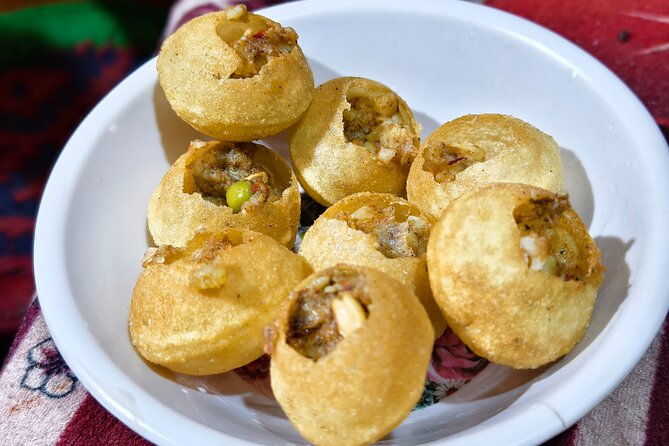
- Quality-over-quantity tastings, with multiple meal-style stops, not a token bite
- Street-smart guidance that steers you away from iffy stalls in crowded lanes
- Thamel + Asan + Jyatha + Chhetrapati in one smooth afternoon walk
- Real Nepalese variety across classics like momo, plus drinks like lassi and sugar cane
- Vegetarian-friendly by planning, with options at the stops
- Plan for walking on uneven streets, narrow lanes, and some stairs
Food-first Kathmandu: what you’re really buying
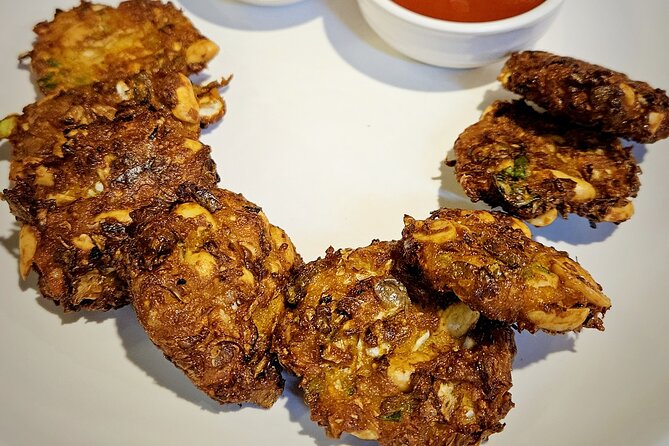
This tour is built for the way most people actually eat in Kathmandu: in small places, on short visits, and with plenty of sampling. You’re paying for local judgment. That matters in a city where the street scene can look like fun and food at first glance, then turn messy fast.
The other big win is the cultural thread. You’re not handed facts like a textbook. Instead, Deepak connects the dishes and drinks to everyday habits—so when you later order something on your own, you know what to expect and why it tastes the way it does.
And yes, it’s a walking tour. That’s part of the value. You get to move through neighborhoods on foot, rather than doing a stop-and-go photo loop.
You can also read our reviews of more walking tours in Kathmandu

Price and value: why $36.21 can feel like a deal
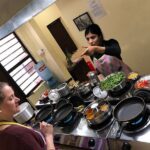
At $36.21 per person, this is one of the rare food tours where the math can actually work in your favor—because the package comes with a lot included. Your ticket covers coffee and/or tea, plus a mix of brunch, lunch, dinner, snacks, and bottled water.
That doesn’t mean you’ll leave with a restaurant banquet. It means you’re sampling in a way that adds up. If you tried to copy the tour on your own—paying for drinks, multiple snacks, and at least a couple proper meals—you’d likely spend more than the tour price without getting the same “local routing” advantage.
A couple things are not included: personal expenses, tips, and private transportation pickup/drop-off. If you’re staying centrally, you can keep your costs tight by using public transport and the included meeting point/pickup plan.
Meeting at Kaiser Library and how the pace feels
The tour starts and ends back at Kaiser Library (Kanti Path area, Kathmandu 44600). You’ll also get a mobile ticket, and pickup is offered. The tour runs about 3 hours, so it’s short enough to fit into most Kathmandu schedules without wrecking your whole day.
The pacing is a big deal on a food walk. Rushing through tastings is a common problem with tours like this. Here, the rhythm is slower and comfortable. Groups often finish feeling stuffed, not frantic.
Group size has a cap of 100 travelers. In reality, you may feel like it’s a smaller group once you’re in the streets, but the key is that the tour is designed to function even when the schedule is busy.
Thamel: street-food energy, tea breaks, and the drinks you’ll remember
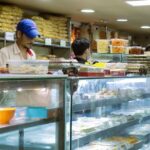
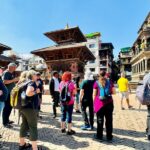
Thamel is where you get oriented fast. This is the kind of neighborhood where you’ll see travelers, locals, shopfronts, and food counters all stacked together. It’s also where a guided approach pays off, because not every stall is equally reliable.
On the Thamel portion, you can expect a strong start: quick tastings that set the baseline for what Nepalese food tastes like—spices, sauces, and the style of layering flavors. Depending on the day, the drinks have been a standout. In past group experiences, you might see lassi, sugar cane, and even Marsala tea show up as part of the mix.
What I like about starting here is how practical it feels. You’re seeing the food culture in a place that’s easy to reach again later, so if a flavor hits you, you can chase it after the tour—without guessing.
Possible drawback? Thamel’s streets can be crowded. If you prefer wide sidewalks and quiet strolling, you’ll have to tolerate a little push-and-go movement. The guide helps with the route, but you still experience the neighborhood as it is.
Asan: spices, market life, and Newari flavors with real context
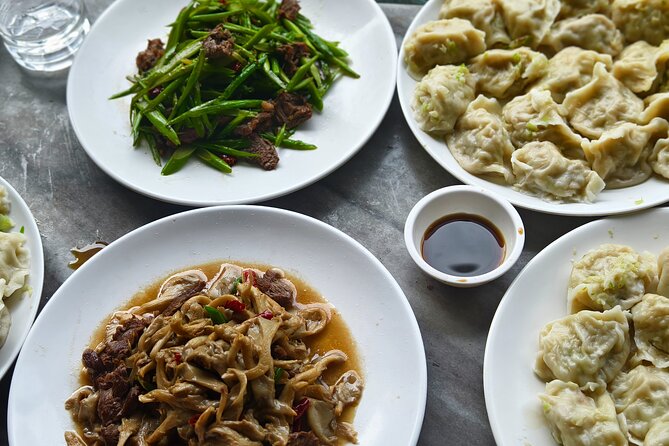
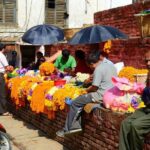
Asan is the next jump in sensory intensity. The setting is known for market energy, and the tour ties that energy directly to what you eat.
One detail people highlight is the presence of Newari dishes—including one early Newari tasting that has become a favorite for some participants. That’s the value of having a guide: they’re not only picking food that tastes good, they’re picking food that tells you something about Kathmandu’s food history and community traditions.
Expect plenty of spice talk and food reasoning here. Even if you’re not trying to memorize recipes, you’ll come away with a clearer sense of how spices and cooking styles show up across dishes. That makes later ordering easier—especially when Nepalese menus can look unfamiliar at first.
The possible downside at Asan is simply traffic for your senses. It’s a market atmosphere, so it can feel loud and visually busy. If you get overwhelmed easily by crowds, slow down mentally and lean on the guide’s pacing.
You can also read our reviews of more food & drink experiences in Kathmandu

Jyatha lanes: everyday bites between the louder sights
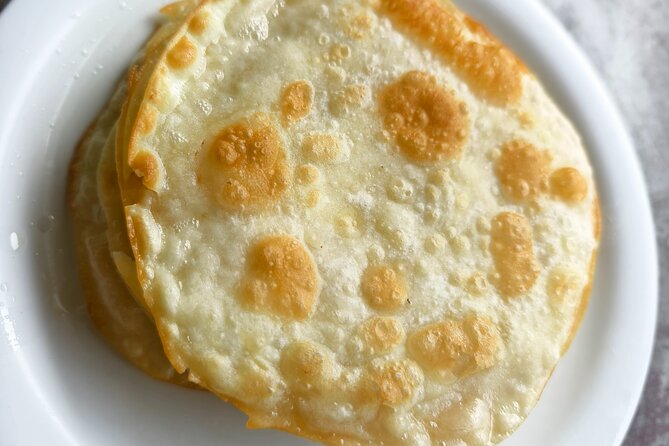
Jyatha is the quieter interlude in the route. This stop helps you understand Kathmandu beyond the most tourist-heavy blocks. It’s more about moving through ordinary streets where food is part of daily rhythm—quick meals, shared tables, and small counters.
Because the stop is shorter, it works like a palate checkpoint. You’ll taste something new without it dragging on. And you’ll likely hear explanations that connect the dish to how it fits into local eating habits.
This portion is also where the tour’s “safety through navigation” really shows. Some streets are narrow. Some lanes look chaotic. Deepak’s job is to choose places that feel steady and to time the crossings so you don’t feel stressed.
If you’re someone who likes to understand a city at street level, Jyatha is a smart stop. If you need a lot of wow-factor visuals, you may find it more subtle than the market areas.
Chhetrapati: a more historic feel and the finish that lands heavy
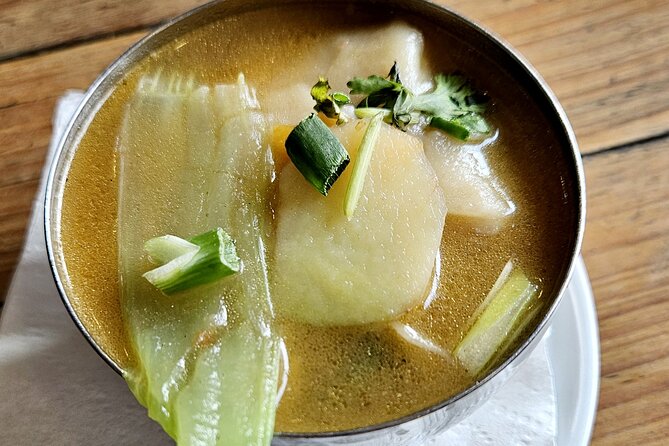
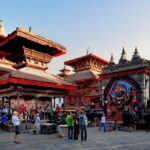
Chhetrapati gives the route another layer. This is where the tour leans into older neighborhood character—narrower movement, older buildings, and a sense that the city’s food culture didn’t begin for tourists.
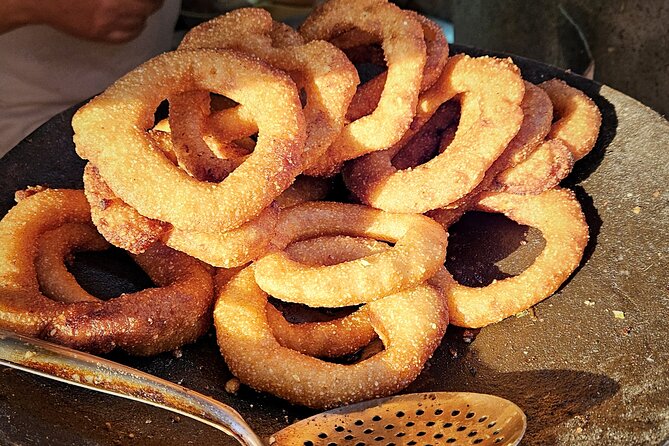
This stop is also a strong finish. Many group experiences mention that the tour wraps up with dessert, and the whole afternoon can leave you with that very specific food-tour feeling: you’re full in the good way, and you suddenly realize you’ll need time to digest.
If you like comfort food as much as street snacks, this stop is worth paying attention to. You’re not just eating for variety. You’re also ending in a way that makes sense with the pace of a walking tour.
Drawback to know: stairs and tight lanes can appear in this kind of neighborhood route. One common note is that the tour is not ideal for mobility limits due to tight staircases and narrow lanes. If that’s your situation, plan carefully.
Deepak Kushwaha’s approach: safety, humor, and actual explanations

Deepak is often described as friendly, funny, and easy to talk with. That matters because a food tour isn’t only about chewing. It’s also about the conversations between tastings: why a dish exists, where ingredients show up, and what to look for when you’re on your own.
Several groups also mention that Deepak keeps the route in the safer parts of the street scene. That’s huge in Kathmandu, where chaos is real and some food stalls can look more sketchy than appetizing. With a guide, you get to experience street life without feeling like you’re gambling.
Another detail worth knowing: the pace is meant to fit the group. You won’t feel constantly rushed to swallow and move. You’ll also get room for questions, and the explanations are paced along the way rather than dumped at the end.
Some people also report receiving photos and a dish list after the tour. That’s not a guaranteed perk in every situation, but it’s a nice bonus when it happens.
Come hungry, walk smart: practical tips that will save your afternoon
If you do one thing before booking, do this: plan to arrive hungry. The tour is structured for multiple tastings across the afternoon, and people often leave feeling stuffed.
For timing, one practical tip that came up: if you can choose a departure time, consider the 15:45 slot. The idea is simple—eat a medium-size breakfast, then hold off so you’re hungry for the first tastings. It makes the food taste better and helps you enjoy the later stops instead of feeling overstuffed too early.
Wear comfortable shoes. You’re walking, turning corners, stepping over uneven sections, and sometimes dealing with stairs. Pack a light layer too. Kathmandu weather can shift, and this tour depends on good weather.
And bring a sensible attitude about street conditions. This isn’t luxury. It’s real city eating. If you treat it like a guided street crawl, you’ll have a better time than if you expect polished restaurant service.
Who should book this Kathmandu food and drink walk
This tour fits best if you want:
- A fast start to Kathmandu eating, without guessing where to go
- A food route across multiple areas, not just one neighborhood
- A guide who can connect dishes to local culture and everyday habits
- Enough food that one tour can set you up for the rest of your trip
It also seems to work well for vegetarians. People mention vegetarian options at the stops, and the tour is designed so you’re not left with only plain bread and tea.
Who might skip or adjust plans:
- Anyone with mobility challenges. Tight staircases and narrow lanes can be part of the route.
- Anyone who hates crowd streets. You’ll experience busy lanes and market-like motion, even with a guide.
Should you book this Kathmandu Food and Drink Walking Tour?
Yes—if you want a guided street-food afternoon that takes care of the hard parts: choosing good places, keeping you moving safely, and explaining what you’re eating in a way that makes you remember it later.
It’s also a good booking when you’re short on time. At about 3 hours, you get a lot of tastings, and you return to the same meeting point without needing complex logistics.
I’d hesitate only if your mobility needs are high or if you strongly dislike tight lanes and stairs. In that case, look for a different format with less walking.
If you’re like most people visiting Kathmandu for the first time, this is one of the most cost-effective ways to get your bearings—one flavorful stop at a time.
FAQ
How long is the Kathmandu food and drink walking tour?
It runs for about 3 hours.
Where do I meet for the tour?
Meet at Kaiser Library (Kanti Path, Kathmandu 44600, Nepal). The tour ends back at the meeting point.
Is pickup available?
Pickup is offered, and you’ll also have the Kaiser Library meeting point. Your confirmation will clarify what to expect.
What does the tour price include?
The tour includes coffee and/or tea, brunch, lunch, dinner, snacks, and bottled water.
Are there vegetarian options?
Vegetarian options are reported to be available at the stops.
What should I eat timing-wise before the tour?
Come hungry. One tip is to have a medium-size breakfast and then wait until the later-afternoon departure for maximum enjoyment.
What kinds of food and drinks can I expect?
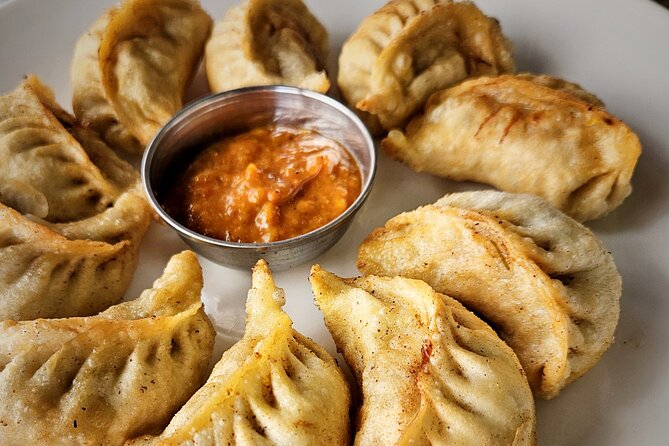
You can expect a mix that includes Nepalese dishes such as momo and noodle soup, plus drinks like lassi and sugar cane, and the tour typically finishes with dessert.
Is the tour suitable for people with mobility issues?
It’s not considered a great match for mobility limits because the route can include tight staircases and narrow lanes.
What’s the cancellation rule if the weather is bad?
The experience requires good weather. If it’s canceled due to poor weather, you’ll be offered a different date or a full refund.