REVIEW · KATHMANDU
Old Kathmandu Walking Tour, Historic World Heritage Durbar Square
Book on Viator →Operated by Three Jewels Adventures · Bookable on Viator
Durbar Square comes alive on foot. This Old Kathmandu walk is interesting because it strings together Kumari-related stops, UNESCO sites, and less-visited Newar Buddhist monuments—so you see Kathmandu as locals experience it, not just a postcard list. I especially love the mix of market street life at places like Asan and the way your guide explains what you’re looking at before you move on. One thing to plan for: entry fees for Kathmandu Durbar Square (and related areas like Kumari Chowk, plus the Swayambhu Stupa complex) are not included.
The experience starts at Amrit Marg (or your hotel area in/near Thamel), then you walk through old-town lanes for about 4–5 hours. I like that it ends with tea or coffee with your guide back in Thamel, which gives you a moment to ask follow-ups (and not just rush to the next photo). The tour also runs as a private outing—your group only—so you can set a comfortable pace with your guide (for example, guides like Mr. Mahesh Shreshtha and Modo are specifically mentioned as adding real character to the day).
In This Review
- Key highlights
- Why this Old Kathmandu walk feels more real than a checklist
- Pickup and the walk schedule: what 4–5 hours really means for you
- Stop 1 to 2: Bikramshila Mahavihar (Thambahil) and Asan Bazaar
- Stop 3 to 4: Janabaha Dyo (Seto MachhindraNath) and Itum Bahal
- Kathmandu Durbar Square and Kumari Chowk: the UNESCO highlight you’ll actually understand
- Kathesimbu / Dharmakirti Vihara: the Swayambhu replica detour that feels meaningful
- Ending at Cafe Mitra: tea/coffee that turns the route into understanding
- Price and value: what you get for $28 (and what to budget extra for)
- Who should book this Old Kathmandu tour
- Should you book it?
- FAQ
- How long is the Old Kathmandu Walking Tour?
- Where does the tour start and end?
- Is pickup included?
- What’s included in the tour price?
- Which entry fees are not included?
- Is this tour private?
Key highlights
- Hotel-area pickup (and a short drive if you’re not right by the start): less hassle before you begin walking.
- Thamel’s name link to Bikramshila Mahavihar (Thambahil): a neat Kathmandu story you won’t hear from the main drag.
- Asan market in full context: learn what locals actually buy—vegetables, clothing, metal goods, and spiritual items.
- Durbar Square + Kumari Chowk with a guide’s explanations: you don’t just pass through; you understand what you see.
- Replica Stupa stop at Kathesimbu/Dharmakirti Vihara: a meaningful bonus beyond the big headline sites.
- Tea/coffee chat at Cafe Mitra: turn your route into real understanding.
Why this Old Kathmandu walk feels more real than a checklist
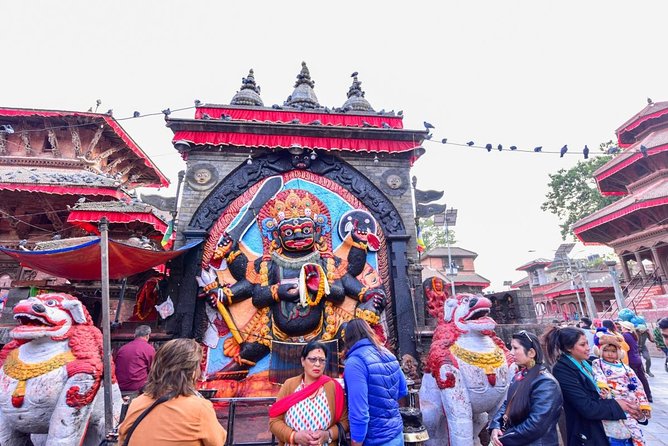
If you want Kathmandu in one morning—without cramming in five buses—you need a route that balances major icons with quieter corners. This tour does that by building your day around clustered landmarks that are close enough to walk between, while still treating the side streets as the point, not the detour.
The heart of the experience is Kathmandu Durbar Square and the nearby Kumari Chowk area. But the value is how you get there. You start with older Buddhist monuments tied to the native Newar community, then move through everyday commerce and devotional spaces before you reach the UNESCO spotlight. That order matters. It helps your brain connect the dots: market life links to religious life; art links to power; and temples aren’t separate “things to see”—they’re part of how neighborhoods function.
The tour also leans into local scale. You spend short blocks at each stop (often around 15–30 minutes), so you’re moving at a human pace and not stuck in one spot too long. That makes it a good choice if you have limited time but still want more than the usual hit-and-run sightseeing.
You can also read our reviews of more walking tours in Kathmandu

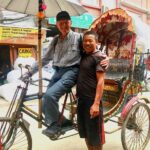
Pickup and the walk schedule: what 4–5 hours really means for you
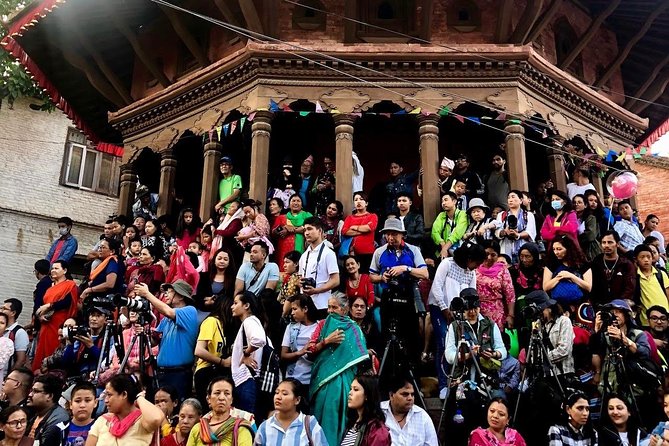
This runs at 9:00 am and lasts about 4 to 5 hours. That’s long enough to feel you covered ground, but short enough to keep your energy for a second activity later in the day.
Here’s the practical setup:
- If you’re staying in tourist town Thamel, the tour may start right from your hotel lobby.
- Otherwise, you get pickup and a short drive (described as roughly a 20-minute transfer) to the starting point.
- You finish back in Thamel at Cafe Mitra, where your guide chats with you over tea or coffee.
You should also know the tour is designed as private: only your group participates. For many people, that’s the difference between a stressful crowd shuffle and a calm morning walk where you can ask questions in plain language—especially around religion and symbolism, where it’s easy to miss meaning if you’re just reading signs.
One more detail that affects planning: some major sites have entry fees that are not included. So you’re going to want a little cash or card readiness for the parts at Kathmandu Durbar Square and the Swayambhu Stupa complex.
Stop 1 to 2: Bikramshila Mahavihar (Thambahil) and Asan Bazaar
You begin with Bikramshila Mahavihar, also known as Thambahil (and tied to what locals call the origin story for Thamel’s name). This is the kind of stop that changes how you see your surroundings fast. Thamel is full of tourists and trekking shops—yet here’s a Buddhist monument that explains the older roots under that modern buzz.
What you get from this start:
- You’re introduced to the native Newar Buddhist tradition early.
- The guide gives you context before you hit the marketplace zone.
- It’s a rare-visitor kind of site, so it feels calmer than the “main temple” circuit.
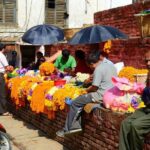
Then you move to Asan, described as Kathmandu’s oldest living market. This is where the tour turns from monuments into real daily rhythm. Asan isn’t just stalls selling souvenirs. It’s where locals buy and sell daily-use goods: vegetables and clothing, metal items, and even spiritual-related items. Your guide’s job here is to help you spot what’s ordinary to residents and unusual to visitors—so you understand why the market has stayed central for so long.
Two things I like about this market segment:
- You see the breadth of daily needs, not just one type of trading.
- You learn how devotion and shopping sit side by side in Kathmandu life.
If markets don’t interest you much, you might still enjoy Asan because it’s a guided “orientation” stop. It helps you read the city as a living place, not a museum corridor.
Stop 3 to 4: Janabaha Dyo (Seto MachhindraNath) and Itum Bahal
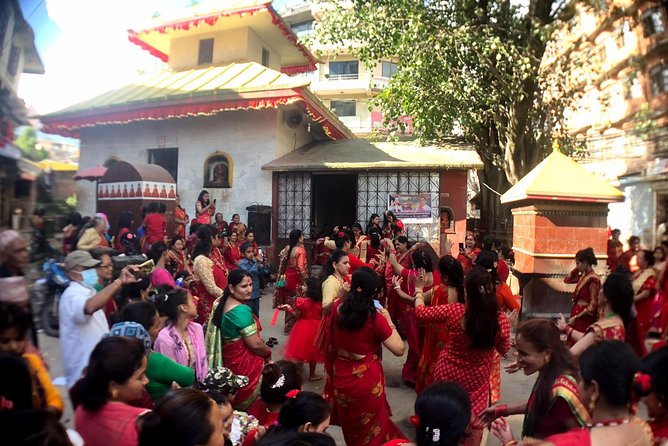
Next up is Janabaha Dyo, the Seto MachhindraNath Temple. This shrine is connected to a deity important to both Kathmandu locals and Tibetan Buddhists, known as Avalokitesvara—often described as the god of compassion. The tour also notes that the shrine includes 108 engraved icons of Avalokitesvara, each representing major forms.
This stop is a good example of the tour’s style: short time, strong explanation. In about 15 minutes, you get enough symbolism and background to understand why people treat the shrine as more than a building. If you like religious art and can’t help reading stone details, this is the sort of stop that makes your morning richer without turning into a lecture.
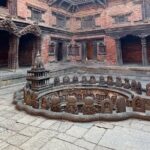
After that, you head to Itum Bahal, a Buddhist monastery complex dating back to the 11th century. Even though only a remaining section is still there, the stop centers on what’s left: courtyards connected to goddess Tara and parts of the original monastic setting.
Why Itum Bahal works well in this itinerary:
- It shows Kathmandu’s layers, including older monastic networks.
- It reminds you that Buddhist life in the city wasn’t only about temples with huge crowds.
- It’s paced so you’re not exhausted when you reach the bigger UNESCO core.
A consideration here: these are active religious spaces. People might be mid-ritual, mid-work, or simply going about the day. So keep your expectations flexible. The most rewarding moments are usually the quiet ones—when you notice small actions and ask questions in a respectful way.
Kathmandu Durbar Square and Kumari Chowk: the UNESCO highlight you’ll actually understand
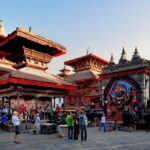
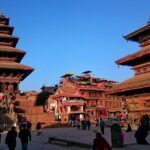
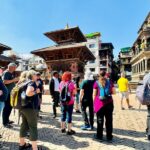
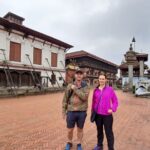
Kathmandu Durbar Square is the main UNESCO World Heritage Site in the route. The tour describes it as a 17th-century palace area of Nepal’s kings, surrounded by temples and art that reflect traditional Nepali architecture.
This is where the tour shifts from “backstreets and backstories” to “the headline landmark.” You’ll spend about 45 minutes here, but the time feels purposeful because the guide explains what the square represents and what to look for as you move.
Then comes Kumari Chowk. Inside Kathmandu Durbar Square is Kumari—often called the living goddess—set in an artistic building with centuries-old craftsmanship. The tour gives you a focused stop of about 20 minutes here, and it also notes that if you’re lucky, you can catch an experience connected to her presence.
Important practical note: entry fees for Kathmandu Durbar Square premises and Kumari Chowk are not included in the tour price. So budget for that separately. This is the main “surprise cost” people might run into, especially if they assumed the $28 covered everything.
If you’re wondering whether this section is worth it, here’s my take: it is, because you’re not just watching other people photograph stone and wood. You’re learning how the place fits into Nepal’s cultural and religious system. That changes your photos too—you’ll notice details you would otherwise ignore.
You can also read our reviews of more historical tours in Kathmandu

Kathesimbu / Dharmakirti Vihara: the Swayambhu replica detour that feels meaningful
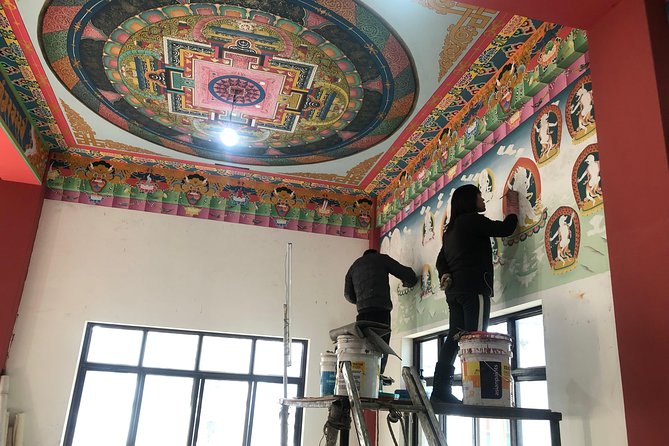
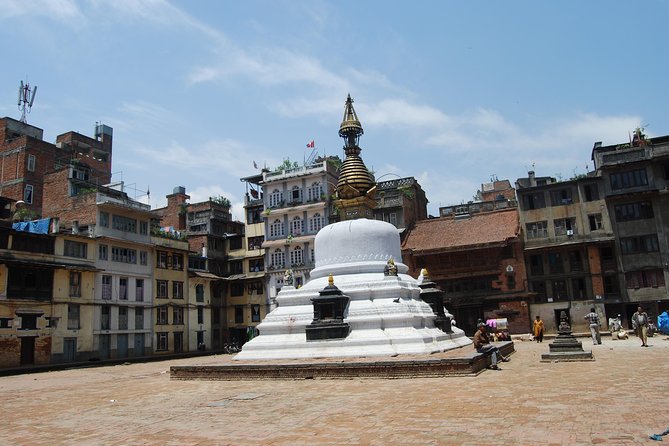
After Durbar Square, you continue through old town to the Buddhist stupa complex of Kathesimbu, also referred to as Dharmakirti Vihara. This stop is shorter, but it adds a useful twist: the complex houses a replica of the Swayambhu Stupa, described as an important pilgrimage monument.
This is a smart inclusion because it gives you a “related but different” experience. You’re still within the religious landscape of Kathmandu, but you’re not only repeating the most famous names. A replica like this helps you understand how sacred geography works in the city—why certain symbols get carried into multiple places and how traditions stay alive across neighborhoods.
If you’re the type who hates tight itineraries that only chase major landmarks, this detour may become one of your favorite moments. It’s not flashy, but it’s satisfying because it expands the story.
Ending at Cafe Mitra: tea/coffee that turns the route into understanding
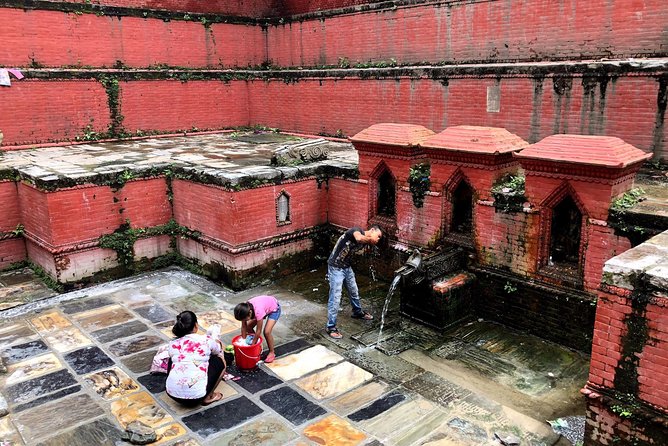
You finish back in Thamel at Cafe Mitra. This isn’t just a drop-off. It’s time for tea or coffee with your guide and a casual chat while the day is still fresh.
This small ending matters more than it sounds. Walking tours can turn into frantic “see, move, repeat” unless you get a moment to process what you saw. Here, you can ask follow-up questions—like what to read about next, what to visit on your own afterward, or how the market and temple neighborhoods connect.
Also, since the tour is private, the chat can be more tailored to your interests. Some guides are specifically praised for being engaging, including guidance that leads to memorable human moments—like interactions connected to religious life at smaller temples—rather than only pointing at buildings.
Price and value: what you get for $28 (and what to budget extra for)
At $28 per person, this tour is priced like a budget-friendly way to cover a lot of ground with local guidance. What makes it feel like good value is that it includes:
- Private transportation (pickup/transfer described for many participants)
- Coffee and/or tea
- A guided route that covers multiple major and lesser-known stops across old Kathmandu
Where the budget can shift is obvious once you think it through: Kathmandu Durbar Square and Kumari Chowk have entry fees that are not included. The Swayambhu Stupa complex is also mentioned as not included. So your total cost for the day may be higher than $28 once you pay those site fees.
Still, for most people, the “extra” usually just means carrying the right amount of money rather than changing your plans. You’re paying for guidance that turns these sites into a coherent story—and not just a series of isolated photos.
If you’re deciding between this and a faster city bus tour, choose this if you want context and a calmer pace. Choose something else if you only care about one or two biggest attractions and you’re already confident reading the city on your own.
Who should book this Old Kathmandu tour
This tour fits well if you:
- Want a first-time Kathmandu orientation that mixes big sites with quieter ones
- Like walking, short stops, and a guide who explains what you’re seeing
- Prefer a private experience rather than sharing your day with strangers
- Appreciate the religious-art details around Buddhist and Hindu spaces
It’s especially well-suited for people staying in or near Thamel, since the start can be right from your hotel lobby and the day ends in the same neighborhood.
You might skip it if:
- You want a very long time inside only one or two places (this route uses multiple short stops)
- You hate paying separate entry fees at major sites
- You’re only interested in modern city sights rather than temples and heritage squares
Should you book it?
Yes—if your goal is to understand Kathmandu’s core without missing the smaller, older sites that give the city its texture. The combination of rare monuments, local market life at Asan, and the UNESCO focus of Kathmandu Durbar Square and Kumari Chowk is a strong use of a morning.
If you’re planning ahead, aim to book early. The tour is typically booked about a month in advance, and it’s priced in a range where popular slots can fill.
Quick check before you go: plan for entry fees at Kathmandu Durbar Square premises and related areas, and bring yourself a calm morning mindset. This is the kind of walk where good questions earn great answers.
FAQ
How long is the Old Kathmandu Walking Tour?
It’s about 4 to 5 hours.
Where does the tour start and end?
The tour starts at Amrit Marg, Kathmandu 44600, and ends at Cafe Mitra on Thamel Marg, Kathmandu 44600. The provider can drop you at your hotel if it’s outside the meeting point area.
Is pickup included?
Pickup is offered. If you’re staying in tourist town Thamel, it may start right at your hotel lobby; otherwise, you’ll be picked up and taken to the starting point by a short drive.
What’s included in the tour price?
The included items listed are private transportation and coffee and/or tea.
Which entry fees are not included?
Entry fees for Kathmandu Durbar Square premises and Swayambhu Stupa are not included.
Is this tour private?
Yes. It’s a private tour/activity, and only your group participates.