REVIEW · KATHMANDU
Everest Base Camp Trek
Book on Viator →Operated by Welcome Nepal Treks P.ltd · Bookable on Viator
Everest starts with a short flight, then climbs. This trek is interesting because it strings together Sherpa culture and Everest-range views through places like Namche Bazaar, Tengboche, and finally Everest Base Camp, guided by people like Pradip. I love how the trip builds in proper altitude rhythm, and I also like the way pre- and post-trip support is handled by staff such as Niti. One possible drawback: Lukla flights drive the schedule, so weather can force changes.
You get private airport transfers in Kathmandu and in the mountains you sleep in clean, comfortable tea houses and lodge-style rooms, with twin-share arrangements. The small group size (up to 15) and the porter setup (1 porter for 2 people) makes the trek feel manageable even when the air gets thin.
At $1,500 per person, the value comes from what’s included: the guide, porters, TIMS card fees, most meals on trek, and Kathmandu hotels for two nights. Just know that drinks, extra battery charging, and your Kathmandu meals are not covered, so you’ll want to budget a bit in addition to the trek price.
In This Review
- Key things that make this Everest Base Camp trek tick
- Everest Base Camp: why this trek hits harder than the brochure
- Kathmandu start: hotel comfort and a very early airport meet
- Lukla flight: the schedule driver you can’t ignore
- The trek to Namche Bazaar: a first taste of high-country Nepal
- Tengboche: monasteries, prayer flags, and the soul-saving pause
- Dingboche and acclimatization: the altitude lesson that pays off later
- Lobuche and Gorak Shep: where the trek turns serious
- Everest Base Camp day: reaching the foothill of Everest
- Kala Patthar at 5,545m: the big viewpoint payoff
- The return: Pheriche to Namche to Lukla
- Kathmandu again: food you know and a little decompression time
- Food, water, and battery power on the trail
- Guides, porters, and the safety factor that matters at altitude
- Price and value: is $1,500 per person a fair deal?
- Who should book this Everest Base Camp trek?
- Should you book this Everest Base Camp trek?
- FAQ
- How long is the Everest Base Camp trek?
- Where do you meet in Kathmandu?
- What is the trek route like?
- What’s included in the price?
- Are meals included on the trek?
- How many travelers are in the group?
- Do porters carry your luggage?
- Is a single room available?
- What happens if the Lukla flight is canceled or delayed?
- Is travel insurance included?
Key things that make this Everest Base Camp trek tick
- Pradip as guide: praised for mountain knowledge, spotting wildlife, and keeping you feeling safe on rough ground
- Acclimatization stops: Namche Bazaar and Dingboche give your body time to adjust before higher days
- Kala Patthar day: a classic high viewpoint push at 5,545m for big Everest views
- Porters handle the weight: you carry a day pack while your main luggage is carried
- Flex for Lukla flight changes: rescheduling is built in, and helicopter options exist if needed
- Tea-house living: meals and basics are handled, but power and comfort can be village-dependent
Everest Base Camp: why this trek hits harder than the brochure
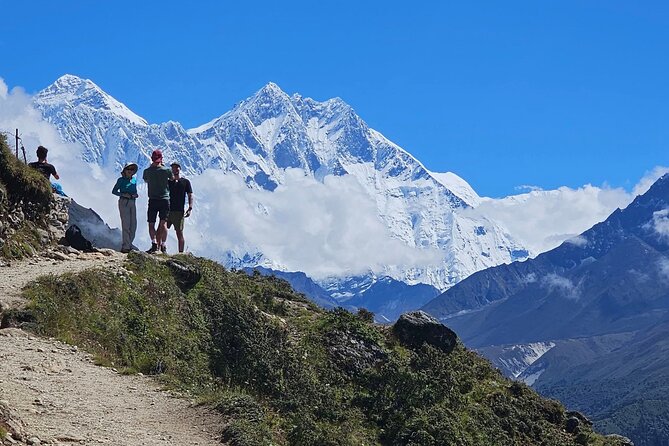
If you’re chasing Everest, you’ll find it here in a different way than a summit attempt. You don’t just see the mountain range. You walk through the Sherpa way of life—guesthouses, monasteries, prayer flags, and the slow, practiced routine of acclimatization.
The best part is how the route is paced. You’re not thrown straight from one altitude to the next. Instead, you climb, rest, climb again, then hit the high country—exactly how your body needs it to feel.
This is also a trek where the details matter. Your guide’s experience can change how confident you feel on steep, rocky sections. In the feedback I’ve seen, guides such as Pradip were highlighted for spotting wildlife and for steering groups safely through difficult terrain. That matters when paths narrow and weather shifts.
You can also read our reviews of more hiking tours in Kathmandu
Kathmandu start: hotel comfort and a very early airport meet
Your trip begins at Tribhuvan International Airport with a scheduled meeting time of 5:30 am. After you arrive, you’re met and transferred to your Kathmandu hotel.
Kathmandu stays are in 3-star standard lodging with attached bathrooms, A/C, and hot/cold showers. That’s not a small thing. After the trek, you’ll appreciate a real shower and a comfortable room before you fly home.
One more practical note: you’ll want to share your international flight details for the meeting and greeting service. If you didn’t book Kathmandu hotels through the operator, you still meet based on the details you provide, and the time is confirmed by email.
Lukla flight: the schedule driver you can’t ignore
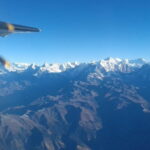
Day 2 is where the trek really starts. You fly from Kathmandu to Lukla (about 2,886m) early in the day, then trek to Phakding (around 2,640m).
Two things to know about Lukla:
- The flight is weather-dependent, so don’t treat the schedule like a math problem.
- The operator does plan for disruption. If a Lukla flight is delayed or canceled, they reschedule for the following day if possible.
Also, you’ll want to pack like a person who plans to move fast. Domestic airlines in Nepal allow 15 kg including your hand bag. Any extra can cost extra on the spot, so weigh your bag before you head to the airport. Your main luggage is carried by porters, so you can keep your day pack practical (water, layers, camera, sunscreen).
The trek to Namche Bazaar: a first taste of high-country Nepal
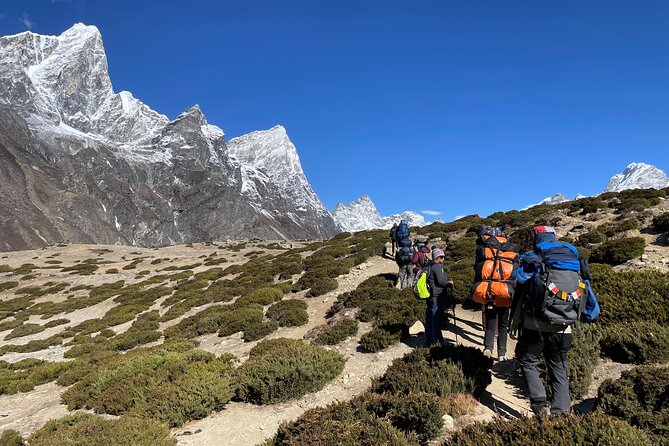
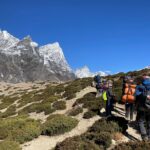
From Phakding to Namche Bazaar, you climb to about 3,440m. This part usually takes around 6 hours, and it’s a steady introduction to the kind of effort EBC requires.
Namche Bazaar is more than a halfway mark. It’s often treated as a key acclimatization stop. This is where the Sherpa culture is easiest to feel: shops, lodges, and the sense of being in the center of the Khumbu trekking world.
What you’ll love here is how the day supports your body. Instead of pushing higher immediately, you rest and adjust. There’s also time for you to move around locally at an altitude your body is starting to tolerate.
A small caution: even on rest days, you might feel the altitude. That’s normal. Go easy, sip water, and don’t chase fatigue just because you’re not walking all day.
Tengboche: monasteries, prayer flags, and the soul-saving pause
Next you head up toward Tengboche at about 3,867m. The climb from Namche is roughly a full day of walking (around 6 hours).
Tengboche is known for monasteries, and this is one of those moments where the trek turns emotional. You’re still hiking, but you also get a break from pure survival mode. Places like Tengboche make the journey feel like more than miles and minutes.
The small drawback to keep in mind: tea-house comfort is never the same from place to place. The operator describes the lodges as clean and comfortable, but remote villages can still feel basic compared with cities. Manage expectations and you’ll enjoy it more.
Dingboche and acclimatization: the altitude lesson that pays off later
From Tengboche you continue to Dingboche around 4,260m. The next day is another acclimatization day at Dingboche.
That second acclimatization day is a big deal. You’re higher now, and your lungs will remind you of it. Resting, taking it slow, and allowing your body to catch up can be the difference between feeling rough and feeling stubborn-but-fine.
This area is also where your trekking day rhythm gets clearer. When you’re tired, you keep moving at a pace you can sustain. When you feel okay, you still don’t sprint. High altitude rewards patience.
Lobuche and Gorak Shep: where the trek turns serious
As you go from Dingboche to Lobuche (up near 4,930m), the scenery gets harsher and the air feels thinner.
Then comes one of the toughest transitions: Lobuche up toward Gorakshep (around 5,140m), with Everest Base Camp activity reaching roughly 5,364m. This is the stage where legs and breathing both take work.
You’ll usually walk about 6 hours on these segments. That doesn’t sound crazy on paper, but it’s the altitude that makes it slow. Your pace here matters more than your speed.
The good news: this is also one of the most rewarding sections. You get closer to the Everest zone in a way that feels tangible, not just scenic.
Everest Base Camp day: reaching the foothill of Everest
The day you go to Everest Base Camp is the headline moment. You’ll be trekking via Gorakshep, and this is where you’re likely to feel that classic trek emotion: you planned for it, you suffered a bit for it, and now it’s right in front of you.
From Base Camp, you’ll be positioned for views toward Mount Everest. It’s not the summit. But it’s the Everest story in real life—the camps, the weather, the scale, and the sense of why people risk so much to come close.
Practical tip: keep your time at the highest point efficient. Cold and wind can change quickly. Photos are great, but don’t ignore your body.
Kala Patthar at 5,545m: the big viewpoint payoff
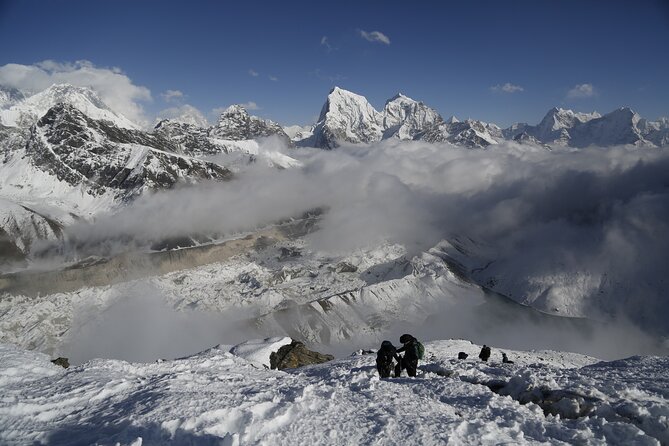
After Gorakshep, you push to Kala Patthar (around 5,545m) and then trek down to Pheriche (about 4,243m).
Kala Patthar is famous because it offers standout views when conditions are clear. This is one of your best chances to see Everest’s big geometry without needing to go any higher.
Just be honest with yourself about the effort. This part can feel brutal because you’re high and tired. If you stop to breathe, nobody thinks you’re doing something wrong. You’re climbing with purpose.
Then you descend to Pheriche, which gives you a needed recovery day before the return.
The return: Pheriche to Namche to Lukla
After a higher day, the next leg is about getting your body back down into a more comfortable zone.
You trek from Pheriche back to Namche Bazaar (down to about 3,440m), then later Namche to Lukla (back around 2,886m). These sections are usually long enough to remind you that trekking isn’t over just because you hit the goal.
Still, the downhill often feels easier on the lungs. Your knees may complain, though, so take care with footing, especially on stony paths.
Kathmandu again: food you know and a little decompression time
On the way out, you board the early flight from Lukla back to Kathmandu. Once you land at Tribhuvan International Airport, you get transferred to your hotel, then dropped off for your departure.
The package includes a farewell dinner in Kathmandu, which is a nice touch if you want a warm send-off before you leave the Khumbu behind.
Food, water, and battery power on the trail
Meals are handled while you’re trekking. Breakfast is included for all trek days listed (14). Lunch and dinner are included on most trekking days (11 each in the package details).
On the water side, you’ll find normal water available for free in places. The operator recommends water purification pills, and you can also buy bottled or boiled water in villages.
Power is not guaranteed everywhere, but it’s available in some villages where you can recharge camera batteries. Solar power is mentioned for certain areas too. Expect that you may need to pay for charging, and bring spare batteries because you can’t count on every tea house having outlets.
Guides, porters, and the safety factor that matters at altitude
This is a guide-led trek. You’ll travel with an experienced, helpful guide plus porters. The porter ratio is 1 porter for 2 people, and your main luggage is carried so you can keep a day pack manageable.
This kind of support matters in the Everest region. Routes can be rocky, weather can shift, and high altitude punishes mistakes. A guide who knows when to slow down and how to read the terrain makes a difference in how you handle discomfort.
One name kept coming up in the strong feedback: Pradip. The praise wasn’t just about being nice. It was about mountain experience, spotting wildlife, and making the group feel safe and informed in tough conditions. Another name that surfaced in the process support side was Niti, described as professional and organized before and after the trek.
Also, there’s a stated maximum group size of 15. That’s not tiny, but it helps keep logistics more human.
Price and value: is $1,500 per person a fair deal?
At $1,500, you’re paying for more than walking days. The package includes:
- Airport transfers in Kathmandu
- Two nights in Kathmandu at 3-star standard hotels
- Lodges/tea-house accommodation during the trek
- An experienced guide and porters (1 porter for 2 people)
- TIMS card fees and included taxes/official charges
- A first aid medical kit
- Most meals while trekking (breakfast every trek day plus lunch/dinner on most days)
What’s not included is also clear: your Kathmandu lunches and dinners, drinks (alcoholic and non-alcoholic), and your travel insurance.
For value, the big question is whether you’re comfortable with the tradeoffs: tea-house lodging basics versus the included convenience of having meals, sleeping, and support handled. If you want a more independent experience with fewer moving parts, this kind of guided package might feel too structured. If you want support, predictability, and experienced help in a high-stakes environment, it’s easier to justify.
Single supplement is available for $200, and accommodations are twin share otherwise. If sharing rooms with a new trekking partner is a dealbreaker, plan early.
Who should book this Everest Base Camp trek?
This trek suits you if:
- You have strong physical fitness and are ready for altitude work
- You want guided route support and porter assistance
- You care about cultural stops like Namche Bazaar and Tengboche
- You want a fairly tight plan with meals, lodging, and key logistics handled
It might not be the best fit if:
- You’re expecting luxury accommodations at altitude
- You hate schedule uncertainty caused by Lukla flights
- You’re not comfortable budgeting for drinks, snacks, and possible charging fees for batteries
Should you book this Everest Base Camp trek?
I’d lean toward booking if you want a well-run, supported EBC experience with a real guide focus and clear inclusions. The names showing up in the feedback—Pradip for mountain guidance and Niti for smoother coordination—signal the operator pays attention to more than just beds and stamps.
Before you commit, do two practical checks:
- Make sure you’re mentally ready for high-altitude days (especially Kala Patthar and the push toward Base Camp).
- Budget for what’s not included in the package: Kathmandu meals, drinks, tips, and any extra charging costs.
If those boxes check out, this is a strong choice for your Everest Base Camp goal.
FAQ
How long is the Everest Base Camp trek?
The duration is listed as approximately 14 days.
Where do you meet in Kathmandu?
You meet at Tribhuvan International Airport, Kathmandu, at 5:30 am.
What is the trek route like?
You fly Kathmandu to Lukla, trek to Phakding, then continue through Namche Bazaar, Tengboche, Dingboche, Lobuche, Gorakshep, Everest Base Camp, Kala Patthar, Pheriche, back to Namche Bazaar, and return to Lukla, then fly back to Kathmandu.
What’s included in the price?
Included items are airport pickup and drop-off by private transport, Kathmandu hotel stays (two nights in 3-star standard accommodation), all lodge/tea house stays during the trek, an experienced guide and porters, TIMS card fees, a first aid medical kit, selected meals while trekking, and listed taxes and official charges.
Are meals included on the trek?
Breakfast is included for 14 mornings. Lunch and dinner are included for 11 days each, while you are on the trek. Meals in Kathmandu are not included.
How many travelers are in the group?
The trek has a maximum of 15 travelers.
Do porters carry your luggage?
Yes. Your main luggage is carried by porters. You carry a day pack while trekking. The ratio listed is 1 porter for 2 people.
Is a single room available?
Single supplement accommodation is available on request for an additional $200.
What happens if the Lukla flight is canceled or delayed?
If the flight is canceled, they reschedule for the following day subject to availability. In a group, a helicopter can be hired as an option, with costs stated as a minimum of US$-500 per person, paid by you.
Is travel insurance included?
No. Travel insurance is not included, and it’s mentioned as important for flight cancellation coverage if you need a helicopter due to Lukla flight issues.