REVIEW · KATHMANDU
Half Day Cooking Class in Thamel with Local Market Visit
Book on GetYourGuide →Operated by Nepal Cooking School · Bookable on GetYourGuide
Spices, steam, and a market stop in Thamel. What makes this class fun is the step-by-step flow: you cook one course, then eat it while it’s hot, and you can control how much chili and seasoning goes in. I also love the local market visit that gets you thinking like a cook, not just a diner, and the payoff is a full plate of Nepali and Newari favorites—plus momos no one gets left out of. One possible drawback: depending on the day, you may not always get the same market timing or you might find it shorter than expected, so it’s worth being flexible and asking.
The class runs in small groups of up to 8 people, which keeps things interactive instead of watching from the sidelines. You can join the morning class at 9:00 am, the afternoon at 1:30 pm, or the evening at 4:30 pm, and pickup is inside Thamel by walk (so you don’t have to hunt for a transfer). If you’re the kind of person who gets picky about spice, good news—you’ll be able to adjust as you cook, not after the fact.
Plan for 3 hours total and come hungry. You’ll get masala tea, drinking water, all equipment and ingredients, and you’ll taste everything you make—so there’s real value in the experience, not just recipes on a paper card. Bring a camera, and if you have allergies or dietary limits, tell the school ahead of time so they can suggest swaps.
In This Review
- Key moments I’d circle in advance
- Thamel half-day cooking: why the market-to-pot flow matters
- Getting there in Thamel: pickup and timing that won’t eat your day
- The local market visit: what you’ll learn beyond the shopping list
- Cooking hands-on: how the step-by-step pace keeps dishes fresh
- Four courses, three menus, and the momo guarantee
- What you actually eat: taste your work while it’s hot
- Price and value: is $21 fair for 4 courses and a market walk?
- Who should book this class (and who might want to adjust expectations)
- Little practical tips I’d use again
- Should you book this Thamel cooking class?
- FAQ
- How long is the cooking class?
- Where is the meeting point?
- What times are the classes offered?
- Is there an English-speaking instructor?
- How many people are in the group?
- How many dishes will I cook and eat?
- Are momos included?
- What should I bring, and can dietary restrictions be handled?
Key moments I’d circle in advance
- Local market ingredients you’ll use right away in your cooking
- Cook-and-eat timing for fresh, hot courses (not a cold buffet)
- Three menu choices with four traditional dishes each
- Momos included on every menu, no matter which one you get
- Small group pace that leaves room for questions and hands-on help
Thamel half-day cooking: why the market-to-pot flow matters
Thamel is busy. That’s part of the charm, but it can also make you feel like you’re rushing through Nepal without learning the basics. This class slows you down in a smart way. You start with ingredients—then you turn those exact ingredients into dishes.
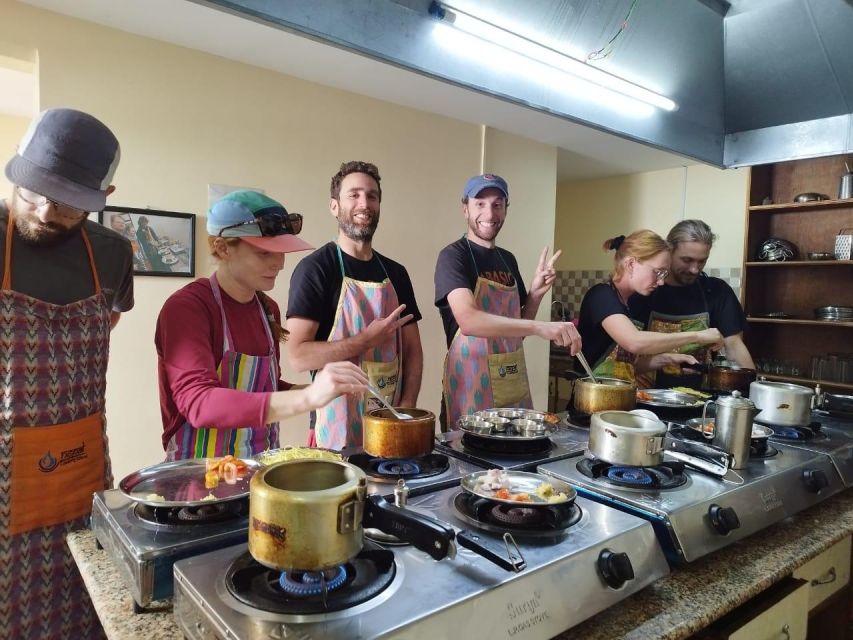
What I like most is how the experience treats cooking as a sequence, not a magic trick. Your instructor guides you through the process step by step, and you get to make choices while you’re actively cooking. That means you’re not just following someone else’s taste—you’re shaping your own plate.
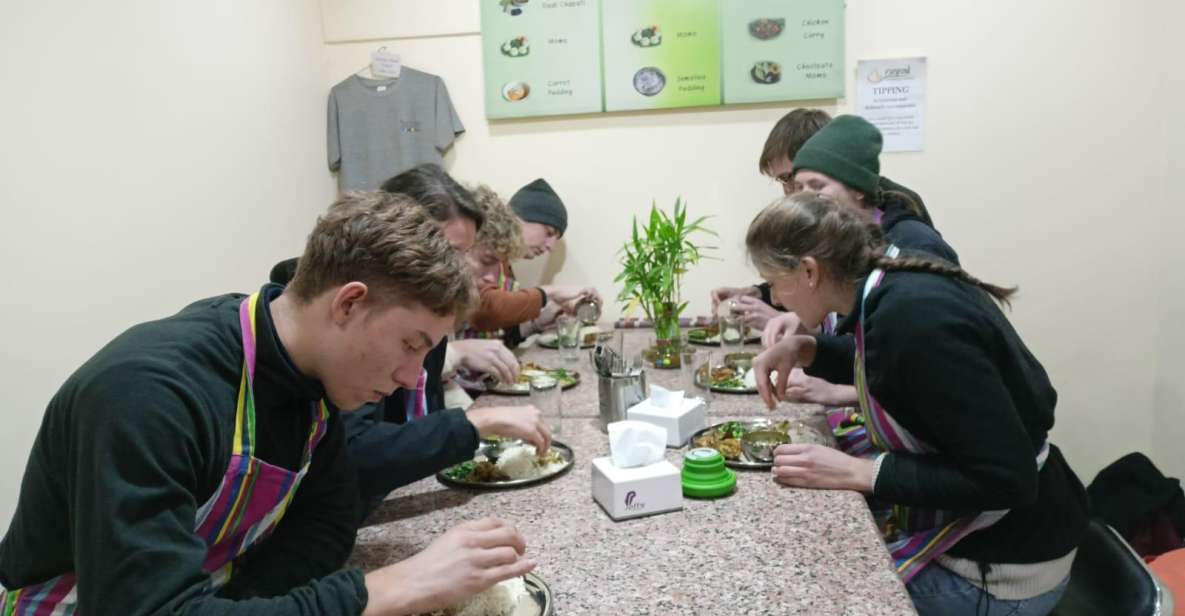
Another plus: you’re not waiting around for a finished spread. You cook one course, eat it, and move to the next. That keeps the whole thing moving and helps you actually understand what each dish is supposed to taste like while it’s still fresh and steaming.
You can also read our reviews of more shopping tours in Kathmandu
Getting there in Thamel: pickup and timing that won’t eat your day
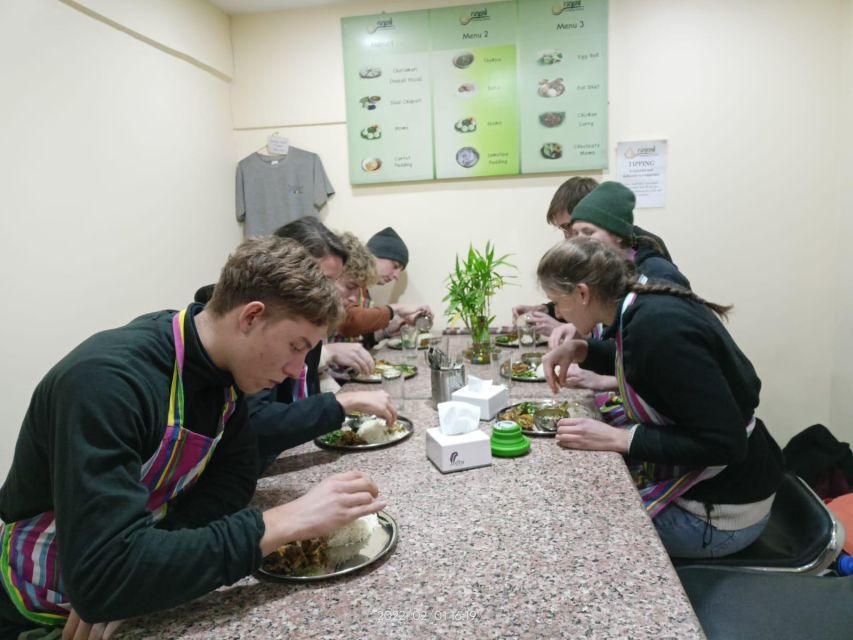
You’ll meet inside Thamel, with pickup handled by walking (no private transfer is included). This is ideal if you’re already staying in or near Thamel, because you’ll spend less time coordinating and more time getting cooking-ready.
You have three starting times: 9:00 am, 1:30 pm, and 4:30 pm. If you like mornings, the early class can be a great way to get your bearings in Kathmandu before the crowds build. If you’re out exploring earlier, the afternoon or evening slot keeps you from cutting your day short.
The group stays small—up to 8 participants—so you’re not stuck behind a line of people trying to see over shoulder height. In a class this hands-on, that small size makes a real difference.
The local market visit: what you’ll learn beyond the shopping list
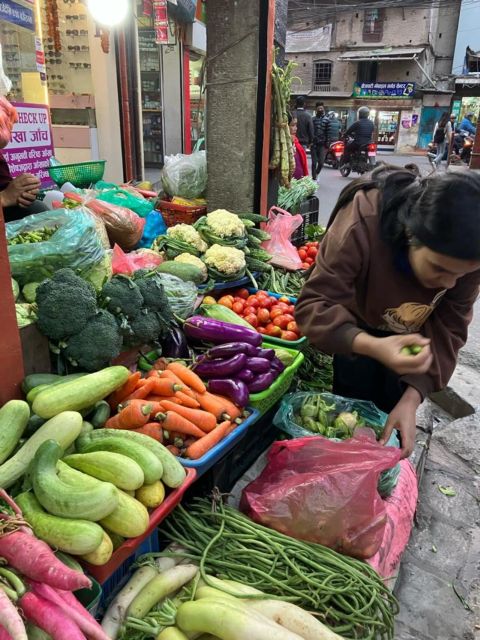
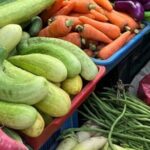
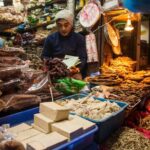
A market walk can sound like an add-on. Here, it actually sets the whole class up. You’ll see the ingredients that show up in Nepali and Newari cooking and get a feel for how spices and produce connect to the final flavor.
Keep your eyes open for spices and cooking staples, because you’ll likely talk about what they do in the dish, not just how they look. Even if you’re not buying anything, the point is to learn the logic behind flavor: heat, aroma, acidity, and balance.
One caution from real life: you might find the market visit varies a bit by session. On at least one day, the market stop didn’t happen as expected, and that could affect your ability to buy spices on-site. If market time is important to you, ask the school before your class so you’re not planning to shop and then arriving to a different flow.
If you do shop for spices, don’t be shocked if you see higher prices than you expect in some markets. It may still be worth it for freshness and convenience, but I wouldn’t build the budget around scoring bargains.
Cooking hands-on: how the step-by-step pace keeps dishes fresh
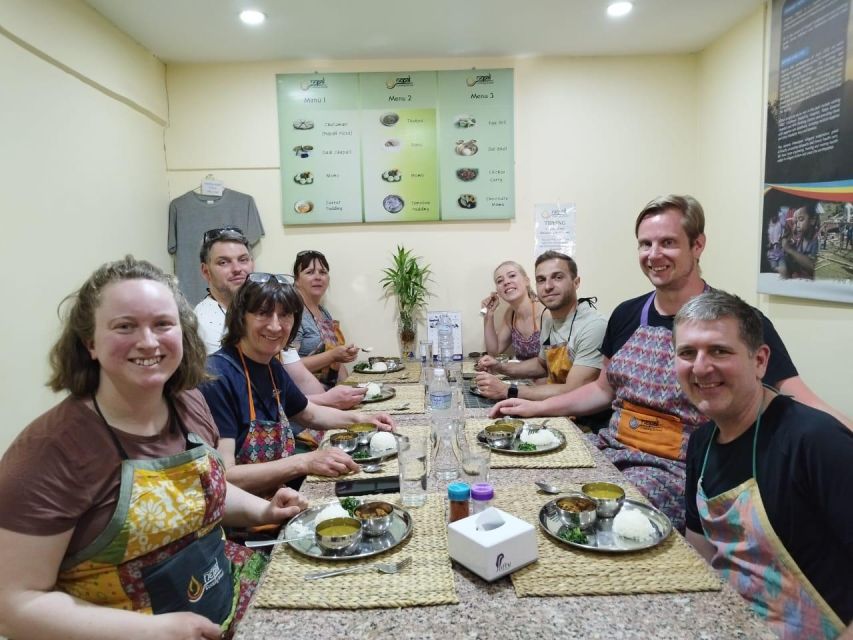
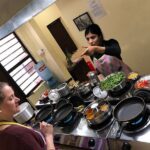
This class works because it’s structured like a lesson, not like a demonstration. Your chef takes you through the process step by step, and you’ll cook one course and then sit down to eat what you just made. That one detail changes everything.
Cooking, then eating right away helps you catch mistakes early. If your chili level is off, you see it immediately and you can adjust for the next dish. If a spice hits differently than you expected, you notice while the flavors are still hot and direct.
You also get control over taste. You can add as much or as little of each ingredient as you like. That’s huge if you love chili, but it’s also your safety net if you don’t. Instead of being forced into a fixed spice level, you can keep things mild.
The class includes all equipment and ingredients, so you’re not tracking down cookware or hunting for hard-to-find items. You just show up with your camera and energy and follow along.
Four courses, three menus, and the momo guarantee
You’ll cook four courses in total, and the menu is built around traditional Nepali and Newari food. There are three different menus, each with four dishes, so there’s flexibility and variety across sessions.
Here’s the part I’d take seriously if you’re planning your meal expectations: momos are included on every menu. That’s a strong promise, especially if momos are your main Kathmandu target. It also means you won’t waste your time in a menu that doesn’t hit your favorite.
The menu structure also matters because you’re learning range. You’re not stuck repeating the same technique four times. You’ll get experience with different ingredients and cooking methods across courses, which is what makes the class useful if you want to recreate Nepalese cooking at home later.
In one class style, the school also handles adjustments within the menu so individuals can swap or tailor dishes more than you might expect from a rigid cooking schedule. That makes the experience feel less like a factory line and more like you’re cooking with a real team.
You can also read our reviews of more tours and experiences in Kathmandu
What you actually eat: taste your work while it’s hot
The class builds around tasting, not just cooking. You’ll taste your own creations, and because you eat after each course, you’re getting fresh flavors instead of lukewarm samples.
You’ll also get masala tea during the experience. It’s simple, but it helps with pacing—especially if you’re cooking while the day’s heat is rising. Drinking water is included too, which is useful in Kathmandu where you’ll move between stalls and the kitchen.
Come hungry. Not because it’s a challenge, but because you’ll likely be tasting multiple dishes in a short window. The goal is to learn the flavor profile of Nepalese and Newari cooking through real bites, not just one plate and a lesson poster.
Price and value: is $21 fair for 4 courses and a market walk?
At $21 per person for a 3-hour experience, this class offers solid value, mainly because it’s not just teaching. You’re getting a guided market experience, an English-speaking instructor, all ingredients and equipment, and four cooked courses that you eat.
Most “food experience” pricing doesn’t include a full meal you cook yourself. Here, you’re paying for the process: ingredients, instruction, time, and the fact that you’re actively producing a multi-course meal. And because you cook one course at a time, you’re not just consuming—you’re learning what causes the flavors you like.
The included items matter for value:
- all ingredients and equipment
- market visit
- cooking instruction in English
- masala tea and drinking water
- tasting what you make
The main things not included are alcoholic beverages and private transportation, plus pickup outside the Thamel area. If you’re already in Thamel, that missing transport piece won’t matter much.
Who should book this class (and who might want to adjust expectations)
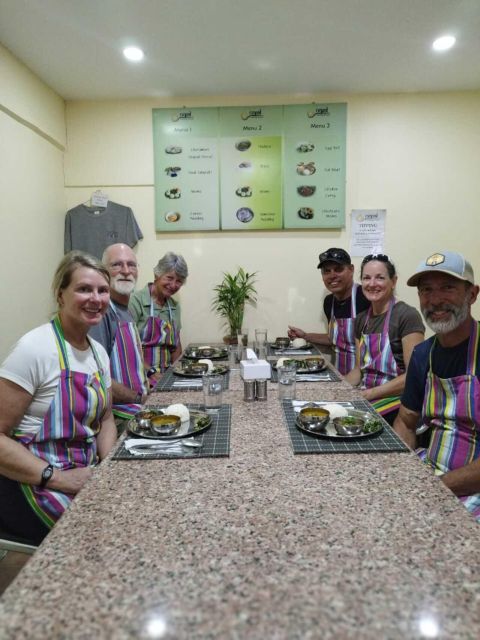
This is a great fit if you want a Nepalese food experience that goes beyond eating. If you like hands-on learning—rolling, chopping, mixing, tasting, adjusting—this class will feel productive and fun.
It also suits solo travelers because you’ll be in a small group and treated like a participant, not a spectator. If you’re nervous about cooking, the step-by-step structure helps. You’re guided through each stage, and you can control spice levels to match your comfort.
If you’re mainly looking for a big sightseeing day, this won’t be that kind of tour. The focus is the kitchen and the market ingredients that power the cooking. It’s “half day” in the truest sense: you’ll leave with full knowledge of what you cooked and a stomach full of food.
Also, if a market visit is non-negotiable for you, you should confirm your exact session’s market timing. Some schedules may differ, and the class is still valuable even if the market stop is shorter—but it’s worth aligning your expectations.
Little practical tips I’d use again
- Bring a camera so you can capture spice colors and the hands-on stages.
- Tell the instructor about allergies or dietary restrictions ahead of time so you get safer suggestions.
- If you’re spice-sensitive, don’t worry. You control the chili and can keep it mild as you cook.
- Try to show up with time to spare. You’ll be moving between market and kitchen flow, and it’s more relaxed when you’re not rushing.
Should you book this Thamel cooking class?
Yes, if you want Nepalese and Newari cooking taught in a way that makes you taste what you learn. The small group size, the cook-and-eat structure, the momo guarantee, and the fact that you handle multiple courses in one session add up to more than a typical “watch and eat” experience.
Book it especially if you like interactive food learning and you’re staying in or near Thamel. If you care deeply about the market stop being part of the day, confirm that your specific session includes it in the way you expect. Other than that, this is the kind of class that turns Kathmandu flavors into something you can remember—and recreate.
FAQ
How long is the cooking class?
The class lasts about 3 hours, with the experience planned as a 2–3 hour cooking class plus the included market visit.
Where is the meeting point?
Pickup is arranged inside Thamel by walking. Pickup outside the Thamel area is not included.
What times are the classes offered?
There are three daily shifts: 9:00 am, 1:30 pm, and 4:30 pm.
Is there an English-speaking instructor?
Yes. The cooking instructor speaks English.
How many people are in the group?
The group is small, limited to 8 participants.
How many dishes will I cook and eat?
You cook and taste 4 courses. There are 3 different menus, each with 4 traditional dishes.
Are momos included?
Yes. Momos are included on each menu, so no one misses out.
What should I bring, and can dietary restrictions be handled?
Bring a camera. If you have dietary restrictions or allergies, inform the cooking school so the instructor can make accommodations or suggest alternatives.